Flower Delivery in Kozmodemyansk: Timing, Choices and What to Expect
Kozmodemyansk sits on the right bank of the Volga, quiet and unhurried, and when you want to send someone there a bouquet that arrives fresh and on time, a few things are worth knowing before you order. The climate, the distance from the nearest large hub and the season all shape what your recipient will actually unwrap. This guide walks you through everything — from how long delivery takes and which flowers travel best, to how to match a bouquet to the person and the moment.
Where Kozmodemyansk Fits in Our Delivery Map
Kozmodemyansk is the administrative centre of the Gornomariysky district in the Mari El Republic, sitting close to the border with Nizhny Novgorod Oblast. It is a small city by Russian standards, with a compact historic centre and residential areas that spread toward the forest edge. Turboflora covers the city itself and the surrounding district, reaching addresses in the central streets, the riverside neighbourhoods and the quieter outskirts without extra routing complications.
Because Kozmodemyansk is not a metropolitan centre, delivery logistics here differ from Saint Petersburg or Kazan. The city is well connected by road along the Volga corridor, which means our couriers can navigate it reliably. What matters for you as the sender is understanding that the bouquet leaves a temperature-controlled environment and arrives at a residential door or workplace reception, so the handover point matters. If your recipient works in an office with a lobby, note that in the order comments so the courier does not wait outside.
We deliver across the full postal area of Kozmodemyansk, including addresses that sit slightly outside the city boundary toward Yurinskiy and Kilemarskiy directions. If you are unsure whether a specific village address qualifies, the order form will confirm coverage at checkout. The goal is simple: your recipient opens the door and finds flowers that look as though they were cut that morning, regardless of how far they live from the city centre.
Bouquets we can deliver
Realistic Timing: What One to Two Hours Actually Means Here
Turboflora's standard window is one to two hours from order confirmation to delivery. In Kozmodemyansk that window holds for addresses within the city proper during standard operating hours. The city is compact enough that a courier covering the central districts rarely needs more than forty minutes of driving time once the bouquet is assembled and dispatched.
Where timing stretches is at the edges of the delivery zone, particularly addresses past the city limits or in areas where road quality slows a vehicle in winter. If your recipient is in an outlying part of the district, expect the upper end of the two-hour window rather than the lower. Ordering in the morning for a midday arrival is the most reliable approach for any address that is not central.
Season matters more than most senders realise. In January and February, when temperatures in the Mari El region regularly drop below minus fifteen degrees Celsius, couriers take extra steps to protect flowers during transit. Bouquets are wrapped in insulating kraft paper and, where necessary, placed in thermal bags. This adds a few minutes to preparation but protects roses and tulips from freeze damage on the doorstep. In July and August the concern reverses: heat above thirty degrees can wilt delicate petals within twenty minutes of leaving cool storage, so summer deliveries are timed to avoid the hottest part of the afternoon where possible. Telling us the best delivery window when you order is the single most useful thing you can do.
Choosing Flowers for the Person, Not Just the Occasion
A birthday bouquet for a woman in her sixties who tends a garden is a different conversation from flowers for a colleague's promotion. Start with the recipient, not the calendar date. Someone who grows their own dahlias and peonies will notice the quality of a stem far more than someone who rarely buys flowers, so for a keen gardener, a tightly edited arrangement of garden roses such as David Austin varieties, combined with eucalyptus and a few stems of lisianthus, will read as thoughtful rather than generic.
For recipients who are less familiar with flowers, bold and readable combinations work best. Sunflowers paired with orange gerbera and yellow solidago make an immediately cheerful impression. Red roses remain the clearest signal of romantic feeling in Russian culture, and a dozen red roses wrapped simply in kraft paper with a satin ribbon is still one of the most received and appreciated gestures across all age groups.
If you are sending to someone you do not know well — a business contact, a host family or a new colleague — white and cream tones carry the least risk of misreading. White alstroemeria, cream spray roses and pale green chrysanthemums make a neutral but genuinely attractive combination. Avoid all-red arrangements for professional contexts, as in Russian tradition red flowers carry strong romantic or intensely personal connotation. A mixed bouquet with red as one element among several is perfectly appropriate for colleagues. When in doubt, a single-variety bouquet of a quality flower — twenty stems of white tulips, for instance — is always elegant and always correct.
Seasonal Flowers That Actually Travel Well to Kozmodemyansk
Not every flower handles a delivery journey equally. Some varieties that look spectacular in a florist's cold room arrive stressed and drooping if the transit conditions are not ideal. Knowing which flowers are robust helps you order with confidence.
Roses are the most reliable year-round option. Varieties with dense petals such as Explorer, Avalanche and Red Naomi hold their shape well during transport and have a vase life of seven to ten days when properly conditioned. Chrysanthemums are another strong choice: both the large-headed and spray varieties are almost indifferent to temperature fluctuation and last two weeks in a clean vase. Alstroemeria is similarly tough and offers long vase life, making it excellent value for recipients who want flowers that stay beautiful for the whole week.
Tulips are a spring favourite across Russia and they travel well when the stems are kept cool, but they continue to grow after cutting, sometimes dramatically. A recipient who places tulips in a warm room will find them twice as open by the next morning, which many people find charming rather than problematic. Peonies, available from late May through June, are among the most loved flowers in Russia but are sensitive to heat. For a summer delivery in Kozmodemyansk, order peonies for morning arrival only.
In winter, carnations are underrated. They survive cold transit without damage and last well over a week. Combined with hypericum berries and eucalyptus, a carnation bouquet in burgundy and white looks genuinely festive rather than old-fashioned. Avoid delphinium and sweet peas for long-distance or cold-weather delivery, as both wilt quickly once cut.
Presentation and Wrapping: What Your Recipient Actually Sees First
The first impression is the packaging, not the flowers themselves. A bouquet that arrives in a crumpled cellophane sleeve with a generic ribbon communicates something very different from the same flowers in structured kraft paper with a linen bow and a handwritten card. In Russian gifting culture, presentation carries significant weight. Flowers are often given in front of other people — at a birthday gathering, a school celebration or a work anniversary — and the visual impact of the unwrapping moment matters to the recipient.
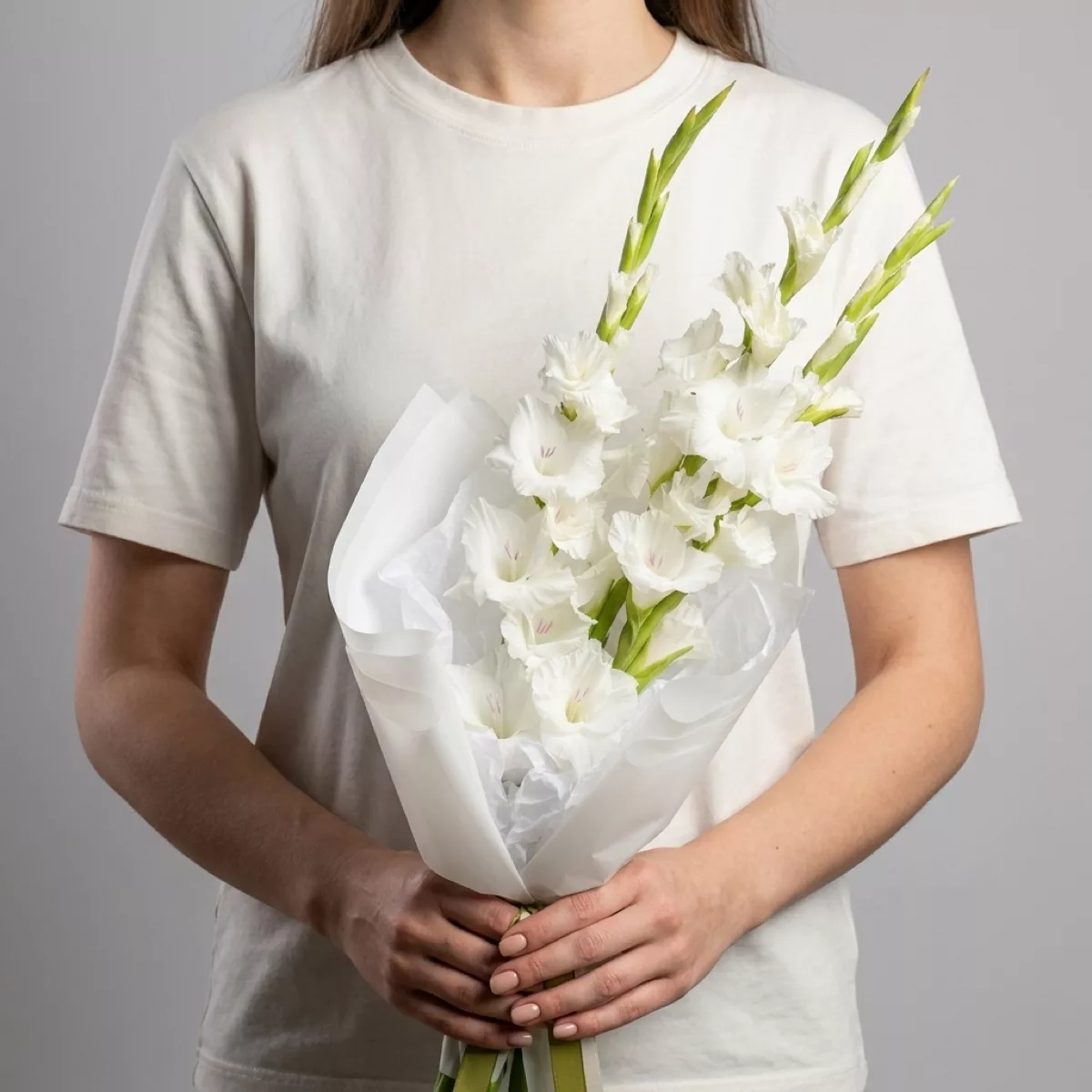
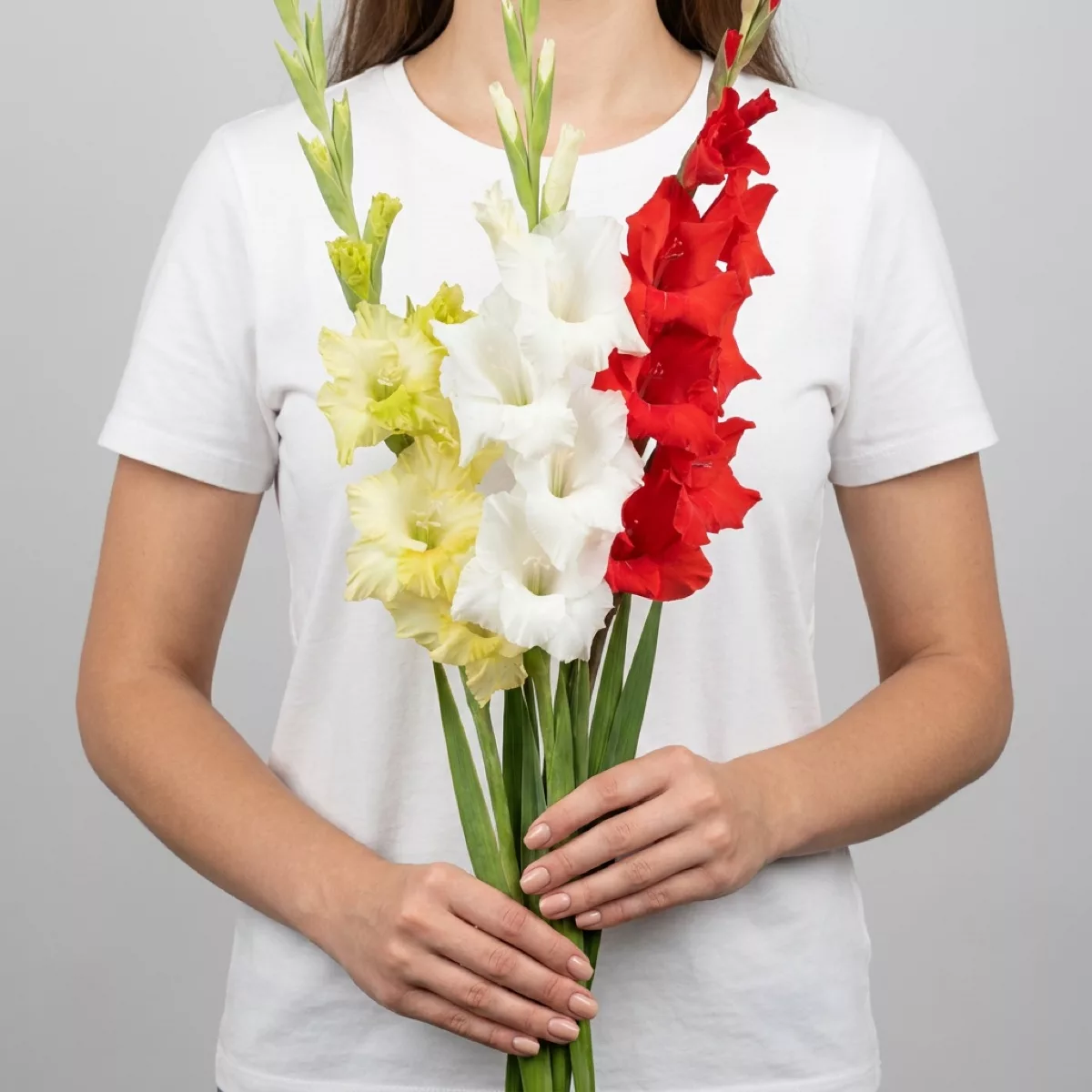
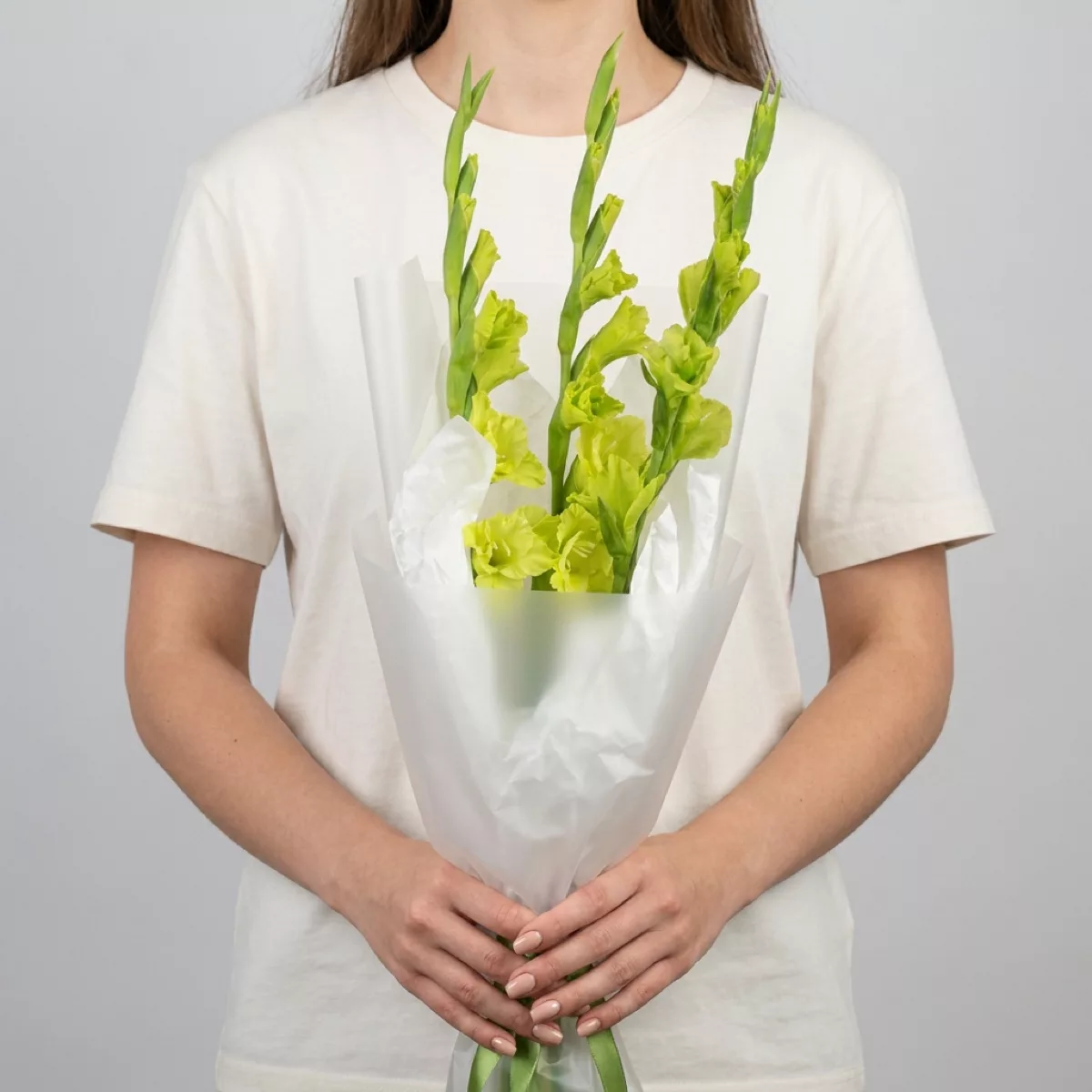
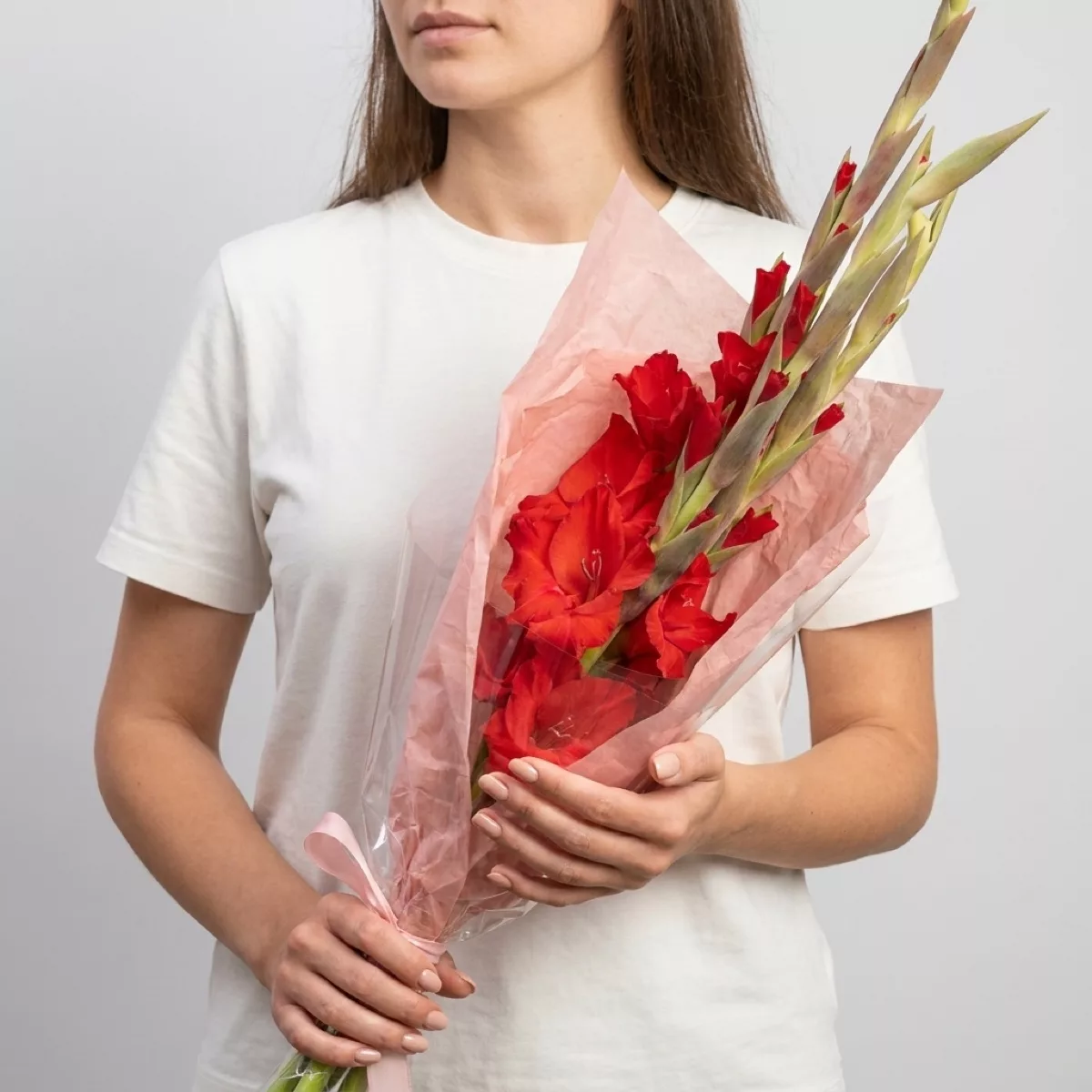
Turboflora wraps each bouquet to suit the flower type and the occasion. Tall, structured arrangements such as roses or gladioli travel in upright box packaging that protects the heads during transit. Softer, garden-style bouquets with mixed textures are wrapped in layers of tissue and kraft paper to hold shape without crushing the more delicate blooms. If you have a preference for a particular colour of wrapping or a specific ribbon style, note it in the order comments.
A handwritten card is worth including even if you plan to call the recipient separately. In Russian tradition, flowers without any accompanying note can feel slightly impersonal, particularly for significant occasions. The card does not need to be elaborate — a single warm sentence is enough. If you are sending from abroad and are unsure of the phrasing in Russian, writing your message in English is completely acceptable; recipients generally appreciate the personal effort regardless of language. We can also transliterate a short message into Russian on request if you provide the text.
Vase Life and Care: Helping Your Recipient Keep Flowers Longer
A bouquet that lasts five days instead of ten is often the result of small avoidable mistakes in the first few hours after arrival. Passing on simple care advice to your recipient, either in the card or in a message, makes a real difference to how long they enjoy the flowers.
The most important step is recutting the stems at an angle of roughly forty-five degrees immediately after unwrapping. This reopens the vascular tissue that may have sealed during transit. Use a clean, sharp knife rather than scissors, which can crush the stem end. Place the bouquet in a clean vase with cool water and a small sachet of flower food if one is included with the order. Change the water every two days and recut the stems each time.
Keep the vase away from direct sunlight, radiators and fruit bowls. Ripening fruit releases ethylene gas, which accelerates petal drop in roses, carnations and lisianthus. In Kozmodemyansk's heated winter apartments, where indoor temperatures often reach twenty-two to twenty-four degrees Celsius, flowers will fade faster than in a cooler room. Moving the vase to a hallway or an unheated room overnight can extend vase life by two or three days.
For tulips specifically, add a small coin to the vase water — an old folk practice that many florists still recommend, as copper ions have a mild antibacterial effect. Whether or not the science fully supports it, keeping the water clean is the real goal, and changing it frequently matters more than any additive. Roses benefit from removing the lower leaves that would otherwise sit below the waterline and rot, clouding the water and shortening stem life.
Ordering Tips That Make the Delivery Go Smoothly
Most delivery problems come from incomplete address information rather than logistics failures. Kozmodemyansk uses a standard Russian address format: street name, building number, apartment or office number, and entrance number where relevant. Residential buildings in Russian cities often have multiple entrances numbered separately, and a courier arriving at entrance one when the recipient is in entrance four will lose significant time. Include the entrance number and the floor if you know them.
If the recipient lives in a building with an intercom, note the apartment number clearly so the courier can buzz correctly. For deliveries to workplaces, include the organisation name and, if possible, the name of a receptionist or the department, so the bouquet is not held at a general desk and forgotten. A mobile phone number for the recipient is essential: couriers will call ahead if they cannot locate the entrance or if the recipient is not answering the door.
For surprise deliveries, you can ask us to coordinate timing with a third party — a family member or colleague — who can ensure the recipient is at the address without spoiling the surprise. Note this arrangement clearly in the order comments and provide the contact person's number alongside the recipient's.
Finally, double-check the delivery date and time window before confirming the order. Russian public holidays and regional celebration days in Mari El can affect traffic patterns in Kozmodemyansk, particularly around Navruz in spring and the national Mari holidays in summer. Ordering slightly earlier than you think necessary on these days is always the safer choice.
Sending flowers to Kozmodemyansk from anywhere in Russia is straightforward when you know what to expect at each step. The city is well within our delivery reach, the roads along the Volga corridor are reliable, and the one-to-two-hour window holds for the vast majority of addresses. What makes the difference between a good delivery and a genuinely memorable one is the attention you give to the recipient — their taste, the season, the occasion and the small details of presentation and care. A bouquet chosen with that thought behind it arrives as something personal, not just something pretty.
Frequently asked questions
Can you deliver to a village address near Kozmodemyansk, not just the city centre?
We cover the city itself and surrounding district addresses. Village locations close to Kozmodemyansk are often within our zone, but coverage depends on the specific road and distance. Enter the full address at checkout and the system will confirm whether delivery is available before you complete the order.
What happens to the flowers if the recipient is not home when the courier arrives?
The courier calls the recipient's mobile number before arrival. If there is no answer, they will attempt a second call and wait a short time. If contact cannot be made, we coordinate with you as the sender to arrange a second delivery attempt or an alternative handover point. We do not leave flowers unattended outside a door.
Is it appropriate to send flowers to a Russian colleague for a professional occasion?
Yes, flowers are a common and well-received professional gift in Russia for occasions such as a work anniversary, a promotion or a farewell. Choose white, cream or mixed pastel tones rather than all-red arrangements, which carry romantic meaning. A neat, structured bouquet in neutral colours is always appropriate for a workplace setting.
How should I write the card message if I am sending from outside Russia?
Write your message in whatever language feels most natural and personal. English messages are warmly received and understood by most recipients, particularly in a younger demographic. If you would like the message written in Russian, provide your text and we will transliterate or translate a short phrase for the card on request.
Which flowers last longest in a warm Russian apartment in winter?
Chrysanthemums, alstroemeria and carnations are the most durable in heated indoor conditions, often lasting ten to fourteen days. Roses last seven to ten days with proper stem cutting and clean water. Tulips and gerbera are shorter-lived in warmth but remain beautiful for four to six days if kept away from radiators and direct sunlight.
Ready to send flowers?
Pick the city, choose the bouquet, and a local florist takes it from there.
Choose a city →