Flower Delivery in Krasnokamensk: Timing, Choices and What Arrives at the Door
Krasnokamensk sits in the far east of Zabaykalsky Krai, and sending flowers there from anywhere in Russia is a real gesture — one that says you thought carefully, not just clicked quickly. Whether you are marking a birthday, celebrating a new job or simply reminding someone they are not forgotten, the bouquet that lands on their doorstep tells the story before a single word is spoken. This guide walks you through everything that shapes a successful delivery: when to order, what to choose for the climate and the occasion, and how to make sure the flowers look their best long after they arrive.
Where in Krasnokamensk We Deliver and How the City Is Laid Out
Krasnokamensk is a compact mining city, but its residential districts, the central streets around Ulitsa Lenina, and the newer neighbourhoods on the outskirts all have their own character. Deliveries reach private apartments, private houses and workplace addresses across the city. If you are sending to a company office or a medical facility, it helps to include the full building name and floor in the address field — reception desks in larger buildings sometimes hold parcels, and a precise address means the courier goes directly to the right person rather than waiting at a general entrance.
The city is not large, which works in your favour: once a courier is dispatched, transit time within Krasnokamensk itself is short. The longer part of the journey, when ordering from Saint Petersburg or another distant city, is the logistics corridor that brings the bouquet into the region. We coordinate that in advance so the flowers are not sitting in transit beyond their optimal window. Roses, spray chrysanthemums and alstroemeria handle longer journeys well when conditioned properly; delicate open garden roses or fully open peonies are better chosen for same-day local slots rather than multi-day regional routes.
If the recipient lives in one of the outlying residential blocks rather than the central district, simply note that in the delivery comment. Our team plans the route accordingly and will confirm the slot with you before dispatch. Knowing the district in advance removes the most common cause of delay on unfamiliar city layouts.
Bouquets we can deliver

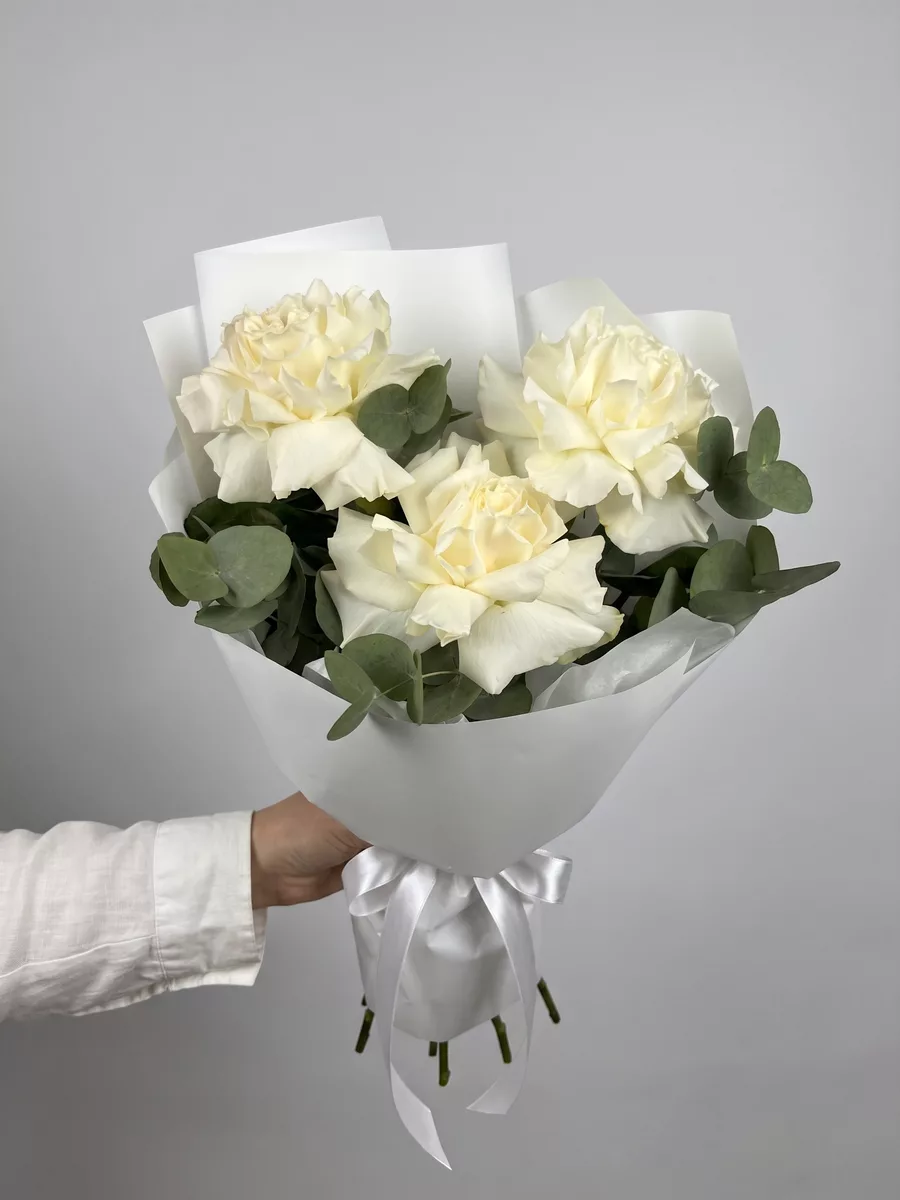
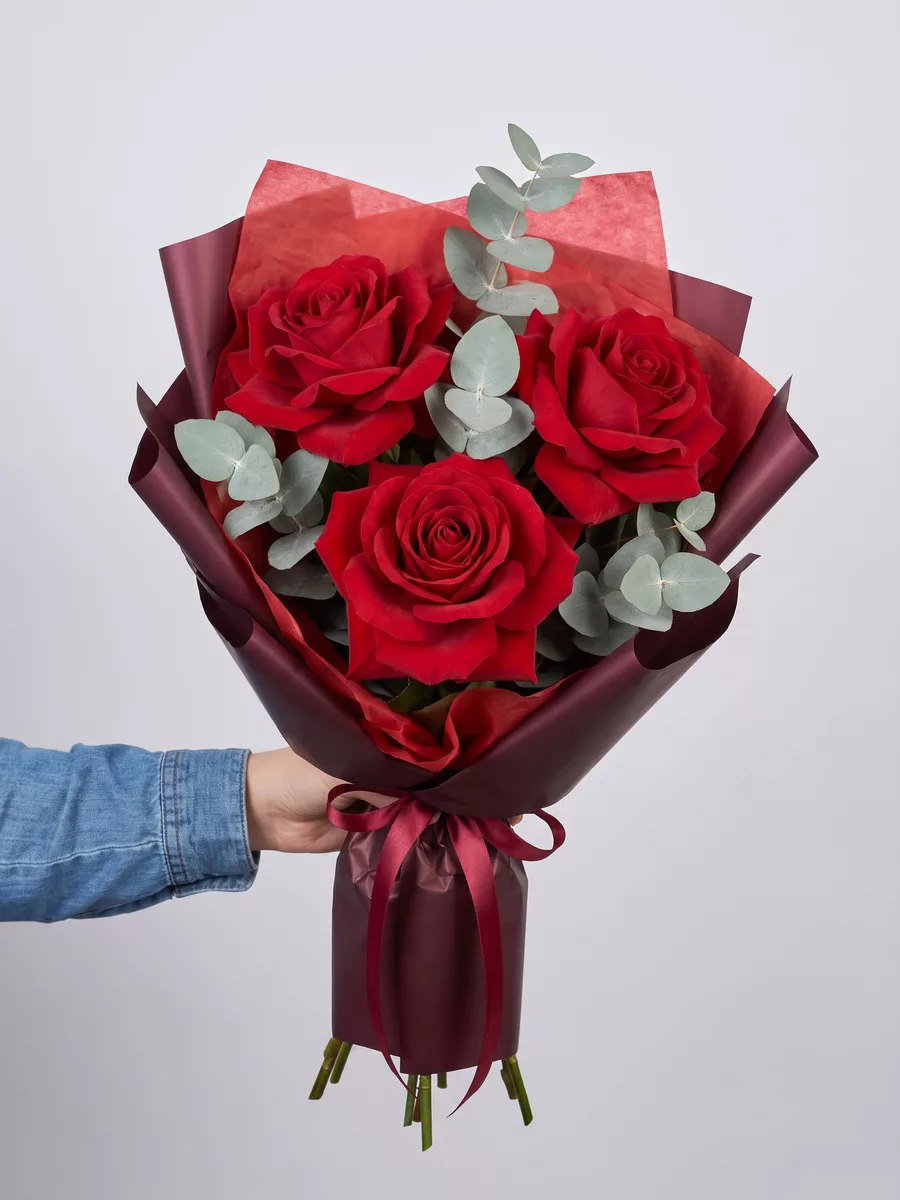
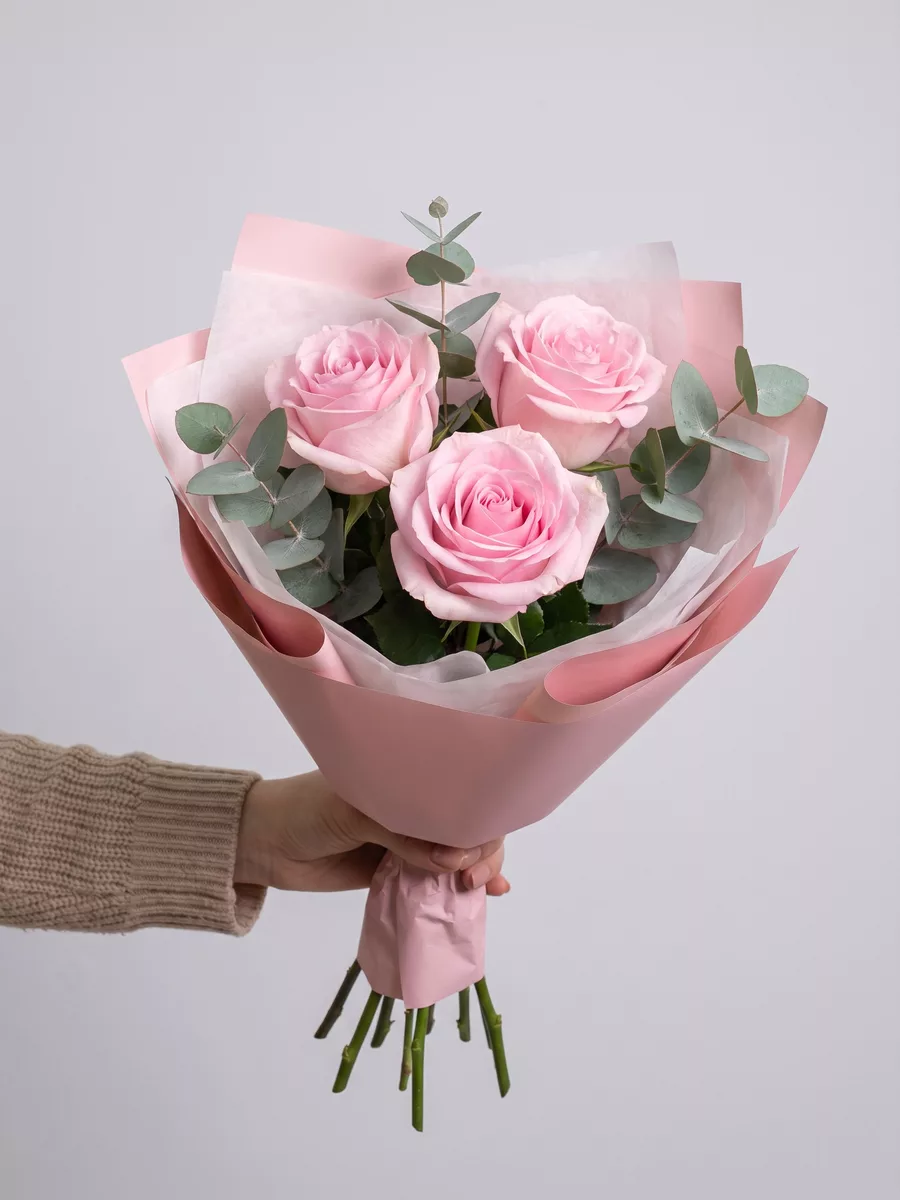
Timing Your Order: Windows, Lead Times and the Right Moment to Book
Krasnokamensk operates on Yekaterinburg time, which is UTC plus five. If you are ordering from Moscow or Saint Petersburg, that is a two-hour difference, and it matters more than most people expect. A bouquet ordered at noon Moscow time arrives into a mid-afternoon window locally — which is often ideal for a workplace surprise but may miss a morning birthday breakfast entirely. Checking the time zone before you confirm your slot takes thirty seconds and saves a disappointed recipient.
For standard occasions — birthdays, anniversaries, congratulations — placing your order at least twenty-four hours ahead gives the best result. This lead time allows us to prepare the specific varieties you have chosen rather than substituting on the day. For same-day delivery within the city, orders placed before ten in the morning local time have the highest success rate. Orders placed later in the day may still be fulfilled, but variety selection becomes narrower as the day progresses.
Peak periods in Russia follow a predictable calendar: the days around the eighth of March (International Women's Day) are the single busiest window of the year, and the days around the fourteenth of February and the first of September (the start of the school year, when teachers traditionally receive flowers) also see high demand. Booking three to five days ahead during these periods is not overcautious — it is simply practical. Outside peak periods, a day's notice is usually enough, and for birthdays you know about weeks in advance, booking early guarantees the exact bouquet rather than a close alternative.
Choosing Flowers for Someone Who Lives in a Cold Climate
Krasnokamensk winters are serious: temperatures regularly fall to minus twenty-five Celsius or lower, and even spring and autumn bring sharp frosts. This shapes which flowers make sense to send and how they are packaged. Tropical varieties like anthuriums and bird-of-paradise are beautiful but sensitive to cold shock — a few minutes of exposure below zero can blacken the petals before the recipient even unwraps the bouquet. For winter deliveries, the safest and most impressive choices are roses, carnations, spray chrysanthemums, alstroemeria and waxflower, all of which tolerate brief cold exposure far better than their more exotic counterparts.
In summer, Krasnokamensk warms considerably, and the range opens up. Lisianthus, matthiola, and seasonal garden-style arrangements with ranunculus or freesia become viable. The rule of thumb is simple: the more structured and waxy the petal, the more resilient the flower. Soft, papery petals — like those on anemones or open garden roses — need more careful handling in temperature extremes.
Packaging for cold-climate delivery includes insulating wrap around the stems and, where appropriate, a thermal layer around the outer kraft paper. The bouquet should be brought indoors promptly rather than left in a cold hallway. If you are sending to someone who lives alone and may not be home at the exact delivery moment, consider asking them in advance or leaving a note with a neighbour — a bouquet left in a minus-twenty entryway for an hour will not recover. A little coordination on your end protects the investment and the impression.
Reading the Occasion: What to Send and Why the Combination Matters
In Russian culture, the number of flowers in a bouquet carries meaning: even numbers are traditionally associated with mourning, so bouquets for celebrations always contain an odd number of stems — three, five, seven, eleven, fifteen. If you are not from Russia, this is the single most important local custom to know. A beautifully arranged bouquet of ten roses, however expensive, will read as wrong to a Russian recipient. Our team applies this automatically, but if you are building a custom order, keep the count in mind.
For a birthday, the combination of roses with a secondary texture — spray roses, waxflower or eucalyptus — feels generous without looking overdone. For a professional congratulation, white or cream flowers with clean green foliage signal respect and taste. For a romantic gesture, deep red roses remain the classic, but a mix of burgundy roses with dusty miller and white lisianthus reads as more considered and less generic. For a new home or a housewarming, sunflowers paired with solidago and orange alstroemeria bring warmth and optimism into a new space.
Presentation matters as much as variety. A tight, round bouquet wrapped in kraft paper with a ribbon photographs well and feels deliberate. A loose, garden-style arrangement in a box suits someone with a vase already at home. If you are unsure what the recipient has at home, a wrapped bouquet is the safer choice — it arrives as a gift, complete in itself, and does not require the recipient to immediately find a container. Adding a handwritten card transforms the delivery from a transaction into a memory.
Budgeting for a Meaningful Bouquet Without Overspending
The most meaningful bouquets are not always the largest. A tight arrangement of nine stems — three focal roses, three spray roses and three stems of eucalyptus — can look more considered and generous than a loose bunch of twenty mixed stems that lacks a clear focal point. When you think about budget, think about density and presentation rather than stem count alone.
At the entry level, carnations and spray chrysanthemums are genuinely beautiful flowers with a poor reputation they do not deserve. A monochrome arrangement of white or blush carnations, tightly packed, with a simple ribbon, is elegant and lasts well over a week in a vase. It is an honest choice, not a compromise. Moving up, alstroemeria combined with roses gives you colour range, longevity and visual weight — alstroemeria in particular opens gradually over several days, so the bouquet looks different and fresh throughout its life.
At the higher end, garden roses — varieties like David Austin types with their cupped, multi-petalled heads — make an immediate impression. Pair them with ranunculus and soft foliage for a bouquet that looks like it was cut from a private garden. Peonies, when in season from late spring through early summer, are the most requested luxury flower in Russia and justify their cost with their size and scent. Out of season, a large-headed rose in blush or coral reads similarly.
Whatever your budget, always allocate something for the card. The message is what the recipient keeps long after the flowers are gone, and it costs almost nothing to write something real.
What Happens After Delivery: Vase Life and Simple Care
Most people underestimate how much a few basic steps extend the life of cut flowers. The first action matters most: when the bouquet arrives, cut the stems at a diagonal angle — about two centimetres from the bottom — under running water or while the stem is submerged. This prevents an air bubble from forming at the cut and blocking water uptake. Use a clean vase, not one rinsed quickly but actually washed with soap, because bacteria in a dirty vase shorten vase life significantly.
Water temperature is worth noting. Lukewarm water is absorbed faster than cold water for most varieties, with the exception of bulb flowers like tulips and hyacinths, which prefer cold. Change the water every two days and re-cut the stems each time. Remove any leaves that sit below the waterline — they rot quickly and cloud the water, encouraging bacterial growth that clogs the stems.
Keep the vase away from direct sunlight, radiators and fruit bowls. Ripening fruit releases ethylene gas, which accelerates petal drop in roses and carnations noticeably. A cool room, ideally between sixteen and twenty degrees Celsius, gives the longest vase life. Roses and alstroemeria typically last seven to ten days with proper care. Spray chrysanthemums often reach twelve to fourteen days. Lisianthus, if cut before fully open, can last two weeks. Carnations are among the most resilient of all — a well-cared-for carnation in clean water can last three weeks. Knowing this helps you choose varieties that match how long the occasion deserves to be celebrated.
Making the Order Smooth: Details That Prevent Problems
The most common reason a delivery is delayed or misdelivered is an incomplete address. In Krasnokamensk, as in many Russian cities, apartment buildings share similar street numbers across different districts, and some newer developments are not yet in standard mapping databases. When you place your order, include the street name, building number, apartment or office number, and the entry code if the building has a coded door panel. If the recipient lives in a building with a concierge or security desk, note that too — couriers need to know whether to call ahead or to go directly to the floor.
If you want the delivery to be a surprise, you can ask us to call you rather than the recipient when the courier arrives. This gives you the chance to coordinate the moment — to make sure the recipient is home, or to arrange for a family member to open the door. Surprise deliveries work best when someone on the receiving end knows to expect a knock, even if they do not know what is coming.
Double-check the recipient's phone number. Our courier will call or message before arriving, and an unreachable number is the single most common reason a delivery has to be rescheduled. If the recipient is likely to be in a meeting or in an area with poor signal, leave an alternative contact in the order notes.
Finally, if you are ordering for a specific moment — the exact time a birthday dinner starts, or the moment someone walks out of an exam — communicate that clearly in the notes. We will do our best to honour precise timing, and knowing the reason helps us prioritise correctly when the day is busy.
Sending flowers to Krasnokamensk is a way of closing distance — of making someone in a far eastern city feel seen and celebrated by someone who may be thousands of kilometres away. The details that make it work are not complicated: order with enough lead time, choose varieties suited to the season and the climate, get the address right, and write something real on the card. The bouquet does the rest. Turboflora handles the logistics so that what arrives at the door is exactly what you imagined when you placed the order — fresh, carefully arranged and ready to make the moment.
Frequently asked questions
How far in advance should I order flowers for delivery to Krasnokamensk?
For most occasions, placing your order twenty-four hours ahead gives the best result and ensures your chosen varieties are available. During peak periods like International Women's Day on the eighth of March or Valentine's Day, booking three to five days ahead is strongly recommended. Same-day delivery is possible for orders placed before ten in the morning local Krasnokamensk time.
Which flowers hold up best in Krasnokamensk's cold winters?
Roses, carnations, spray chrysanthemums, alstroemeria and waxflower all tolerate brief cold exposure well and are the safest choices for winter delivery. Avoid tropical or soft-petalled varieties like anthuriums or fully open garden roses in sub-zero temperatures, as even a few minutes of cold exposure can cause visible petal damage before the bouquet is unwrapped.
Why do bouquets in Russia always seem to have an odd number of flowers?
In Russian tradition, even numbers of flowers are associated with mourning and are placed at graves or memorials. Celebratory bouquets — for birthdays, anniversaries, congratulations — always contain an odd number of stems. This custom is widely observed across Russia, and most recipients will notice immediately if the count is even. Turboflora applies this automatically to every celebration order.
Can I arrange a surprise delivery without the recipient knowing in advance?
Yes. When placing your order, request that the courier call you rather than the recipient upon arrival. This lets you coordinate the moment and ensure someone is available to receive the bouquet. It helps to have an alternative contact who can quietly open the door, and always double-check that the recipient's address is fully accurate so the courier does not need to call them for directions.
How long will the flowers last once they arrive, and what is the most important care step?
Vase life depends on the variety: carnations and spray chrysanthemums last twelve to fourteen days, roses seven to ten days, and alstroemeria up to ten days with good care. The single most important step is re-cutting the stems at a diagonal angle immediately on arrival and placing them in a clean vase with fresh water. Change the water every two days and keep the vase away from direct sunlight and fruit bowls.
Ready to send flowers?
Pick the city, choose the bouquet, and a local florist takes it from there.
Choose a city →