Sending Flowers to Krasnoturinsk? Here Is What to Expect
Krasnoturinsk sits deep in the northern Urals, a city where winters are long and genuinely cold, and a bouquet of fresh flowers arriving at someone's door feels like a small event. Whether you are ordering for a birthday, an anniversary, or simply because someone there deserves something beautiful, the distance and the climate both matter — and knowing what to expect means the flowers arrive in the same condition they left the shop.
Where We Deliver in Krasnoturinsk and the Surrounding Area
Krasnoturinsk is a compact city in Sverdlovsk Oblast, and we deliver to addresses across the entire urban area — residential districts, the city centre, and the neighbourhoods that have grown up around the Bogoslovsky Aluminium Plant. If you are sending to a specific street and are unsure whether it falls within the delivery zone, the fastest check is to enter the address at the time of ordering: the system will confirm coverage immediately.
We also cover nearby settlements that are administratively connected to the Krasnoturinsk district. Villages and suburban addresses a little further out may carry a slightly longer delivery window, so it is worth placing the order with some lead time if the address is outside the main city boundary.
One thing worth knowing: Krasnoturinsk is not a large city, which actually works in your favour. Routes are short, traffic is light compared with regional centres, and a courier does not need to cross half a metropolis to reach the recipient. That compactness is one reason we can commit to the delivery windows we offer, rather than giving a vague half-day slot and hoping for the best.
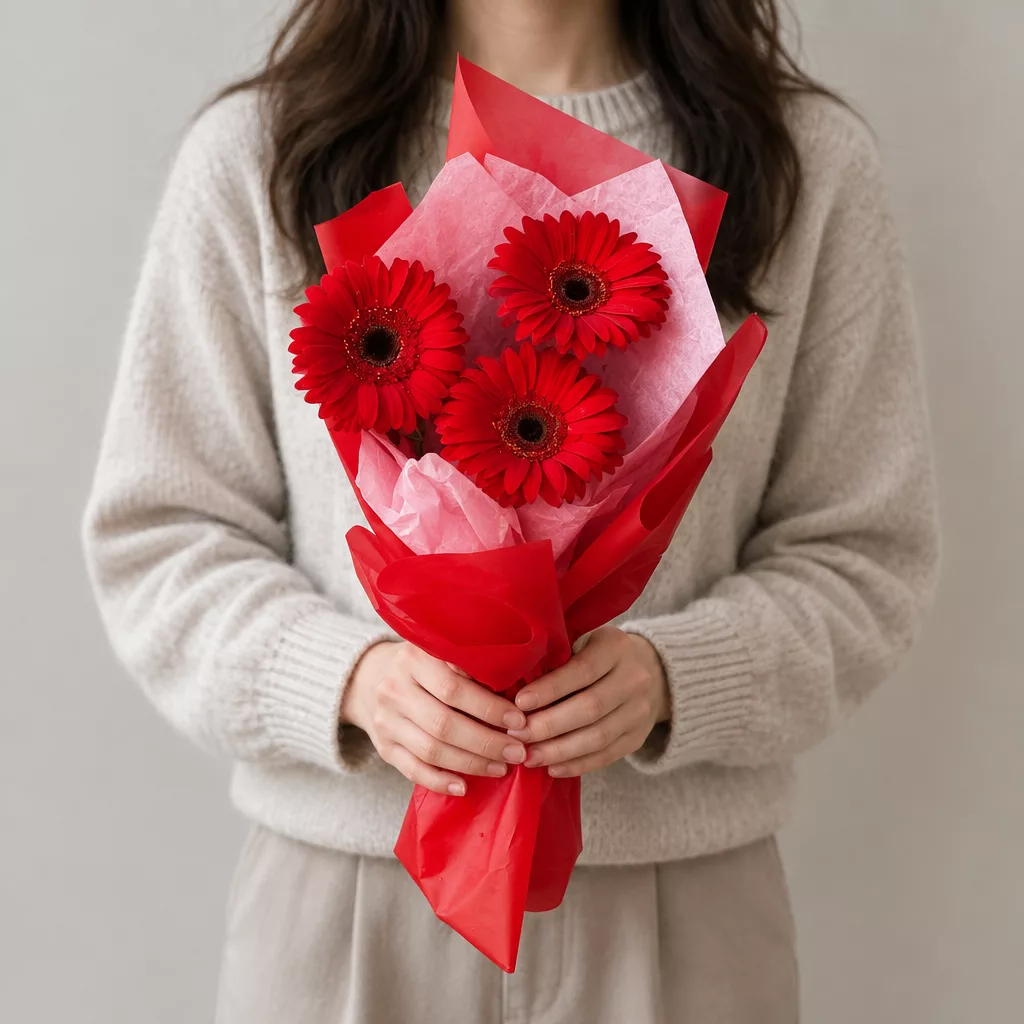
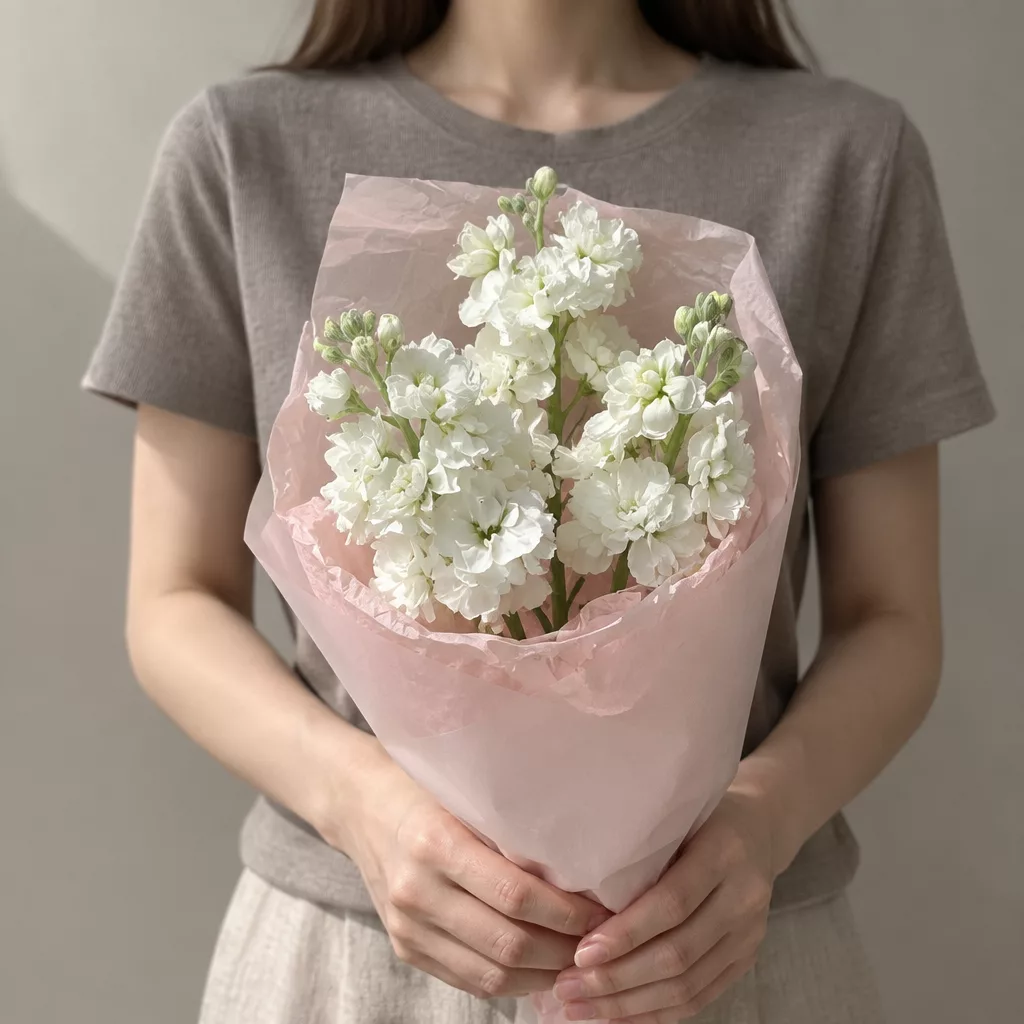
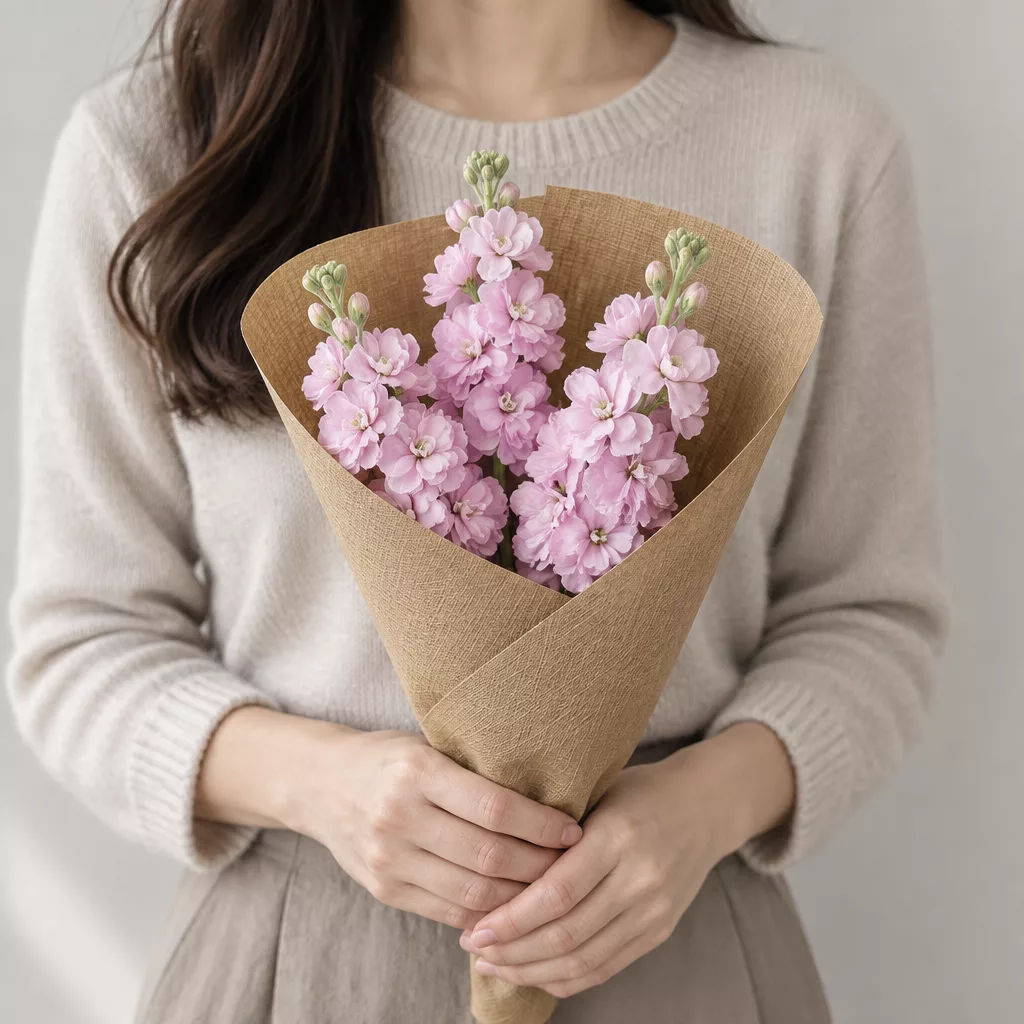
Bouquets we can deliver

Delivery Timing: What the Windows Actually Mean
When you place an order, you choose a delivery window rather than a single minute. For Krasnoturinsk, standard windows run in two-hour blocks across the day, from morning through to the evening. Express delivery, where you need the bouquet to arrive within a shorter span, is available and worth selecting if the occasion has a fixed time — a birthday dinner, a graduation ceremony, the moment someone gets home from a trip.
The courier contacts the recipient before arrival, which matters for two reasons. First, it means no one is caught off guard and the flowers are not left outside in cold weather. Second, if the recipient is briefly unavailable, there is a short window to coordinate rather than an immediate failed delivery.
A practical note on timing: orders placed in the morning for same-day delivery have the most flexibility in terms of choosing your window. Orders placed in the afternoon can still be fulfilled the same day, but the available windows narrow. If the date is important — a specific anniversary, a birthday on a particular evening — placing the order the night before removes any uncertainty and lets you choose the window that fits the recipient's actual schedule rather than whatever happens to remain.
The Ural Climate and Why It Changes Everything for Flowers
Krasnoturinsk winters are serious. Temperatures regularly drop to minus twenty Celsius and sometimes lower, and that figure is not an abstraction — it is the environment your bouquet travels through between the shop and the front door. Roses, which are already sensitive to temperature shock, can suffer petal damage in under ten minutes of exposure at those temperatures. Tropical stems like anthuriums and strelitzias are even more vulnerable and can blacken at the edges when moved through extreme cold without protection.
For winter orders, we wrap bouquets in multiple layers of insulating kraft paper and use thermal sleeves where needed. The goal is to keep the stems above five degrees Celsius throughout transit. This is not decorative packaging — it is functional, and it is one of the reasons the bouquet the recipient unwraps looks the same as the one in the photograph.
In summer, Krasnoturinsk can be genuinely warm, and the risk reverses: direct sunlight and heat inside a vehicle can wilt delicate blooms like sweet peas or ranunculus within an hour. Summer deliveries are timed to avoid the hottest part of the day where possible, and the courier keeps flowers out of direct sun during transit. Knowing the season when you order helps us choose stems that will travel well in the actual conditions outside, not just the conditions in a climate-controlled studio.
Choosing Flowers for the Occasion and the Person
Start with the recipient, not the flower. A woman in her sixties who grew up in the Soviet era very likely has a deep affection for roses — deep red or cream varieties feel classic and considered, never safe. A younger recipient might respond more to something textural and less formal: a mix of eucalyptus, spray roses, and white lisianthus reads as contemporary without being cold.
For birthdays, volume matters. A single-variety bouquet of fifteen or twenty stems — all garden roses, all tulips in season, all white chrysanthemums — lands with more visual impact than a mixed arrangement of the same size. The repetition creates rhythm, and the recipient immediately understands the gesture is intentional rather than assembled from leftover stems.
For anniversaries, think about colour temperature. Warm tones — peach, coral, dusty pink, amber — feel intimate. Cool whites and greens feel elegant but slightly more distant. If you know the couple's home, consider what will look natural on their table rather than what photographs well in a generic setting.
For professional occasions — thanking a teacher, congratulating a colleague — chrysanthemums and alstroemeria are genuinely practical choices, not second-best ones. They last ten to fourteen days in a vase, they do not drop pollen on a desk, and they come in enough colour variation to feel considered rather than generic. In Russia, giving a single flower is not a common gesture for celebration; a proper bouquet of at least seven stems is the expected form.
Budget Ranges and What Each One Gets You
Flower prices shift with the season, the exchange rate, and what is actually available from growers, so specific figures date quickly. What stays consistent is what each spending level buys in terms of stems, variety, and presentation.
At the entry level, you are working with seasonal abundance — tulips in spring, chrysanthemums year-round, carnations in strong colours. These are not lesser flowers; they are simply the ones that travel in volume and therefore cost less per stem. A well-composed monobouquet of twenty tulips in a single colour is more impressive than a small mixed arrangement with five different varieties fighting for attention.
In the middle range, roses become the anchor. Dutch roses with large heads, or garden roses with their looser, more layered petals, give a bouquet weight and fragrance. Adding foliage — eucalyptus, ruscus, or pittosporum — frames the roses and makes the arrangement look finished rather than simply full.
At the higher end, you can introduce stems that are genuinely rare in a city like Krasnoturinsk: peonies in their short season, ranunculus in late winter and spring, orchid stems, or large-headed hydrangeas. These flowers have a presence that requires almost no arrangement skill to communicate — they speak for themselves. The packaging at this level also shifts: a hat box or a wrapped arrangement in a kraft base changes how the recipient experiences the moment of receiving it, before they have even looked at a single petal.
Keeping the Bouquet Fresh After It Arrives
The moment the bouquet is unwrapped, the clock starts. Most fresh-cut flowers have already been travelling for some time before they reach the recipient, and what happens in the first thirty minutes at home determines how many days of enjoyment follow.
The single most important step is a clean diagonal cut on each stem — about two centimetres from the base — made with a sharp knife rather than scissors. Scissors crush the vascular tissue; a knife keeps it open. Do this under water if possible, or move the stems into water within ten seconds of cutting. Any leaves that would sit below the waterline should be removed immediately: submerged foliage rots within a day and turns the water into a bacterial environment that shortens vase life significantly.
Change the water every two days and recut the stems each time. Keep the vase away from direct sunlight, heating radiators, and fruit bowls — ethylene gas from ripening fruit accelerates the aging of petals. A cool room extends vase life noticeably; in a Krasnoturinsk apartment in winter, a spot away from the radiator but not near a drafty window is ideal.
Roses last five to ten days with proper care. Lisianthus and alstroemeria can go twelve to fourteen days. Tulips are shorter — five to seven days — but they continue to grow in the vase and change shape, which many people find beautiful rather than problematic. Chrysanthemums are the most durable of common varieties and will often outlast everything else in a mixed arrangement.
Small Details That Make the Delivery Land Well
A card message is the part most people underestimate. In Russian custom, the message does not need to be long, but it should be personal — a reference to a shared memory, a specific quality you admire in the person, or a line that only makes sense to the two of you. A generic 'happy birthday, best wishes' is read once and forgotten; something specific is reread. If you are writing in Russian and are not a native speaker, keep the sentence simple and correct rather than elaborate and uncertain.
Timing the delivery to a moment when the recipient is actually at home sounds obvious but is often overlooked. A bouquet left with a neighbour or a building concierge is not the same experience as opening the door yourself. If you know the person's schedule — they finish work at six, they take the children to school until nine — build the delivery window around that rhythm rather than choosing the first available slot.
If the delivery is a surprise, make sure someone at the address can receive it. An empty apartment means the flowers sit in a cold stairwell, and in Krasnoturinsk in January, that is not a neutral environment for roses. A brief message to a family member or a neighbour — without spoiling the surprise for the recipient — is a sensible precaution.
Finally, consider the vessel. Most people have a vase, but not always the right size for a large bouquet. If you are sending something with thirty or more stems, mentioning to the recipient that they will need a wide-mouthed container saves them from cramming the bouquet into a narrow bottle and losing half the arrangement's shape within an hour.
Sending flowers to Krasnoturinsk from anywhere in Russia is straightforward when you understand what the city's climate asks of the process and what the occasion asks of the flowers. The distance is not an obstacle; the cold is manageable with the right preparation; and the recipient, wherever they are in the city, will open their door to something that looks and smells exactly as it should. The details — timing, stem choice, care instructions, a card that says something real — are what turn a delivery into a moment worth remembering.
Frequently asked questions
Can I order flowers for same-day delivery to Krasnoturinsk?
Yes, same-day delivery is available for orders placed before the afternoon cutoff. The earlier you order, the more delivery windows remain open. For a specific time — a birthday dinner or a homecoming — placing the order the evening before gives you full control over the window and removes any uncertainty about availability.
What happens to the flowers in very cold weather during delivery?
Bouquets are wrapped in insulating kraft paper and thermal sleeves before leaving the shop. The goal is to keep stems above five degrees Celsius throughout transit. In extreme cold, the courier keeps the flowers inside the vehicle at all times and moves quickly between the car and the door to minimise exposure. Tropical varieties are selected cautiously in deep winter for this reason.
Which flowers last the longest in a vase after delivery?
Chrysanthemums and alstroemeria regularly reach twelve to fourteen days with clean water and regular stem recutting. Roses last five to ten days depending on variety and care. Tulips are shorter at five to seven days but continue to grow and open in the vase. Lisianthus is a strong mid-range choice that holds its shape and colour well past a week.
Is it possible to deliver to an address outside the main city, in a nearby village?
Addresses in settlements connected to the Krasnoturinsk district are covered, though the delivery window may be slightly longer than for central city addresses. Enter the full address during checkout to confirm coverage. For locations further out, ordering with a day's lead time rather than same-day gives the most reliable result.
What is the right number of stems for a birthday bouquet in Russia?
In Russian tradition, bouquets for celebrations should contain an odd number of stems — seven, nine, eleven, fifteen, and so on. Even numbers are associated with mourning and would feel out of place at a birthday. A single-variety bouquet of eleven or fifteen stems in one strong colour makes a clear, confident statement and is always well received.
Ready to send flowers?
Pick the city, choose the bouquet, and a local florist takes it from there.
Choose a city →