Flower Delivery in Krasnozavodsk: Timing, Choices and What Arrives at the Door
Krasnozavodsk is a quiet town in the Moscow Oblast, and if you want to send flowers there from Saint Petersburg, you are probably doing it for someone who deserves a real surprise — not a wilted bunch that travelled badly. Here is everything you need to know before you order, from how long delivery actually takes to which flowers hold up best on the road and what your recipient will find when they open the door.
Where Krasnozavodsk Sits and Why Distance Matters for Flowers
Krasnozavodsk lies in the Sergiev-Posad district of the Moscow Oblast, roughly 70 kilometres northeast of Moscow itself. That puts it at a meaningful distance from Saint Petersburg — a route of around 750 kilometres by road. When you order flowers for someone in a smaller town like this, the distance is not just a logistics question. It is a freshness question.
Cut flowers begin losing moisture the moment they leave water. Roses, for example, can show soft outer petals within six to eight hours if they are not properly hydrated and wrapped during transit. This is why the preparation of the bouquet before it travels matters as much as the speed of the van.
At Turboflora we condition every stem before a long-distance order. That means cutting stems at an angle under water, stripping leaves that would sit below the waterline, and wrapping the bunch with damp paper around the base so the flowers travel as if they are still in the shop. For Krasnozavodsk orders, this step is not optional — it is standard.
The town itself is compact and residential. Streets are well signposted, and most addresses are reachable without difficulty. What matters more than local navigation is getting the bouquet out of Saint Petersburg in good condition, which is where the work really happens on our side.
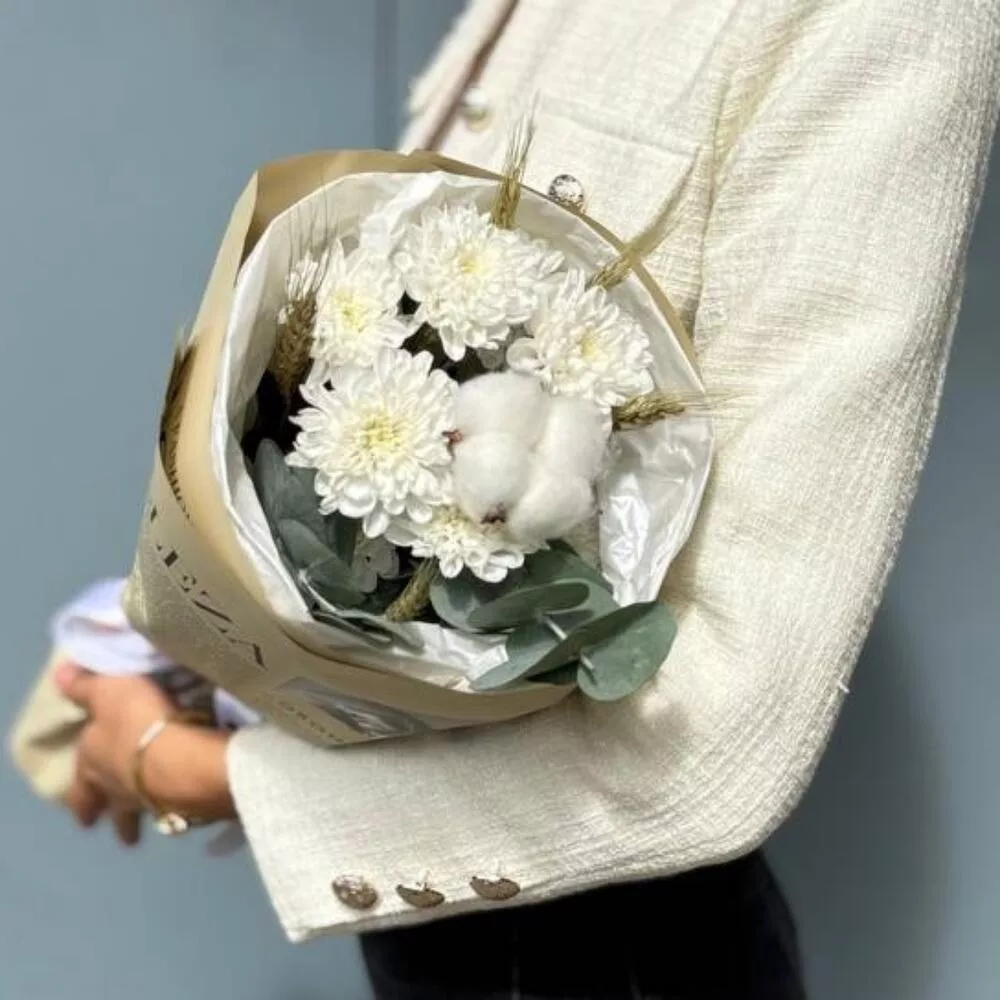
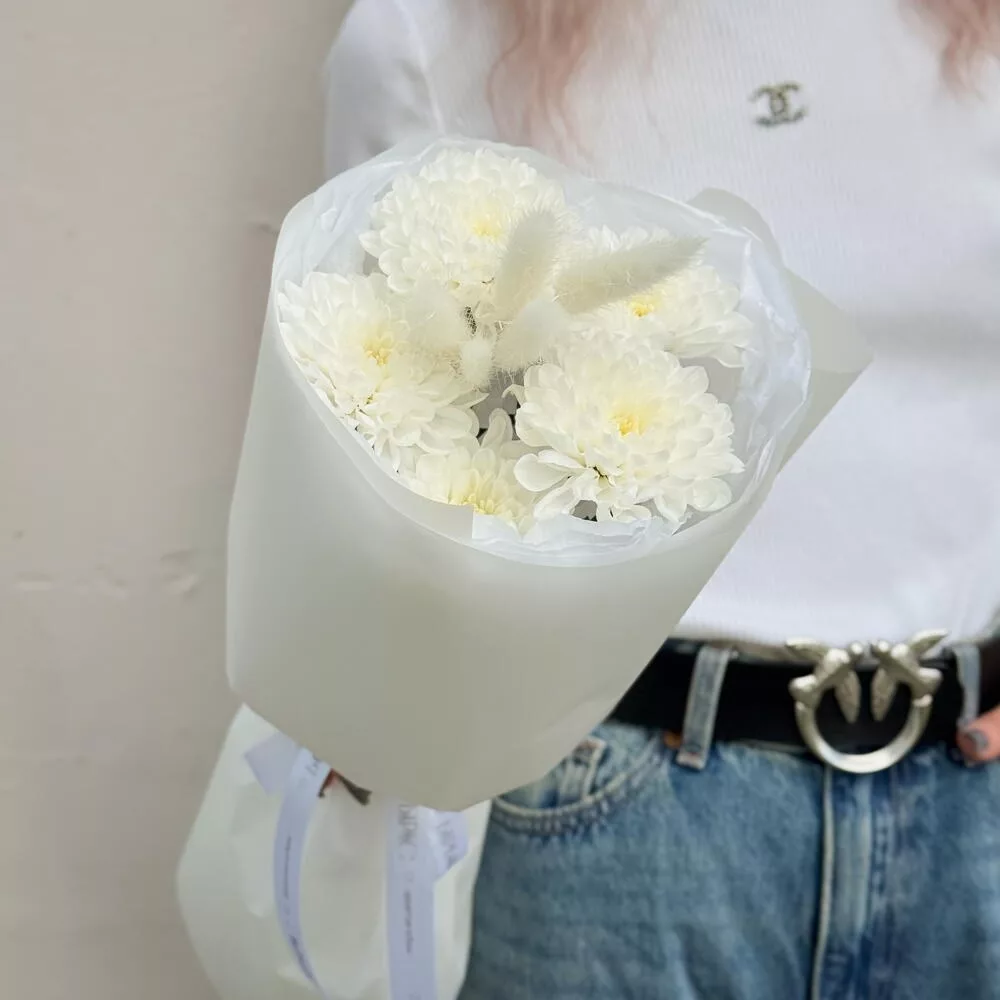
Bouquets we can deliver

Realistic Delivery Timing for Krasnozavodsk Orders
Turboflora is known for one- to two-hour delivery within Saint Petersburg. For Krasnozavodsk, the timeline is different, and it is better that you know this clearly before you order so the surprise lands exactly when you want it to.
Orders to Krasnozavodsk are scheduled deliveries. When you place your order, you choose a delivery window — morning, midday or afternoon — and we plan the route so the flowers arrive within that window. Same-day delivery is available for orders placed before 10:00 Moscow time on weekdays. Orders placed later in the day are typically delivered the following morning.
The drive from Saint Petersburg to the Sergiev-Posad area takes approximately eight to ten hours depending on traffic on the M10 and M11 highways. We do not rush this. A bouquet that arrives intact after a careful journey is worth more than one that arrives fast and bent.
If the occasion is time-sensitive — a birthday morning, an anniversary dinner — place the order at least 24 hours ahead. This gives us room to prepare, load and route without pressure. For less time-sensitive moments, 12 hours is usually enough. We will confirm your delivery window by message after the order is placed, and you will receive a notification when the courier is on the way to your recipient's address.
Choosing the Right Flowers for the Person Receiving Them
Before you think about budget or colour, think about the person opening the door. A young woman in her twenties might love a loose, garden-style bouquet of ranunculus, lisianthus and eucalyptus — soft, romantic and a little unexpected. An older relative celebrating a birthday often responds more warmly to classic roses or a full arrangement of chrysanthemums, which carry a sense of care and formality in Russian culture.
In Russia, flowers are given in odd numbers for celebratory occasions. This is a genuine custom, not a superstition — a bouquet of seven or nine roses simply looks and feels right to most Russian recipients. If you are ordering from outside Russia and were not aware of this, now you are, and your recipient will notice.
For someone you know well, think about what they keep on their windowsill or what they mention liking. Tulips in spring, peonies in early summer, sunflowers in late summer — seasonal flowers not only look fresher, they genuinely are fresher, because they have not been flown from a distant greenhouse.
For someone you know less well — a colleague, a teacher, a host — a mixed bouquet in warm neutrals is a safe and generous choice. Cream spray roses, white alstroemeria and a few stems of waxflower create something that feels considered without being too personal. This kind of arrangement travels well and suits almost any interior.
Flowers That Travel Well and Ones to Avoid in Cold Months
Not every flower is a good traveller, and this matters more on a long route than on a short city delivery. Knowing which varieties hold up helps you make a smarter choice for your recipient.
Roses are reliable if they are properly conditioned and wrapped. Standard-stem roses from Ecuador or Kenya — the ones with long, firm stems and tight buds — are bred for exactly this kind of journey. They open slowly and stay presentable for five to seven days after delivery. Spray roses are slightly more delicate but still travel well in cool conditions.
Chrysanthemums are among the hardiest cut flowers available. A bouquet built around white or yellow chrysanthemum blooms will look nearly the same on arrival as it did when it was assembled. Alstroemeria is another strong choice — the stems are flexible, the flowers are small enough not to bruise easily, and the vase life is excellent, often reaching ten days or more.
In winter, which in this part of Russia runs from November through March, cold is the main risk. Temperatures in the Sergiev-Posad area regularly drop below minus ten Celsius. Tropical flowers such as anthurium or bird-of-paradise suffer badly in these conditions — even a few minutes of exposure can cause blackening. We wrap cold-sensitive orders in insulated paper and move them quickly between vehicle and door, but the safest choice in deep winter is to stay with cold-hardy varieties: roses, chrysanthemums, alstroemeria and carnations.
What Your Recipient Will Find at the Door
When the courier arrives in Krasnozavodsk, the presentation matters as much as the flowers inside. We wrap every bouquet in kraft paper or a soft fabric outer layer depending on the style of the arrangement, and we add a ribbon tied at the stem — not a bow from a machine, but a proper florist's knot that holds without crushing the paper.
Inside the outer wrap, the stems sit in a small water sachet. This is a sealed plastic sleeve filled with a few tablespoons of water, attached to the cut ends of the stems. It keeps the flowers hydrated during the final hours of the journey and means your recipient does not need to rush to find a vase the moment the door opens. They can read the card, take a photograph, show the flowers to whoever is in the room — and the bouquet will wait.
The card is handwritten by our team, not printed. You write the message when you order, and we transfer it to a small card in our own handwriting. In Russian culture, a handwritten note carries more weight than a printed label, and many recipients keep the card long after the flowers have faded.
If the recipient is not home, the courier will call the number provided and wait briefly. If there is no answer, we will contact you to arrange a second delivery attempt or an alternative drop-off with a trusted neighbour, if you have provided that option in the order notes.
Caring for the Bouquet Once It Arrives
A well-chosen bouquet can last seven to twelve days if the recipient knows a few simple things. Most people in Russia do know the basics, but if you are sending flowers to someone who is less experienced with cut flowers — a teenager, someone living alone for the first time — a short note with the bouquet is a thoughtful addition.
The first step is always a fresh cut. Even with the water sachet, the stems will have sealed slightly during transit. Cutting one to two centimetres off each stem at a 45-degree angle, ideally under running water, reopens the vessels and allows the flower to drink again. This single step makes a noticeable difference in how long the bouquet lasts.
Vase water should be changed every two days. Bacteria build up quickly in still water and block the stem, which is what causes flowers to droop even when there is water in the vase. A clean vase, fresh water and a small pinch of sugar — about half a teaspoon per litre — is all that is needed. Commercial flower food sachets, if included with the order, can be dissolved in the first fill of water.
Keep the vase away from direct sunlight, radiators and fruit bowls. Ripening fruit releases ethylene gas, which accelerates wilting in cut flowers. A cool spot — a windowsill away from direct sun, or a table in a room that does not overheat — will extend vase life noticeably. Roses and alstroemeria in these conditions can easily reach ten days.
Making the Order Feel Personal Across the Distance
Sending flowers from far away — whether you are in Saint Petersburg, abroad or simply unable to be there in person — carries a particular kind of feeling. You cannot hand the bouquet over yourself, watch the expression change, or be in the room. What you can do is make the details count so that the gesture feels close even across the distance.
Start with the message. A short, honest sentence means more than a long formal one. If you are sending to a parent, write the way you would speak to them. If it is a friend, let the tone be warm and a little playful. The card is the part of the delivery that stays.
Think about the colour story of the bouquet in relation to the person's home or personality. If you know they have a pale interior and quiet taste, a bouquet in white, cream and soft blush will feel considered. If they are someone who fills their home with colour, go bolder — deep burgundy roses, orange alstroemeria, yellow solidago.
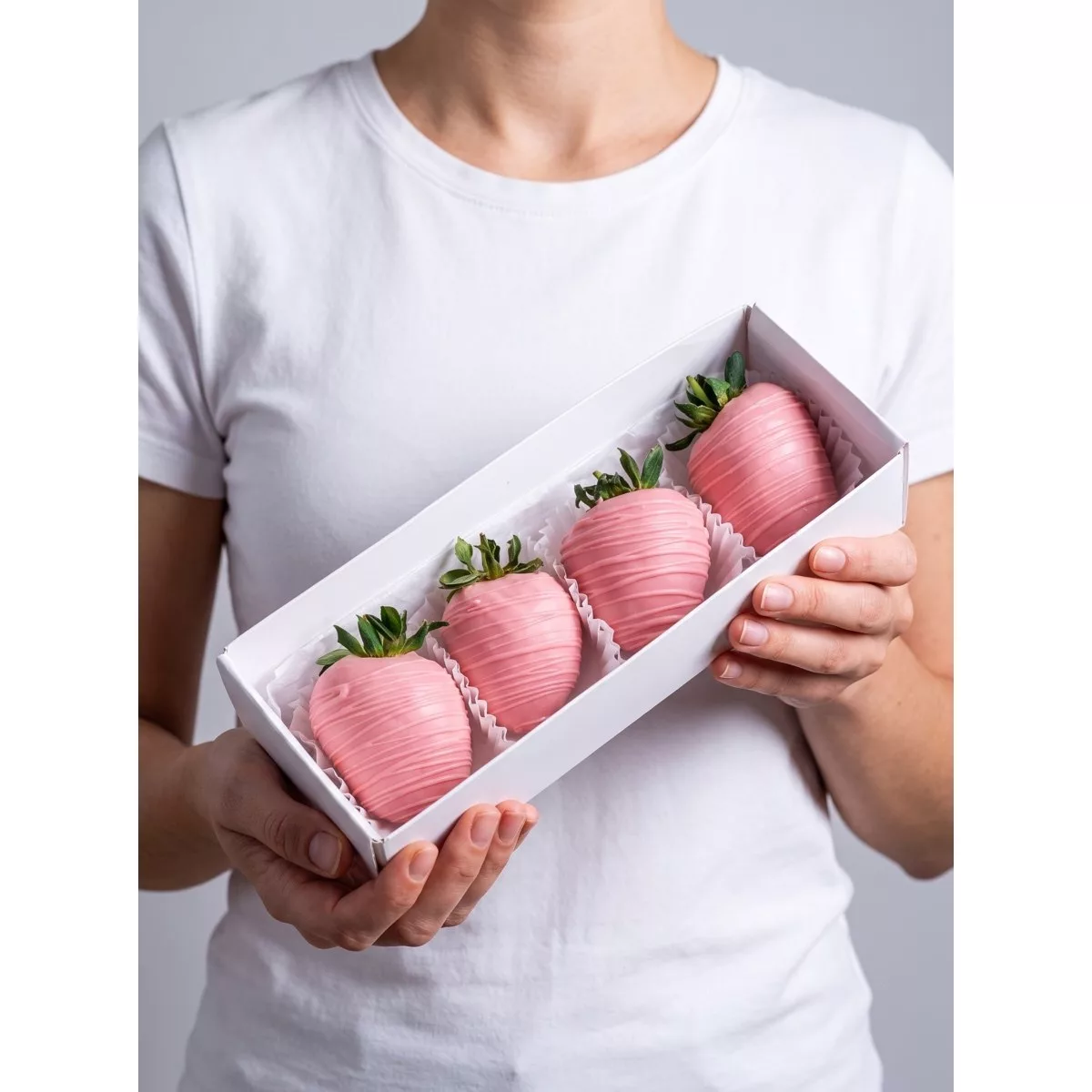
You can also add extras to the order: a small box of chocolates, a candle, a soft toy for a child. These additions sit alongside the bouquet and make the delivery feel more like a complete gift rather than a single item. For birthdays especially, the combination of flowers and a small additional gift is very common in Russian celebrations and will feel natural to the recipient. Order early, be specific in your notes, and trust that the details you put in will be felt on the other end.
Krasnozavodsk is not a city with a flower shop on every corner, which is exactly why a delivery from Turboflora can feel like something special to the person receiving it. The distance is real, the planning matters, and the flowers we send are prepared to make the journey properly. Whether it is a birthday, a homecoming, a thank-you or simply a reminder that someone is thinking of them, the right bouquet arriving at the right time says something that a message cannot.
Frequently asked questions
Can I order same-day flower delivery to Krasnozavodsk?
Same-day delivery to Krasnozavodsk is available for orders placed before 10:00 Moscow time on weekdays. Because the route from Saint Petersburg takes eight to ten hours, we plan departure times carefully. Orders placed later in the day will be scheduled for the following morning to ensure the flowers arrive in good condition.
What flowers are best to send in winter to Krasnozavodsk?
In winter, stick to cold-hardy varieties: roses, chrysanthemums, alstroemeria and carnations. Tropical flowers like anthurium suffer in temperatures below minus five Celsius and can blacken even with brief exposure to cold air. We insulate all winter bouquets, but choosing the right variety from the start is the most reliable protection.
How many flowers should a bouquet have for a birthday in Russia?
For celebrations in Russia, bouquets are traditionally given in odd numbers — five, seven, nine, eleven and so on. This is a well-established custom and your recipient will notice. When you order, our team assembles the bouquet to the correct count automatically, so you do not need to think about this separately.
What happens if my recipient is not home when the courier arrives?
The courier will call the recipient's number and wait briefly. If there is no answer, we contact you directly to arrange a second delivery attempt or discuss an alternative — such as leaving the bouquet with a trusted neighbour if you have noted that option in your order. We do not leave flowers unattended in cold weather.
How long will the bouquet last after delivery to Krasnozavodsk?
With proper care — a fresh stem cut on arrival, water changed every two days, and a cool spot away from sunlight and fruit — most bouquets last seven to ten days. Alstroemeria and chrysanthemums often reach twelve days. Roses perform best when the outer guard petals are gently removed if they bruise during transit.
Ready to send flowers?
Pick the city, choose the bouquet, and a local florist takes it from there.
Choose a city →