Flower Delivery in Krasnoznamensk: Timing, Choices and What Arrives at the Door
Krasnoznamensk is a quiet town in the Kaliningrad region, and when you want to send flowers there — for a birthday, an anniversary, or simply to say you are thinking of someone — the distance should not make the gesture feel smaller. Turboflora delivers fresh bouquets from Saint Petersburg to addresses across Russia, including Krasnoznamensk, and this article tells you exactly what the process looks like, how to choose the right flowers for the person and the moment, and how to make sure they arrive looking their very best.
Where in Krasnoznamensk We Deliver and How the Route Works
Krasnoznamensk sits in the Kaliningrad region, geographically separated from the rest of Russia by Lithuania and Belarus. This matters for delivery planning, because the route is longer than a straight-line distance suggests. Turboflora coordinates courier logistics to reach residential addresses, apartment buildings and private houses throughout the town, including the central streets near the main square and the quieter residential blocks on the outskirts.
When you place an order, you enter the full address including the apartment number, floor and any gate or entry code. This detail is not a formality — courier access in Russian towns often depends on intercom codes, and a missing digit can delay arrival by twenty minutes or more. If the recipient lives in a gated compound, note that in the comments field.
The Kaliningrad region has its own postal infrastructure, and deliveries there follow a dedicated logistics corridor. This means your order is handled as a regional delivery from the moment it leaves our preparation stage, with the route and timing calculated specifically for the Krasnoznamensk address. You will receive tracking updates so you always know where the bouquet is in its journey. The courier carries the flowers in a temperature-controlled environment, which is especially important in summer when outdoor temperatures can climb above twenty-five degrees Celsius and unprotected blooms wilt within an hour of leaving the shop.
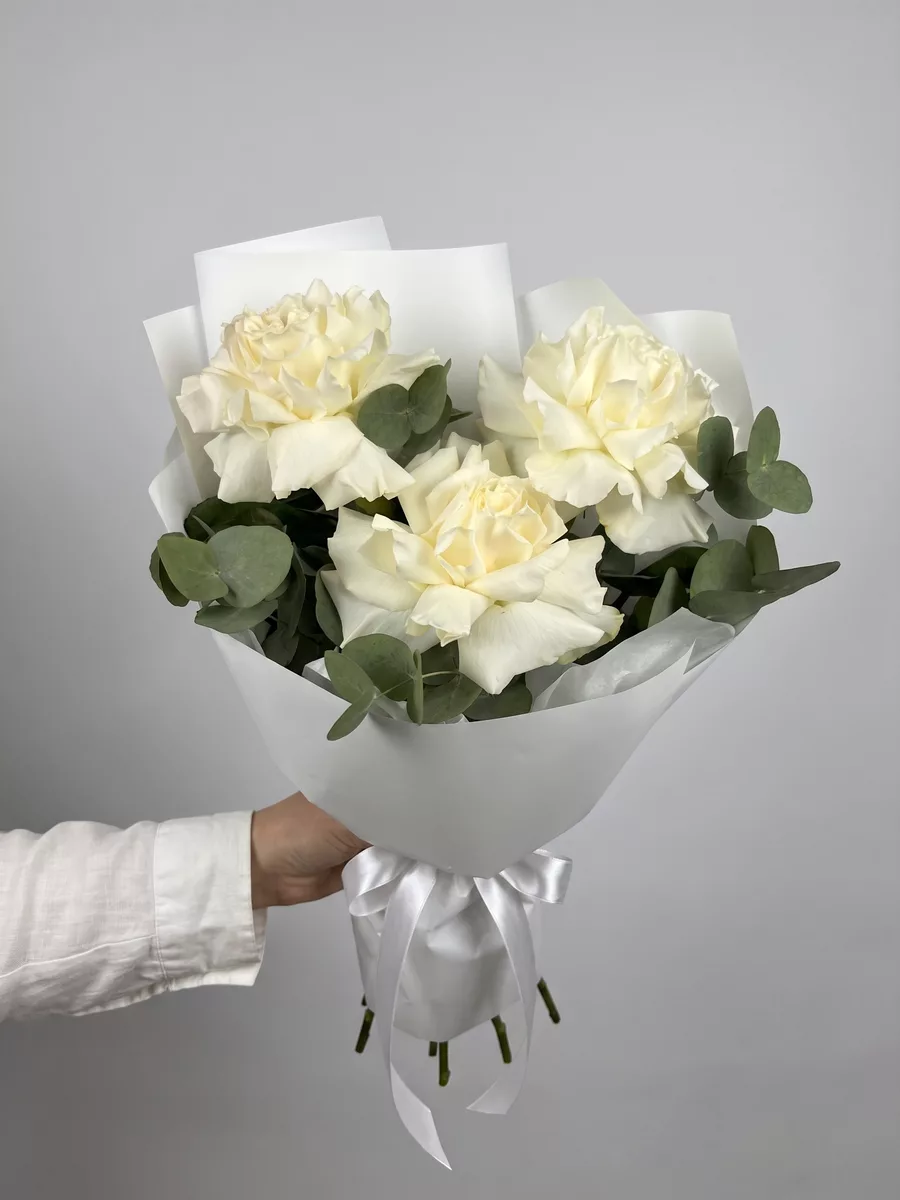
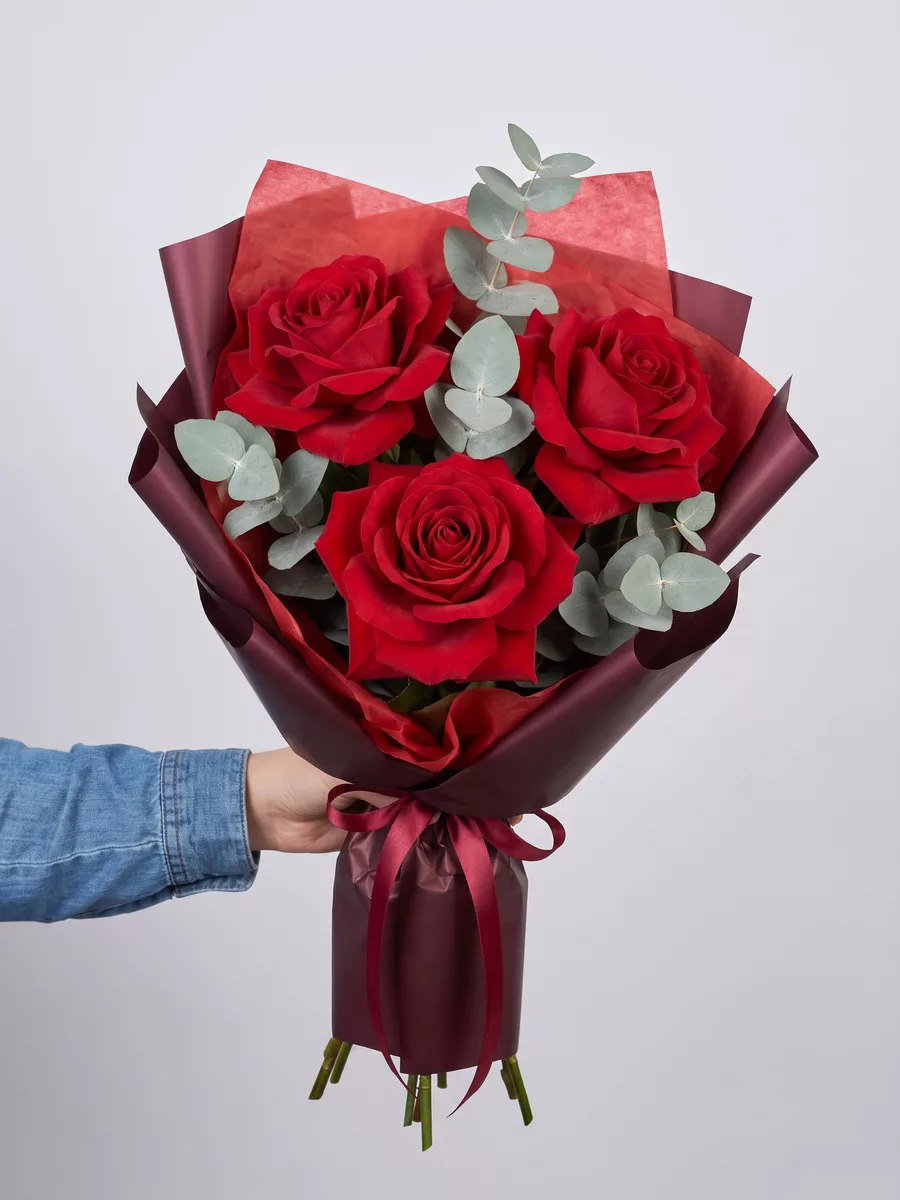
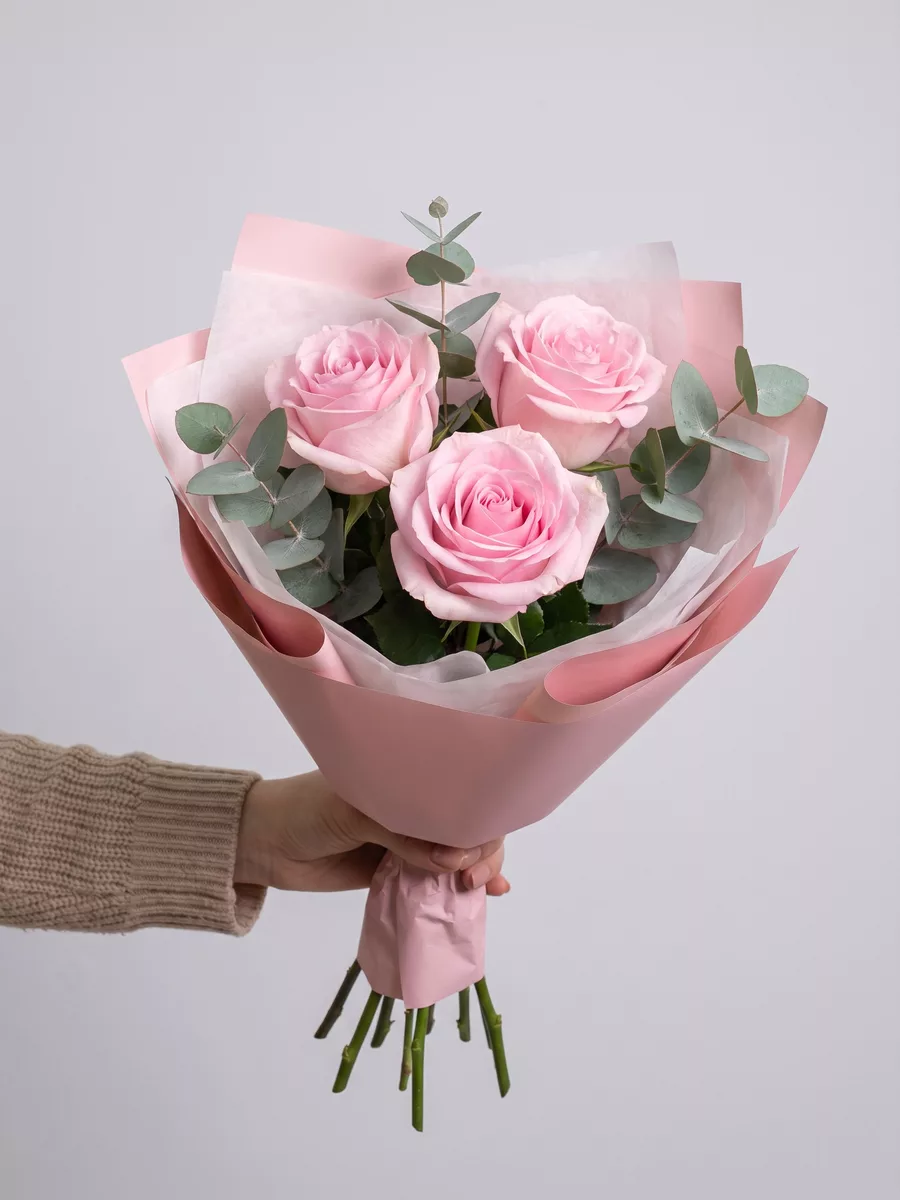
Bouquets we can deliver

Timing Your Order: When to Book for the Right Arrival
Because Krasnoznamensk is not a same-hour destination the way a central Saint Petersburg address would be, timing your order correctly is the single most important step. For a morning arrival — which is often the warmest and most memorable way to receive flowers, before the day fills up — place your order the evening before. For an afternoon or evening delivery on the same day, ordering before noon gives the best chance of hitting your preferred window.
Turboflora offers delivery windows so you can choose a slot that suits the recipient's schedule. If the person works during the day and lives alone, an evening slot means the flowers are not left at a door for hours. If they are celebrating a birthday lunch with family, a late morning arrival lets the bouquet be part of the table before guests arrive.
Russian occasions often involve a specific gathering time, and flowers that arrive an hour before guests do feel intentional rather than rushed. Keep that in mind when you select your window. If the date is a major national holiday — 8th of March, for example, which is Women's Day and the busiest flower day of the year in Russia — book at least two days ahead. Demand across the country spikes sharply, and delivery slots fill faster than on ordinary days. For all other dates, next-day booking is usually sufficient, though earlier is always safer for peace of mind.
Choosing Flowers for the Person, Not Just the Occasion
The occasion tells you the general register — celebratory, romantic, grateful, affectionate — but the person tells you the flower. Someone who keeps a tidy, minimal home often responds better to a single-variety bouquet of white ranunculus or blush garden roses than to a large mixed arrangement. Someone who fills their windowsills with plants and loves colour will delight in a combination of orange gerbera, yellow freesia and deep violet lisianthus.
For a birthday, think about what the recipient actually likes to look at every day. Peonies in season carry a softness and fullness that feels genuinely celebratory without being loud. Tulips in spring feel fresh and easy. Chrysanthemums, which have a long vase life and come in dozens of forms, are an excellent choice when you want something that will last well past the day itself.
For a romantic gesture, red roses remain the clearest signal in Russian culture, and the recipient will understand the message immediately. But if the relationship is newer or the tone more playful, a mix of coral spray roses with eucalyptus and white waxflower says something warmer and less formal. Greenery and texture matter as much as the blooms themselves — a bouquet with good foliage looks fuller, stays fresher and photographs beautifully, which matters when the recipient will want to share the moment.
Budget Ranges and What They Look Like in the Vase
Flower budgets in Russia tend to be thought of in terms of stem count, but a more useful way to think about it is what the bouquet looks like when it stands in a vase. A modest arrangement of five to seven stems of a single variety — white alstroemeria, for instance, or yellow solidago mixed with a few roses — can look clean, intentional and genuinely lovely if the flowers are fresh and the wrapping is well done. This is a strong choice when you want the gesture to feel personal rather than grand.
A mid-range bouquet typically includes fifteen to twenty-five stems across two or three varieties, with a complementary filler like gypsophila, pittosporum or ruscus. This range allows for real colour work — pairing deep burgundy roses with pale pink spray carnations and silver-green eucalyptus, for example, creates contrast and depth that a single-variety bouquet cannot achieve. It photographs well and fills a standard vase with presence.
At the higher end, you are working with premium varieties — garden roses, peonies, orchid branches, large-headed hydrangeas — and a higher stem count. These bouquets make an immediate impression at the door and hold their shape for several days when cared for properly. If the occasion is significant — a major anniversary, a graduation, a thank-you for something important — this range matches the weight of the moment. Whatever the budget, freshness matters more than volume: five perfectly fresh stems outperform fifteen tired ones every time.
What Happens in Cold and Warm Weather: Seasonal Delivery Notes
The Kaliningrad region has a milder climate than most of Russia, but temperatures still swing significantly across the year. In winter, outdoor temperatures in Krasnoznamensk can drop to minus ten degrees Celsius or lower, and flowers exposed to that cold even briefly — during a handover at the door, for example — can suffer frost damage on petals and leaves. Turboflora wraps cold-weather deliveries in insulating kraft and uses sealed packaging to protect the blooms during the final moments of transfer.
As a recipient or sender, you can help by making sure someone is home to receive the flowers promptly. A bouquet left outside a door in freezing temperatures for thirty minutes can arrive looking fine but develop browning petals within a day as the frost damage becomes visible. If nobody will be home, leave a note in the order comments to arrange a specific handover time.
In summer, the risk reverses. Heat speeds up the metabolism of cut flowers, which means they drink water faster and age more quickly. Roses and gerberas are particularly sensitive to heat. Our couriers keep bouquets in cooled transport during summer deliveries, but once the flowers are indoors, placing them in a cool spot away from direct sunlight and radiators is the single most effective thing the recipient can do. Avoid placing vases near fruit bowls — ripening fruit releases ethylene gas, which shortens the life of cut flowers noticeably, particularly for roses and carnations.
Vase Life and Care: Making the Flowers Last
Most cut flowers delivered to a home in good condition will last five to ten days with basic care. The range is wide because it depends on variety, water quality and where the vase sits in the room. Knowing a few specifics helps the recipient get the best from what arrives.
Trim the stems at a diagonal angle — about two centimetres — before placing them in water. This increases the surface area through which the flower drinks. Use a clean vase, because bacteria in a dirty container will shorten vase life dramatically. Change the water every two days and retrim the stems each time. Tap water in most Russian towns is fine for flowers; there is no need to add anything unless a flower food sachet is included with the bouquet, in which case use it as directed.
Different varieties behave differently in the vase. Tulips continue to grow after cutting and will lean toward the light, so rotate the vase occasionally. Roses may develop bent necks if they were out of water for too long during transit — submerging the entire stem and head in cool water for an hour can sometimes revive them. Lisianthus and alstroemeria are among the longest-lasting cut flowers and need very little attention beyond clean water. Peonies, if they arrive tightly budded, will open over two to three days into their full, generous shape — which is part of their appeal as a gift, since the recipient gets to watch them bloom.
Adding a Message and Making the Moment Feel Complete
In Russian culture, flowers rarely arrive alone. A card, even a short one, transforms a bouquet from a delivery into a moment. When you order through Turboflora, you can add a handwritten message that travels with the flowers. The message does not need to be long — three honest sentences land better than a paragraph that tries to cover everything.
If you are sending flowers to someone who grew up in Russia or has lived there long, a few things are worth knowing. Russians often count the stems in a bouquet: even numbers are traditionally associated with mourning, so bouquets for celebrations are always made with an odd number of stems. Turboflora follows this convention automatically, but it is useful to know if you are ever asked why a bouquet has eleven roses rather than ten.
Presentation matters deeply. The wrapping, the ribbon, the way the bouquet is handed over — these details are noticed and remembered. Our couriers are instructed to treat every delivery as a moment, not a transaction. If the recipient is surprised, that is intentional. If you want to coordinate the delivery with a specific moment — right before a dinner, just as guests are arriving — note the timing in the order comments and we will do our best to match it.
Sending flowers across a distance is an act of attention. The person in Krasnoznamensk who opens their door to a fresh bouquet knows that someone, somewhere, thought specifically of them and did something about it. That is what the flowers carry, more than any single variety or colour.
Ordering flower delivery to Krasnoznamensk is straightforward when you know what to plan for: book with enough lead time, choose varieties suited to the season and the person, give the courier a complete address, and let the recipient know to expect something. The distance between Saint Petersburg and the Kaliningrad region is real, but it does not change what a fresh bouquet means when it arrives at someone's door — the surprise, the colour, the sense of being thought of. Turboflora handles the logistics so that part stays invisible, and what the recipient experiences is simply the flowers.
Frequently asked questions
Can I order flower delivery to Krasnoznamensk for the same day?
Same-day delivery to Krasnoznamensk is possible when you order before noon. Because the town is in the Kaliningrad region, the logistics route is longer than a local Saint Petersburg delivery. Ordering in the morning gives us the best chance of reaching your chosen address within the same calendar day. For guaranteed timing, next-day booking is always more reliable.
Why does a bouquet always have an odd number of stems?
In Russian tradition, even numbers of flowers are associated with mourning and are brought to cemeteries or memorial services. For any celebratory or affectionate occasion — birthdays, anniversaries, romantic gestures — bouquets are always made with an odd number of stems. Turboflora follows this convention automatically, so every bouquet you order for a living recipient will arrive with an odd count.
What should the recipient do if the flowers arrive looking slightly wilted?
Trim two centimetres off the stems at a diagonal angle and place them immediately in a clean vase with fresh, cool water. Keep the vase away from direct sunlight, radiators and fruit. For roses with bent necks, submerge the full stem and head in cool water for up to an hour. Most flowers that look tired after transit will recover noticeably within a few hours once they are drinking properly.
Is there anything special I need to provide for the courier to access the address?
Yes — include the apartment number, floor and any intercom or gate code in the order comments. Many residential buildings in Russian towns require an intercom code for entry, and a missing detail can delay handover significantly. If the recipient lives in a compound or a building with a concierge, note that too so the courier can plan the final approach to the door.
Which flowers last the longest after delivery in summer heat?
Alstroemeria and lisianthus are among the most heat-tolerant cut flowers and regularly last eight to ten days with basic care. Chrysanthemums also hold up well. Roses and gerberas are more sensitive to warmth and need to be kept in a cool spot indoors, away from sunny windowsills. Changing the water every two days and keeping the vase away from fruit will extend the life of any variety significantly.
Ready to send flowers?
Pick the city, choose the bouquet, and a local florist takes it from there.
Choose a city →