Sending Flowers to Kropotkin? Here Is Everything You Need to Know
Ordering flowers for someone in Kropotkin feels simple until the questions start arriving. Will they be fresh after the journey? Which flowers survive the Krasnodar summer heat? What if the recipient is at work and not home? These are real concerns, and they deserve straight answers from people who actually handle the boxes, the cold packs and the doorstep handoffs. This article walks you through everything — from how delivery reaches Kropotkin to which bouquet will still look beautiful three days after it arrives.
Where Kropotkin Sits and Why It Matters for Delivery
Kropotkin is a mid-sized city in Krasnodar Krai, positioned along the Kuban River and connected to major routes that run through southern Russia. Its location makes it reachable without the logistical headaches that affect more remote towns in the region. Roads through Krasnodar and Armavir give delivery a reliable corridor, and the city itself is compact enough that once a courier arrives, finding an address is straightforward.
The climate here is important to understand before you choose flowers. Kropotkin sits in a continental zone with warm, sometimes very hot summers and mild winters. In July and August, daytime temperatures can climb past 35 degrees Celsius. That kind of heat is hard on delicate petals, especially roses and ranunculus, which lose water quickly and can bruise if packaging is not handled correctly.
Winter is a different story. From December through February, temperatures drop below zero at night, and flowers need insulated packaging to survive the final stretch of their journey. A bouquet left on a cold doorstep for twenty minutes can suffer frost damage on the outer petals, even if the stems are still healthy inside. Knowing the season shapes every decision that follows, from which flowers go into the arrangement to how delivery timing is coordinated with the recipient's schedule.
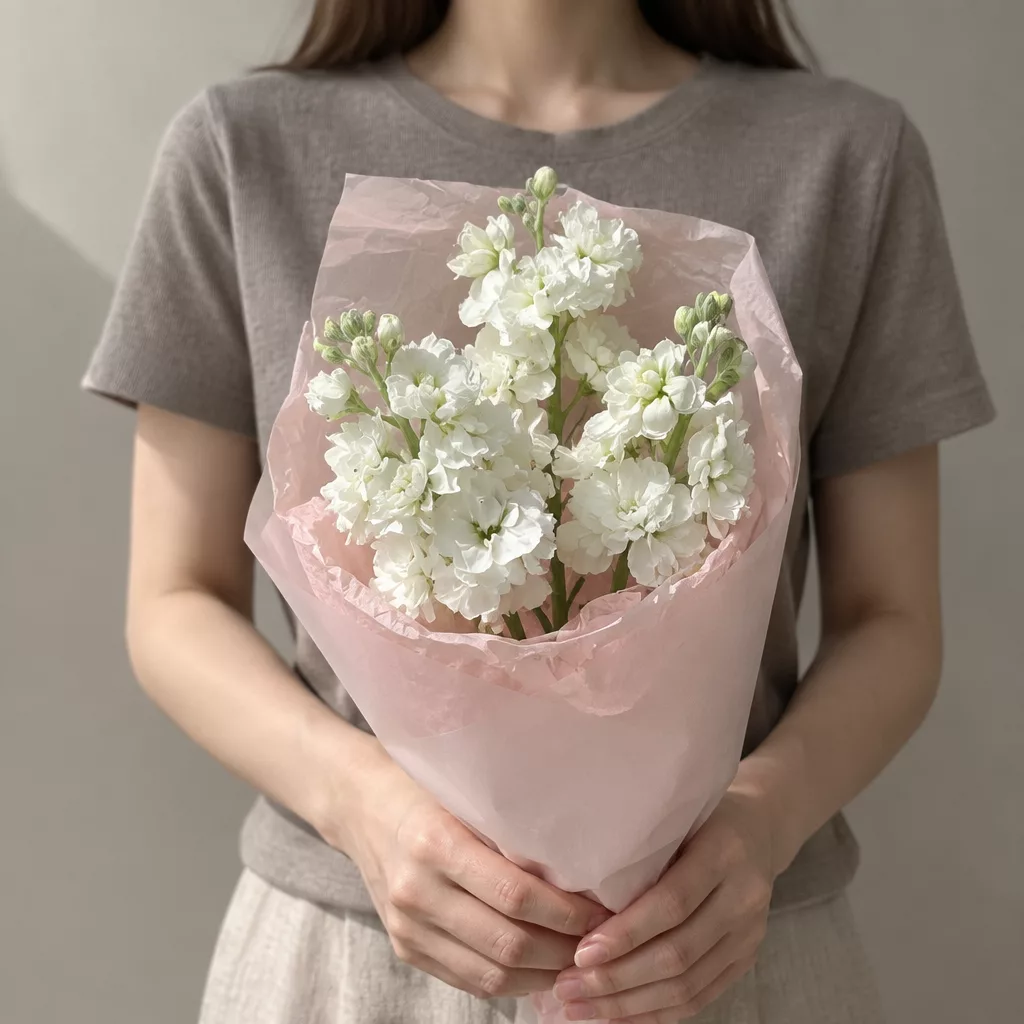
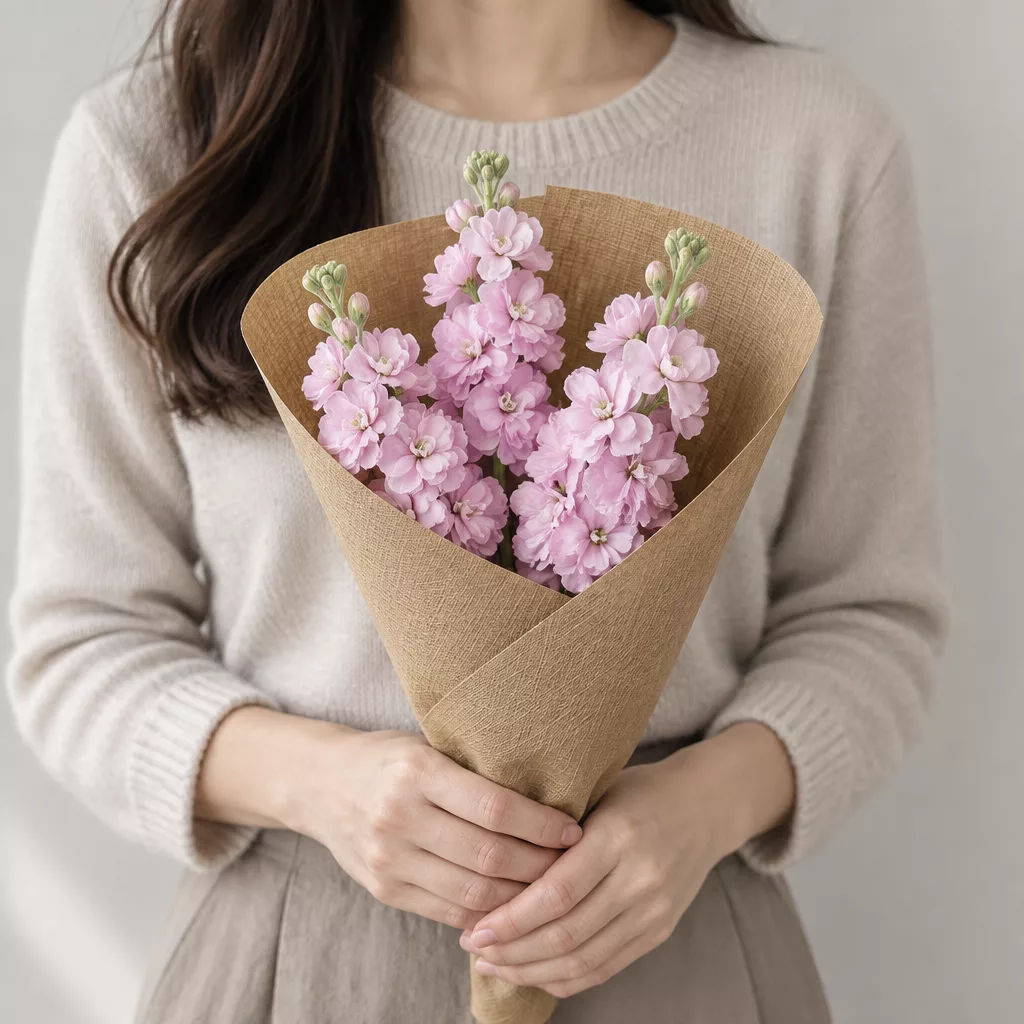
Bouquets we can deliver


Timing Your Order: When Flowers Actually Arrive
Turboflora operates from Saint Petersburg and delivers across Russia, including Kropotkin, with a standard window of one to two hours from the moment an order is confirmed. That figure applies to cities where a courier is already positioned and ready. For Kropotkin specifically, delivery timing depends on the route and the time of day the order is placed, so it is worth contacting the shop directly to confirm the realistic window for your date.
The best time to place an order for a same-day delivery is before noon. This gives enough buffer for preparation, transit coordination and any last-minute adjustments if the recipient's address needs clarifying. Orders placed in the late afternoon still go through, but the margin for error shrinks, and in summer heat, an evening delivery is actually gentler on the flowers than a midday one.
If you are planning ahead — for a birthday, an anniversary or a professional occasion — ordering a day or two in advance is always the smarter move. It allows the florist to source the freshest stems available for that specific date rather than working from whatever is already cut and conditioned. Scheduled deliveries also make it easier to coordinate with the recipient's presence at home or at the office, which in Kropotkin, as in any city, is the single biggest variable in whether a delivery lands smoothly or ends up waiting on a stairwell.
Choosing the Right Flowers for the Occasion and the Person
Start with the recipient, not the flower. A young woman celebrating her first promotion wants something different from what a grandmother expects on her birthday, and both of those differ from what you send a colleague on a work anniversary. The occasion sets the emotional register; the person inside that occasion tells you the style, the color palette and how bold you can go.
For romantic gestures, garden roses in blush or deep red remain the most legible choice in Russian culture. They carry clear meaning without needing explanation. Spray roses add volume and a slightly softer feel, which works well when the bouquet is going to a home rather than an office. If you want something less conventional, peonies in season — roughly May through June — make an extraordinary impression and photograph beautifully, which matters in an age when recipients almost always share their flowers online.
For friendship or gratitude, think about chrysanthemums, alstroemeria and lisianthus. These varieties hold up exceptionally well in transit and in warm indoor temperatures, which makes them practical as well as pretty. Sunflowers are popular across southern Russia and feel genuinely local in a city like Kropotkin — they are not a generic choice there, they are a natural one. Avoid overly delicate varieties like sweet peas or anemones for long-distance delivery in summer; they simply do not have the structure to arrive looking their best after a journey through heat.
Bouquets by Budget: Getting the Most from Every Arrangement
A tighter budget does not mean a lesser impression. It means working with the right varieties and the right presentation. Chrysanthemums, carnations and alstroemeria are all long-lasting, available year-round and genuinely beautiful when composed with care. A monobouquet of white spray chrysanthemums in a kraft wrap with a ribbon is understated and elegant — it does not look like a compromise, it looks like a considered choice.
In the mid range, you have room to mix textures and add foliage. Eucalyptus branches, ruscus or seasonal greenery give a bouquet depth and a more curated feel. Pairing alstroemeria with lisianthus and a few stems of waxflower, for example, creates a composition that looks complex and generous without pushing into premium territory. The key is contrast — different petal shapes, different heights, something soft against something structured.
At the higher end, garden roses, peonies in season, and premium ranunculus open up. These varieties are more sensitive to temperature and handling, which is why they are worth ordering from a florist who understands cold-chain logistics rather than leaving it to chance. A bouquet of garden roses in a hat box, or a large peony arrangement in a glass vase, makes an arrival feel like an event. For Kropotkin specifically, a vase delivery is worth considering — it removes one step for the recipient and ensures the flowers are already in water when they are unwrapped.
What Happens During Transit: Keeping Flowers Fresh on the Way
Flowers are living things, and the journey from a Saint Petersburg studio to a Kropotkin address is not short. The way that journey is managed determines whether the recipient opens something vibrant or something already tired. Professional flower packaging for long-distance delivery uses several layers: a water source for the stems, insulating material to buffer temperature swings, and outer protection against physical impact during loading and unloading.
In summer, cold packs are placed alongside the stems to counteract heat during the transit window. This is not optional — without temperature control, roses can open prematurely and lose their shape before they are even unwrapped. In winter, the same insulation that keeps flowers cool in summer now keeps them from freezing. The outer packaging is sealed more tightly, and delivery is timed to avoid leaving boxes in cold vehicles or on unheated doorsteps for extended periods.
Stem hydration matters too. Cut flowers absorb water continuously, and a stem that has been out of water for more than a few hours will struggle to recover even when placed in a vase. Professional preparation includes conditioning stems properly before they are packaged — cutting them at an angle, removing lower leaves and letting them drink before the journey begins. When you receive a bouquet from a serious florist, the stems should still feel firm and cool, and the outermost petals should be intact. Those details are the difference between flowers that last five days and flowers that last ten.
Receiving the Bouquet: What to Do in the First Thirty Minutes
The first thirty minutes after a bouquet arrives are the most important for its vase life. Most people put flowers straight into a vase and walk away, which is understandable — the bouquet is beautiful and you want to enjoy it immediately. But a few small steps in those first minutes will extend the life of the arrangement by several days, which is worth knowing whether you are the sender passing on advice or the recipient unwrapping the flowers yourself.
Start by filling a clean vase with cool, not cold, water. Room-temperature water around 18 to 20 degrees Celsius is ideal for most cut flowers. Very cold water can shock stems that have been traveling in a warm environment, and the contrast slows water uptake. Add the flower food sachet if one is included in the packaging — it contains sugar for energy, an acidifier to help water travel up the stem, and a mild antibacterial agent to keep the water clean.
Before placing stems in the vase, recut them at a 45-degree angle under running water or while submerged. This removes any air bubble that may have formed at the cut end during transit and opens a fresh surface for water absorption. Remove any leaves that would sit below the waterline — they rot quickly and cloud the water, which shortens the life of the whole arrangement. Change the water every two days, recut the stems each time, and keep the vase away from direct sunlight, heating vents and fruit bowls. Fruit releases ethylene gas, which accelerates petal drop, particularly in roses and carnations.
Russian Flower Customs Worth Knowing Before You Order
If you are not familiar with Russian gifting culture, a few customs are worth understanding before you place your order. The most well-known rule is the odd number of stems. In Russia, even-numbered bouquets are associated with mourning and are brought to cemeteries, not celebrations. When ordering, always choose an odd number — five, seven, eleven, fifteen — regardless of how the arrangement is styled. This applies to both casual and formal occasions and is taken seriously across generations.
Color carries meaning too, though it is more nuanced than the odd-even rule. Yellow flowers have historically been associated with separation and farewell in Russian popular belief, so many people avoid sending yellow roses or yellow tulips to a romantic partner. That said, younger Russians in cities are generally less attached to this association, and a sunflower bouquet is universally loved. If you are unsure, ask the florist to guide the palette.
Presentation is taken seriously as a gesture. In Russia, an elaborately wrapped bouquet signals that real thought went into the gift. Kraft paper, ribbon, a handwritten card — these details are noticed and appreciated. The card especially matters: a short, personal message in Russian or English is more meaningful than a generic printed note. If you are sending flowers to someone you know well, take the time to write something specific to them and the occasion. That personal touch travels all the way from Saint Petersburg to Kropotkin and arrives alongside the flowers.
Sending flowers to Kropotkin is not complicated when you know what to expect at each stage. Choose varieties suited to the season and the person, time your order thoughtfully, and pass along a few simple care instructions so the bouquet lasts as long as it should. The distance between Saint Petersburg and Kropotkin is real, but with the right preparation, the flowers that arrive look as though they were arranged just down the street.
Frequently asked questions
Can I order flowers for delivery in Kropotkin on the same day?
Yes, same-day delivery to Kropotkin is available. For the best chance of a morning or afternoon arrival, place your order before noon. Later orders are still processed, but the delivery window shifts accordingly. Contact us directly to confirm availability for your specific date, especially around public holidays when demand is higher.
Which flowers hold up best during delivery to Kropotkin in summer?
Chrysanthemums, alstroemeria, lisianthus and sunflowers are the most reliable choices in hot weather. They have sturdy stems and petals that resist wilting during transit. Roses travel well when properly packaged with cold packs. Avoid very delicate varieties like anemones or sweet peas for summer long-distance orders — they simply do not have the structure for the journey.
Why do Russian bouquets always have an odd number of flowers?
In Russian tradition, even numbers of flowers are reserved for mourning and are placed at graves, not given as gifts. An odd number — five, seven, eleven — signals celebration and goodwill. This custom is observed across all generations and regions, including Kropotkin. When in doubt, always choose an odd count, regardless of the arrangement style or occasion.
What if the recipient is not home when the flowers arrive?
It helps to coordinate delivery timing with the recipient's schedule in advance, especially in summer when flowers cannot safely wait in heat. You can let the recipient know a delivery is coming without revealing the full surprise. Alternatively, arrange delivery to a workplace. Contact us and we will work with you to find a window that guarantees someone is there to receive the bouquet.
How long will the flowers last after they arrive in Kropotkin?
Most professionally packed bouquets last seven to ten days with proper care. Recut the stems at a 45-degree angle when you unpack them, use cool water, add the flower food sachet, and change the water every two days. Keep the vase away from direct sun, heating sources and fruit bowls. Chrysanthemums and alstroemeria often last even longer than roses under the same conditions.
Ready to send flowers?
Pick the city, choose the bouquet, and a local florist takes it from there.
Choose a city →