Flower Delivery in Kubinka: Timing, Choices and What Arrives at the Door
Kubinka sits about 65 kilometres west of Moscow, and sending flowers there from Saint Petersburg feels like a logistical puzzle until you understand exactly how it moves. The good news is that with same-day courier dispatch and careful cold-chain handling, a bouquet assembled in the morning can reach a doorstep in Kubinka while the petals are still tight and the stems are still drinking. This article walks you through every stage — from picking the right flowers for the season to knowing what your recipient will see when the door opens.
What the Delivery Zone Around Kubinka Actually Covers
Kubinka is a town in Odintsovsky District of Moscow Oblast, and the surrounding area includes residential neighbourhoods, the military garrison quarter, several cottage settlements known locally as dacha zones, and the newer developments along Minsk Highway. All of these fall within the delivery geography we serve, meaning a recipient can be in a ground-floor flat near the railway station or in a private house behind a gate on the outskirts — the courier reaches both.
The distance from central Saint Petersburg to Kubinka by road is roughly 730 to 760 kilometres depending on the route. Couriers travel this corridor regularly, and the handoff point is planned so that flowers spend the minimum possible time outside refrigeration. If your recipient lives in one of the gated cottage communities, it helps to confirm the gate code or security contact in advance and include it in the order notes. A short message like that saves ten minutes at the barrier and keeps the bouquet from sitting in a warm car while calls are made.
Kubinka itself is compact enough that once a courier enters the town, most addresses are within a few minutes of each other. The garrison area has its own access procedures, so if you are sending to someone stationed there, mention it clearly at checkout. Military residential blocks are deliverable, but the address format matters — building number, entrance number and flat number all need to be present for a smooth handoff without delay.
Bouquets we can deliver

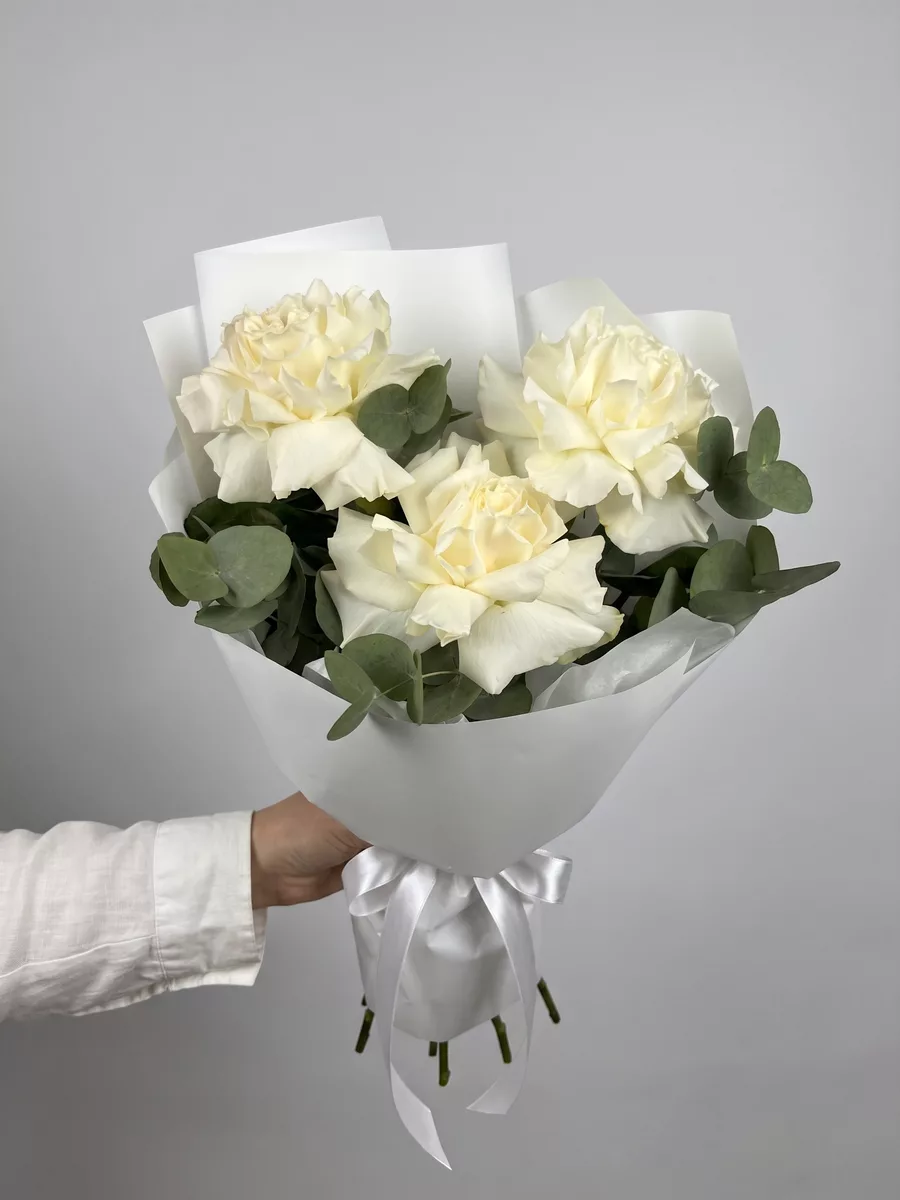
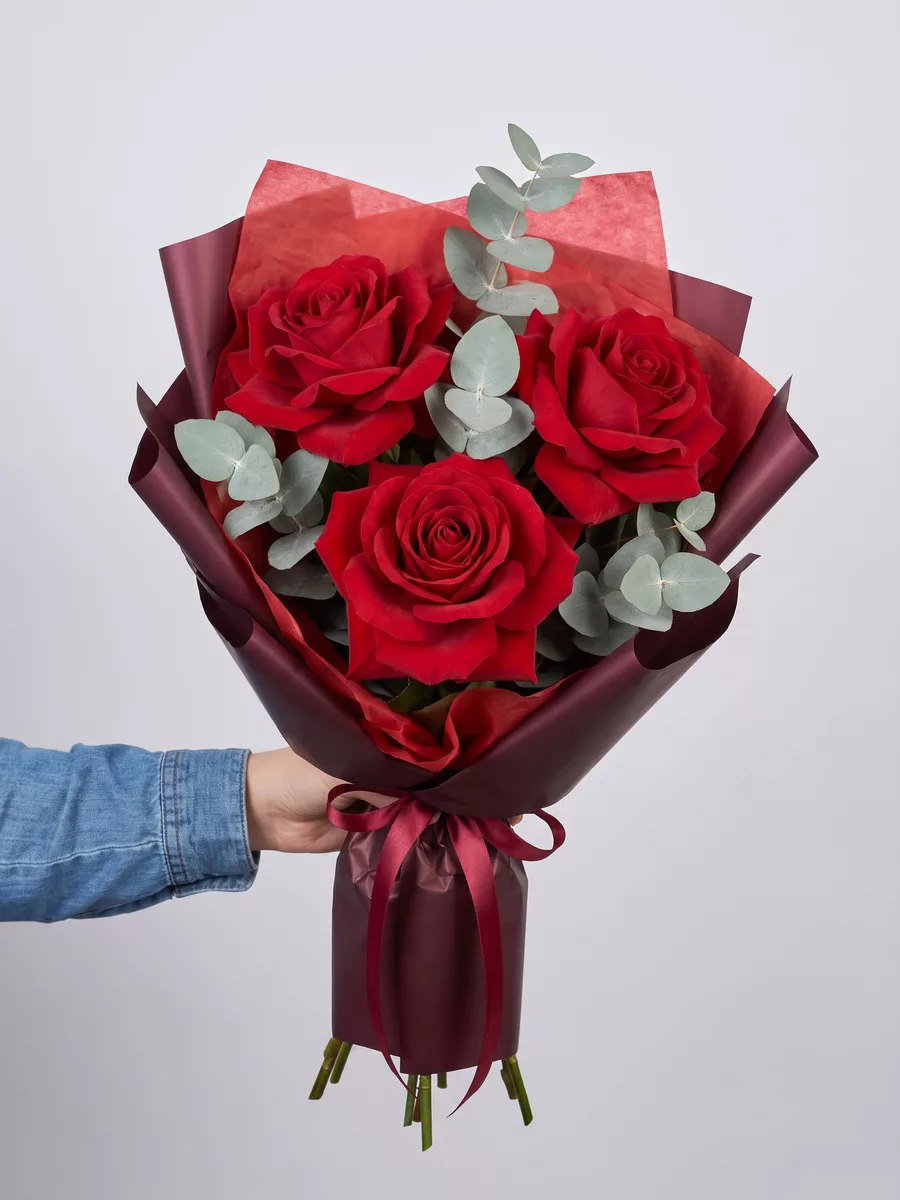
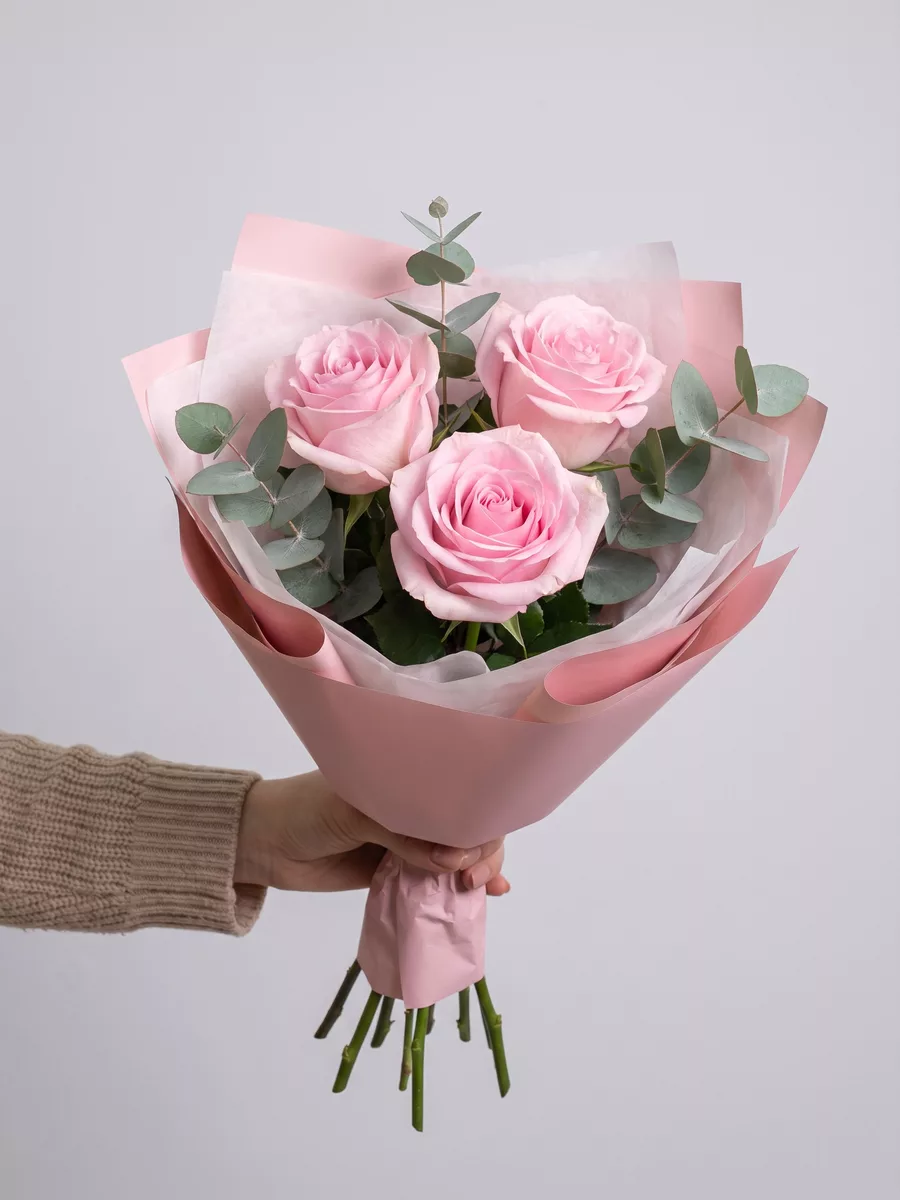
Timing: When Your Order Leaves and When It Arrives
Turboflora describes its delivery window as one to two hours for Saint Petersburg itself, and for Kubinka the logic shifts to a scheduled same-day or next-day corridor rather than an instant sprint across the city. Orders placed before a cut-off time in the morning are assembled, wrapped and dispatched so they arrive in Kubinka during the afternoon or early evening of the same day. Orders placed later in the day are scheduled for a morning arrival the following day, which in practice often suits recipients better — a bouquet arriving at ten in the morning feels like a proper surprise rather than a late-night knock.
Temperature is the silent factor in long-distance flower transport. In summer, when road temperatures between Saint Petersburg and Moscow regularly exceed 25 degrees Celsius, bouquets travel in insulated packaging with cooling elements. In winter, the risk reverses: roses and tropical stems like anthurium are sensitive to frost and can show translucent, water-soaked petals if exposed to temperatures below zero even briefly. Couriers are instructed to keep flowers inside the vehicle and never leave them in an unheated boot during a stop.
The honest answer to the question of exact timing is a two-hour delivery window communicated to the recipient by message. If the person receiving the flowers needs to be home, they will know when to expect the knock. If they are comfortable leaving a neighbour to accept, that works too — just note it in the order so the courier knows who to hand the bouquet to and can confirm the handoff properly.
Choosing Flowers for the Person, Not Just the Occasion
The most useful question to ask before choosing a bouquet is not what the occasion is but who the person is and what their home is like. A retired woman in a quiet Kubinka apartment will likely have a narrow windowsill and one or two small vases — a tight, round arrangement of spray roses, waxflower and eucalyptus will suit her far better than an oversized tropical statement piece. A young woman in a modern flat might love the drama of single-variety tulip bunches in a bold colour, arranged loosely so they can open at their own pace over three or four days.
For men, which is still an underexplored category in Russian gifting culture, potted succulents or a compact arrangement of solidago, green trick dianthus and a few sunflowers reads as considered and unfussy rather than overly sentimental. Explaining to a non-Russian sender: in Russia, flower gifting to men is less common than in some European countries, but it is warmly received when the selection feels intentional rather than accidental.
Seasonality matters more than most people realise. In spring, ranunculus and anemones are at their best and travel well when cut at the bud stage. In summer, lisianthus holds exceptionally well in heat and arrives looking almost as fresh as when it was cut. In autumn, chrysanthemums are the backbone of Russian floristry for good reason — they last ten to fourteen days in a vase and tolerate temperature variation better than most cut flowers. In winter, amaryllis and hypericum berries give structure and colour when softer blooms are scarcer.
Bouquet Combinations That Work Well for Kubinka Recipients
Think about combinations in terms of what the recipient will see when the wrapping opens, and what the bouquet will look like on day three rather than just day one. A mixed bouquet of garden roses, alstroemeria and pittosporum foliage is a reliable combination because the elements open at different rates — the roses are the centrepiece on arrival, and the alstroemeria takes over as the roses begin to relax, extending the visual life of the arrangement by several days.
For a romantic occasion, a monobouquet of David Austin-style garden roses in a blush or apricot tone feels more personal than a mixed arrangement. Pair them with a few stems of gypsophila tucked low in the bouquet rather than scattered throughout, so the texture reads as intentional rather than filler. Wrap in kraft paper with a satin ribbon rather than cellophane — it photographs better and it feels more like something a florist chose rather than something mass-produced.
For birthdays where you want something festive, peonies in season are an obvious choice, but when peonies are out of season, a combination of double lisianthus, spray chrysanthemums and a few stems of celosia gives a similarly full, layered look. Celosia is underused and underappreciated — its velvety texture and deep magenta or orange tones add something that no other flower replicates. It also lasts well over a week in a vase, which means the recipient is still looking at a beautiful arrangement long after the occasion has passed.
For a colleague or a more formal recipient, white and green combinations are universally appropriate in Russian gifting culture. White eustoma, green trick dianthus and a few stems of white snapdragon create something clean and generous without reading as overly intimate.
What the Recipient in Kubinka Should Do When the Flowers Arrive
The first ten minutes after a bouquet arrives are the most important for its vase life, and most people do not know this. When the courier hands over the flowers, the stems have been out of water for several hours. The recipient should unwrap the bouquet immediately, fill a clean vase with cool — not cold, not warm — tap water, and cut each stem at a 45-degree angle before placing them in the water. The diagonal cut increases the surface area through which the stem drinks and prevents the flat end from sitting flush against the bottom of the vase, which would block water uptake.
Leaves below the waterline should be removed. This is not about aesthetics — submerged foliage rots within a day or two and introduces bacteria into the water that shorten the life of every stem in the vase. It takes about two minutes to strip the lower leaves and it genuinely doubles the effective life of many flowers.
Kubinka has a continental climate influence, meaning indoor heating in winter can be intense. Radiators dry the air significantly, and flowers placed near a heat source will dehydrate and drop petals within two or three days even if the stems are healthy. The best position for a vase is away from radiators, away from direct sunlight through a south-facing window, and away from fruit bowls — ripening fruit releases ethylene gas, which accelerates petal drop in roses and tulips in particular.
Changing the water every two days and re-cutting the stems each time will extend vase life noticeably. For chrysanthemums and alstroemeria, this routine can keep the arrangement looking presentable for up to two weeks.
Common Mistakes People Make When Ordering Long-Distance
The most frequent mistake is leaving the address incomplete. Kubinka has a mix of old Soviet-era address formats and newer street naming conventions, and an address without a building number, entrance number and flat number will slow the courier down at minimum and result in a failed delivery at worst. Before confirming the order, read the address back to yourself as if you were a stranger trying to find it for the first time. If anything is ambiguous, add a note in the comments field.
The second common mistake is choosing flowers based on how they look in a photograph without thinking about how they will travel. Large open blooms — fully open peonies, for example, or roses that have already unfurled — are beautiful but fragile. They are more likely to arrive with bruised petals after a long journey. Flowers cut at the bud or early opening stage travel better and open in the vase at the recipient's home, which actually makes the gifting experience more dynamic and enjoyable.
A third mistake is not communicating the delivery window to the recipient. In Russia, it is culturally normal to send flowers as a surprise, but a surprise that results in nobody being home is a logistical problem. The practical solution is to tell the recipient that something is coming without revealing what it is or who it is from. This keeps the element of surprise intact while ensuring the flowers are not left in a building lobby in July heat for three hours.
Finally, people sometimes forget to include a card message. The courier will deliver the bouquet, but without a written note, the recipient may not know immediately who sent it — which diminishes the emotional impact of the whole gesture significantly.
Making the Occasion Feel Right From a Distance
Sending flowers to someone in Kubinka when you are in Saint Petersburg or elsewhere in Russia is an act of intention — it says that the distance did not stop you from marking the moment. The flowers themselves carry that message, but the details around them amplify it. A handwritten card message, even a short one, matters more than most senders realise. In Russian gifting culture, the written word accompanying a bouquet is taken seriously. A few sincere sentences will be read more than once.
If the occasion is a birthday, consider the time of delivery as part of the gift. A morning delivery means the recipient starts their birthday with something beautiful already in the room. An afternoon delivery gives them something to look forward to after the initial excitement of the day. Neither is wrong, but thinking about it shows care.
For anniversaries and romantic occasions, the wrapping and presentation of the bouquet matter as much as the flowers inside. A bouquet wrapped in layers of tissue paper, secured with a ribbon and placed in a branded box arrives as an object of beauty before it is even unwrapped. The moment of opening is part of the experience, and it is worth spending a moment at checkout on packaging options rather than defaulting to the standard wrap.
For a new baby or a housewarming — both common occasions for flower gifting in Russia — a potted plant rather than a cut bouquet can be a more practical and lasting gesture. A flowering kalanchoe or a compact peace lily will still be alive and blooming weeks after any cut arrangement has finished, and it becomes part of the new home rather than a temporary decoration.
Kubinka is not a difficult destination — it is a town with real addresses, real people and real occasions worth marking with something beautiful. The distance from Saint Petersburg is manageable when the logistics are handled carefully, and the flowers that arrive there can be just as fresh and considered as anything delivered across a city. The key is choosing varieties that travel well, writing the address completely, communicating the delivery window and giving the recipient a few simple instructions for the vase. Do those things and the bouquet will do the rest.
Frequently asked questions
Can I send flowers to a military address in Kubinka?
Yes, military residential addresses in Kubinka are deliverable. You need to provide the full address including building number, entrance number and flat number. If the building has a security checkpoint, include any access information or a contact phone number for the recipient in the order notes so the courier can coordinate entry without delay.
Which flowers hold up best on a long journey to Kubinka in summer?
Lisianthus, alstroemeria, spray chrysanthemums and solidago all travel reliably in warm weather. Roses travel well when cut at the bud stage rather than fully open. Avoid requesting fully open peonies or delicate single-petal blooms for summer long-distance orders — they bruise easily and arrive looking tired even with good packaging.
What happens if nobody is home when the courier arrives?
The courier will call the recipient's phone number provided at checkout. If there is no answer, a second attempt is made. To avoid this situation, let the recipient know that a delivery is coming without revealing the details — this preserves the surprise while ensuring someone is available to receive the bouquet during the agreed window.
Is it possible to include a card with a message in Russian or another language?
Yes, you can write your card message in any language when placing the order. The message is printed and included with the bouquet. If you would like the message handwritten, note this in the comments. Keep the message concise — a few warm sentences are more effective than a long paragraph on a small card.
How long will the flowers last after delivery in Kubinka?
With proper care — fresh water every two days, stems re-cut at an angle, leaves removed below the waterline and placement away from radiators and direct sun — most bouquets last seven to ten days. Chrysanthemums and alstroemeria can last up to two weeks. Tulips and ranunculus have a shorter vase life of five to seven days but are especially beautiful while they last.
Ready to send flowers?
Pick the city, choose the bouquet, and a local florist takes it from there.
Choose a city →