Sending Flowers to Kukmor: Timing, Choices and What Arrives at the Door
Kukmor sits quietly in the Republic of Tatarstan, a town where a bouquet arriving at someone's door still feels like a genuine event. Whether you are sending roses to a mother on her birthday, congratulating a colleague on a new job, or simply telling someone you are thinking of them, the distance between you and the recipient does not have to feel like an obstacle. Here is everything you need to know before you place your order.
Where in Kukmor We Deliver and How the Route Works
Kukmor is a compact town, which works in your favour. The central streets, residential districts and the areas around the main administrative buildings are all within our delivery coverage. If you are sending to a private address on the outskirts or to a workplace in an industrial zone, it is worth mentioning the full address clearly, including the building number and any entrance code, because many Russian residential blocks have intercom systems that can slow a courier down.
The delivery route from our dispatch point reaches Kukmor through a well-established logistics corridor across Tatarstan. We work with temperature-controlled transport, which matters enormously for flowers. A bouquet sitting in an unheated van in January or a hot car in July will arrive looking nothing like it did when it left. Our packaging is designed to hold humidity and protect stems during transit, so by the time the courier rings the bell, the flowers should look as though they were arranged that morning.
If the recipient is not home, our courier will contact them directly to arrange a handover time. We do not leave bouquets unattended outside doors. This is standard practice across Russia and ensures the flowers reach the right person in the right condition. Letting us know in advance if the recipient has an unusual schedule saves everyone time and keeps the surprise intact.
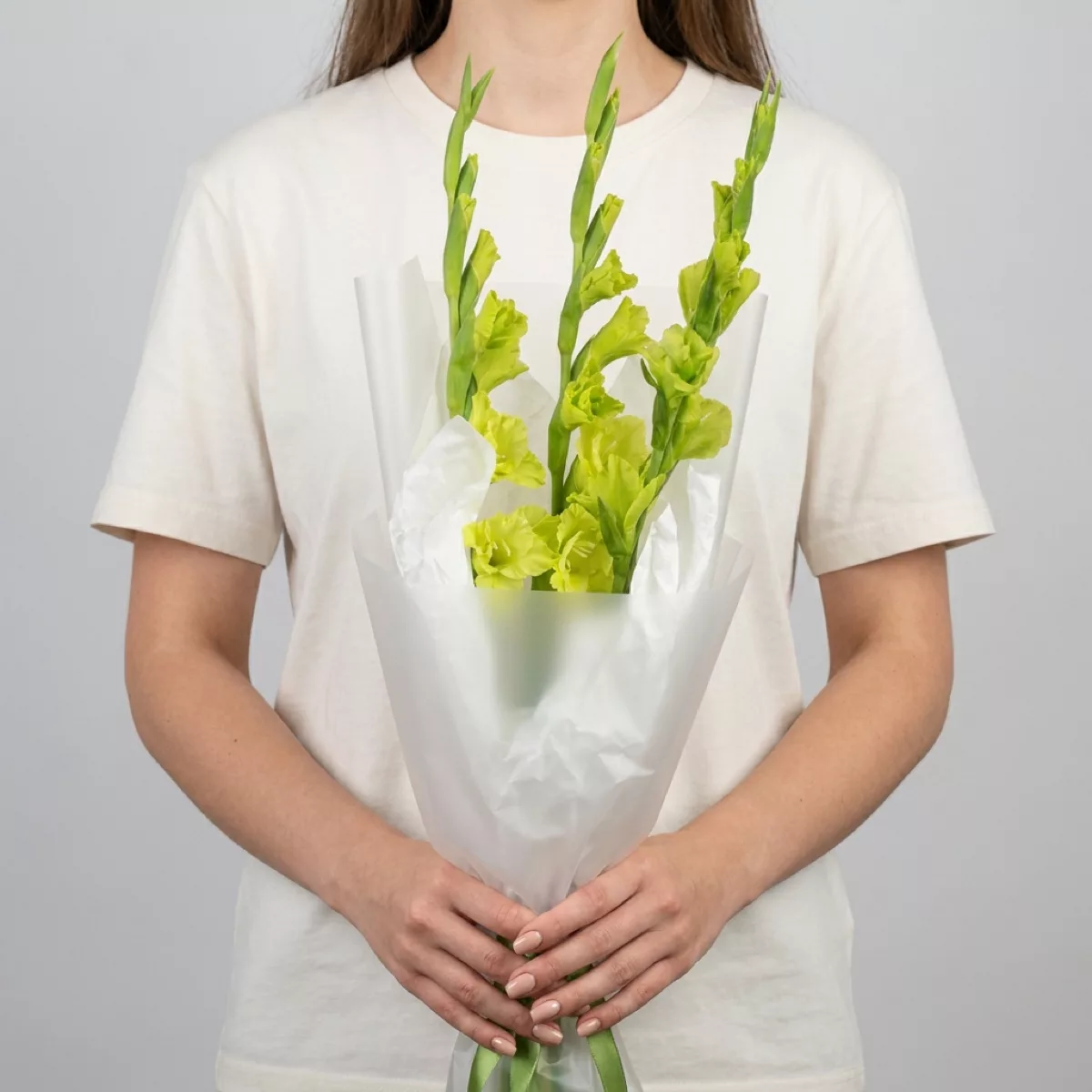
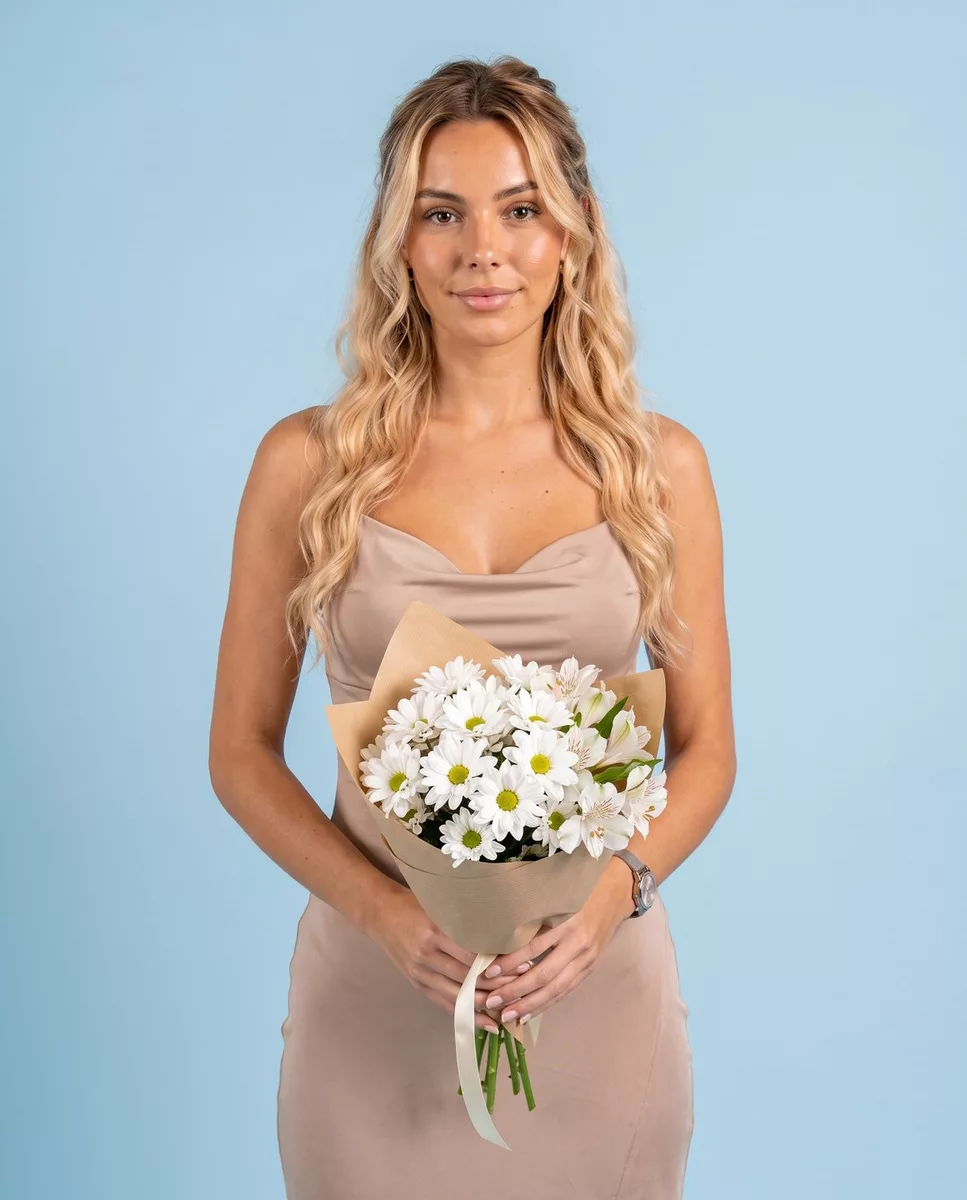
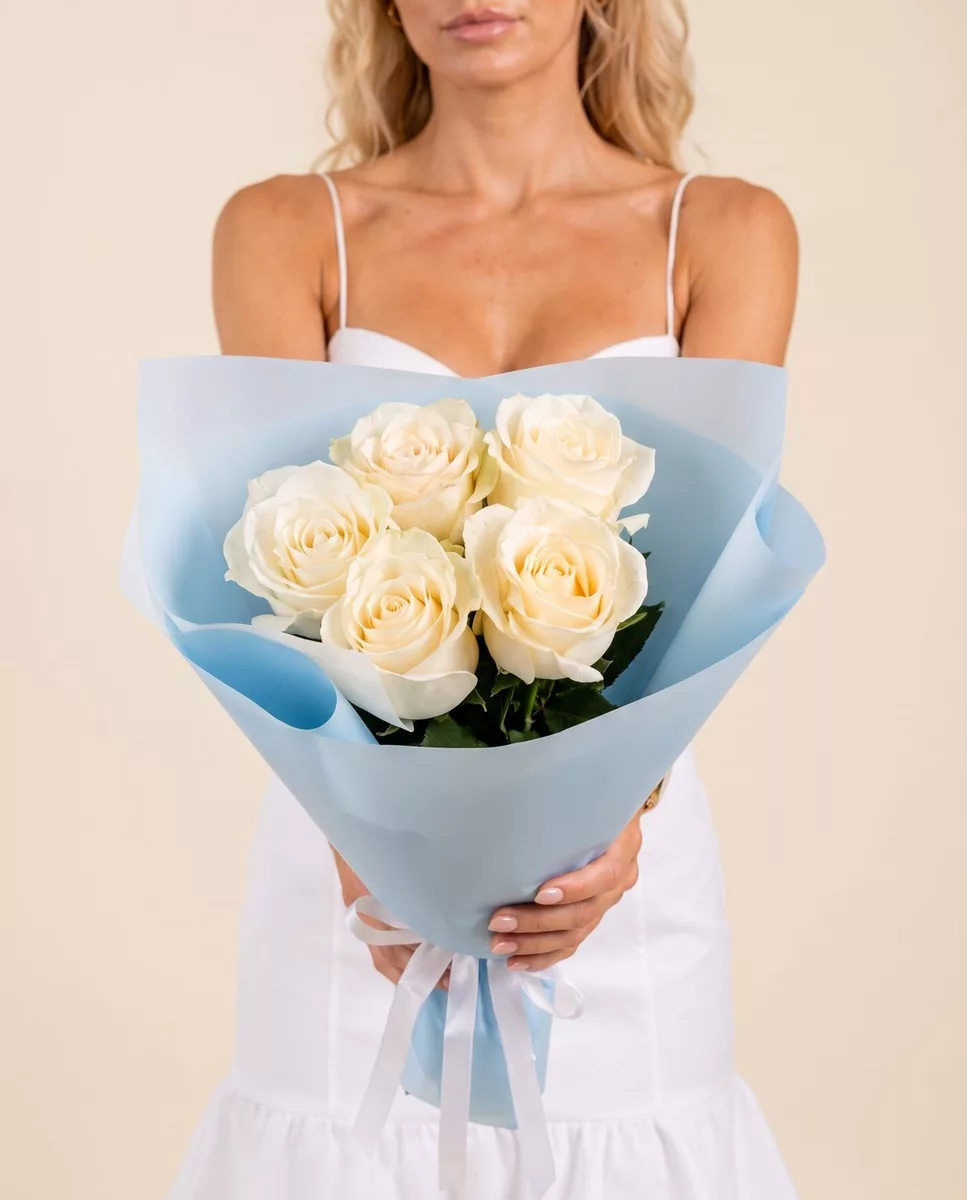
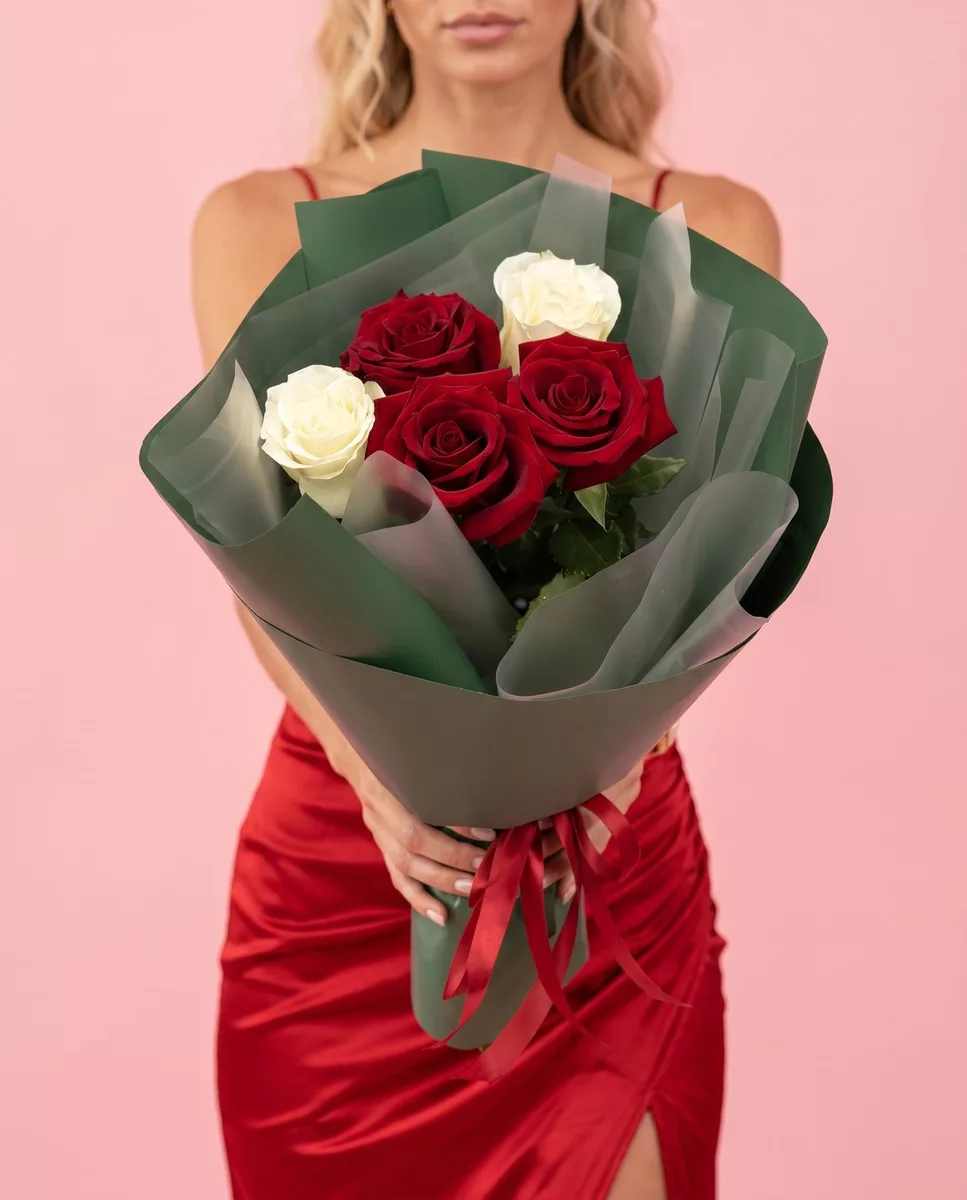
Bouquets we can deliver
Realistic Timing: What One to Two Hours Actually Means for Kukmor
Our headline delivery window of one to two hours applies to Saint Petersburg and major city routes. For Kukmor, you should plan with a longer window in mind, typically same-day delivery when you order before midday, and next-day delivery for afternoon or evening orders. This is not a limitation unique to Kukmor — it reflects the honest reality of distance and road conditions across Russia, and we would rather tell you plainly than promise something we cannot guarantee.
Seasonal timing matters too. Winter roads in Tatarstan can be unpredictable between November and March. Heavy snowfall occasionally adds an hour or more to transit. Summer is generally reliable, though heat management for the flowers becomes the priority. We always recommend ordering with a buffer of at least two to three hours before the moment you want the bouquet to arrive, especially for a birthday dinner or a morning surprise.
The best approach is to choose a delivery window rather than a precise minute. If you tell us the recipient finishes work at six in the evening, we can aim to arrive between five-thirty and six. This flexibility actually improves the experience for everyone. The courier is not rushing, the flowers are handled carefully, and the person receiving them is not standing at the door wondering where their delivery is. Concrete timing expectations, set honestly from the start, make the whole occasion feel effortless.
Choosing the Right Flowers for the Occasion and the Season
The occasion should drive your choice more than personal taste, especially when you cannot be there in person to read the room. For a birthday, something with volume and warmth works well — think full-headed garden roses, lisianthus in cream or pale violet, or a mixed bouquet that includes ranunculus when they are in season from late winter through spring. These flowers read as generous and celebratory without being formal.
For a romantic gesture, a single variety in abundance often makes a stronger impression than a mixed arrangement. Red spray roses, garden roses in blush or deep burgundy, or a monochromatic bundle of white tulips in early spring all carry emotional weight through their simplicity. In Russian culture, an odd number of flowers in a bouquet is the standard for gifts — even numbers are traditionally reserved for funerals, so this is a detail worth knowing if you are not familiar with local customs.
Season shapes availability more than most people realise. In January and February, tulips and hyacinths arrive from Dutch growers and feel appropriately fresh and hopeful. By May, peonies become the flower everyone wants, and for good reason — they are lush, fragrant and deeply associated with warmth returning. In autumn, dahlias, chrysanthemums and echinacea give bouquets an earthy, rich quality that suits the season. Choosing in step with the season almost always produces a more beautiful result than fighting it.
Budget and Presentation: Getting the Most from Your Order
The size of the bouquet matters less than how it is composed and presented. A small arrangement of five garden roses with eucalyptus and a few stems of waxflower, wrapped in kraft paper with a satin ribbon, can feel more considered and personal than a large mixed bouquet that lacks a clear idea behind it. When you are ordering for someone in Kukmor from a distance, the presentation is what they will photograph and remember, so it deserves as much thought as the flower choice.
At a modest budget, single-variety bouquets are your best option. Alstroemeria lasts exceptionally well and comes in a wide range of colours. Carnations, which have an undeserved reputation as a lesser flower, are actually beautiful when arranged in a single colour with good foliage. Spray roses give you multiple blooms per stem, which creates fullness without requiring a large quantity.
At a higher budget, the difference shows in the addition of statement flowers — garden roses with their layered petals, protea for texture and drama, or orchid stems woven through a mixed arrangement. Greenery plays a significant role here too. Ruscus, eucalyptus, pittosporum and fern all add depth and make the flowers last longer by reducing competition for water. A bouquet with good greenery always photographs better and holds its shape for more days. Think of the greenery not as filler but as the structure that lets the flowers breathe.
What Happens in Cold and Hot Weather: Protecting the Flowers
Temperature is the single biggest threat to flower quality in transit, and Tatarstan experiences both extremes. In winter, temperatures in Kukmor regularly drop below minus fifteen degrees Celsius, and even a five-minute exposure to that kind of cold can cause cell damage in rose petals or turn tulip stems limp and translucent. Our couriers use insulated packaging and know how to carry bouquets so that the flowers are shielded from the outside air during the walk from vehicle to door.
In summer, the opposite problem applies. Heat above twenty-five degrees Celsius accelerates the opening of flowers and speeds up bacterial growth in the water absorbed by the stems. Flowers packed in a hot vehicle without proper ventilation can age by a full day in the space of an hour. This is why we adjust our packaging and routing strategy by season, not by a single year-round standard.
As a recipient or a sender, there are small things you can do to help. If you are the one receiving the flowers, have a vase with fresh, cool water ready so that you can transfer the bouquet immediately. If you are sending them, note in your order if the recipient lives on a high floor with a south-facing entrance that gets direct afternoon sun — these details help our courier plan the handover efficiently. Flowers are living things, and treating them as such from the moment of delivery makes every difference to how long they last.
Care Instructions Worth Passing On to the Recipient
A beautiful bouquet deserves a few minutes of attention when it arrives. The first step is always to trim the stems at a diagonal angle, removing about two centimetres with a clean, sharp knife or scissors. A diagonal cut increases the surface area through which the stem absorbs water, and doing it under running water prevents an air bubble from forming in the stem and blocking that uptake. This single step extends vase life by two to three days for most varieties.
The water in the vase should be changed every two days, and the stems should be re-trimmed each time. This sounds like more effort than most people make, but it genuinely doubles the life of the arrangement. Remove any leaves that sit below the waterline, because submerged foliage rots quickly and introduces bacteria that shorten the life of the flowers above.
Placement matters as much as water. Keep the bouquet away from direct sunlight, radiators and fruit bowls. Ripening fruit releases ethylene gas, which accelerates the ageing of flowers — this is not a myth. A cool room, away from drafts, is ideal. Roses and peonies prefer cooler temperatures and will stay open longer in a room that does not exceed twenty degrees Celsius. Tulips, by contrast, continue to grow after being cut and will lean toward light, so rotating the vase occasionally keeps them upright. Passing these tips on when you send the flowers turns the gift into something that lasts a week rather than three days.
Making the Delivery Feel Personal When You Are Far Away
The physical distance between you and someone in Kukmor does not have to show in the gesture. A few deliberate choices make the delivery feel like you thought about it rather than clicked through a catalogue in two minutes. The first is the card message. In Russia, a handwritten-style message on a card accompanying the flowers is expected and valued. Keep it specific to the person and the moment — a line about a shared memory or a direct expression of what you feel will always land better than a generic phrase.
The second is knowing the recipient's preferences. If you know they love the scent of flowers, hyacinths, freesias and garden roses are all strongly fragrant. If they have allergies, lily pollen is the most common irritant among cut flowers, and it is worth requesting lilies with the stamens already removed, or avoiding them altogether. These are the kinds of details a florist who knows you would already have on file — sharing them when you order means the bouquet is made for that specific person.
The third is timing the delivery to a moment that will be felt. A bouquet arriving at nine in the morning on a birthday, before the day has started, carries a different emotional weight from one that arrives at six in the evening after a long day at work. Both are good, but they feel different. Think about what the person's day looks like and choose the window that will make the most of the moment. That consideration, more than the flowers themselves, is what makes a delivery memorable.
Ordering flowers for someone in Kukmor from a distance is a straightforward act with a real emotional result. The key is setting honest expectations about timing, choosing flowers that suit the season and the occasion, and giving the recipient a few simple care tips so the bouquet stays beautiful for as long as possible. When all of that comes together, the distance disappears entirely — what arrives at the door is simply the feeling you wanted to send.
Frequently asked questions
Can I order flowers for same-day delivery in Kukmor?
Yes, same-day delivery in Kukmor is available when you place your order before midday. For afternoon and evening orders, next-day delivery is the more reliable option. We recommend building in a buffer of two to three hours before the moment you want the flowers to arrive, especially for time-sensitive occasions like a birthday dinner or a morning surprise.
What happens if the recipient is not home when the courier arrives?
Our courier will call the recipient directly to arrange a convenient handover time. We never leave bouquets unattended outside a door or in a hallway. If you know the recipient has an unusual schedule, mention it when you order so we can plan the delivery window around them and keep any surprise intact.
Why does the number of flowers in a bouquet matter in Russia?
In Russian tradition, an odd number of flowers is given as a gift, while an even number is associated with occasions of mourning. This applies to the total count of blooms in the bouquet. It is a widely observed custom, and our arrangements for gifts are always composed with this in mind so that nothing feels unintentionally out of place.
Which flowers last longest after delivery in Kukmor's climate?
Alstroemeria, carnations and chrysanthemums consistently have the longest vase life, often lasting ten to fourteen days with proper care. Spray roses and lisianthus are also strong performers. Tulips and peonies are beautiful but shorter-lived, typically lasting five to seven days. Changing the water every two days and trimming the stems each time makes a significant difference for all varieties.
Can I include a personal message card with the bouquet?
Yes, and we strongly encourage it. A card with a personal message is a standard and valued part of flower gifting in Russia. When you place your order, you can write the message you want included. Specific, personal messages — a shared memory, a direct expression of how you feel — always resonate more than a general phrase, especially when the sender cannot be there in person.
Ready to send flowers?
Pick the city, choose the bouquet, and a local florist takes it from there.
Choose a city →