Sending Flowers to Kurchatov? Here Is What to Expect
You want flowers to arrive in Kurchatov looking exactly as they did when you chose them — stems firm, petals open just enough, the whole bouquet smelling the way a bouquet should. That is a reasonable thing to want, and it is exactly what shapes every decision we make from the moment you place an order to the moment someone opens the door.
Where in Kurchatov We Deliver and Why the Area Matters
Kurchatov is a compact city in the Kursk region, built around the Kursk Nuclear Power Plant and carrying a particular kind of quiet civic pride. Its streets are well-planned, distances between addresses are short, and that works strongly in your favour when you are ordering flowers. Our couriers navigate the city efficiently, which means a bouquet ordered in the morning can reach a colleague at the plant's administrative district or a friend in one of the residential mikrorayons without the delays that larger, sprawling cities sometimes bring.
We cover the full city, including the central streets around Lenina Avenue, the residential blocks further east, and the quieter neighbourhoods near the river. If you are unsure whether a specific address falls within our zone, the checkout process will confirm it immediately — no need to call ahead.
One thing worth knowing: Kurchatov sits inland, and its climate swings noticeably between seasons. In July and August, afternoon temperatures can push past thirty degrees Celsius, and that is genuinely hard on cut flowers. In January, the opposite problem applies — frost can damage petals within minutes of leaving a warm vehicle. We account for both extremes in how we pack and transport every order, but it helps if you are aware of this too, especially when planning delivery timing around the warmest or coldest part of the day.
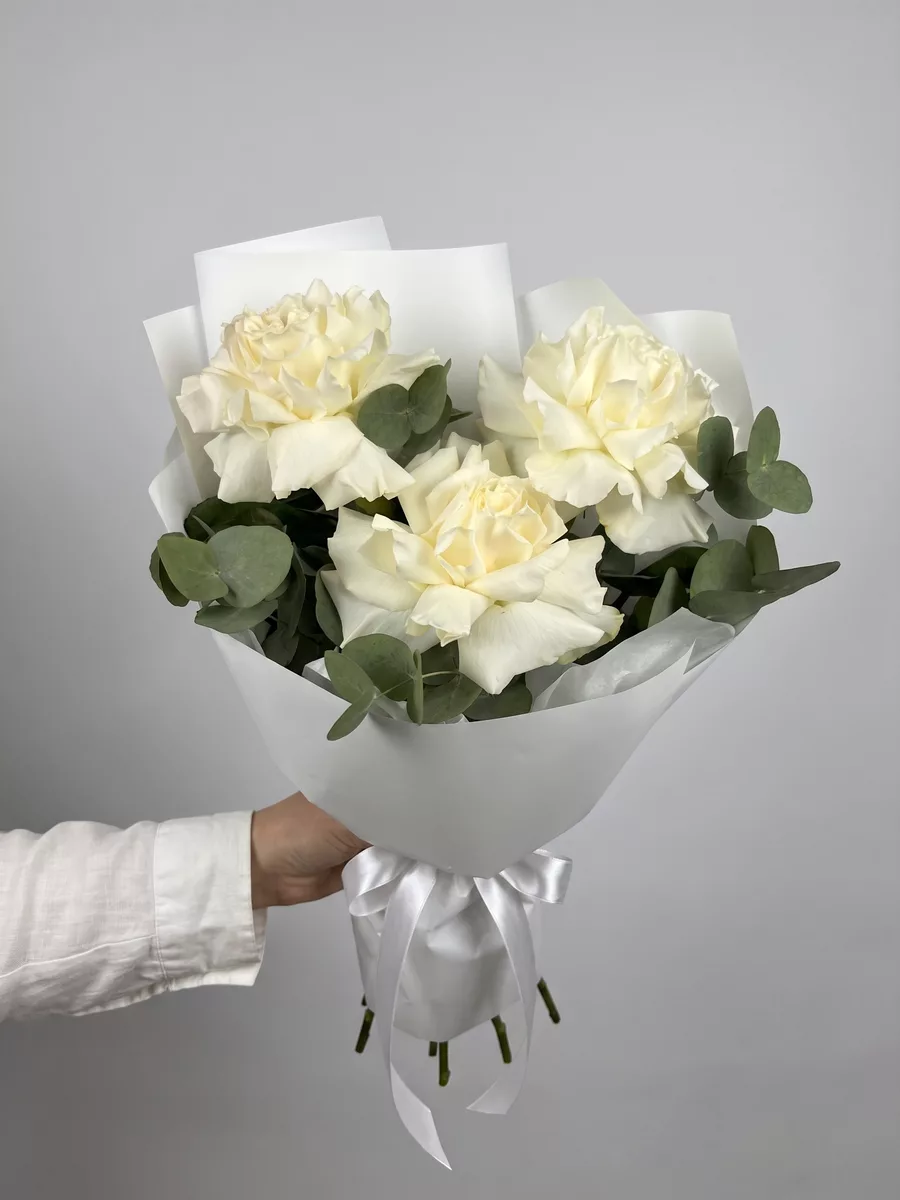
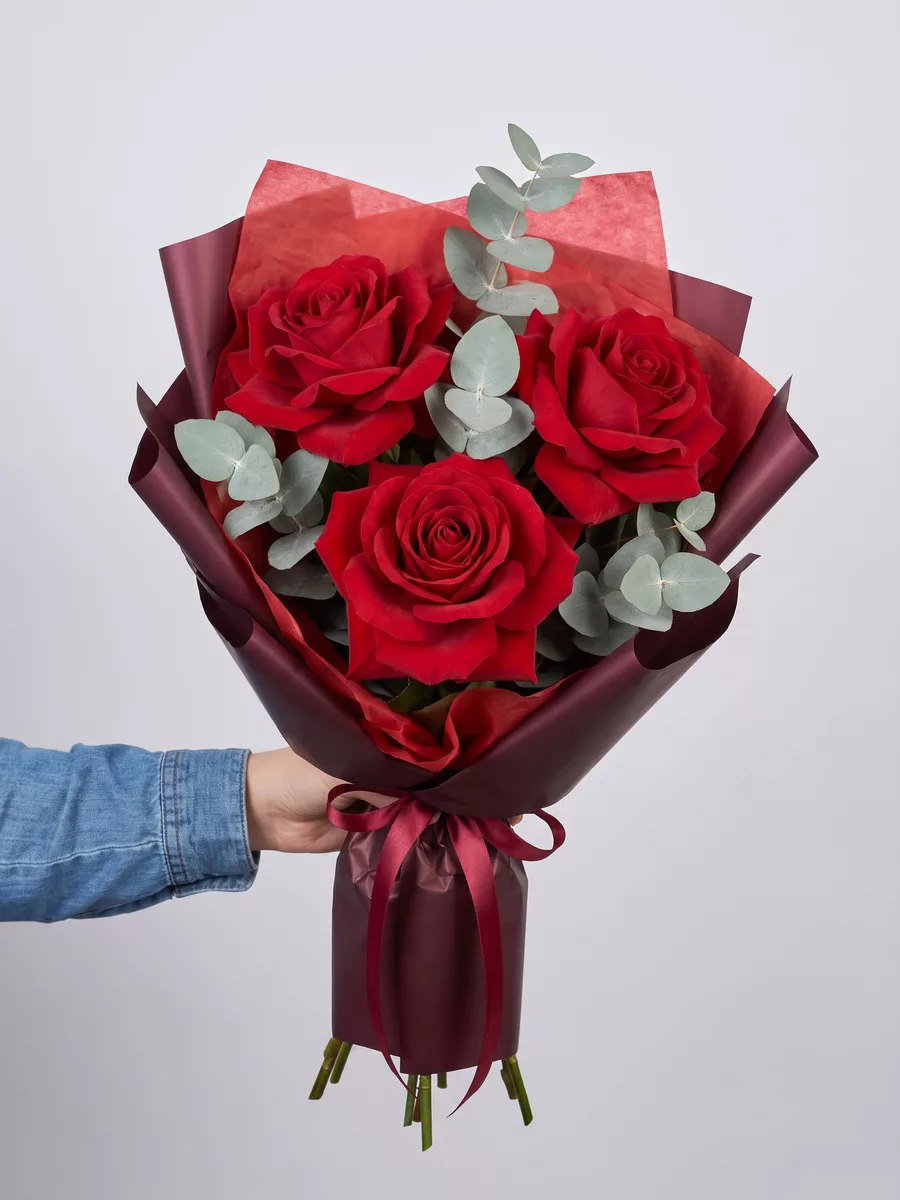
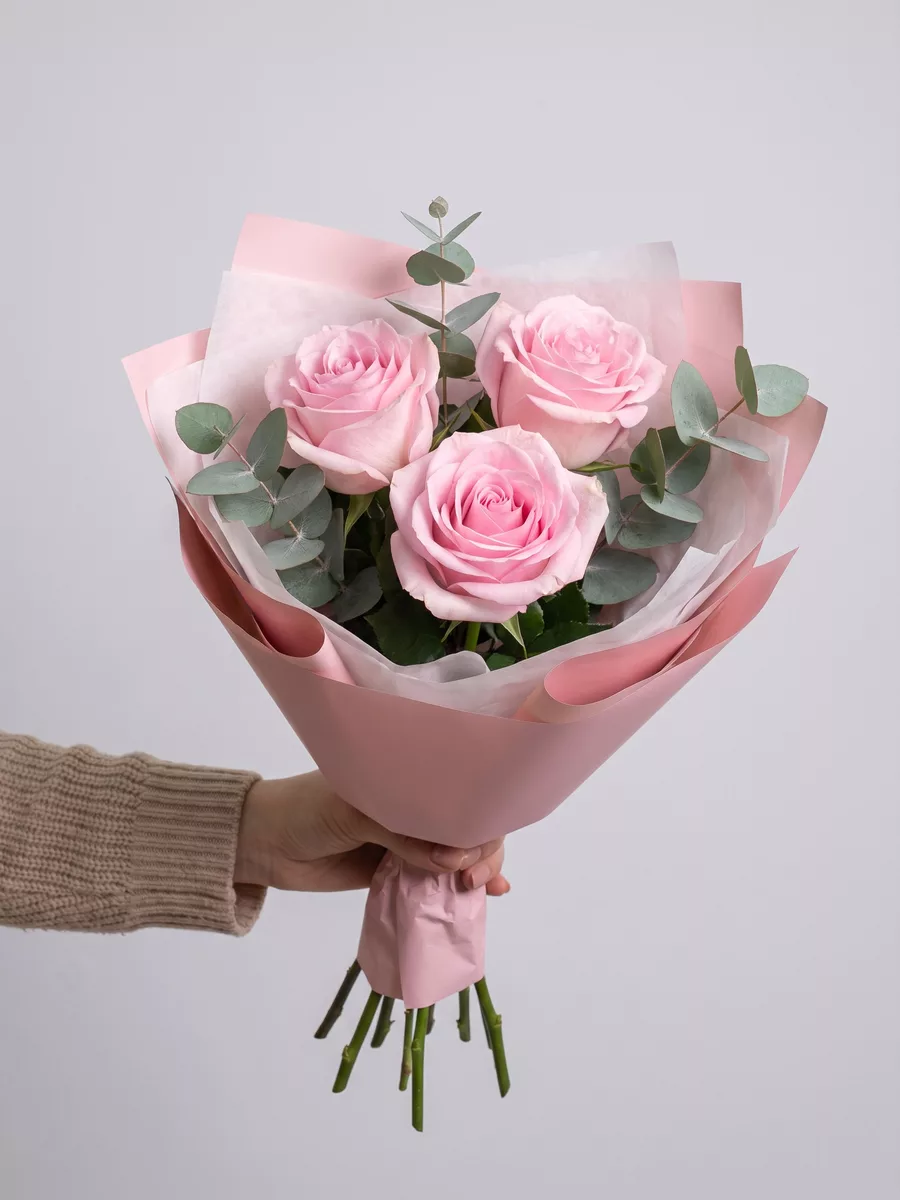
Bouquets we can deliver

Timing Your Order: When Flowers Arrive at Their Best
The window between one and two hours is not a marketing phrase — it reflects how we actually operate. Once your order is confirmed, the bouquet is assembled fresh, packed carefully, and handed to a courier who knows the route. In Kurchatov, where traffic is light compared to a regional capital, that window holds reliably across most of the day.
Morning deliveries, roughly between nine and noon, tend to produce the best results for the recipient. The temperature is moderate, the flowers have not been sitting in a warm vehicle through the afternoon heat, and catching someone at the start of their day carries its own emotional weight. A birthday bouquet that arrives before work begins the celebration early. A thank-you arrangement delivered on a quiet Tuesday morning feels unexpectedly generous.
Evening deliveries work well too, particularly for romantic occasions or when the recipient is home after six. What we suggest avoiding is the midday slot in summer, between roughly noon and three, when both the outdoor temperature and the inside of any vehicle are at their warmest. If you must send flowers during that window in July or August, choose hardy varieties — chrysanthemums, alstroemerias, and sunflowers tolerate heat far better than garden roses or sweet peas.
For occasions with a fixed time — a surprise at the office, a birthday dinner — order at least three hours ahead to give yourself a buffer. Same-day orders placed before two in the afternoon are handled comfortably. Later than that, contact us directly to confirm availability before completing the order.
Choosing Flowers for the Person, Not Just the Occasion
The occasion gives you a starting point, but the person in front of you — or the person you are picturing when you close your eyes — tells you what to actually order. A woman who keeps her apartment minimal and modern will feel more seen by a single-variety bouquet of white ranunculus or blush lisianthus than by a dense, mixed arrangement. A colleague retiring after thirty years deserves something with real presence: garden roses in full bloom, perhaps combined with eucalyptus and white veronica for texture.
For a teacher or mentor, consider flowers that feel considered rather than showy. Tulips in spring, freesias in early autumn, or a simple arrangement of peonies when they are in season all read as thoughtful rather than obligatory. Peonies have a very short natural season — late May through June — so if you want them, order during that window and do not expect the same quality in October.
Parents and grandparents often appreciate warm colours: soft yellows, peach, coral, and cream tend to feel welcoming rather than cold. Avoid very dark or very dramatic arrangements for older recipients unless you know their taste specifically runs that way.
For romantic occasions, red roses remain the clearest signal in Russian culture, and that clarity has value. But if the relationship is past its early stage, a bouquet that shows you paid attention — her favourite colour, a flower she mentioned once — will land harder than a dozen red stems ever could. Combine spray roses with matthiola for scent, or add a few stems of blue delphinium for colour contrast that feels personal rather than generic.
Bouquets at Different Budget Levels: What Changes and What Does Not
Budget shapes the size and the complexity of a bouquet, but it does not have to shape the quality. Every arrangement we send out, regardless of price, uses fresh-cut flowers that arrived recently and were stored at the correct temperature — between two and eight degrees Celsius for most varieties. What changes as the budget grows is the number of stems, the variety of textures, and the presence of more seasonal or imported flowers that cost more to source.
At a modest budget, a single-variety bouquet is almost always the right choice. Seven or nine stems of one flower — tulips, spray roses, alstroemerias — arranged cleanly with a little greenery will look intentional and generous. Odd numbers are traditional in Russian gifting culture, and they also tend to produce more visually balanced arrangements.
A mid-range budget opens the door to combinations. Roses paired with gypsophila, or lisianthus with eucalyptus and wax flower, allow for more visual depth without looking overstuffed. This is also the level where you can start requesting specific colours with confidence.
At a higher budget, you are working with premium imports — garden roses with full, many-petalled heads, peonies in season, orchid stems, or large-headed hydrangeas that fill a vase dramatically. These flowers are beautiful, but they also require more careful handling after delivery. If the recipient is not experienced with flowers, include a note about water and temperature — or choose a slightly hardier combination that will last just as well without the extra attention.
Seasonal Flowers in Kurchatov: What Is Worth Ordering When
Kurchatov follows the same seasonal rhythms as the broader Kursk region, and those rhythms matter more than most people realise when ordering flowers. A flower that is in season locally or regionally arrives fresher, lasts longer in the vase, and often costs less than an out-of-season stem flown in from a distant greenhouse.
In early spring — March through April — tulips are at their peak. They are widely available, affordable, and carry a brightness that feels exactly right after a Russian winter. Hyacinths are also strong in March, and their scent is powerful enough to fill a room. For International Women's Day on the eighth of March, which is the single largest flower-giving occasion in Russia, order well in advance: demand across the country spikes sharply and same-day availability becomes limited.
May and June bring peonies, which many people consider the most beautiful of all cut flowers. They are also the most time-sensitive: buy them when the buds are just beginning to open, not fully blown. A fully open peony at the point of purchase will drop its petals within two days.
Summer is the season for sunflowers, which are cheerful, robust, and genuinely difficult to kill. They last well in warm apartments and make an immediate visual impact. Late summer also brings lisianthus into its best form — ruffled, rose-like, and available in white, purple, and pale pink.
Autumn suits chrysanthemums, which are underrated. A full, round chrysanthemum in deep burgundy or warm yellow looks genuinely luxurious and will hold its colour for ten days or more with basic care.
Keeping Flowers Fresh After Delivery: Practical Advice
The bouquet arrives, the moment is lovely, and then it sits in a vase for a week while the water slowly turns cloudy. That does not have to happen. A few concrete habits make the difference between flowers that last five days and flowers that last twelve.
First, cut the stems at an angle immediately after unwrapping — even if they were cut at the shop, a fresh cut opens the stem's water-intake channels again. Use a sharp knife rather than scissors, which can crush the stem. Cut at least two centimetres off, more if the stems are long.
Fill the vase with cool, clean water. Not cold from the tap, not warm — cool. Most cut flowers take up water most efficiently at around fifteen to eighteen degrees Celsius. Change the water every two days, and rinse the vase when you do. The bacteria that build up in old water are the main reason flowers die prematurely.
Keep the arrangement away from direct sunlight, heating radiators, and fruit bowls. Ripening fruit releases ethylene gas, which accelerates the ageing of petals — roses and tulips are particularly sensitive to it.
Remove any leaves that sit below the waterline, as submerged foliage rots quickly and clouds the water. Strip these off gently when you first arrange the flowers.
Different varieties have different lifespans, and that is normal. Alstroemerias and chrysanthemums often last two weeks. Tulips and garden roses are more like five to seven days. Knowing this helps you set expectations and enjoy each flower at its actual peak rather than feeling disappointed when the first stems fade.
Making the Order Feel Personal: Notes, Timing, and Small Details
A bouquet is an object, but the gesture around it is what the recipient actually remembers. The timing of the delivery, the note card, and the way the flowers are presented when the door opens — these details carry as much weight as the flowers themselves, sometimes more.
In Russian culture, flowers are typically given directly to the recipient rather than left at a door. If you are sending a surprise and the recipient is at home, a courier delivering directly to their hands is the standard expectation. If the delivery is to a workplace, it is worth noting in your order whether reception staff should be involved or whether you want the courier to reach the recipient directly.
The note card is worth taking seriously. A handwritten-style message, even a short one, transforms a bouquet from a purchase into a communication. Avoid generic phrases if you can — something specific to the person or the occasion lands far better than "Happy Birthday, best wishes." If you are sending from a distance and Russian is not your first language, writing your note in English is perfectly acceptable; the gesture is understood.
For milestone occasions — a significant anniversary, a major professional achievement, the arrival of a new baby — consider whether the size of the arrangement matches the weight of the moment. A single small bouquet for a fortieth birthday can feel underwhelming. A generous arrangement, perhaps with a second smaller bouquet for the table, signals that you understood what the day meant.
Finally, if you know the recipient's schedule, time the delivery to a moment when they can actually receive it properly — not rushed between meetings, not just as they are leaving. A flower given in a calm moment is a flower that gets appreciated.
Ordering flowers to Kurchatov is straightforward when you know what to expect from the timing, the season, and the person you are sending to. The city's compact layout works in your favour, and with a little thought about the occasion and the individual, a bouquet becomes something genuinely memorable rather than a routine gesture. We handle the logistics — the temperature, the packing, the route — so that your only job is choosing something that feels right for the person opening the door.
Frequently asked questions
Can I order flowers for same-day delivery to Kurchatov?
Yes, same-day delivery is available for orders placed before two in the afternoon. For orders placed later in the day, we recommend contacting us directly to confirm that your preferred bouquet and timing can be accommodated. We assemble every arrangement fresh after the order is confirmed, so early ordering gives you the widest choice of flowers and delivery slots.
What flowers hold up best during hot summer delivery in Kurchatov?
Chrysanthemums, alstroemerias, and sunflowers are the most heat-tolerant cut flowers and travel well even in warm weather. Garden roses and lisianthus are more sensitive to heat. If you are ordering in July or August, we recommend choosing a morning delivery slot and selecting varieties known for their durability rather than the most delicate seasonal blooms.
Do I need to be present to receive the delivery?
In most cases, yes — flowers are delivered directly to the recipient. If the delivery is to a workplace, reception staff can accept the bouquet. If you know the recipient will not be home, let us know in the order notes and we will find a practical solution together. Leaving flowers unattended outside a door is not something we recommend, especially in temperature extremes.
Is it appropriate to send flowers to a colleague or a professional contact in Russia?
Absolutely. Flowers are given freely across professional contexts in Russia — to teachers, doctors, colleagues, and managers, particularly on occasions like birthdays, professional anniversaries, or public holidays. A clean, well-composed bouquet in neutral or warm colours is always appropriate. Avoid overly romantic combinations like red roses for strictly professional relationships.
Why do Russian bouquets traditionally have an odd number of stems?
Even numbers of flowers are associated with mourning in Russian tradition and are brought to funerals. For any celebratory or affectionate occasion, an odd number — five, seven, nine, eleven — is the expected choice. This is widely observed across Russia and is worth knowing if you are unfamiliar with local customs. Our florists automatically follow this convention unless you specify otherwise.
Ready to send flowers?
Pick the city, choose the bouquet, and a local florist takes it from there.
Choose a city →