Sending Flowers to Kusa? Here Is What to Expect
Kusa sits quietly in the Chelyabinsk region, a small city where a bouquet arriving at the door still feels like a genuine event. Whether you are marking a birthday from across the country or surprising someone on an ordinary Tuesday, the flowers you choose and the way they travel matter as much as the gesture itself. This guide walks you through timing, seasonal sense, budget thinking and the small details that turn a delivery into a real memory.
Understanding Delivery Coverage in Kusa and the Surrounding Area
Kusa is a compact city, which works in your favour when it comes to logistics. The central streets, residential districts and the areas near the river are all reachable, and the relatively short distances within the city mean a bouquet does not spend long in transit once it leaves our hands. That matters more than most people realise, because fresh flowers are sensitive to time and temperature in equal measure.
If the recipient lives on the outskirts or in a nearby village, it is worth specifying the full address carefully, including the building number and any entrance code. Delivery windows can stretch slightly for outlying addresses, so placing the order with a little extra lead time is a sensible habit. A one-hour buffer beyond your hoped-for arrival time keeps the surprise intact without creating stress.
Kusa also sits at a meaningful elevation in the southern Urals, which means temperatures swing sharply between seasons. In summer the heat can climb high enough to wilt delicate petals within minutes of leaving an air-conditioned vehicle, while winter cold can damage tropical flowers like anthuriums or orchids if they are exposed for even a short time. Our packaging accounts for this, but knowing the climate helps you choose varieties that will survive the final steps of the journey in good shape.
Bouquets we can deliver
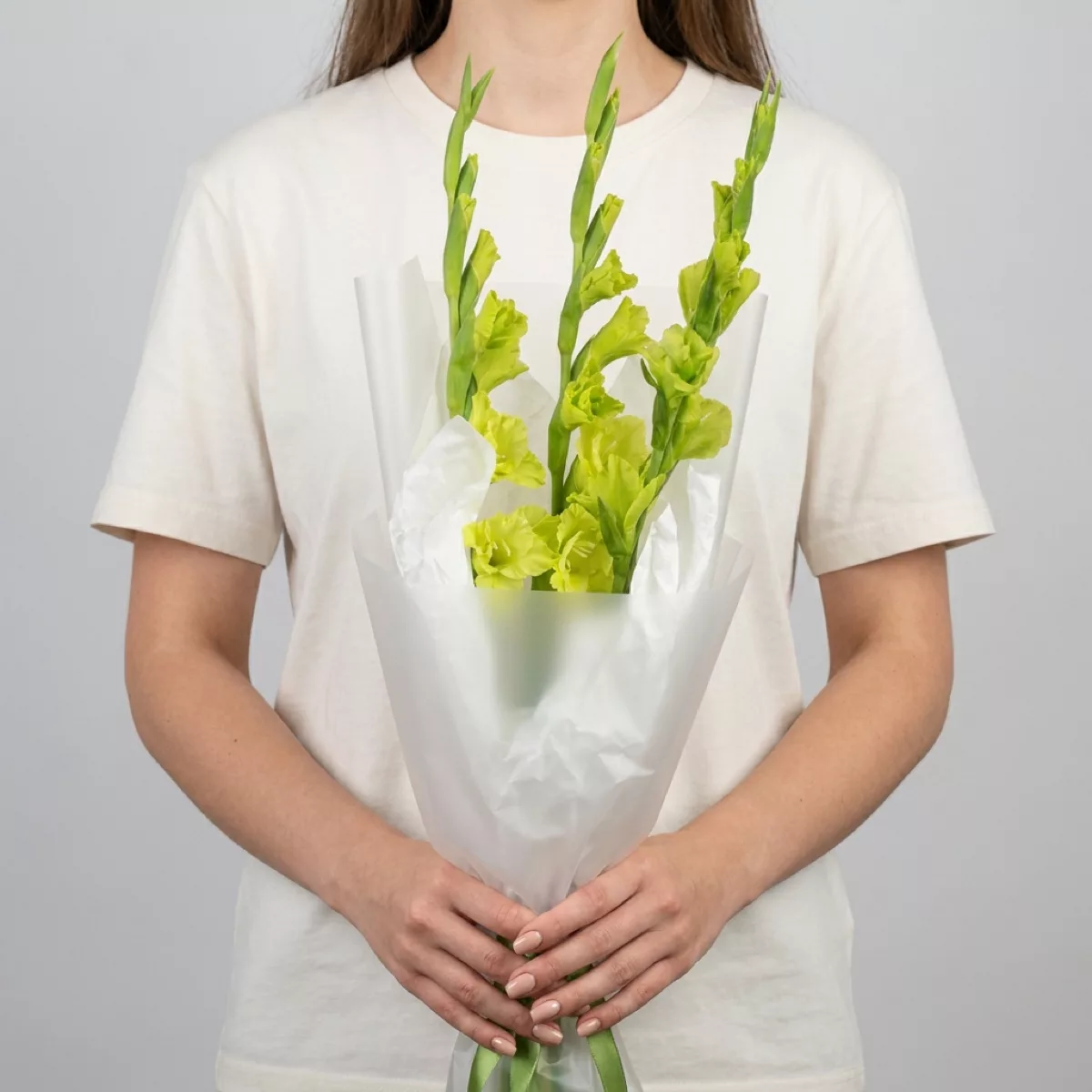
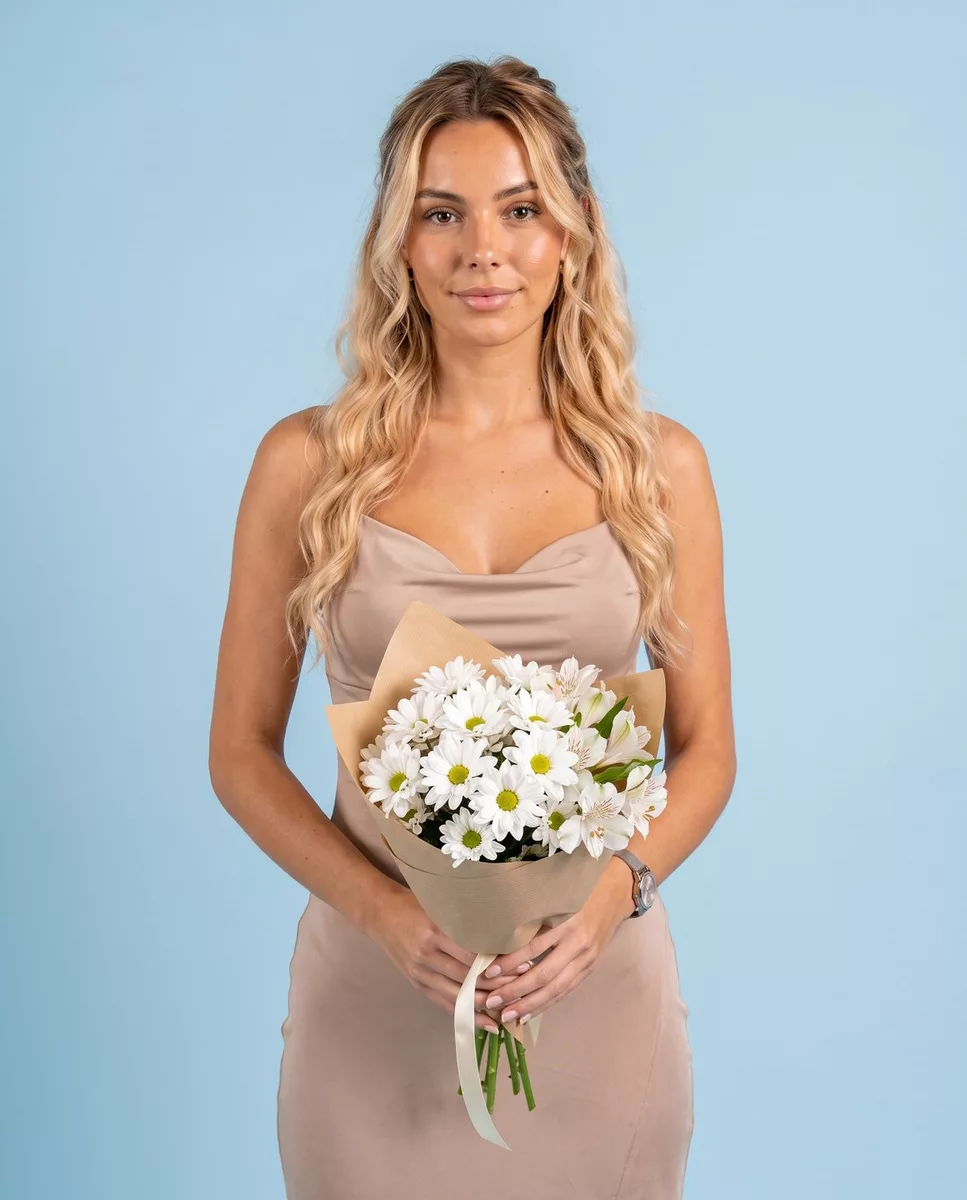
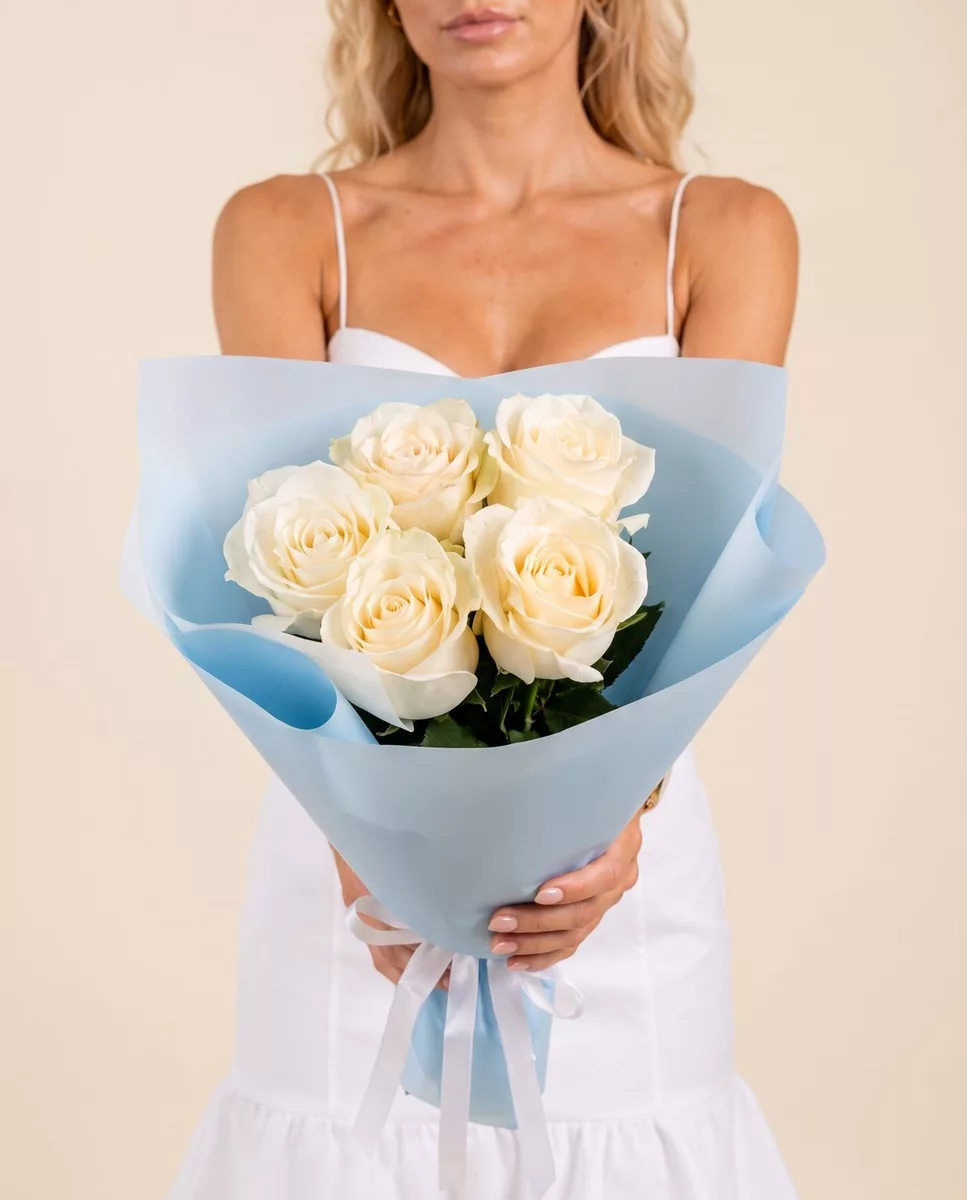
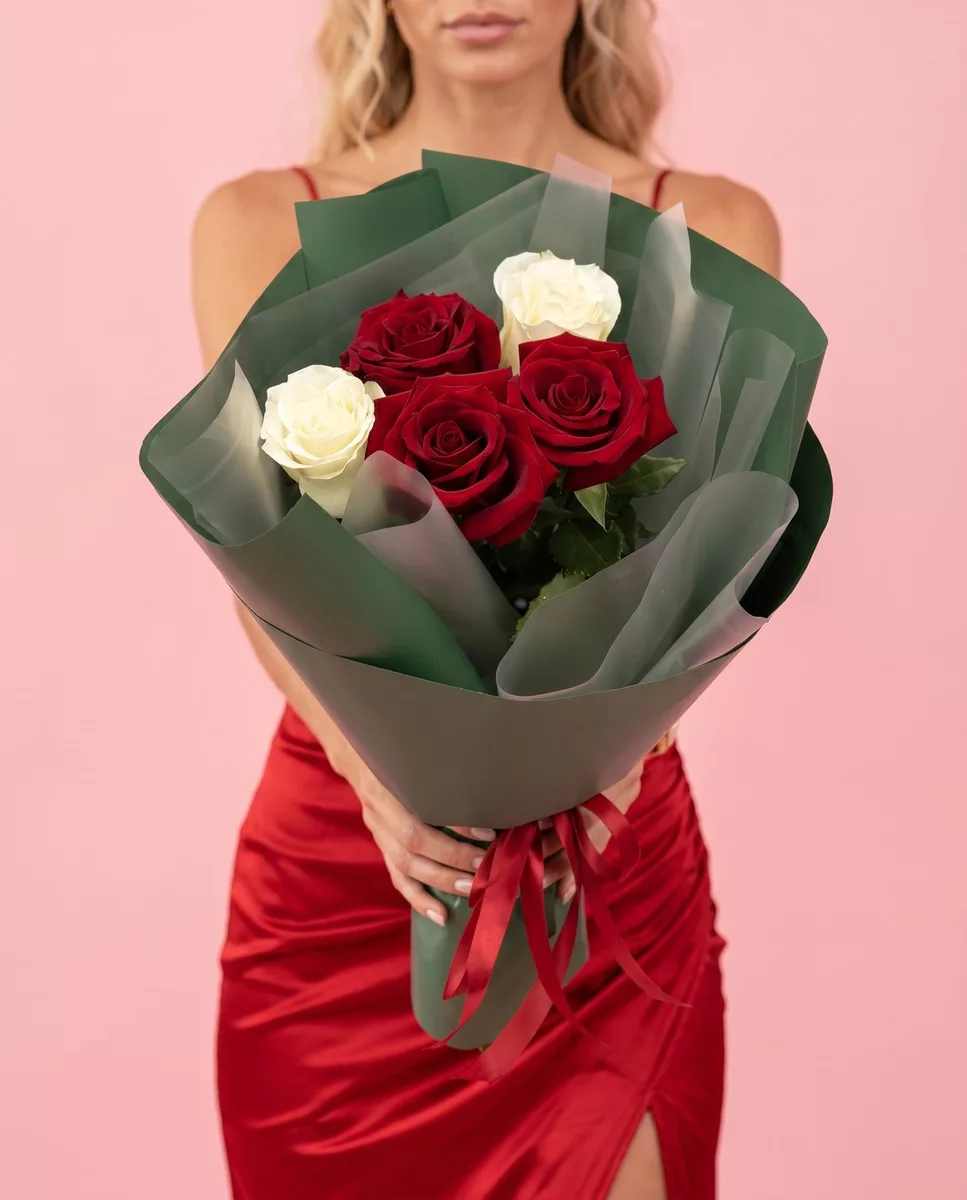
Timing Your Order So the Flowers Arrive at the Right Moment
The single most common mistake people make is ordering too close to the event. A birthday dinner starts at seven in the evening, and the flowers are ordered at six-thirty. Even with fast delivery, the bouquet arrives after the first toast, the table is already set and the moment has passed. Ordering two to three hours ahead gives you a comfortable margin and leaves room for any unexpected delay on busy days.
For morning deliveries, particularly on holidays like International Women's Day on the eighth of March or Valentine's Day, the volume of orders across the city rises sharply. These are the two busiest single days in the Russian flower calendar, and florists everywhere work at full capacity. Placing your order the evening before, or even two days ahead, secures your preferred time slot and gives the team time to source the freshest stems.
If the occasion is a surprise and the recipient is at work, coordinate with someone who can let them know to expect a delivery or who can receive the bouquet on their behalf. Flowers left in a warm corridor for two hours lose a significant portion of their vase life. A quick message to a colleague or family member costs nothing and protects the gift. Always include the recipient's phone number in the order so our courier can call ahead and confirm a good moment to arrive.
Choosing Flowers That Suit the Ural Climate and the Journey
Not every flower travels equally well, and in Kusa the climate adds an extra layer of consideration. Roses are the most forgiving long-distance travellers when they are properly hydrated and kept cool. Garden roses with their softer petals are more delicate than standard hybrid tea roses, so if the journey involves any significant time in heat or cold, a classic rose in a sturdy bud stage is a safer choice than a fully open garden variety.
Chrysanthemums are excellent for the Ural climate because they tolerate temperature variation better than most flowers. They are also long-lasting, often giving ten to fourteen days in a vase when properly cared for, which makes them a thoughtful choice when you want the gift to stay beautiful for a week after it arrives. Spray chrysanthemums in particular add volume and texture without adding fragility.
Eustoma, sometimes called lisianthus, is another strong performer in this region. Its ruffled petals look like a cross between a rose and a peony, and it handles moderate cold well. Paired with eucalyptus or ruscus greenery, eustoma creates a bouquet that feels lush and considered without requiring the kind of careful handling that tropical flowers demand. In summer, sunflowers travel beautifully and carry an immediate warmth that works for almost any recipient and any occasion.
Matching the Bouquet to the Person and the Occasion
A bouquet chosen for a person always lands better than one chosen for a category. Think about the recipient first: their home, their style, whether they prefer something structured and classical or loose and garden-inspired. Someone who keeps a tidy, minimal apartment often responds more warmly to a single-variety bouquet of white tulips or blush roses than to a large mixed arrangement. Someone with a warm, colourful home might love a combination of orange spray roses, yellow alstroemeria and deep burgundy lisianthus.
For romantic occasions, red roses remain the clearest signal of feeling and they are universally understood across Russian culture. If you want something slightly less conventional, deep pink peonies in season or a combination of cream roses and pale lavender eustoma carries the same warmth with a softer edge. Adding a few stems of fragrant stock flowers lifts the sensory experience considerably, because scent is the detail most people remember.
For a birthday, think about what the person actually likes rather than what looks impressive in a photograph. Bright gerberas in mixed colours feel joyful and unpretentious. A monochrome bouquet of white and cream flowers feels elegant and grown-up. If the recipient is a man, which is increasingly common for flower gifts in Russia, a structured arrangement of dark calla lilies or tropical protea leaves a strong impression without feeling out of place. The key is specificity: a bouquet that says something about the person always outperforms a generic one.
Budget Thinking: Getting the Most From What You Spend
The size of a bouquet is not the same as its quality, and a smaller arrangement of premium flowers will always outlast and outshine a large bunch of stems that were already past their best when they were cut. When you are working within a budget, focus first on flower freshness and second on greenery. A few well-chosen stems of eucalyptus, salal or Italian ruscus add visual volume and longevity without dramatically increasing the cost.
Seasonal flowers are your most reliable ally. In late spring and early summer, tulips and peonies are at their most abundant and their most affordable. In autumn, dahlias and chrysanthemums come into their own. Ordering against the season, when you want peonies in November or tulips in August, means working with imported stems that have travelled further and cost more. They can be beautiful, but the value calculation shifts.
If you are sending flowers for a significant occasion and want the arrangement to feel generous, consider adding a small number of statement flowers rather than simply increasing the total count. Two or three stems of garden rose in a large, open bloom alongside a base of spray roses and greenery creates a bouquet that reads as abundant and thoughtful. One dramatic stem of an amaryllis or a king protea can anchor an entire arrangement and make it memorable. Presentation, wrapping and ribbon also contribute to the first impression, so do not underestimate the packaging when making your decision.
What Happens After the Flowers Arrive: Care and Vase Life
The recipient's first ten minutes with the flowers determine a great deal of what happens over the following week. The single most important step is cutting the stems at an angle under running water or while submerged, then placing them immediately into a clean vase with fresh, cool water. An angled cut increases the surface area through which the stem drinks, and cutting under water prevents an air bubble from forming at the base and blocking hydration.
Remove any leaves that will sit below the waterline. Submerged leaves rot quickly and introduce bacteria into the water, which is the primary cause of early wilting. Change the water every two days rather than waiting until it looks cloudy. If a flower food sachet is included with the bouquet, dissolve it in the first fill of water and then use plain fresh water for subsequent changes.
Keep the vase away from direct sunlight, radiators and fruit bowls. Ripening fruit releases ethylene gas, which accelerates the ageing of flowers and can shorten vase life by several days. A cool room with indirect light is ideal. Roses in particular benefit from being placed somewhere genuinely cool overnight, as lower temperatures slow cell respiration and keep petals firm. Chrysanthemums and alstroemeria are the most forgiving of imperfect conditions and will reward even modest care with ten days or more of good colour and form.
Small Details That Make a Delivery Feel Personal
A handwritten card changes the experience of receiving flowers in a way that a printed label simply cannot replicate. In Russian culture, the written word carries weight, and even a short message in your own hand feels more intimate than a typed note. If you are ordering from far away and writing in Russian is difficult, a sincere message in English or another language is always received warmly. Most recipients understand the gesture and appreciate the effort regardless of the language.
Think about the wrapping as part of the gift. Kraft paper with natural twine reads as contemporary and considered. Soft fabric wrapping in blush or sage tones feels luxurious. A monochrome wrap in deep forest green or charcoal grey suits a recipient who prefers understated elegance. These choices take seconds to make at the order stage and add significantly to the unwrapping experience, which is often the moment someone photographs and shares.
If you know the recipient's home has limited vase options, a bouquet presented in a small ceramic pot or a simple glass vessel removes the practical obstacle of finding the right container. This is especially thoughtful when sending flowers to an office or a workplace in Kusa, where a vase may not be readily available. Finally, consider the timing of your message. Sending a brief note to say the flowers are on their way creates anticipation and ensures the recipient is home or available, turning a delivery into a small shared experience rather than a surprise left on a doorstep.
Sending flowers to Kusa is a straightforward and rewarding thing to do when you approach it with a little thought. The city is well within reach, the climate calls for sensible variety choices, and the gesture of a fresh bouquet arriving at someone's door carries real meaning in Russian everyday life. Start from the person you are sending to, think about the season and the journey, and let the flowers do the rest.
Frequently asked questions
How far in advance should I order flowers for delivery in Kusa?
For everyday occasions, two to three hours ahead is usually sufficient. For major holidays such as the eighth of March or Valentine's Day, ordering the evening before or two days in advance is strongly recommended. High demand on these dates means delivery slots fill quickly, and ordering early guarantees both your preferred time and the freshest available stems.
Which flowers hold up best during delivery in cold Ural winters?
Roses, chrysanthemums and eustoma are reliable choices in cold weather because they tolerate brief exposure to low temperatures without immediate damage. Tropical flowers such as anthuriums, orchids and birds of paradise are more vulnerable to cold and may show petal damage if exposed for even a few minutes. Our packaging is designed to insulate bouquets, but choosing hardy varieties adds an extra layer of protection.
Can I send flowers to a workplace or office address in Kusa?
Yes, office deliveries work well. Include the full address, floor number and the recipient's name clearly in the order. It also helps to let a colleague know to expect the delivery so the flowers are not left unattended in a warm reception area. Consider requesting a compact bouquet or one in a small vessel if the recipient's workspace is limited.
What is the best way to extend the vase life of the bouquet once it arrives?
Cut the stems at an angle under water immediately on arrival, remove leaves below the waterline and place the flowers in a clean vase with cool fresh water. Change the water every two days, keep the bouquet away from direct sunlight, radiators and ripening fruit, and store in a cool room overnight. These steps alone can add three to five days of good vase life.
Is it acceptable to send flowers to a man in Russia?
Absolutely, and it is becoming increasingly common. Dark calla lilies, tropical protea, structured arrangements of deep-coloured roses or bold single-variety bouquets all work well for male recipients. The key is choosing something with a strong, clean visual rather than a soft pastel arrangement, though personal taste always overrides general rules. A short card makes any bouquet feel more intentional.
Ready to send flowers?
Pick the city, choose the bouquet, and a local florist takes it from there.
Choose a city →