Sending Flowers to Kushva: Timing, Freshness and What to Expect
Kushva sits in the heart of the Ural mountains, and sending flowers there feels like a small act of courage — you want the roses to arrive just as vivid as the moment you chose them. The good news is that with the right preparation, the right varieties and an honest understanding of the journey, a bouquet can reach someone in Kushva looking genuinely beautiful. This article walks you through every part of that process, from choosing what to send to understanding how the Ural climate affects vase life once the flowers arrive.
Where Kushva Sits and Why It Matters for Delivery
Kushva is a small industrial city in Sverdlovsk Oblast, tucked into the eastern slope of the Ural ridge at roughly 58 degrees north latitude. That geography shapes everything about how flowers travel there. The city is not on a major federal highway, so delivery routes run through Yekaterinburg, which acts as the regional hub for the entire middle Ural zone. Understanding this helps you set realistic expectations rather than being surprised by timing.
The Ural mountains create a local climate that is noticeably cooler and more continental than European Russia. Winters are long and genuinely cold, with temperatures regularly dropping below minus twenty Celsius from November through March. Summers are short and can swing between warm afternoons and cool nights within the same week. Both extremes matter when you are sending cut flowers, because temperature shock is one of the fastest ways to shorten a bouquet's life.
The population of Kushva is modest, which means delivery logistics work differently than in a large city. There is no dense grid of addresses where a driver can complete ten drops in an hour. Each delivery is a more deliberate journey, and the person receiving the flowers is often genuinely surprised — flowers are not an everyday sight at the door here the way they might be in central Saint Petersburg. That rarity makes the gesture land even harder, which is worth remembering when you are choosing what to send.
Bouquets we can deliver

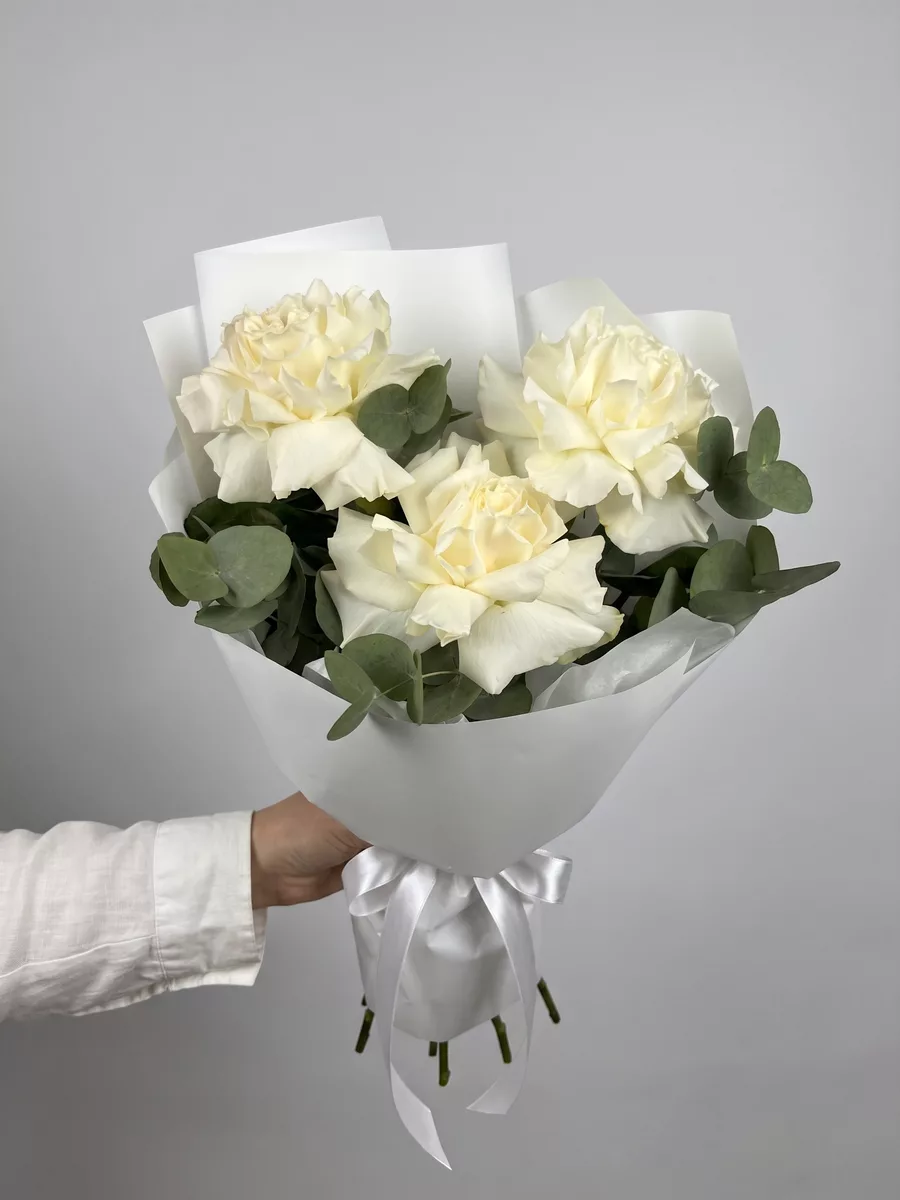
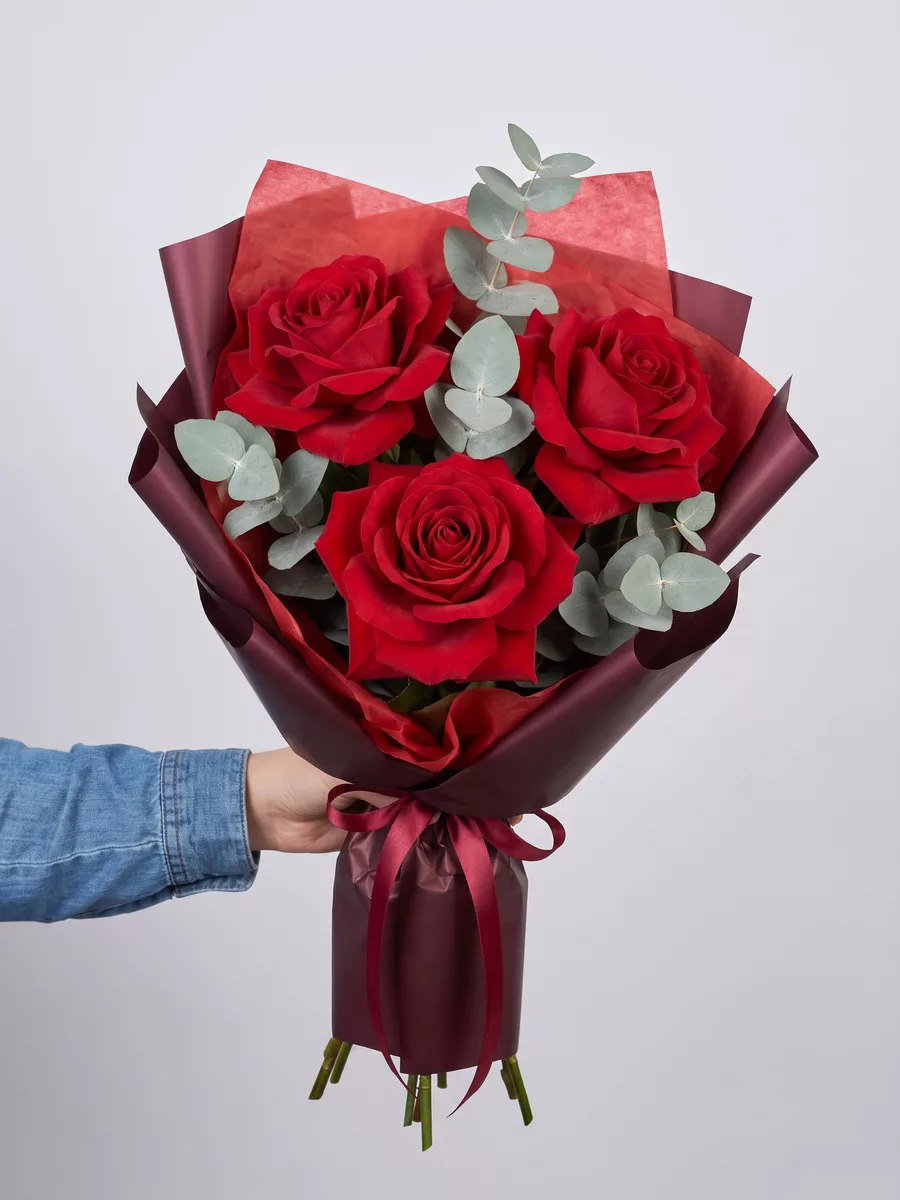
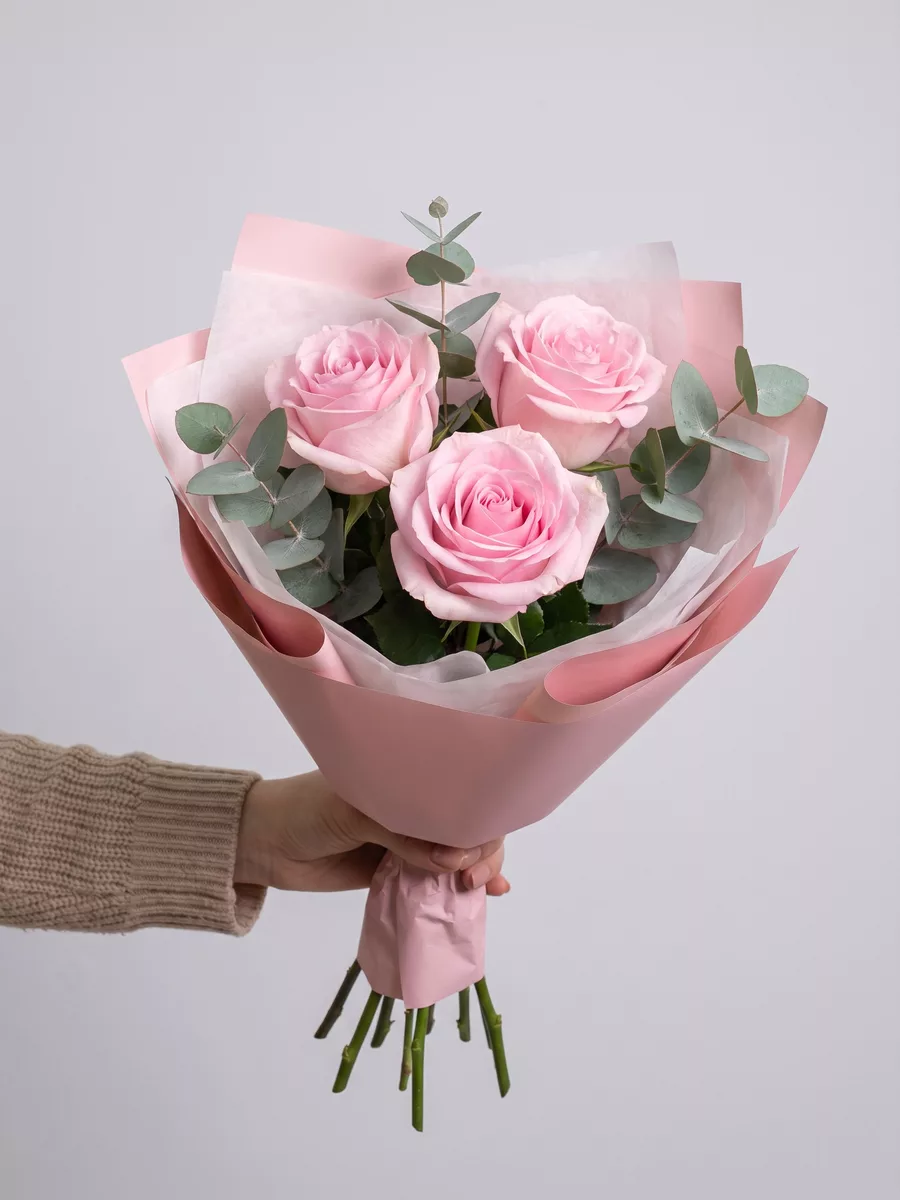
Realistic Timing: What One to Two Hours Actually Means Here
Turboflora's standard promise of one to two hours applies within Saint Petersburg itself. When you are sending flowers to Kushva, the timeline works differently, and being clear about that from the start makes the whole experience better for everyone involved. Kushva is approximately 1,800 kilometres from Saint Petersburg by road, which means same-day delivery depends entirely on the dispatch schedule and the current availability of the route.
In practice, orders placed before midday have the strongest chance of arriving on the same calendar day. Orders placed in the afternoon or evening are typically scheduled for the following morning, so the flowers arrive fresh at the start of the recipient's day rather than late at night. This is not a limitation to apologise for — a morning delivery of peonies or spray roses is often a much better surprise than a late-evening knock on the door.
The flowers themselves travel in temperature-controlled packaging designed to keep them between four and eight degrees Celsius during transit. This range is the florist's standard for conditioning cut stems: cool enough to slow cellular respiration and preserve water uptake, warm enough to prevent freeze damage to petals. Roses, chrysanthemums and alstroemeria handle this range particularly well. Tropical varieties like anthuriums or birds of paradise are more sensitive and are better avoided for very long cold-chain journeys unless the season is mild.
If you have a specific time in mind — a birthday dinner, a morning surprise before work — place the order at least 24 hours ahead and note the preferred window in the comments. That small step makes a significant difference in coordination.
Choosing Flowers That Travel Well to the Urals
Not every flower is a good traveller, and the Ural route asks more of a bouquet than a local city delivery does. The varieties that consistently perform best over long distances are the ones with sturdy cell walls, low water loss through petals and a natural resilience to temperature fluctuation. Knowing which ones those are saves you from the disappointment of a wilted arrangement.
Roses are the most reliable choice, particularly garden varieties with dense petal counts and spray roses with multiple smaller heads per stem. Their thick outer petals act as a natural insulating layer for the inner blooms. Chrysanthemums — both the large disbud type and the smaller button varieties — are exceptionally durable and arrive looking almost exactly as they did when packed. Alstroemeria, sometimes called Peruvian lily, is another strong performer: the buds travel closed and open gradually over several days once the bouquet is in a vase, extending the display considerably.
Eustoma, known in Russia as lisianthus, is a beautiful mid-range option that holds well in cool transit and has a soft, romantic appearance that suits birthdays and anniversaries equally. Carnations have an unfair reputation for being ordinary, but a well-composed bouquet of garden carnations in cream, burgundy and blush looks genuinely luxurious and lasts up to two weeks in a vase — longer than almost anything else you could send.
Avoid sunflowers for winter deliveries to Kushva: their large heads lose water quickly in dry heated interiors, and the stem-to-head ratio makes them awkward to pack safely for long journeys. In summer, they travel much better and make a cheerful, warm-season choice.
Seasonal Considerations: Kushva Through the Year
The Ural climate divides the year into four quite distinct phases, and each one affects both the journey and what happens to the bouquet after it arrives. A florist who understands this can guide you toward choices that genuinely thrive in the recipient's home at that particular time of year.
In winter, from November through March, the main risk is not the cold outside — the packaging handles that — but the extreme dryness of heated Russian apartments. Central heating in Russian residential buildings runs at full power through the cold months, and indoor humidity can drop to thirty percent or lower. This dries petals quickly. Flowers with thick, waxy petals like roses and chrysanthemums cope better than open, papery blooms. Advise the recipient to keep the vase away from radiators and to change the water every two days rather than every three.
Spring in Kushva arrives later than in Saint Petersburg, often not settling until May. This is tulip and narcissus season, and both travel well in cool conditions. Tulips in particular are a strong spring choice: they arrive as firm buds and open slowly, giving the recipient three to five days of evolving display. One thing to know about tulips is that they continue to grow after cutting — stems lengthen in the vase, which surprises people who have never kept them before. Trim the stems slightly every two days to maintain the shape.
Summer brings warmer transit temperatures, which shortens the safe window for delivery. Flowers packed in the morning travel better than afternoon orders in July and August. Autumn is an excellent season for mixed bouquets combining roses, eustoma and seasonal foliage — the cooler temperatures favour long vase life, and the colour palette of amber, burgundy and cream suits the mood of the season well.
What the Recipient Should Do When the Flowers Arrive
This is the part most people skip, and it is where a lot of the vase life is lost. Flowers that have been in transit for several hours need a specific set of actions in the first thirty minutes after arrival to recover fully and perform at their best. Telling the recipient what to do — either in a note with the bouquet or in a message before delivery — is one of the most genuinely useful things a sender can do.
The first step is to unwrap the flowers carefully and cut the stems at a forty-five-degree angle under cool running water. This diagonal cut maximises the surface area available for water uptake and removes the dried or air-blocked end that forms during transit. Use a sharp knife rather than scissors, because scissors crush the stem's vascular tissue rather than cutting cleanly through it. Even a small difference in cut quality affects how much water the stem draws in the first critical hours.
Place the bouquet in a clean vase filled with cool water — not cold, not warm. If a small sachet of flower food was included with the bouquet, dissolve it in the water before adding the stems. These sachets contain a mild biocide to slow bacterial growth, a small amount of sugar to feed the blooms and a pH adjuster to help water move up the stem. They genuinely extend vase life by two to three days and are worth using.
Keep the arrangement away from direct sunlight, heating vents and fruit bowls. Ripening fruit releases ethylene gas, which accelerates petal drop in roses and carnations significantly. A cool room with indirect light is the ideal environment. In Kushva's heated winter apartments, placing the vase near a window — but not on a radiator shelf — gives the flowers the coolest ambient temperature available.
Occasions That Resonate Particularly Well in Kushva
Understanding local culture helps you choose not just the right flowers but the right presentation and the right message. Kushva is a working city with a strong sense of community and family, and the occasions that matter most there are often the ones that matter most across Russia: birthdays, anniversaries, graduations, professional milestones and the major calendar celebrations.
March 8th, International Women's Day, is the single largest flower-giving occasion in Russia. It is celebrated with genuine enthusiasm across the country, including in smaller cities like Kushva, and it is not unusual for women to receive flowers from colleagues, family members and friends all on the same day. If you are planning a delivery for March 8th, order several days in advance — this is not an occasion where last-minute planning serves you well, and the best varieties sell out early.
Birthdays are the most common year-round reason to send flowers, and in Russian culture it is considered important to give an odd number of stems. Even numbers of flowers are traditionally associated with mourning, so a bouquet of eleven roses carries a very different feeling from one of twelve. This is not a superstition that needs lengthy explanation — simply know that your florist will always compose an odd-numbered arrangement by default, and if you are customising, keep that in mind.
New baby deliveries are a warm and increasingly popular choice. Soft colours work best: blush pink, white, pale yellow and lavender. Avoid strongly scented varieties like lilies for newborn households — the fragrance can be overwhelming in a small apartment. Eustoma, white spray roses and small-headed chrysanthemums in pastel tones make a beautiful, gentle arrangement that suits the occasion without overwhelming the room.
Making the Order Feel Personal Across the Distance
Sending flowers from Saint Petersburg to Kushva is an act of deliberate thoughtfulness. The distance itself communicates something — that you took the time, made the effort and chose something real rather than a digital message. The way you personalise the order is what turns a good delivery into a genuinely memorable one.
The card message is the most underused tool in any flower order. Many people write the minimum — 'Happy Birthday, love from Masha' — when even two additional sentences would transform the experience for the recipient. A florist's suggestion: write something specific. Not 'thinking of you' but 'thinking of the afternoon we spent in the botanical garden last summer.' Specificity is what makes a message feel like it came from a person rather than a template.
Consider the recipient's home when choosing a bouquet size. A single person in a studio apartment may not have a large vase, and an enormous arrangement can feel awkward rather than generous in a small space. A well-composed bouquet of fifteen stems in complementary colours and textures often makes a stronger impression than a large, unwieldy bunch of twenty-five. Ask yourself what will actually look beautiful in their space, not just what looks impressive in a photograph.
If the occasion is significant — a milestone birthday, a long-awaited graduation, a professional achievement — consider adding a second element. A small box of quality chocolates or a candle alongside the flowers extends the gesture and gives the recipient something to enjoy over the following days, long after the flowers have been arranged in a vase. The combination signals that you thought about the whole moment, not just the flowers.
Kushva may be far from Saint Petersburg in kilometres, but the distance is exactly what makes a flower delivery there so meaningful. When someone in the Urals opens their door to find a carefully packed bouquet of roses or eustoma, fresh and fragrant from a city nearly two thousand kilometres away, the gesture speaks for itself. Choose varieties that travel with confidence, plan your timing honestly, give the recipient the care instructions they need, and let the flowers do the rest. A bouquet that arrives well is a gift that keeps giving for days.
Frequently asked questions
Can flowers really arrive fresh after travelling nearly 1,800 kilometres to Kushva?
Yes, when the right varieties are chosen and temperature-controlled packaging is used correctly. Roses, chrysanthemums and alstroemeria are bred for exactly this kind of long-distance travel. They are conditioned at four to eight degrees Celsius before packing and arrive in bud or early bloom, opening fully over the following days in the recipient's home.
Why does Russian tradition say flowers should be given in odd numbers?
In Russian culture, even-numbered bouquets are associated with mourning and are traditionally brought to funerals. Giving an odd number — seven, nine, eleven, fifteen — signals celebration and goodwill. This custom is widely observed across the country, including in smaller cities like Kushva, so all Turboflora bouquets are composed with an odd stem count by default.
What is the best time of year to send flowers to Kushva?
Spring and early autumn are ideal. Cooler ambient temperatures during transit reduce stress on the stems, and varieties like tulips in May or roses in September travel exceptionally well. Midsummer orders should be placed in the morning to avoid afternoon heat. Winter deliveries work well too, but recipients need to keep bouquets away from radiators and change vase water frequently.
How far in advance should I order for a specific date in Kushva?
For standard dates, 24 hours ahead is sufficient and gives the team time to coordinate the route properly. For major occasions like March 8th, May 9th or New Year, order three to five days in advance. Popular varieties sell out early around these dates, and the delivery schedule fills up quickly, so early ordering is genuinely the most reliable approach.
What should I tell the recipient to do when the flowers arrive?
Ask them to unwrap the bouquet immediately, cut the stems diagonally with a sharp knife under cool running water, and place them in a clean vase with cool water and the included flower food sachet. Keep the arrangement away from radiators, direct sunlight and fruit bowls. Changing the water every two days and re-trimming the stems extends vase life noticeably.
Ready to send flowers?
Pick the city, choose the bouquet, and a local florist takes it from there.
Choose a city →