Flower Delivery in Kuznetsk: Timing, Choices and What Arrives at the Door
You want someone in Kuznetsk to open their door and feel genuinely surprised — not just to receive a bunch of wrapped stems. That small difference between a forgettable delivery and a real moment is mostly decided before you click order: which flowers you choose, when you book, and what you know about how delivery actually works in a city this size. This guide covers all of it plainly, so you can send with confidence.
Where in Kuznetsk We Deliver and Why It Matters
Kuznetsk is a mid-sized city in the Penza region, and its geography shapes what is possible on any given order. The city centre, the residential districts along Leningradskaya and the newer blocks near the railway station are all within standard delivery range. Addresses on the outskirts or in the private house sectors — the so-called chastniy sektor — may add a small buffer to the estimated window, so it is worth noting the full address when you order, including the entrance number and floor if it is an apartment building. Russian addresses can be layered: building, corpus, apartment number, entrance code. Providing all of these at checkout removes the most common cause of delay. If you are sending to a workplace — an office, a clinic, a school — include the organisation name and the recipient's department. A courier arriving at a large building without that detail can spend fifteen minutes at the reception desk, which eats into freshness time. We cover the full urban area of Kuznetsk and can confirm coverage for a specific address before you finalise your order. The important thing to understand is that distance within the city is rarely the obstacle; it is incomplete address information that slows things down most often.
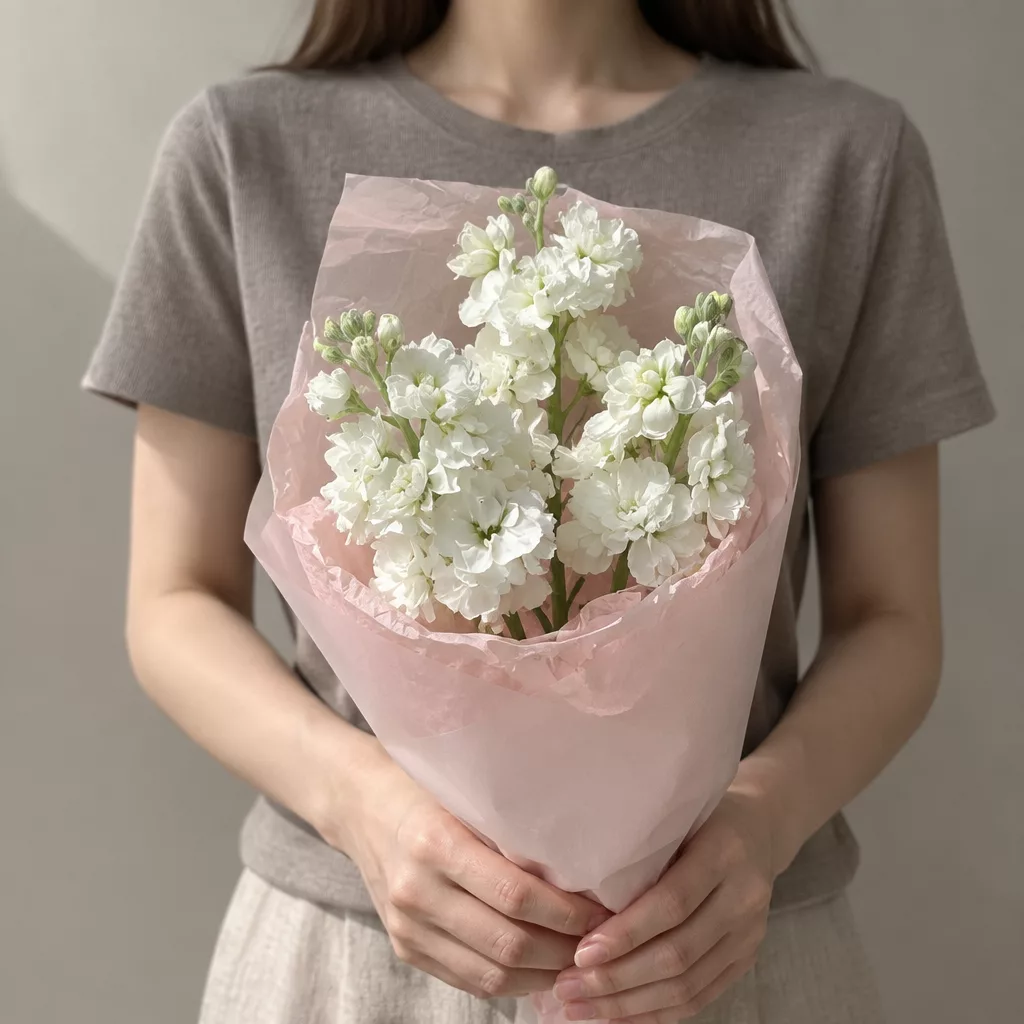
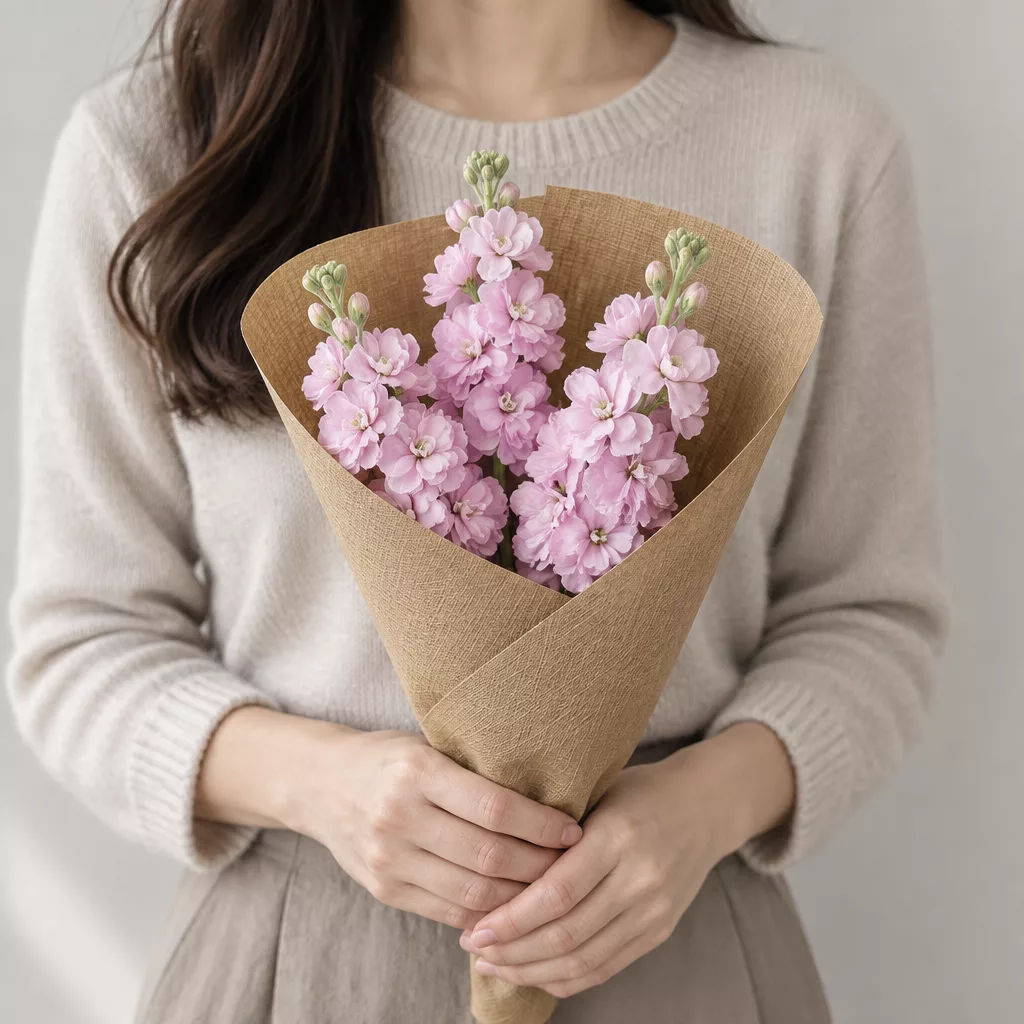
Bouquets we can deliver


Timing Your Order: Windows, Same-Day and Next-Day
Same-day delivery in Kuznetsk is available for orders placed before the early afternoon cutoff. The exact cutoff shifts slightly by season — in summer, when roses and ranunculus are at their most delicate, we build in a little more preparation time to ensure the arrangement travels well. If you are planning a birthday surprise for the evening, ordering in the morning gives the most comfortable window and the widest choice of compositions. For a midday office delivery, placing your order the night before is always the smarter move. Next-day orders allow us to source the freshest stems for your specific request, which matters especially if you want something less common — lisianthus, ornamental branches, garden-style arrangements with texture. Standard delivery windows run in two-hour slots, and you can specify morning, afternoon or evening. Evening deliveries — popular for romantic occasions — typically fall between 18:00 and 21:00. One thing worth knowing about Russian gift culture: it is considered warm and attentive to time a flower delivery so the recipient is at home rather than catching them on the street or at a lobby. A little coordination with someone close to the recipient, without spoiling the surprise, goes a long way. We send the courier's contact details to the sender before arrival so you can track the moment.
Choosing Flowers for the Person, Not Just the Occasion
The occasion tells you the register — celebratory, tender, grateful — but the person tells you the flowers. For a woman in her fifties receiving flowers from her adult child, a lush arrangement of peonies, garden roses and eucalyptus reads as generous and thoughtful without being showy. For a young colleague's birthday, a bright mix of gerberas, solidago and green chrysanthemums feels current and energetic. For a romantic gesture, a monochrome bouquet — all white or all blush — with one focal flower like a garden rose or a ranunculus carries more weight than a mixed rainbow bunch. In Russia, the number of flowers in a bouquet carries meaning: even numbers are traditionally associated with mourning, so bouquets are always made with an odd number of stems. This is not superstition so much as a deeply held social norm, and recipients will notice. We follow this rule in every arrangement we make. Colour also communicates: red is passionate and direct, which is perfect for a partner but can feel too intense for a colleague. White reads as pure and elegant. Yellow, once considered unlucky in Soviet-era folklore, is now widely accepted as cheerful and warm, especially in sunflower or mimosa arrangements. If you are unsure, a mixed pastel palette is universally well received and carries no social risk.
What the Bouquet Looks Like When It Arrives
Presentation on arrival matters as much as the flowers themselves. Every arrangement we send from Turboflora is wrapped and packaged to survive the journey without losing its shape or shedding petals. In Kuznetsk's climate — cold winters, warm summers — we adjust packaging by season. In January or February, when temperatures regularly fall below minus fifteen Celsius, flowers travel in insulated wrapping that protects against frost damage during the time between the courier's vehicle and the recipient's door. Even a two-minute walk in deep frost can blacken rose petals or cause tulip stems to go limp. In summer, the risk is the opposite: heat and direct sun can cause premature wilting, so deliveries in July and August are timed to avoid the midday heat peak where possible. The bouquet arrives with a care card that explains how to trim the stems and what water temperature to use. This is not filler — it genuinely extends vase life by several days. We include a small packet of flower food with most arrangements, which feeds the stems and keeps the water clear. The outer wrapping is designed to be removed easily without disturbing the arrangement inside, which means the recipient gets the full visual impact the moment they unwrap it. If you want a personalised card included, you write the message at checkout and we print and attach it by hand.
Seasonal Varieties Worth Knowing About
Flowers available in Kuznetsk shift with the seasons, and working with the season rather than against it almost always produces a better result. From late February through April, tulips are at their peak — they travel well, open beautifully in a warm room, and the range of colours is enormous, from classic red to almost black-purple Queensnight varieties. March 8th, International Women's Day, is the biggest flower occasion in Russia, and tulips and mimosa are the traditional choices. Ordering even a day early for that date is strongly recommended. From May onward, peonies begin to arrive, and a full peony bouquet in white or coral is one of the most reliably received gifts of the year. Summer brings sunflowers, which are genuinely beloved across all age groups in Russia and look far more generous in a vase than their price suggests. Autumn is the season for dahlias, spray roses and ornamental grasses — compositions with texture and warmth that suit the shorter days. In winter, roses imported from Ecuador and Colombia are the backbone of most arrangements, and their stem length and bud size are notably better than what arrives in warmer months. Alstroemeria is a quiet workhorse all year round: long-lasting, available in many colours, and it fills out a mixed bouquet without overwhelming the focal flowers. Knowing what is genuinely in season helps you get more for your order and ensures the flowers last longer once they arrive.
Care After Delivery: Making the Flowers Last
The moment the bouquet arrives is not the end of the process — it is the beginning of about a week of enjoyment if the recipient knows a few basics. The first step is always a fresh diagonal cut across each stem, made with a sharp knife rather than scissors. Scissors crush the vascular tissue at the base of the stem, reducing water uptake significantly. A clean diagonal cut with a knife, ideally done while the stem is submerged in water, makes an immediate difference. The vase should be filled with cool, not cold, water — room temperature or slightly below is ideal for most cut flowers. Roses and tulips are particularly sensitive to temperature extremes. The flower food sachet we include should be dissolved in the water at this stage. Remove any leaves that fall below the waterline, because submerged foliage rots quickly and clouds the water, which shortens vase life for everything in the arrangement. Change the water every two days and re-cut the stems each time. Keep the vase away from direct sunlight, radiators and fruit bowls — ripening fruit releases ethylene gas, which accelerates flower aging. A cool room at night extends life noticeably. With these steps, roses typically last seven to ten days, tulips five to seven, and alstroemeria can reach twelve to fourteen days. Peonies, which open slowly, reward patience — a tight bud delivered on Monday can be fully open and spectacular by Thursday.
Common Mistakes Senders Make and How to Avoid Them
The most frequent mistake is leaving the order too late. Sending flowers to Kuznetsk for a specific time — a birthday dinner, a morning arrival at work — requires a buffer. Same-day orders placed an hour before the desired delivery time are the most likely to arrive outside the window. Build in at least three to four hours when you can. The second mistake is writing an incomplete address. In Russian cities, many residential buildings have multiple entrances, and apartment numbers alone do not tell a courier which door to approach. If the recipient lives in a building with a door code, include it. If they are at work, include the floor and the name of the company. The third mistake is choosing flowers based on what you personally like rather than what the recipient prefers. If you know she always buys white flowers for her own home, a bright red bouquet may feel out of step even if it is beautiful. When in doubt, ask us — describing the person and the occasion is enough for us to make a recommendation. The fourth mistake is skipping the personalised card. In Russian gift culture, a handwritten-style message attached to the bouquet is considered a mark of care. A delivery without any note can feel slightly impersonal, even when the flowers themselves are generous. Finally, avoid ordering delicate open blooms — fully open roses or peonies — for long delivery windows in summer. Ask for tighter buds that will open beautifully over the following day or two.
Sending flowers to Kuznetsk is straightforward when you know what shapes the experience: a complete address, a sensible time window, flowers chosen for the person rather than the price point, and a little knowledge of what is in season. The recipient does not need to know any of this — they just open the door and feel it. That is the point of getting the details right on your side.
Frequently asked questions
Can I order flowers for delivery to Kuznetsk the same day?
Yes, same-day delivery is available for orders placed before the early afternoon cutoff. The exact time varies by season and current order volume. To be safe, order at least three to four hours before your preferred delivery window. For morning deliveries, placing the order the evening before gives you the widest choice of arrangements and the most reliable timing.
Why does the number of flowers in a Russian bouquet matter?
In Russia, even numbers of flowers are traditionally associated with mourning and are brought to funerals. Odd numbers are for celebrations and gifts. This is a widely observed social norm, not a superstition, and recipients will notice if it is not followed. Every bouquet from Turboflora is made with an odd number of stems as a matter of course.
How do I make sure the courier finds the right address in Kuznetsk?
Provide the full address including building number, corpus if there is one, apartment number, entrance number and door code. For workplace deliveries, add the company name, floor and the recipient's full name. Incomplete addresses are the most common cause of delay in apartment buildings, where a single street number can cover dozens of separate entrances.
Which flowers hold up best in Kuznetsk's winter temperatures?
Roses, spray chrysanthemums and alstroemeria are the most cold-resilient cut flowers and travel well even in deep winter. Tulips and tropical varieties like anthuriums are more vulnerable to frost damage during the brief outdoor exposure at delivery. We use insulated packaging in cold weather, but choosing sturdier varieties for January and February deliveries adds an extra layer of security.
Can I include a personalised message with the bouquet?
Yes, and we recommend it. In Russian gift culture, a personal note attached to the flowers is considered a meaningful part of the gift. You write your message at checkout and we print and attach it by hand before the courier leaves. Keep the tone warm and specific — a line about the occasion or the person means far more than a generic greeting.
Ready to send flowers?
Pick the city, choose the bouquet, and a local florist takes it from there.
Choose a city →