Sending Flowers to Kyshtym? Here Is What to Expect
Kyshtym sits quietly among the southern Ural lakes, and when someone you care about lives there, distance should not shrink the gesture. Whether you are ordering from Moscow, Saint Petersburg or from across the street, getting fresh flowers to the right door at the right moment is entirely possible — if you know what shapes the process. This guide walks you through timing, seasonal realities, smart variety choices and the small details that turn a delivery into a memory.
Where in Kyshtym We Deliver and How the City Is Laid Out
Kyshtym is a compact industrial city in the Chelyabinsk region, sitting roughly 90 kilometres north of Chelyabinsk itself. The city has a central part near the historic Kaslinsky and Kyshtym plants, quieter residential districts spreading toward the lake shores, and several outlying streets that require a little extra navigation. We cover the full city territory, including addresses along Lake Irtyash and the more suburban stretches toward Kasli Road.
When you enter the recipient's address at checkout, be as specific as you can. Kyshtym has a handful of streets with similar names, and apartment buildings in the older Soviet-era quarters sometimes share entrance numbers that confuse even locals. Including the entrance number, floor and a phone number for the recipient removes almost all delivery friction.
If you are sending to a workplace — a school, a clinic, an office on the main Lenina Street — note that in the address field. Workplaces often have a reception desk or a security post, and our courier will coordinate with whoever is on the door. The city is small enough that most central addresses are reachable without complicated routing, which helps us keep the delivery window tight and predictable for you.
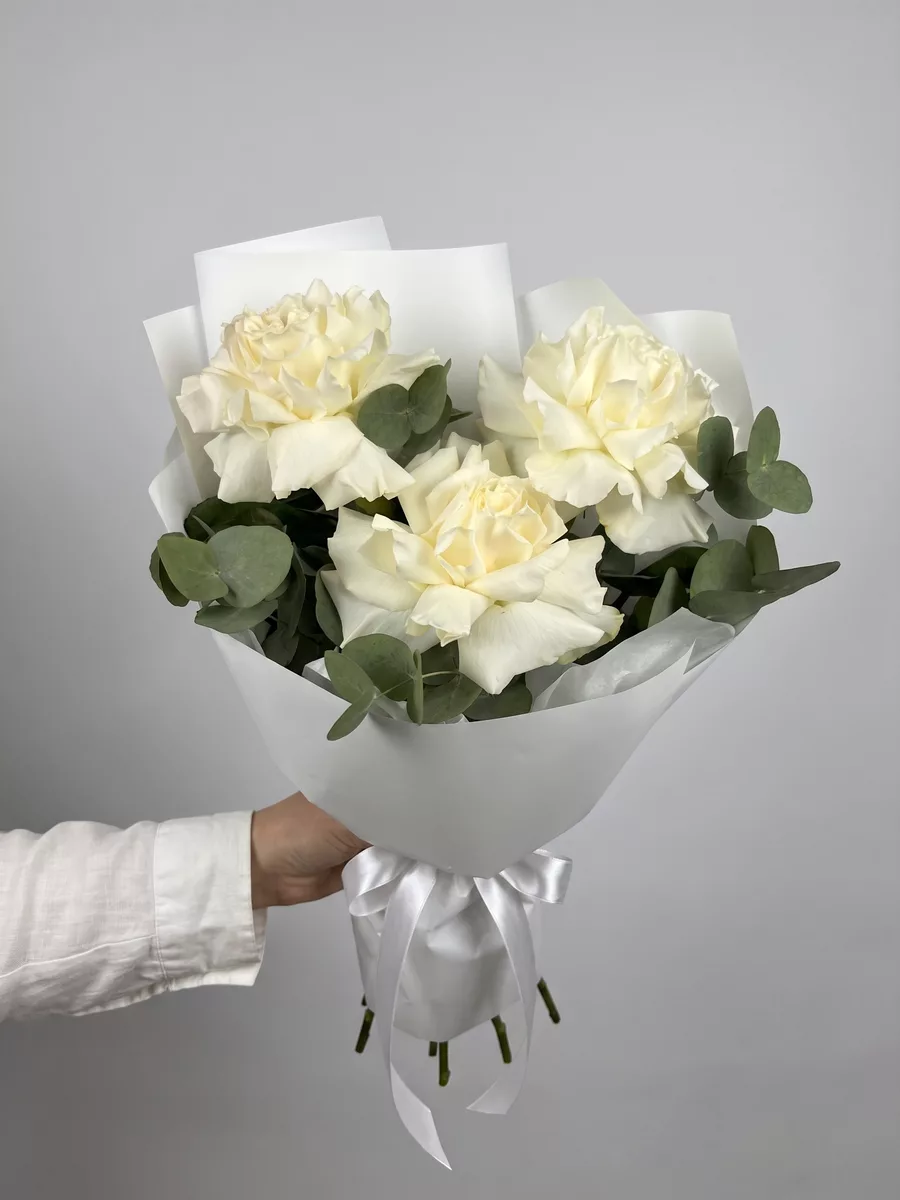
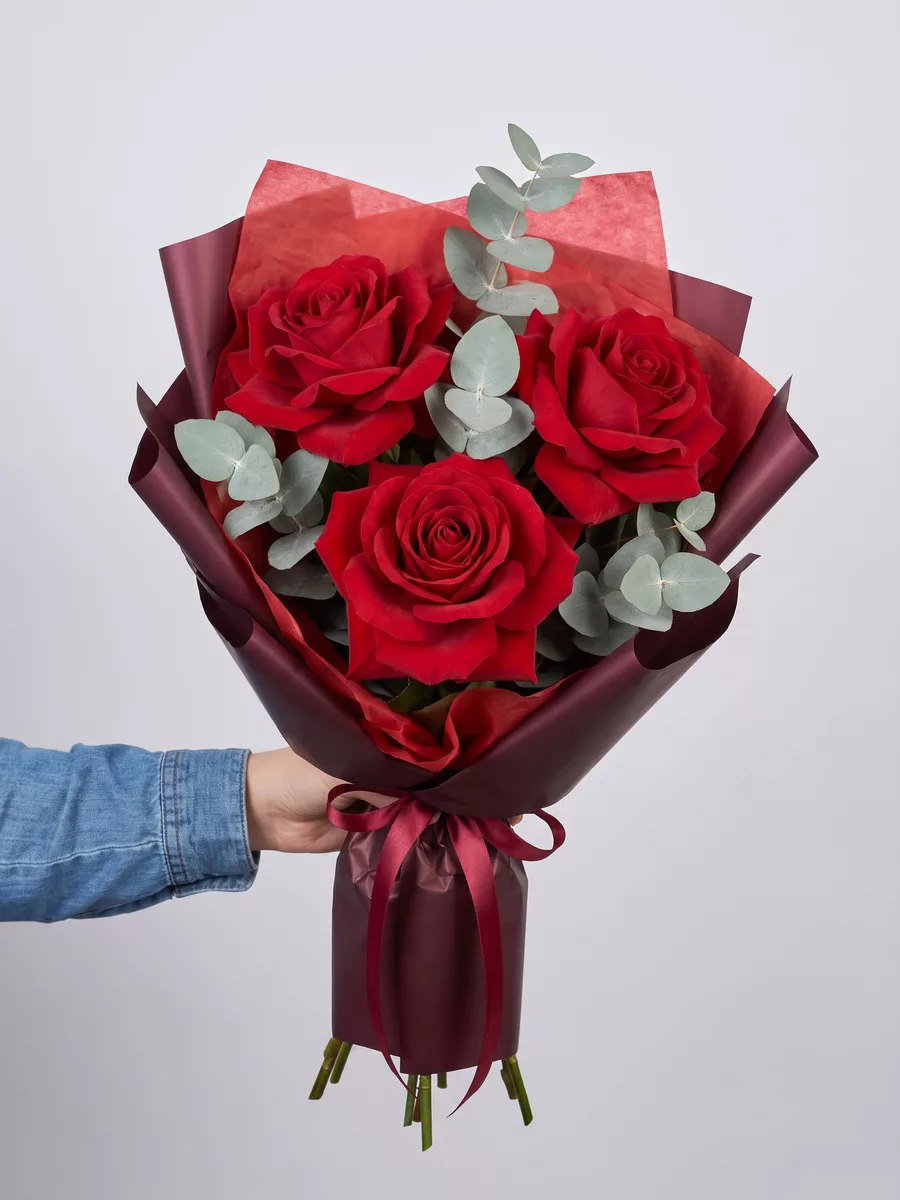
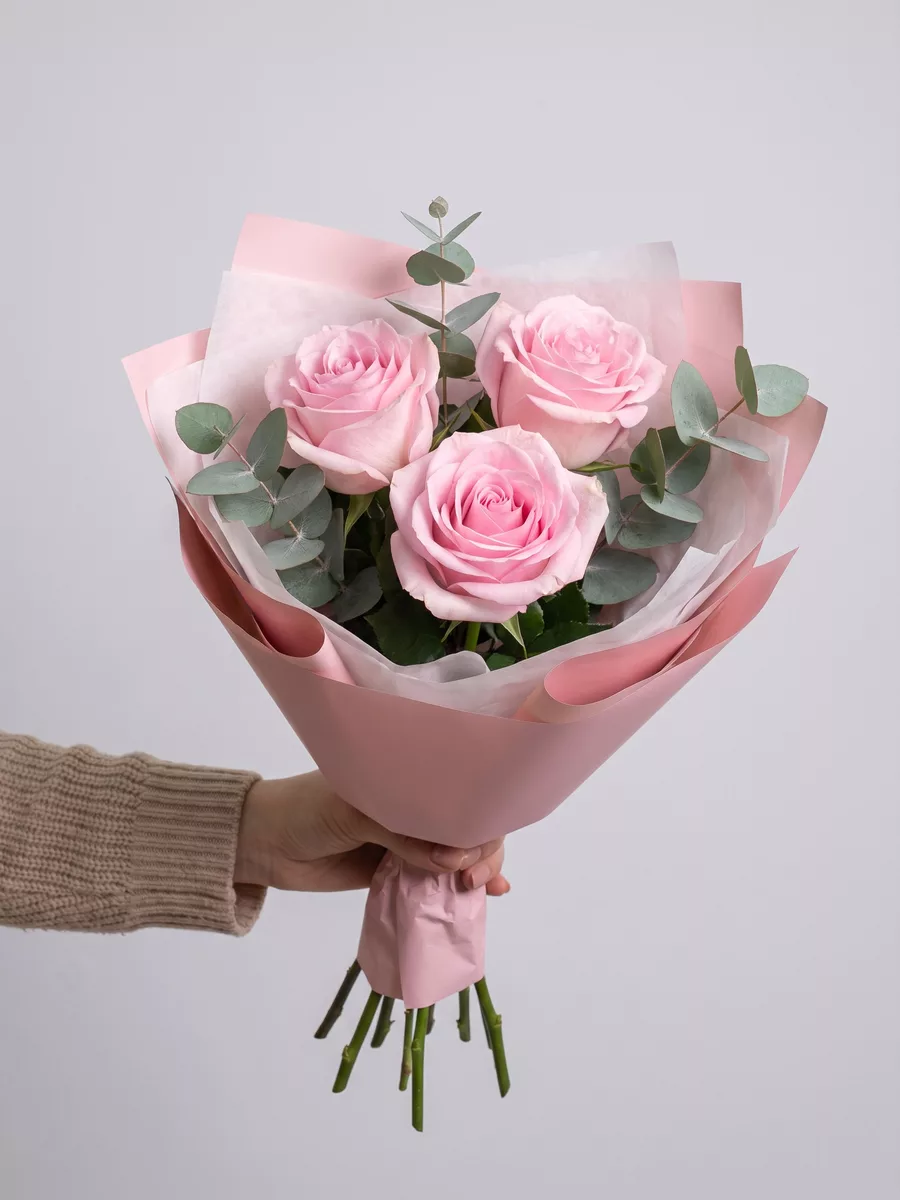
Bouquets we can deliver

Delivery Timing: What One to Two Hours Actually Means Here
Our standard promise is delivery within one to two hours of order confirmation. In Kyshtym, that window holds reliably for addresses within the central and mid-residential zones during regular hours. The city's modest size works in your favour: there is no dense urban traffic comparable to a major metropolitan area, and most routes are straightforward even in winter.
Timing does shift slightly during peak moments — the morning of March 8th, the days around Valentine's Day, and the first of September when teachers receive flowers across Russia. On those dates we strongly recommend ordering the evening before or at least four to five hours in advance. Demand compresses the preparation time for each bouquet, and a florist who rushes assembly produces a bouquet that shows it.
The Ural climate adds another timing variable in winter. Between November and March, temperatures in Kyshtym regularly drop to minus fifteen or lower, sometimes reaching minus twenty-five during cold snaps. Flowers travel in insulated packaging during those months, but the transfer from packaging to a warm indoor space needs to happen quickly. We time dispatch to minimise how long a bouquet sits in the cold, and we ask that recipients bring flowers indoors immediately rather than leaving them on a balcony or in an unheated hallway. That single step protects the blooms more than any packaging can.
Choosing Flowers for the Ural Season, Not Just the Occasion
Russia has a strong culture of giving flowers for almost any positive occasion — birthdays, anniversaries, graduations, job promotions, first meetings and simple expressions of affection. If you are unfamiliar with Russian customs, the key thing to know is that an odd number of flowers is the standard for celebratory giving. A bouquet of five roses, seven tulips or eleven mixed stems is the norm. Even numbers are traditionally associated with grief, so a bouquet of ten identical roses can feel slightly off to a Russian recipient even if they say nothing.
Beyond custom, the Ural seasons shape what looks best and lasts longest. In spring, tulips, ranunculus and hyacinths travel well and feel genuinely fresh because they are in natural season. Summer opens up the full range — garden roses, lisianthus, alstroemeria, sunflowers and peonies when available. Autumn calls for warm tones: chrysanthemums, spray roses, hypericum berries and ornamental cabbage create arrangements that feel right against the season's palette.
Winter is where many people default to red roses and stop thinking further. That is a missed opportunity. White and cream roses combined with waxflower, eucalyptus and cotton stems make a winter bouquet that feels intentional rather than automatic. Orchid stems in a box arrangement also travel exceptionally well in cold weather because they tolerate temperature fluctuations better than thin-petalled flowers like anemones or sweet peas.
Bouquets by Budget: Getting the Most from Each Price Range
The size and impact of a bouquet depend more on composition than on the raw number of stems. A thoughtfully assembled arrangement of seven roses with textural greenery and a secondary flower like waxflower or pittosporum will look more generous than fifteen roses stuffed into a cellophane sleeve. When you are choosing, think about the effect you want the recipient to feel when the door opens — that image will guide you toward the right combination.
At an entry-level spend, a mono-bouquet of seasonal flowers works beautifully. Five or seven tulips in spring, a cluster of alstroemeria in summer, or a small bunch of spray chrysanthemums in autumn each carry real warmth without requiring a large budget. These are not lesser choices — in Russian giving culture, a single-variety bouquet is considered clean and sincere.
Mid-range budgets allow for combination bouquets where a focal flower like a garden rose or a peony is supported by secondary blooms and structured greenery. Eucalyptus, ruscus and salal leaves add volume and longevity without inflating cost. At the higher end, box arrangements and hat-box bouquets have grown popular across Russian cities including smaller ones like Kyshtym, because they photograph well and feel like a gift rather than just a bunch of flowers. Adding a small plant — a succulent arrangement or a potted orchid — alongside a bouquet is another option that gives the recipient something lasting.
What Happens If Nobody Is Home: Practical Answers
This is one of the most common anxieties when sending flowers remotely, and it deserves a direct answer. When our courier arrives and the recipient is not at home, the first step is always a phone call. Most people in Kyshtym are reachable by mobile, and a brief delay while someone returns from a nearby shop or steps away from a meeting is entirely manageable. The courier will wait a reasonable time before the situation needs a different resolution.
If the recipient genuinely cannot be reached, we will contact you as the sender to decide next steps. Options include leaving the bouquet with a neighbour — which is common and accepted in Russian apartment buildings, where neighbours often know each other — rescheduling delivery for a later slot, or arranging a handoff at a different address. We do not leave flowers unattended outside a door in winter, because even thirty minutes at Kyshtym temperatures in January will damage most blooms irreversibly.
The simplest way to avoid all of this is to give the recipient a loose heads-up that something is coming without revealing the surprise entirely. Something like telling them to be home in the afternoon because a delivery is arriving works well. Russian recipients are generally accustomed to this small coordination step, especially for flower deliveries, and it does not reduce the emotional impact of the surprise. The bouquet itself, when the door opens, is still the moment.
Keeping Flowers Fresh After Delivery: Care That Actually Matters
A bouquet can look perfect on arrival and fade in two days if it is not handled correctly indoors. The most important step happens in the first hour: unwrap the flowers, cut about two centimetres from each stem at a forty-five-degree angle using a sharp knife rather than scissors, and place them in clean cool water immediately. Scissors crush the stem's vascular tissue rather than cutting cleanly, which reduces water uptake from the first moment.
Water temperature matters more than most people expect. Lukewarm water — not cold, not warm — encourages stems to drink quickly after the stress of transport. Roses and gerberas in particular respond well to this. Change the water every second day and recut the stems slightly each time. This habit alone can extend vase life by three to four days compared to leaving flowers in the same water until it clouds over.
Placement in the room is the other major factor. Flowers placed near a radiator, in direct sunlight, or beside a fruit bowl will decline faster. Ethylene gas from ripening fruit — apples are particularly strong emitters — accelerates petal drop in roses and tulips noticeably. A cool spot away from heat sources and fruit is the ideal position. In Kyshtym's winters, a cool hallway or a room kept at around eighteen degrees is actually ideal for prolonging the life of roses, chrysanthemums and alstroemeria, all of which prefer cooler ambient temperatures to the warmth of a centrally heated living room.
Making the Order Feel Personal: Notes, Packaging and Small Additions
A flower delivery lands differently when it comes with something written. In Russian giving culture, a handwritten card is considered more meaningful than a printed label, and even a few genuine sentences carry weight. When you write the card message in our order form, write it the way you would say it aloud to the person — not the way you would write a formal note. Warmth on paper matches warmth in the bouquet.
Packaging choices also shape the first impression. Kraft paper wrapping with a ribbon has become the contemporary standard across Russian cities and feels relaxed and modern. Cellophane wrapping looks dated to many recipients now, though it remains practical in cold weather because it protects petals during outdoor transit. Box arrangements and round hat-boxes are the premium presentation format and work especially well for deliveries to workplaces, where the recipient will carry the flowers through a public space.
Small additions can elevate a bouquet order into something that feels more considered. A bar of good chocolate, a small candle, a bottle of sparkling wine or a plush toy for a child's birthday are all things we can include. These are not afterthoughts — a recipient who receives flowers and a small accompanying gift experiences something closer to a curated moment than a standard delivery. For milestone occasions like a significant birthday or a promotion, that extra layer of thought is usually the detail the recipient mentions when they talk about it afterward.
Sending flowers to Kyshtym from anywhere in Russia is not complicated when you understand the moving parts: a clear address, a realistic time window, variety choices that suit the season, and a recipient who knows to bring the bouquet inside quickly in winter. The city is small enough that logistics work smoothly, and the gesture itself — fresh flowers arriving at someone's door — carries the same weight here as it does in any larger Russian city. Order with a little thought and the flowers will do the rest.
Frequently asked questions
Can I order flower delivery to Kyshtym from another city?
Yes, completely. You can place an order from anywhere in Russia or abroad through our website. Enter the Kyshtym delivery address, choose a time window and complete payment online. We handle everything from there. The only thing we ask is that you provide a working phone number for the recipient so our courier can coordinate arrival.
How cold is too cold for flower delivery in Kyshtym winters?
We deliver year-round including during Kyshtym's coldest months. Flowers travel in insulated packaging designed to protect them during transit. The critical moment is transfer indoors — flowers should be brought inside within minutes of arrival, not left in a cold hallway or on a balcony. Roses and tulips are most sensitive; orchids and chrysanthemums tolerate brief cold exposure better.
Why do Russian bouquets always have an odd number of flowers?
It is a long-standing cultural tradition across Russia and much of Eastern Europe. Odd numbers are associated with celebration and positive occasions, while even numbers are linked with mourning and are used at funerals. Most recipients will notice immediately if a bouquet has an even count, so our florists always compose arrangements with this in mind by default.
What is the best flower to send for a birthday in Kyshtym?
Roses remain the most universally appreciated choice for birthdays across Russia. Garden roses with a full head and strong fragrance feel more special than standard commercial varieties. For a younger recipient, tulips or mixed seasonal bouquets feel fresh and contemporary. Adding a secondary flower like lisianthus or alstroemeria gives the arrangement more visual interest than a single-variety bunch.
How long will the flowers last after delivery?
With proper care — clean water, stem recutting every two days, cool placement away from radiators and fruit — most bouquets last seven to ten days. Chrysanthemums and alstroemeria are among the longest-lasting cut flowers and can reach twelve to fourteen days. Tulips and ranunculus are shorter-lived at five to seven days but are particularly striking in their prime.
Ready to send flowers?
Pick the city, choose the bouquet, and a local florist takes it from there.
Choose a city →