Sending Flowers to Labinsk? Here Is Everything You Need to Know
Labinsk sits in the Krasnodar region, close enough to the Caucasus foothills that the climate swings between hot dusty summers and genuinely cold winters — and both extremes matter when you are choosing flowers for someone who lives there. Whether you are ordering from Moscow, Saint Petersburg or from across town, the questions are always the same: will the bouquet arrive fresh, will it look the way it does in the photo, and will the person on the other end actually feel something when they open the door? This article answers all of that honestly, the way a florist would.
Which Areas of Labinsk We Reach and How Quickly
Labinsk is a compact city, which works in your favour when you are ordering flowers with a tight deadline. The central districts — around Lenina Street, the main market square and the riverside neighbourhoods along the Laba — are the easiest to reach and carry the shortest delivery windows. Residential areas further from the centre, including the newer housing blocks on the city outskirts, are fully covered but may add a small buffer of thirty to forty minutes depending on traffic and time of day.
Delivery across Labinsk typically takes one to two hours from the moment the order is confirmed and the bouquet is assembled. If you place an order before noon, same-day delivery to most addresses is straightforward. Evening orders placed after eight are usually scheduled for the following morning unless you specifically request a late window — which is worth doing for surprises.
One thing people underestimate is the distance from the assembly point to the recipient. Turboflora coordinates logistics so that flowers travel in temperature-controlled conditions, which matters especially in summer when Krasnodar region temperatures regularly climb above thirty degrees Celsius. A bouquet sitting in an unventilated car for an hour in July is a different thing from one delivered in February. Always mention the season and the building type — a shaded courtyard entrance is kinder to roses than a sun-facing glass lobby.
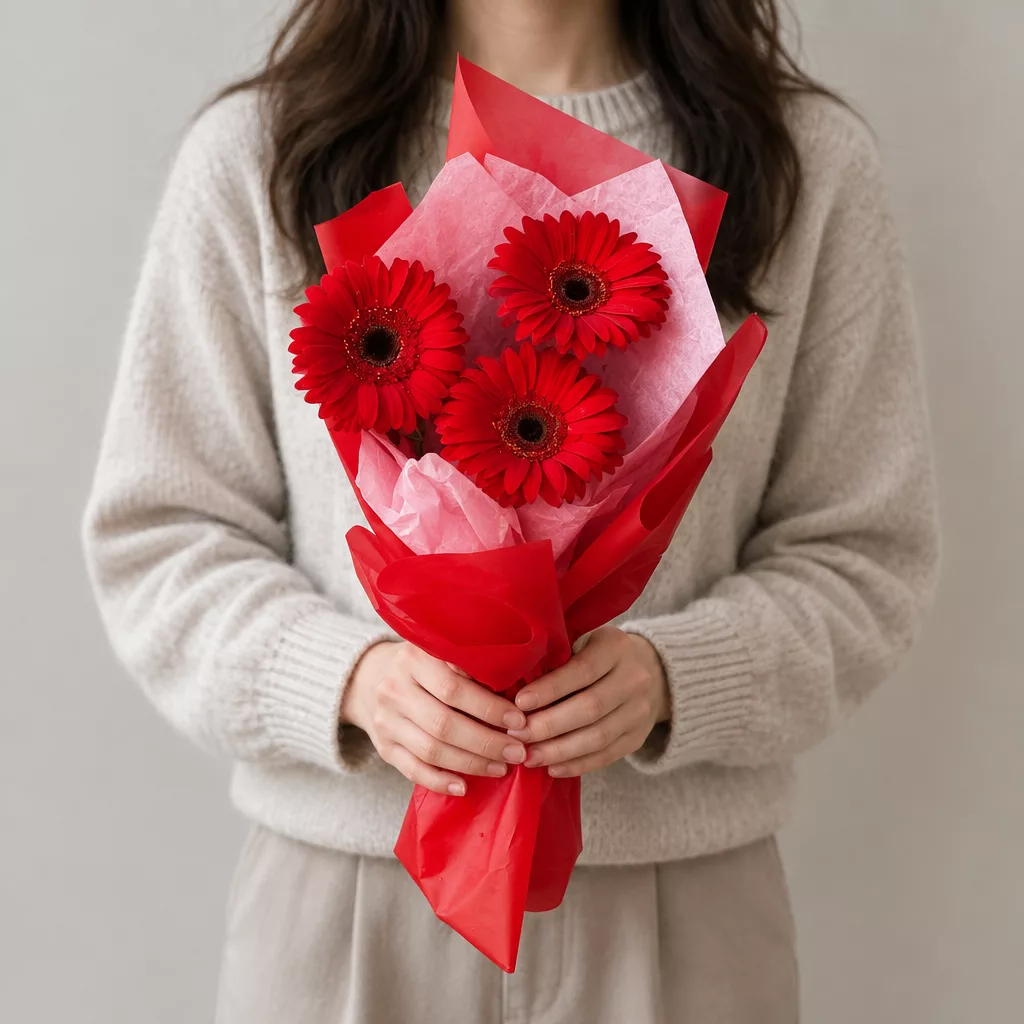
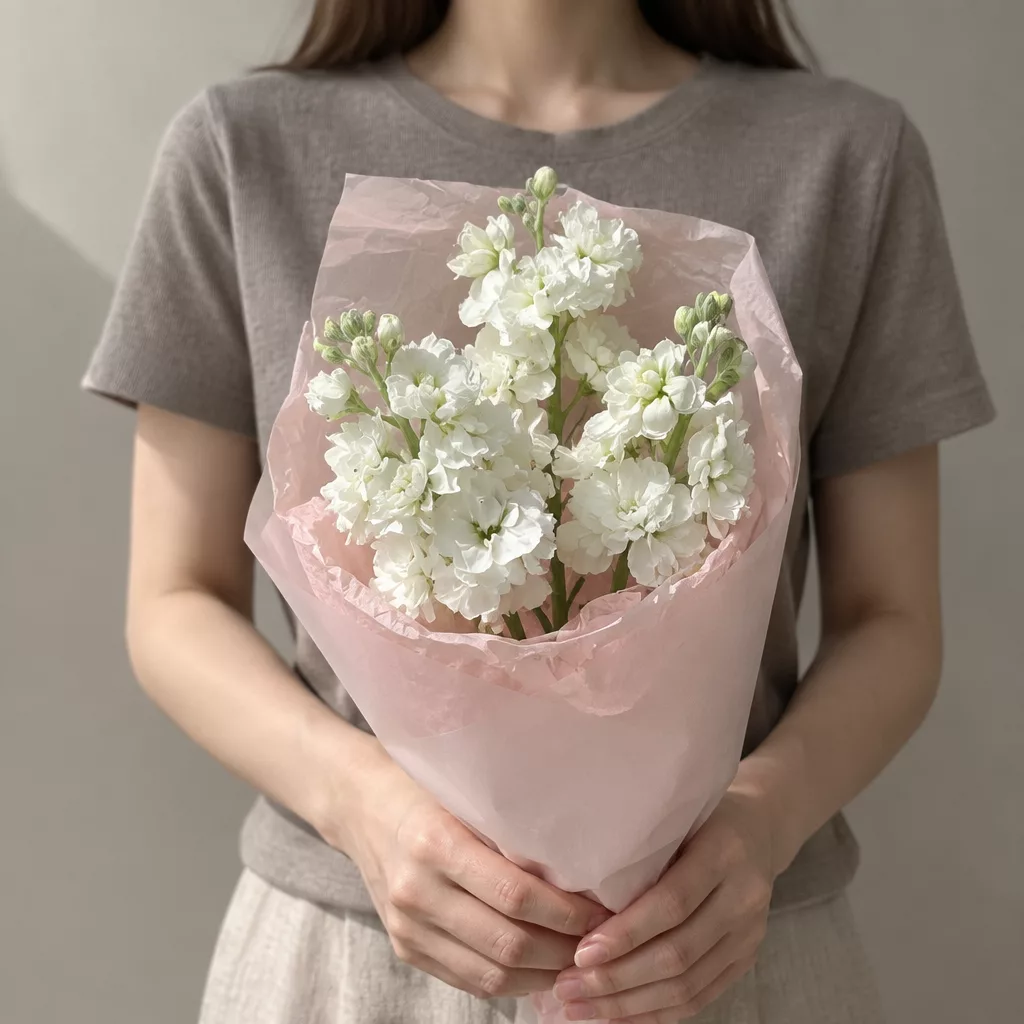
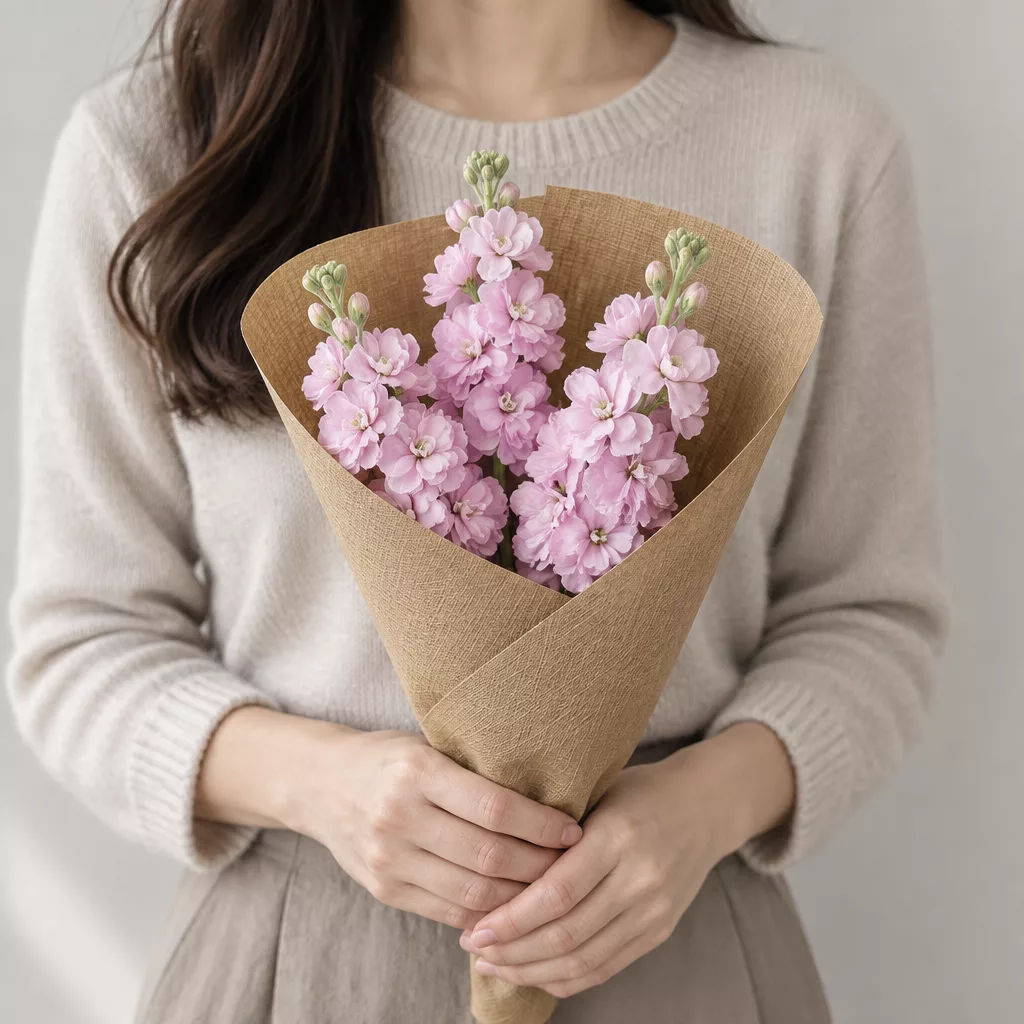
Bouquets we can deliver

Choosing Flowers for the Person, Not Just the Occasion
The most common mistake people make when ordering remotely is thinking about the occasion first and the person second. A birthday bouquet for a sixty-year-old woman who gardens is a completely different conversation from a birthday bouquet for a twenty-two-year-old who just moved into her first flat. The flowers might technically be the same — say, a mixed arrangement with spray roses and lisianthus — but the proportions, the palette and the wrapping should speak to who she actually is.
For someone who loves their garden, earthy tones work beautifully: terracotta chrysanthemums, burgundy dahlias in season, or deep-violet eustoma paired with eucalyptus. For someone younger and more playful, bright ranunculus, pastel tulips in spring, or a loose garden-style arrangement with cosmos and scabiosa will feel much more personal than a formal round bouquet.
In Labinsk, as across southern Russia, there is a strong cultural warmth around flower gifting — it is not a gesture you make lightly, and recipients notice the thought behind the choice. Odd numbers of flowers are traditional for living recipients in Russian custom, so bouquets of five, seven, nine or eleven stems are the norm rather than the exception. If you are not from Russia, this is worth knowing: a bouquet of ten roses is associated with mourning in this context, while eleven feels celebratory and generous. Your florist will follow this automatically, but it helps to understand why.
What the Krasnodar Climate Does to Your Bouquet
The Krasnodar region has one of the more dramatic seasonal ranges in European Russia. Summers are long, genuinely hot and often humid close to the foothills. Winters bring cold spells, occasional frost and sometimes snow that catches people off guard. Both extremes affect which flowers travel well and which ones need extra care.
In summer, the most heat-tolerant cut flowers are alstroemeria, gerbera, statice and solidago. Roses travel well if they are properly hydrated before dispatch and kept cool throughout the journey — which is why the packaging and transport conditions matter as much as the variety. Hydrangeas, peonies and sweet peas are more delicate and wilt quickly above twenty-five degrees; if you are ordering these in July or August, ask about the delivery window and aim for morning.
In winter, the risk flips. Tropical flowers like anthuriums and orchid stems can suffer from cold shock if they pass through a freezing car boot or an unheated entrance hall. Roses, on the other hand, are quite robust in the cold as long as they are not frozen solid. Tulips, which are popular gifts in late winter and early spring, handle Labinsk winters well and actually look their best when the temperature is low — they open slowly and last longer.
Spring and autumn are the easiest seasons for flower delivery in the region. Temperatures are moderate, the range of available varieties is wide, and seasonal flowers like ranunculus in spring or dahlias in early autumn are genuinely at their peak rather than forced.
Bouquet Options Across Different Budgets and Moments
Flower gifting in Russia does not follow a single price point — people give flowers for everyday moments as readily as for major milestones, and a thoughtful small bouquet is never considered insufficient if it is well chosen. The key is matching the scale of the arrangement to the moment rather than to an abstract idea of what looks impressive.
For an everyday thank-you or a spontaneous gesture, a single-variety bouquet works beautifully: seven stems of garden roses in a soft peach tone, or a bunch of bright gerberas wrapped simply in kraft paper. These are cheerful, immediate and feel personal without being overwhelming. Alstroemeria is particularly good here because it lasts up to two weeks in a vase and comes in a wide range of colours.
For a birthday or anniversary, a mixed arrangement gives you more to work with. A combination of spray roses, lisianthus and waxflower in a coordinated palette — say, white, blush and sage green — feels considered and full without being heavy. Adding a few stems of eucalyptus or ruscus extends the visual life of the bouquet even as the flowers age.
For a significant celebration — a graduation, a major anniversary, a new baby — a larger statement arrangement with focal flowers like garden roses, peonies in season, or large-headed dahlias makes the right impression. These bouquets benefit from a vase recommendation, because a wide-mouthed vessel lets the stems spread naturally rather than cramping them together. Mention at the time of order if you would like the recipient to receive care instructions along with the flowers.
Timing Your Order: Morning, Afternoon and Same-Day Requests
Timing is the part of flower delivery that causes the most anxiety, and most of it is avoidable with a little planning. The single most useful thing you can do is order before noon if you want same-day delivery with a comfortable window. Morning orders give the florist time to select the freshest stems from that day's stock, assemble the bouquet without rushing and schedule the courier run during quieter traffic hours.
Afternoon orders — placed between noon and four — are still very workable for same-day delivery in Labinsk, but the window tightens. If you have a specific time in mind, say a delivery before six in the evening for someone finishing work, state that clearly in the order notes. Vague instructions like 'afternoon' leave too much room for misalignment.
Late-evening orders, placed after seven or eight, are best treated as next-morning deliveries unless you have a genuine reason for a late-night arrival — a surprise party that runs until midnight, for example. Flowers assembled and delivered late at night also have less time to recover from the journey before the recipient goes to sleep and cannot put them in water.
For dates that matter — the eighth of March, which is International Women's Day and the single busiest flower day in Russia, Valentine's Day, and the first of September when schoolchildren traditionally bring flowers to teachers — order at least two to three days in advance. Demand on these dates is extreme, and same-day availability cannot be guaranteed. Scheduling in advance also means your bouquet is assembled from the freshest delivery of the week rather than whatever remains at the end of a very long day.
How to Keep the Bouquet Fresh After Delivery
A well-made bouquet delivered in good condition can last anywhere from five days to two weeks depending on the varieties involved — but that range assumes the recipient knows the basics of flower care. If you are sending flowers to someone who does not have much experience with cut flowers, including a short care note with the delivery is one of the most genuinely useful things you can do.
The first step is always a fresh cut. As soon as the bouquet arrives, the stems should be trimmed by about two centimetres at a forty-five-degree angle using a sharp knife or scissors. This opens the stem tissue and allows water uptake immediately. Cutting straight across or using blunt scissors crushes the tissue and reduces vase life noticeably.
The vase water should be cool and clean — room temperature or slightly below. Change it every two days and re-trim the stems each time. Remove any leaves that fall below the waterline, because submerged foliage rots quickly and introduces bacteria that shorten the life of the whole bouquet.
Different flowers have different needs worth knowing. Roses benefit from being placed in a cool room overnight after arrival — they recover from the journey and open more evenly. Tulips continue to grow after cutting and will lean toward the light, so rotate the vase daily if you want them to stay upright. Lisianthus and alstroemeria are among the most forgiving varieties and need very little intervention beyond clean water. Gerberas prefer shallow water — no more than five centimetres — because their hollow stems rot from the inside if submerged too deeply.
Making the Delivery Feel Like a Real Gift, Not Just a Transaction
The physical bouquet is only part of what arrives at the door. The packaging, the card, the moment of opening — these are what the recipient actually remembers. When you are ordering remotely for someone in Labinsk, you cannot be there to hand the flowers over yourself, so the details of the delivery experience carry more weight than they would in person.
A handwritten card message, even a short one, transforms a bouquet from a beautiful object into a personal gesture. Do not default to 'Happy Birthday' if you can say something specific — 'I remembered you love white flowers' or 'These reminded me of the ones in your garden' will stay with someone far longer than a generic greeting. The florist can print or write this for you based on what you provide in the order notes.
Packaging matters in the Labinsk climate. In summer, a bouquet wrapped in multiple layers of craft paper with a water-soaked base keeps stems hydrated during the journey. In winter, an outer layer of insulating wrap protects against cold shock. These are standard practices, but it is worth confirming when you order if the weather is particularly extreme.
If the recipient is not home at the time of delivery, have a plan ready. A trusted neighbour, a building concierge, a family member who can let the courier in — these are worth arranging in advance rather than leaving to chance. Flowers left in a summer hallway for three hours lose a significant portion of their vase life. A little coordination before the order goes through makes the whole experience smoother for everyone involved.
Sending flowers to Labinsk is a straightforward and genuinely rewarding thing to do when you understand what the city's climate, local customs and delivery logistics actually involve. The difference between a bouquet that feels like a real gift and one that simply arrives comes down to a handful of decisions made before the order is placed: who the person is, what season it is, how much time you have and what you want them to feel when they open the door. Get those things right, and the flowers do the rest.
Frequently asked questions
Does the weather in Labinsk affect which flowers I should choose?
Yes, and it matters more than most people expect. In summer the Krasnodar heat makes delicate blooms like sweet peas or garden roses wilt fast in transit. Chrysanthemums, alstroemerias and tropical varieties handle the heat better. In winter the cold is the opposite problem, so ask for flowers that travel well wrapped and are not cold-sensitive, such as carnations or spray roses.
Which parts of Labinsk are easiest to deliver to quickly?
The central districts around Lenina Street and the market square have the shortest delivery windows. Riverside neighbourhoods along the Laba are also straightforward. Addresses on the newer residential outskirts take longer, so if your recipient lives further from the centre and timing matters, place your order earlier in the day to give the florist enough room to plan the route properly.
What bouquet works well if I do not know the recipient's taste?
Choose a mixed seasonal bouquet rather than a single flower type. A combination of something soft like alstroemeria with something structured like chrysanthemum reads as considered rather than generic. Add greenery to give it depth. Avoid all-white arrangements unless the occasion specifically calls for them, as in Russian tradition they carry associations with mourning that the sender may not intend.
Can I include a note in a language other than Russian with a delivery to Labinsk?
You can write your message in any language, but if the recipient reads only Russian it is worth adding a Russian line alongside it. A card that arrives unreadable loses its effect entirely. When ordering, write the message exactly as you want it to appear and specify the language so the florist does not attempt to translate or adapt it without your knowledge.
How do I make sure the bouquet still looks good if the recipient cannot take it immediately?
Ask the florist to include care instructions with the delivery, and choose flowers with a naturally longer vase life for that delivery. If the recipient is elderly or unlikely to trim stems and change water promptly, hardier varieties like alstroemeria or chrysanthemum are more forgiving than garden roses or peonies, which need attention within hours of arriving to stay at their best.
Ready to send flowers?
Pick the city, choose the bouquet, and a local florist takes it from there.
Choose a city →