Sending Flowers to Leninogorsk? Here Is What to Expect
Leninogorsk is a compact, close-knit city in Tatarstan, and when someone there receives a bouquet at the door, the whole street seems to notice. Whether you are surprising a partner, thanking a teacher, or celebrating a new baby from across the country, the flowers that arrive say everything before a single word is spoken. This article walks you through how Turboflora handles delivery to Leninogorsk, what blooms travel best to this part of Russia, and how to make the moment land exactly the way you imagined.
Where in Leninogorsk We Deliver and How the Zone Works
Leninogorsk sits in the south-east of Tatarstan, roughly 280 kilometres from Kazan. The city is relatively compact, which actually works in your favour when it comes to delivery logistics. Our courier covers the central districts, the residential mikrorayons along Lenina and Neftyanikov streets, and the quieter neighbourhoods on the city's edges near the oil-industry infrastructure.
When you place an order, you enter the full address including the apartment number and entrance code if there is one. In Russian apartment buildings, the entrance door is almost always locked, and a courier without that code will be standing in the cold rather than handing over your roses. A quick message to the recipient ahead of time — or leaving the code in the order notes — saves everyone frustration.
Private houses in Leninogorsk are also within our delivery zone. If the address is a private home, it helps to add a short landmark in the comments: a coloured gate, a corner house, a specific street number visible from the road. Couriers in smaller cities navigate partly by visual landmarks, and that small detail can cut five minutes off the arrival time.
We do not deliver to industrial sites or restricted-access facilities. If the recipient works at a secured enterprise and you want flowers to reach them during a shift, the best approach is to schedule delivery to their home address for the evening. That way the bouquet is waiting when they walk through the door, which is often a more personal moment anyway.
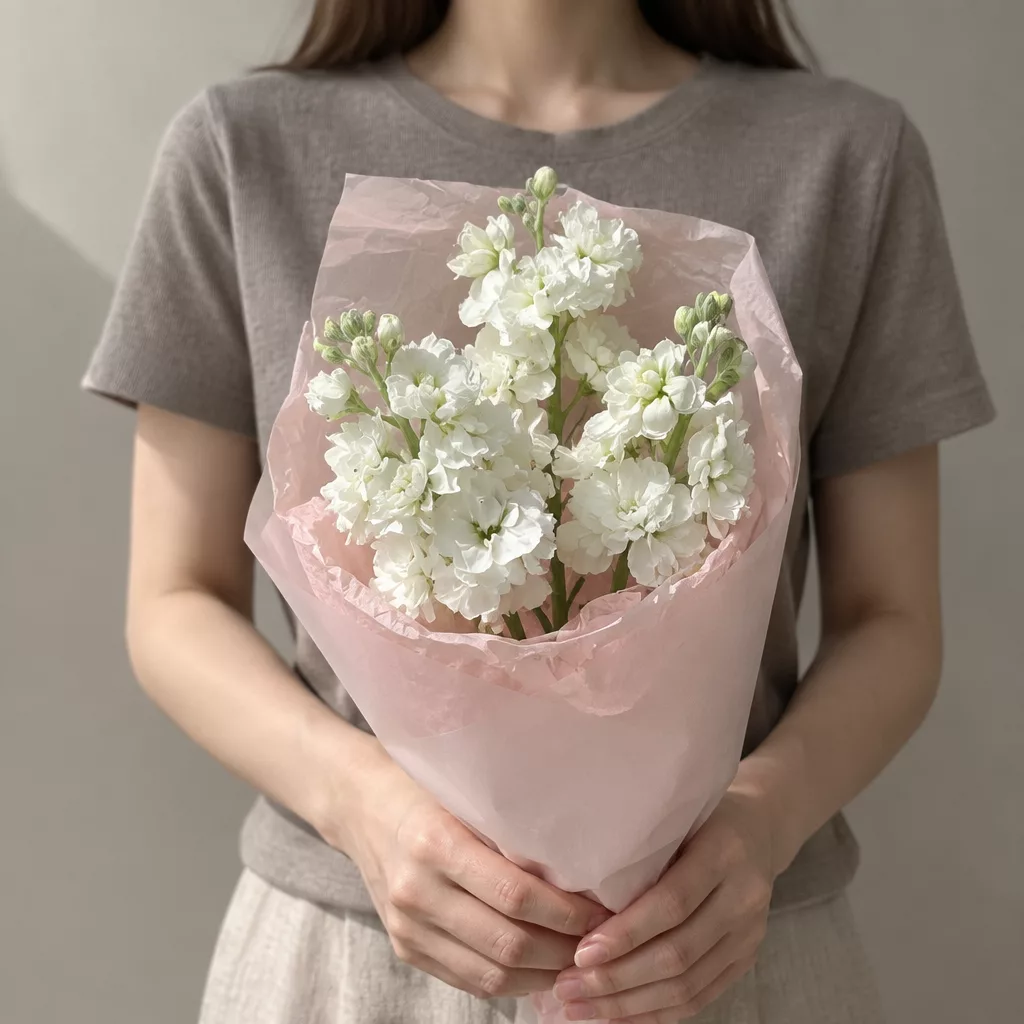
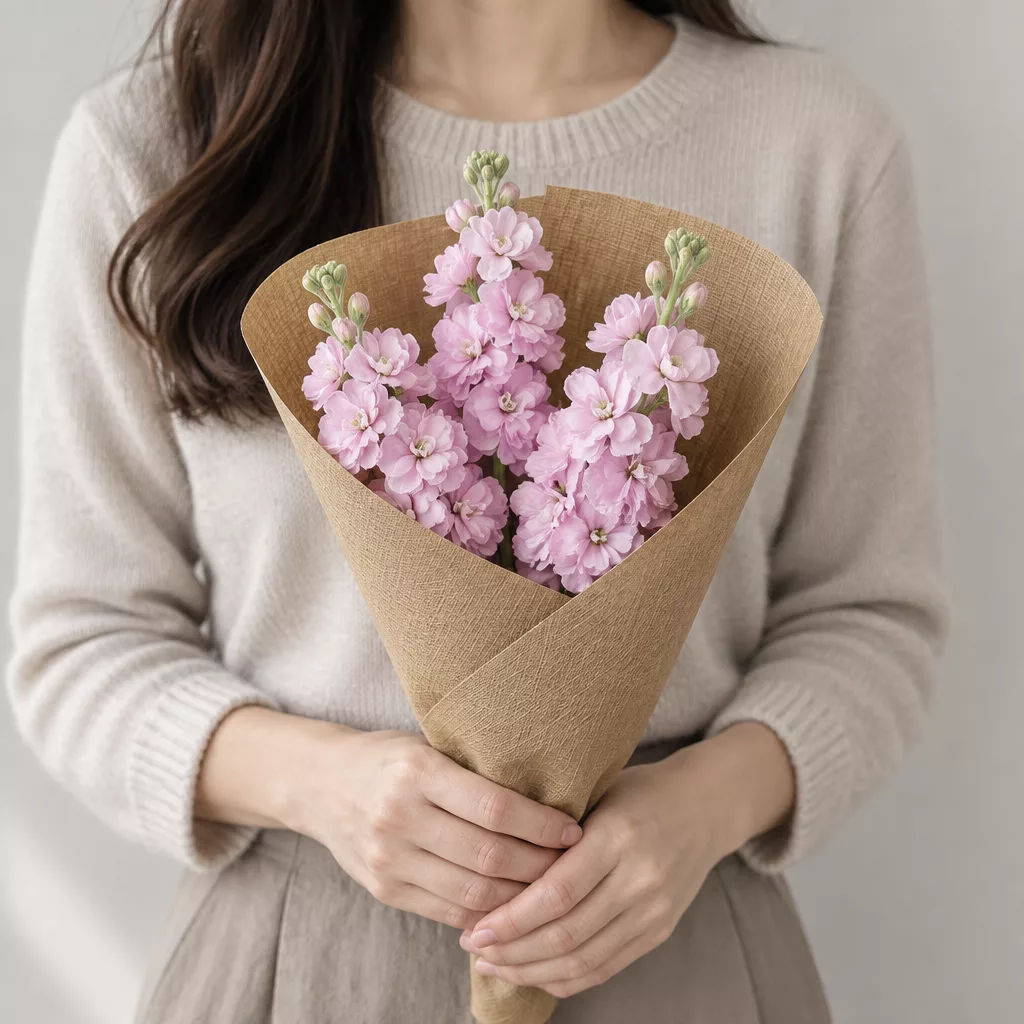
Bouquets we can deliver


Timing Your Order: What One to Two Hours Actually Means
The one-to-two-hour window is a real commitment, not a marketing phrase. It means that from the moment your order is confirmed and payment is processed, the bouquet is assembled, wrapped, and handed to a courier within that timeframe. In Leninogorsk specifically, the city's manageable size means that once the courier is on the road, most addresses are reachable in under thirty minutes.
The window can stretch slightly during peak periods. The most predictable peaks in Russia are the days around 8 March — International Women's Day — and 14 February. On those dates, order volume across the country spikes dramatically. If you are planning a delivery for either of those occasions, placing your order the evening before is the single most effective thing you can do. Your bouquet gets assembled with full attention rather than in a rush, and the morning slot is secured.
For same-day orders, the cut-off time matters. Check the current cut-off on the website when you order, as it adjusts seasonally. Evening deliveries are possible, but it is worth noting that recipients in smaller cities tend to go to bed earlier than in larger metropolitan areas. A delivery at nine in the evening can feel intrusive in Leninogorsk in a way it might not in Saint Petersburg.
If you want the flowers to arrive at a specific time — say, right as someone is finishing a birthday dinner — use the scheduled delivery option and add fifteen minutes of buffer. Life in any city has small delays, and arriving slightly after the peak moment is always better than arriving during the chaos of people putting on coats.
Choosing Flowers for the Person, Not Just the Occasion
The most common mistake people make when ordering remotely is choosing by occasion rather than by person. A bouquet labelled 'birthday' could go to a twenty-two-year-old who loves bold sunflowers and eucalyptus, or to a sixty-year-old woman who has kept a crystal vase of white peonies on her sideboard for thirty years. Those are two completely different bouquets.
Start with what you know about the recipient. Do they have a garden? Garden lovers usually respond to seasonal, slightly wild arrangements — think lisianthus mixed with spray roses and soft greenery rather than a tight formal spiral. Do they keep a very neat, minimal home? A monochromatic bouquet of white or blush blooms in a single variety reads as intentional and elegant rather than sparse.
For Leninogorsk recipients who work in education — and the city has a strong tradition of valuing teachers — chrysanthemums remain a deeply appreciated flower. This is a Russian cultural nuance worth knowing: chrysanthemums carry none of the funeral associations they have in some Western European countries. A generous bunch of white or yellow chrysanthemums for a teacher on Knowledge Day or at the end of the school year is entirely correct and warmly received.
For romantic occasions, red roses are universally understood, but a mix of garden roses in coral and peach with a few stems of waxflower tucked in reads as more considered and personal. It signals that someone thought about it rather than clicking the first option. That distinction matters to the person receiving the bouquet, even if they never articulate it.
Which Blooms Survive the Journey to Leninogorsk Best
Not every flower handles a long transit equally well, and understanding this helps you order with confidence rather than anxiety. Roses, chrysanthemums, alstroemeria, and carnations are the most reliable travellers. They are cut with enough stem length to drink water during conditioning, they do not bruise easily, and they hold their shape through temperature changes.
Leninogorsk has a continental climate with cold winters and warm summers. In January and February, outdoor temperatures regularly drop below minus fifteen degrees Celsius. Flowers in transit during these months need proper insulation — our packaging accounts for this, with thermal wrapping that protects blooms for the duration of the journey. Tulips and gerberas are the most cold-sensitive of the common varieties. They can handle brief exposure, but a prolonged wait outside an apartment door in February will damage them. If you know the recipient might not be home, it is worth calling them before the courier arrives rather than leaving the bouquet on the landing.
In summer, the risk reverses. Heat above twenty-five degrees accelerates wilting, especially for hydrangeas and open peonies. Summer orders benefit from an early morning delivery time, when temperatures are lower and the flowers have the whole day to settle into their vase.
Lisianthus is an underrated choice for long-distance orders. It looks delicate but is actually quite hardy, it comes in a range of colours from deep violet to pure white, and a single bunch has multiple buds that open over several days, extending the life of the arrangement considerably. If you want something that feels special without the fragility risk, lisianthus is worth considering.
Presentation and Wrapping: What Arrives at the Door
The moment the door opens is the moment everything either lands or falls flat. A beautiful flower tucked into careless paper is a missed opportunity, and the person receiving it will feel the difference even if they cannot name it. Presentation is part of the gift, not a detail to skip.
Our bouquets for Leninogorsk delivery are wrapped and secured for transit without sacrificing how they look on arrival. The outer kraft paper or fabric wrap stays intact, the ribbon is tied rather than just looped, and the bouquet is placed upright in the courier bag. When the recipient takes it in their hands, it should feel like receiving something from a florist's counter, not something pulled from a box.
You can add a handwritten card with your order. In Russian gifting culture, a signed card carries real weight. Even a few words — a name, a date, a short sentence — makes the bouquet feel complete. If you are ordering from abroad or from another city and writing in Russian is not comfortable, writing in English is perfectly fine. The recipient will understand the gesture immediately.
For corporate orders or situations where the bouquet is a thank-you from a business, a cleaner, more structured arrangement works better than a romantic style. Think tall stems, a unified colour palette, and minimal greenery. It reads as professional and generous without crossing into personal territory.
Gift additions like a small box of chocolates or a soft toy can be included with the order. These are especially popular for children's birthdays and for new mothers, where the flowers are for the room but the small extra is specifically for the person.
Caring for the Bouquet Once It Arrives in Leninogorsk
A bouquet that arrives in good condition can still fade quickly if it is not cared for in the first hour. The recipient may not know the basics, and if you are ordering for someone else, a short message with care instructions is one of the kindest things you can include alongside the flowers.
The first step is always a fresh cut. The stems should be trimmed at a diagonal angle, about two centimetres from the bottom, using a sharp knife or scissors. A diagonal cut increases the surface area through which the flower drinks. Cutting under running water or immediately before placing stems in water prevents an air bubble from forming at the cut end and blocking hydration.
Water temperature matters more than most people realise. Lukewarm water, not cold, is correct for most flowers including roses and chrysanthemums. Tulips are the exception — they prefer cool water and a cool room. The vase should be clean, and any leaves that fall below the waterline should be removed, as submerged foliage rots quickly and clouds the water with bacteria.
In Leninogorsk homes, central heating in winter creates very dry indoor air. This is hard on flowers. Keeping the bouquet away from radiators and out of direct sunlight extends vase life noticeably. Changing the water every two days and re-cutting the stems each time can add three to five days to the life of a standard rose or alstroemeria arrangement.
For lisianthus and spray roses, removing spent blooms as they fade keeps the rest of the bunch looking fresh longer. These varieties have multiple flowers per stem, and one wilted head should not signal the end of the whole bouquet.
Making the Order Feel Personal When You Are Far Away
Ordering flowers from another city — or another country — carries a particular kind of pressure. You cannot see the bouquet before it goes out, you cannot adjust the ribbon on the spot, and you are trusting the whole experience to arrive intact. The way to manage that is to give the order as much information as possible and then let go of the rest.
The most useful details you can provide are the recipient's name, a colour preference if you know it, and any flowers they have mentioned loving or disliking. Even one of those three narrows the composition significantly and ensures the bouquet feels chosen rather than generic. If you have a photograph from a previous occasion — a birthday photo where she is holding peonies, for instance — you can describe it in the order notes and we can work toward that aesthetic.
Russian gift-giving customs lean toward generosity in volume. A bouquet that looks substantial, with a full, rounded shape and visible layering of textures, reads as a serious and caring gesture. If you are between two sizes, going larger is almost always the right call in this cultural context. A small, sparse bouquet can inadvertently read as an afterthought.
If the delivery is a surprise, make sure the recipient will actually be home or reachable. A surprise that requires three rescheduled attempts loses its warmth. A simple message saying 'be home around four, something is coming' preserves the surprise while ensuring the flowers arrive at their best. The goal is the moment of opening the door, and a little coordination protects that moment completely.
Leninogorsk is a city where a well-chosen bouquet at the right moment carries genuine meaning. The distance between you and the recipient does not have to show in the flowers. When the order is placed with care — the right blooms for the season, the right timing for the occasion, and enough detail for the florist to work with — what arrives at the door is the full weight of the gesture you intended. Turboflora handles the logistics so that the moment belongs entirely to the two of you.
Frequently asked questions
Can I order flowers to Leninogorsk if I am outside Russia?
Yes. You can place an order from anywhere in the world through the Turboflora website. You will need the recipient's full address in Russian, including apartment number and entrance code if applicable. Payment is processed online. The card message can be written in any language — the recipient will understand the sentiment immediately regardless of the language used.
What happens if the recipient is not home when the courier arrives?
The courier will call the recipient before arriving. If there is no answer, the order is rescheduled for the next available slot. For surprises, it helps to give the recipient a loose heads-up without revealing the sender. Leaving the bouquet unattended outside a door in cold weather is not recommended, as temperatures in Leninogorsk can damage flowers quickly in winter months.
Are there flowers I should avoid ordering in winter for delivery to Leninogorsk?
Gerberas and open peonies are the most cold-sensitive common varieties. In temperatures below minus ten degrees Celsius, they can show frost damage even with proper packaging. Roses, chrysanthemums, alstroemeria, carnations, and lisianthus handle winter transit reliably. If you want something delicate for a winter occasion, scheduling an early afternoon delivery reduces the time flowers spend in cold outdoor air.
How many days will the bouquet last after delivery?
With proper care — fresh cut on arrival, clean vase, lukewarm water changed every two days — roses and chrysanthemums typically last seven to ten days. Alstroemeria can reach ten to fourteen days. Lisianthus opens progressively over five to eight days as buds unfurl. Keeping the bouquet away from radiators and direct sunlight, which is especially important in centrally heated Leninogorsk apartments in winter, makes a meaningful difference.
Can I schedule a delivery for a specific time rather than a general window?
Yes, the order form includes a scheduled delivery option where you can select a date and preferred time slot. Adding fifteen minutes of buffer to your ideal time is a practical habit. For major dates like 8 March or 14 February, placing the order the day before and scheduling a morning slot is strongly recommended, as order volume on those days is significantly higher than usual across all Russian cities.
Ready to send flowers?
Pick the city, choose the bouquet, and a local florist takes it from there.
Choose a city →