Sending Flowers to Lensk? Here Is What to Expect
Lensk sits deep in Yakutia, on the bank of the Lena River, far from the flower markets of Moscow or Saint Petersburg. But distance does not mean your recipient has to settle for less. Whether you are sending roses to a colleague for a work anniversary, or surprising a parent with a spring bouquet, the right preparation makes all the difference between a bouquet that arrives glowing and one that arrives exhausted. This guide walks you through timing, flower choices, seasonal realities and the small details that turn a delivery into a genuine moment.
Why Lensk Is a Unique Delivery Destination
Lensk is a mid-sized city in the Sakha Republic, known primarily for its role as a supply hub for the diamond industry. The population is close-knit, occasions matter deeply, and receiving flowers here carries real weight precisely because it is not an everyday event. That sense of rarity makes your bouquet feel more special the moment it arrives at the door.
The city's geography shapes everything about flower logistics. Lensk is accessible by road and river, but the distances from major distribution centres are substantial. This means that every step of the cold chain — how flowers are packed, how they travel, how quickly they move from one stage to the next — has to be managed with more care than a delivery across Saint Petersburg would require.
Temperatures in Lensk are extreme by almost any standard. Winters regularly drop below minus forty degrees Celsius, and even autumn and spring carry sharp frosts. Summer is short but genuinely warm, sometimes reaching thirty degrees in July. Each season demands a completely different approach to which flowers travel well, how they are wrapped and insulated, and what the recipient should do the moment the bouquet arrives.
Understanding these conditions is not meant to discourage you. It is meant to help you order with confidence, knowing that the florist on the other end has already thought through the variables you might not have considered. Lensk recipients deserve the same quality as anyone else, and with the right choices, they can absolutely have it.
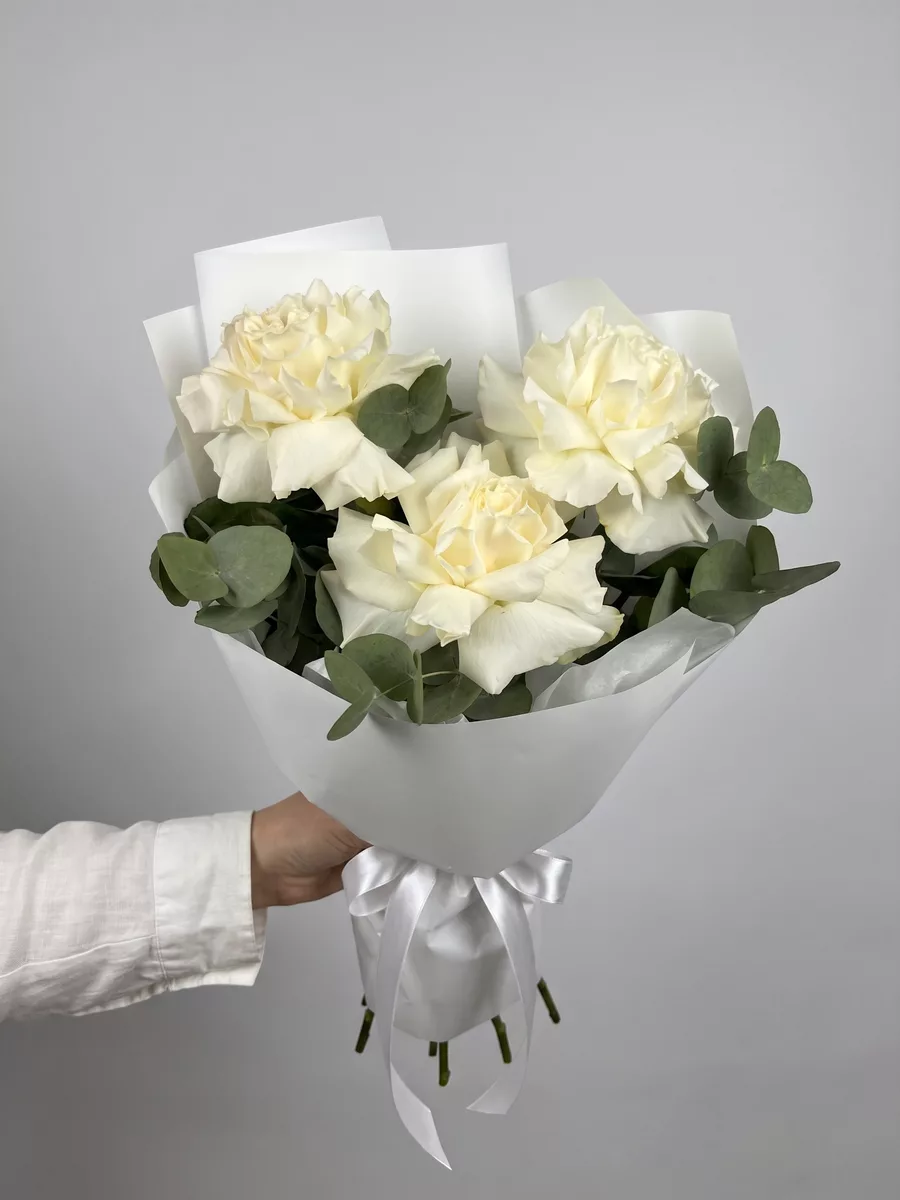
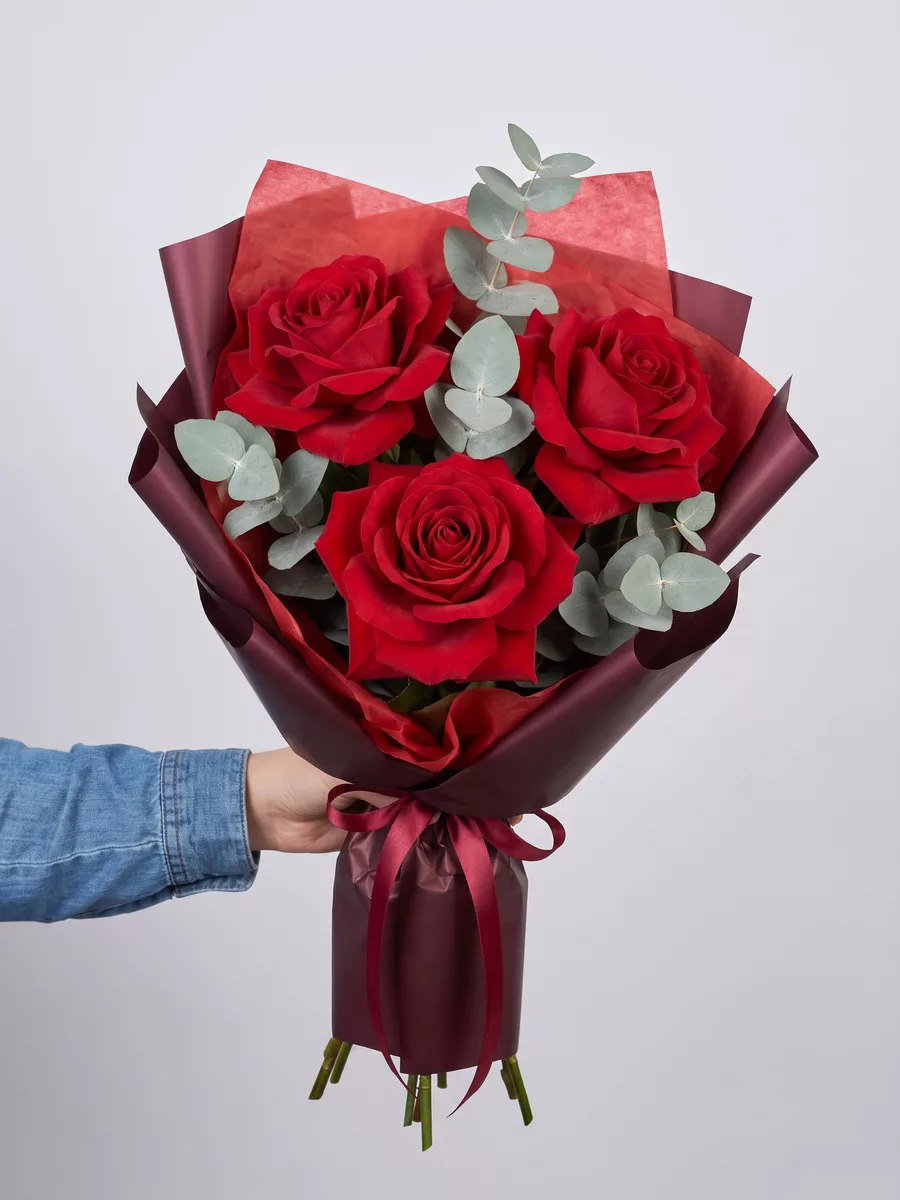
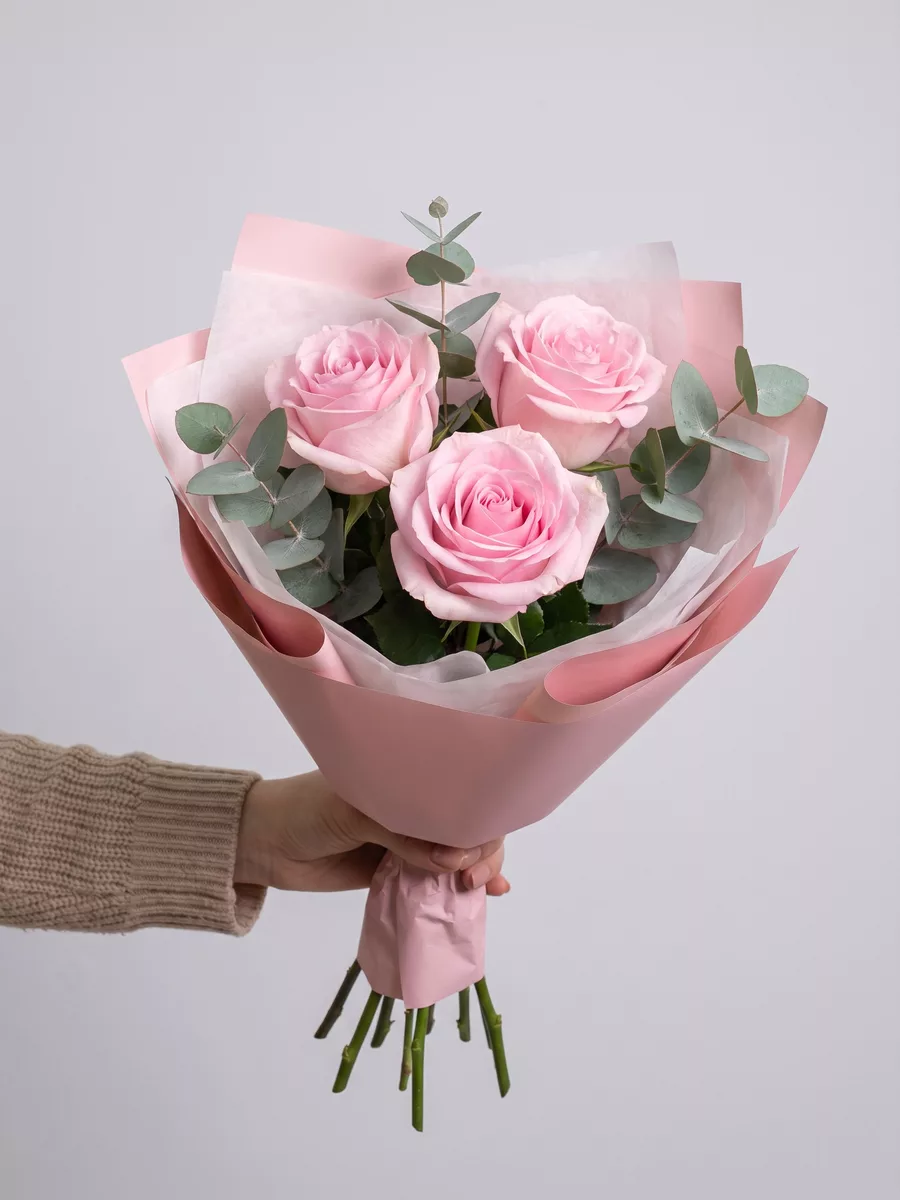
Bouquets we can deliver

Delivery Timing: Setting Realistic Expectations
Turboflora is based in Saint Petersburg and delivers fresh flowers across Russia. For Lensk, this means the delivery window is longer than the one-to-two-hour service available within the city. Orders to Lensk are fulfilled through a carefully managed express logistics route, and you should plan for delivery within one to two days depending on when you place your order and the specific address within the city.
The best approach is to order at least one full day ahead of the occasion. If the bouquet is for a birthday on a Saturday, placing the order by Thursday evening gives the logistics chain enough time to work without rushing, which reduces the risk of any delays affecting quality. Last-minute orders are sometimes possible, but the margin for error shrinks considerably.
Time zones also matter here. Lensk is in the Yakutsk time zone, which is UTC plus nine, six hours ahead of Moscow and eight hours ahead of Saint Petersburg. When you are placing an order and choosing a delivery window, keep that gap in mind. A morning delivery in Lensk means the order needs to be moving very early by Saint Petersburg standards.
If you are sending flowers for a specific moment — the start of a birthday dinner, the end of a school event — communicate that clearly in the order notes. The more specific you are about the preferred arrival window, the better the team can plan around it. Vague instructions like 'sometime in the afternoon' are harder to honour than 'between three and five in the afternoon Yakutsk time.'
Choosing Flowers for the Occasion and the Person
Start with who the recipient is and what the moment means to them, not with a colour or a flower name. A young woman celebrating her first job promotion will respond differently to a bouquet than a grandmother marking her seventieth birthday. The flowers should reflect the feeling you want to send, not just a general idea of prettiness.
For romantic occasions, classic red or deep pink roses remain the most legible choice across Russian culture. A single variety arranged with clean foliage — eucalyptus or ruscus — reads as confident and intentional rather than fussy. If you want something warmer and less formal, spray roses combined with lisianthus in soft lilac or white create a gentle, layered look that suits anniversaries and long-distance affection equally well.
For celebrations like birthdays, name days or professional milestones, more colour and volume feel appropriate. Chrysanthemums are underrated here — they travel exceptionally well, hold their shape in transit and come in a wide range of tones from warm yellow to deep burgundy. Alstroemeria is another strong choice for long journeys: the buds open gradually over several days, so the recipient gets a bouquet that keeps evolving after it arrives.
For a teacher, a mentor or a parent, softer palettes tend to feel more sincere than bold ones. Freesias carry a light, distinctive scent that many people associate with warmth and care. Carnations, long underestimated, are having a genuine revival in modern floristry and hold up beautifully in cold transit conditions — which makes them a practical and lovely choice for Lensk deliveries.
Seasonal Realities: What Travels Well and When
Lensk's climate divides the year into very distinct phases, and each one affects what you should order. In winter, which runs roughly from October through April, temperatures outside can be brutal. Flowers in transit need thermal insulation, and certain varieties simply cannot survive the cold without damage. Tropical flowers like anthuriums or birds of paradise are beautiful in a warm shop but risky in deep Siberian winter. Stick to hardier varieties that have proven themselves in cold chain transport.
Roses are among the most cold-tolerant cut flowers when properly conditioned and packed. Chrysanthemums and carnations also travel well in winter. Tulips can be sent in winter but arrive as tight buds, which is actually fine — they open beautifully in a warm room within a day or two, and many recipients enjoy watching that process unfold.
Spring in Lensk arrives later than in European Russia, often not until May. This is when tulips, ranunculus and hyacinths feel most fitting, and their seasonal association adds meaning to the gift. If you are sending flowers for Women's Day on the eighth of March, be aware that this is the single busiest day in Russian floristry. Order well in advance — at least three to four days ahead — to secure both availability and a reliable delivery slot.
Summer allows the widest range of choices. Sunflowers, dahlias, lisianthus and peonies are all in season and travel well in the moderate temperatures. Autumn calls for warm tones — amber chrysanthemums, rust-coloured roses, deep orange alstroemeria — that feel honest to the season rather than fighting against it.
Bouquet Combinations That Make an Impression
A single-variety bouquet done well almost always outperforms a mixed arrangement done carelessly. If you are unsure what to choose, picking one strong focal flower and letting it lead — supported by one type of greenery and perhaps a secondary bloom — is a safer and more elegant approach than throwing many different things together.
One combination that works particularly well for long-distance deliveries is white lisianthus with eucalyptus and a few stems of pale pink spray roses. The lisianthus mimics the look of peonies without the fragility, the eucalyptus adds scent and structure, and the spray roses soften the whole arrangement. It reads as thoughtful and considered, not generic.
For a more celebratory feel, try deep red roses with white chrysanthemum poms and dark green pittosporum. The contrast is bold without being loud, and the chrysanthemums extend the vase life of the whole bouquet significantly. This combination travels well and arrives looking intentional rather than assembled in a hurry.
If the recipient has a preference for something less traditional, a bouquet of mixed alstroemeria in three or four complementary tones — coral, peach, white and soft yellow — is colourful, long-lasting and genuinely cheerful without relying on any single statement flower. It suits birthdays, thank-you gestures and welcome-home moments equally well.
Presentation matters as much as the flowers themselves. A bouquet wrapped in kraft paper with a simple ribbon communicates a different feeling than one in cellophane. When you place your order, think about what the unwrapping moment should feel like for the person on the other end.
What to Tell the Recipient Before the Bouquet Arrives
A small heads-up to the recipient can make the difference between a bouquet that thrives for a week and one that wilts within two days. You do not have to spoil the surprise entirely — a simple message saying 'something is arriving for you today, please be home between three and five' is enough to ensure the flowers are not left outside in Lensk's cold air for an hour.
In Yakutia's winters, leaving a bouquet unattended on a doorstep even for twenty minutes in extreme cold can cause frost damage to petals and stems. The outer petals of roses, for example, will turn translucent and collapse if they freeze. This is not a packaging failure — it is simply what happens to plant tissue at minus thirty. The solution is easy: make sure someone is home to receive the delivery promptly.
Once the bouquet is inside, the recipient should trim the stems at an angle with a sharp knife or scissors — not tearing, not blunt cutting — and place them in cool, clean water immediately. Warm rooms, which are common in Siberian homes during winter, accelerate dehydration in cut flowers. Keeping the bouquet away from radiators and heating vents extends its life noticeably.
Change the water every two days and re-trim the stems each time. Remove any leaves that fall below the waterline, as they decay quickly and cloud the water with bacteria that shortens the life of every stem in the vase. These are simple habits, but they are the difference between a bouquet that lasts five days and one that lasts ten.
Making the Moment Feel Personal from a Distance
Sending flowers from hundreds or thousands of kilometres away can feel impersonal if you let it. The antidote is specificity — in the flowers you choose, in the message you write and in the small details that show you thought about this particular person rather than just ticking a box.
In Russian culture, the number of flowers in a bouquet carries meaning. Even numbers of flowers are traditionally associated with mourning, so always choose an odd number — five, seven, nine, eleven stems — for any celebratory or affectionate occasion. If you are not sure of the count, ask the florist to confirm. This is one of those details that Russians notice immediately and that can shift the emotional tone of the gift.
The card message is worth more of your attention than most people give it. A handwritten note, or one that reads as genuinely personal rather than templated, lands differently than a generic 'Happy Birthday.' Reference something specific — a shared memory, an inside joke, the reason this particular day matters. Even two sentences of real thought outweigh a paragraph of pleasantries.
Consider the setting where the bouquet will be displayed. A small apartment in Lensk may not have space for a wide, sprawling arrangement. A taller, more vertical bouquet in a single colour family can feel more generous in a compact space than a wide mixed design. If you know the recipient's home, let that guide the scale and structure of what you order.
The goal is for the person in Lensk to feel genuinely seen — not just remembered, but thought about carefully. Flowers do that work when they arrive with intention behind them.
Ordering flowers for someone in Lensk is an act of care that crosses a significant distance, and that distance itself adds meaning to the gesture. The key is preparation: order ahead of the occasion, choose varieties that travel well in cold conditions, give the recipient a gentle heads-up and pass along the simple care instructions that will keep the bouquet looking its best. Turboflora handles the logistics and the quality — your job is simply to think about the person you are sending to and let that guide every choice you make.
Frequently asked questions
How far in advance should I order flowers for delivery to Lensk?
At least one full day ahead is the minimum, and two days is more comfortable for occasions with a fixed time. For major dates like Women's Day on the eighth of March or New Year, order three to four days in advance. Lensk is a significant distance from Saint Petersburg, and building in time means the logistics chain can work without cutting corners on quality.
Which flowers hold up best in Lensk's extreme winter temperatures?
Roses, carnations and chrysanthemums are the most cold-tolerant cut flowers and the safest choices for winter deliveries to Yakutia. Tulips travel well as tight buds and open beautifully indoors. Avoid delicate tropical varieties in winter months — they are simply not suited to the cold chain conditions that Lensk's climate demands.
Is it true that even numbers of flowers are bad luck in Russia?
Even numbers of flowers are associated with funerals in Russian tradition, so for any celebratory or affectionate occasion, always choose an odd number of stems — five, seven, nine or more. This is a widely observed custom across Russia, including in Yakutia, and getting it right shows genuine cultural awareness that the recipient will notice and appreciate.
What should the recipient do as soon as the bouquet arrives?
Trim the stems at an angle with a sharp implement, not a blunt one, and place them straight into cool clean water. Keep the bouquet away from radiators and heating vents, which are common in Siberian homes and dry out petals quickly. Change the water every two days, re-trim the stems each time and remove any leaves sitting below the waterline to prevent bacterial build-up.
Can I send flowers to a specific time window in Lensk?
Yes, and the more specific you are, the better. Include the preferred delivery window in your order notes and remember that Lensk runs on Yakutsk time, which is eight hours ahead of Saint Petersburg. A delivery you want at three in the afternoon in Lensk needs to be coordinated from a very early morning slot by Saint Petersburg standards, so communicate clearly when you place the order.
Ready to send flowers?
Pick the city, choose the bouquet, and a local florist takes it from there.
Choose a city →