Sending Flowers to Lesnoy? Here Is Everything You Need to Know
Lesnoy sits quietly on the northern edge of Saint Petersburg, a neighbourhood of wide avenues, Soviet-era apartment blocks, and a pace of life that feels a little removed from the city centre bustle. Ordering flowers here is straightforward when you know what to expect — the right timing, the right bouquet for the season, and a few small details that turn a delivery into a genuinely memorable moment for whoever opens the door.
Where Lesnoy Is and Why It Matters for Delivery
Lesnoy is a historical district in the Vyborgsky administrative region of Saint Petersburg, roughly bounded by Bolshoy Sampsonievsky Prospekt to the west and the green belt around Polyustrovsky Park to the east. It is a residential area with a strong local character — long-established families, students from nearby technical institutes, and a community that tends to know its neighbours. Understanding the geography matters because it shapes how a bouquet travels to its destination. The district is well connected by metro, with Lesnaya station sitting on its southern edge, but many addresses are a ten to fifteen minute walk from the nearest stop, along side streets that are not always easy to navigate quickly. Turboflora covers the full Lesnoy area and delivers directly, without handing orders to third parties, so the florist who assembles your bouquet in the morning is part of the same team that puts it in your recipient's hands by early afternoon. The northern parts of the district, closer to Engelsa Street, take marginally longer to reach than the southern streets near Lesnoy Prospekt, but the difference is rarely more than twenty minutes. When you place an order, the confirmed time window accounts for the actual address, not just the district name. This precision matters in winter especially, when icy pavements and reduced daylight hours make last-minute adjustments harder to absorb.
Bouquets we can deliver


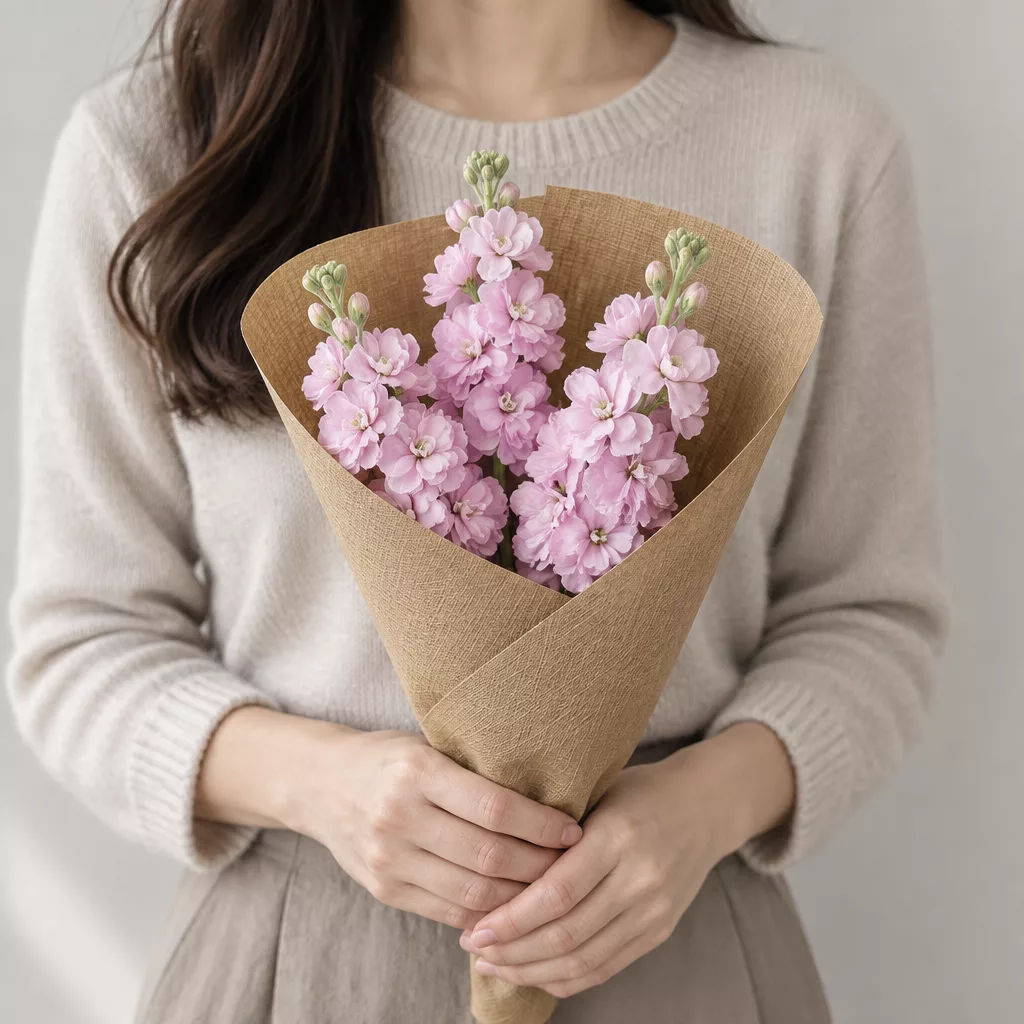
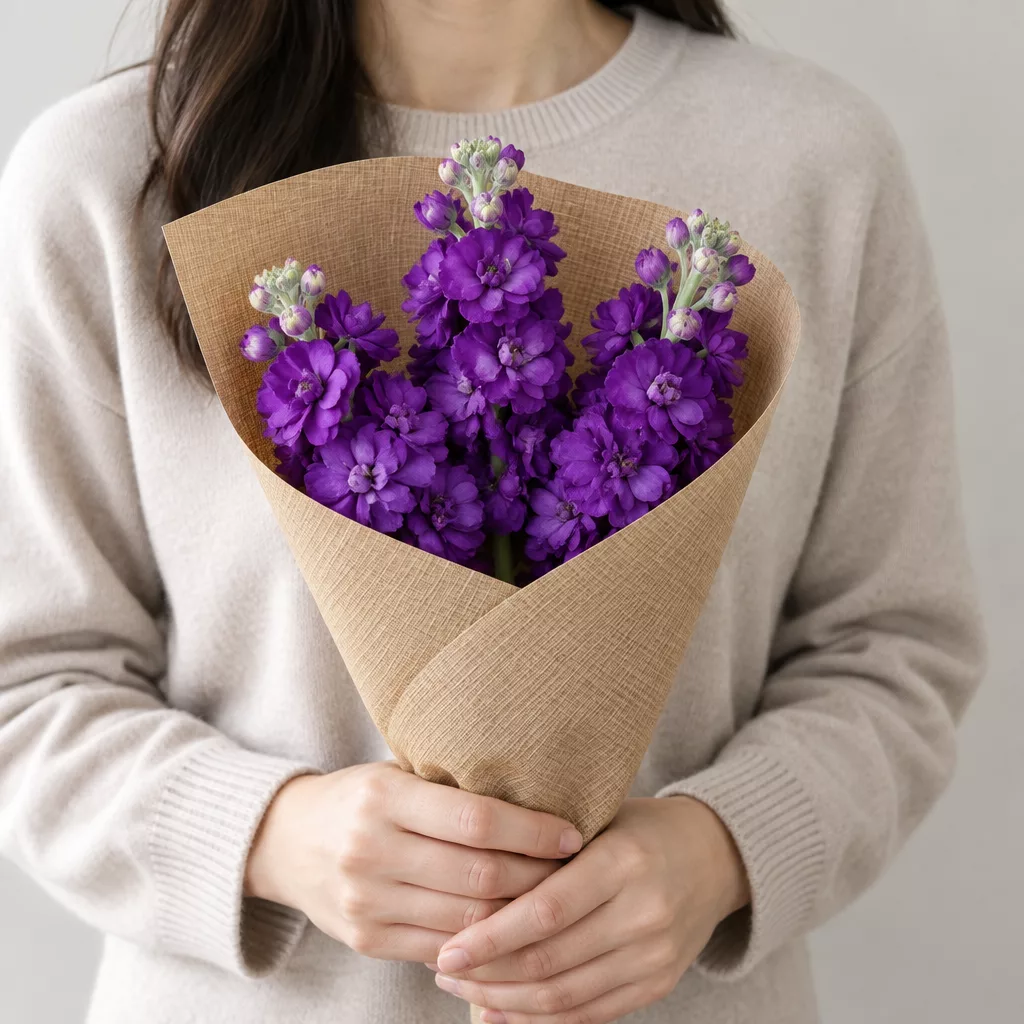
How Long Delivery Actually Takes in This Part of the City
The honest answer is one to two hours from the moment your order is confirmed, and in most cases it lands closer to the shorter end of that range during weekday mornings. Lesnoy is not the furthest point from the centre, but the northern direction does mean navigating Sampsonievsky Prospekt and its intersections, which slow noticeably during the school-run hours between eight and nine in the morning and again between five and seven in the evening. If you need the bouquet to arrive at a specific time — for a birthday breakfast, a work anniversary at a particular hour — order with a buffer of at least thirty minutes beyond your ideal moment. Same-day delivery is available for orders placed before a cut-off time that accounts for preparation and transit; the earlier you order, the more flexibility you have in choosing varieties that need extra conditioning, such as peonies or garden roses, which benefit from an hour in water before they travel. Late-evening delivery, after eight o'clock, is possible on request but worth confirming directly, since traffic in the northern districts thins out but parking near residential entrances can become unpredictable. The temperature of the vehicle matters too: in January and February, when Saint Petersburg regularly drops below minus ten degrees Celsius, flowers travel in insulated packaging to prevent petal damage during even a short walk from van to door. Tulips and ranunculus are particularly sensitive to frost shock, so winter orders include extra wrapping as standard.
Choosing a Bouquet for Someone Who Lives Here
The people who live in Lesnoy tend to receive flowers at home rather than at an office, which changes the presentation logic entirely. A bouquet meant to sit on a kitchen table or a windowsill in a Soviet-era apartment — rooms that are often warm, sometimes quite small — needs a different balance than one designed for a corporate reception desk. Compact, structured arrangements hold their shape better in a warm interior. Think garden spray roses in cream or blush, paired with eucalyptus or ruscus for texture, rather than large open-headed sunflowers that drop pollen and shed petals quickly in heated rooms. For a birthday, a hand-tied bouquet with a mix of textures works beautifully: a base of lisianthus in white or violet, a few stems of alstroemeria for longevity, and a central cluster of standard roses in a colour that suits the recipient's personality. Lisianthus is underused and underappreciated — it looks like a ruffled rose but lasts seven to ten days in a vase, which means the person you are thinking of will still be enjoying it a week later. For a romantic occasion, red or deep burgundy roses remain the instinctive choice in Russia, and there is nothing wrong with leaning into that tradition. What elevates the gesture is the wrapping: matte kraft paper rather than shiny cellophane reads as considered and personal rather than generic.
Seasonal Flowers That Suit Lesnoy's Climate and Character
Saint Petersburg has a short but genuinely beautiful summer, and Lesnoy's parks and courtyards fill with greenery from late May through September. In these months, the best bouquets lean into what the season offers naturally: garden peonies in June, which are lush and fragrant and last four to six days if stems are cut at an angle and water is changed every two days; dahlias in August and September, which come in extraordinary colour ranges from pale apricot to near-black burgundy; and sunflowers in July, which despite their shedding habit bring a warmth that suits a summer birthday perfectly when combined with solidago and chamomile. Autumn in Lesnoy is long and amber-coloured, and chrysanthemums come into their own — they are robust, last well over a week, and the spray varieties in bronze and rust feel genuinely seasonal rather than a consolation for the end of summer. Winter runs from November through March and is the most demanding season for flower care. Amaryllis, which arrives from Dutch growers in December and January, is spectacular — a single stem with two or three trumpet-shaped blooms makes a bold statement in a simple vase. Hyacinths in February carry a scent that transforms a cold apartment into something welcoming, which is exactly the emotional register you want for a gift during the darkest months. Spring tulips from late March onward are the signal that the city is turning again.
Presentation Details That Make the Difference at the Door
The moment a bouquet is handed over is brief, but it carries almost all of the emotional weight of the gesture. Packaging that looks deliberate — a ribbon tied with intention, a handwritten card rather than a printed slip, paper that holds its shape through transit — signals that someone thought about this rather than clicking through a website in two minutes. Turboflora wraps bouquets in a way that protects the flowers during the journey without hiding them entirely; the recipient should be able to see colour and form through the wrapping before it is even opened. A small care card tucked inside, with instructions written plainly, is something many recipients genuinely appreciate. Most people in Russia know to put flowers in water immediately, but fewer know to remove the lower leaves that would sit below the waterline, which rot quickly and cloud the water, shortening vase life significantly. If you are sending to someone who is not Russian and may be unfamiliar with local customs around flowers, it is worth knowing that in Russia odd numbers of stems are traditional for celebratory occasions — even numbers are associated with mourning. This is not a strict rule that will offend anyone if broken, but it is the kind of detail a thoughtful sender notices. A bouquet of nine roses reads differently to a recipient who understands the tradition than a bouquet of ten.
What to Do If No One Is Home When the Flowers Arrive
Lesnoy is a residential district, which means deliveries land at apartment buildings with intercoms, entry codes, and concierge desks that vary enormously from building to building. Some newer blocks have round-the-clock concierges who can accept a delivery on a resident's behalf; older Soviet buildings often do not. When you place an order, it helps to include the entry code for the main door if there is one, the floor number, and a note about whether a neighbour can accept the bouquet if the recipient is unexpectedly out. The courier will call ahead before arriving, which gives the recipient a chance to come down or arrange an alternative. If there is genuinely no one available, the courier will hold the bouquet and attempt a second delivery, but this is where timing becomes critical for the flowers themselves. Roses and peonies left in a van for an extra hour in summer heat, or exposed to frost while the courier waits outside, lose condition quickly. The practical solution is to coordinate with the recipient loosely — not by revealing the surprise, but by confirming they will be home in a general window. A message asking whether they are free in the afternoon is usually enough. For workplaces within the Lesnoy area, including the polytechnic university campus and the research institutes along Engelsa Street, delivery to a reception desk or security post is straightforward and often the more reliable option.
Care Instructions to Pass Along with the Bouquet
A bouquet that arrives in perfect condition can still look tired within two days if it goes into the wrong vase with the wrong water. Passing along a few simple instructions is one of the most useful things you can do as a sender, and it costs nothing. The vase should be clean — residue from previous flowers introduces bacteria that shorten stem life dramatically. Fill it with cool, not cold, water, roughly ten to fifteen centimetres deep for most bouquet types. Cut the stems at a forty-five degree angle, about two centimetres from the base, ideally under running water to prevent air bubbles from blocking the uptake. Remove any leaves that fall below the waterline. Change the water every two days and re-cut the stems each time. Keep the bouquet away from direct sunlight, radiators, and fruit bowls — ripening fruit releases ethylene gas, which accelerates the ageing of petals noticeably. In Lesnoy's typically warm apartments during winter, this last point matters more than it might in a cooler climate. Roses last five to seven days with proper care. Alstroemeria and chrysanthemums last longer, often ten days to two weeks. Tulips are shorter-lived, three to five days, but they continue to grow in the vase and move toward light, which gives them a natural, dynamic quality that many people find more interesting than a perfectly static arrangement. Knowing what to expect from each variety removes the disappointment of flowers that seem to fade too soon.
Lesnoy is the kind of neighbourhood where a bouquet arriving at the door feels like a real event rather than a routine transaction. The streets are quiet, the buildings are residential, and the person on the other side of that door is almost certainly at home when the flowers arrive. Getting the details right — the timing, the seasonal variety, the wrapping, the care note tucked inside — turns a delivery into something that stays with someone for days longer than the flowers themselves. Turboflora delivers across Lesnoy directly, every day, because that consistency is what makes the gesture reliable enough to trust with the moments that matter.
Frequently asked questions
Which flowers hold up best in a warm Lesnoy apartment during summer?
Chrysanthemums, alstroemerias, and spray roses are the most reliable choices when rooms run warm. They hold their shape for a week or more even in smaller spaces with limited airflow. Avoid open garden roses or sweet peas in July and August unless the recipient has a cool room — these soften quickly and lose their look within two or three days.
Does the proximity to Polyustrovsky Park make any seasonal bouquets more fitting for Lesnoy recipients?
It does shift the mood. When the park is green and the courtyards are full of colour, bouquets with wildflower textures — scabiosa, ammi, loose foliage — feel genuinely local rather than formal. They suit the neighbourhood's unhurried character far better than stiff, symmetrical arrangements. From October onward, shift toward warmer tones and tighter structures that feel more sheltered and considered.
What bouquet size works well for a typical apartment in this district?
Medium arrangements of seven to eleven stems tend to fit best. Lesnoy apartments, particularly in Soviet-era buildings, have kitchens and windowsills that suit a bouquet you can hold in one hand rather than two. Oversized arrangements can feel awkward in these spaces. A well-chosen compact bouquet with interesting texture reads as more thoughtful than a large, loosely packed one.
Can I write the delivery address in English or do I need to use Russian for Lesnoy streets?
Use Russian for the street name and building number where possible, or at least include the Cyrillic alongside your English text. Lesnoy's addresses — particularly on side streets off Sampsonievsky Prospekt — are easier for couriers to locate quickly when the format matches local navigation apps. If you are unsure of the Cyrillic spelling, contact the shop directly and they will confirm it before dispatch.
Is morning or afternoon delivery better for a residential address in Lesnoy?
Late morning, between ten and twelve, is the most reliable window for residential deliveries here. Most residents are home, the school-run traffic on Sampsonievsky has cleared, and flowers arrive before the warmest part of the day in summer. Afternoon works well too, but avoid the window between four and six when traffic through the northern districts thickens noticeably.
Ready to send flowers?
Pick the city, choose the bouquet, and a local florist takes it from there.
Choose a city →