Flower Delivery in Lesosibirsk: Timing, Bouquets and What to Expect
Lesosibirsk sits deep in Krasnoyarsk Krai, on the banks of the Yenisei, and sending flowers there feels like a bigger leap than ordering to a capital city. It does not have to be complicated. Whether you are surprising a colleague who moved east, celebrating a birthday with a relative you cannot visit in person, or marking an anniversary from a distance, fresh flowers reach Lesosibirsk reliably — and the person who opens the door will not know you spent a single minute worrying about the logistics.
Where in Lesosibirsk Deliveries Actually Reach
Lesosibirsk is a compact city of around 60,000 people, and its layout is more linear than sprawling — the main residential districts run along the Yenisei riverbank and stretch inland toward the timber industry zones. Deliveries cover the central part of the city, the Maklakovo district, and the residential neighbourhoods that developed alongside the woodworking plants. If you are sending to a private address in one of the newer microdistricts on the outskirts, it is worth confirming the postcode when you place the order so the courier route is planned correctly from the start.
One thing that surprises people ordering for the first time is that the city has two distinct halves with slightly different access routes depending on the time of day. Traffic near the river crossings can slow things down during morning and early-evening commuting hours, so factoring that in when you choose your delivery window is sensible. The florist team accounts for this automatically when confirming your slot.
Addresses at timber enterprise campuses or shift facilities sometimes require a gate pass or a specific entrance. If the recipient works at one of those sites, note it in the delivery comments — it saves the courier a phone call and keeps the surprise intact. Residential buildings, offices in the town centre, schools, hospitals and private houses are all standard destinations with no special requirements.
Bouquets we can deliver


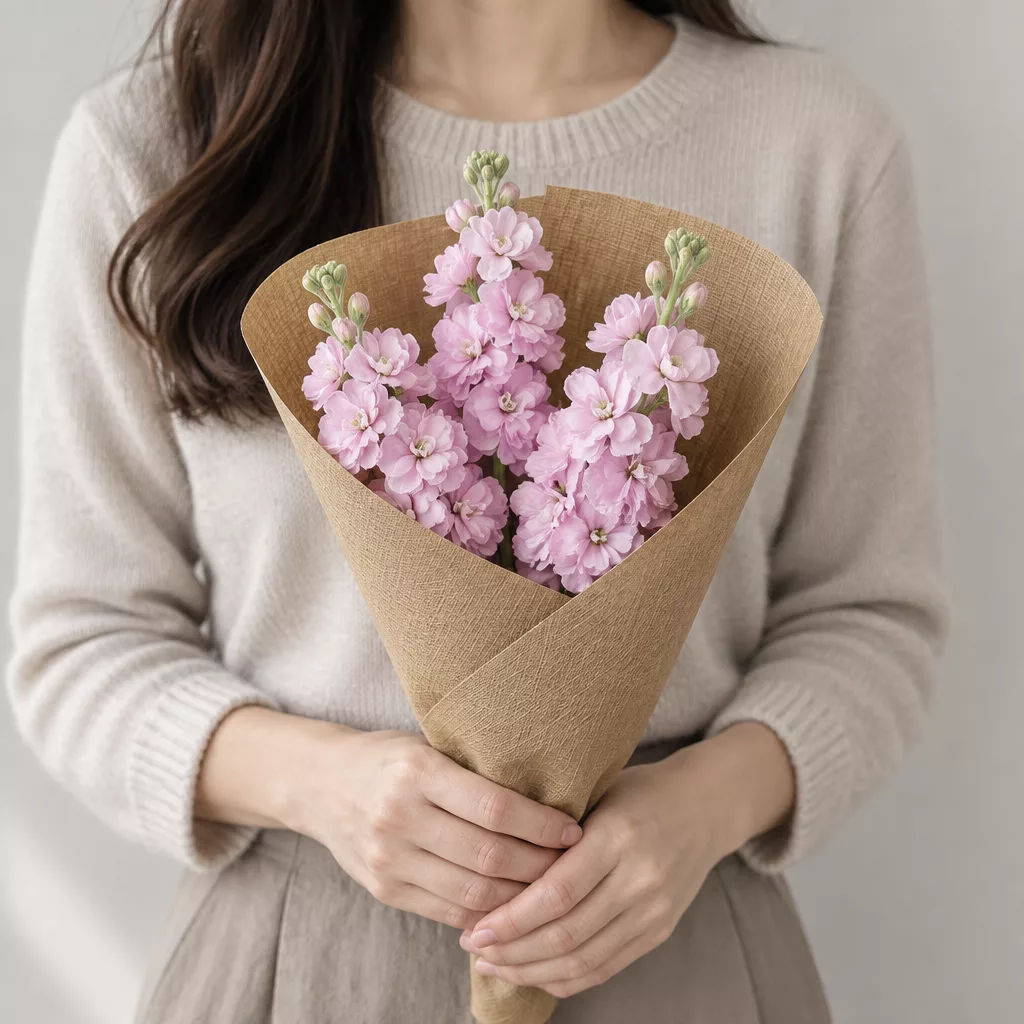
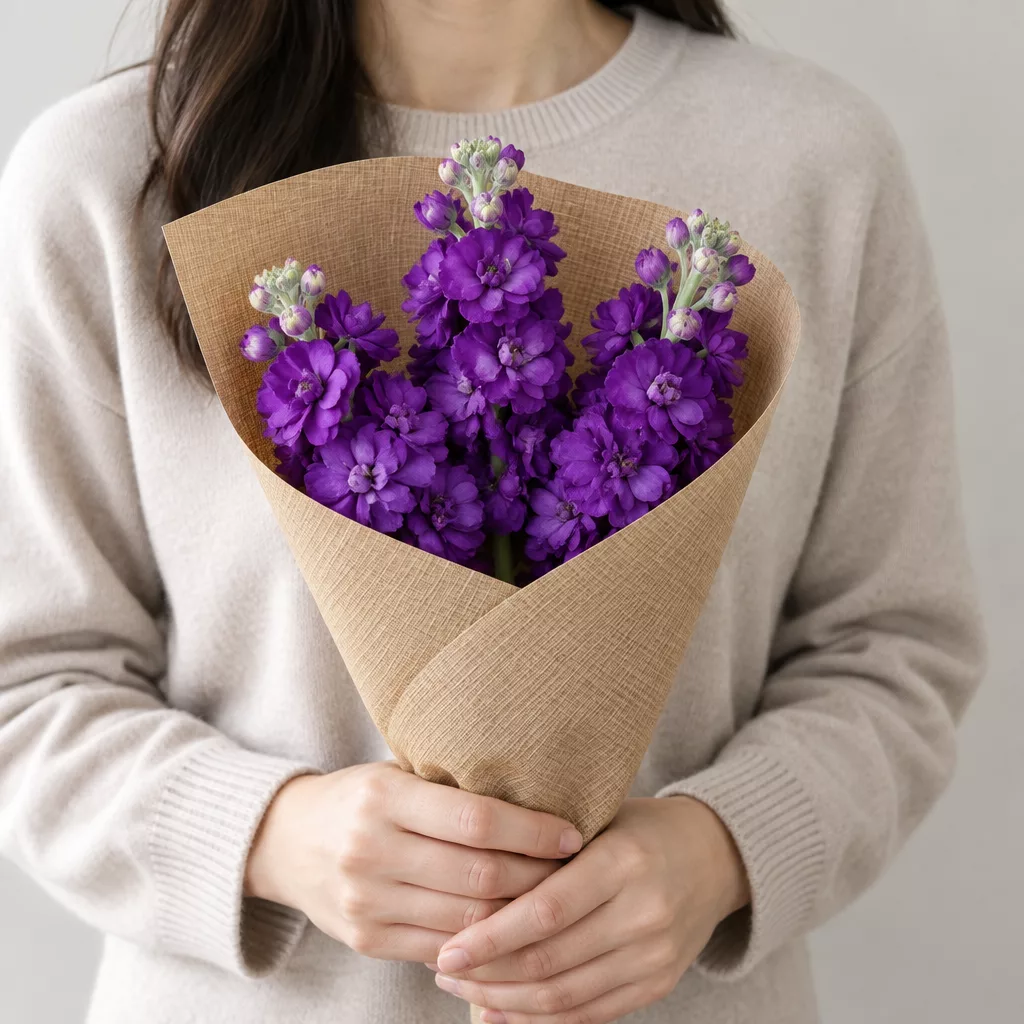
Timing Your Order for a City This Far East
Lesosibirsk is four hours ahead of Moscow, which is the first thing to sort out when you are placing an order from European Russia or from abroad. When it is noon in Saint Petersburg, it is already four in the afternoon in Lesosibirsk. That gap matters because it determines whether a same-day bouquet is still possible or whether you are booking for the following morning. The Turboflora ordering system displays local Lesosibirsk time so you are not doing mental arithmetic while choosing roses.
For celebrations with a fixed moment — a birthday breakfast, a graduation ceremony, an anniversary dinner — ordering the evening before is the most comfortable choice. It gives the team time to prepare the arrangement properly rather than rushing assembly, and it means the courier is already on route well before the occasion begins. Last-minute orders placed within two hours of a desired delivery time are possible on most days, but availability of specific flowers depends on what came in with that morning's supply.
Delivery windows in Lesosibirsk run from morning through to late evening. If the recipient has an unpredictable schedule, choosing a wider two-hour window rather than a precise slot reduces the chance of a missed delivery. The courier will call ahead, which is standard practice — it also gives the recipient a moment to come to the door without being startled, which in Russian culture is simply considered polite.
Choosing Flowers for the Siberian Climate
Lesosibirsk winters are serious — temperatures regularly drop to minus twenty-five Celsius and occasionally lower. That changes how a bouquet needs to be prepared and what varieties travel well. Tropical flowers like anthurium and bird-of-paradise are sensitive to cold shock; even a few minutes in freezing air while moving between a warm vehicle and a doorway can cause petal blackening. In winter months, roses, spray carnations, chrysanthemums and alstroemeria handle cold transit far better and arrive looking exactly as they should.
In spring and summer the picture is quite different. Lesosibirsk gets warm, bright summers with long daylight hours, and during May through August you can confidently order peonies, lisianthus, gerbera and garden-style mixed bouquets. These varieties are at their best in that season and hold up well in the warmth of a Siberian summer apartment. Sunflowers are especially popular in the region during summer — they feel right for the scale of the landscape and people genuinely love receiving them.
Autumn is the season for dahlias, spray roses and warm-toned chrysanthemums in burgundy, rust and amber. These colours read beautifully against the yellowing birch forests that surround the city and feel seasonal rather than generic. Whatever the time of year, the bouquet is wrapped in insulating kraft paper in cold months and kept in a cooled transport box in hot ones — so the flowers arrive in the same condition they left the workroom.
What the Recipient Experiences When the Bouquet Arrives
For someone who has never received a flower delivery in Russia before, the experience is slightly different from what they might expect in Western Europe or North America. The courier calls or sends a message before arriving — this is not optional, it is the norm. It gives the recipient time to come to the entrance of their building, since most Russian apartment blocks have a locked entry door and an intercom system. The courier does not simply leave flowers on a doorstep.
The bouquet arrives wrapped and tied, with a card if one was included in the order. In Russian custom, the card message tends to be brief and warm rather than long — a few sincere sentences carry more weight than a paragraph. If you are writing in English and the recipient reads Russian, you can write in either language; both are equally appreciated and the gesture of a handwritten or printed message matters more than the language it is in.
If the recipient is not home at the agreed time, the courier will attempt to reach them by phone. A second delivery attempt can usually be arranged for the same day if timing allows, or rescheduled for the next morning. Leaving the bouquet with a neighbour is possible if the recipient explicitly arranges this in advance — it is quite common in Russian apartment culture and neighbours generally consider it a normal favour. The flowers are never left unattended in a corridor or outside a door.
Bouquet Ideas for the Occasions People Most Often Celebrate
Birthdays are the most common reason people order flowers in Lesosibirsk, and the expectations are generous — a single-stem flower would feel underwhelming by local standards. A full bouquet of fifteen to twenty-five stems is the comfortable range for a meaningful gift. For a woman turning thirty or forty, a lush arrangement of garden roses mixed with eucalyptus and white lisianthus reads as elegant without being stiff. For a younger recipient, a bright mix of gerberas, spray roses and seasonal greens feels more playful and personal.
For professional occasions — a colleague's promotion, a teacher's appreciation day, a business anniversary — white and cream tones with structured shapes work well. Chrysanthemums in white, cream roses and green pittosporum create something that looks considered rather than impulsive. In Russia, Teacher's Day on the fifth of October is a major flower-giving occasion, and orders in Lesosibirsk spike sharply that week; placing your order two days ahead is wise.
For romantic occasions, red roses remain the clearest and most universally understood gesture in Russian culture. A bouquet of deep red roses with no competing colours and minimal greenery is still the most emotionally direct choice. If you want something less traditional, burgundy peonies in season or a monochromatic arrangement of blush and ivory spray roses feels intimate and considered. Adding a small box of chocolates or a soft toy to the order is common in Russia and is warmly received — it makes the delivery feel like a complete moment rather than just a bouquet.
Caring for Flowers in a Lesosibirsk Home
Central heating in Russian apartments runs hot and dry from October through April, and that is the main enemy of cut flower longevity. A bouquet that might last ten days in a cool European home may last six or seven days in a centrally heated Siberian flat if no steps are taken. The most important thing the recipient can do is keep the vase away from radiators, which are usually positioned under windows — the instinct to put flowers by the window is understandable but it places them directly above the heat source.
Fresh water every two days and a clean diagonal cut to the stems each time makes a significant difference. Roses benefit from having their lower leaves removed so nothing sits below the waterline and rots. Chrysanthemums and alstroemeria are the most forgiving varieties in dry indoor conditions and will outlast most others without much attention. Gerberas prefer to stand in shallow water rather than a deep vase — about five centimetres is enough — because their stems can become waterlogged and soft if submerged too deeply.
In summer, the challenge reverses: apartments without air conditioning get warm, and flowers need a cool spot overnight. A hallway or a shaded corner away from direct sunlight is ideal. Cutting the stems and changing the water in the morning keeps things fresh through the heat of the day. If the recipient mentions they received flowers and they are already fading after two days, it is almost always a placement or water issue rather than a quality one — fresh flowers are resilient when given the right conditions.
Small Details That Make the Delivery More Personal
The card message is the part most people underestimate. Flowers arrive and are beautiful for a week; the card can be kept much longer. A message that names something specific — a shared memory, the exact reason you are proud of them, a joke only the two of you would understand — turns a bouquet into something that will be talked about. Generic phrases like 'wishing you all the best' are fine but they are also forgettable. If you are not sure what to write, think about the last time this person made you smile and describe that moment in one sentence.
Packaging details matter more than people expect. Asking for a specific ribbon colour, a particular wrapping paper tone, or a preference for a round bouquet versus a tall structured one takes thirty seconds in the order notes and produces a result that feels tailored. If the recipient has a known favourite flower — even something unusual like freesia or scabiosa — noting it in the comments gives the florist room to incorporate it if it is in stock that day.
For recipients who are older or live alone, the delivery itself is often a meaningful social moment. The courier arriving with flowers is a small event in someone's day, and knowing that someone far away organised it adds warmth. If you know the recipient is at home during the day and would enjoy a brief interaction, noting a preferred morning delivery time means they are not caught off guard or rushing from somewhere. These small considerations are what separate a transaction from a genuinely thoughtful gesture.
Lesosibirsk is far from most places where people order flowers, but distance has not changed what flowers mean when they arrive at someone's door. The logistics are handled — the time zone, the winter cold, the apartment intercom, the care instructions tucked into the wrapping. What you bring to the order is the reason for sending and the message you want to leave. That part is yours, and it is the part the recipient will remember long after the last petal falls.
Frequently asked questions
Can I order flowers to Lesosibirsk from Moscow or Saint Petersburg on the same day?
Yes, same-day delivery is available, but remember that Lesosibirsk is four hours ahead of Moscow. An order placed at noon Moscow time is already late afternoon locally. For same-day delivery, place your order before midday Moscow time to allow a realistic delivery window before evening.
What happens if the recipient is not home when the courier arrives?
The courier calls ahead, so missed deliveries are rare. If the recipient is genuinely unavailable, the courier will try to reach them by phone and arrange a new time the same day if possible. Leaving flowers with a neighbour is an option if the recipient organises it in advance — it is common practice in Russian apartment buildings.
Which flowers hold up best during a Lesosibirsk winter delivery?
Roses, spray carnations, chrysanthemums and alstroemeria handle cold transit reliably. They tolerate brief exposure to freezing temperatures without visible damage. Tropical varieties like anthurium are more vulnerable to cold shock and are better chosen in warmer months when outdoor temperatures are above zero.
Is it acceptable to write the card message in English rather than Russian?
Completely acceptable. The gesture of including a personal message matters far more than the language it is written in. Many recipients in Lesosibirsk read English, and even those who do not will appreciate that someone took the time to write something specific and warm rather than leaving the card blank.
How long will the bouquet last in a Lesosibirsk apartment in winter?
With basic care, most bouquets last six to nine days in a centrally heated winter apartment. Keep the vase away from radiators, change the water every two days and trim the stems at a diagonal. Chrysanthemums and alstroemeria typically last the longest under dry indoor conditions common in Siberian winters.
Ready to send flowers?
Pick the city, choose the bouquet, and a local florist takes it from there.
Choose a city →