Flower Delivery in Lipetsk: What to Expect and How to Order
Sending flowers to someone in Lipetsk feels like a generous, personal gesture — and it should feel that way on the receiving end too. The moment a bouquet arrives at a door, the impression is immediate: the freshness, the wrapping, the scent. Getting that moment right takes more than clicking a button. It takes knowing how delivery actually works in a city like Lipetsk, what conditions the flowers travel through, and how to choose something that will still look beautiful two hours after it left the studio. This guide walks you through all of it.
Where We Deliver in Lipetsk and How the City Is Covered
Lipetsk is a compact but layered city — the historic centre around Sovetskaya Square sits close to the steel industry districts, while residential areas like Severny and Komsomolsky stretch outward in a way that can catch visitors off guard. We cover the full city, including those outer residential zones, as well as the nearest suburban settlements along the main arterial roads leading out of the centre.
For addresses within the ring road and the central districts, delivery windows are tighter and more predictable. For addresses in the newer micro-districts or along the Voronezh highway corridor, we simply build in a realistic buffer — usually an extra fifteen to twenty minutes — so the courier is never rushed and the bouquet arrives in the same condition it left the studio.
If you are sending flowers to a workplace, keep in mind that many of Lipetsk's larger offices and industrial facilities have security checkpoints or reception desks. Letting the recipient know a delivery is coming saves time and prevents the bouquet from waiting at a gatehouse in warm or cold air. The same logic applies to hospital visits — check visiting hours before you order, because a bouquet held in a warm corridor loses its best hours quickly. We always recommend confirming the recipient's exact address, including building entrance numbers, because Lipetsk has several streets with multiple housing blocks sharing the same street number.
Bouquets we can deliver

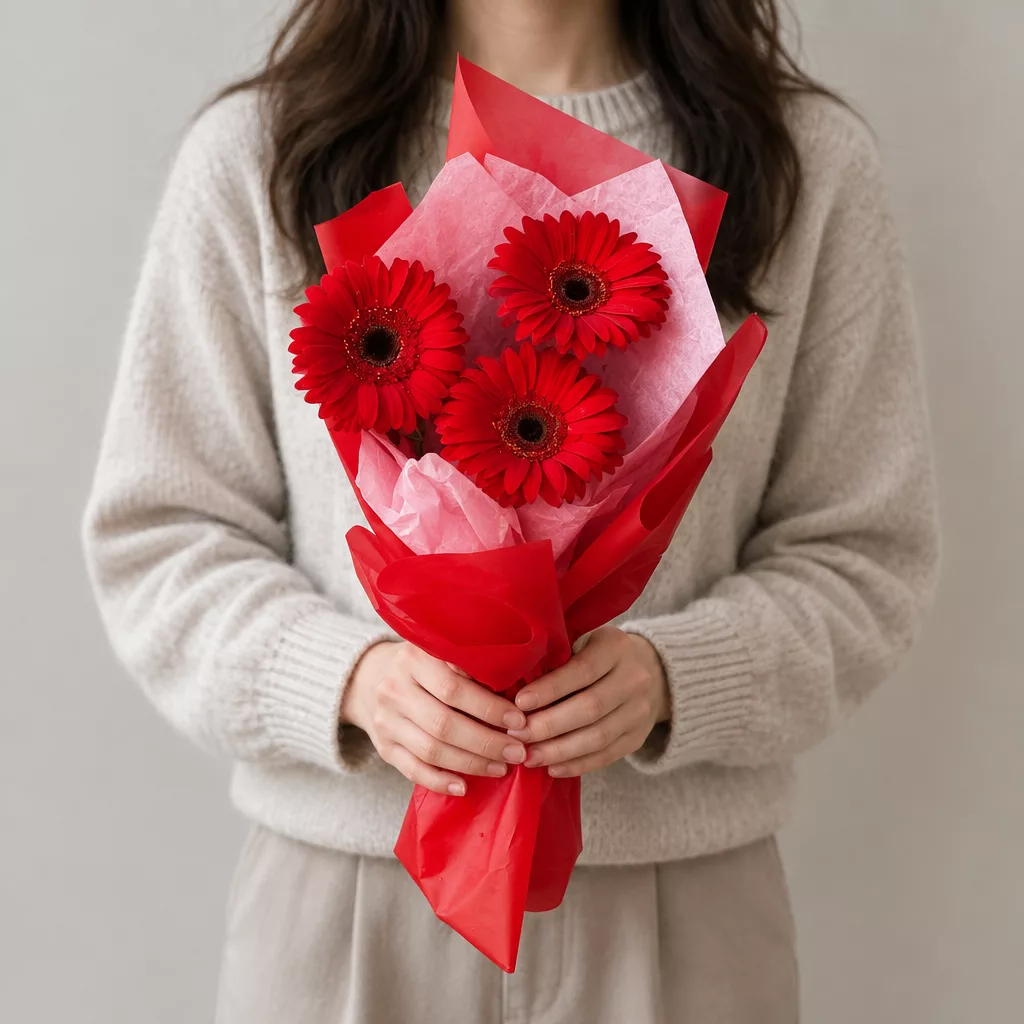
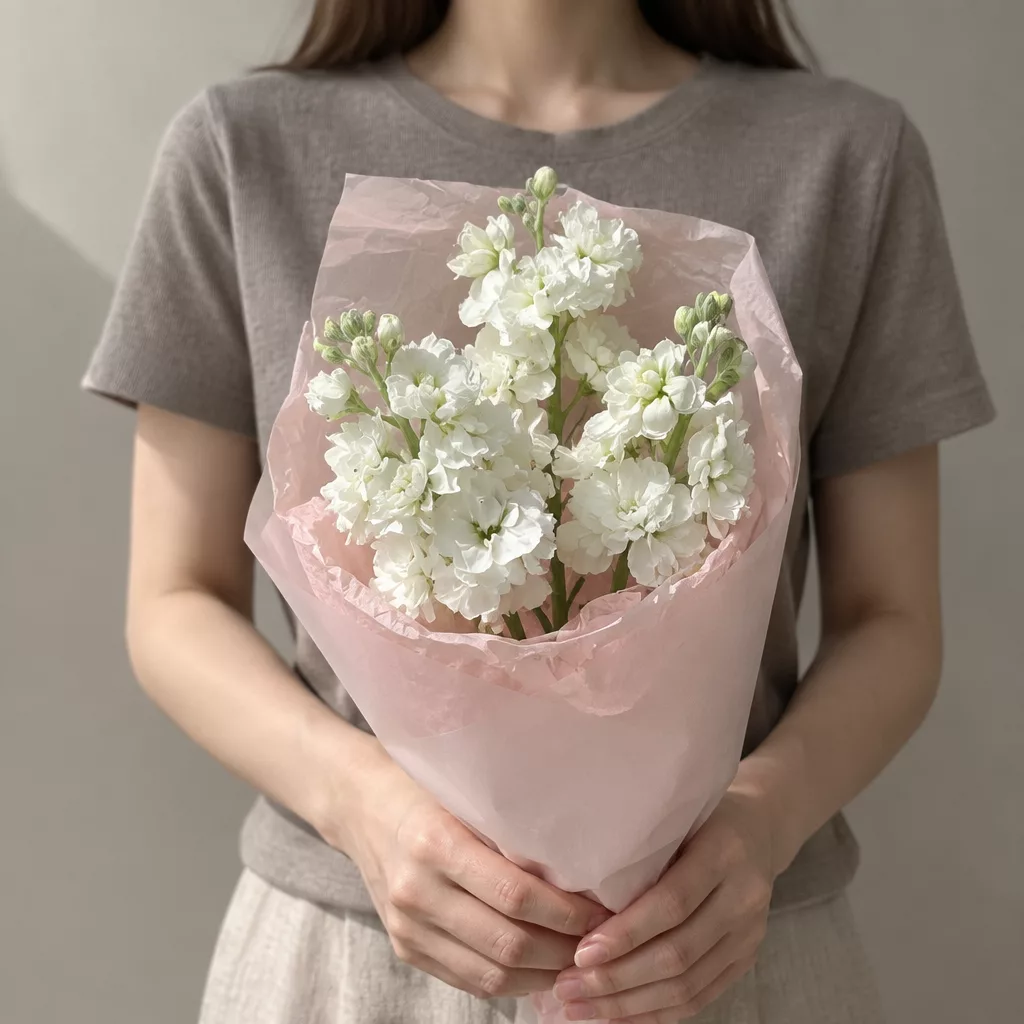
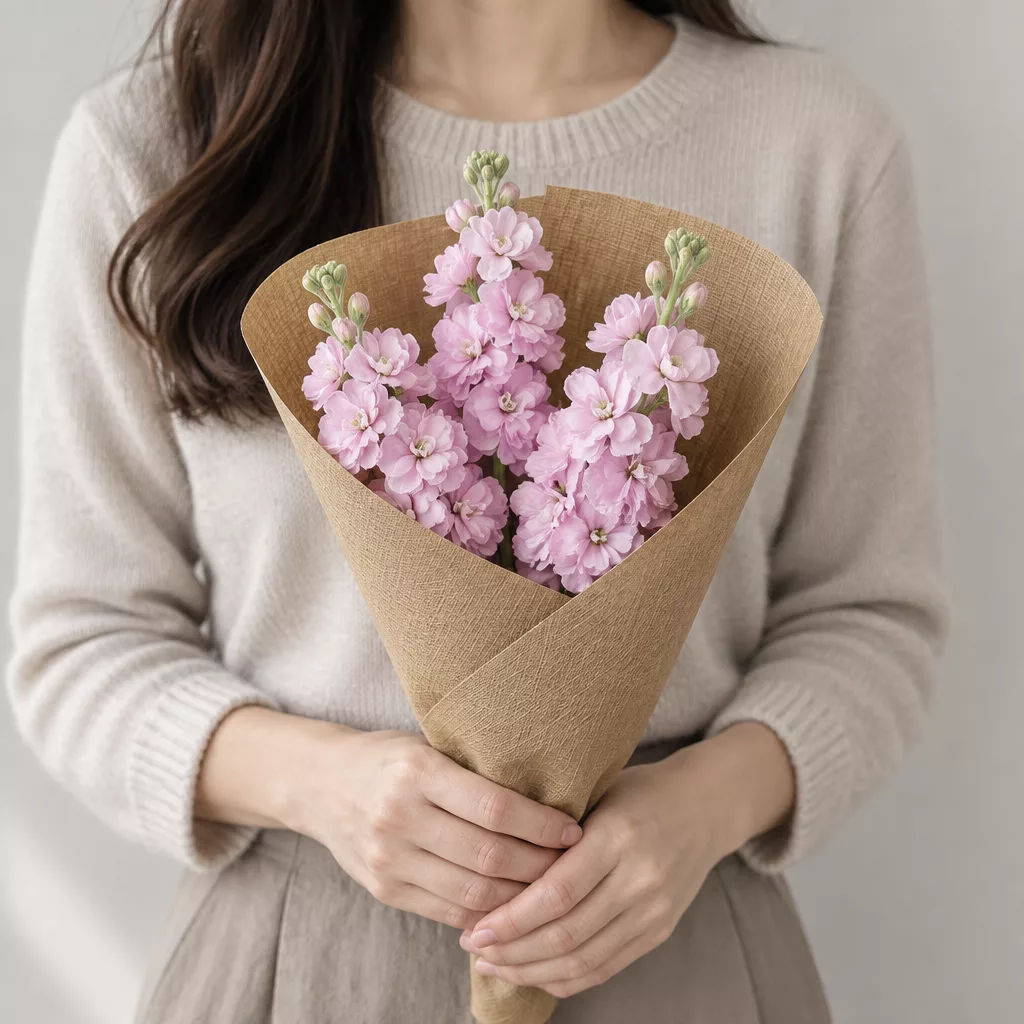
Timing: What the 1–2 Hour Window Actually Means
When we say one to two hours, we mean from the moment your order is confirmed to the moment the courier rings the bell. That window covers the time to assemble the bouquet fresh, condition the stems, wrap and secure the arrangement, and travel to the address. It is not a marketing claim — it is the working rhythm of our studio.
The honest part: timing can shift slightly during peak days. In Russia, March 8th — International Women's Day — is the single busiest flower day of the year, more intense than any Western equivalent. Volumes on that date are extraordinary, and we recommend ordering the evening before or very early in the morning. The same applies to February 14th and the period around New Year. Outside those peaks, the one-to-two-hour window holds consistently.
For time-sensitive deliveries — a birthday surprise timed to a specific moment, flowers before a dinner reservation — choose the earliest available slot and mention the deadline in your order notes. Our team reads those notes before assembling, and we will flag any concern before the order goes out rather than after. If you need delivery at a precise hour rather than within a window, tell us clearly. We would rather have that conversation upfront than have a bouquet arrive forty minutes late for a celebration. Concrete timing is something we take seriously, because the emotional weight of the gesture depends on it.
How Lipetsk's Climate Affects Your Flowers
Lipetsk sits in central Russia with a continental climate that swings hard between seasons. In January and February, temperatures regularly drop to minus fifteen or colder. In July and August, the city can reach thirty-two degrees or above. Both extremes matter for cut flowers, and they matter in opposite ways.
In winter, cold is the primary risk. Roses, ranunculus, and tulips are particularly sensitive to frost shock — when a stem that has been kept at six to eight degrees suddenly hits minus twelve in transit, the petals bruise invisibly and collapse within hours of arriving indoors. We wrap cold-weather bouquets in insulating sleeves and instruct couriers to keep arrangements inside the vehicle rather than in the boot. Even so, the recipient should unwrap and place flowers in water within ten minutes of the bouquet arriving.
In summer, heat is the problem. Direct sun through a car window can raise the temperature around a bouquet to over forty degrees in minutes, wilting hydrangeas and open garden roses before the door is answered. We schedule summer deliveries to avoid the hottest midday window where possible and use cool-pack inserts for particularly heat-sensitive arrangements. Lisianthus, chrysanthemums, and alstroemeria handle summer transit better than fully open peonies or sweet peas — worth keeping in mind when choosing for a warm-weather occasion. Asking for buds rather than fully open blooms in summer is always a sensible request, as the recipient gets to watch the flowers open in their own home.
Choosing the Right Bouquet for a Lipetsk Occasion
In Russia, the cultural weight of flowers is significant. Presenting flowers to a woman — whether a colleague, a mother, a teacher, or a romantic partner — is a deeply normal and expected gesture for birthdays, professional milestones, and holidays. If you are unfamiliar with Russian customs, the key thing to know is that even numbers of flowers are traditionally associated with mourning, so bouquets are always made with odd numbers of stems. We follow this automatically, so you do not need to count.
For a birthday in a home setting, something with warmth and volume works beautifully — think a mixed arrangement with spray roses, matthiola for scent, and eucalyptus for texture. For a professional setting like a school or office, cleaner lines and a single dominant flower tend to read as more elegant: white or blush roses with minimal greenery, or a monochromatic arrangement in the recipient's known favourite colour.
For romantic gestures, red roses remain the classic, but a combination of deep burgundy ranunculus with blush spray roses and dusty miller has a more contemporary feel that many recipients find more personal. When you do not know the recipient's taste, lean toward white and soft pink — they are universally received well and photograph beautifully, which matters when the recipient will share the moment. Avoid overly perfumed flowers like tuberose for recipients you know work in enclosed spaces, as strong scent in a small office can be overwhelming rather than pleasant.
What Happens Between Your Order and the Front Door
Once your order is placed and confirmed, the process inside the studio begins immediately. The florist selects stems from the day's stock — flowers that arrived within the last twenty-four to forty-eight hours and have been properly conditioned in temperature-controlled water. Conditioning means the stems have had their ends recut at an angle under water, removing the air pocket that forms when stems are first cut, and have been allowed to hydrate fully before assembly.
The bouquet is built with structure in mind: taller stems toward the back, mid-height flowers in the centre, and lower or trailing elements at the front. This is not just aesthetic — it protects delicate blooms during transit by giving the arrangement internal support. The wrapping is then applied in layers: first a moisture-retaining inner layer around the stems, then the decorative outer paper or fabric, secured so the bouquet can be held or placed without collapsing.
The courier receives the order with the address, any access notes you have provided, and a delivery window. They do not rush — a bouquet dropped or crushed in transit is a failed delivery regardless of speed. If the recipient is not home, our standard practice is to call ahead and arrange a safe handoff rather than leave flowers unattended in a hallway or outside a door, where temperature and light exposure can damage them within thirty minutes. You will receive confirmation once the delivery is complete, so you know the moment has landed.
Keeping Your Flowers Fresh After Delivery in Lipetsk
The life of a bouquet after delivery depends almost entirely on what happens in the first hour. The most common mistake is leaving flowers in their wrapping while the recipient takes photographs and calls to say thank you — understandable, but the stems need water as soon as possible. Unwrap immediately, recut the stems by about two centimetres at a sharp diagonal, and place them in a clean vase with cool water. Warm or stagnant water shortens vase life significantly.
In Lipetsk's dry winter interiors — central heating pulls moisture from the air aggressively — flowers dehydrate faster than in more humid climates. Placing the vase away from radiators and away from direct sunlight extends life noticeably. Changing the water every two days and recutting stems each time adds another two to three days to most arrangements.
Different flowers have different life spans in the vase. Chrysanthemums and alstroemeria are among the longest-lasting cut flowers and will hold for ten to fourteen days with basic care. Tulips last five to seven days but are sensitive to ethylene gas — keep them away from fruit bowls, especially apples. Roses sit in the middle at seven to ten days if well cared for. Ranunculus and anemones are shorter-lived but exceptionally beautiful while they last, typically five to seven days. If the bouquet includes a mix, remove any stems that begin to decline before they affect the others — one wilting stem releases ethylene and accelerates the aging of everything around it. A little daily attention makes a real difference to how long the gesture lasts.
Ordering flowers for someone in Lipetsk is a straightforward act with a lot of feeling behind it. When the logistics work — the timing is right, the bouquet arrives fresh, the stems have been properly cared for — the gesture lands exactly as intended. Understanding how delivery works in a city with Lipetsk's geography and climate helps you make choices that protect that feeling from the moment you order to the moment your recipient puts the bouquet in water and steps back to look at it. We handle the details; you get the credit.
Frequently asked questions
Can I order flowers for same-day delivery to any part of Lipetsk?
Yes, same-day delivery is available across Lipetsk, including outer residential districts. For addresses farther from the city centre, we build in a realistic travel buffer to ensure the bouquet arrives in good condition. Place your order as early in the day as possible for the most flexible delivery window, especially during busy periods like birthdays and public holidays.
What should I do if the recipient is not at home when the flowers arrive?
Our courier will call the recipient before arriving to confirm they are available. If there is no answer at the door, the courier will attempt to reach both the recipient and the sender before making any decision about the bouquet. We do not leave flowers unattended in hallways or outside doors, as temperature and light exposure can damage them quickly. Providing a contact number for the recipient when ordering helps enormously.
Is there anything I should tell the florist when ordering to get the best result?
The most useful information is the occasion, the recipient's personality or taste if you know it, and any colour preferences. Mentioning whether the delivery is to a home, office, or other setting also helps us choose the right presentation style. If you have a hard deadline — flowers needed before a specific event — note that clearly. The more context we have, the better the bouquet will suit the moment.
Which flowers travel best in Lipetsk's winter cold?
Chrysanthemums, alstroemeria, and carnations are among the most cold-tolerant cut flowers and handle winter transit well. Roses travel safely when properly wrapped and kept inside the vehicle. Tulips and ranunculus are more sensitive to frost shock and need extra insulation in very cold weather. We adjust our wrapping and handling for the season, but choosing hardier varieties in January and February adds an extra layer of assurance.
How many flowers should a bouquet have, and does it matter in Russia?
In Russian tradition, bouquets for celebratory occasions should always contain an odd number of stems — three, five, seven, eleven, and so on. Even numbers are associated with mourning and are avoided for gifts. You do not need to count or specify this when ordering; we follow this convention automatically with every bouquet we assemble. If you have a preference for a particular stem count, simply mention it in the order notes.
Ready to send flowers?
Pick the city, choose the bouquet, and a local florist takes it from there.
Choose a city →