Sending Flowers to Lodeynoe Pole? Here Is What to Expect
Lodeynoe Pole sits on the Svir River about 240 kilometres east of Saint Petersburg, and for most people outside the region it is simply a dot on a map. But someone you care about lives or works there, and you want flowers to arrive looking the way you imagined them — fresh, full, and on time. This article walks you through how delivery actually works in this town, what the journey does to a bouquet, which flowers hold up best, and how to make sure the moment lands the way you planned.
Where Lodeynoe Pole Sits and Why Distance Shapes Your Order
Lodeynoe Pole is a small town in the Leningrad Oblast, population under twenty thousand, known historically as a shipbuilding centre under Peter the Great. It is not a metropolitan hub, which means flower delivery here is a longer journey than a cross-city run in Saint Petersburg. The route from our base covers roughly two to three hours of road travel depending on traffic on the A-121 highway and seasonal road conditions.
That distance matters for the bouquet. Flowers sit in a vehicle, not a climate-controlled shop, and every hour counts. We pack orders in water-retaining wrapping and use cool boxes during summer months when temperatures in the Leningrad Oblast regularly climb above 25 degrees Celsius. In winter, the opposite problem appears — frost exposure during transfer from vehicle to door can damage petals in under two minutes if the bouquet is unprotected.
Understanding this geography helps you order smarter. If you are sending a delicate arrangement of garden roses or sweet peas, the travel time is a real consideration. Sturdier choices — spray chrysanthemums, alstroemeria, carnations, or lisianthus — are better suited to longer courier routes. They are not lesser flowers; they simply have the physiology to handle movement, temperature shifts, and a few extra hours without wilting. Knowing the route means you can set realistic expectations and choose varieties that will still look generous and alive when your recipient opens the door.
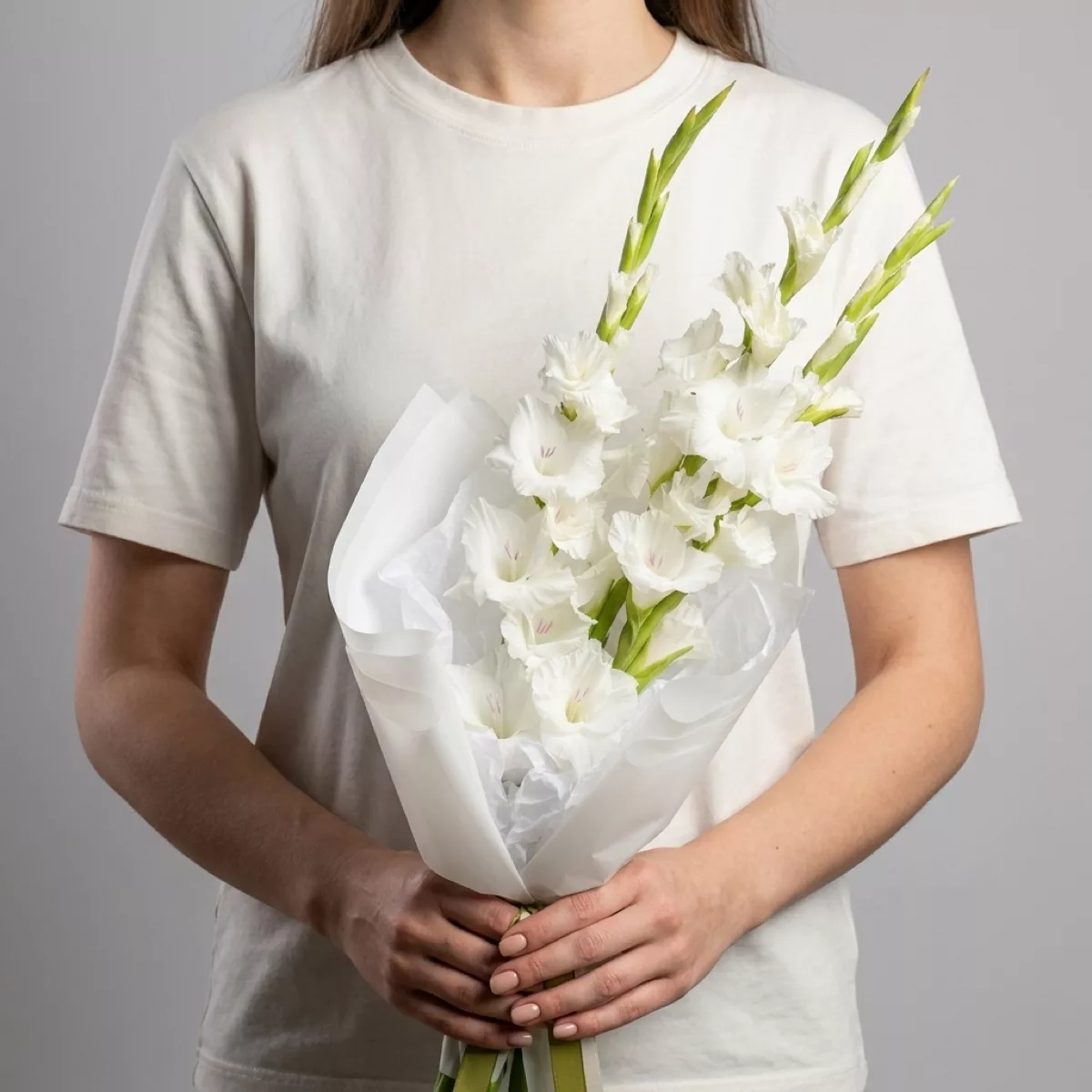
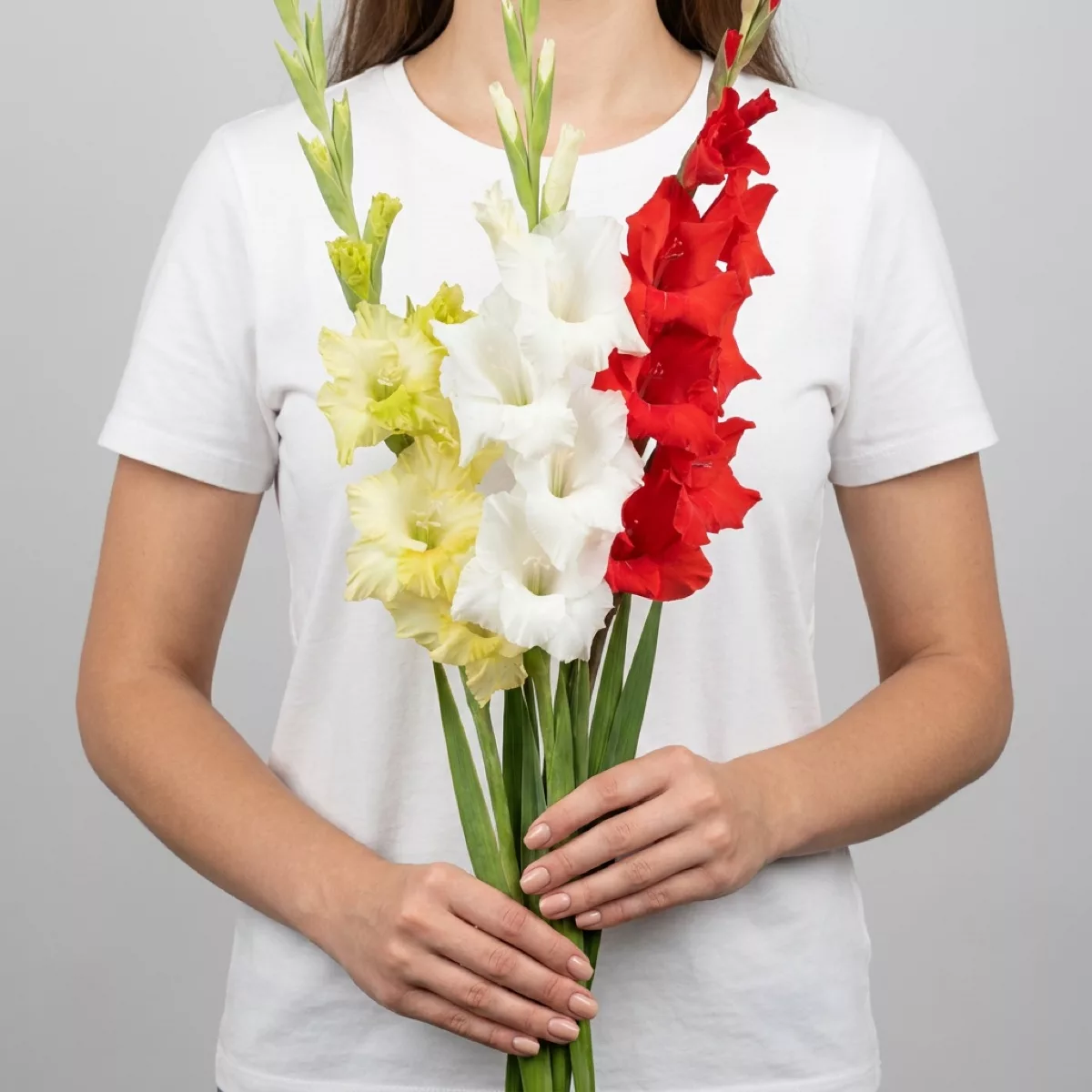
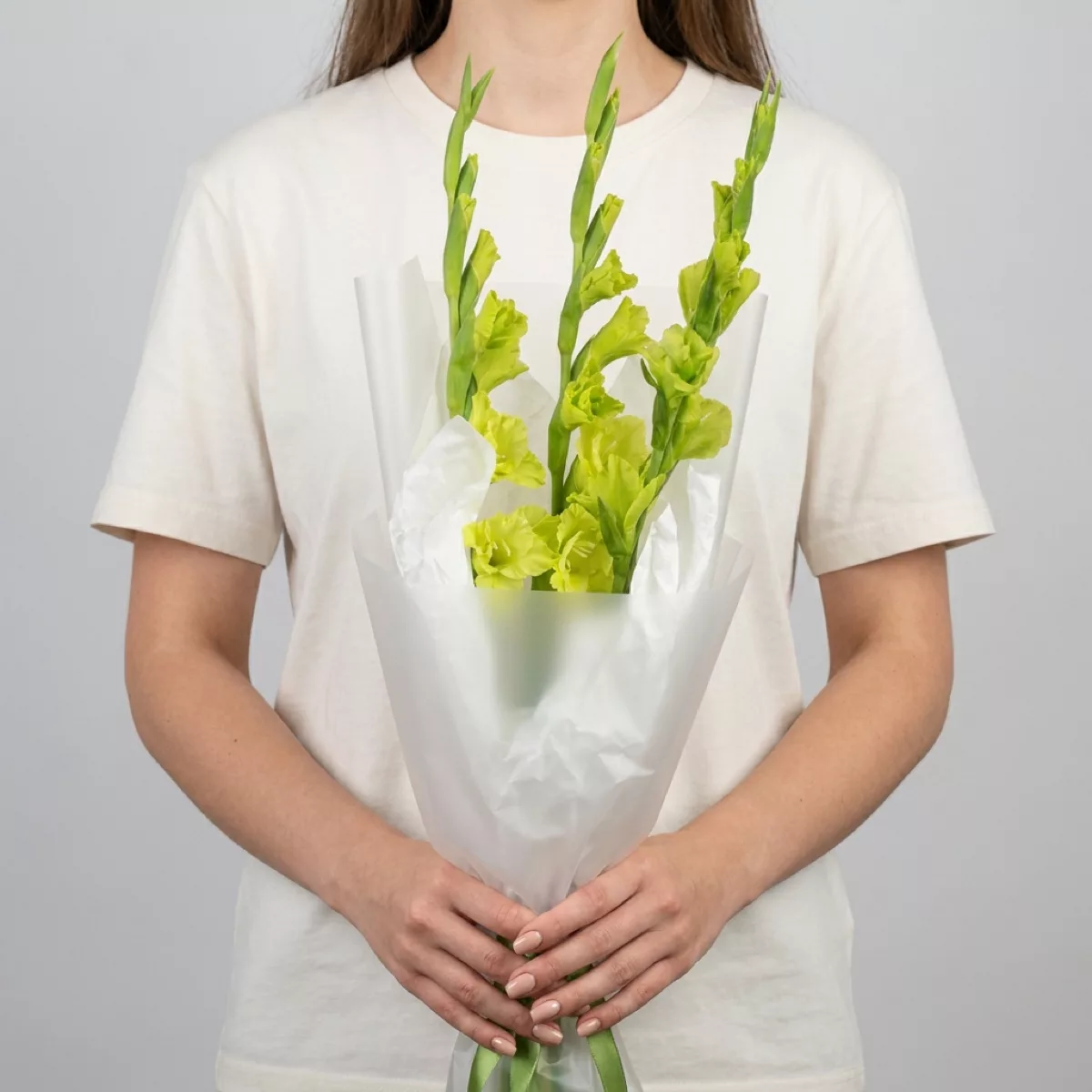
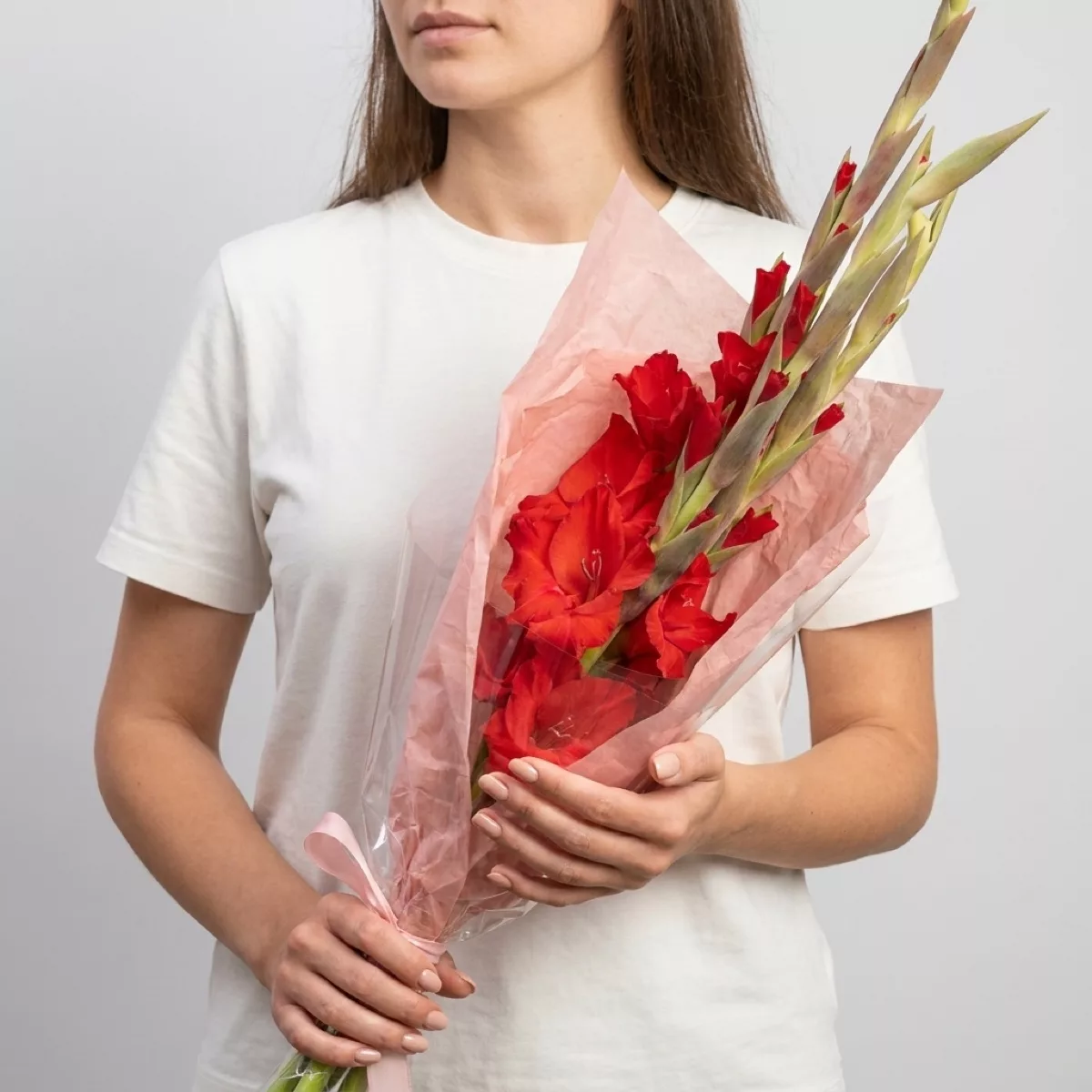
Bouquets we can deliver
Timing Your Delivery: Morning, Afternoon, and Same-Day Windows
Same-day delivery to Lodeynoe Pole is possible, but it requires an early order. Because the route is longer than a city delivery, the cutoff for same-day dispatch is earlier than you might expect. Orders placed before noon Saint Petersburg time give us the best chance of reaching your recipient by early evening. Orders placed in the afternoon are more likely to arrive the following morning, which is often a better outcome anyway — a bouquet arriving at breakfast carries its own kind of warmth.
For birthdays, anniversaries, or any occasion where timing is part of the gesture, we recommend scheduling a day ahead. This gives you the option of a morning delivery, which tends to set the tone for the whole day. In Russian custom, receiving flowers first thing in the morning is considered especially thoughtful — it signals that the sender was thinking of the person before anything else happened that day.
Evening deliveries are available but come with a caveat: in a smaller town, reaching a recipient after 8 p.m. can feel intrusive unless you have confirmed they will be home and expecting something. If the occasion is a surprise, a daytime window between 11 a.m. and 5 p.m. is the safest choice. Always leave a working phone number for the recipient — our courier will call ahead, and in a town like Lodeynoe Pole, where addresses can include private houses with unmarked gates, that call is what gets the flowers to the right door.
Choosing Flowers for the Person, Not Just the Occasion
Before you think about colour or budget, think about who is receiving the bouquet and what their daily life looks like. Someone in a small town with a garden of their own may find a tight cluster of hothouse roses less interesting than a loose, textured arrangement with branches, berries, or field-style flowers. Someone who lives in a compact flat will appreciate a bouquet that fits comfortably in a single vase without crowding a table.
For a mother or grandmother — a common recipient in towns like Lodeynoe Pole — classic combinations work well: pale pink or cream roses paired with white alstroemeria and soft greenery like ruscus or eucalyptus. This reads as generous and considered without being overwhelming. For a younger woman, a monochromatic arrangement in burgundy or coral tones, mixing spray roses with lisianthus and a few stems of waxflower, feels current and personal.
For a man — and yes, men in Russia do receive flowers, particularly on professional milestones or birthdays — structured arrangements in deep tones work well. Dark red anthuriums, strong-stemmed sunflowers, or bold orange gerbera daisies with minimal filler greenery read as confident rather than fussy.
Children receiving flowers is also common in Russian tradition, especially around school events. A small, bright bouquet of gerbera daisies or chamomile-style chrysanthemums in yellow and white is cheerful and easy to carry. Avoid anything too fragrant for young children, as strong scents like lilies can be overpowering in a small room.
Budget Ranges and What Each One Looks Like in the Vase
Flower budgets are personal, and there is no single right amount — but it helps to know what different price points actually produce so you can set expectations before ordering.
At the entry level, you are typically looking at a single-variety bouquet: five to seven stems of spray roses or alstroemeria wrapped simply. This is not a thin gesture — a well-chosen monobouquet of alstroemeria in blush pink, for example, is genuinely beautiful and lasts well over a week with proper care. The key is in the presentation: clean wrapping, a good ribbon, and a handwritten card elevate a modest bouquet considerably.
In the mid range, mixed arrangements become possible. Think seven stems of garden roses combined with lisianthus, a few stems of waxflower for texture, and a base of ruscus. This is the range where the bouquet starts to feel like a real event — something the recipient will want to photograph and put somewhere visible.
At the higher end, you gain volume, premium varieties, and more complex compositions. Peonies in season, large-headed garden roses, or orchid stems paired with structured greenery and decorative elements like cotton pods or dried lunaria give the arrangement a presence that fills a room. For milestone occasions — a significant birthday, a retirement, a new home — this range is worth considering.
For Lodeynoe Pole specifically, factor in delivery cost when setting your total budget. A well-composed mid-range bouquet that arrives in perfect condition is worth more than an elaborate one that travels poorly.
Seasonal Flowers and What Grows Well in the Northwest
The Leningrad Oblast has a short, intense growing season. Summers are mild and rainy, winters are long and grey, and the window between them is brief. This affects what feels appropriate and what is genuinely available at its best across the year.
In late spring and early summer — May through June — peonies are the defining flower of the region. They bloom abundantly, smell extraordinary, and in a bouquet they signal abundance and warmth after a long winter. If your occasion falls in this window, peonies are almost always the right answer. Pair them with white ranunculus or soft lavender lisianthus for a bouquet that feels like the season itself.
Summer brings sunflowers, which are enormously popular in Russia and carry associations of warmth, openness, and celebration. A large sunflower bouquet mixed with orange gerbera and yellow alstroemeria is vivid and joyful. Avoid delicate flowers like sweet peas or anemones in July and August — the heat during transit is their enemy.
Autumn is the season for dahlias, asters, and chrysanthemums. These are genuinely beloved in Russian flower culture and not considered lesser choices. A deep-toned autumn arrangement in burgundy, rust, and amber is one of the most striking things a florist can put together.
Winter calls for warmth and longevity. Roses, carnations, and alstroemeria are the backbone of winter orders. Add hypericum berries, pine branches, or white waxflower to give the arrangement seasonal texture without relying on flowers that will not survive the cold transit.
Keeping the Bouquet Alive: Care Advice Worth Passing On
A bouquet that arrives in Lodeynoe Pole after a two-to-three hour journey needs a few minutes of attention before it goes into a vase. Passing this information to your recipient — or including it on the card — makes a real difference to how long the flowers last.
The first step is a fresh cut. The stems should be trimmed at an angle under running water or while submerged, removing about two centimetres. This reopens the water channels that may have sealed during transit. Use a clean, sharp knife rather than scissors, which can crush the stem tissue. This single step can add two or three days to vase life.
Water temperature matters more than most people realise. Lukewarm water is absorbed faster than cold water for most cut flowers, with the exception of bulb flowers like tulips and hyacinths, which prefer cold. Change the water every two days and add a small pinch of sugar if you do not have flower food — this feeds the bacteria-fighting process and keeps the water cleaner longer.
Placement in the room is the other major factor. Keep the vase away from direct sunlight, radiators, and fruit bowls. Ripening fruit releases ethylene gas, which accelerates the ageing of cut flowers noticeably — roses near a fruit bowl can drop petals a full day earlier than those kept away from it.
For roses specifically, if petals begin to droop before the flower opens fully, wrap the bouquet loosely in newspaper and stand it upright in deep cool water for a few hours. This technique, common among florists, often revives stems that seem past saving.
Making the Delivery a Moment, Not Just a Transaction
Flowers arrive at a door, but what happens in those first thirty seconds is what the recipient will remember. A few small choices on your part shape that experience significantly.
Write a real message on the card. In Russia, handwritten notes with bouquets are standard, and a card that says only 'Happy Birthday' reads as an afterthought. A sentence or two that is specific to the person — a shared memory, a quality you admire in them, something you are looking forward to together — transforms the bouquet from a gift into a conversation. Our cards accommodate a few lines, and it is worth using every centimetre.
Consider the wrapping colour in relation to the recipient's home or personality if you know it. Kraft paper with a linen ribbon reads as warm and artisanal. White paper with a satin ribbon reads as classic and formal. Bright wrapping in a contrasting colour reads as celebratory. These are not trivial choices — the recipient sees the wrapping before the flowers, and it sets the tone.
If the delivery is a surprise, make sure someone will be home. In Lodeynoe Pole, as in any smaller town, there is less flexibility for leaving flowers with a neighbour or a building concierge. Private houses in particular may have no one nearby to receive an order. Confirm the recipient's schedule, or choose a delivery window when you know they will be in. A bouquet left outside in summer heat or winter frost, even for an hour, will not look the way you intended it to.
Sending flowers to Lodeynoe Pole is not complicated, but it rewards a little thought. The distance from Saint Petersburg means that variety choice, timing, and packing all matter more than they would for a local delivery. Order early, choose flowers that travel well for the season, pass on the care instructions, and write something real on the card. Done well, a bouquet reaching someone in a small town on the Svir River carries an extra weight of intention — the distance itself becomes part of the message.
Frequently asked questions
Can I order flowers for same-day delivery to Lodeynoe Pole?
Yes, same-day delivery is possible if you place your order before noon Saint Petersburg time. Orders received later in the day are more reliably fulfilled the following morning, which often makes for a better experience — a bouquet arriving at breakfast tends to set a warmer tone than one arriving late in the evening after a long road journey.
Which flowers survive the journey to Lodeynoe Pole best?
Alstroemeria, spray chrysanthemums, carnations, lisianthus, and standard roses all handle transit well. They have firm stems and petals that do not bruise easily. Delicate varieties like sweet peas, anemones, or open garden peonies are better suited to shorter city deliveries, especially in warm weather when the journey takes a toll on softer blooms.
What if the recipient is not home when the courier arrives?
Our courier calls ahead using the phone number you provide at checkout. If there is no answer and no safe place to leave the bouquet, we will contact you to arrange a second delivery window. This is why a working recipient phone number is essential — in a town with private houses and unmarked addresses, that call is what gets the flowers to the right person.
Is it appropriate to send flowers for non-birthday occasions in Russian culture?
Absolutely. In Russia, flowers are given for professional achievements, school events, name days, housewarmings, and simply as a gesture of affection with no occasion at all. Sending flowers without a specific reason is considered warm and spontaneous rather than unusual. A small, well-chosen bouquet on an ordinary Tuesday can mean more than an elaborate one on a predictable date.
How long will the bouquet stay fresh after delivery to Lodeynoe Pole?
With proper care — fresh cut on arrival, clean water changed every two days, kept away from heat and fruit — most bouquets last seven to ten days. Alstroemeria and chrysanthemums can reach twelve days or more. Roses and lisianthus typically give seven to nine days. The single biggest factor is that first fresh cut within an hour of the bouquet arriving at the door.
Ready to send flowers?
Pick the city, choose the bouquet, and a local florist takes it from there.
Choose a city →