Flower Delivery in Losino-Petrovsky: Timing, Choices and What Arrives at the Door
Losino-Petrovsky is a quiet town in the Moscow Oblast, and sending flowers there from Saint Petersburg feels like a bigger leap than it is. With the right preparation — knowing how long transit takes, which flowers travel well across that distance, and what your recipient will actually see when the door opens — the whole experience becomes straightforward. This article walks you through everything a sender needs to feel confident, from placing the order to the moment the bouquet lands in someone's hands.
Where Losino-Petrovsky Sits and Why Distance Shapes Your Order
Losino-Petrovsky lies about 35 kilometres east of central Moscow, tucked between the Shchelkovo district and the Losiny Ostrov national park. It is a small urban settlement — not a sprawling city — which means street navigation requires precision. When you place an order, include the full address with the entrance number and floor, because many residential buildings in towns this size look identical from the outside and a courier carrying a large bouquet cannot afford to guess.
The distance from Saint Petersburg is roughly 700 kilometres by road. That figure matters because it determines how we approach the flowers themselves. Blooms that cope poorly with transit — open garden roses in high summer, fully open peonies, delicate sweet peas — need extra care in packaging or should be chosen at a slightly earlier stage of opening so they arrive fresh rather than spent.
Delivery to Losino-Petrovsky typically falls within a one-to-two hour window once the order reaches the local dispatch point. We coordinate timing so the flowers do not sit in a vehicle longer than necessary, especially in summer when cabin temperatures can climb quickly. If you are sending to an office address or a workplace, confirm that someone will be present to receive the order, since the town has limited options for secure holding of perishable deliveries. A direct phone number for the recipient is genuinely useful here, not just a formality.
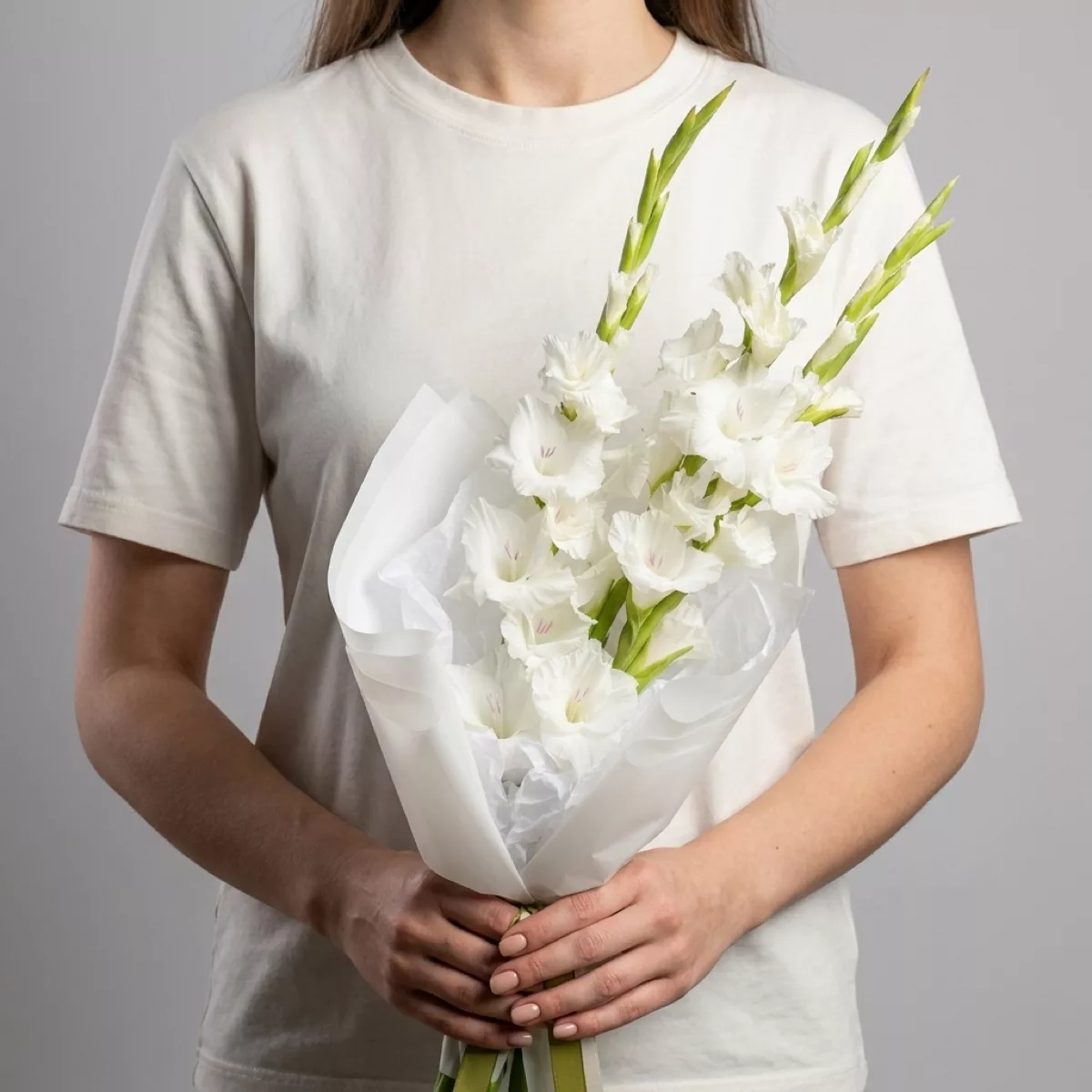
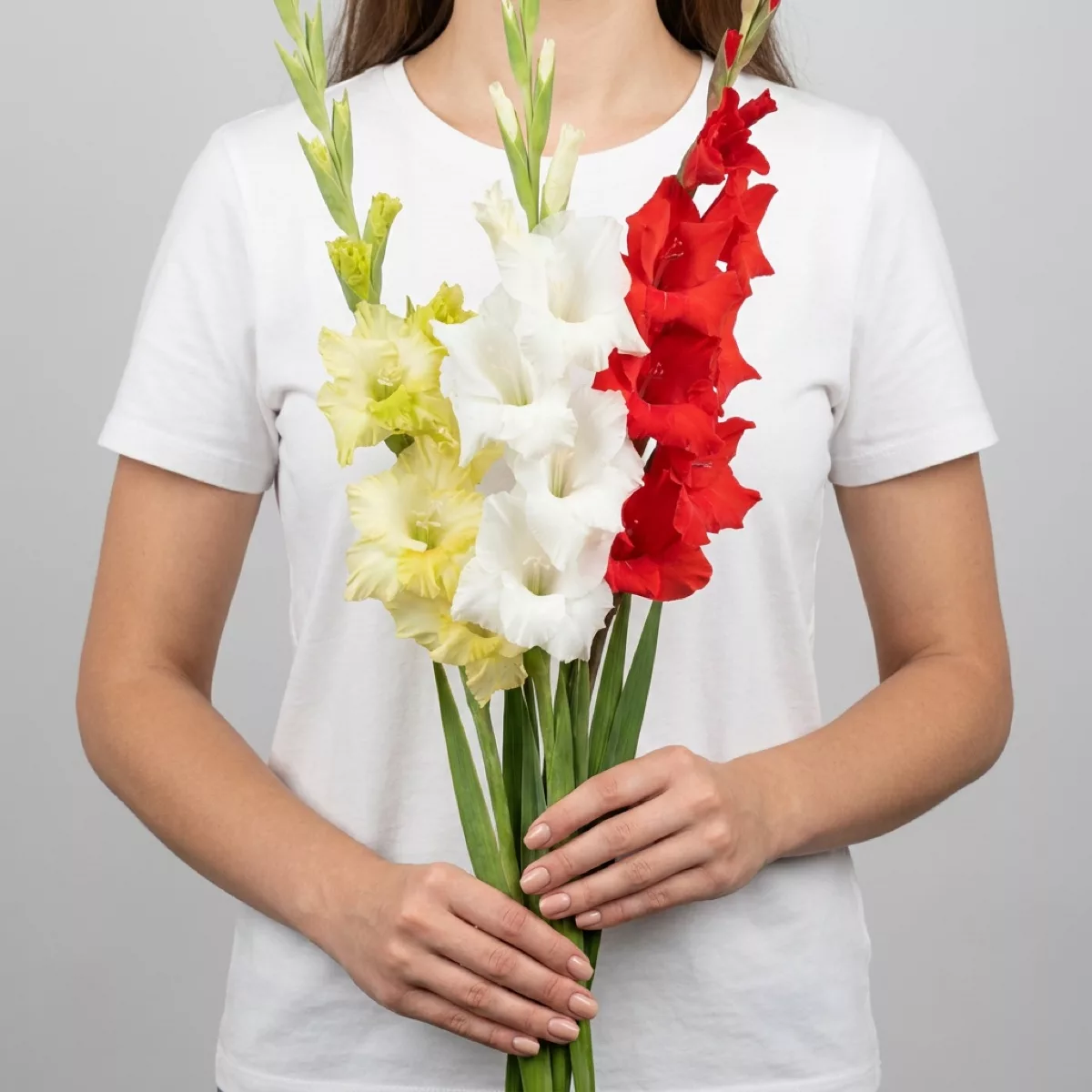
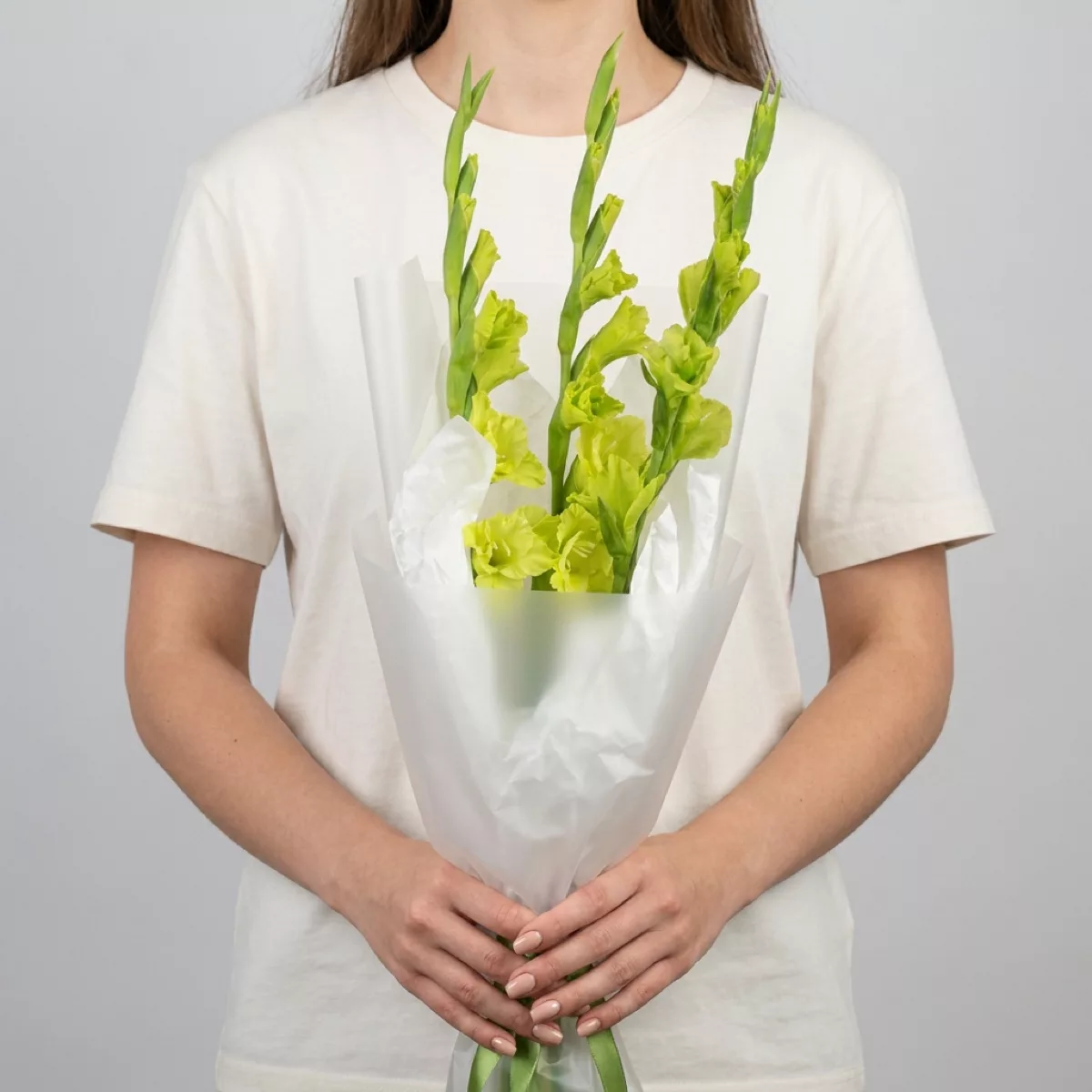
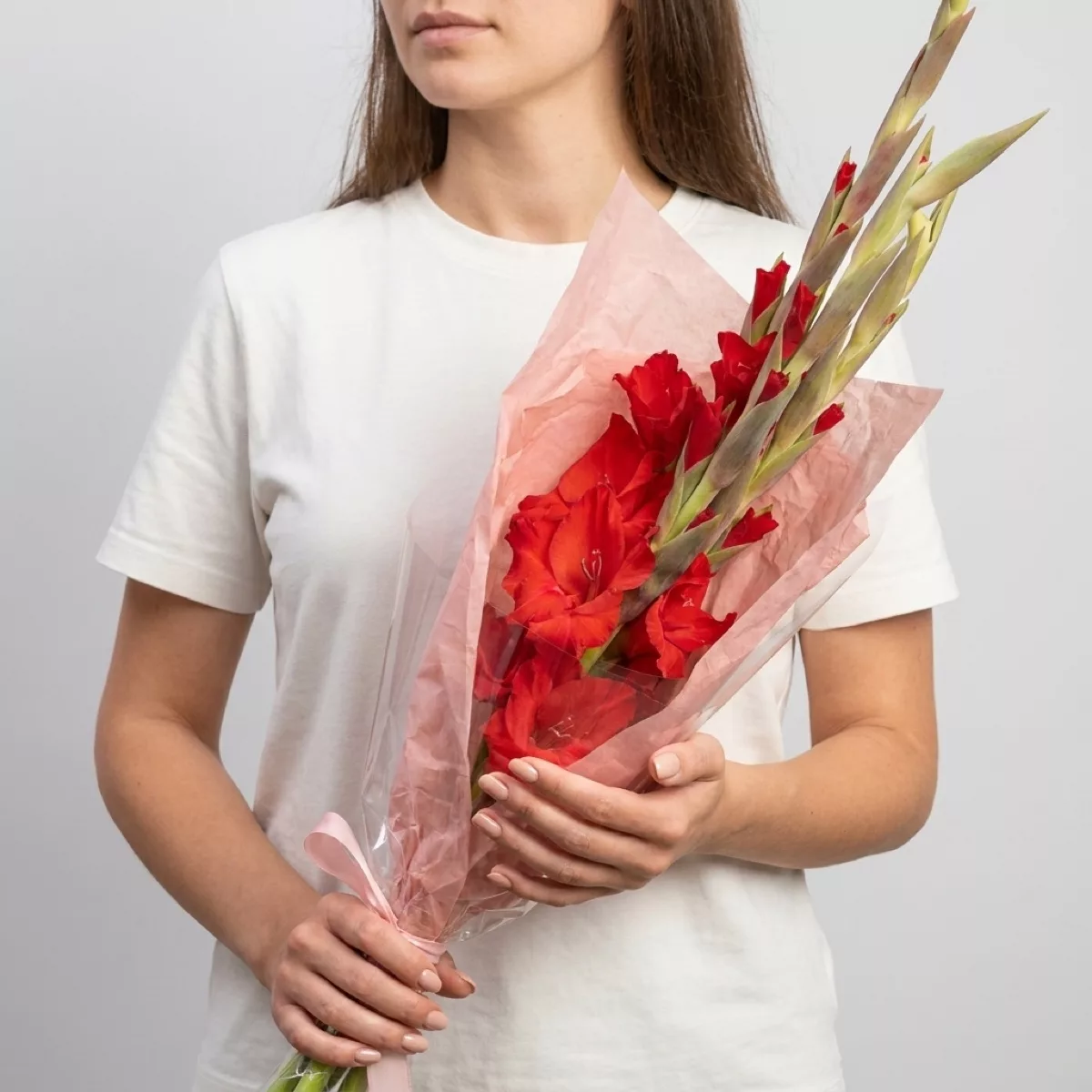
Bouquets we can deliver
Choosing Flowers for Someone You Want to Surprise in a Small Town
A small town recipient often experiences flower delivery differently from someone in a large city. There are fewer florists on every corner, so a delivered bouquet carries more weight — it is a visible, talked-about gesture. That changes how you should think about presentation. A tightly wrapped, ribbon-finished bouquet that looks considered and complete matters more than sheer volume of stems.
For a romantic occasion, spray roses paired with eucalyptus and a few stems of lisianthus create something that reads as genuinely thoughtful rather than generic. Lisianthus, sometimes called eustoma, has ruffled petals that resemble a peony at a fraction of the fragility, and it travels exceptionally well. Lush white or lilac varieties alongside blush spray roses make a combination that feels luxurious without being overwhelming.
For a birthday, consider the recipient's personality before defaulting to red roses. A woman who loves her garden will respond more warmly to a mixed seasonal bouquet — ranunculus in spring, sunflowers and solidago in late summer, chrysanthemums and hypericum berries in autumn — than to a formal dozen stems. A man receiving flowers for a birthday appreciates structure: tropical anthuriums, bold gerberas, or a clean arrangement of white freesias with dark foliage.
Children's celebrations call for colour above all. Bright gerberas in yellow, orange and hot pink, bundled with bear grass loops and a few stems of statice for texture, photograph beautifully and last well indoors. Always think about what the bouquet will look like on a table or a windowsill in a modest apartment — that is the image your recipient will live with for the next week.
Timing Your Order: When to Place It and What the Day Looks Like
The most common mistake senders make is treating flower delivery like a food order — assuming that placing it an hour before the event is fine. For Losino-Petrovsky, we recommend placing your order at least three to four hours before your intended delivery window. This gives us time to prepare the bouquet correctly, package it for transit, and coordinate the final leg to the recipient's address without rushing.
Morning deliveries between nine and noon work well for workplace surprises and are popular for anniversaries when the recipient will spend the rest of the day knowing someone is thinking of them. Afternoon slots between two and five suit home deliveries, when most people are back from errands. Evening deliveries up to around eight in the evening are possible and work well for birthday surprises, though we always recommend confirming the recipient will be home.
Seasonal timing affects more than just variety selection. In January and February, when temperatures in the Moscow Oblast regularly drop below minus fifteen Celsius, every bouquet is wrapped in insulating kraft paper and placed in a thermal sleeve for the final delivery leg. This is not decorative — it is protective. Exposed stems and petals can show frost damage within minutes in that kind of cold, and a frost-damaged rose petal turns translucent and soft in a way that cannot be reversed.
In July and August, the opposite challenge applies. Heat above thirty degrees accelerates the opening of flowers dramatically. We cut stems at a more closed stage for summer transit and include a small water-retaining element in the packaging so the bouquet arrives hydrated. Letting us know if the recipient has no air conditioning at home is helpful, because we can adjust the variety selection accordingly.
Bouquets by Budget: What Each Level Actually Looks Like
Budget shapes not just the number of stems but the impression a bouquet makes when unwrapped. Understanding what different spending levels genuinely deliver helps you set expectations before you order, rather than being surprised by what arrives.
At the entry level, a well-chosen single-variety bouquet — fifteen stems of alstroemeria, for instance, or a generous bunch of freesias — looks intentional and cheerful. Alstroemeria is underrated: each stem carries multiple buds that open over days, so the bouquet actually looks better on day three than on day one. Freesias carry a real fragrance that fills a room, which many recipients remember as the defining quality of the gift.
A mid-range bouquet opens up mixed compositions. This is where spray roses combine with waxflower, where tulips in spring get paired with muscari and a few stems of ornamental grass, where you can request a colour palette rather than a single tone. The florist has room to build something with visual depth — foreground blooms, mid-layer texture, background foliage — rather than a single layer of identical stems.
At the upper end, you are working with premium varieties: garden roses with their densely petalled, high-centred heads; imported peonies in season between May and June; large-headed hydrangeas that fill a vase on their own. A bouquet at this level benefits from a considered vessel — a hatbox, a wicker basket lined with moss, or a structured arrangement in a ceramic pot that the recipient keeps long after the flowers fade. For Losino-Petrovsky deliveries, we always confirm that the chosen vessel is secure for transit before it leaves our hands.
What Russian Flower Customs Look Like — Explained Simply
If you are sending flowers to Russia for the first time, a few customs are worth understanding so your gift lands exactly as intended. The most widely known is the odd-number rule: bouquets in Russia are traditionally given in odd numbers of stems — five, seven, eleven, fifteen. Even numbers are associated with mourning occasions and are avoided for celebrations and everyday gifts. This is not a rigid law, but it is a deeply ingrained habit, and most recipients will notice if a bouquet contains an even count.
Colour carries meaning too, though less rigidly than the stem-count rule. Yellow flowers have a mixed reputation in older Russian tradition — some people associate them with separation or bad luck, particularly in romantic contexts. Younger recipients in cities are far less concerned about this, but if you are sending to someone over fifty or to a more traditional household, it is worth choosing a different palette or mixing yellow blooms with white and green to soften the association.
White flowers are almost universally positive: they signal purity, respect and celebration. Red is romantic and confident. Pink is warm and affectionate without being as bold as red. Purple and lilac tones — lavender roses, violet lisianthus, lilac freesias — read as sophisticated and are particularly well received by recipients who appreciate something a little less conventional.
It is also common in Russia to present flowers with the blooms facing upward rather than wrapping them heads-down as in some Western traditions. Our packaging reflects this: the bouquet arrives ready to be held and presented naturally, without the recipient needing to unwrap and reorient it before the handover moment.
Caring for the Bouquet Once It Arrives: A Week of Good Decisions
The care a bouquet receives in the first two hours after delivery determines how long it will last. When the flowers arrive, the first step is to unwrap them immediately and cut the stems at a diagonal — about two centimetres from the bottom — using a sharp knife rather than scissors. Scissors crush the vascular tissue that draws water up the stem, while a clean diagonal cut maximises the surface area for uptake.
Fill the vase with cool, clean water. Not cold, not warm — cool. Roses, lisianthus and spray roses all prefer water between ten and fifteen degrees Celsius. Remove any leaves that will sit below the waterline, because submerged foliage rots quickly and introduces bacteria that shorten the life of every stem in the vase.
Place the bouquet away from direct sunlight, radiators and fruit bowls. Ripening fruit releases ethylene gas, which accelerates the ageing of flowers — particularly tulips and roses — faster than almost anything else. A cool windowsill with indirect light is ideal. Change the water every two days and recut the stems each time.
Different flowers have different natural lifespans even under perfect conditions. Alstroemeria and chrysanthemums routinely last ten to fourteen days. Spray roses and lisianthus give seven to ten days. Tulips are shorter — five to seven days — but they continue to grow and move after cutting, which many people find beautiful. Gerberas are sensitive to bacteria and benefit from very shallow water, no more than five centimetres deep. Knowing these differences helps the recipient prioritise which stems to enjoy first and which will anchor the arrangement as others fade.
Making the Delivery Feel Personal: Notes, Timing and Small Details
A bouquet without a card is a beautiful object. A bouquet with a handwritten note becomes a memory. When you order, take the time to write something specific rather than a generic greeting. Not 'Happy Birthday' alone, but the reason the day matters to you, a private reference, or simply the words you would say in person if you were there. Recipients in smaller towns like Losino-Petrovsky often keep cards for years — there is a different relationship with gestures that come from far away.
If you want the delivery to feel like a genuine surprise, give us the recipient's phone number but ask us not to call ahead. We will knock, present the bouquet, and leave the moment of discovery entirely to them. If you would prefer certainty of receipt — especially for a workplace or a building with a security desk — we will call ahead and coordinate entry. Both approaches work; the choice depends on whether surprise or certainty matters more to you.
Consider the occasion's timing when choosing what to include alongside the flowers. A small box of chocolates, a decorative candle, or a soft toy for a child's birthday can travel with the bouquet and adds texture to the gift without overwhelming it. These additions work best when they are simple and practical — something the recipient will actually use or enjoy rather than a token that creates clutter.
Finally, if you are sending flowers for a significant anniversary or a milestone birthday, placing the order the day before and requesting morning delivery on the day itself gives the recipient the longest possible time to enjoy the bouquet. There is something particularly generous about flowers that are already in the vase when the celebration begins, rather than arriving mid-afternoon after the moment has passed.
Sending flowers to Losino-Petrovsky from Saint Petersburg is less complicated than the distance might suggest, but it rewards a little thought. The right variety for the season, a precise address, a delivery window that suits the recipient's day, and a card with words that actually mean something — these are the details that turn a transaction into a gesture someone remembers. We handle the logistics and the freshness; you bring the intention. Between the two, something genuinely good arrives at someone's door.
Frequently asked questions
How long does delivery to Losino-Petrovsky actually take once I place my order?
Once your order is confirmed and the bouquet is prepared, delivery to Losino-Petrovsky typically takes one to two hours from the point of dispatch. To meet a specific time, we recommend placing the order at least three to four hours in advance. For morning deliveries, ordering the evening before is even better and guarantees the earliest available slot.
Which flowers hold up best on a long transit to Losino-Petrovsky?
Alstroemeria, spray roses, lisianthus, chrysanthemums and carnations are consistently the strongest travellers. They tolerate temperature variation and movement without losing their structure or colour. Fully open peonies and large garden roses are more fragile; we prepare them at an earlier bud stage for longer journeys so they open beautifully after arrival rather than arriving already spent.
Can I send flowers to Losino-Petrovsky in winter without them freezing?
Yes. Every winter bouquet is wrapped in insulating kraft paper and placed in a thermal sleeve for the final delivery leg. Our couriers are trained to move quickly between vehicle and door. The packaging protects the flowers down to around minus twenty Celsius for short exposure periods. We do recommend that the recipient places the bouquet in water immediately after unwrapping rather than leaving it in a cold hallway.
Is the odd-number rule for bouquets something I really need to follow?
It is a genuine cultural custom and most Russian recipients over thirty will notice an even count. We follow the odd-number tradition automatically in all our bouquets. If you have a specific stem count in mind for a reason — say, a meaningful number like twelve for a twelfth anniversary — just let us know and we can discuss how to present it in a way that still feels considered and intentional.
What happens if the recipient is not home when the delivery arrives?
Our courier will call the recipient directly. If there is no answer, we will contact you as the sender to decide next steps — a second delivery attempt, leaving the bouquet with a neighbour the recipient nominates, or holding for a revised time slot. We never leave flowers unattended outside a door, because temperature and security both matter to us as much as they do to you.
Ready to send flowers?
Pick the city, choose the bouquet, and a local florist takes it from there.
Choose a city →