Flower Delivery in Lukhovitsy: Timing, Freshness and What to Expect
Lukhovitsy is a quiet town in the Moscow region, and sending flowers there from Saint Petersburg feels like a leap of faith — you cannot see the bouquet arrive, you cannot watch someone's face change when they open the door. That uncertainty is exactly what Turboflora is built to remove. This article walks you through every stage of the delivery: how long it actually takes, which flowers travel best to Lukhovitsy, what the recipient will experience, and how to keep the arrangement looking beautiful for as long as possible after it arrives.
Where in Lukhovitsy We Deliver and Why Coverage Matters
Lukhovitsy sits roughly 150 kilometres southeast of Moscow, in the Oka River valley. The town itself is compact, but the surrounding district includes villages and rural addresses that can add meaningful distance to any route. When you place an order, it helps to give a precise street address rather than a neighbourhood name — in a smaller town, a missing building number can cause a courier to wait outside the wrong entrance for several minutes, and that delay affects the bouquet more than it affects the schedule.
We cover the central streets of Lukhovitsy, including residential blocks near the main square, as well as addresses in the broader municipal district. If you are sending to a workplace, note that many offices and small businesses in Lukhovitsy close for lunch between roughly 13:00 and 14:00 local time, so a morning or mid-afternoon delivery window tends to work more smoothly. A home delivery has no such constraint.
For addresses on the outskirts or in attached villages, it is worth confirming the postcode when you order. Russian postcodes for the Lukhovitsy district all begin with 140400, but buildings in rural areas sometimes share postcodes with the town centre, which can confuse navigation apps. Providing a landmark — a school, a named shop, a water tower — alongside the street address removes that ambiguity entirely and helps the courier move with confidence rather than stopping to call.
Bouquets we can deliver

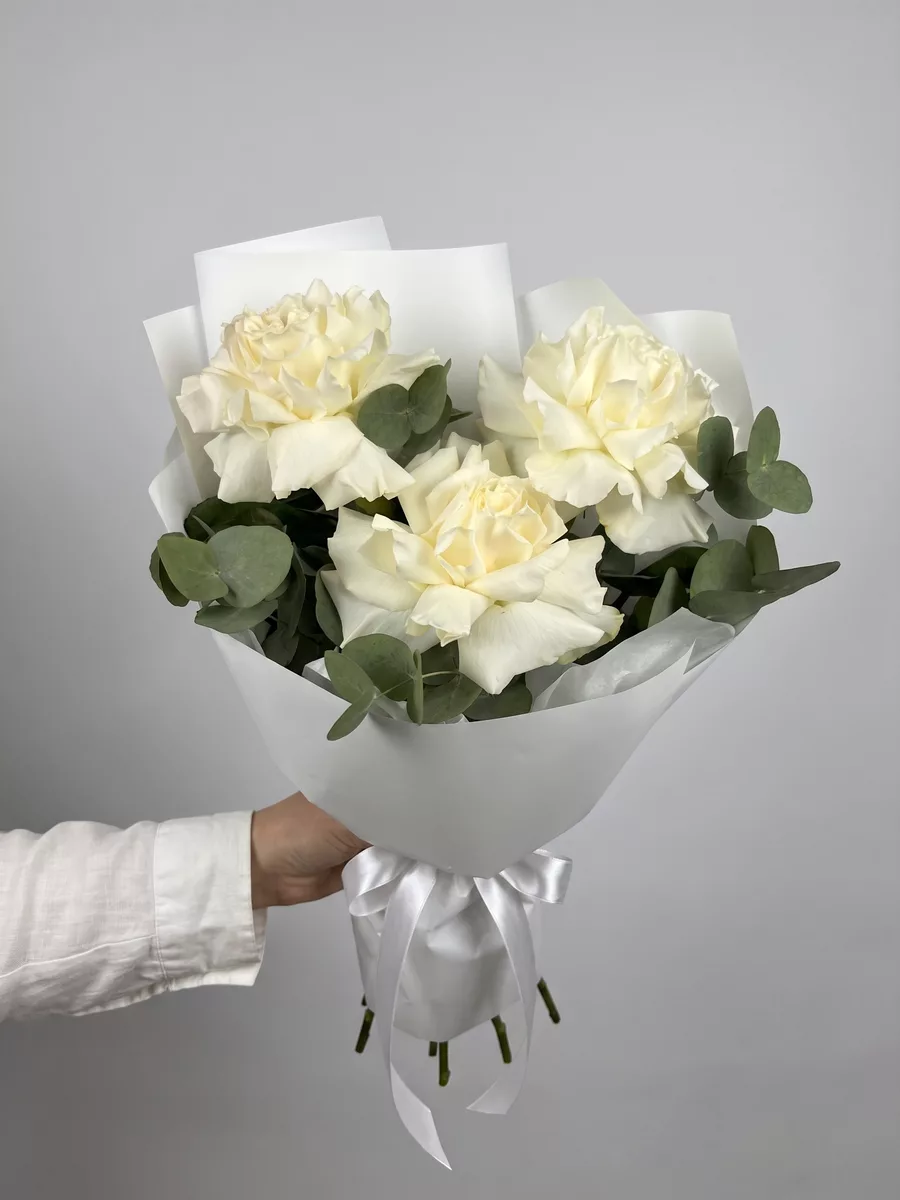
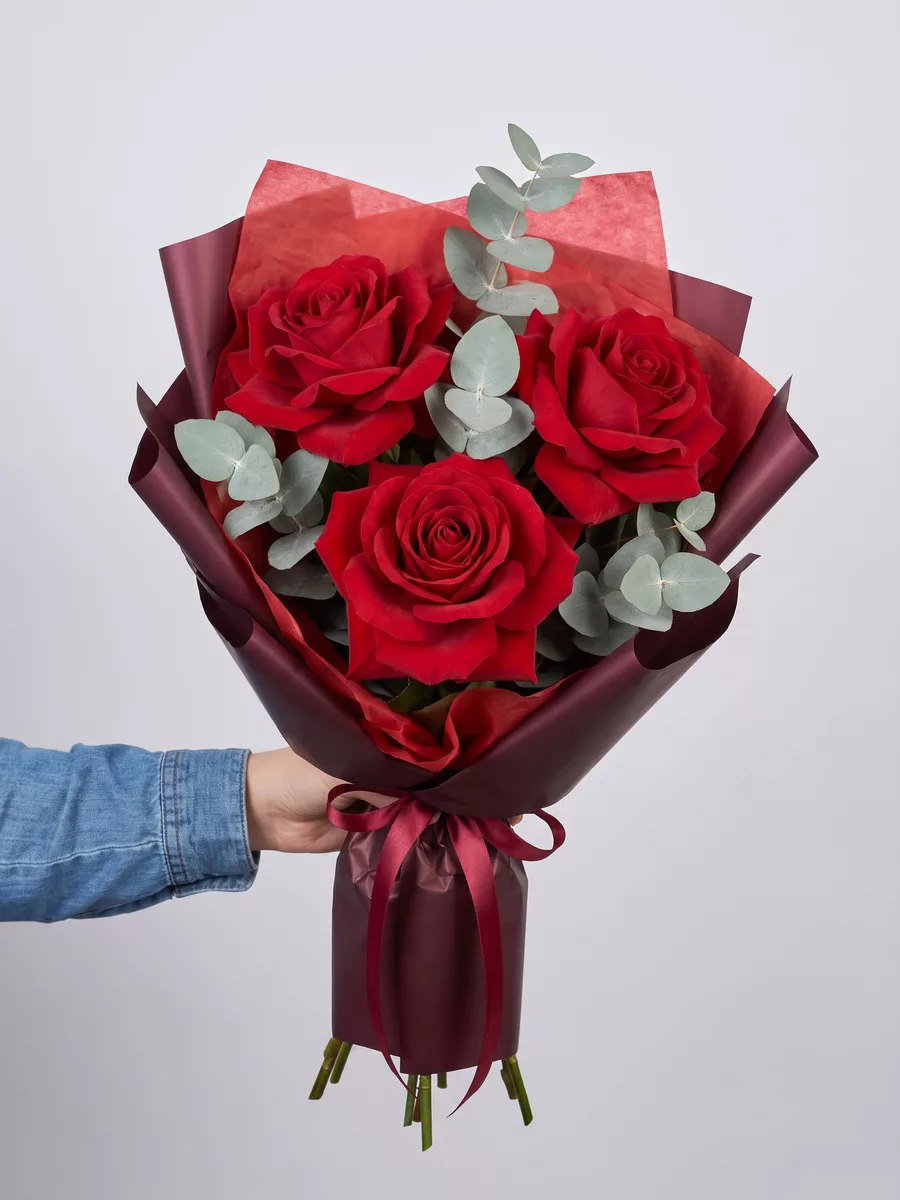
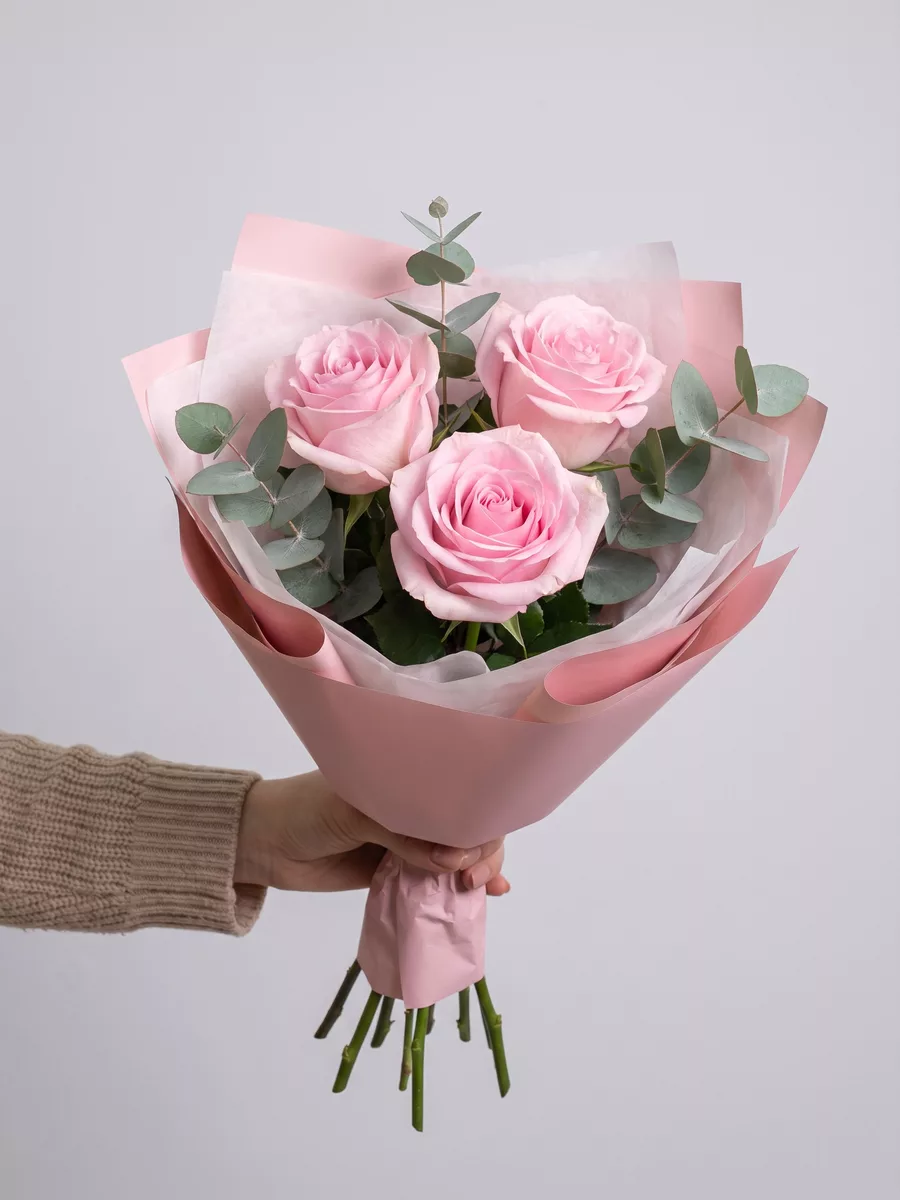
Realistic Timing: What the Journey from Our Studio Looks Like
Turboflora assembles bouquets in Saint Petersburg and dispatches them with temperature-controlled courier logistics reaching cities and towns across Russia. For Lukhovitsy specifically, you should expect a delivery window of one to two days from the moment your order is confirmed, depending on the time you place it and the day of the week. Orders placed before noon on weekdays tend to move through the fastest. Orders placed on Friday afternoon may travel over the weekend, which is worth factoring in if the occasion is time-sensitive.
The one-to-two-hour promise you see on our homepage refers to same-city delivery within Saint Petersburg. For Lukhovitsy, the journey is longer, but the care applied to the flowers does not diminish — it actually increases, because the bouquet spends more time in transit and must be built to handle it. Stems are cut at a precise angle, wrapped in hydrating material, and packed in insulated boxes that buffer against temperature swings on the road.
If you need the bouquet to arrive on a specific date — a birthday, an anniversary — place the order at least 24 hours in advance and write the preferred delivery date clearly in the comment field. We will confirm the window with you. Russian delivery culture is generally punctual once a window is agreed, and recipients in Lukhovitsy can usually expect a call from the courier about 30 minutes before arrival, giving them time to come to the door or down from an upper floor.
Choosing Flowers That Actually Survive the Trip
Not every flower is equally suited to a journey of this length, and choosing well is the single most important thing you can do for the person receiving the bouquet. Roses are the reliable standard — a stem of a good garden rose or a classic hybrid tea variety holds its form for days after arrival if it is kept in cool water. Spray roses, which carry several smaller blooms on one stem, are particularly resilient because the individual flowers protect each other during packing.
Chrysanthemums are another excellent traveller. They are sometimes dismissed as ordinary, but a well-composed arrangement of white or bronze chrysanthemums with eucalyptus and a few stems of lisianthus looks genuinely elegant and will stay fresh for ten days or more. Lisianthus itself — sometimes called eustoma — is a flower that many recipients in Russia receive without knowing its name, and it is worth choosing deliberately: it has the layered petals of a peony but the durability of a carnation.
Flowers to treat with more care over longer distances include open-headed sunflowers, which bruise easily, and tulips, which continue to grow after cutting and can shift inside the packaging. We can absolutely send both, but if you choose tulips for a Lukhovitsy delivery, opt for a bouquet of tulips alone rather than mixed with taller stems — they need room to move slightly without pressing against anything rigid. Hydrangeas are thirsty and travel better in cooler months, roughly October through April, when outside temperatures help maintain the chill inside the insulated box.
Choosing for the Occasion: Matching the Bouquet to the Moment
Think first about who is receiving the flowers and what they will feel when the box opens. A colleague celebrating a promotion responds differently to a structured, architectural arrangement — think tall stems, bold colours, a clean silhouette — than a grandmother receiving flowers on her birthday, who might prefer something softer and more abundant, with garden roses, alstroemeria and sprigs of wax flower filling out the shape.
For romantic occasions, red and deep pink roses remain the universal signal in Russian culture, and they carry that meaning clearly even if the recipient has never received flowers before. If you want something that feels personal rather than conventional, a combination of peach roses, ivory lisianthus and pale green dianthus reads as thoughtful and considered without being difficult to interpret. Colour matters: in Russian tradition, yellow flowers are sometimes associated with separation, so if you are sending to someone who follows that convention, it is safer to avoid all-yellow bouquets unless you know the recipient feels differently.
For a new home or a housewarming — a common occasion in Russia called novoselye — a lush, full arrangement in warm tones works well because it fills a new space with colour immediately. Peonies in season, large-headed roses, and branches of ornamental greenery like pittosporum or ruscus give volume and a sense of abundance. If the occasion is a thank-you rather than a celebration, a smaller, precise arrangement with one or two strong varieties and a handwritten note often lands better than an oversized bouquet that can feel excessive.
Budget Ranges and What They Actually Get You
Flower budgets work differently when you factor in delivery to a town like Lukhovitsy, because the cost of careful long-distance transport is part of what you are paying for. Think in terms of what the recipient will see and hold, not just the stem count.
At an entry-level budget, a mono-bouquet — one variety, one colour, five to seven stems — is almost always the right choice. Seven stems of spray roses with a simple kraft paper wrap looks clean and intentional. It does not look cheap if the flowers are fresh and the wrapping is neat, and a mono-bouquet travels better than a complex mixed arrangement because the stems are uniform in height and weight.
A mid-range budget opens up combinations. This is where you can add a second variety for texture — roses with eucalyptus, or lisianthus with small-headed carnations and a few stems of wax flower. The arrangement gains depth without becoming structurally fragile. A handwritten card, included with the order, changes the emotional weight of a mid-range bouquet significantly; recipients in Russia place high value on the personal gesture of a written message, more so than in many Western countries.
At a higher budget, you are choosing premium stem varieties — garden roses with many-petalled heads, peonies in season, or large-headed proteas for something genuinely unusual — and a more elaborate presentation. Box arrangements, where flowers are nested in a rigid box with tissue rather than wrapped in paper, hold their shape through transit particularly well and create a strong unboxing moment. For Lukhovitsy deliveries, box arrangements are worth considering at any budget because the structure protects the flowers mechanically during the journey.
What the Recipient Should Do the Moment the Flowers Arrive
The first ten minutes after a bouquet arrives matter more than most people realise, and a little guidance — either passed on to the recipient or included on a care card — makes a real difference to how long the flowers last.
The first step is to cut the stems. Even if they were cut perfectly before packing, the ends will have begun to seal during transit. A diagonal cut of about two centimetres, made with a sharp knife rather than scissors, reopens the vascular tissue and lets the stem drink immediately. Scissors crush the stem slightly at the cut point, which reduces water uptake. This single step can add two or three days to the vase life of roses.
The vase itself should be clean and filled with cool water — not cold, not warm. Tap water in Lukhovitsy is generally fine for flowers; there is no need for filtered water. Remove any leaves that would sit below the waterline, because submerged foliage decays quickly and turns the water cloudy and bacterial. Flower food sachets, which we include with every order, contain a mild biocide, a sugar source and an acidifier. They work. Use the whole sachet in the stated volume of water.
Keep the arrangement away from direct sunlight, radiators, and fruit bowls. Ripening fruit releases ethylene gas, which accelerates petal drop in roses and lisianthus noticeably. A cool room, ideally between 16 and 20 degrees Celsius, extends vase life significantly — in Russian apartments, which are often kept warm in winter, moving the vase to a cooler hallway overnight can add several days to the arrangement.
Common Mistakes When Ordering Long-Distance and How to Avoid Them
The most frequent mistake is leaving the delivery address incomplete. In Lukhovitsy, as in many smaller Russian towns, buildings are sometimes identified by a korpus number — a secondary building number that follows the main address — and omitting it means the courier arrives at the right street but faces three or four identical-looking entrances. Always include the building number, the korpus if there is one, the flat number, and the floor. If the building has an entry code or an intercom, include that too.
The second common mistake is choosing flowers that suit the sender's taste rather than the recipient's situation. A dramatic black-wrapped bouquet of deep burgundy calla lilies is striking, but if the recipient lives alone in a small flat and has nowhere to display a tall arrangement, the gift creates a practical problem rather than a moment of joy. Think about the recipient's space, their daily routine, and whether they are likely to have a vase at all. A compact, self-contained box arrangement solves the vase problem entirely.
Third, people often underestimate how much the message matters. A bouquet without a card is a pleasant surprise but not a personal one. In Russian culture, the written word carries weight — even a short note of three or four sentences, written in your own voice rather than a generic greeting, transforms the experience for the recipient. If you are sending from outside Russia and writing in English, that is completely fine; many recipients in Lukhovitsy will appreciate the effort, and the courier will deliver the card exactly as written.
Finally, do not order on the day of the occasion if you can possibly avoid it. Order the evening before, confirm the window, and let the logistics breathe.
Sending flowers to Lukhovitsy is not complicated, but it rewards a little thought: the right varieties for the journey, a complete address, a realistic delivery window, and a genuine note to go with the bouquet. The recipient on the other end — whether it is a parent, a partner, a colleague or a friend — will not see the logistics. They will see the flowers, feel the care behind them, and remember who sent them. That is the part that matters, and it is the part Turboflora is built to get right.
Frequently asked questions
How long does flower delivery to Lukhovitsy take?
From our Saint Petersburg studio, delivery to Lukhovitsy typically takes one to two days. Orders placed before noon on weekdays move fastest. If you need the bouquet on a specific date, place the order at least 24 hours in advance and note the preferred delivery date in the comment field when you check out.
Which flowers hold up best on a longer delivery journey?
Roses, spray roses, chrysanthemums and lisianthus are the most reliable choices for longer-distance delivery. They travel well in insulated packaging and stay fresh for many days after arrival. Hydrangeas are better ordered in cooler months. Tulips can be sent but work best in a single-variety bouquet rather than a mixed arrangement.
Can I include a message in English on the card?
Yes, absolutely. Write your message in whichever language feels natural to you, and we will print or handwrite it exactly as you submit it. The courier delivers the card with the bouquet without alteration. Many recipients in Lukhovitsy find a message in a foreign language a meaningful personal touch.
What should I do if the recipient is not home at delivery time?
Our courier calls the recipient approximately 30 minutes before arrival. If there is no answer, a second attempt is made. It helps to provide an alternative contact number — a neighbour, a family member, a building manager — in the order notes. You can also specify a safe drop location if the recipient lives in a private house with a covered entrance.
Are yellow flowers really avoided in Russia?
Some people in Russia associate all-yellow bouquets with the end of a relationship, though this belief varies by generation and region and is not universal. If you are unsure about the recipient's views, it is easy to avoid the question entirely by choosing warm peach, orange or cream tones instead, which carry no such association and look equally beautiful.
Ready to send flowers?
Pick the city, choose the bouquet, and a local florist takes it from there.
Choose a city →