Sending Flowers to Lyantor? Here Is Everything You Need to Know
Lyantor sits deep in the Khanty-Mansiysk Autonomous Okrug, surrounded by taiga and connected to the rest of Russia by roads that take the weather personally. Ordering flowers here is not the same as ordering them in Moscow or Saint Petersburg, and pretending otherwise would be doing you a disservice. What it can be, done right, is genuinely moving — a bouquet arriving at a door in a Siberian oil-town city, fresh and fragrant, on the day that matters. This article walks you through how Turboflora handles delivery to Lyantor, what to order for each season, how to care for flowers once they arrive, and what small decisions make the biggest difference to the person receiving them.
Where Lyantor Fits in Our Delivery Geography
Lyantor is a city in the Surgut District of the Khanty-Mansiysk Autonomous Okrug, roughly 70 kilometres north-west of Surgut. It is a compact, close-knit community built around the oil industry, and it has the kind of social fabric where a flower delivery is noticed and remembered. Turboflora covers Lyantor as part of its wider Siberian delivery network, routing orders through the Surgut hub and then out to the city itself.
Delivery reaches residential addresses across the central districts of Lyantor, including the mikrorayons that make up most of the housing stock. Industrial zones and remote shift-camp addresses outside the city boundary are not covered, so if you are sending to a workplace, confirm it is within the city limits before placing your order.
The address format in Russian cities like Lyantor follows a specific pattern: street name, building number, and then apartment or office number. If you are ordering from abroad or from another region, write the address in full and include the recipient's phone number. Our courier will call ahead, which is standard practice in Russia and means nobody is left waiting in a cold stairwell with a bouquet going cold alongside them.
Lyantor's population is relatively young, with many families connected to shift-work schedules. This means the person receiving your flowers may be home at unusual hours, or may have a partner receiving on their behalf. Noting this in the order comments helps us time the delivery call correctly and avoid a missed handover.
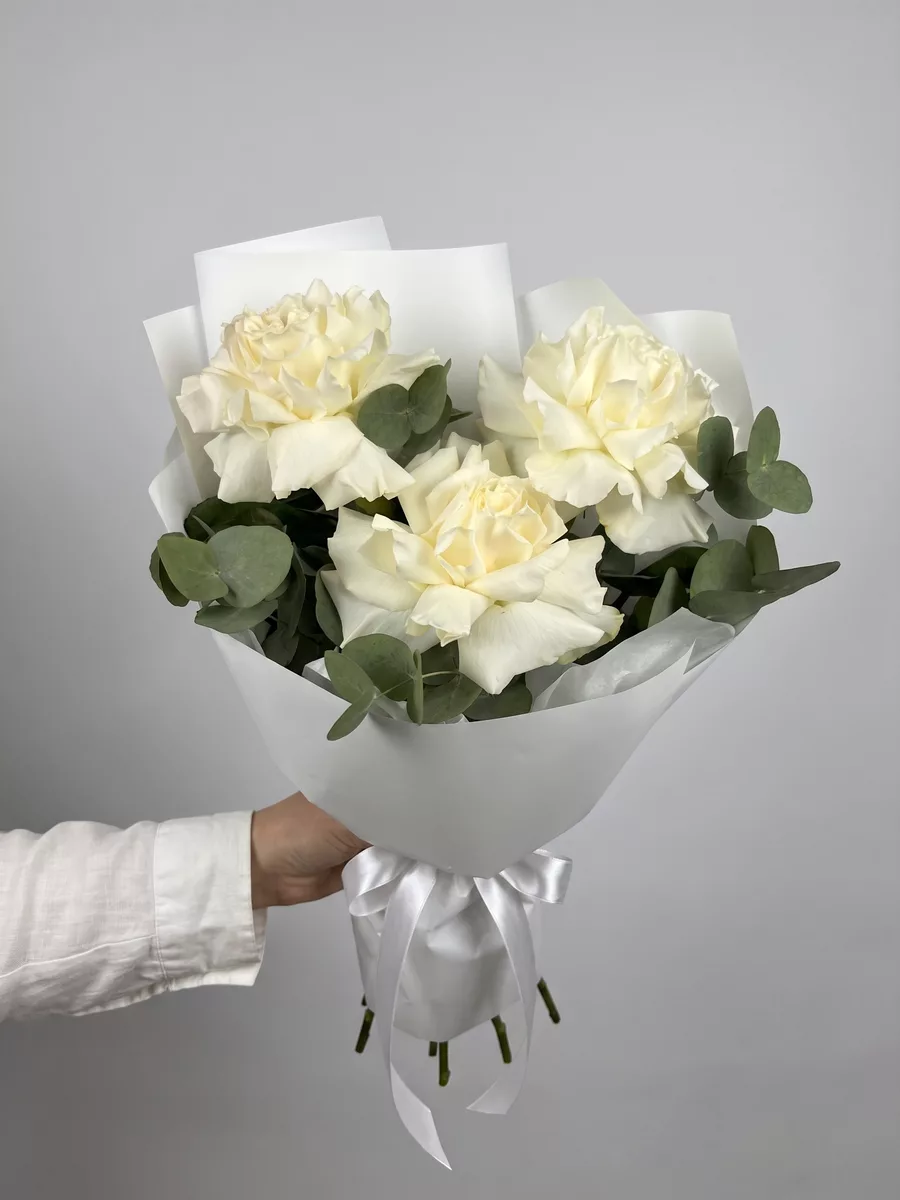
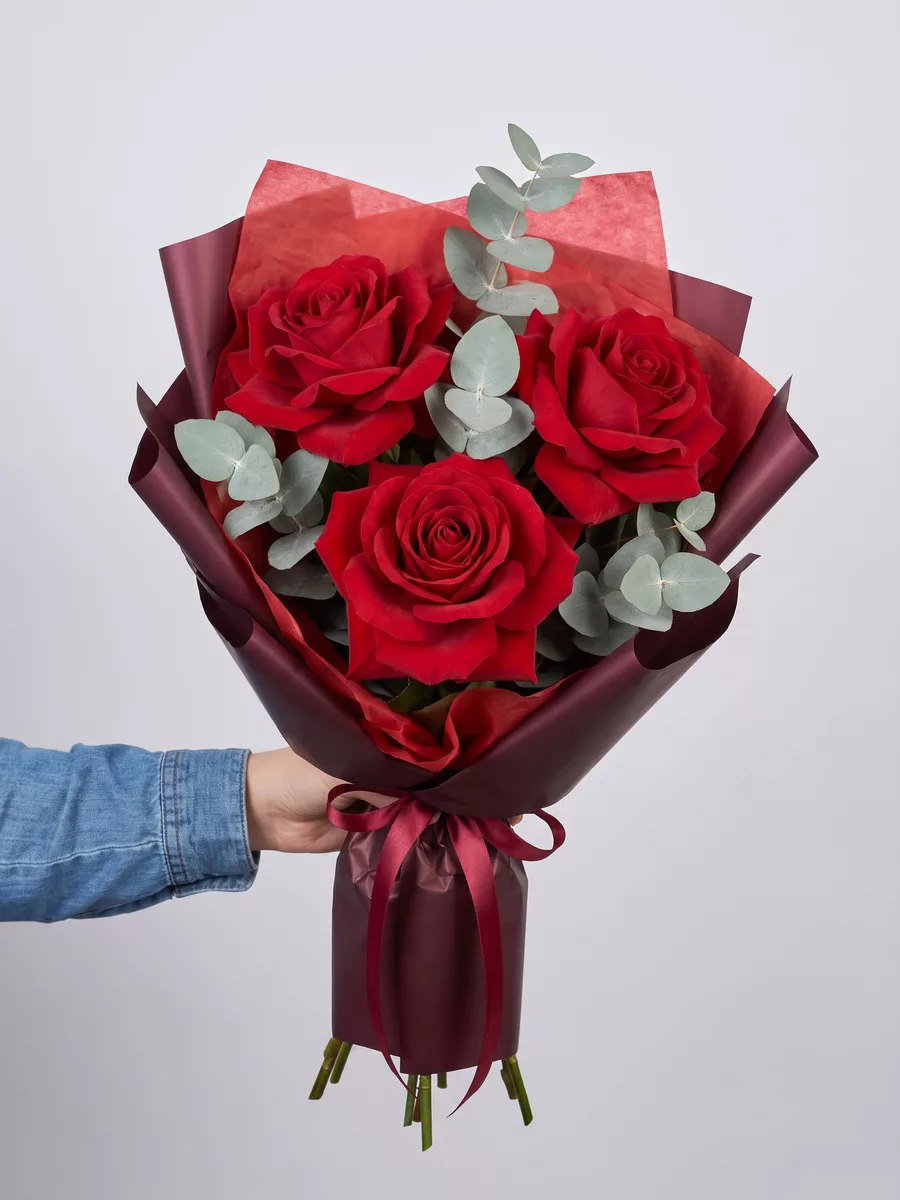
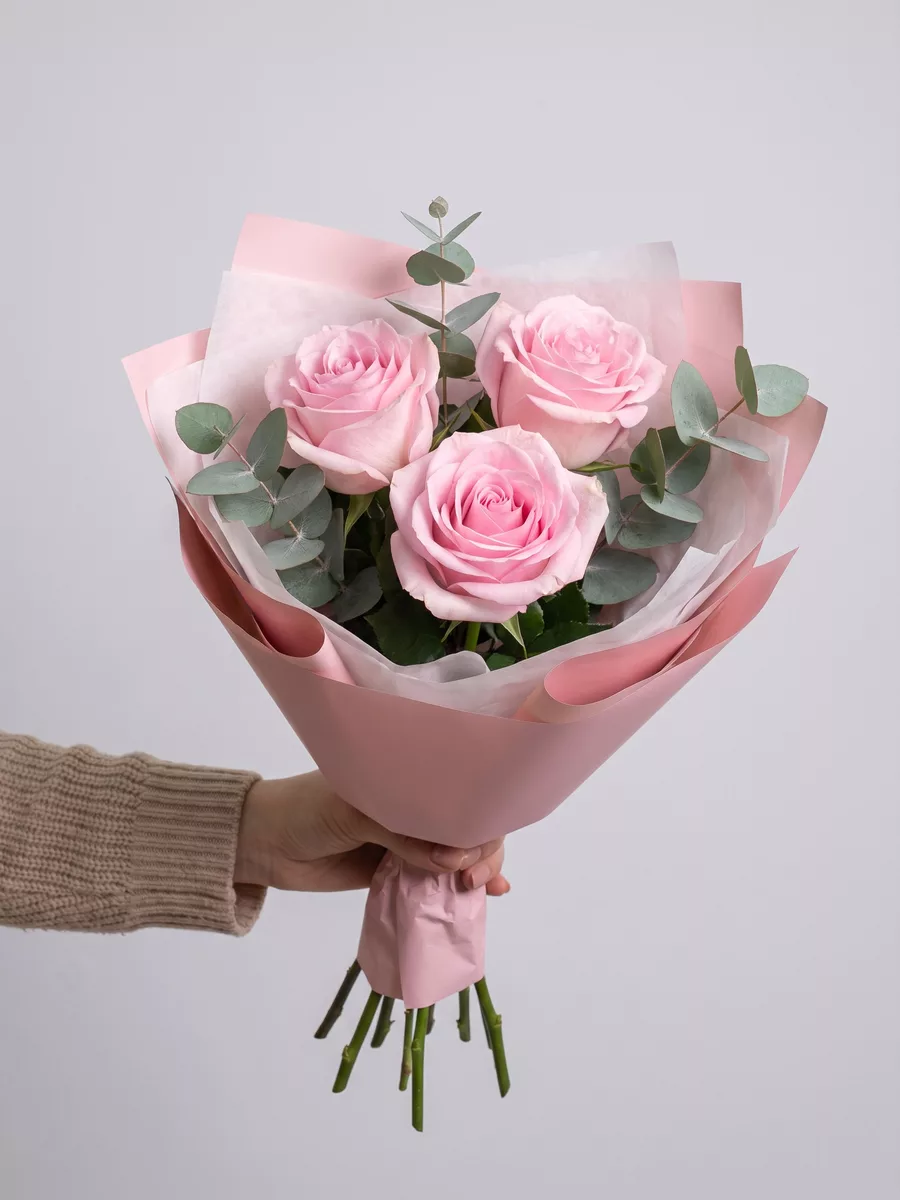
Bouquets we can deliver

Timing Your Delivery: What the Siberian Climate Demands
Lyantor experiences a sharply continental climate. Winters are long and severe, with temperatures regularly dropping to minus 30 Celsius or colder between November and March. Summers are short but genuinely warm, often reaching plus 25 to plus 30 Celsius in July. Both extremes affect flowers in transit, and understanding this helps you choose both the right varieties and the right delivery window.
In winter, the critical issue is cold shock. Cut flowers, particularly roses and gerberas, suffer cell damage when exposed to temperatures below minus 5 Celsius for more than a few minutes. Turboflora uses insulated packaging and temperature-controlled vehicles for Siberian routes, but you can help by asking the recipient to be available to receive the bouquet promptly rather than leaving it in a shared entrance hall or on a doorstep.
In summer, the risk flips to heat. Direct sunlight through a car window can raise the internal temperature of a wrapped bouquet to over 40 Celsius in minutes, which wilts soft petals like those of ranunculus or lisianthus very quickly. Summer deliveries are timed to avoid the hottest part of the afternoon where possible, and we recommend morning slots between 9 and 12 for the most heat-sensitive arrangements.
The shoulder seasons — April, May, September and October — are actually the most reliable for flower transit. Temperatures are moderate, roads are passable, and the widest range of varieties is available. If you have flexibility in your gifting date, these months reward you with better flower quality and more creative options from the florists assembling your order.
Choosing the Right Flowers for the Occasion and the Person
Start from the recipient, not the catalogue. A woman in her sixties who tends a balcony garden will respond differently to a bouquet than a twenty-five-year-old who has never owned a vase. The first might love garden-style stems like alstroemeria, spray roses and eucalyptus — familiar shapes that feel like a real garden in bloom. The second might be delighted by something more architectural: anthuriums, single-stem callas or a tight round of garden roses in a single saturated colour.
For romantic occasions — anniversaries, Valentine's Day, the first serious gesture — roses remain the clearest signal in Russian gifting culture. Red roses carry a very direct message. Soft pinks and creams read as tender rather than passionate, which suits a longer relationship or a more reserved recipient. White roses are given with care in Russia, as they are associated with purity but also, in some older traditions, with formal or solemn occasions. If you want to be safe, peach and coral tones are universally warm and carry no ambiguous associations.
For birthdays, cheerfulness is the goal. Sunflowers are beloved across Russia and hold up well in transit. Chrysanthemums — which in Western Europe sometimes carry funerary associations — are entirely festive in Russia and come in beautiful spray forms in yellow, white, bronze and purple. Mixed bouquets with solidago, statice and seasonal greens make a generous impression without relying on a single expensive stem.
For new babies, new homes or professional congratulations, opt for something long-lasting and not too fragrant. Orchid stems, alstroemeria and lisianthus all last ten days or more with basic care, which means the flowers are still beautiful long after the initial excitement of receiving them.
Budgeting Your Order: Getting More From Every Ruble
The size of a bouquet in Russia carries social meaning that it does not always carry elsewhere. A small, tight posy of five stems might be considered modest for a close friend's birthday, while a loose, generous arrangement of fifteen to twenty stems reads as a proper celebration. This is not about extravagance — it is about the visual language of generosity that Russian gifting culture has developed over generations.
At the more accessible end of the budget, chrysanthemum sprays and alstroemeria are your best allies. A single stem of spray chrysanthemum branches into eight to twelve individual flowers, so a bouquet of seven stems looks and feels genuinely full. Alstroemeria similarly gives multiple blooms per stem and lasts exceptionally well, sometimes two weeks in a cool room. Combining these with seasonal greenery like ruscus or pittosporum adds volume and texture without adding much cost.
In the mid range, you can introduce one or two focal flowers — a garden rose variety like David Austin-style blooms, a few stems of lisianthus which mimics the look of a peony at a fraction of the price, or a couple of gerberas in a bold colour. The skill is in the supporting cast: the filler flowers and greens that make the focal blooms look intentional rather than lonely.
At the higher end, Dutch garden roses and peonies (in season from May to July) are the statement choices. A bouquet built around ten to twelve large-headed garden roses needs very little else — perhaps some dusty miller or eucalyptus for contrast. The presentation matters as much as the flowers: kraft paper wrapping with a satin ribbon reads as considered and warm, while cellophane alone reads as rushed.
What Arrives at the Door: Packaging and First Impressions
The moment of receiving flowers is a small performance, and the packaging is the opening act. Turboflora wraps bouquets for Lyantor deliveries in insulated inner layers during cold months, with an outer presentation wrap of kraft paper or floral film depending on the style of arrangement. The stems arrive in a water-retaining base — a small water-filled sachet or a wet cotton wrap — to keep them hydrated through the journey from Surgut.
When the recipient opens the door, the bouquet should look like it was made that morning, because it was. The stems should be firm, the petals should show no bruising, and there should be a light fragrance from any scented varieties included. Roses, freesias and stock are the most noticeably fragrant; if the recipient lives in a small apartment or has sensitivities, it is worth noting in your order that you prefer lower-fragrance varieties.
Inside the wrapping, you will find a small care card with basic instructions in Russian. If the recipient is not a native speaker or you want to include a personal message in another language, add this in the order notes and we will include a handwritten card. In Russia, a handwritten card rather than a printed label is considered more personal and is genuinely appreciated.
The courier will photograph the delivered bouquet and send confirmation to the person who placed the order. This is standard practice for remote deliveries across Russia and gives you peace of mind when you are hundreds or thousands of kilometres away from the person you are thinking about.
Caring for Flowers in Lyantor's Conditions
Lyantor's indoor climate in winter is warm and dry. Central heating in Russian apartment buildings runs from October through April, and the air inside can become very dry, which shortens vase life for soft-petalled flowers like tulips and ranunculus. The single most effective thing a recipient can do is keep the bouquet away from radiators and out of direct sunlight, placing it instead near an interior wall or on a kitchen table away from the heat source.
Fresh water every two days is more important than flower food sachets. Bacteria build up in vase water quickly in warm rooms, and this is the primary cause of early wilting. The stems should be re-cut at an angle each time the water is changed — a clean diagonal cut of about two centimetres exposes fresh tissue and allows the flower to drink freely. A sharp knife is better than scissors, which can crush the stem tissue.
Roses in particular benefit from being placed in cool water initially, even cold water from the tap in winter. This firms up the petals and helps the flower open slowly and evenly rather than blowing open all at once in a warm room. Tulips will continue to grow after cutting — sometimes by several centimetres — so leave space in the vase for them to reach upward.
If a stem wilts early, do not discard it immediately. Re-cut the stem, place it in very warm water for twenty minutes, then move it to cool water. This revives many stems that look finished. Lisianthus and alstroemeria are particularly responsive to this treatment and can recover dramatically from apparent wilting.
Making the Order Feel Personal Across the Distance
Most people ordering flowers to Lyantor are doing so from somewhere far away — another city, another region, sometimes another country. The distance is part of the story, and a well-chosen bouquet acknowledges it without needing to say so explicitly. The flowers arrive and say: I was thinking about you specifically, not just about the date on the calendar.
The variety and colour choices are the most personal element. If you know the recipient's favourite colour, anchor the bouquet there. If you know they grow plants at home, lean toward garden-style arrangements with texture and variety rather than formal, uniform bouquets. If they are someone who keeps things simple and uncluttered, a monochromatic bouquet of a single variety — all white lisianthus, or all coral roses — will feel more like them than a mixed arrangement.
The message card is your voice in the room. In Russian gifting culture, a card is expected and its absence is noticed. Keep the message warm and specific — a shared memory, a detail only you would know, something that could not have been written by anyone else. Generic phrases like 'wishing you all the best' work, but they do not linger. A sentence that makes the recipient laugh or catch their breath will be read again.
Timing is a quiet act of care. Flowers arriving in the morning of a birthday feel like the day has been thought about. Flowers arriving in the evening feel like an afterthought, even if they were ordered days in advance. If the occasion is specific and the timing matters, choose a morning slot and note the occasion in your order so the dispatch team can prioritise accordingly.
Lyantor is not a city that flower delivery services typically write about, which is exactly why getting it right matters. When someone receives a fresh, well-made bouquet in a Siberian city in January, the distance it has travelled is part of what makes it meaningful. Turboflora delivers to Lyantor because the people there deserve the same quality and care as recipients anywhere else in Russia — and because the occasions that call for flowers do not wait for convenient geography.
Frequently asked questions
How long does delivery to Lyantor take after I place my order?
Delivery timing depends on the route from our Surgut hub and the time slot you select at checkout. Same-day delivery is available for orders placed before the daily cutoff time. Because Lyantor is a regional destination rather than a city centre location, we recommend ordering at least a few hours in advance to ensure your preferred time window is available and the bouquet arrives in perfect condition.
Will the flowers survive the cold weather during transit in winter?
Yes, with the right precautions. Turboflora uses insulated packaging and temperature-managed vehicles for Siberian deliveries. The most important thing you can do is ask the recipient to be ready to receive the bouquet promptly and bring it indoors immediately. Flowers left in a cold entrance hall or on a doorstep for even ten minutes at minus 25 Celsius can suffer damage that no amount of care will reverse.
Which flowers last longest in Lyantor's dry winter indoor air?
Alstroemeria, chrysanthemum sprays and lisianthus are the most durable choices in heated, dry interiors. They can last ten to fourteen days with basic care. Roses and gerberas are beautiful but more sensitive to warm, dry air and typically last five to eight days. Tulips are short-lived indoors in winter heat but make a strong visual impact for the first three to four days after delivery.
Can I include a message card in a language other than Russian?
Yes. Add your message in the order notes in whatever language you prefer, and we will include a handwritten card with the bouquet. If you want the message in both Russian and another language, note both versions and we will include them. A personal, handwritten card is considered an important part of flower gifting in Russia, and recipients genuinely notice the difference between a handwritten note and a printed label.
What happens if the recipient is not home when the courier arrives?
Our courier calls the recipient before arriving, which is standard practice across Russia. If there is no answer, the courier will attempt contact a second time and, if agreed in the order notes, may leave the bouquet with a neighbour or building concierge. We recommend providing an alternative contact number in your order so that a missed call does not result in a missed delivery, particularly for time-sensitive occasions.
Ready to send flowers?
Pick the city, choose the bouquet, and a local florist takes it from there.
Choose a city →