Sending Flowers to Lysva: Timing, Choices and What Arrives at the Door
Lysva sits in the Perm region, a city with its own quiet rhythm and people who appreciate a gesture done properly. When you want to send flowers there — for a birthday, an anniversary, a thank-you that words alone cannot carry — the details matter more than most senders realise. What time will they arrive? Will the stems still be firm? Will the bouquet look the way it did on the screen? These are fair questions, and this article answers all of them plainly.
Where in Lysva Turboflora Delivers and How the Geography Works
Lysva is a compact industrial city in the eastern foothills of the Ural Mountains, and its layout actually makes delivery straightforward once the order is in motion. The central districts — around Metallurgov Street, the main square and the residential blocks near the Lysva River — are the most frequently served areas. Outer neighbourhoods and private house sectors on the city's edges are also covered, though it helps to include a full address with entrance number and flat number when ordering, since many buildings in Russian cities share similar street names or numbering patterns that can slow a courier down.
For recipients living in apartment buildings, it is worth noting that intercoms in Russian cities often require a specific code or a call from the courier. Leaving a note in the delivery instructions about how to reach the door — whether to call the recipient directly or use a door code — removes the single most common cause of delay. Turboflora couriers are experienced with this, but a line of guidance from you always helps.
If you are sending to a workplace such as a school, a clinic or an office building, add the name of the organisation and the floor or department. Russian workplaces often have a reception desk that holds deliveries, and the bouquet will wait there safely. Knowing the city's geography means Turboflora can plan the most direct route and keep the flowers in transit for the shortest possible time, which directly affects how fresh they look when they arrive.
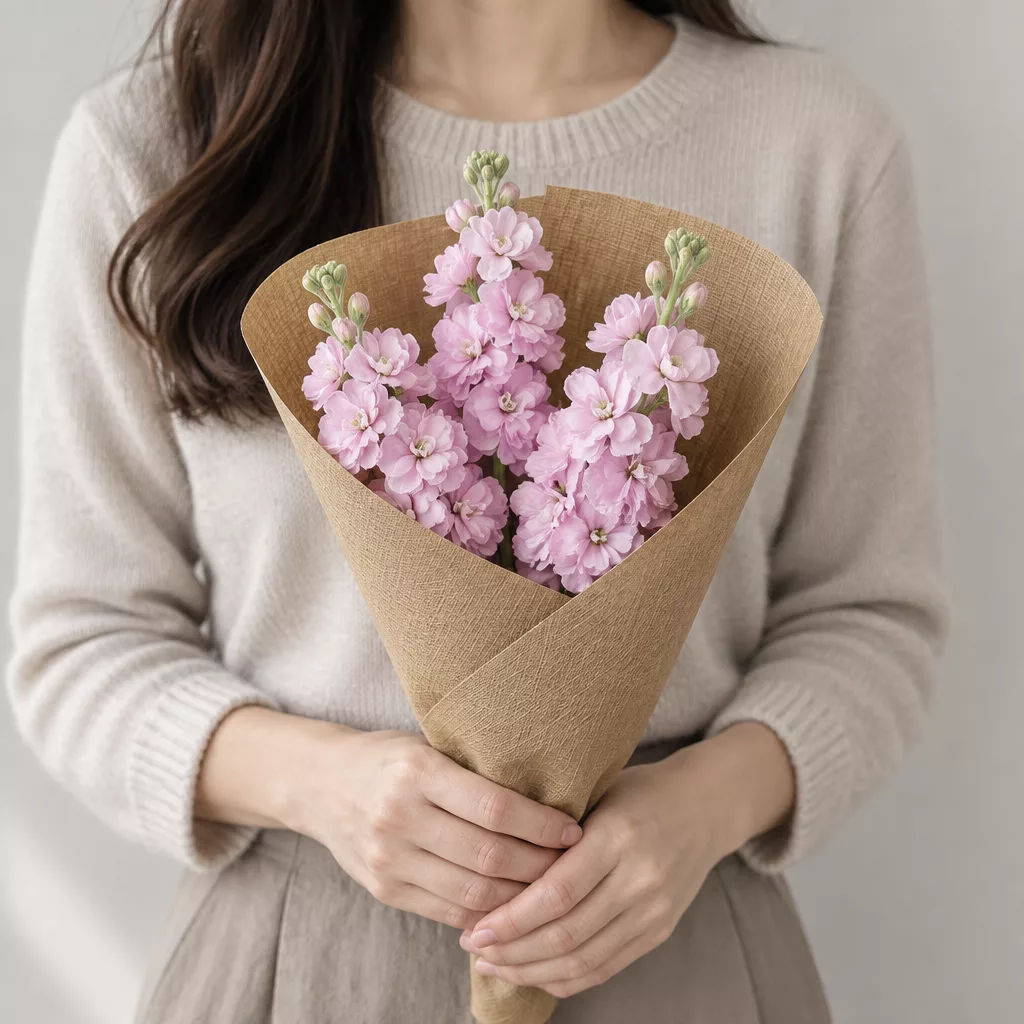
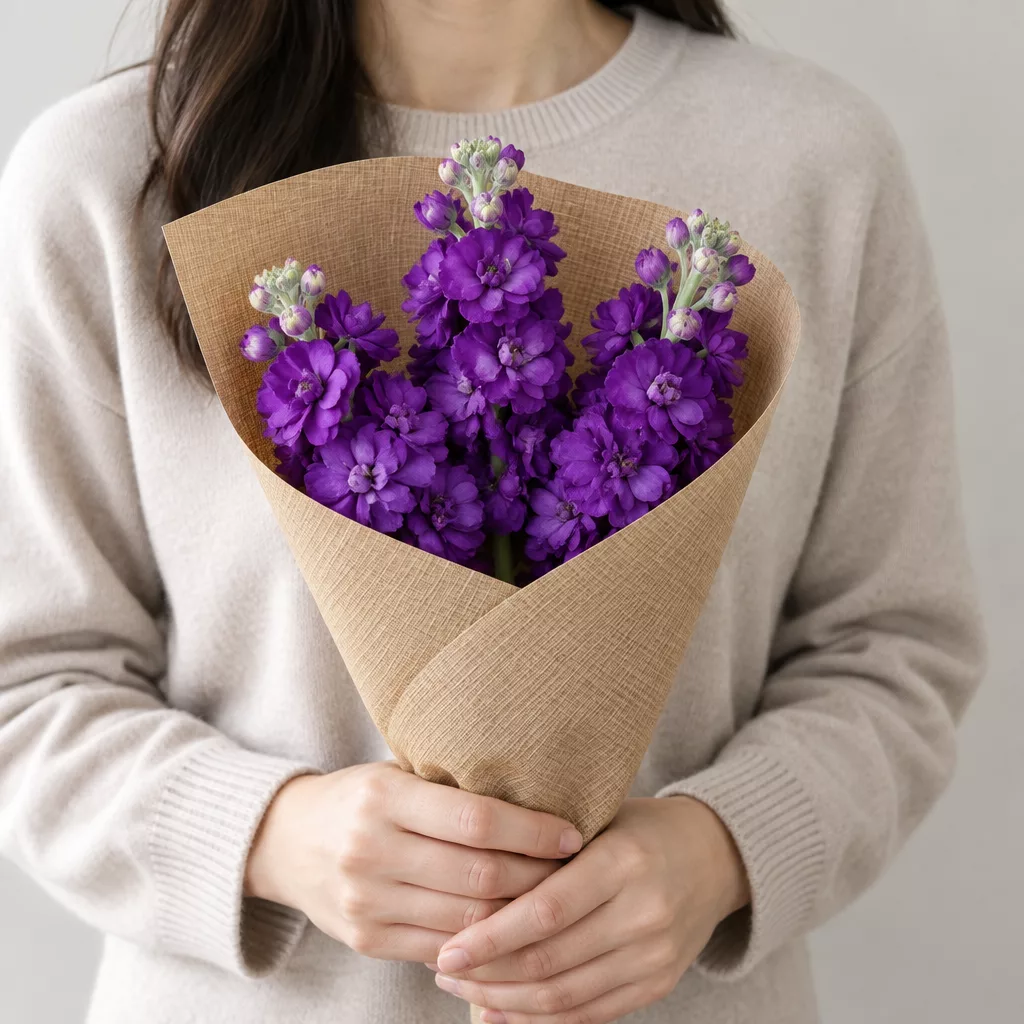
Bouquets we can deliver


Timing Your Delivery: Morning, Afternoon and the Ural Time Zone
Lysva operates on Yekaterinburg Time, which is UTC plus five hours. If you are ordering from Moscow, that is two hours ahead. If you are ordering from Saint Petersburg, it is also two hours ahead of your local clock. This matters enormously when you want flowers to arrive before a birthday dinner or at the start of a working day. A bouquet ordered at noon Saint Petersburg time will reach the recipient in the mid-afternoon Lysva time — often ideal for a surprise at home, but worth thinking through if the person works long hours.
Turboflora offers same-day delivery when orders are placed early enough in the day, and the courier network is built to move quickly. For morning deliveries — the kind that greet someone before they leave for work — placing the order the evening before is the safest approach. This gives the florists time to prepare the arrangement fresh at the right moment rather than cutting stems hours too early.
The most popular delivery windows in Lysva, based on how people actually live there, are late morning between ten and noon and early evening between five and seven. Late morning catches people at home before errands; early evening finds them back from work and most likely to be in the mood to receive something beautiful. If the occasion is a surprise, early evening tends to land better emotionally — the day is winding down, and a bouquet of garden roses or tulips on the table changes the whole atmosphere of an evening at home.
Choosing Flowers for the Person, Not Just the Occasion
In Russia, flowers carry a specific cultural weight that is worth understanding if you are sending from outside the country or simply not familiar with local customs. An odd number of stems is the standard for celebratory gifts — three, five, seven, nine or more. Even numbers are traditionally associated with mourning, so a bunch of four roses, however beautiful, can feel jarring to a Russian recipient. Turboflora arrangements are always built with this in mind, but if you are customising a bouquet, keep this in mind.
For a woman receiving flowers at home, garden roses in blush, cream or deep red remain the most universally appreciated choice. They read as romantic without being presumptuous, and they last well in a Lysva apartment, where indoor temperatures in winter tend to be warm due to central heating. For a colleague or a teacher — a common gifting occasion in Russia, especially around professional holidays — chrysanthemums, alstroemeria or a mixed seasonal bouquet feel appropriate without overstepping.
For younger recipients, tulips in spring and sunflowers in summer have a brightness that suits the energy of the moment. Peonies, when in season, are among the most beloved flowers in Russia and need no explanation when they arrive — their scent and volume speak immediately. Think about the recipient's home: a small apartment benefits from a tighter, more vertical arrangement; a house with space can carry a generous, wide bouquet of mixed stems. The flower choice should suit the person's life, not just the calendar date.
What the Bouquet Looks Like When It Arrives: Packaging and Presentation
A bouquet that travels from a florist's workroom to a door in Lysva goes through real conditions — vehicle temperature, handling, sometimes a wait at an entrance. Turboflora wraps each arrangement with the journey in mind. Stems are kept hydrated with water-retaining material at the base, and the outer wrapping protects petals from pressure and cold air without crushing the shape of the arrangement.
In winter, which in the Ural region means genuinely cold temperatures from November through March and sometimes into April, flowers are wrapped in additional insulating layers. Roses and tulips are particularly sensitive to freezing: even a few minutes in minus fifteen degrees can damage petals irreversibly, turning edges brown within hours of arrival. The packaging used in cold months accounts for this, keeping the internal temperature of the bouquet stable during the transfer from vehicle to door.
When the recipient opens the packaging, the bouquet should look composed and full. If stems have shifted slightly during transit, a gentle rearrangement in the vase corrects this immediately. Include a note asking the recipient to cut the stems at an angle before placing them in water — this is the single most effective thing they can do in the first five minutes to extend the life of the arrangement. A small card with care instructions accompanies every Turboflora delivery, written in Russian, so the recipient has guidance right there without needing to search for it.
Seasonal Realities: What Grows Well and What to Expect by Month
Lysva's climate is continental, with cold winters and warm summers. This affects which flowers are available fresh and which are being transported from further away at any given time of year. In January and February, the local growing season is entirely dormant, so roses, carnations, chrysanthemums and alstroemeria are the reliable backbone of winter bouquets — they travel well and hold their structure in cold air. Tulips appear in force from late February onward, driven by demand around the eighth of March, which is International Women's Day and the single largest flower-gifting occasion in Russia.
March is the peak month for tulips: Dutch varieties in white, yellow, pink, purple and bicolour arrive in abundance. If you are sending for the eighth of March, ordering at least two days in advance is strongly advised, as demand across the country is extraordinary and same-day availability tightens significantly. April and May bring the first peonies and ranunculus, which have a short but spectacular season. Summer months open up sunflowers, lisianthus and garden spray roses that would not survive a winter delivery.
Autumn in Lysva is cool and often grey from September onward, and warm-toned bouquets — dahlias in deep orange and burgundy, sunflowers, hypericum berries — suit the season visually and emotionally. By October, the focus returns to long-lasting varieties that can handle the cold. Knowing the season means choosing flowers that arrive at their best rather than ones that have been stressed by conditions they were not built for.
Vase Life and Care: What to Tell the Recipient
Most people who receive flowers are not florists, and in Russia as anywhere else, the most common mistake is putting a fresh bouquet straight into a vase without any preparation. The stems need to be cut — ideally at a forty-five-degree angle with a sharp knife, not scissors, which can crush the tissue — and any leaves that would sit below the waterline need to be removed before the bouquet goes in. Leaves in water decompose quickly and produce bacteria that shorten vase life dramatically.
Water temperature matters more than most people realise. For roses, lukewarm water encourages the blooms to open; for tulips, cold water keeps them upright and slows the opening process, which is useful if you want them to last longer. Change the water every two days and re-cut the stems each time — this takes about two minutes and can add three or four days to the life of the arrangement.
Placement in the room makes a real difference in Lysva apartments, where central heating runs continuously through winter and creates a dry, warm atmosphere. Keep flowers away from radiators, direct sunlight through windows and draughts from doors. A cool spot — a hallway or a room that is not heated as intensely — extends vase life noticeably. Roses in good conditions last seven to ten days; tulips typically five to seven; alstroemeria can reach two weeks with proper care. Sharing these specifics with the recipient, or including them in the card message, turns a beautiful gift into one that lasts.
Making the Order Feel Personal: Notes, Timing and Small Details
The mechanics of delivery are only part of what makes sending flowers meaningful. The other part is the thought that surrounds the bouquet — the card message, the choice of colour, the timing that shows you knew when they would be home. In Russian culture, receiving flowers without any accompanying note can feel slightly impersonal, particularly for significant occasions like birthdays or anniversaries. A handwritten card, even a short one, transforms the gesture.
When writing a card message for a Russian recipient, warmth and directness are both welcome. Russians are not sentimental in the same performative way that some Western cultures can be, but genuine feeling expressed simply lands very well. A sentence that names the occasion and the person — rather than a generic phrase — is always more memorable. Turboflora can include a printed card with your text, so the message arrives with the bouquet rather than separately.
Small additions to the order can shift the whole feel of a delivery. A box of chocolates alongside a bouquet is a classic combination in Russia for birthdays and is received warmly. A plush toy or a balloon works well for younger recipients or for a playful tone. If you want the delivery to feel like a complete moment rather than just a flower drop, think about what the recipient will see when they open the door: the bouquet first, the card visible, any additional gifts placed alongside. Turboflora couriers present the arrangement properly rather than leaving it on the doorstep, which matters when the moment itself is the point.
Sending flowers to Lysva is not complicated, but doing it well — with the right timing, the right stems for the season, and the small details that make a recipient feel genuinely seen — takes a little thought. The Ural time zone, the winter temperatures, the cultural customs around odd numbers and card messages: none of these are obstacles once you know them. Turboflora handles the logistics so that what arrives at the door reflects the intention behind the order. A fresh bouquet, properly packaged, delivered at the right moment, with a card that says something real — that is what a flower delivery in Lysva should feel like.
Frequently asked questions
Can I order flower delivery to Lysva on the same day?
Yes, same-day delivery to Lysva is available when orders are placed early enough in the day. Because Lysva is two hours ahead of Saint Petersburg and Moscow, factor in the time difference when planning. For guaranteed morning delivery, placing the order the evening before is the safest and most reliable approach.
How many flowers should be in a bouquet for a Russian recipient?
Always choose an odd number of stems — three, five, seven, nine or more. In Russian tradition, even numbers of flowers are associated with mourning and are not appropriate for celebratory occasions. Turboflora builds all arrangements with this in mind, so any bouquet you order will follow this convention automatically.
What happens to the flowers in very cold Lysva winters?
Turboflora uses insulating packaging in cold weather to protect petals during transit. Roses and tulips are especially sensitive to freezing temperatures. The packaging keeps the bouquet stable from vehicle to door. Once inside, the recipient should unwrap the flowers promptly and place them in water away from radiators and direct heat sources.
Which flowers are best for sending to Lysva in March for Women's Day?
Tulips are the defining flower of the eighth of March in Russia and arrive in a wide range of colours. Order at least two days ahead, as demand is extremely high nationally during this period. Roses and mixed spring bouquets are also popular and available, but tulips carry the strongest seasonal and cultural meaning for this occasion.
Can I include a card message in a language other than Russian?
Yes, you can write your card message in any language and Turboflora will print it as provided. If the recipient reads Russian, a message in Russian will feel most natural, but a sincere note in English or another language is still meaningful and personal. The card accompanies the bouquet and is presented alongside it at the door.
Ready to send flowers?
Pick the city, choose the bouquet, and a local florist takes it from there.
Choose a city →