Sending Flowers to Magadan? Here Is What to Expect
Magadan sits at the edge of the continent, ringed by the Sea of Okhotsk and months of serious cold. Sending flowers there feels like a small act of defiance against the distance — and when the bouquet arrives fresh and bright, the effect is extraordinary. Turboflora delivers across Russia, and Magadan is no exception. This article walks you through what the city's geography means for your order, which flowers travel and last best, and how to make sure the person receiving them gets the full experience.
What Magadan's Climate Means for Your Bouquet
Magadan is genuinely cold for most of the year. Winters stretch from October through April, with temperatures regularly dropping to minus twenty-five Celsius or lower. Even in June and July, nights are cool and the air holds a sharp dampness that comes off the sea. This is not bad news for flowers — it is actually useful to understand, because it shapes everything from packaging to which varieties make sense to send.
Cold air slows the respiration of cut flowers, which means a bouquet travelling through a Magadan winter is in some ways more protected than one crossing a hot Moscow summer. The risk is the opposite extreme: a stem left in an unheated entrance hall or a car boot at minus twenty will freeze within minutes, and frozen petals turn translucent and collapse once they warm up. That damage is irreversible.
Turboflora accounts for this by using insulated packaging with thermal lining and timing the handoff carefully so the bouquet moves from warm vehicle to warm hands without a long pause in the cold. If you are sending to an office, make sure someone will be there to receive it. If you are sending to a home address, a short call ahead is worth it. The recipient should bring the flowers inside immediately and not leave them in a cold hallway, even for half an hour. Understanding the climate is the first step to making the delivery work perfectly.
Bouquets we can deliver


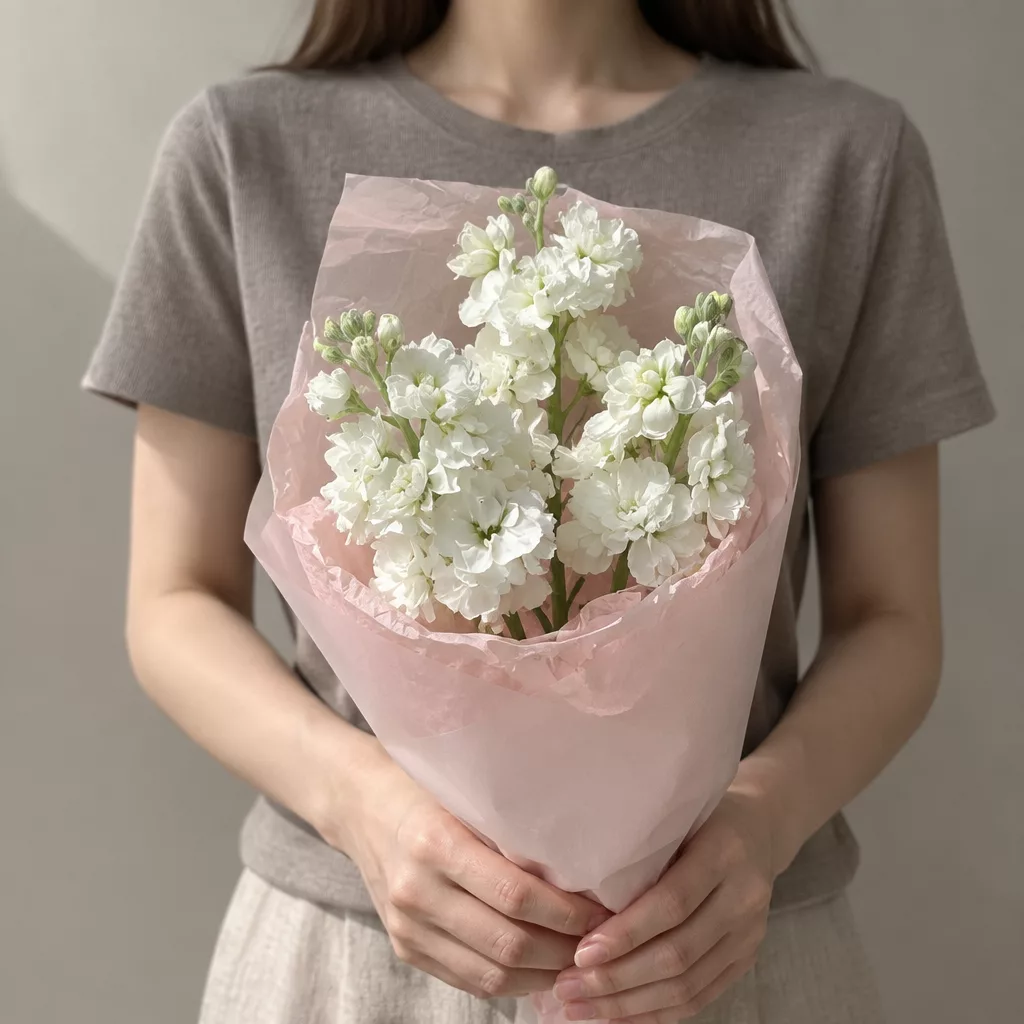
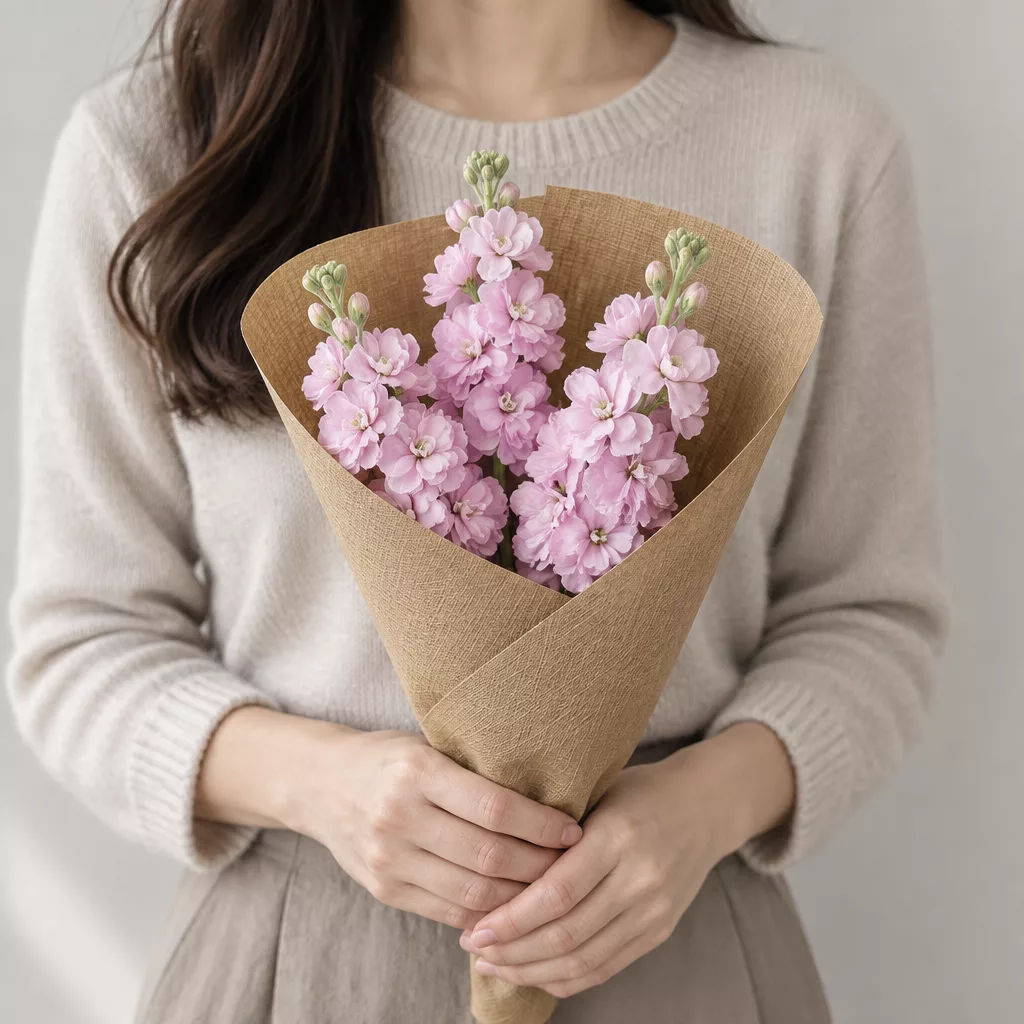
Delivery Areas and Timing Across the City
Magadan is a compact city by Russian standards, with most residential and commercial addresses concentrated around the central districts, Nagayevo Bay and the areas extending toward the airport road. The city's layout means that most addresses are reachable within a reasonable delivery window, though the distances between districts and the road conditions in winter require honest planning on your part.
Turboflora operates on a one-to-two hour delivery promise across Russia, and Magadan is included in that commitment. When you place your order, the system accounts for the current time, road conditions flagged for the region, and the preparation time needed for your specific arrangement. A large compositional bouquet with roses, alstroemeria and eucalyptus takes longer to assemble than a simple hand-tied bunch of spray chrysanthemums, and that preparation time is built into your estimated window.
For same-day delivery, placing your order before midday local Magadan time gives the most flexibility. Evening deliveries are possible, but if you are aiming for a birthday dinner surprise or a welcome-home moment, earlier is always safer. Magadan operates on Magadan Time, which is UTC plus eleven — eleven hours ahead of Moscow. This matters if you are ordering from a different city or from abroad, because the order needs to be placed when the Magadan day is still active. Double-check the time zone before confirming, and if you are unsure, the Turboflora team can advise on the right cutoff for your specific address.
Choosing Flowers for the Person, Not Just the Occasion
The most memorable bouquets in Magadan are the ones that feel personal rather than generic. When you are sending flowers to someone far away, it is tempting to default to a standard red rose arrangement because it feels safe. But the person receiving it will feel the difference between something chosen for them and something chosen for an occasion.
Think first about who they are. A woman who keeps a tidy, modern apartment will likely respond more to a monochrome arrangement of white ranunculus and silver brunia than to a mixed bouquet in every colour. A man receiving flowers for the first time might appreciate something architectural — tall stems of gladiolus or a clean bundle of sunflowers — rather than something that feels fussy. A young person might love the softness of garden roses mixed with dried pampas grass, which has become genuinely popular across Russia in recent years.
Then think about what they will feel when the door opens. Surprise, gratitude, being seen — these are the emotions flowers carry. A large, fragrant arrangement of oriental lilies fills a room with scent within hours of opening, which means every time the recipient walks in, they are reminded of you. Smaller, tighter bouquets of spray roses or lisianthus last longer and look elegant on a desk or windowsill. For Magadan, where winter days are short and the light is low, warm colours — deep orange gerberas, burgundy carnations, yellow freesias — bring a particular kind of cheer that cooler palettes cannot quite match.
Budget Ranges and What Each One Gets You
Flower budgets work on a simple principle: more money buys more stem count, more premium varieties, or more elaborate composition — usually some combination of all three. Knowing what to expect at each level helps you order with confidence rather than guessing.
At a modest budget, you are looking at a well-made hand-tied bouquet of one or two varieties. Spray chrysanthemums in white or yellow, alstroemeria in peach or lilac, or a small bunch of tulips in season — these are honest, cheerful flowers that last well and need minimal care. A florist who knows their craft can make a small bouquet look generous through good proportion and the right greenery, such as ruscus or pittosporum.
A mid-range budget opens up roses as a centrepiece, mixed with supporting flowers like waxflower, matthiola or lisianthus. This is where most birthday and anniversary bouquets sit, and for good reason — the variety of textures and the added volume make an immediate impression when the box is opened.
At a higher budget, you enter the territory of statement arrangements: large-headed garden roses such as David Austin varieties alongside protea, anthurium, or orchid stems, often in a structured composition rather than a loose hand-tied style. These bouquets are designed to be placed on a table and admired from across the room. For Magadan, where a beautiful bouquet is a real event, this level of investment is noticed and remembered. Whatever your budget, specify a colour preference when ordering — it takes thirty seconds and makes the result feel intentional.
Varieties That Travel Well to the Far East
Not every flower is equally suited to a long delivery chain and a cold climate. Some varieties are naturally robust; others are fragile and need to be handled with extra care. Knowing the difference helps you set realistic expectations and choose wisely.
Chrysanthemums, both single-stem and spray types, are among the most reliable flowers for delivery. They are grown to travel, they hold water efficiently, and they last ten to fourteen days in good conditions. Alstroemeria is similarly tough — the buds open gradually over a week or more, meaning the bouquet changes and refreshes itself in the vase. Carnations, often underestimated, last exceptionally well in cool rooms and come in a wide range of colours from white through deep crimson.
Roses are the most requested flower in Russia and they travel well when the cold chain is maintained. The risk is not the journey but the first hours after arrival: roses should be recut and placed in water within thirty minutes of coming indoors. Leaving them in the box, even in a warm room, causes the stems to seal and the flower to wilt faster than it should.
Freesias and sweet peas are more delicate and particularly sensitive to freezing. They are beautiful and fragrant, but for Magadan in January or February, they require careful handling and a guaranteed warm handoff. Tulips are seasonal — best from February through April — and they continue to grow in the vase, which some people love and others find surprising. Lisianthus is an underrated choice: it resembles a rose at a distance, lasts well, and comes in purple, white, pink and bicolour varieties that suit almost any taste.
Presentation, Packaging and the Moment of Opening
The moment a bouquet is handed over or a box is opened is the emotional peak of the whole experience. Everything before it is logistics; this is what the person will remember. Presentation is not decoration — it is the delivery of the feeling you intended to send.
Turboflora wraps bouquets in kraft paper or matte wrapping depending on the style of the arrangement, with the stems in a water-retaining sleeve to keep them hydrated during transit. For Magadan deliveries, the outer layer includes thermal insulation that protects against temperature shock. The result is a package that looks considered from the outside and reveals something beautiful when opened.
If you are adding a card, write something specific rather than generic. In Russian culture, the message on a card is read carefully and often kept. A sentence that names the person, the reason, and something true about them lands far better than a standard phrase. If you are not confident writing in Russian, a sincere message in English is perfectly acceptable — it adds its own warmth.
For corporate deliveries or office occasions, the packaging matters in a different way: it needs to look professional when carried through a reception area. A boxed arrangement with a ribbon rather than a loose hand-tied bunch suits that context better. For home deliveries, especially surprises, the hand-tied bouquet in paper feels more personal and immediate. Think about where the flowers will be received and who else might see them arrive — that context shapes the right presentation choice as much as the flowers themselves do.
Caring for Your Bouquet in Magadan's Conditions
A bouquet that arrives in perfect condition can last anywhere from five to fourteen days depending on the varieties and how it is cared for. Magadan's indoor climate in winter is actually helpful here: central heating keeps apartments warm and dry, which means the water in the vase is the main variable you can control.
The first step is always a fresh cut. Use a sharp knife or scissors to cut two to three centimetres off each stem at a forty-five degree angle, which maximises the surface area for water uptake. Do this under running water or while the stems are submerged, because air bubbles in the stem block water absorption. Remove any leaves that would sit below the waterline — they rot quickly and cloud the water with bacteria that shortens vase life.
Change the water every two days and rinse the vase each time. Tap water in Magadan is fine for most flowers. Keep the bouquet away from direct heat sources — radiators, sunny windowsills in summer, and the warm air above a television or computer. All of these accelerate wilting. A cool room, ideally between fifteen and eighteen degrees Celsius, is where cut flowers last longest.
If your bouquet includes lilies, be aware that the orange pollen from the stamens stains fabric and surfaces permanently. Remove the stamens gently with a tissue before they open fully. This is a detail many people discover too late. Roses that droop after the first day usually just need a deeper water level and a fresh cut — place them in a tall container filled to the top and leave them for two hours, and most will recover completely.
Magadan is far from most of Russia, but distance does not have to mean a lesser experience. When you choose flowers with the recipient in mind, account for the cold climate in your timing, and make sure the handoff happens warmly and quickly, a bouquet arrives as something genuinely special. The city's winters make colour and fragrance feel more vivid, not less — a bright arrangement of roses and freesias in a Magadan apartment in February is exactly the kind of thing people talk about for days. Turboflora handles the logistics so you can focus on the gesture.
Frequently asked questions
Can flowers really be delivered to Magadan within one to two hours?
Yes. Turboflora's one-to-two hour delivery window applies to Magadan as it does across Russia. The key is ordering while the Magadan day is active — the city runs on UTC plus eleven, so check the local time before placing your order. Same-day delivery is most reliable when the order is placed before midday Magadan time.
Which flowers are safest to send to Magadan in winter?
Chrysanthemums, alstroemeria, and carnations are the most cold-resilient and longest-lasting choices for winter delivery. Roses travel well when the cold chain is maintained and they are placed in water promptly on arrival. Avoid delicate varieties like sweet peas for very cold months unless you can guarantee a warm, immediate handoff.
What should the recipient do as soon as the bouquet arrives?
Bring the flowers indoors immediately — do not leave them in a cold hallway or entrance. Recut the stems at an angle, remove leaves below the waterline, and place the bouquet in a clean vase with fresh water. This first step makes the biggest difference to how long the flowers last, regardless of the variety.
Is it possible to send flowers to a Magadan office address?
Absolutely. Office deliveries work well in Magadan, but confirm that someone will be present to receive the bouquet during working hours. A boxed arrangement with a ribbon suits a professional setting better than a loose hand-tied bunch. Include the recipient's full name and, if possible, a contact phone number to ensure smooth delivery.
Do I need to write the card message in Russian?
No. A sincere message in English is warmly received and adds its own character. If you do write in Russian, keep it specific — mention the person's name and something genuine about the occasion. In Russian culture, card messages are read carefully and often kept, so a personal line means more than a standard phrase.
Ready to send flowers?
Pick the city, choose the bouquet, and a local florist takes it from there.
Choose a city →