Sending Flowers to Mariinsk? Here Is What to Expect
Mariinsk sits quietly along the Trans-Siberian Railway in Kemerovo Oblast, a city where a well-chosen bouquet can feel like a genuine event. Whether you are sending flowers to a relative celebrating a birthday, surprising a partner on an ordinary Tuesday, or marking a school graduation from across the country, the details matter — what arrives at the door, how fresh it looks, and how long it stays that way in a Siberian home. This guide walks you through everything you need to know before you order.
Why Mariinsk Is Worth Sending Flowers To
Mariinsk is a small city, but small does not mean flowers matter less here. If anything, a delivered bouquet carries more weight in a place where people do not pass a flower shop on every corner. The gesture is noticed, remembered, and talked about. That is worth keeping in mind when you are deciding between a modest bunch and something a little more considered.
The city has a strong culture of marking occasions properly. Birthdays, anniversaries, school graduations, and professional milestones are all treated as real celebrations, and flowers are part of the language of those moments. Arriving with nothing, or sending a thin bunch of wilting carnations, registers as an afterthought.
Mariinsk also has a genuine seasonal rhythm. Winters are long and cold, and a bright arrangement of ranunculus or spray roses in February genuinely lifts a room. Summers are warm enough that garden-style bouquets with lisianthus, alstroemeria, and eucalyptus feel completely at home. Matching the bouquet to the season and to the person receiving it is the single most effective thing you can do to make your gift feel intentional rather than automatic.
When you order from Saint Petersburg, you are sending something curated and fresh, not whatever happened to be available locally that morning. That difference shows in the stems, the bloom stage, and the way the bouquet holds together when it is unwrapped. Recipients in Mariinsk notice, and they appreciate it.
Bouquets we can deliver

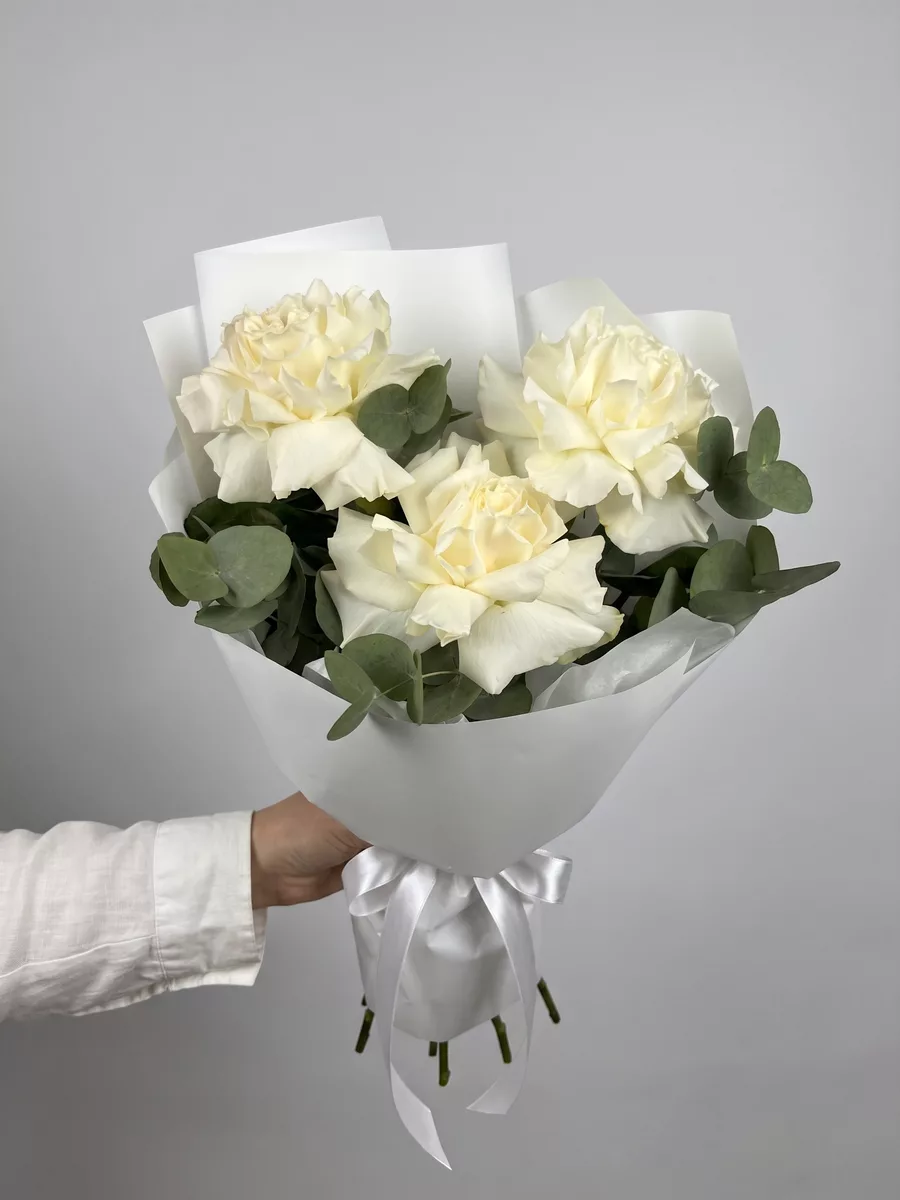
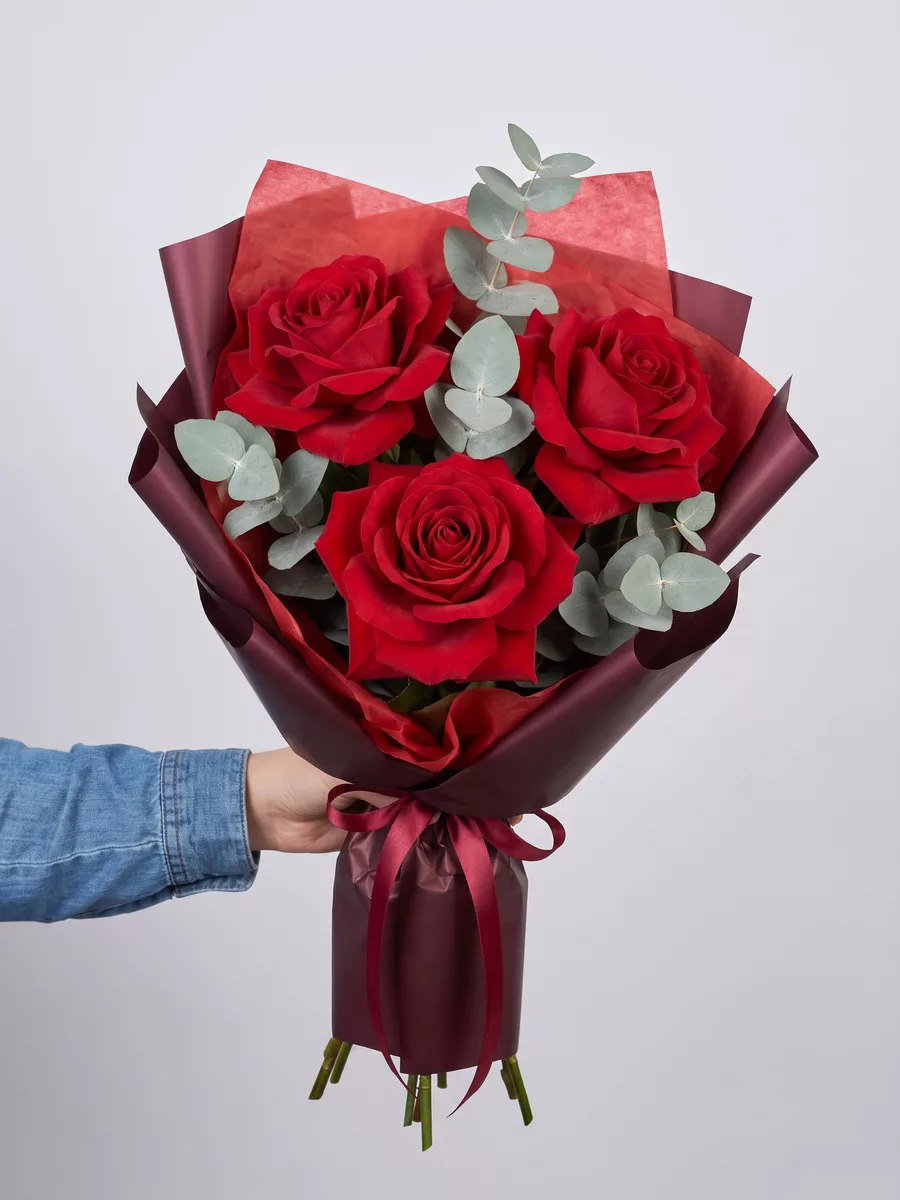
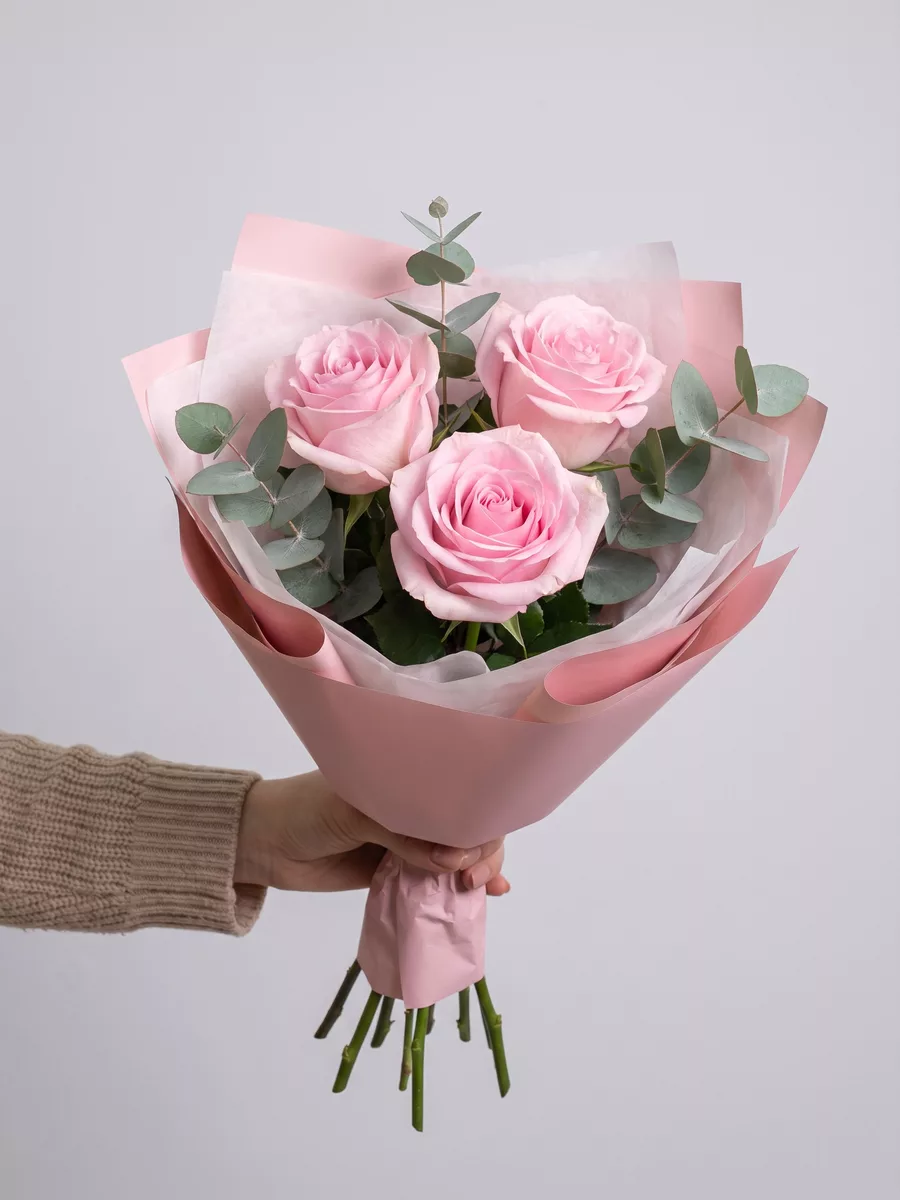
Delivery Areas and Addresses: Getting It Right for Mariinsk
Mariinsk is a compact city, which works in your favour when it comes to delivery logistics. The central districts, residential neighbourhoods along the main streets, and addresses near the railway station are all reachable within the standard delivery window. If you are sending to a workplace, a school, or a specific apartment building, the address details you provide at checkout directly affect how smoothly the handover goes.
Always include the full street address with apartment number, building entrance number if there is one, and a contact phone number for the recipient. In Russian apartment buildings, entrances are numbered separately from the building itself, and a courier without that information will lose time — which means flowers waiting in a bag longer than they should. If the recipient lives in a private house rather than an apartment block, noting any landmarks nearby is genuinely helpful.
If you want the delivery to be a surprise, add a note asking the courier to call you rather than the recipient before arrival. This is a common request and easy to accommodate. Just make sure your own phone is reachable at the time of the expected window.
For workplace deliveries, confirm the building accepts outside deliveries and that someone will be at the reception or office during the window you choose. Many offices in smaller Russian cities have a security desk at the entrance, and the courier will need to be let through. A quick message to the recipient's colleague to expect a delivery — without spoiling the surprise — usually solves this cleanly.
Timing Your Order: Windows, Lead Times and Siberian Winters
Turboflora delivers across Russia within one to two hours as a standard, and Mariinsk is included in that commitment. That said, the time you place your order matters. Orders placed in the morning give you the most flexibility for same-day delivery, and if you are aiming for a specific moment — arrival before a birthday dinner, flowers on the table before a guest walks in — ordering at least a few hours ahead of that moment is the sensible approach.
Winter in Mariinsk is serious. Temperatures regularly drop below minus twenty Celsius between November and March, and that affects how flowers travel. Bouquets are wrapped carefully for cold-weather delivery, but very long exposure to extreme cold damages petals on delicate varieties like garden roses and ranunculus. Tulips and chrysanthemums handle cold better. If you are ordering in deep winter, choosing hardier varieties is not a compromise — it is just good florist thinking.
Summer brings its own consideration in the opposite direction. Warm temperatures accelerate blooming, so flowers ordered for a late afternoon delivery on a hot day will open faster once they are in the recipient's home. Choosing flowers at a slightly earlier bloom stage in summer means they last longer on display. Alstroemeria, spray roses, and lisianthus are reliable choices for warm-season delivery because they travel well and hold their shape.
If you are ordering for a major date — March 8th, which is Women's Day and the biggest flower occasion in Russia, or Valentine's Day — place your order at least a day in advance. Demand on those dates is high everywhere, including in Mariinsk.
Choosing the Right Bouquet for the Person and the Moment
The most useful question to ask before you choose a bouquet is not what flowers you like — it is what the recipient will feel when they unwrap it. A grandmother celebrating her seventieth birthday will respond to something different than a colleague marking a promotion or a young woman receiving flowers from someone who wants to impress her. Starting from the person rather than the product makes every choice easier.
For a warm, celebratory feeling that suits birthdays and anniversaries, a combination of garden roses with soft filler flowers like waxflower or gypsophila creates a lush, generous look that reads as thoughtful rather than generic. Peonies work beautifully in late spring and early summer when they are in season and arrive at peak freshness. Avoid mixing too many colours in a single bouquet — three tones that work together are more elegant than seven that compete.
For a professional occasion — a colleague's promotion, a teacher's retirement, a business thank-you — cleaner arrangements work better. White or cream roses with green stems and minimal filler feel polished. Orchid stems added to a mixed bouquet bring a sense of occasion without being excessive.
For a romantic gesture, red roses remain the clear choice in Russian culture, and resisting them because they feel obvious is usually a mistake. A tight, well-staged arrangement of deep red roses with dark foliage is genuinely striking. If you want something a little less traditional, burgundy ranunculus or deep pink peonies carry the same warmth with a more personal feel. The wrapping matters too — ask for kraft paper or a fabric wrap rather than cellophane for a more considered presentation.
Bouquet Care in a Mariinsk Home: Making Flowers Last
Flowers delivered in Siberia face a specific challenge that florists in milder climates rarely think about: the dramatic difference between outdoor temperatures and indoor heating. Russian apartments in winter are kept very warm — often twenty-two to twenty-five degrees Celsius — while outside it might be minus fifteen or colder. Flowers brought in from the cold need a few minutes to adjust before being unwrapped, and stems should be recut immediately after that adjustment period.
The single most effective thing a recipient can do to extend vase life is to cut the stems at an angle under running water before placing them in a clean vase. A diagonal cut increases the surface area absorbing water. Removing any leaves that would sit below the waterline prevents bacterial growth, which is the main reason flowers wilt faster than they should. Fresh water every two days, or every day in a warm apartment, makes a noticeable difference.
Tulips are a special case. They continue to grow after cutting and will lean toward the light source, which some people find charming and others find frustrating. Keeping them away from direct sunlight and away from fruit — which releases ethylene gas that accelerates petal drop — helps them stay upright longer. Roses benefit from being placed away from radiators and heating vents, which dry petals quickly.
A small sachet of flower food is included with every Turboflora delivery. Dissolving it in the vase water at the correct ratio — not double-dosing, which people sometimes do thinking it helps — genuinely extends bloom life by several days. In a warm Mariinsk apartment, well-cared-for roses typically last seven to ten days, and alstroemeria can hold for two weeks.
Russian Flower Customs Worth Knowing Before You Order
If you are not familiar with Russian gift customs around flowers, a few details are worth knowing before you place your order. The most widely observed one is the odd-number rule: bouquets given as gifts are traditionally made with an odd number of stems. Even numbers of flowers are associated with mourning occasions, so a bouquet of twelve roses, while visually pleasing, carries an unintended message. Turboflora's arrangements are put together with this in mind, but if you are customising a bouquet, keep it to eleven, thirteen, or fifteen stems rather than ten or twelve.
Colour associations also carry meaning. Yellow flowers are sometimes associated with separation or the end of a relationship in Russian popular belief, though this is more a superstition than a firm rule and younger recipients are generally less concerned by it. If you are unsure, choosing pink, white, red, or mixed warm tones is always safe. White flowers are perfectly appropriate for celebrations and are not considered mournful in the way they might be in some other cultures.
Presentations matter. Flowers in Russia are typically given unwrapped or with the wrapping pulled back so the blooms are visible when handed over. Receiving a bouquet still fully sealed in packaging can feel slightly impersonal. Ask for the wrapping to be arranged so the flowers are visible from the front, which any florist will understand immediately.
Women's Day on March 8th is the occasion when flowers are most expected across Russia. Almost every woman receives flowers that day — from family, colleagues, and partners. If you are sending to a woman in Mariinsk on or around that date, ordering a day ahead is strongly recommended, as it is the busiest single day of the year for flower delivery across the country.
What Makes a Flower Delivery Feel Special, Not Just Delivered
There is a difference between a bouquet that arrives and a bouquet that lands. The first is a transaction. The second is a moment. The gap between them is usually found in the details: the handwritten card, the choice of wrapping, the bloom stage of the flowers when they are unwrapped, and whether the whole thing feels like someone thought about it.
A card message is worth taking seriously. In Russian culture, written words in a gift card carry real weight. A few genuine sentences mean more than a pre-set template. If you are sending from abroad or from another city and cannot be there yourself, the card is the only part of the gift that speaks in your voice. Make it sound like you.
Bloom stage is something Turboflora controls at the preparation stage, but it is worth understanding. Flowers sent at full bloom look spectacular in the first photograph but may only last three or four days. Flowers sent at a slightly earlier stage — tight buds for roses, just-opening heads for ranunculus — look less dramatic on arrival but reward the recipient with a longer display and the pleasure of watching them open. For a gift that is meant to last through a birthday weekend, the second approach is the better one.
Presentation wrapping should suit the person. A young woman who follows interior design trends will appreciate a minimalist kraft wrap with a single ribbon. A grandmother will likely love something with more colour and volume. If you are not sure, a neutral wrap in natural tones works across almost every context and age group without feeling generic. The flowers themselves should always be the main event.
Sending flowers to Mariinsk from anywhere in Russia is straightforward when you know what to expect at each step. The city is reachable, the occasions are real, and a well-chosen bouquet delivered on time makes a genuine impression. Think about who is receiving it, what the moment calls for, and how the flowers will live in that Siberian home for the days that follow. Those three questions, answered honestly, lead you to the right choice almost every time.
Frequently asked questions
Can I send flowers to Mariinsk on the same day I order?
Yes, same-day delivery to Mariinsk is available when you place your order with enough lead time before your chosen window. Morning orders give you the most flexibility. For guaranteed delivery at a specific time — before a dinner or a meeting, for example — ordering at least two to three hours ahead of that moment is the practical approach.
What flowers hold up best during Mariinsk winters?
Chrysanthemums, alstroemeria, spray roses, and tulips all handle cold transport better than delicate open-petalled varieties. Ranunculus and garden roses at full bloom are more vulnerable to frost damage. In deep winter, Turboflora wraps bouquets for cold-weather travel, but choosing hardier varieties adds an extra layer of protection and ensures the bouquet arrives looking exactly as it should.
Why do Russian bouquets always have an odd number of flowers?
Odd numbers are the traditional convention for gift bouquets in Russia, rooted in long-standing cultural practice. Even-numbered arrangements are associated with mourning occasions rather than celebrations. If you are customising a bouquet, aim for eleven, thirteen, or fifteen stems. Turboflora's standard arrangements already follow this convention, so you do not need to count manually when ordering from the main selection.
How long will the flowers last once they arrive in Mariinsk?
With basic care — stems recut at an angle, clean water changed every two days, kept away from radiators and direct sun — roses typically last seven to ten days in a warm Russian apartment. Alstroemeria can hold for up to two weeks. Tulips usually last five to seven days. The flower food sachet included with every delivery adds several days to the vase life of most varieties when used correctly.
Can I include a card message with my delivery to Mariinsk?
Yes, a handwritten card message can be added at checkout and is included with the bouquet on delivery. In Russian gift culture, a personal written message carries real significance, especially when the sender cannot be present. A few genuine, specific sentences will mean considerably more to the recipient than a generic greeting, so it is worth taking a moment to write something that sounds like you.
Ready to send flowers?
Pick the city, choose the bouquet, and a local florist takes it from there.
Choose a city →