Sending Flowers to Marks? Here Is Everything You Need to Know
Marks sits on the left bank of the Volga, a quiet city with a strong sense of occasion — birthdays here are celebrated properly, and showing up with the right flowers matters. Whether you are ordering from across Russia or from the next street over, getting a fresh, well-arranged bouquet to someone in Marks takes planning, the right varieties for the season, and a delivery service that understands the distance. This article walks you through exactly what to expect when you order with Turboflora.
Where in Marks We Deliver and How the City Is Laid Out
Marks is a compact city in Saratov Oblast, stretching along the Volga embankment with most residential addresses concentrated within a few kilometres of the central square. The city centre, the riverside neighbourhoods, and the newer residential blocks on the outskirts are all within our delivery zone. We cover the full administrative territory of Marks, including addresses that sit slightly beyond the dense urban core.
Because Marks is not a large metropolitan area, drivers can move between addresses efficiently. There are no inner-ring and outer-ring complications the way you find in cities like Saratov or Kazan. A recipient living near the market square and one living in a quieter residential district on the edge of town are both reached on the same schedule.
One thing worth knowing: street names in Marks follow the Soviet-era naming convention, so you will see a lot of Lenin Streets, Sovetskaya Streets and numbered microdistricts. When you place your order, double-check the house number and, if the building has multiple entrances, include the entrance number. This small detail prevents the most common delay we see — a driver standing outside the right building but unable to find the right door. A phone number for the recipient is equally important, especially if they live in a building with a security intercom.
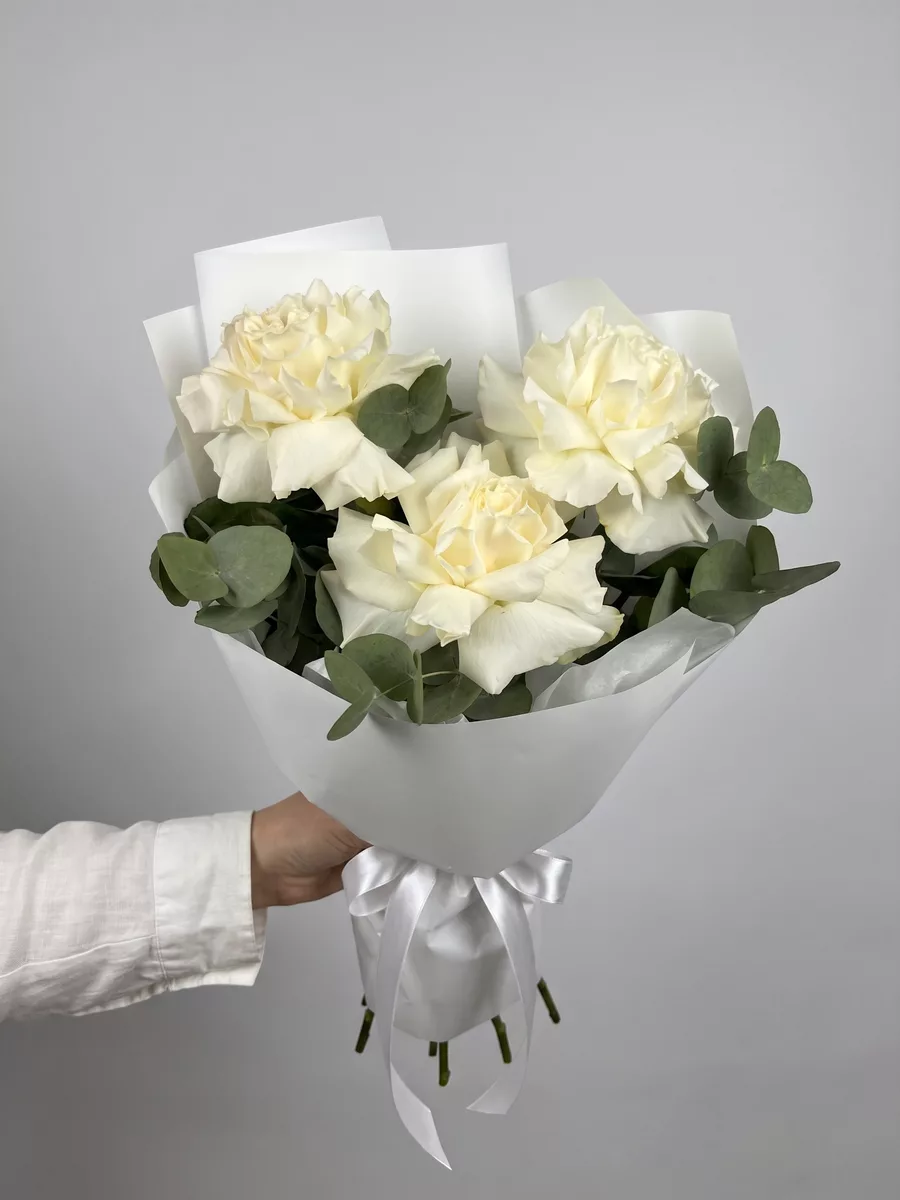
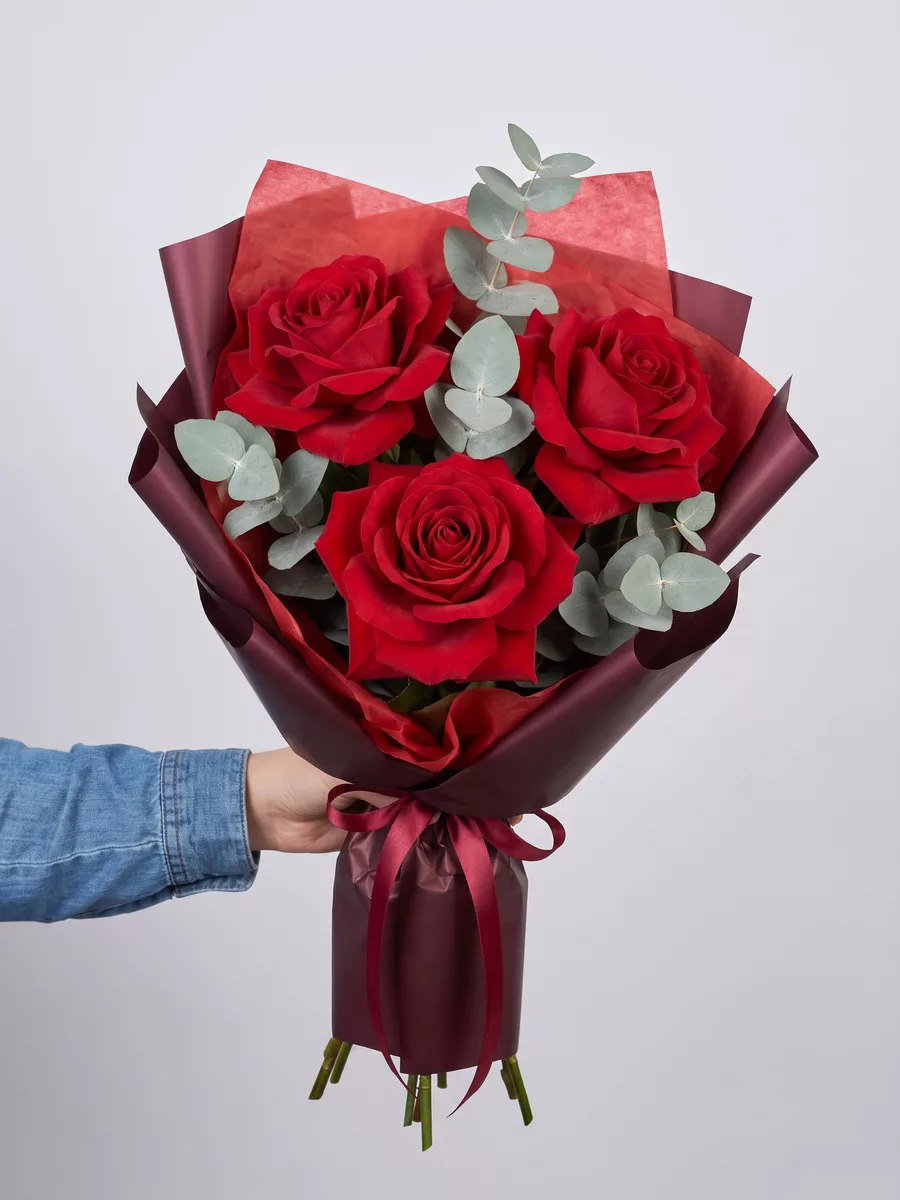
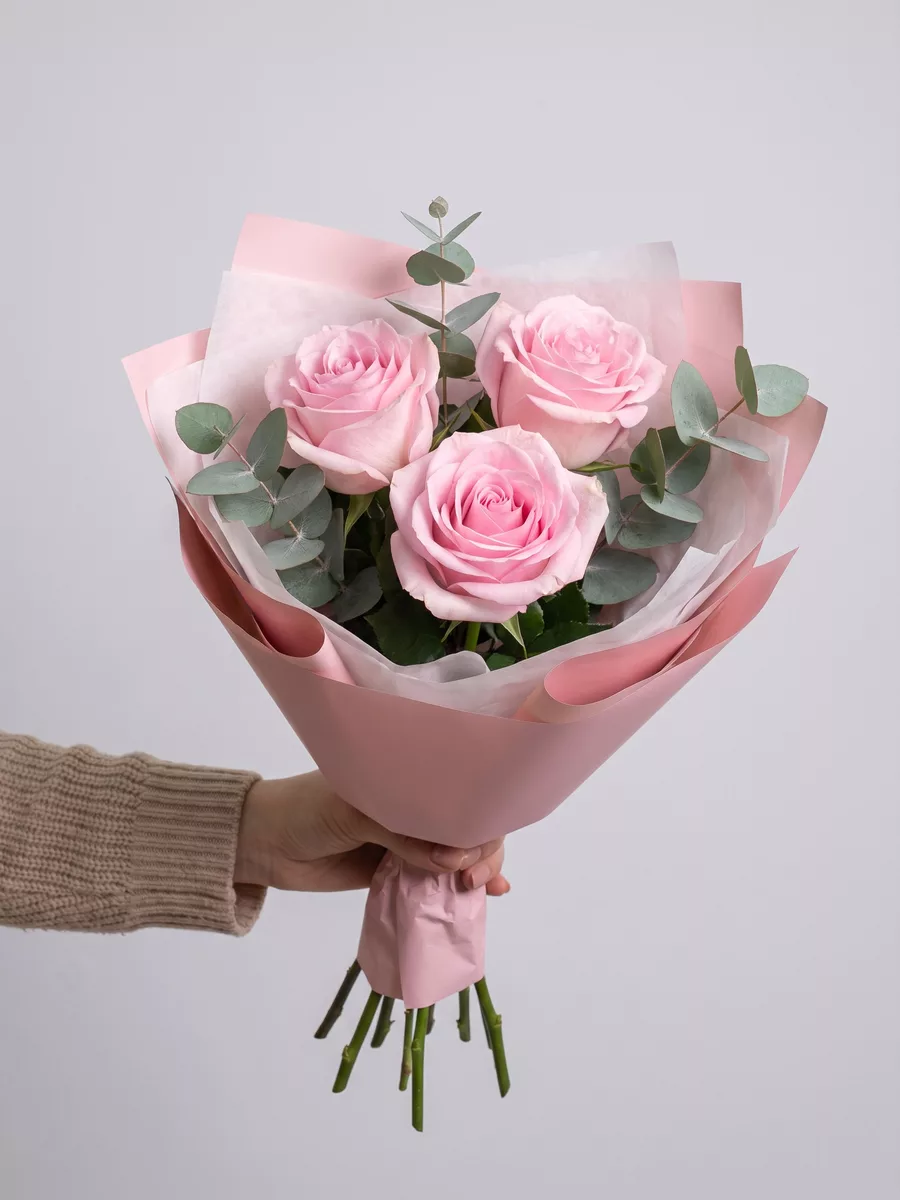
Bouquets we can deliver

Delivery Timing: What the 1–2 Hour Window Really Means
The 1–2 hour delivery window is our standard promise across Russia, and Marks is no exception. From the moment your order is confirmed and the bouquet is assembled, the clock starts. In practice, most deliveries in Marks land within 90 minutes, with the variation depending on the time of day and the specific address.
Morning orders placed before noon tend to move fastest, because road traffic in Marks is lightest in the late morning and early afternoon. Evening orders, particularly those placed after 6 p.m., can run closer to the two-hour end of the window because drivers are also completing other deliveries from the day. If you are planning a birthday surprise timed to a specific moment — say, flowers arriving before a dinner reservation — order at least three hours ahead and note the preferred delivery window in the comments.
Seasonal weather matters too. In January and February, Marks regularly sees temperatures below minus fifteen Celsius. We wrap cold-sensitive flowers — open roses, tropical stems like gerbera, anything with a high water content — in insulating sleeves before they go into the vehicle. This protects the petals from cold shock, which can cause browning at the tips within minutes of exposure. In summer, when temperatures climb above thirty Celsius, we keep bouquets in a cooled vehicle and avoid leaving them in direct sun during handoff. These are not precautions we mention to impress you — they are the difference between flowers that last a week and flowers that wilt the same evening.
Choosing Flowers for the Occasion, Not Just the Calendar
The most common mistake people make when ordering flowers is thinking about the flower first and the person second. A bouquet is a message before it is a decoration, and the varieties you choose should reflect what the recipient will feel when they open the door.
For a birthday, especially for a woman between thirty and sixty — the most common recipient profile we see in Marks — a mixed bouquet built around garden roses in soft peach or cream tones reads as generous and thoughtful without being overwhelming. Pair them with white lisianthus, which has a ruffled texture that adds volume without competing with the roses, and a few stems of eucalyptus for a fresh, light scent.
For a younger recipient, a monobouquet of bright ranunculus in yellow or coral is current and cheerful. Ranunculus are sturdy travellers and hold their shape well during delivery, which matters when the journey involves a car ride across the city. For a colleague or a more formal occasion, white or cream chrysanthemums with green pittosporum feel professional and clean — they say congratulations without overstepping.
If you are sending flowers to someone who has just moved into a new home, which is a common gifting occasion in Russian culture, choose long-lasting varieties: alstroemeria, spray carnations, or solidago paired with a few focal roses. These will stay fresh for ten days or more with basic care, which is a practical gift for someone still unpacking boxes and not yet thinking about vase water.
Seasonal Availability and What to Expect Month by Month
Marks experiences a continental climate with cold winters and hot, dry summers. This does not affect what we can source — our supply chain runs through Saint Petersburg and reaches growers in the Netherlands, Ecuador, and domestic Russian greenhouses — but it does affect how flowers behave once they arrive at the recipient's home.
In winter, from November through March, the best performers are roses from greenhouse cultivation, chrysanthemums, and carnations. These varieties are bred for stability and handle temperature fluctuations well. Avoid ordering open-faced flowers like sunflowers or large dahlias in deep winter if the recipient lives in a poorly heated apartment — they are sensitive to cold drafts and will drop petals quickly.
Spring is the best season for tulips, and in March around International Women's Day — the single largest flower-giving occasion in Russia, observed on the eighth of March — tulips are everywhere. Order early for this date, ideally two or three days ahead, because demand across the country spikes sharply. We recommend closed-bud tulips for delivery, as they will open beautifully over the following two days at room temperature.
Summer brings availability of local-grown lisianthus, statice, and seasonal greenery that adds texture to any arrangement. Autumn is the season for spray roses, which are smaller-headed and cluster on a single stem, and for warm-toned compositions in amber, rust, and burgundy that suit the light of September and October. Knowing the season helps you choose flowers that will genuinely thrive in the recipient's home.
How to Write a Card Message That Lands Well
In Russian culture, the written card that comes with flowers carries real weight. It is often kept long after the bouquet has faded. A blank card or a generic message — Happy Birthday, Best Wishes — is noticed, and not in a good way. Taking two minutes to write something specific makes the whole gift feel considered.
The simplest structure that works: name what you are celebrating or acknowledging, say one true thing about the person, and close with warmth. For example, for a colleague's promotion: your name is on that door because you earned it — congratulations, and here is to everything that comes next. That is three sentences, and it will be remembered.
For older recipients, particularly grandmothers or mothers, a more traditional tone is appreciated. Russian etiquette still values formal address — using the full first name and patronymic in the greeting, such as Natalya Ivanovna, shows respect and care. If you are not sure of the patronymic, you can ask us to keep the greeting warm but simple.
For romantic occasions, less is often more. A single line — I thought of you when I chose these — is more affecting than a paragraph. Avoid anything that sounds like it was copied from a website, because it often reads that way.
When you place your order, type the message exactly as you want it written. We reproduce it faithfully. If you write in English and want it transliterated or translated into Russian, note that in the order comments and we will handle it.
Vase Life and Care: Making the Bouquet Last
A bouquet that arrives looking perfect and wilts within two days is a disappointment for everyone. The care instructions we include with every delivery are not filler — they are the difference between five days of fresh flowers and twelve.
The first step is always the cut. Use a sharp knife, not scissors, to trim two centimetres off each stem at a forty-five-degree angle. This increases the surface area for water uptake. Do this under running water or while the stems are submerged to prevent an air bubble from sealing the cut. Scissors crush the vascular tissue; a clean knife does not.
Fill the vase with cool, clean water and add the sachet of flower food that comes with the bouquet. This sachet contains a mild acidifier and a small amount of sugar — it genuinely extends vase life by keeping bacteria in check. Change the water every two days and re-cut the stems each time.
Placement matters as much as water. Keep the bouquet away from direct sunlight, away from heating radiators, and away from fruit bowls. Ripening fruit releases ethylene gas, which accelerates petal drop in roses and carnations significantly. A cool room — around eighteen to twenty Celsius — is ideal.
Roses and lisianthus will last seven to ten days with this care. Tulips last five to seven days but will continue to grow and lean toward light, which is a natural behaviour, not a sign of poor quality. Gerbera are the most demanding: they need very shallow water, only three to four centimetres, and a clean vase to avoid stem rot. Following these steps means the recipient enjoys the gift for the full week it was meant to last.
What to Do If Something Goes Wrong With Your Order
Deliveries across Russia are logistically complex, and even with careful planning, things occasionally do not go as expected. Knowing what to do in those moments saves time and frustration.
If the bouquet arrives and the flowers look different from what you ordered — a different colour, a substituted variety — contact us immediately through the order confirmation details. We photograph every bouquet before dispatch, so we can quickly identify whether a substitution was made and why. In cases where a specific variety was unavailable at assembly time, we make the closest substitution we can and note it in the order. We always aim to match the mood and price level of the original choice.
If the delivery is running past the two-hour window, the most useful thing to do is check the phone number you provided for the recipient. In many delayed cases, the driver has been unable to reach the recipient by phone and is waiting at the address. This is the most common cause of a late delivery in Marks, particularly for recipients who are in meetings or have their phone on silent.
If the flowers arrive in poor condition — petals damaged, stems broken, visible wilting — take a photograph immediately and send it to us. We take quality seriously, and a documented complaint will be resolved with either a replacement or a refund. We ask for the photograph because it helps us trace where in the process the damage occurred and prevent it from happening again. Our goal is that the recipient opens the door and genuinely smiles, and we stand behind that.
Sending flowers to someone in Marks is a straightforward, meaningful gesture when you know what to expect at each step. Choose varieties suited to the season and the person, write a card that says something true, and give the recipient the care instructions to make the bouquet last. Turboflora handles the rest — the sourcing, the assembly, the cold-weather wrapping, and the door-to-door delivery within 1–2 hours. The flowers arrive fresh because we treat every order as if we were sending them to someone we know.
Frequently asked questions
Can I schedule a flower delivery to Marks for a specific time?
Yes. When placing your order, add the preferred delivery window in the comments field. For time-sensitive occasions like a birthday dinner or a morning surprise, we recommend ordering at least three hours ahead of your target time. We will do our best to match your window, and our driver will call the recipient before arriving.
What happens to the flowers in winter when temperatures in Marks drop below minus fifteen?
We wrap cold-sensitive varieties in insulating sleeves before they leave our facility and keep them in a temperature-controlled vehicle throughout transit. The handoff is done quickly to minimise exposure. Roses, gerbera, and tropical stems are the most vulnerable to cold shock, and we take extra care with these varieties during the winter months.
Is International Women's Day on March 8th a difficult date to order for in Marks?
It is the busiest flower-giving day of the year across Russia, including in Marks. Demand spikes sharply in the days before the eighth. We strongly recommend placing your order two to three days in advance to secure your preferred varieties and delivery slot. Tulips are the classic choice for this occasion and we stock them in volume, but they sell out fast.
Can I include a card message in English, or does it need to be in Russian?
You can write your message in any language. If you write in English and would like it translated or transliterated into Russian for the recipient, simply note that in the order comments and we will handle the conversion. We reproduce card messages exactly as written, so check spelling and punctuation before submitting.
How do I know which flowers to choose if I am not sure what the recipient likes?
A mixed bouquet built around roses in neutral tones — cream, peach, or soft pink — works for almost any adult recipient and occasion. Add lisianthus for texture and eucalyptus for scent. If the recipient is younger or has a more contemporary style, a monobouquet of ranunculus or spray roses in a bold colour is a confident, current choice that travels well.
Ready to send flowers?
Pick the city, choose the bouquet, and a local florist takes it from there.
Choose a city →