Sending Flowers to Mendeleevsk? Here Is What to Expect
Mendeleevsk sits quietly on the Kama River, a city where a well-chosen bouquet can feel like a genuine event — not just a purchase. Whether you are sending roses to a colleague across town or surprising a relative you have not seen in months, the details matter: timing, flower choice, how the stems will travel, and what the recipient will find at the door. This guide walks you through all of it, from the moment you place the order to the vase on the kitchen table.
Where in Mendeleevsk We Deliver and Why It Matters
Mendeleevsk is a compact city in the Republic of Tatarstan, built largely around the Khimzavod chemical plant and the residential districts that grew alongside it. The city centre, the Noviy Gorod neighbourhood, and the areas along Ulitsa Lenina and Ulitsa Chapaeva are all within our standard delivery radius. Addresses near the riverbank and the older factory-side streets are equally reachable, though we ask for a precise apartment number and entrance code if the building has an intercom — many Soviet-era blocks do, and a courier waiting outside in cold weather is a problem easily avoided.
Mendeleevsk is not a large city, which works in your favour. The courier does not need to navigate a sprawling metropolitan grid, so the 1–2 hour window is realistic rather than optimistic. What can slow things down is unclear address information or a recipient who is not at home and does not answer the phone. We always call ahead before the final approach, so make sure the number you provide is one the recipient actually picks up.
If you are sending to a workplace — the plant administration building, a school, or one of the city's medical facilities — specify the organisation name along with the street address. Reception desks in larger buildings sometimes redirect deliveries, and having the full name of the recipient written on the card prevents any confusion. A small detail, but it protects the surprise.
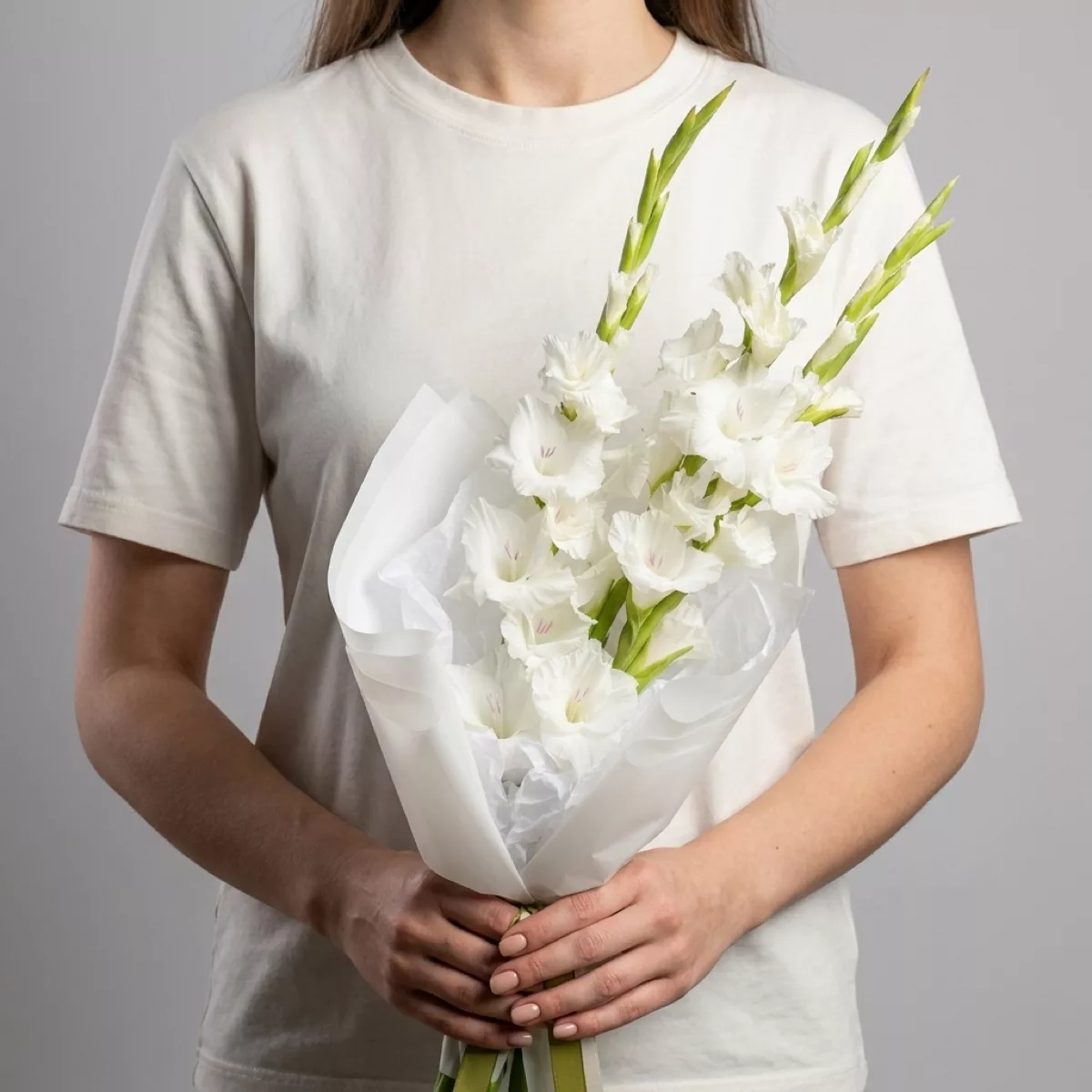
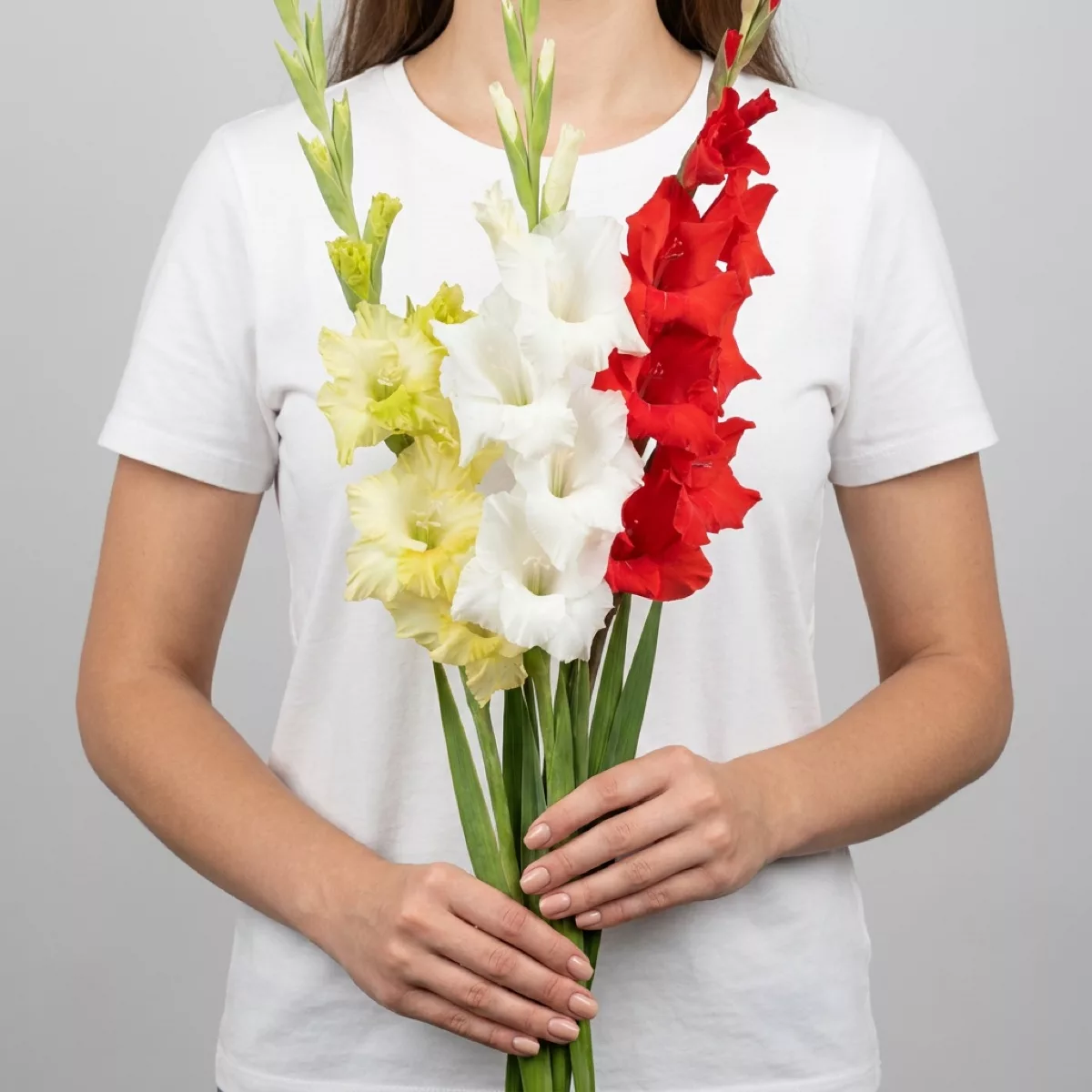
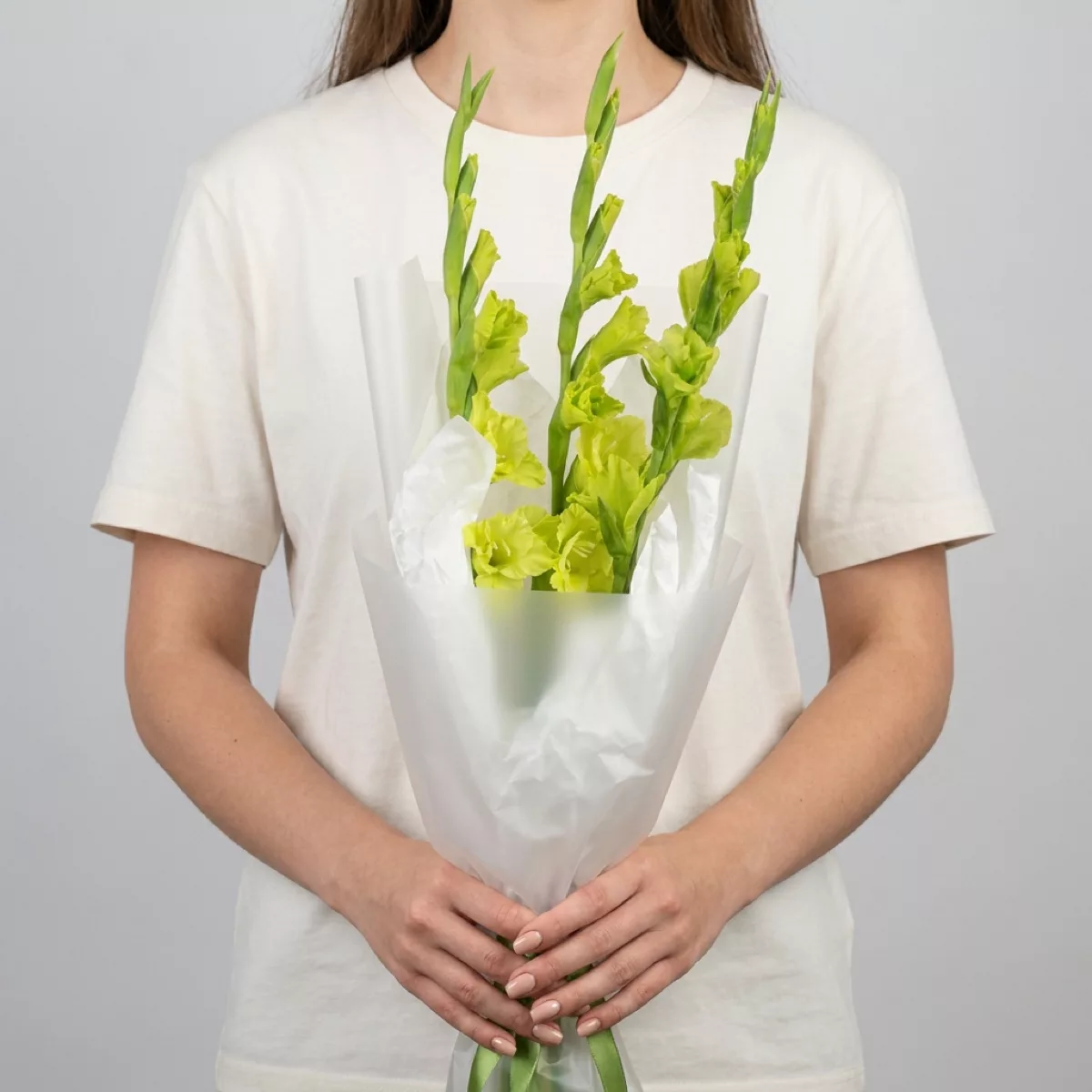
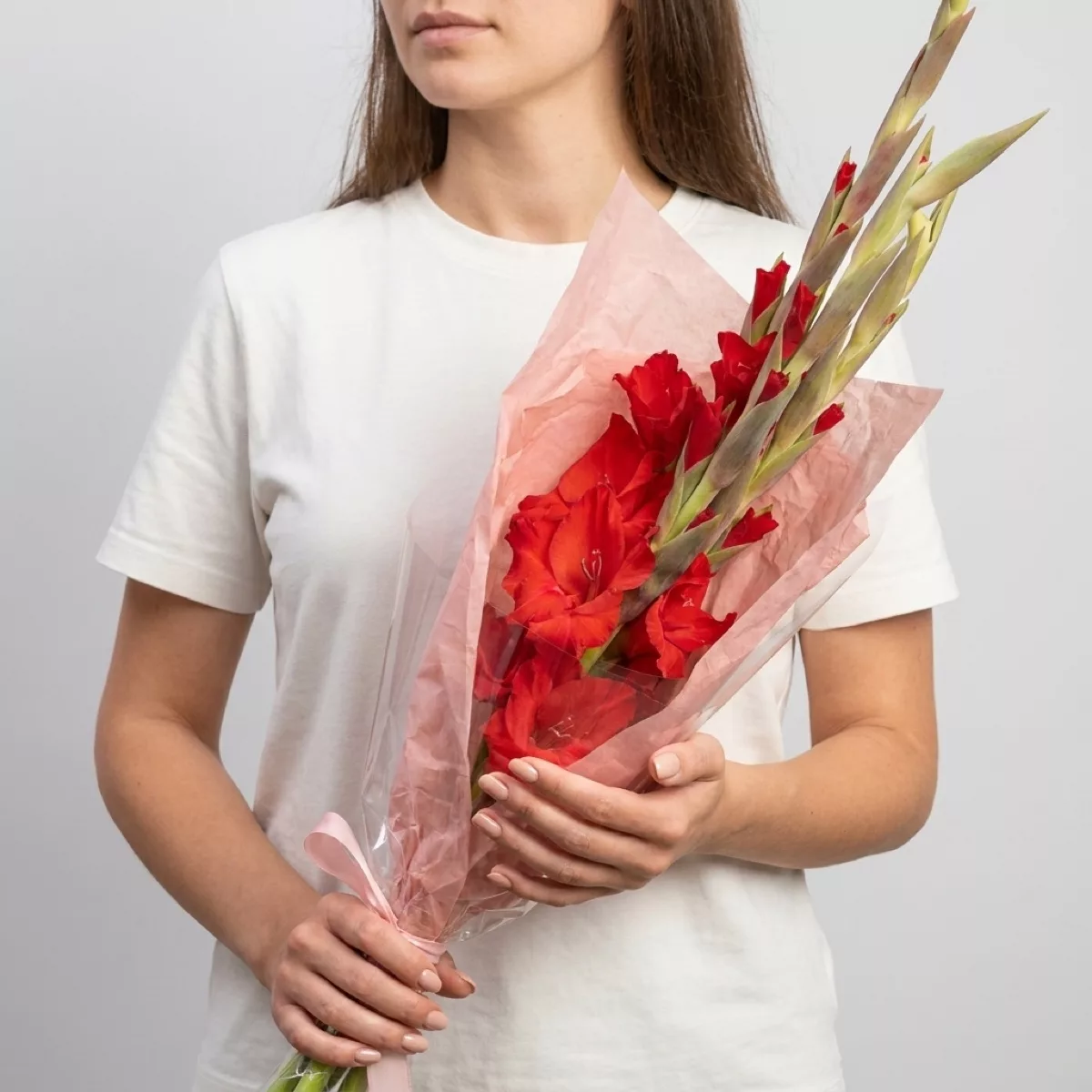
Bouquets we can deliver
Timing Your Order for the Moment That Counts
The 1–2 hour delivery window starts from the moment your order is confirmed, not from the moment you begin browsing. That distinction matters when you are working against a deadline — a birthday dinner that starts at seven, an anniversary lunch, a morning arrival at the office before a meeting. Build in a small buffer of thirty minutes if the occasion is time-sensitive. Flowers arriving at 7:05 for a 7:00 dinner are still a lovely gift, but arriving at 6:45 gives the recipient time to find a vase and enjoy the moment before guests appear.
Mendeleevsk follows Moscow time plus one hour, sitting in the UTC+3 zone alongside most of Tatarstan. If you are ordering from another city or from abroad, adjust accordingly. An order placed at what feels like mid-afternoon in your location might land in Mendeleevsk during the evening, which changes the delivery context entirely.
Morning deliveries — roughly between 9:00 and 11:00 — tend to work beautifully for birthdays because the recipient has the whole day ahead of them with fresh flowers on the table. Evening deliveries before 20:00 suit romantic occasions better, when the setting at home feels more intimate. We do not recommend scheduling deliveries for very early morning or late night without explicit agreement from the recipient's household, as a knock at the door at 8:00 on a weekend can feel more alarming than delightful.
Choosing Flowers for the Person, Not Just the Occasion
Russian flower-giving culture has a few conventions worth knowing if you are unfamiliar with them. The number of stems matters: an even number of flowers is traditionally associated with mourning, so bouquets are almost always made with an odd number — five roses, seven tulips, eleven gerberas. This is not a strict rule in younger urban circles, but it is still widely observed in cities like Mendeleevsk, and following it shows thoughtfulness.
For a woman you know well, think about her home and her personality before the flower type. A teacher who keeps a tidy, traditional home will likely appreciate a classic bouquet of spray roses in cream or soft pink, stems cut cleanly and wrapped in kraft paper. A younger woman with a modern apartment might respond better to a loose, garden-style arrangement with ranunculus, eucalyptus, and a few stems of lisianthus — flowers that feel gathered rather than arranged.
For men, which is increasingly common in Russian gifting culture, succulents in a ceramic pot or a structured arrangement of anthuriums and tropical foliage works well. Avoid anything that reads as overly feminine in colour if you are unsure of the recipient's taste — neutral greens, deep burgundy, and white are safe and elegant.
Children respond to colour and texture above all. Bright gerberas in yellow and orange, or a small sunflower bouquet, will delight a child far more than a formal rose arrangement. Keep the stems short and the wrapping light so small hands can hold it comfortably.
What Happens to Flowers During Transit in Tatarstan's Climate
Mendeleevsk experiences genuine seasonal extremes. Winters bring temperatures that regularly drop below minus fifteen Celsius, and summers can push above thirty. Both extremes affect cut flowers significantly, and knowing this helps you set realistic expectations and take the right steps when the bouquet arrives.
In winter, the main risk is cold shock. Roses and tulips are particularly vulnerable — a stem exposed to freezing air for even a few minutes can develop blackened petal edges or limp leaves. Our couriers use insulated packaging during cold months, wrapping bouquets in thermal sleeves before placing them in delivery bags. When the bouquet arrives, do not unwrap it immediately in a cold hallway. Bring it inside, let it rest at room temperature for ten minutes, then remove the packaging slowly. This acclimatisation step prevents condensation damage and petal bruising.
In summer, the risk shifts to heat and dehydration. Flowers sitting in a warm vehicle lose moisture quickly, and stems that were hydrated at the shop can arrive looking slightly tired if the journey was longer than expected. The solution is immediate: cut one centimetre off each stem at a diagonal angle, place them in cool — not cold — water, and keep the vase away from direct sunlight and away from fruit bowls. Ripening fruit releases ethylene gas, which accelerates wilting in cut flowers.
Spring and autumn in Mendeleevsk are more forgiving, with temperatures that keep flowers stable during transit. These seasons are also when local markets bring in excellent tulips and peonies, which travel well and look generous in a vase.
Bouquet Options Across Different Budgets and Intentions
A smaller budget does not mean a smaller impression — it means making smarter choices about which flowers carry the most visual weight for their cost. Chrysanthemums, for example, are often underestimated. A mono-bouquet of white or deep burgundy chrysanthemums, tightly arranged with clean stems and a simple ribbon, looks deliberate and elegant. Alstroemeria is another flower that punches above its price: it lasts ten to fourteen days in a vase, comes in a wide range of colours, and fills out an arrangement without looking sparse.
At a mid-range budget, you gain access to combination bouquets that mix textures and heights. A pairing of garden roses with eucalyptus and a few stems of waxflower creates depth without complexity. Tulips combined with muscari in early spring feel seasonal and considered. These combinations are where a florist's eye makes the biggest difference — the goal is contrast that feels natural, not a collection of random stems.
At the higher end, Dutch roses with large heads, peonies in season, or imported orchid stems become available. A dozen large-headed roses in a single colour, wrapped in linen paper with a satin ribbon, is one of the most universally well-received gifts across Russian cities, including Mendeleevsk. It reads as generous and classic without requiring the recipient to interpret anything.
Whatever the budget, the card matters as much as the flowers. A handwritten message — even a short one — transforms a delivery from a transaction into a moment. We include a printed card with every order, and you can write the message yourself when placing the order.
Vase Life and Care: Making the Bouquet Last
The care a bouquet receives in the first two hours after delivery determines how long it will look beautiful. Most recipients do not know this, and a few simple instructions can double the vase life of almost any arrangement. If you are sending flowers to someone who may not be experienced with cut flowers, consider including care tips in your card message — it is a practical gesture that extends the pleasure of the gift.
Start with the water temperature. Cool water, around fifteen to eighteen Celsius, is ideal for most cut flowers. Roses and tulips prefer slightly cooler water than tropical varieties like anthuriums, which do better at room temperature. Change the water every two days and re-cut the stems each time, removing about half a centimetre. This keeps the vascular channels open and prevents bacterial buildup at the cut end.
Leaves below the waterline should be removed entirely before the stems go in. Any foliage sitting in water rots quickly and introduces bacteria that shorten the life of every stem in the vase. This single step is the most commonly skipped and the most impactful.
Keep the vase away from radiators, which are working hard in Mendeleevsk winters. Central heating systems in Russian apartment buildings tend to run hot, and a vase placed near a radiator can lose half its vase life in a day. A windowsill in winter is also problematic — the cold glass creates a microclimate that stresses the stems. The best spot is a cool interior surface, away from both heat and direct cold.
With proper care, spray roses last seven to ten days, tulips five to seven, and chrysanthemums up to two weeks.
Small Details That Make a Delivery Feel Personal
The logistics of delivery are only part of what makes sending flowers memorable. The presentation, the message, and a few thoughtful additions can turn a standard bouquet into something the recipient talks about for days. These details are worth thinking through before you finalise your order, not as afterthoughts.
Wrapping style signals intention. Kraft paper wrapping feels artisan and warm — appropriate for a close friend, a parent, or a creative person. Cellophane with a bow reads as more formal and is well-suited to workplace deliveries or occasions where you want the gift to look polished from a distance. Fabric wrapping, when available, feels luxurious and suggests the giver spent time thinking about presentation.
Adding a small accompanying gift — a box of chocolates, a scented candle, or a jar of honey — changes the weight of the gesture significantly. In Russian gifting culture, a combined gift of flowers and something edible is common and appreciated, particularly for home deliveries where the recipient will be alone when they open the door.
The card message deserves more attention than most people give it. A specific, personal sentence — referencing a shared memory, a quality you admire in the person, or simply why you thought of them today — lands far better than a generic greeting. It does not need to be long. Three sentences that are genuinely personal outperform a paragraph of pleasantries every time.
Finally, if the delivery is a surprise, consider whether the recipient's schedule allows for it. A surprise bouquet arriving while someone is at work, with a neighbour accepting it, can sit unwrapped for hours. A timed delivery that meets the person at the door is a much more complete experience.
Mendeleevsk may be a smaller city on the Kama, but the people there receive flowers with the same warmth and appreciation you find anywhere in Russia. Getting the delivery right — the timing, the flower choice, the care instructions, the personal message — takes a little thought upfront, and that thought is exactly what the recipient feels when they open the door. Order with enough lead time, give us a precise address, and let the flowers do the rest.
Frequently asked questions
Can I order flowers for delivery in Mendeleevsk the same day?
Yes. Same-day delivery is our standard service in Mendeleevsk. Place your order and the bouquet will be delivered within 1–2 hours of confirmation. The only exception is if you are ordering very late in the evening — check the available delivery window when placing your order to confirm timing works for your occasion.
What if the recipient is not home when the courier arrives?
Our courier calls ahead before arriving. If the recipient does not answer, we will contact you as the sender to decide on next steps — leaving the bouquet with a neighbour, scheduling a second attempt, or holding the order. We do not leave flowers unattended outside a door, especially in cold weather, as the stems can be damaged within minutes.
How many flowers should a bouquet have according to Russian tradition?
In Russian tradition, bouquets are given with an odd number of stems — three, five, seven, eleven, and so on. An even number is associated with mourning and is generally avoided for celebratory gifts. Our florists follow this convention automatically, so you do not need to specify it, but it is worth knowing if you are choosing a specific quantity.
Which flowers hold up best in Mendeleevsk's cold winter temperatures during delivery?
Chrysanthemums, alstroemeria, and spray roses are the most cold-tolerant cut flowers and travel well in winter packaging. Tulips and large-headed roses are more sensitive to temperature shock. We use insulated wrapping during cold months, but ask the recipient to let the bouquet acclimatise indoors for ten minutes before unwrapping it fully.
Can I include a gift alongside the flowers for a Mendeleevsk delivery?
Yes. When placing your order, you can add items such as chocolates or a candle to accompany the bouquet. Combined flower and gift deliveries are common in Russian gifting culture and are particularly appreciated for home deliveries. Adding something edible alongside flowers makes the gesture feel more complete and festive, especially for birthdays or anniversaries.
Ready to send flowers?
Pick the city, choose the bouquet, and a local florist takes it from there.
Choose a city →