Sending Flowers to Mirny? Here Is What You Should Know First
Mirny sits deep in Yakutia, a city built around one of the world's largest diamond mines, where winters are long, temperatures are extreme and a fresh bouquet arriving at someone's door feels genuinely extraordinary. Whether you are sending flowers to a colleague after a promotion, to a mother on her birthday or to a partner who moved there for work, getting the delivery right matters — and the distance from Saint Petersburg makes planning just a little more important than usual.
Why Mirny Is a Special Case for Flower Delivery
Mirny is not a city you find on most standard delivery maps, and that alone tells you something about what it takes to send flowers there well. The city is located in the Sakha Republic, roughly 4,800 kilometres from Saint Petersburg, and its climate is one of the harshest in Russia. Winter temperatures regularly drop below minus 40 degrees Celsius, and even spring arrivals can bring cold snaps that stress cut flowers significantly.
For the person receiving flowers in Mirny, the rarity of a fresh bouquet makes the gesture land harder than it might in Moscow or Kazan. People who live and work in remote industrial cities notice when someone puts in the effort to send something beautiful across that distance. It signals care, not just habit.
For you as the sender, the main thing to understand is that flower delivery to Mirny requires advance planning. Same-day delivery in the way you might expect in a large city is not how this route works. The logistics involve air freight to Yakutsk and onward transfer, which means your order timeline is measured in days rather than hours. That is not a flaw — it is simply the geography. Booking one to three days ahead gives the flowers the best chance of arriving in peak condition, properly wrapped and protected against the cold at every stage of the journey.
Bouquets we can deliver

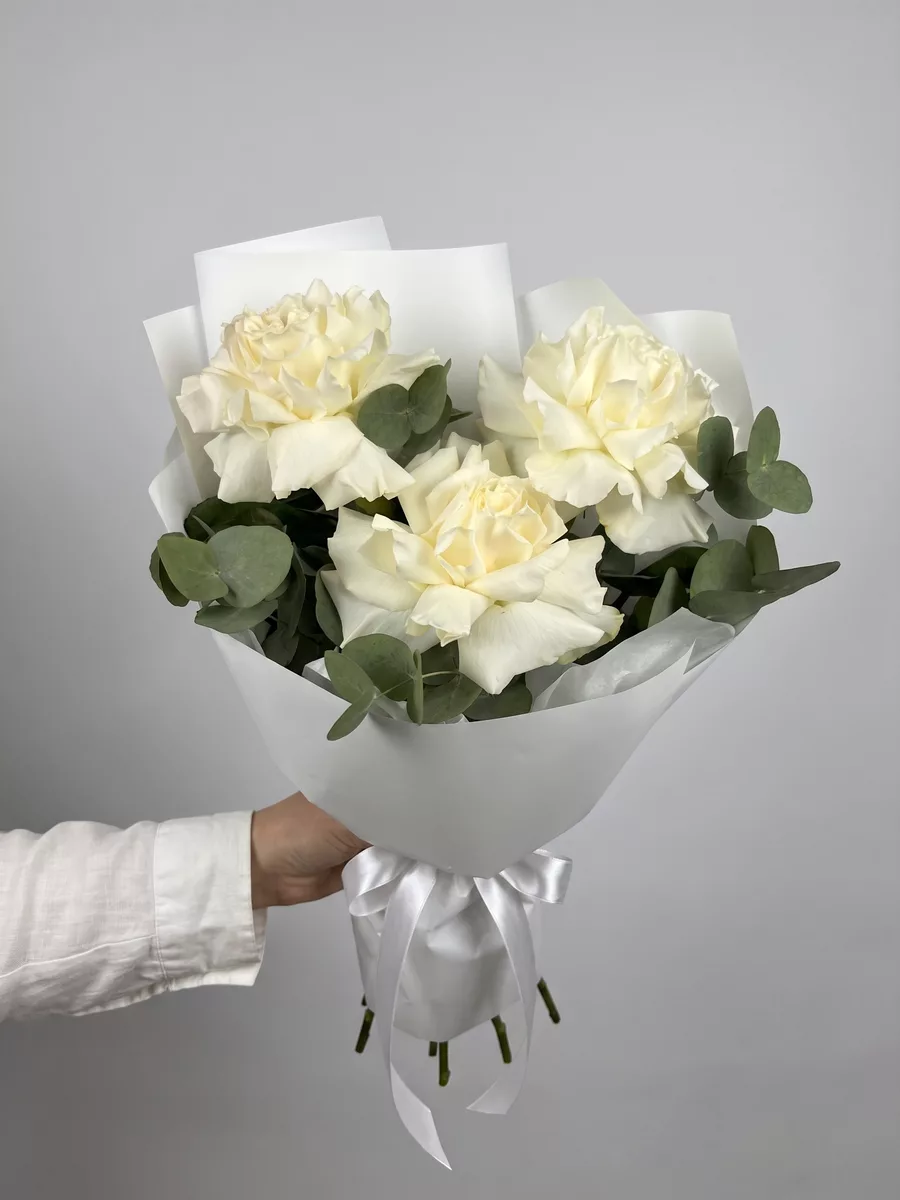
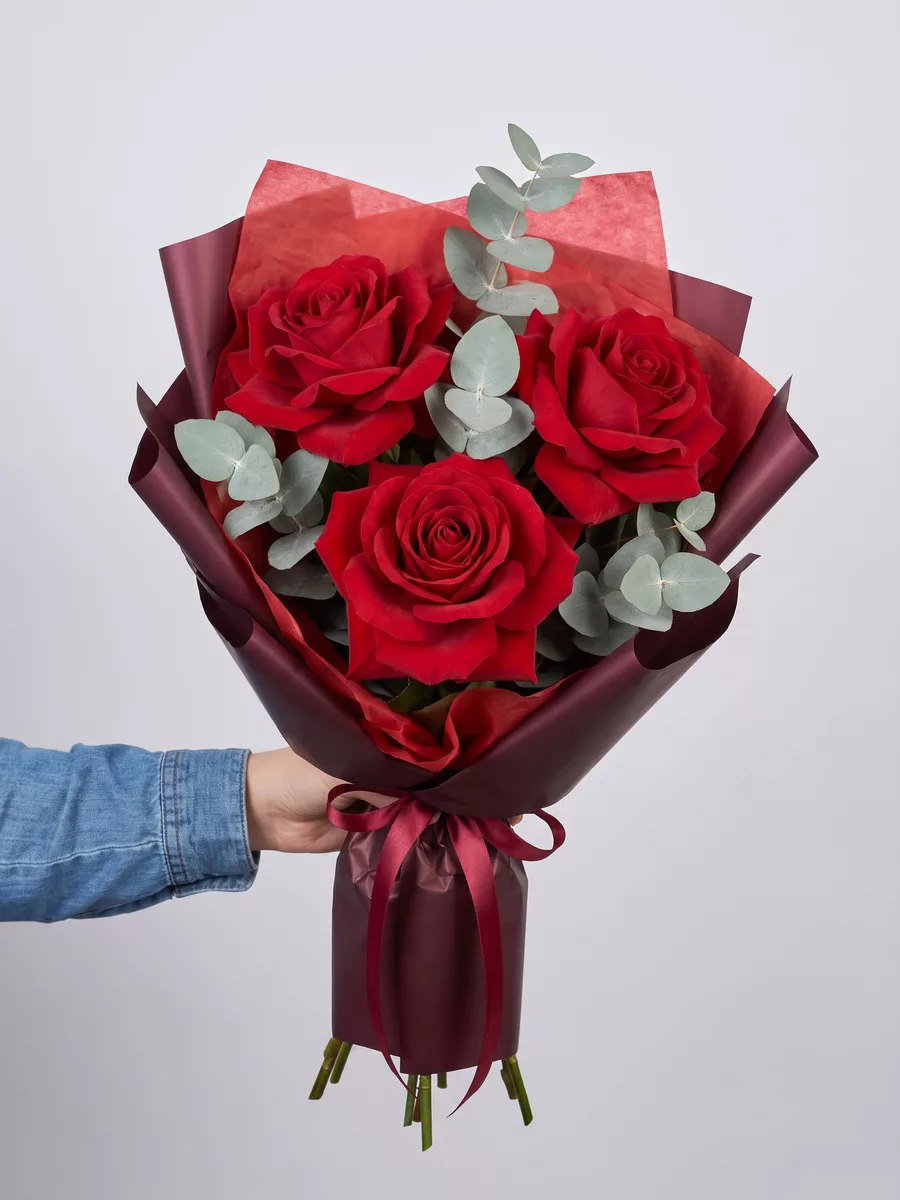
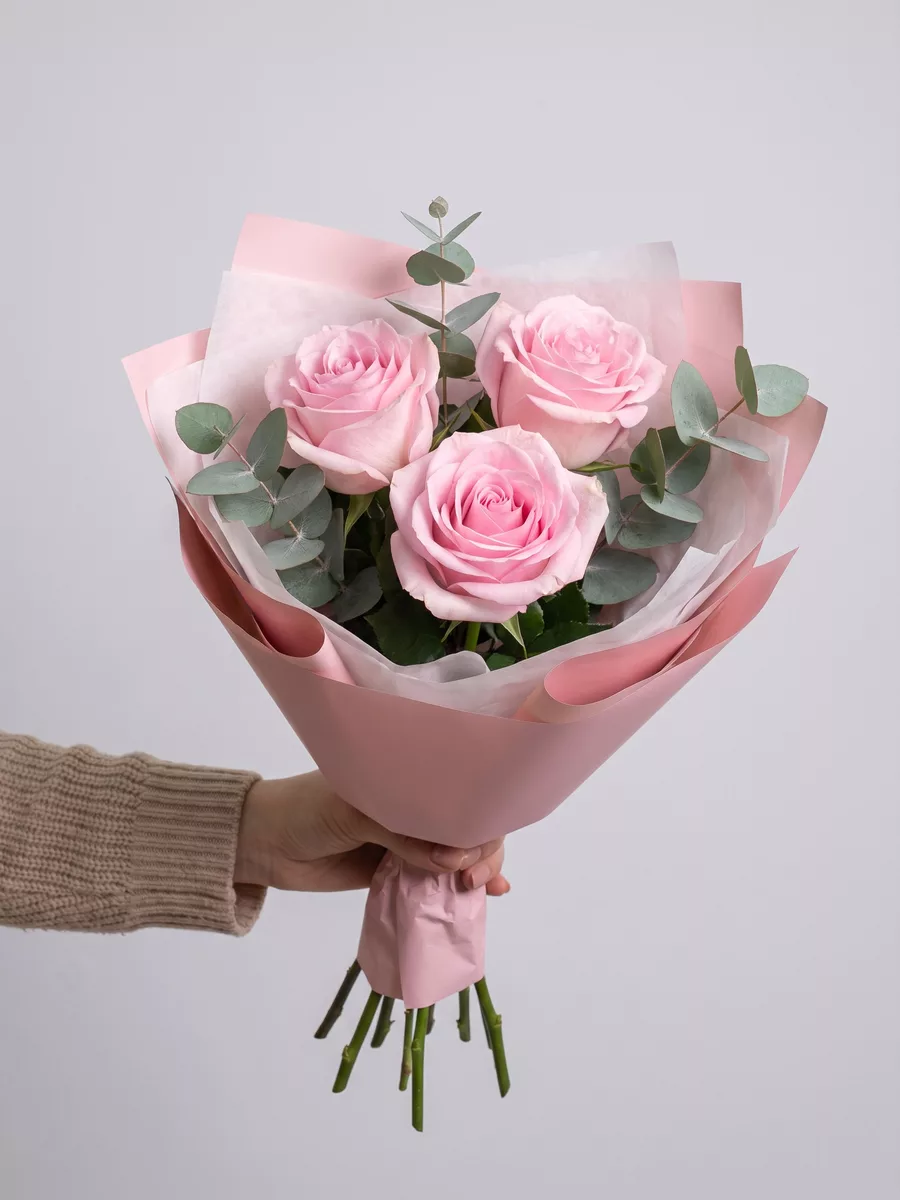
Which Areas of Mirny We Deliver To
Mirny itself is a compact city with a population of around 35,000 people, and most residential and administrative addresses fall within the central delivery zone. The main residential districts — including the areas around Lenina Street, the central square and the neighbourhoods that grew up alongside the mining administration — are all reachable. If you have a street address in Mirny proper, delivery is straightforward to arrange.
The situation becomes more nuanced if the recipient lives in one of the smaller settlements in the broader Mirny district. Villages and worker settlements outside the city boundary may require additional coordination and a longer lead time. When you place your order, it is worth specifying the full address including any building number, entrance code and floor — Russian apartment buildings often have multiple entrances, and a courier arriving at the wrong one on a cold day loses time that matters when flowers are on board.
If you are sending to a workplace — an office at the mining complex, a hospital, a school or a government building — include the name of the organisation and, if possible, the recipient's department. In a city like Mirny where many people work in large industrial facilities, the name alone is sometimes not enough to locate someone quickly. The more detail you provide at the address stage, the smoother the final handover will be, and the more likely the bouquet arrives looking exactly as it left the studio.
Timing Your Order: What the Journey Actually Looks Like
The honest answer to how long delivery takes is: plan for two to three days from the moment you place your order. Flowers leave our Saint Petersburg studio carefully conditioned, with stems freshly cut and hydration packaging applied for the transit. From there, air freight to Yakutsk is the fastest viable route, followed by the final leg into Mirny.
The best time to place an order for a specific occasion is two to three days before the date you want the flowers to arrive. If the occasion is a birthday on a Friday, ordering on Tuesday gives enough buffer for both the logistics and any weather-related delays. Yakutia experiences flight disruptions in deep winter more often than other regions, and building in a day of buffer is simply good planning rather than pessimism.
Spring and summer are the most reliable seasons for timing. The shoulder months of October and March can bring unpredictable cold, and January and February are when temperature management during transit becomes most critical. We pack flowers for cold-weather delivery with insulating materials that slow temperature drop, but no packaging eliminates the risk entirely when ambient temperatures are extreme.
For occasions like International Women's Day on March 8th — the single biggest flower-giving day in Russia — orders should be placed at least four to five days ahead. Demand spikes dramatically across the country on that date, and Mirny is no exception. People there celebrate it warmly, and a bouquet arriving on the morning of March 8th is one of the most appreciated gifts you can send.
Choosing the Right Flowers for a Long Cold Journey
Not every flower travels well across thousands of kilometres in Siberian winter, and choosing with that in mind is one of the most useful things a florist can tell you. The varieties that hold up best over long transit are those with naturally robust stems and dense petals: roses, chrysanthemums, alstroemeria, carnations and lisianthus are all reliable travellers. Spray roses in particular arrive beautifully because their multiple heads protect each other during movement.
Delicate flowers like garden ranunculus, sweet peas and open peonies are more vulnerable. Peonies in tight bud, however, travel surprisingly well — they open gradually after arrival, which actually works in your favour. The recipient gets to watch them unfold over several days, which extends the experience of the gift.
For winter deliveries to Mirny, we recommend leaning toward structured bouquets with a clear focal flower — a generous cluster of roses or a mixed arrangement built around spray chrysanthemums — rather than loose, airy compositions that are harder to protect in transit packaging. Greenery like eucalyptus and ruscus adds texture and travels well, giving the arrangement a full, generous look without adding fragility.
Colour is worth thinking about too. In a city with long grey winters, saturated colours — deep burgundy roses, bright orange alstroemeria, vivid yellow chrysanthemums — make a stronger visual impression when the box is opened. Pale, monochrome arrangements are beautiful in a well-lit studio but can feel muted against a Siberian winter interior. Bold combinations tend to land with more energy and joy.
Russian Flower-Giving Customs Worth Knowing
If you are sending flowers to someone in Russia for the first time, a few customs are worth understanding so your gesture lands exactly as intended. The most important one is the number of flowers: in Russian tradition, an odd number of stems is given to the living and an even number is associated with mourning. Always choose an odd number — one, three, five, seven, nine, eleven — for any celebratory or affectionate occasion. This is taken seriously across the country, including in Mirny.
Flowers are a deeply embedded part of Russian social life in a way that can surprise people from other cultures. Teachers receive bouquets on Knowledge Day at the start of September. Colleagues bring flowers to mark promotions or retirements. Neighbours congratulate each other with small arrangements on New Year. If you are sending to a Russian colleague or acquaintance and are unsure of the occasion, a modest, well-made bouquet of five or seven stems is almost always appropriate and appreciated.
Wrapping and presentation matter significantly. A bouquet that arrives looking considered — with coordinated paper, a ribbon and a handwritten card — is received differently from one that looks functional. When you order, take a moment to write a message for the card rather than leaving it blank. In a remote city like Mirny, where the gesture of sending flowers already carries weight, a personal note completes it. Even a few words in Russian — if you can manage them — will be noticed and remembered by the recipient.
Keeping Flowers Fresh After They Arrive in Mirny
Flowers that have travelled a long distance need a little attention when they arrive, and passing on a few care instructions — either in the card or in a note to the recipient — makes a real difference to how long they last. The first step after unpacking is always a fresh cut: trim about two centimetres from each stem at a diagonal angle with a sharp knife or scissors, then place the flowers immediately into a clean vase with cool, fresh water. This reopens the stem channels that may have compressed slightly during transit.
In Mirny's dry winter interiors — where central heating runs constantly against the cold outside — flowers lose moisture faster than they would in a more humid environment. Changing the vase water every two days and keeping the arrangement away from direct heat sources, such as radiators and sunny windowsills, extends vase life noticeably. A cool room overnight helps too.
Roses typically last seven to ten days with good care. Chrysanthemums and alstroemeria can go two weeks or more, which makes them especially good value for a long-distance gift. Carnations, often underestimated, are among the longest-lasting cut flowers available and hold their shape well in dry air. Lisianthus, with its layered petals, lasts beautifully and continues to open after arrival.
Removing any leaves that sit below the waterline prevents bacterial growth that shortens vase life. Flower food sachets, if included with the delivery, genuinely help — they are not just a marketing addition. Mixed into the water on day one, they slow the decline of the stems and keep petals looking fresher for longer.
Making the Occasion Feel Considered from a Distance
Sending flowers to someone in Mirny when you are in Saint Petersburg — or anywhere else in Russia — is an act of imagination as much as logistics. You cannot be there, but a well-chosen bouquet can carry the feeling of presence. The details you add around the flowers are what turn a delivery into a memory.
Start with the card message. Be specific rather than general: mention the occasion, say something personal, use the recipient's name. A card that reads simply 'Happy Birthday, Natasha — thinking of you from far away' does more than a generic printed greeting. In a city where fresh flowers are not an everyday sight, the whole package — bouquet, wrapping, card — is likely to be photographed and shared, and your words will be read more than once.
Think about the timing of arrival within the day. Morning deliveries work well for birthdays and celebrations — they set the tone for the whole day. If the recipient works shifts, as many people in Mirny do given the nature of the mining industry, it is worth confirming their schedule before choosing a delivery window. A bouquet that arrives when no one is home waits in the cold, which is not ideal for the flowers or the moment.
Finally, consider adding something alongside the flowers if the occasion warrants it — a box of chocolates, a small plant that will last longer than cut flowers, or a soft toy for a child's birthday. These combinations are common in Russian gifting culture and feel generous rather than excessive. The flowers remain the centrepiece, but the extras make the whole delivery feel genuinely thought through.
Mirny is far from most places in Russia, and that distance is precisely what makes a fresh flower delivery there feel significant. The person receiving your bouquet knows what it took — the planning, the care in choosing, the trust that something fragile would travel safely across thousands of kilometres of Siberian geography. When it works, and it does, the effect is lasting. Order a few days ahead, choose sturdy varieties in vivid colours, write something personal on the card and let the flowers do the rest.
Frequently asked questions
How far in advance should I order flowers for delivery to Mirny?
Two to three days ahead is the reliable standard for most occasions. For major dates like March 8th or New Year, four to five days gives you the best chance of on-time arrival. Mirny's remote location means the route involves air freight, so the earlier you book, the more control you have over the delivery window.
Which flowers survive the cold transit to Mirny best?
Roses, spray roses, chrysanthemums, carnations, alstroemeria and lisianthus are the strongest travellers. Peonies in tight bud also do well and open beautifully after arrival. Avoid very delicate open blooms or thin-stemmed varieties for winter deliveries — they struggle with temperature changes during the journey.
Why does the number of flowers in a bouquet matter in Russia?
Russian tradition associates even numbers of flowers with mourning and funerals, so gifts for living recipients are always given in odd numbers — three, five, seven, nine and so on. This custom is observed across Russia including in Yakutia, and following it shows cultural awareness that the recipient will genuinely notice and appreciate.
Can I send flowers to a workplace or mining facility address in Mirny?
Yes, workplace deliveries are possible. Include the full organisation name, the recipient's department if you know it, and a contact phone number. Large industrial facilities in Mirny often have multiple entry points, so the more specific your address information, the faster and smoother the handover will be for the courier.
How long will the flowers last once they arrive in Mirny?
With fresh cuts on arrival and clean water every two days, roses last seven to ten days, chrysanthemums and alstroemeria up to two weeks, and carnations often longer. Mirny's heated winter interiors are dry, so keep arrangements away from radiators and direct sun to slow moisture loss and extend vase life noticeably.
Ready to send flowers?
Pick the city, choose the bouquet, and a local florist takes it from there.
Choose a city →