Flower Delivery in Mogocha: What to Expect When You Order
Mogocha sits deep in Zabaykalsky Krai, more than six thousand kilometres from Moscow by road, and yet someone there is waiting for flowers from you right now. Maybe it is a mother whose birthday you almost forgot, a colleague leaving a job she loved, or a partner who needs to know you are thinking of them across the distance. Whatever the reason, getting fresh flowers to Mogocha is entirely possible — and when it is done properly, the bouquet arrives looking as though it was arranged that morning.
Where Exactly in Mogocha We Deliver and Why It Matters
Mogocha is a railway town, and that geography shapes everything about how flowers move through it. The town itself is compact, built around the Trans-Siberian line, and most residential addresses — from the central streets near the station to the quieter neighbourhoods further out — fall within our standard delivery zone. If you are sending to a private house rather than a flat, it helps to include the gate number or any landmark in the address field, because some streets share names with nearby settlements and a driver needs to be precise.
The surrounding area is more spread out. Villages and settlements within roughly fifteen to twenty kilometres of the town centre can often be reached on the same day, but timing becomes less predictable the further the address sits from the main roads. For those destinations, we recommend ordering in the morning so the bouquet travels in daylight and in the cooler part of the day, which matters enormously for flower condition.
If you are unsure whether a specific address is covered, the safest step is to contact us before placing the order rather than after. We will tell you honestly what is possible. There is no point in a bouquet setting off on a journey it cannot finish well. Knowing the delivery zone in advance also lets you choose the right flowers for the travel time — sturdier stems for longer routes, more delicate arrangements for addresses close to the centre.
Bouquets we can deliver
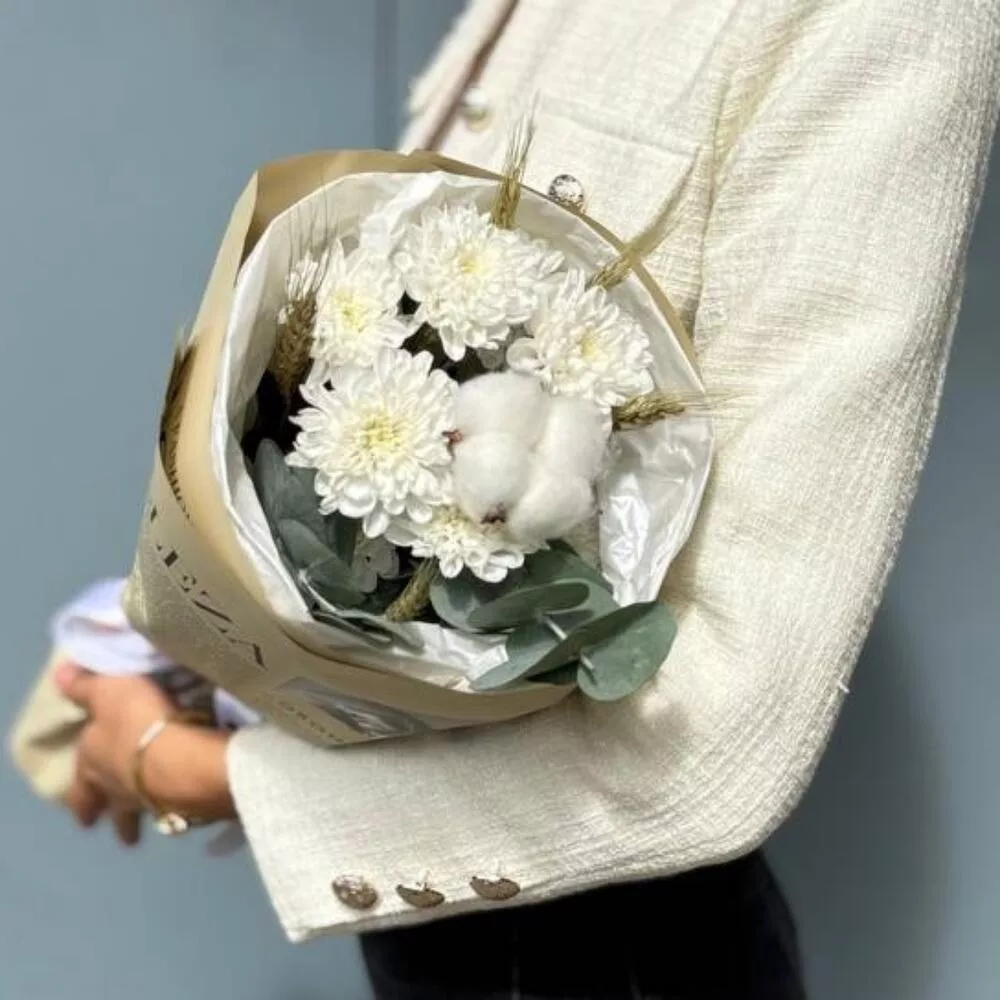
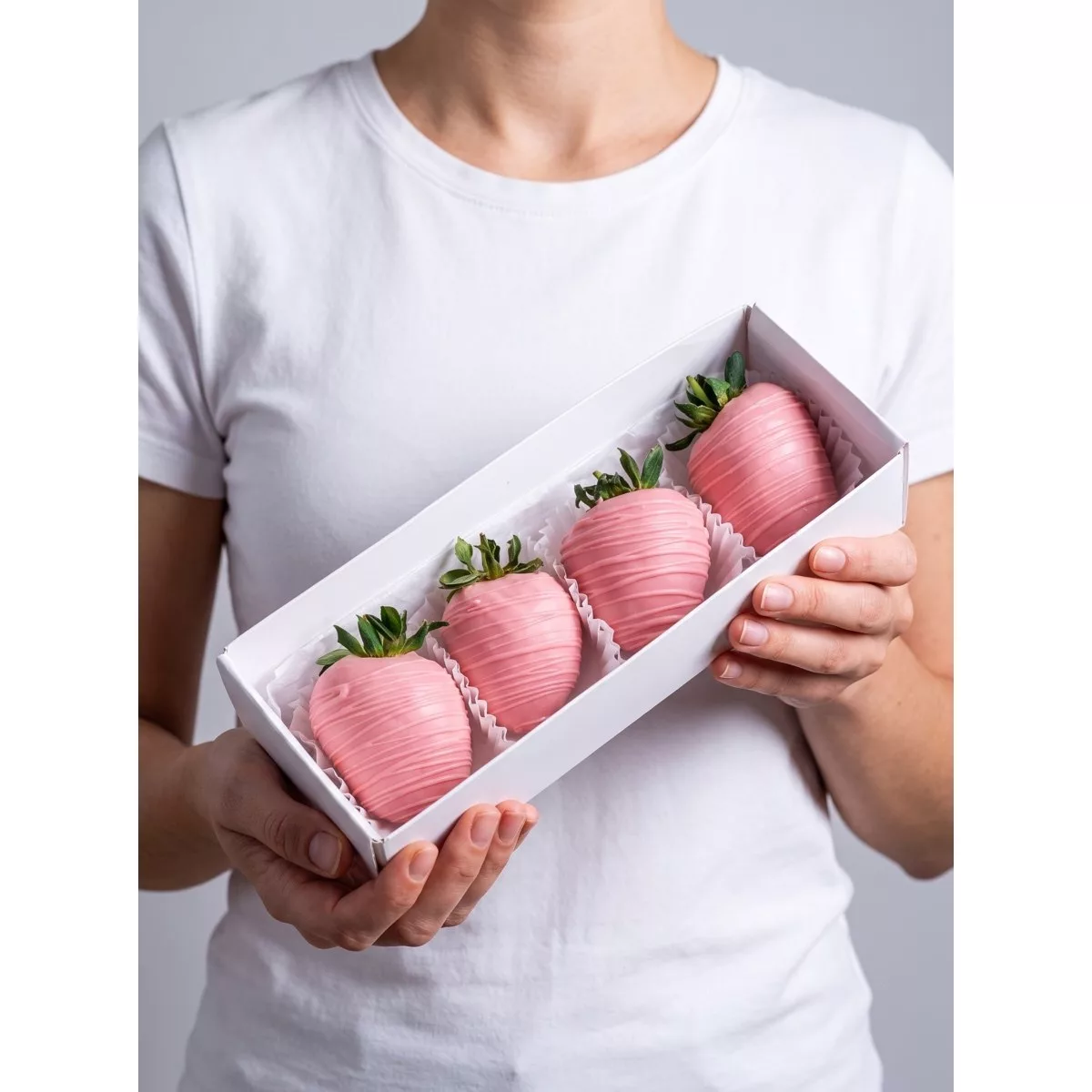

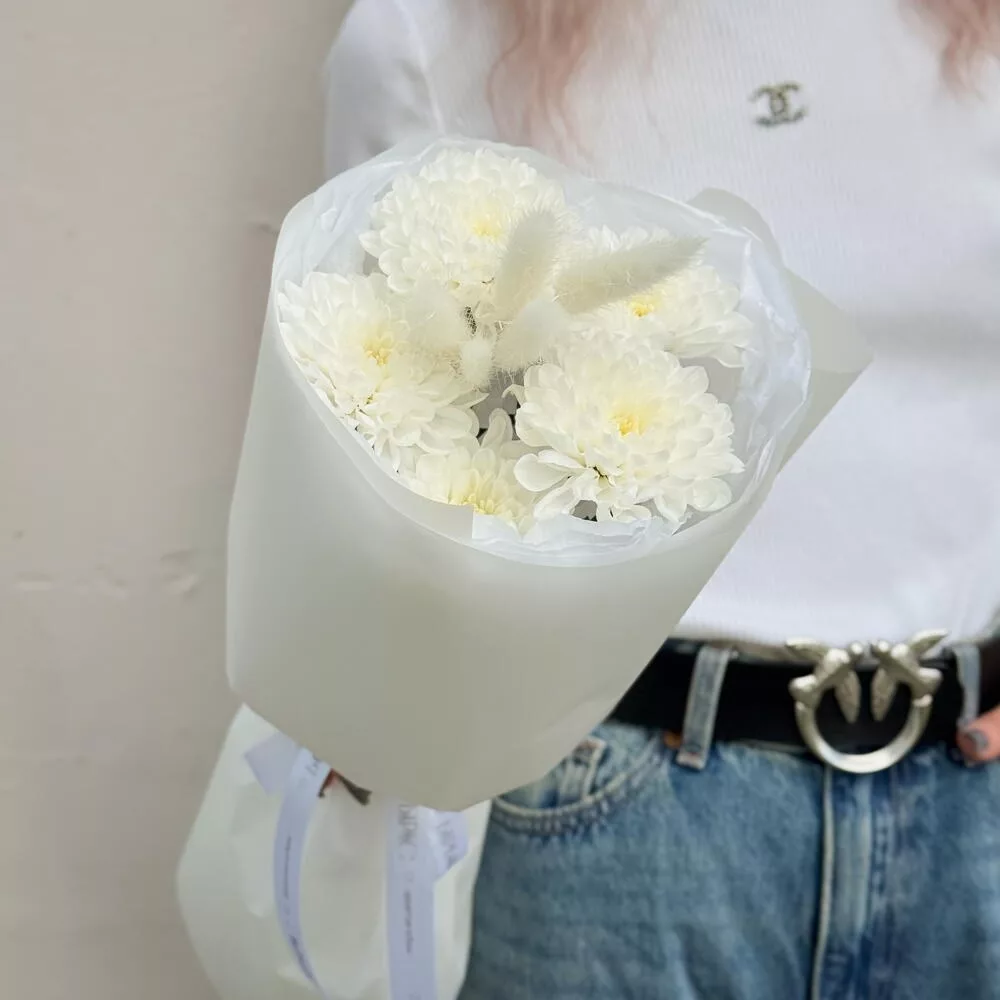
Timing Your Order: What the Distance Actually Means
Turboflora delivers across Russia within one to two hours in major cities, and in Mogocha the approach is the same in spirit even if the logistics are shaped by the town's eastern location. Orders placed before noon local Mogocha time give us the best window to arrange and deliver on the same day. Orders placed in the afternoon are usually fulfilled the same evening, though we always confirm the exact time with you before the bouquet leaves.
The Zabaykalsky time zone is UTC plus nine, which is five hours ahead of Moscow. If you are ordering from Saint Petersburg or anywhere in European Russia, it is worth pausing to calculate what time it is in Mogocha at that moment. A nine o'clock morning order from Saint Petersburg lands at two in the afternoon in Mogocha — still a comfortable window. An evening impulse order from the west, placed at ten at night, arrives in Mogocha in the early hours of the next day, which is rarely ideal for a surprise.
For birthdays, anniversaries and celebrations, we strongly suggest scheduling delivery for the morning of the occasion. Flowers waiting in a warm room all day will show it by evening. Giving a specific delivery window — say, between eleven and one — also means the recipient is more likely to be home to receive them, which protects both the flowers and the surprise. We hold bouquets in cool conditions right up until the driver collects them, so your lead time works in your favour.
Choosing Flowers for Someone in Mogocha
Start with the person, not the flower. A woman in her sixties who keeps a traditional home will likely love a dense, rounded bouquet of spray roses and alstroemeria in warm pinks and creams — familiar, generous, unmistakably celebratory. A younger woman with a modern aesthetic might prefer a looser arrangement of ranunculus, lisianthus and eucalyptus in dusty rose or terracotta tones, something that looks gathered rather than arranged. A man receiving flowers for the first time may feel most comfortable with a single-variety bouquet of sunflowers or a strong grouping of white chrysanthemums — simple and confident.
For Mogocha specifically, think about the season and the indoor environment. Winters in Zabaykalsky Krai are long and dry, and central heating in Russian apartments pulls moisture out of the air quickly. Flowers with thicker petals — roses, carnations, chrysanthemums, gerberas — hold up better in that environment than thin-petalled blooms like anemones or sweet peas. In summer, when the region warms considerably, the same logic applies in reverse: avoid flowers that wilt fast in heat unless delivery is early in the day.
If you are sending for a Russian holiday — Women's Day on the eighth of March, Victory Day on the ninth of May, or a name day — a full, lush bouquet is the expected gesture. Russians tend to give flowers in odd numbers for celebrations, and a single stem reads as insufficient for a real occasion. Knowing this saves you from an unintentional understatement.
Bouquets by Budget: What Each Level Gets You
A modest bouquet in the lower price range typically means five to seven stems of a single reliable variety — spray roses, alstroemeria, or standard chrysanthemums — wrapped simply with greenery. It is an honest, warm gesture and it photographs well. The flowers are fresh and the presentation is clean, but there is not much complexity in the arrangement. This level works well for a thank-you, a get-well gesture, or a small surprise that does not need to be grand.
A mid-range bouquet opens up the palette considerably. You can combine two or three varieties, add texture with eucalyptus or pittosporum, and move into shapes that feel more intentional — a gathered bunch, a spiral arrangement, or a hand-tied bouquet with a linen ribbon. Ranunculus paired with garden roses and soft greenery, or tulips with muscari in spring, both sit comfortably here. This is the level most people choose for birthdays and anniversaries, and it lands with real impact.
A generous budget allows for large-headed roses, peonies when they are in season, or orchid stems mixed into a structured arrangement. At this level the bouquet becomes an event in itself — something the recipient will photograph, talk about and remember. If you are marking something significant, a milestone birthday, a new job, a long-distance relationship, this is the level that communicates the scale of the occasion. Adding a small plant like a potted succulent or a miniature orchid alongside the bouquet is also possible and gives the recipient something that lasts beyond the flowers.
What Happens When the Flowers Arrive
In Russia, receiving flowers at the door is a warm, personal moment, and a few small things shape how it goes. If the delivery is a surprise, we do not reveal who sent the bouquet until the recipient opens the card — that reveal belongs to the message, not the driver. If you want the driver to say something specific, or to ring the bell rather than knock, or to leave the bouquet with a neighbour if there is no answer, include those instructions in the order notes and we will follow them.
The bouquet arrives wrapped, usually in craft paper or a soft sleeve, with the stems in a water sachet or wrapped in damp cotton to keep them hydrated during transit. In winter, an outer protective layer prevents cold shock — temperatures in Mogocha in January regularly drop below minus twenty-five Celsius, and unprotected flowers can be damaged in minutes at that temperature. We account for this in how we pack, but it is worth knowing so you understand why the wrapping looks the way it does.
If the recipient is not home at the agreed time, we contact them directly to arrange a new window rather than leaving the bouquet unattended. Flowers left in a cold entrance hall in winter or in direct sun in summer deteriorate quickly, and we would rather make a second attempt than deliver a compromised bouquet. This is not a complication — it is simply how flowers are treated properly.
Keeping the Flowers Fresh Once They Are Home
The first thirty minutes after a bouquet arrives are the most important. The stems should be cut at an angle — about two centimetres off the bottom — under running water or while submerged, then placed immediately into a clean vase with fresh, cool water. This single step makes a measurable difference to vase life. Many people skip it because the bouquet looks fine as it is, but the stems seal during transit and cutting reopens the channel through which the flower drinks.
In Mogocha's dry winter air, vase water evaporates faster than most people expect. Check the water level daily and top it up with cool water. Change it entirely every two days, cutting the stems again each time. Remove any leaves that sit below the waterline — submerged leaves rot quickly and cloud the water, which shortens the life of the whole bouquet.
Keep the vase away from radiators, which are working hard in a Zabaykalsky winter, and away from direct sunlight. A cool room is ideal — many Russian families keep flowers in the hallway or near a window that is not in full sun, and this is good instinct. Tulips and ranunculus prefer genuinely cool water and will droop in a warm room faster than roses or chrysanthemums. Carnations and alstroemeria are among the most durable choices and can last ten to fourteen days with basic care. Roses typically give seven to ten days. Gerberas, which are popular in Russia, need their stems cut very short and the water kept very shallow — they are prone to stem rot if submerged too deeply.
Adding a Message: What Works Across the Distance
A card with a bouquet does something a text message cannot — it is physical, it stays with the flowers, and the recipient can read it again later. In Russian tradition, a handwritten note or a printed card accompanying flowers is entirely expected and its absence is sometimes noticed. When you order, you can write the message in the order notes and we will print or write it on a card that goes with the bouquet.
If you are writing in Russian for a Russian recipient, keep the tone warm and direct. Russians tend to appreciate sincerity over cleverness in personal messages — a simple, heartfelt sentence lands better than an elaborate metaphor. If you are writing in English for a recipient who speaks English, that is perfectly fine and often feels special precisely because it is unusual.
For significant occasions, consider being specific in the message. Instead of a general happy birthday, name the year or the achievement. Instead of thinking of you, say what you are actually thinking about. Specificity makes a message feel personal rather than generic, and that is what the recipient will remember. The flowers carry the emotion, but the words carry the meaning.
If you are not sure what to write, we can suggest phrasing based on the occasion and your relationship to the recipient — just mention it when you order. We do this often and we know what resonates. A good message turns a beautiful bouquet into something the recipient tells other people about, which is exactly the impression worth making across six thousand kilometres.
Sending flowers to Mogocha from anywhere in Russia is a real and achievable thing, and it does not require compromise on quality or presentation. The distance is long, but the moment when the door opens and someone sees a fresh bouquet waiting for them is identical to that moment in any city. Plan the timing carefully, choose flowers suited to the season and the person, write something honest on the card, and the rest takes care of itself. Turboflora handles the logistics so that what arrives in Mogocha looks and feels like it came from someone who put genuine thought into it — because it did.
Frequently asked questions
Can I order flowers for same-day delivery in Mogocha?
Yes, same-day delivery in Mogocha is available for orders placed before noon local time, which is UTC plus nine. If you are ordering from European Russia, factor in the five-hour difference from Moscow time. For afternoon orders, we confirm the delivery window with you directly before the bouquet sets off, so there are no surprises on either end.
What flowers travel best to Mogocha in winter?
Roses, carnations, chrysanthemums and alstroemeria handle cold transit well and cope with the dry indoor air typical of Siberian winters. We pack bouquets with a protective outer layer when temperatures drop below minus ten Celsius. Thin-petalled flowers like anemones are less suited to winter delivery over longer distances and we will advise you if your chosen arrangement needs adjusting.
Do I need to be home to receive the delivery?
It is strongly recommended. If the recipient is not available at the agreed time, we will call to arrange a new window rather than leaving the bouquet unattended. Flowers left in a cold entrance hall in winter or in direct sun in summer deteriorate quickly. Giving us a phone number for the recipient allows us to coordinate without spoiling any surprise.
Can I send flowers to a village near Mogocha, not the town itself?
Settlements within roughly fifteen to twenty kilometres of Mogocha town centre are often reachable on the same day, though timing is less predictable than for central addresses. Contact us before ordering with the exact address and we will confirm coverage and the realistic delivery window. Morning orders give the most flexibility for outlying locations.
How many flowers should I send for a Russian birthday or celebration?
In Russian tradition, flowers for a celebration are given in odd numbers — five, seven, nine stems and so on. Even numbers are associated with mourning and are best avoided for happy occasions. A single stem is generally considered too modest for a birthday. If you are unsure, a bouquet of seven or nine roses or mixed stems is always a safe and generous choice.
Ready to send flowers?
Pick the city, choose the bouquet, and a local florist takes it from there.
Choose a city →