Sending Flowers to Monchegorsk? Here Is What to Expect
Monchegorsk sits in the heart of the Kola Peninsula, surrounded by tundra and lake country, and the people who live there deserve flowers just as much as anyone in a capital city. Whether you are sending a bouquet to a colleague after a work milestone, surprising a partner on a birthday, or simply telling someone far away that you are thinking of them, the distance should not be the obstacle. This article walks you through everything that shapes a flower delivery in Monchegorsk — the geography, the timing, the best choices by season, and the small details that make the difference between a bouquet that arrives beautifully and one that does not.
Understanding the Geography Before You Order
Monchegorsk is a compact industrial city of around forty thousand people in Murmansk Oblast, built along the shores of Lake Imandra. Its layout is relatively straightforward — a central district with residential blocks, a lakeside embankment, and several surrounding neighbourhoods that grew up around the nickel industry. Because the city is not sprawling, most addresses are reachable without the long cross-town drives that complicate delivery in larger Russian cities.
That said, the Kola Peninsula presents its own logistical character. Roads between major points can be affected by weather far more dramatically than in central Russia. In winter, snowfall, ice and reduced visibility are genuine factors that any honest florist must account for. When you place an order, it is worth noting the full address clearly — building number, entrance number and floor — because Monchegorsk, like most Soviet-era cities, has multi-entrance apartment blocks where a missing detail can cost twenty minutes.
The city is also served by the Murmansk highway, which connects it to the wider regional network. This means that logistics into Monchegorsk from Saint Petersburg move through a well-established corridor, even if the final stretch requires local knowledge. Turboflora plans routes with this in mind, ensuring that flowers are not sitting in transit longer than necessary. The goal is always the same: the bouquet should look as though it was arranged moments before it was handed over, not hours ago in a distant warehouse.
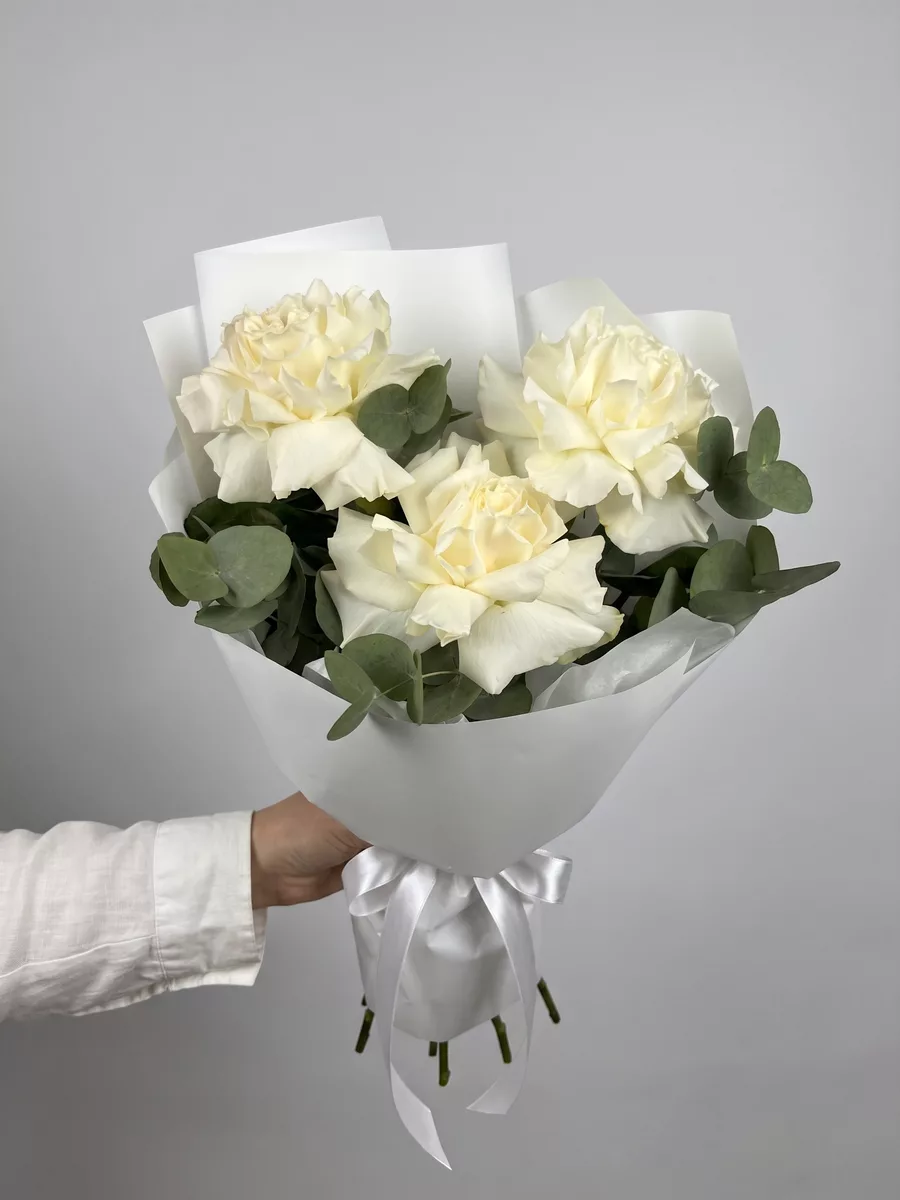
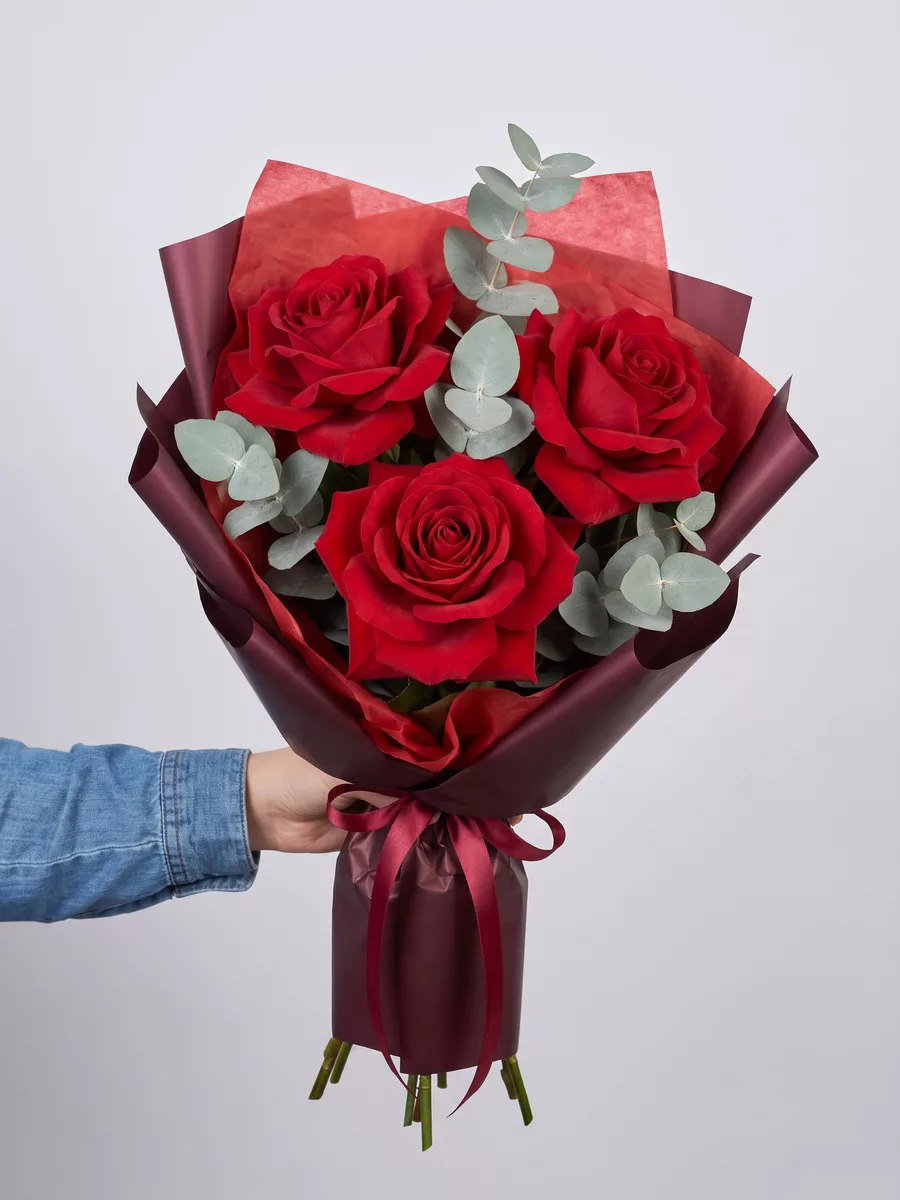
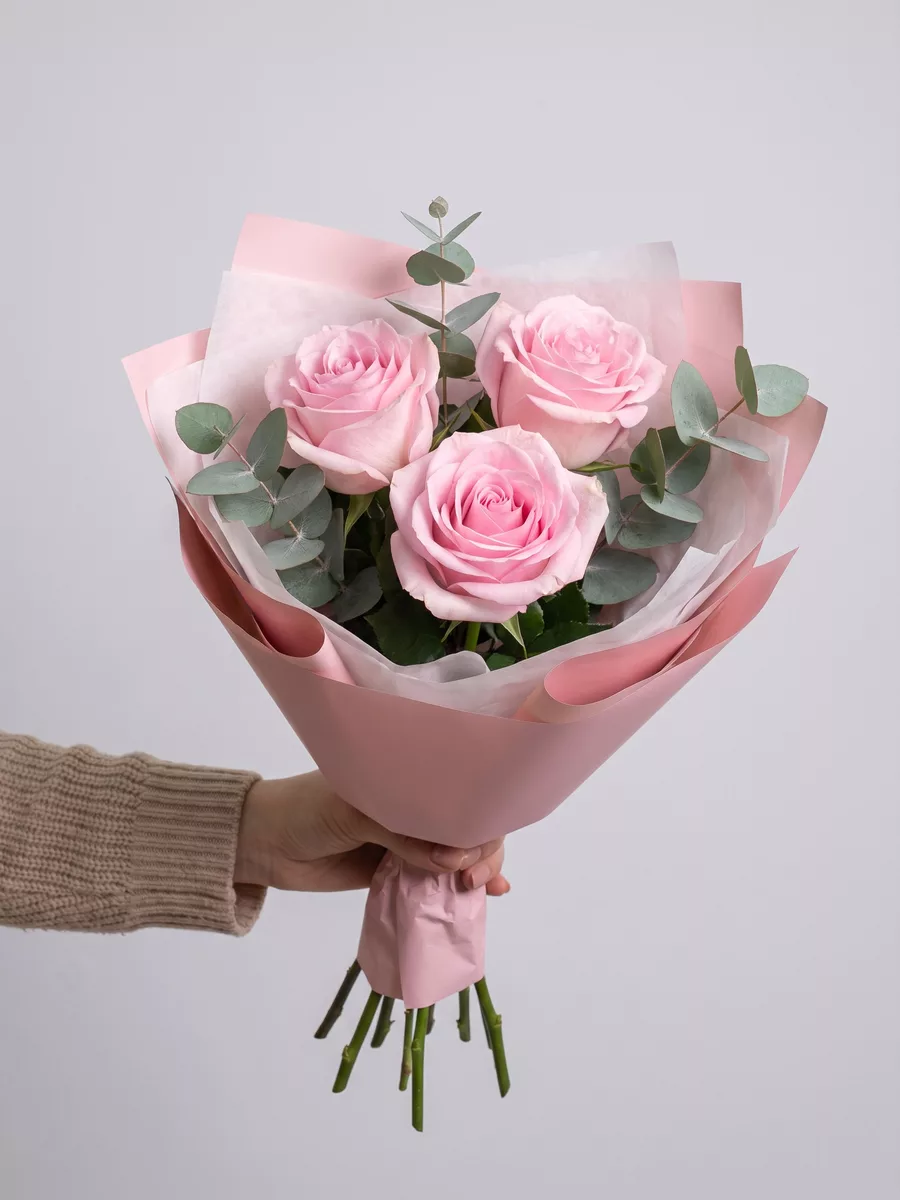
Bouquets we can deliver

Delivery Timing: What the 1–2 Hour Window Really Means
The one-to-two hour delivery promise is built around the idea that a fresh bouquet should arrive while the moment is still alive. For cities like Monchegorsk, the timing framework works slightly differently than it does in Saint Petersburg itself, and it is worth being transparent about that. Orders placed through Turboflora are prepared and dispatched with the same urgency regardless of destination, but the travel time to Monchegorsk is factored into the schedule from the moment you confirm your order.
What this means practically is that same-day delivery is available for orders placed before a specific cut-off time, which you will see clearly at checkout. Early morning orders can typically reach recipients by midday. Orders placed in the afternoon are usually delivered by early evening. This rhythm matters especially for occasions tied to a specific time — a birthday dinner, an anniversary breakfast, a surprise before a flight.
One detail that experienced senders often overlook is the importance of confirming that the recipient will be home or reachable. Monchegorsk does not have the density of doormen and concierge services that a city like Moscow might, so if no one answers, the driver has limited options. You can leave a contact number for the recipient or request that the driver call ahead. Most people appreciate a short heads-up call, and it prevents the disappointment of a missed delivery. Planning the timing around the recipient's actual schedule — not just the occasion — is always the smarter approach.
Choosing Flowers for the Monchegorsk Climate
The Kola Peninsula has a subarctic climate, which means winters are long, cold and dark, and summers are short but surprisingly bright, with the famous polar day stretching daylight across the entire night. This climate shapes what flowers are most appropriate and most practical at different times of year, and a good florist thinks about this before recommending varieties.
In winter, which in Monchegorsk can last from October through April, hardy varieties that tolerate cold transit are the sensible choice. Roses, particularly spray roses and standard garden varieties like Avalanche or Explorer types, hold their structure well in cold air as long as they are wrapped correctly. Chrysanthemums are exceptionally resilient and look generous in a winter bouquet. Alstroemeria is another reliable winter flower — it travels well, lasts up to two weeks in a vase, and comes in warm tones that feel welcome during the dark months.
In the brief but vivid Monchegorsk summer, the mood shifts entirely. Sunflowers become a natural choice, cheerful and bold against the long northern light. Lisianthus, with its layered petals, suits the more contemplative summer evenings. Eustoma in lilac or white reads as sophisticated without being formal. Peonies, available from late May through June, are perhaps the most beloved summer flower in Russia and make an immediate emotional impact when they arrive full and fragrant. Matching the flower to the season is not just about availability — it is about making the bouquet feel genuinely of its moment.
Occasions and What They Call For in This City
Monchegorsk is a city with a strong working culture — many residents are employed in metallurgy and related industries, and there is a deep sense of community that comes with that. When you are sending flowers here, it helps to think about the recipient's world, not just the occasion on the calendar.
For a birthday, a full, generous bouquet signals warmth and effort. A round number of stems — ten roses, twelve tulips — is sometimes associated with mourning in Russian tradition, so florists typically recommend odd numbers: eleven, fifteen, twenty-one. This is not a strict rule, but it is a widely held convention, and following it shows cultural awareness. A mixed bouquet with a focal flower, a secondary bloom and greenery tends to feel more personal than a single-variety arrangement.
For professional milestones — a promotion, a retirement, a work anniversary — restraint often reads better than exuberance. A structured bouquet of white or cream roses with eucalyptus or ruscus has the kind of composed elegance that suits a workplace setting without feeling cold. If you are unsure of the recipient's taste, neutral palettes are safer than bold colour combinations.
For romantic occasions, colour carries a message. Deep red roses are the classic declaration. Soft pink ranunculus or garden roses suggest affection without the intensity of red. Lavender or lilac tones — freesia, lisianthus, statice — communicate tenderness. If you are sending to someone who knows flowers well, a mono-botanical bouquet of one variety in peak condition often impresses more than a mixed arrangement.
Packaging That Protects Flowers on a Northern Journey
The journey from Saint Petersburg to Monchegorsk is roughly one thousand kilometres, and the conditions along that route — particularly in autumn and winter — can be challenging for fresh flowers. Packaging is not decoration. It is the primary reason a bouquet arrives in the same condition it left the shop, and it deserves more attention than most people give it.
Flowers lose moisture through their petals and stems continuously. Good packaging creates a microenvironment that slows this process. At Turboflora, stems are cut at an angle before wrapping, which maximises the surface area available for water uptake. A water-retaining material or damp wrapping around the stems keeps them hydrated during transit. The outer wrapping — kraft paper, fabric, or a combination — provides insulation against temperature swings without crushing the blooms.
In cold weather, the wrapping also acts as a thermal buffer. Flowers like tulips and ranunculus are particularly sensitive to freezing; even a few minutes of exposure to temperatures below zero can cause petal damage that looks like bruising or translucent patches. A well-insulated bouquet, carried in a heated vehicle, avoids this entirely. In summer, the concern reverses — heat and direct sunlight can wilt flowers within an hour. Shaded, cool transit is just as important in July as thermal protection is in January.
When the bouquet arrives, the recipient should remove the outer wrapping within the first hour to allow the flowers to breathe. Leaving them tightly wrapped in a warm room accelerates wilting. This is a small instruction worth including in a card or message.
Vase Life and Care After Delivery
A bouquet is not a static gift — it changes every day, and the way the recipient cares for it determines whether it lasts four days or ten. Most people in Russia know the basics, but if you are sending flowers to someone who is less experienced with fresh arrangements, a few lines of guidance in your card can make a real difference.
The first step is always a fresh cut. Stems should be trimmed by about two centimetres at a diagonal angle, ideally under running water or while submerged, to prevent air entering the stem and blocking water uptake. This should be done as soon as the bouquet is unwrapped, and again every two days. Warm water — not cold, not hot — is best for most varieties. Roses, tulips and alstroemeria all prefer water between fifteen and twenty degrees Celsius.
The vase should be clean. Bacteria build up quickly in flower water and are the most common cause of premature wilting. A small amount of sugar in the water provides energy to the blooms, while a drop of bleach — literally a single drop per litre — keeps bacterial growth in check. Flower food sachets, often included with the bouquet, contain both elements in the right balance.
Placement matters too. Keep the bouquet away from direct sunlight, heating radiators and draughts. In a Monchegorsk apartment in winter, the area near a window can be surprisingly cold at night — beautiful light during the day, but potentially below ten degrees after midnight. Moving the vase to a warmer spot in the evening extends vase life noticeably. Chrysanthemums and alstroemeria can last twelve to fourteen days with this level of attention. Roses and tulips typically give seven to ten days.
Making the Order Feel Personal Across the Distance
Sending flowers to someone in Monchegorsk when you are in Saint Petersburg — or anywhere else — involves a gap that the flowers themselves have to bridge. The bouquet arrives without you. That means the choices you make in the order — the flowers, the colours, the message — carry the full weight of the gesture.
A card message is not an afterthought. In Russian culture, written words accompanying a gift are taken seriously, and a thoughtful sentence or two matters more than the number of stems. If you are writing in Russian for a recipient who reads Russian, even a simple phrase in their language signals effort. If you are writing in English, that is perfectly fine — it can feel distinctive and warm in its own way.
Colour psychology is worth considering when you cannot be there to explain your choice. A bouquet of warm yellows and oranges — sunflowers, orange roses, solidago — reads as joyful and energetic. Whites and creams feel calm and sincere. Mixed pinks suggest affection and lightness. If the recipient has a favourite flower or colour you know about, use it — specificity is always more moving than a generic beautiful arrangement.
Finally, timing the delivery to coincide with a moment in the recipient's day adds another layer of thoughtfulness. Flowers arriving at nine in the morning on a birthday feel different from flowers arriving at six in the evening. Morning deliveries tend to set the emotional tone for the entire day. Evening deliveries feel like a closing flourish. Neither is wrong — they are just different kinds of attention, and choosing deliberately shows that you thought about the person, not just the occasion.
Monchegorsk is far from Saint Petersburg by distance, but a well-planned flower delivery closes that gap in a way that a message or a phone call simply cannot. The key is thinking ahead: the right flowers for the season, an address written in full, a delivery time that matches the recipient's day, and a card that says something real. When all of those elements come together, the bouquet does not just arrive — it lands exactly as you intended, and the person on the other end feels it.
Frequently asked questions
Can I order flowers for same-day delivery to Monchegorsk?
Yes, same-day delivery to Monchegorsk is available for orders placed before the daily cut-off time shown at checkout. Orders confirmed in the morning are typically delivered by midday or early afternoon. If you are working to a specific time, mention it in the order notes and we will plan the dispatch accordingly.
What flowers hold up best in the cold climate of the Kola Peninsula?
Chrysanthemums, spray roses, and alstroemeria are the most reliable choices for cold-weather delivery in Monchegorsk. They tolerate temperature fluctuations during transit and have strong vase life once inside a warm apartment. Tulips and ranunculus are more sensitive to frost, so they require careful insulated packaging, which we provide as standard in winter months.
Do I need to include a specific apartment entrance number when ordering?
Yes, and it genuinely matters. Monchegorsk has many Soviet-era apartment buildings with multiple entrances, and a missing entrance number can delay delivery significantly. Include the street, building number, entrance number, floor and apartment number. Adding the recipient's phone number as a backup contact is also strongly recommended.
Is it appropriate to send an odd number of flowers in Russia?
By widespread Russian convention, odd numbers of flowers are given for celebratory occasions, while even numbers are associated with mourning. For birthdays, anniversaries and other happy events, choosing eleven, fifteen or twenty-one stems is considered more appropriate. This is a cultural norm rather than a strict rule, but following it shows thoughtfulness.
How long will the bouquet stay fresh after it arrives in Monchegorsk?
With basic care — a fresh diagonal cut on arrival, clean water changed every two days, and placement away from heat sources — most bouquets last seven to ten days. Chrysanthemums and alstroemeria can reach twelve to fourteen days. Including a care note with the order helps recipients who are less experienced with fresh flowers get the most from the arrangement.
Ready to send flowers?
Pick the city, choose the bouquet, and a local florist takes it from there.
Choose a city →