Flower Delivery in Morshansk: Timing, Choices and What Arrives at the Door
Ordering flowers for someone in Morshansk feels straightforward until you start wondering whether the roses will still be tight-budded when they arrive, whether the courier knows the quieter streets near the river, or whether a bouquet chosen in Moscow will actually suit the occasion happening three hundred kilometres away. These are fair questions, and the answers are simpler than you might expect.
Where in Morshansk We Deliver and How the City Is Laid Out
Morshansk sits in Tambov Oblast along the Tsna River, and while it is a compact city by Russian standards, its neighbourhoods spread in ways that matter for delivery. The central districts around the main square and the historic textile-era streets are the easiest to reach, and most addresses there are well-mapped. Residential areas further from the centre, including newer housing blocks on the outskirts, are equally covered — our couriers work from detailed address data, not just a general sense of the city.
One thing worth knowing: Morshansk has a number of older streets where building numbers follow a logic that confuses even locals. If you are sending to a private house rather than an apartment block, adding a landmark or a brief description in the order comments helps enormously. Something as simple as 'blue gate, second house after the school' can save ten minutes and keep the bouquet from sitting in a cold car longer than necessary.
We deliver across the full city boundary, including addresses that sit just outside what visitors might consider the centre. If you are unsure whether a specific address qualifies, the fastest check is to enter it at the point of order — the system confirms coverage immediately. There are no hidden zones within Morshansk where delivery is refused; the whole city is served as a single area.
Bouquets we can deliver

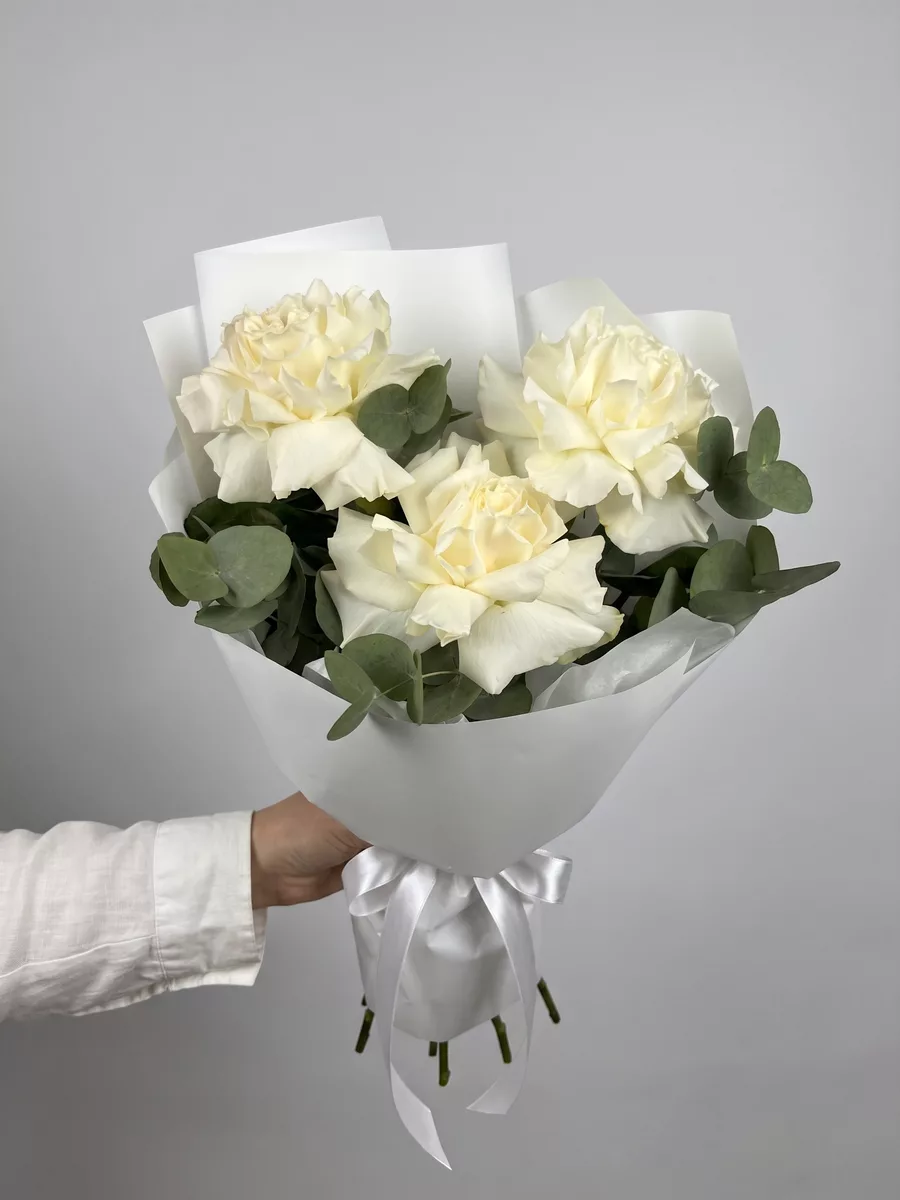
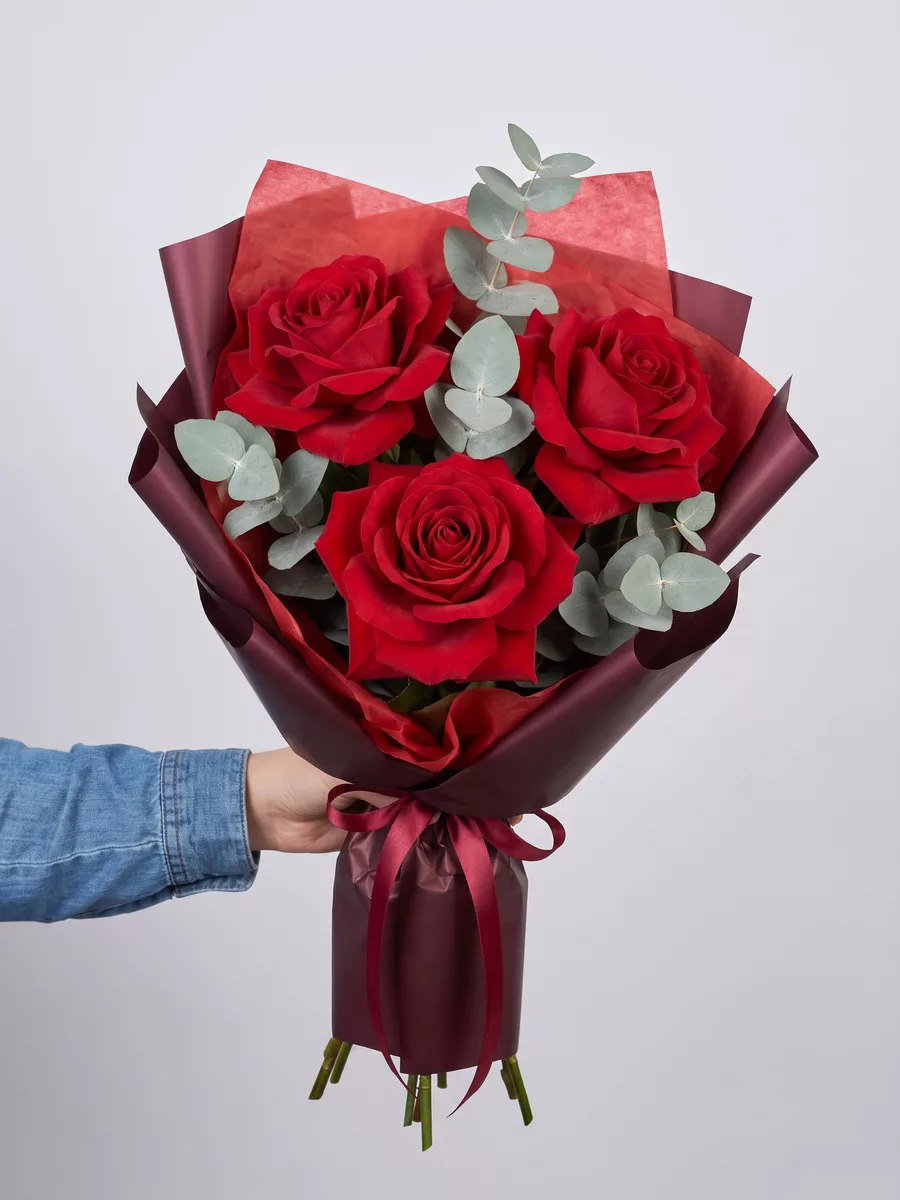
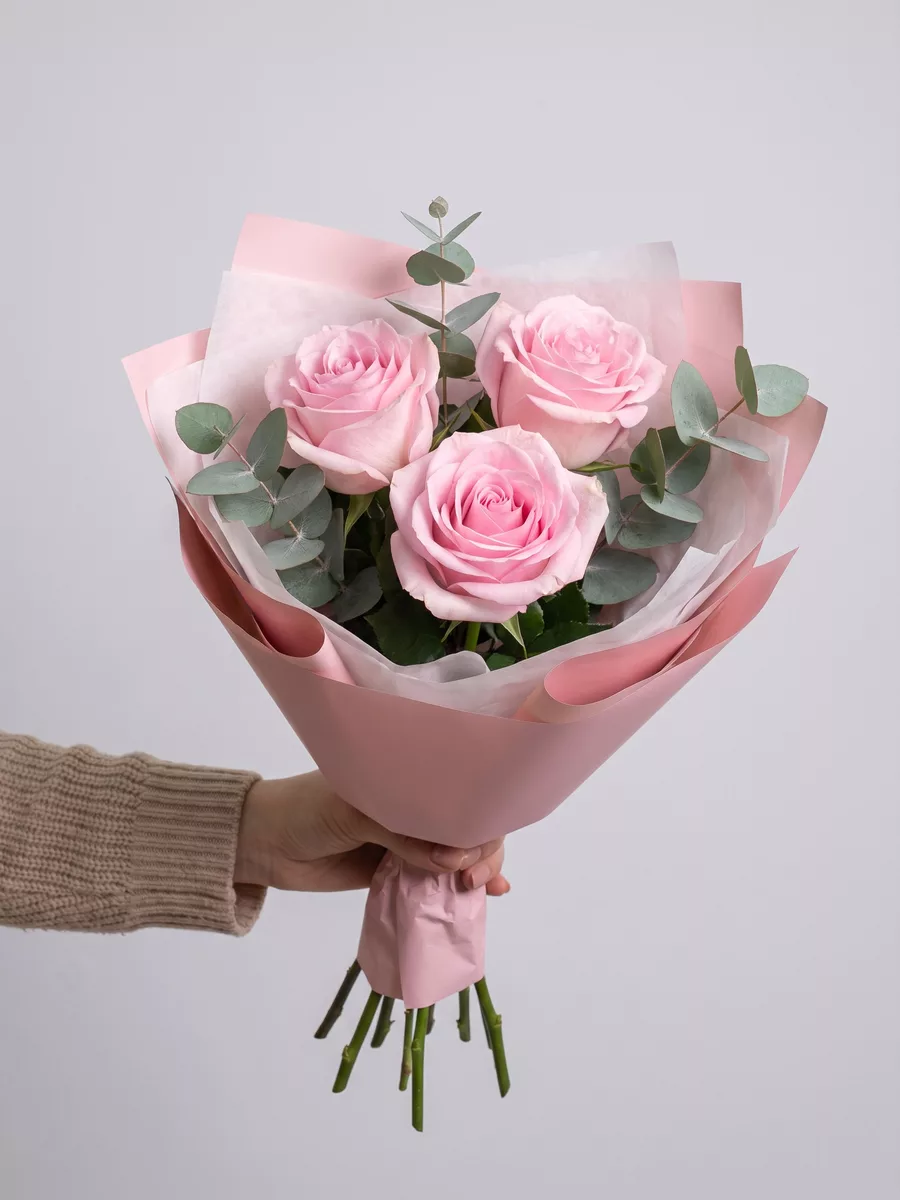
Realistic Timing: What One to Two Hours Actually Means Here
The one-to-two-hour window is not a marketing phrase — it is the operational standard we hold ourselves to. From the moment your order is confirmed and the bouquet is assembled, the clock starts. In Morshansk, which has relatively light traffic compared to larger Russian cities, the courier leg of that journey is usually the shorter part. Assembly is where time is genuinely spent, because a bouquet is not pulled from a shelf: stems are cut fresh, foliage is stripped to the waterline, and the arrangement is built to travel without collapsing.
Timing does shift slightly depending on the hour of day. Orders placed in the morning or early afternoon tend to move fastest because the full team is active and stock is at its freshest. Late-evening orders are still fulfilled, but if you are planning a surprise for a specific moment — a birthday dinner, the end of a work day — placing the order two to three hours ahead gives you a comfortable buffer rather than a tight one.
Seasonal conditions also affect the last mile. In January and February, when Morshansk temperatures regularly drop well below minus ten degrees Celsius, bouquets are wrapped in thermal sleeves and the courier moves directly from vehicle to door. In July and August, the risk flips: heat can stress delicate petals, so summer orders are kept in a cooled space until the last possible moment before dispatch. Both extremes are managed as a matter of routine, not as exceptions.
Choosing Flowers for the Person, Not Just the Occasion
Russian flower-giving culture places a lot of weight on the occasion — birthdays, anniversaries, graduations, name days — but the best bouquets are chosen with the recipient at the centre, not the calendar. A woman in her sixties who tends a garden will respond very differently to a loose arrangement of lisianthus and garden roses than to a formal red-rose bouquet, even if both are technically correct for her birthday. Starting from what you know about the person is always the better route.
For recipients you do not know well — a colleague, a host, a new acquaintance — neutral combinations work reliably. White and cream tones read as elegant without making a personal statement. Alstroemeria mixed with spray chrysanthemums gives longevity and a full, generous look without leaning too romantic. If you know the person is bold in their tastes, sunflowers paired with orange gerbera or deep burgundy dahlias in season make a strong, warm impression.
Children receiving flowers — which happens more often than outsiders might expect, at school graduations and recitals — respond best to bright, simple shapes: single-colour gerbera, small sunflowers, or cheerful ranunculus. Avoid heavily scented varieties like oriental lilies for indoor spaces where the fragrance can overwhelm. Freesia is a gentler option that still carries a lovely scent without filling a small room. Thinking about where the bouquet will live once it arrives is part of choosing well.
Bouquets by Budget: Getting the Most from What You Spend
Budget shapes a bouquet less through quality than through volume and variety. A modest spend done well produces a tight, cohesive arrangement of three or four varieties that look intentional. A larger spend allows for rare seasonal additions, statement stems like garden roses with full quartered heads, or structural elements like eucalyptus branches and dried grasses that give the bouquet a second visual layer.
At the entry level, the strongest choices are flowers with natural presence: single-stem sunflowers, large-headed gerbera, and solid alstroemeria sprays that branch generously. These are not lesser flowers — they are reliable, travel well, and look full even in smaller numbers. The mistake at this level is trying to include too many varieties and ending up with one or two stems of each, which looks sparse rather than curated.
In the mid range, you gain access to combinations that feel genuinely luxurious: garden roses alongside lisianthus, tulips with muscari in spring, or peonies during their brief May-to-June season. These combinations photograph beautifully and last well when cared for properly. At the higher end, the focus shifts to rare availability — varieties that are in season for only a few weeks, or flowers that require more careful handling and sourcing. Asking for guidance at the point of order is never out of place; a working florist's recommendation based on what is freshest that day will serve you better than a fixed catalogue choice made a week in advance.
Seasonal Flowers in Morshansk: What to Expect Through the Year
Morshansk experiences a genuinely continental climate — cold winters, warm summers, and springs and autumns that shift quickly. This matters for flowers because seasonality is real even when global supply chains make roses available year-round. A rose in February has typically travelled further and been stored longer than one cut in May. Working with what is naturally in season almost always produces a fresher, longer-lasting result.
Spring in Morshansk, from late March through May, is tulip and hyacinth season. These arrive in enormous variety — parrot tulips with fringed petals, double tulips that resemble peonies, and the intensely fragrant hyacinth that needs only a few stems to scent an entire room. Muscari, those small grape-blue clusters, make beautiful filler and are deeply seasonal. By late May, peonies begin and they are genuinely worth planning around if you have flexibility on timing.
Summer brings sunflowers, echinacea, and the full gerbera palette. Dahlias arrive in August and continue into September in extraordinary variety — café au lait, deep burgundy, spiky cactus types. Autumn is chrysanthemum season, and these flowers are underrated: a full spray chrysanthemum in rust or deep yellow lasts two weeks in a vase with basic care. Winter focuses on roses, lisianthus, carnations, and orchid stems — all of which hold well in cold temperatures and suit the indoor warmth of the season.
Keeping Flowers Fresh After They Arrive: Practical Advice
The moment a bouquet is handed over, its care becomes the recipient's responsibility — which means a few words of guidance make a real difference. The single most important step is the vase cut: stems should be trimmed at a forty-five-degree angle under running water or while submerged, removing the air bubble that forms the moment a stem is exposed. This one action extends vase life by two to three days for most varieties.
Water temperature matters more than most people realise. Tulips and spring bulb flowers prefer cold water — room temperature actually accelerates their opening and shortens their life. Roses and tropical flowers do better in tepid water, which they absorb more easily. Changing the water every two days and re-cutting the stems at the same time is the most effective routine, more useful than any commercial flower food sachet on its own.
Placement in the room is the other major factor. A windowsill that looks beautiful is often the worst spot — direct sunlight raises the temperature around the petals and dries them quickly. A cool spot away from radiators, fruit bowls, and air vents gives a bouquet the longest life. Fruit releases ethylene gas as it ripens, which visibly accelerates petal drop in roses and lisianthus in particular. This is a well-documented effect, not a myth, and simply moving the vase to a different surface can add a day or two to the display. Morshansk apartments in winter are often very warm indoors, so this placement advice is especially relevant from November through March.
How to Order for Someone Else Without Getting It Wrong
Sending flowers to a person in Morshansk when you are not there yourself involves a small act of trust — you are choosing something on their behalf and hoping it lands well. A few habits make this much more reliable. First, confirm the address carefully, including the apartment number and any door code if the building has an entry system. In Russian apartment blocks, intercoms are standard and a courier without the flat number cannot reach the door.
Second, think about the timing relative to the recipient's day. Flowers delivered while someone is at work and no one is home create a problem: the bouquet may wait in a warm corridor or be left with a neighbour, both of which reduce freshness. If you know the person's rough schedule, choose a delivery window that matches when they are actually home. For a surprise, early evening tends to work well — most people are home by seven, and it feels like a considered gesture rather than a logistical accident.
Third, the card message is more important than it seems. In Russian culture, a handwritten-style note accompanying flowers carries real weight — it transforms the bouquet from an object into a communication. Keep it warm and specific rather than generic. 'Happy birthday' is fine but 'I thought of you today and wanted you to have something beautiful' is remembered. You do not need to write in Russian — a message in English is passed along exactly as written and is often received as something distinctive and personal rather than foreign or odd.
Morshansk is a city where a well-chosen bouquet still feels like an event — not an everyday transaction. The distance from a larger city does not diminish the gesture; if anything, receiving fresh flowers delivered promptly in a smaller city makes the effort more visible and the feeling more personal. Whether you are sending for a birthday, a celebration, a thank-you, or simply because you wanted to, the mechanics of getting it right are manageable: know the address, choose with the person in mind, pick what is freshest in the season, and trust that the care taken at the assembly stage carries through to the moment the door opens.
Frequently asked questions
Can I order flowers for same-day delivery to Morshansk?
Yes, same-day delivery is the standard. Orders placed before early evening are fulfilled the same day. For a specific delivery time — such as before a dinner or at the end of a working day — placing the order two to three hours ahead gives the best result. Very late-night orders may be scheduled for early the following morning depending on the exact time.
What happens to the flowers in cold winter weather during delivery?
Bouquets are wrapped in thermal protective sleeves before leaving and the courier moves directly from a heated vehicle to the recipient's door. Morshansk winters can reach minus fifteen or colder, so this is standard practice, not an exception. The flowers arrive at the correct temperature and open naturally once indoors in the warmth.
Is it possible to include a card message in English?
Absolutely. Card messages are printed or written exactly as you submit them, in any language. An English message is passed to the recipient without translation or alteration. Many senders find that a message in their own language feels more genuine and personal, and recipients in Morshansk typically appreciate the gesture regardless of the language used.
Which flowers last the longest in a vase after delivery?
Chrysanthemums, alstroemeria, and carnations consistently last the longest — often ten to fourteen days with basic care. Lisianthus and gerbera are also strong performers. Tulips and peonies are shorter-lived but so beautiful in their prime that most people consider the trade-off worthwhile. Changing the water every two days and re-cutting stems extends any variety significantly.
Do I need to be present at the delivery address to receive the bouquet?
Someone should be available to receive the flowers, as leaving a fresh bouquet unattended for long reduces its quality. If the recipient will not be home, a trusted neighbour can accept the delivery. It is worth noting the apartment number and any building entry code when placing the order so the courier can reach the correct door without delay.
Ready to send flowers?
Pick the city, choose the bouquet, and a local florist takes it from there.
Choose a city →