Flower Delivery in Moscow: Same-Day Orders and What to Expect
Sending flowers to someone in Moscow sounds simple until you realize the city stretches across more than 2,500 square kilometers and traffic can turn a twenty-minute drive into two hours. Yet same-day flower delivery in Moscow is entirely real and genuinely reliable when you understand how the process works. Whether you are ordering from across Russia, from abroad, or simply from another district of the city, this guide walks you through everything a first-time customer needs to know — from choosing the right bouquet to getting timing exactly right.
Why Same-Day Delivery in Moscow Is Actually Possible
Moscow moves fast, and so does the demand for flowers. Birthdays arrive without warning, dinner plans change by noon, and the Russian tradition of bringing flowers to almost every celebration — from a child's school performance to a colleague's promotion — means that last-minute orders are not the exception, they are the rule. Turboflora has built its logistics around this reality, operating with a one-to-two-hour delivery window that holds up even in a city this size.
The key is preparation rather than improvisation. Flowers are kept in temperature-controlled storage at between two and six degrees Celsius, which is the range that keeps roses, tulips, and chrysanthemums fresh without shocking their cells. When your order comes in, a florist assembles the bouquet fresh from that cold storage rather than pulling something that has been sitting in a warm display case since morning. This matters more than most people realize. A rose that has spent four hours at room temperature before it even leaves the shop will not last as long as one assembled and dispatched within the hour.
Moscow's geography does require honest planning. Central districts like Tverskoy or Arbat are reachable quickly. Outer districts and areas near the MKAD ring road take longer, and a florist who tells you otherwise is not being straight with you. When you place your order, you will be given a realistic delivery window based on the actual destination address, not a wishful estimate.
Bouquets we can deliver


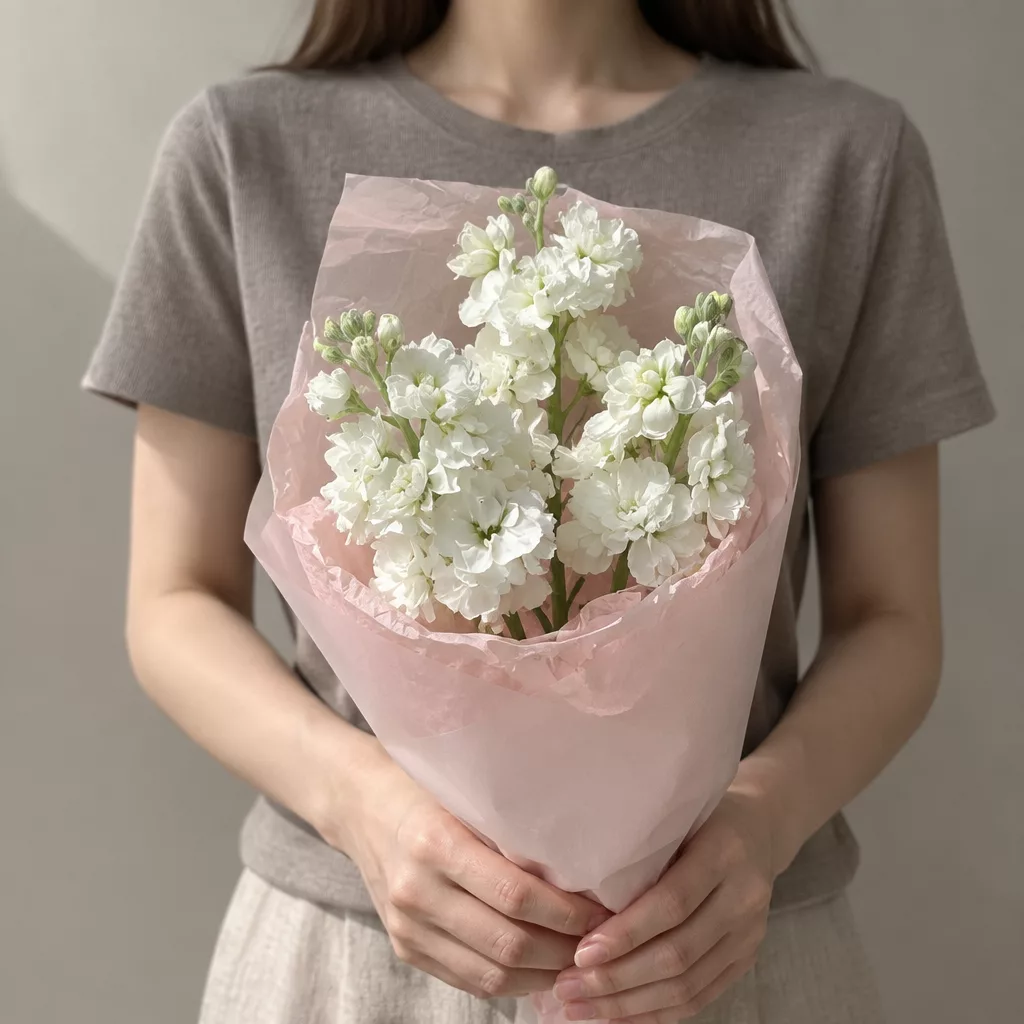
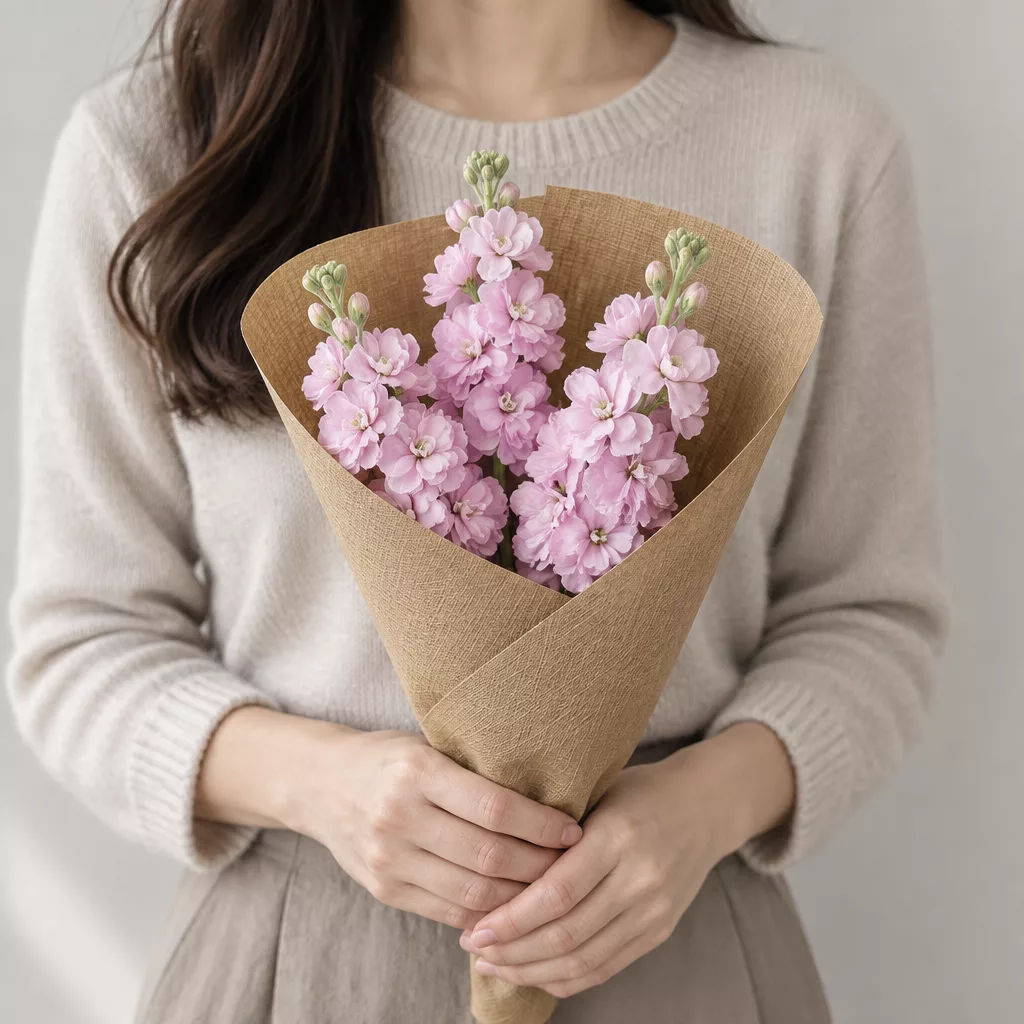
How to Place Your Order: Step by Step
Placing an order with Turboflora is designed to take less time than choosing which bouquet you want. Start on the website, where the catalog is organized by flower type, occasion, and color palette. If you know the recipient loves peonies, filter by that. If you have no idea what they like, the seasonal selection is always a safe and honest choice — flowers that are in season are fresher, more vibrant, and hold up better during transit.
Once you have chosen your bouquet, you will enter the delivery address, your preferred time window, and the recipient's phone number. That last detail is important. The courier will call ahead to confirm someone is available to receive the flowers. In Russia it is considered polite to call before arriving rather than simply knocking, so this step is both practical and culturally appropriate. If the recipient is at an office building, include the floor number and any access instructions — Moscow office towers often have security desks that require advance notice.
For the message card, keep it straightforward. Russian recipients appreciate sincerity over elaborate phrasing, and a short personal note in either Russian or English will be read and kept. You can also request that the card be left blank if you prefer the bouquet to speak for itself. After confirming your order you will receive a notification, and you can track the status through to delivery. The whole ordering process, from first click to confirmed order, typically takes under five minutes.
Choosing the Right Flowers for a Moscow Delivery
Not every flower travels equally well, and a florist who cares about the result will tell you this plainly. Roses are the most popular choice for delivery in Moscow, and for good reason — they are sturdy, they arrive looking composed even after an hour in a courier bag, and they carry meaning in almost every context. Dutch and Ecuadorian roses are the standard for quality, with stems that stay upright and petals that do not bruise easily in transit.
Tulips are beloved in Russia, especially in spring, but they require a caveat: they continue to grow after being cut and will lean toward any light source. A tulip bouquet that looks perfectly arranged when it leaves the shop may have shifted by the time it arrives. This is not a defect — it is simply how tulips behave — but it is worth knowing if you want a very structured presentation. Lilies are another popular choice, though buds rather than open blooms are always sent, since open lily petals are fragile and stain easily.
For winter deliveries, which are common given Moscow's long cold season, alstroemeria and spray chrysanthemums are excellent options. They tolerate cold air during the brief walk from courier to door without wilting. Avoid sending tropical varieties like anthuriums or birds of paradise in deep winter unless you can be certain the recipient will be home — a bouquet left in a cold lobby for even thirty minutes can suffer visible damage. When in doubt, ask the florist team directly. Describing the occasion and the recipient's taste will always produce a better recommendation than guessing alone.
Timing Your Order: When to Order and What to Avoid
The single most common mistake people make with flower delivery is waiting too long. If you want flowers to arrive by seven in the evening, placing your order at six-thirty is not realistic in Moscow traffic. A practical rule: place your order at least two hours before the desired arrival time, and add an extra hour if the delivery address is in a peripheral district or if you are ordering on a Friday afternoon when roads are at their worst.
Morning deliveries are often the smoothest. Traffic in Moscow is heaviest between eight and ten in the morning and again between five and eight in the evening. Orders placed for midday delivery tend to move through the city most efficiently. If you are planning a surprise for a birthday morning, ordering the evening before with a scheduled morning delivery slot is the most reliable approach.
Russian public holidays deserve special attention. On March 8th, which is International Women's Day and the single biggest flower holiday of the year in Russia, demand is extraordinary. The same applies to February 14th and the days surrounding New Year. On these dates, ordering twenty-four to forty-eight hours in advance is not overcautious — it is simply sensible. Prices and availability shift, popular varieties sell out early, and delivery windows fill quickly. A florist who has worked through a March 8th in Russia will tell you the same thing without hesitation.
For corporate deliveries to offices, Tuesday through Thursday mornings are the most practical, as recipients are reliably at their desks and building security is accustomed to courier traffic.
What Happens on the Day of Delivery
Once your order is confirmed, the florist team prepares the bouquet fresh. Stems are cut at an angle — this is not decorative, it increases the surface area drawing water and extends the life of the arrangement by several days. The bouquet is wrapped in packaging that protects the blooms from cold air and physical pressure during transit. In winter, an insulating layer is added as standard practice, because even a short exposure to minus-ten-degree temperatures can damage open petals.
The courier departs with the flowers and contacts the recipient by phone before arriving. This call serves two purposes: it confirms someone is present to receive the bouquet, and it gives the recipient a moment to come to the door or lobby rather than leaving the flowers with a stranger. In Moscow apartment buildings, many of which have coded entry doors or intercoms, this call is also how the courier gets access. If you are sending flowers to a hospital, note that most Moscow hospitals have specific visiting hours and receiving policies — it is worth checking these in advance and including any relevant information in your order notes.
Upon delivery, the courier hands over the bouquet along with the care card, which includes basic instructions: trim the stems, change the water every two days, keep the flowers away from direct sunlight and radiators. Moscow apartments in winter are often very warm due to central heating, which is controlled at the building level rather than by residents. Remind the recipient to keep flowers away from radiators, which are typically along exterior walls under windows. This single step can add three to four days to the life of a bouquet.
Russian Flower Customs Worth Knowing Before You Order
If you are not familiar with Russian traditions around flowers, a few details will help you order with confidence rather than accidentally sending the wrong message. The most important rule is the odd-number rule: bouquets given as gifts always contain an odd number of flowers. Even numbers are associated with mourning and are left at graves or memorials. This is a firm cultural convention, and any florist in Russia follows it automatically for gift orders. You do not need to count the stems yourself — the team handles this — but it is useful to understand why a bouquet of twelve roses would be quietly adjusted to eleven or thirteen.
Yellow flowers carry a complicated reputation in Russia. Some people associate yellow blooms with separation or bad luck, though this belief varies significantly by age and region and is less common among younger Muscovites. If you are unsure about the recipient's feelings on this, it is safer to choose another color or to mix yellow flowers with other shades so the association is diluted. When in doubt, red and white combinations are universally safe and widely appreciated.
Flowers are given at almost every social occasion in Russia. Teachers receive bouquets at the start and end of the school year. Hosts are thanked with flowers when you visit their home. Women are given flowers on March 8th as a matter of near-universal custom, not just from romantic partners but from colleagues, friends, and family members. Understanding this helps when you are choosing the scale of your arrangement — a modest but well-made bouquet is always appropriate, and in Russian culture a thoughtful presentation matters as much as size.
Flower delivery in Moscow works best when you treat it as a collaboration between you, the florist, and a little advance planning. The logistics are genuinely reliable, the flower quality is there if you choose a shop that controls its own cold chain, and the cultural warmth that Russians bring to giving flowers makes the effort worthwhile every single time. Order early, describe your recipient honestly, and trust that a bouquet assembled with care and dispatched quickly will arrive exactly as it should — fresh, composed, and ready to make someone's day.
Frequently asked questions
How far in advance should I order flowers for delivery in Moscow?
For standard deliveries, two hours before your desired arrival time is the minimum. For major holidays like March 8th or February 14th, ordering one to two days ahead is strongly recommended. Morning deliveries to outer districts benefit from an order placed the evening before. The earlier you order, the more flexibility you have with timing and variety selection.
Can I send flowers to a Moscow address if I am ordering from abroad?
Yes, absolutely. The order process on turboflora.com works from any country. You will need the recipient's full Moscow address including apartment number, their phone number for the courier's arrival call, and your own contact details. Payment is handled online. Time zone differences are worth noting — Moscow is UTC plus three, so plan your order timing accordingly to hit the right delivery window.
Why do Russian bouquets always have an odd number of flowers?
Even numbers of flowers are traditionally associated with mourning in Russian culture and are used at graves rather than as gifts. Odd-numbered bouquets are the standard for all celebratory and affectionate occasions. This convention is followed automatically when you order, so you do not need to specify it — but knowing the reason helps if you are curious about the count in your bouquet.
What should the recipient do to keep the flowers fresh after delivery?
Trim the stems at an angle, place the bouquet in clean water, and change the water every two days. Keep flowers away from direct sunlight, fruit bowls, and especially from radiators — Moscow apartments in winter are often very warm, and heat is the fastest way to shorten a bouquet's life. A cool room and fresh water can add several days to the arrangement's lifespan.
Are there flowers that do not travel well in Moscow winters?
Open tropical blooms like anthuriums and large open lilies are vulnerable to brief cold exposure during handover in winter. Roses, alstroemeria, and spray chrysanthemums handle cold transit well. Turboflora uses insulating packaging in cold weather, but if the recipient may not be home immediately, choosing a cold-hardy variety is wise. Always mention the season and situation when asking for a florist recommendation.
Ready to send flowers?
Pick the city, choose the bouquet, and a local florist takes it from there.
Choose a city →