Flower Delivery in Mtsensk: Timing, Choices and What Arrives at the Door
Mtsensk is a quiet city with a strong sense of occasion — birthdays here are celebrated properly, anniversaries matter, and showing up with flowers still means something real. If you are sending a bouquet to someone in Mtsensk from another city, or ordering for a person you cannot be with in person, this article walks you through exactly what to expect: how long delivery takes, which flowers travel best to this region, how to choose for the moment, and how to make sure the arrangement still looks beautiful hours after it arrives.
What Mtsensk Is Like as a Delivery Destination
Mtsensk sits in the Oryol region of central Russia, about 350 kilometres south of Moscow. It is a relatively compact city, which means addresses are reachable without the traffic complications of a large metropolitan area. Streets are well-mapped, and most residential and central addresses can be reached without delay once the order is confirmed and assembled.
The city has a temperate continental climate, which creates real seasonal variation. Winters are cold and snowy, summers are warm and occasionally humid. This matters for flowers. In January or February, a bouquet sitting in an unheated entrance hall for even twenty minutes will show stress on delicate petals. In July, the same bouquet left in direct sun on a doorstep for a few minutes will wilt visibly. These are not reasons to avoid sending flowers — they are reasons to choose varieties that handle the journey with confidence.
Mtsensk residents tend to appreciate classic, well-composed arrangements rather than overly conceptual designs. Roses, chrysanthemums, alstroemeria and seasonal tulips all land well here. A bouquet that looks generous and fresh on arrival will always be received warmly. The presentation matters as much as the flowers themselves: good wrapping, a clean ribbon, and a handwritten card complete the moment in a way that a loosely bundled bunch never quite does.
Bouquets we can deliver

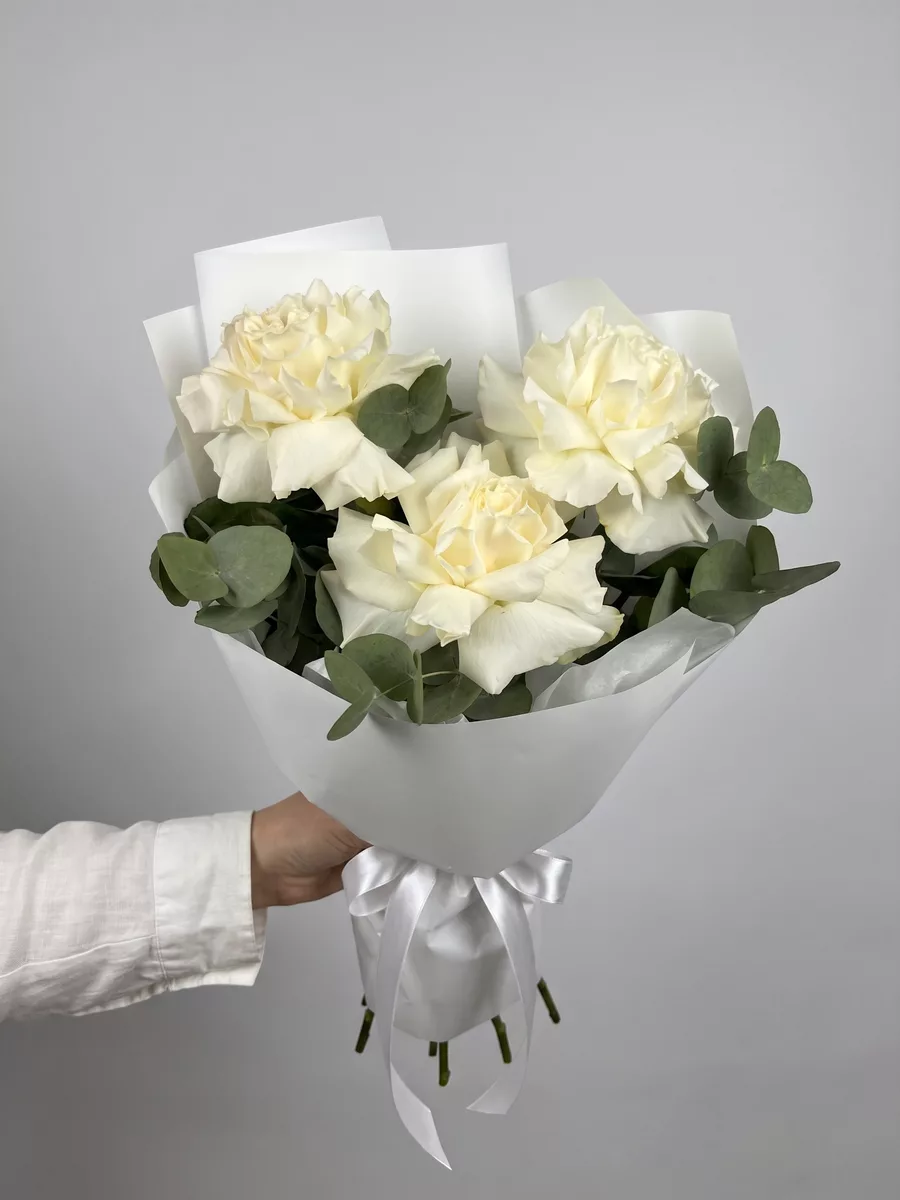
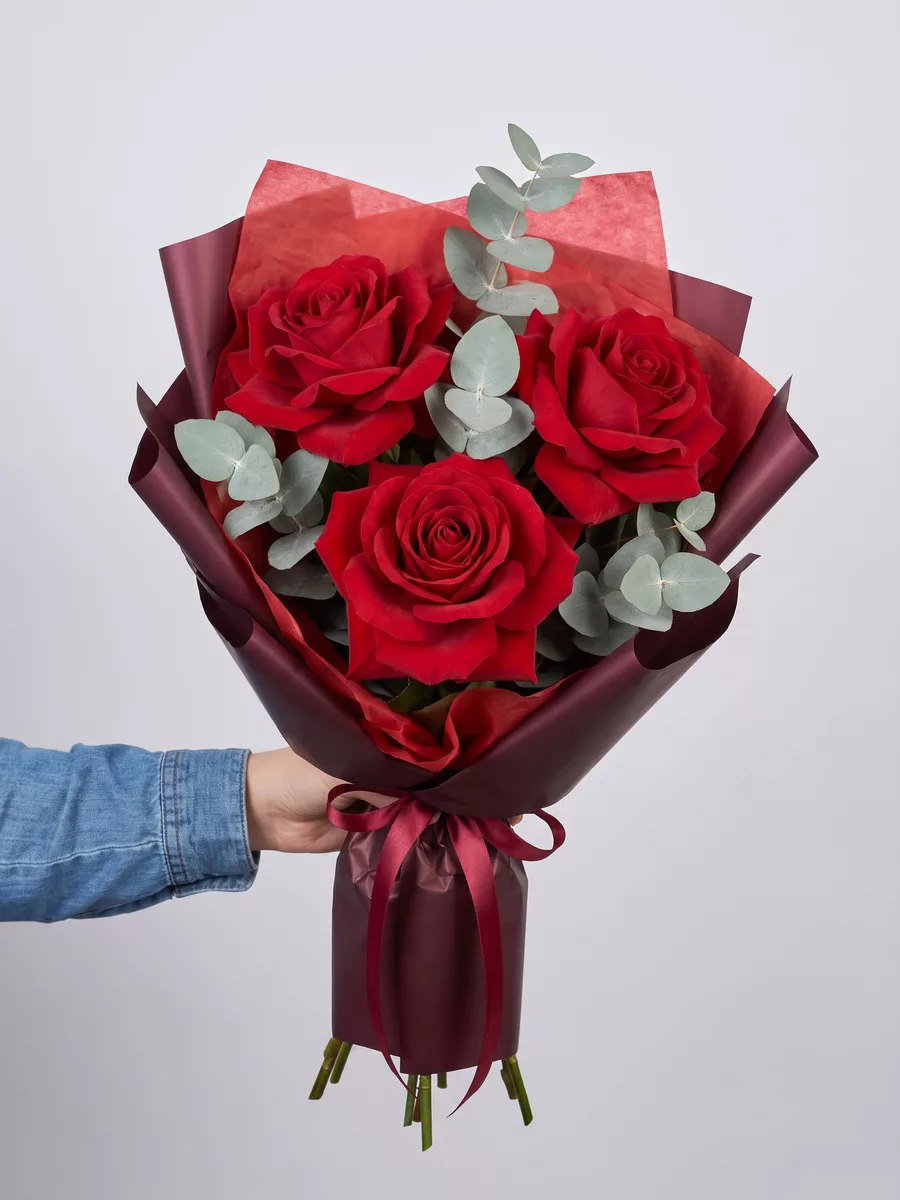
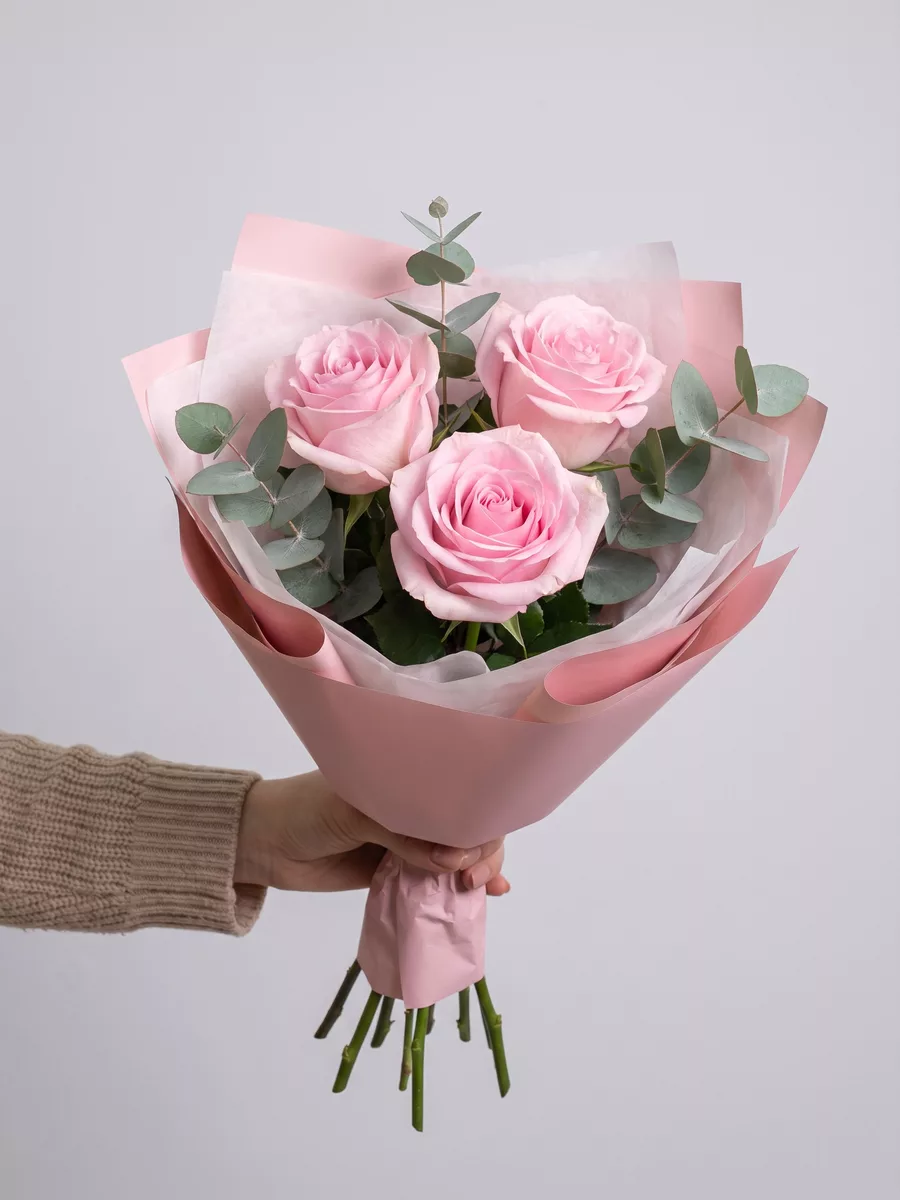
Delivery Timing: What the Window Looks Like
Turboflora delivers fresh flowers across Russia, and Mtsensk is within our delivery network. Orders placed with sufficient lead time are assembled fresh and dispatched so that the bouquet arrives within the agreed window. For same-day delivery, the order needs to be placed early enough in the day for the arrangement to be prepared and reach its destination on schedule. We always recommend placing the order at least a few hours before the intended arrival time rather than right before.
For next-day delivery, you have more flexibility in timing your order, and you can be more precise about the arrival window. This is especially useful if you are coordinating the delivery with a specific moment — the end of a work day, a dinner gathering, a morning surprise. Being specific in your instructions helps enormously: note the floor, the entry code if there is one, and whether the recipient is likely to be home.
If the recipient is not home when delivery is attempted, the courier will contact them directly. It is worth letting the person know a bouquet is coming, especially if they live alone or work outside the home. Some people prefer the surprise to remain intact, which is completely understandable — in that case, a neighbour, a family member, or a building concierge can receive the flowers and keep them cool until the recipient returns. Flowers left in a warm corridor for several hours will not arrive in the same condition as flowers handed directly to the person.
Choosing the Right Flowers for the Person and the Moment
Start with the recipient, not the catalogue. A young woman celebrating her birthday will respond differently to a loose, garden-style arrangement of ranunculus, lisianthus and spray roses than to a formal dozen red roses — though both are genuinely beautiful. An older relative being celebrated for a milestone anniversary might love peonies in season, or a structured arrangement of garden roses in blush and cream tones. A colleague being congratulated on a promotion often appreciates something upbeat and unambiguous: sunflowers, bright gerbera or a cheerful mix of chrysanthemums in warm tones.
For romantic occasions, deep red roses remain the classic choice for good reason — they communicate clearly and age well as a symbol. But if you want something that feels more personal and less expected, a combination of burgundy ranunculus, blush spray roses and eucalyptus reads as romantic without being formulaic. White and ivory tones feel elegant and work beautifully for engagements or new beginnings.
For celebrations involving children or family gatherings, colour matters more than variety. Bright, mixed arrangements with gerbera, alstroemeria and solidago feel festive and approachable. These flowers also tend to be robust, which is useful when the bouquet will be admired by a household rather than placed quietly on a desk.
If you genuinely do not know the recipient's preferences, lean toward a well-composed arrangement in soft, neutral tones with one accent colour. This approach almost never goes wrong, and it gives the florist room to use the freshest stems available that day.
Budget and What It Shapes in the Arrangement
Budget determines two things: the volume of the bouquet and the varieties at its centre. A modest budget still produces a genuinely beautiful result when the flowers are fresh and well-arranged. The difference between a smaller and a larger order is not quality — it is density and the presence of premium focal flowers like garden roses, peonies or large-headed lisianthus.
At a moderate budget, a florist will typically build around a strong focal flower — a standard rose variety or alstroemeria — supported by complementary fillers like waxflower, gypsophila or seasonal greenery. The result is full and presentable without relying on expensive stems to carry the arrangement.
With a larger budget, you gain access to premium varieties and more generous proportions. Garden roses, for example, have a much larger bloom and a richer fragrance than standard greenhouse roses. Peonies, when in season from late spring through early summer, are deeply impressive and feel luxurious in a way that photographs beautifully. Ranunculus in layered pastel tones add texture and a sense of abundance that simpler arrangements cannot replicate.
One practical note: adding a small plant or a box of chocolates alongside the bouquet often lands better than simply spending the same amount on more flowers. The combination gives the recipient something to keep after the blooms have faded. It also signals that the sender thought about the moment as a whole, not just the gesture in isolation. This detail is noticed more than most people expect.
Seasonal Flowers and Why the Month You Order Matters
Russia's seasons shape what is genuinely fresh and what has been in cold storage for weeks. Ordering in season means the flowers have shorter supply chains, stronger fragrance, and longer vase life. Ordering out of season is possible, but the varieties available narrow considerably, and prices for certain blooms rise.
In winter — roughly November through February — tulips from Dutch greenhouse growers are widely available and arrive in excellent condition. Roses are a year-round staple, with Ecuadorian and Kenyan varieties consistently strong. Chrysanthemums in spray and standard forms are reliable and long-lasting. Avoid expecting fragrant lilac or garden peonies in January: they simply do not exist in fresh form at that time of year.
Spring brings tulips in full force, then narcissus, then the first ranunculus and anemones. May and June are genuinely the best months for peonies — the window is short, roughly four to six weeks, but the flowers during that period are exceptional. If someone you love has a late May birthday, this is the moment to send peonies.
Summer offers sunflowers, lisianthus in deep purple and white, and the full range of spray roses and gerbera. Autumn brings dahlias, which are underused and stunning, along with chrysanthemums in rich amber and rust tones that suit the season perfectly.
Knowing the season helps you have a more specific conversation about what will look best. A florist who knows the date and the occasion can make a strong recommendation based on what has arrived fresh that week.
Packaging, Presentation and the Moment of Arrival
The way a bouquet is presented when it arrives at the door is the first thing the recipient experiences. Before they smell the flowers or count the stems, they see the wrapping, the ribbon, and the card. This first impression sets the tone for everything that follows.
Turboflora wraps bouquets in a way that protects the stems and keeps moisture at the base during transit. In cold weather, the outer layer provides insulation so that petals are not shocked by the temperature change from a warm vehicle to a cold entrance hall. In warm weather, the wrapping keeps the arrangement contained and prevents petals from bruising against packaging.
A handwritten card is one of the most underestimated parts of the order. People keep cards. They re-read them. A few words that are specific and genuine — referencing the occasion, the relationship, something the recipient will recognise as meant for them — will be remembered long after the flowers have faded. Generic messages feel like an afterthought, even when the bouquet itself is beautiful.
If you are sending flowers as a surprise and want the delivery to feel like an event rather than a drop-off, consider timing the arrival for when the recipient has just arrived home or is about to sit down for the evening. A bouquet that arrives when someone is rushing out the door gets less of a moment than one that arrives when they have time to receive it properly. This is a small logistical detail that makes a genuine difference to how the gift lands.
Caring for the Bouquet After It Arrives
Fresh flowers from a good florist will last five to ten days with basic care, and some varieties considerably longer. The single most important step is cutting the stems. Using a sharp knife or scissors, trim one to two centimetres from the base of each stem at an angle, ideally while holding the stem under water or immediately before placing it in a vase. This removes the sealed end that forms during transport and allows the flower to draw water properly.
The vase should be clean and filled with cool, fresh water. Flower food sachets, if included with the bouquet, genuinely help — they contain a mild acidifier, a sugar source and an antibacterial agent that together extend vase life noticeably. Change the water every two days and re-trim the stems each time you do.
Place the vase away from direct sunlight, heating radiators and fruit bowls. Ripening fruit releases ethylene gas, which accelerates the ageing of petals. This is a detail most people do not know, but it makes a measurable difference — a bouquet next to a bowl of apples will fade several days faster than the same bouquet on a cool, shaded surface.
Different varieties have different lifespans. Chrysanthemums and alstroemeria are among the longest-lasting, often going ten to fourteen days with good care. Roses typically last seven to ten days. Ranunculus and tulips are shorter-lived but vivid while they last. Knowing this helps the recipient enjoy each variety at its peak rather than being disappointed when the more delicate stems fade first.
Sending flowers to someone in Mtsensk is a straightforward, genuinely warm gesture when the order is placed with a little thought. Choose for the person and the moment first, let the season guide your variety choices, and give the recipient the information they need to care for the bouquet properly. A fresh arrangement that arrives well-wrapped, on time, with a card that says something real will be remembered — and that is exactly the point of sending flowers in the first place.
Frequently asked questions
Can I order flower delivery to Mtsensk for the same day?
Yes, same-day delivery to Mtsensk is available when the order is placed early enough in the day for the bouquet to be assembled and dispatched on schedule. We recommend ordering at least three to four hours before your intended delivery window to ensure the arrangement is prepared fresh and reaches the recipient without rushing.
What flowers are best for delivery in cold Mtsensk winters?
Roses, chrysanthemums, alstroemeria and tulips all travel well in cold weather when properly wrapped. Avoid requesting very delicate open blooms like garden roses at their fullest — buds that open after arrival look better than petals stressed by frost. We insulate bouquets for cold-weather delivery to protect them during transit.
What if the recipient is not home when the flowers arrive?
Our courier will contact the recipient directly to arrange handoff. If no one is available, a neighbour, concierge or family member can receive the bouquet. We recommend leaving a note in your order with a backup contact. Flowers should be placed in water as soon as possible after arrival for the best vase life.
Do I need to know Russian to place an order for Mtsensk delivery?
No. You can place your order in English through Turboflora. Provide the recipient's full address in Russian if possible, or use a transliterated version and we will verify it. The card message can be written in any language — we will include it exactly as you write it so the recipient receives your words directly.
How long will the bouquet stay fresh after delivery in Mtsensk?
Most bouquets last five to ten days with proper care: trimming stems on arrival, using clean cool water, and keeping the vase away from heat and direct sunlight. Chrysanthemums and alstroemeria often last up to two weeks. We include care instructions with every order so the recipient knows exactly what to do from the first moment.
Ready to send flowers?
Pick the city, choose the bouquet, and a local florist takes it from there.
Choose a city →