Flower Delivery in Muravlenko: Timing, Choices and What Arrives at the Door
Muravlenko sits deep in the Yamalo-Nenets region, where winter temperatures drop below minus thirty and the nearest large city is hours away by road. Sending flowers here is not the same as ordering a bouquet in Moscow or Saint Petersburg — the logistics are different, the climate is unforgiving, and the person receiving them will feel the effort even more because of it. This guide walks you through what to expect when you order delivery to Muravlenko: how we get flowers there, what holds up well in the cold, and how to make the bouquet last once it arrives.
Why Muravlenko Is a Unique Delivery Destination
Muravlenko is a compact oil-industry city in the Yamalo-Nenets Autonomous Okrug, home to roughly 30,000 people. It is connected to the wider region by a limited road network, and in winter that road network becomes genuinely demanding. Temperatures between November and March regularly fall to minus 25 to minus 35 degrees Celsius, and wind chill can push the felt temperature even lower. For a florist, this matters enormously. A rose that would survive a fifteen-minute car ride in Saint Petersburg can freeze solid in under five minutes if it is not properly insulated during transport in Muravlenko.
Because the city is smaller and more remote than regional centres like Novy Urengoy or Salekhard, residents are used to planning ahead for many goods and services. Flowers, though, carry a different emotional weight — they are almost always tied to a specific date, a birthday, an anniversary, a declaration. That urgency does not disappear just because geography is difficult. What changes is how much care goes into the packaging and the route.
When you order from Turboflora to a Muravlenko address, you are ordering from a team that understands northern logistics. The flowers leave our facility already conditioned for cold transit. We do not treat this route as an afterthought. The remoteness of the city is exactly why the people who live there deserve the same quality of arrangement as someone in a city with a florist on every corner.
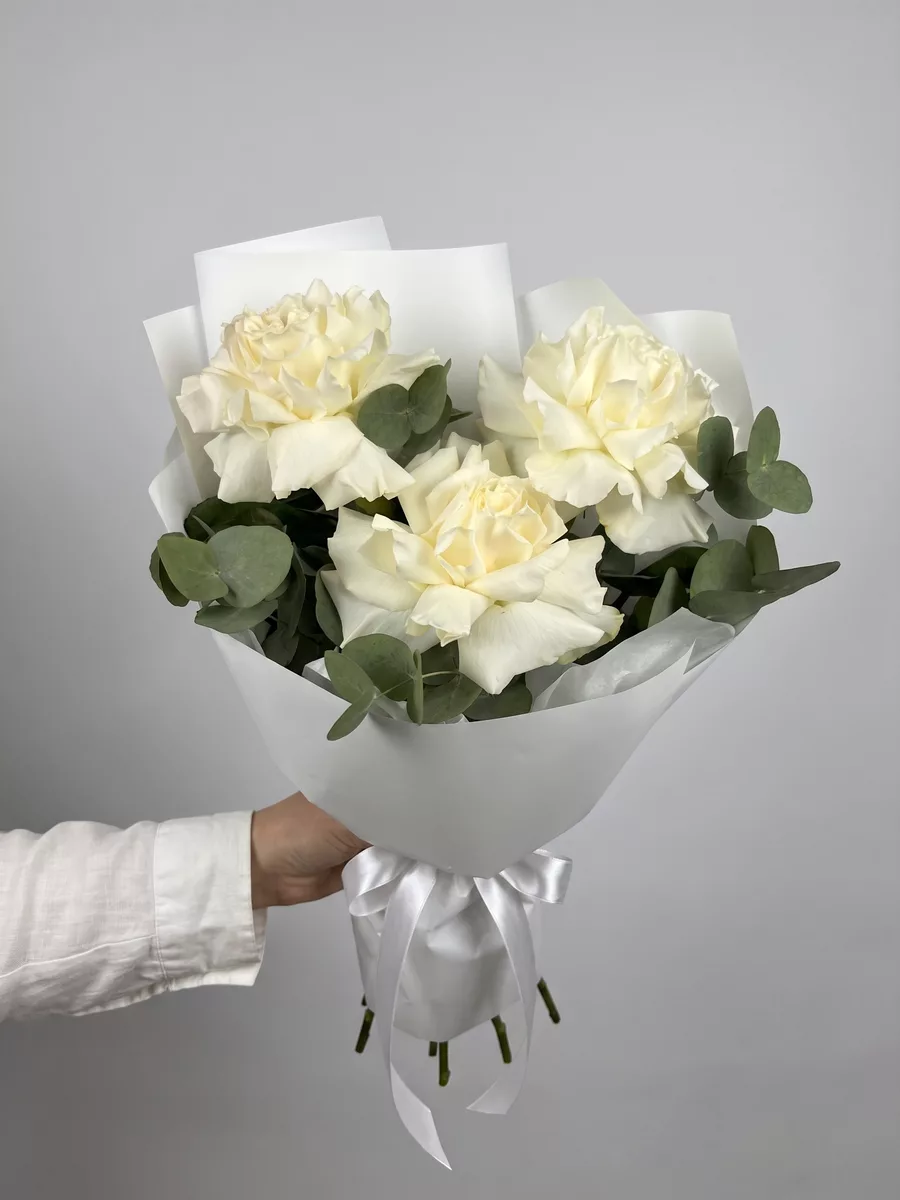
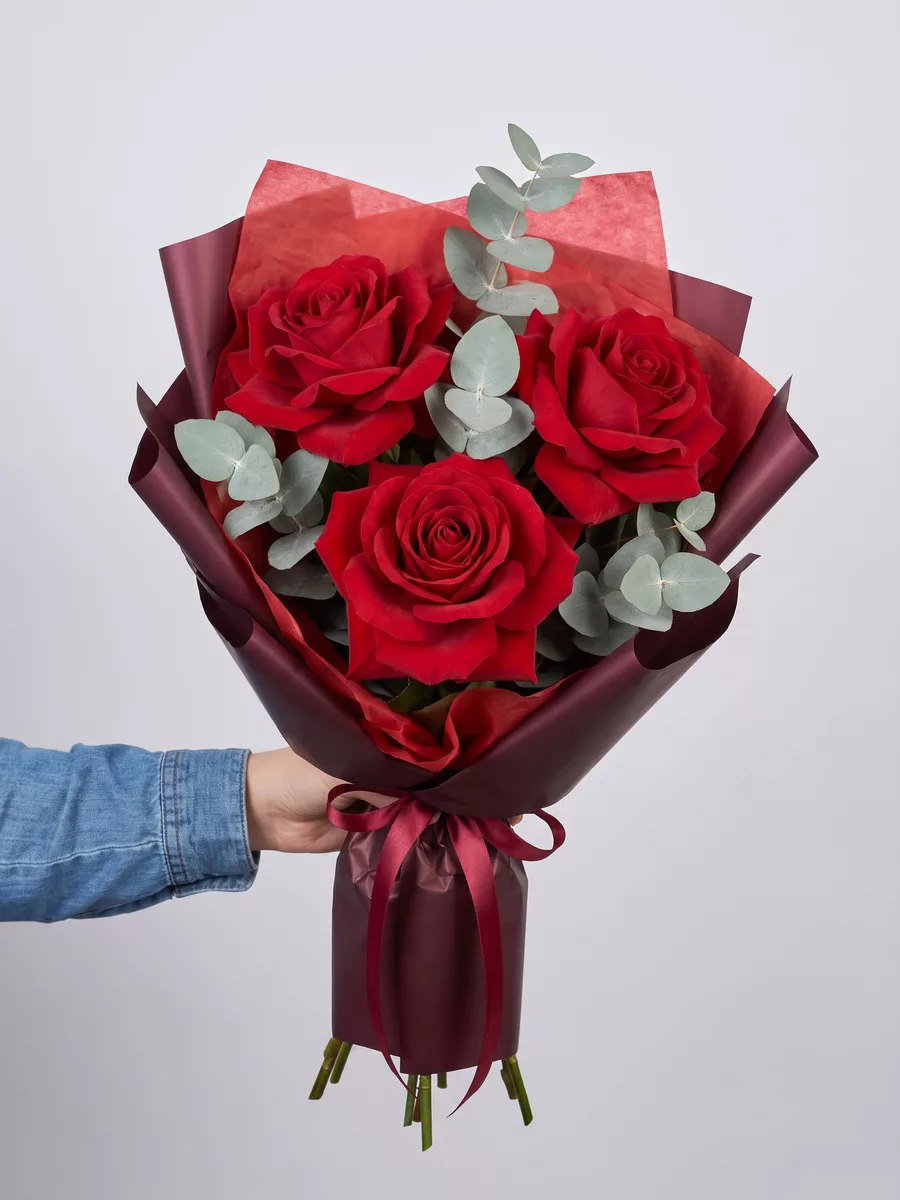
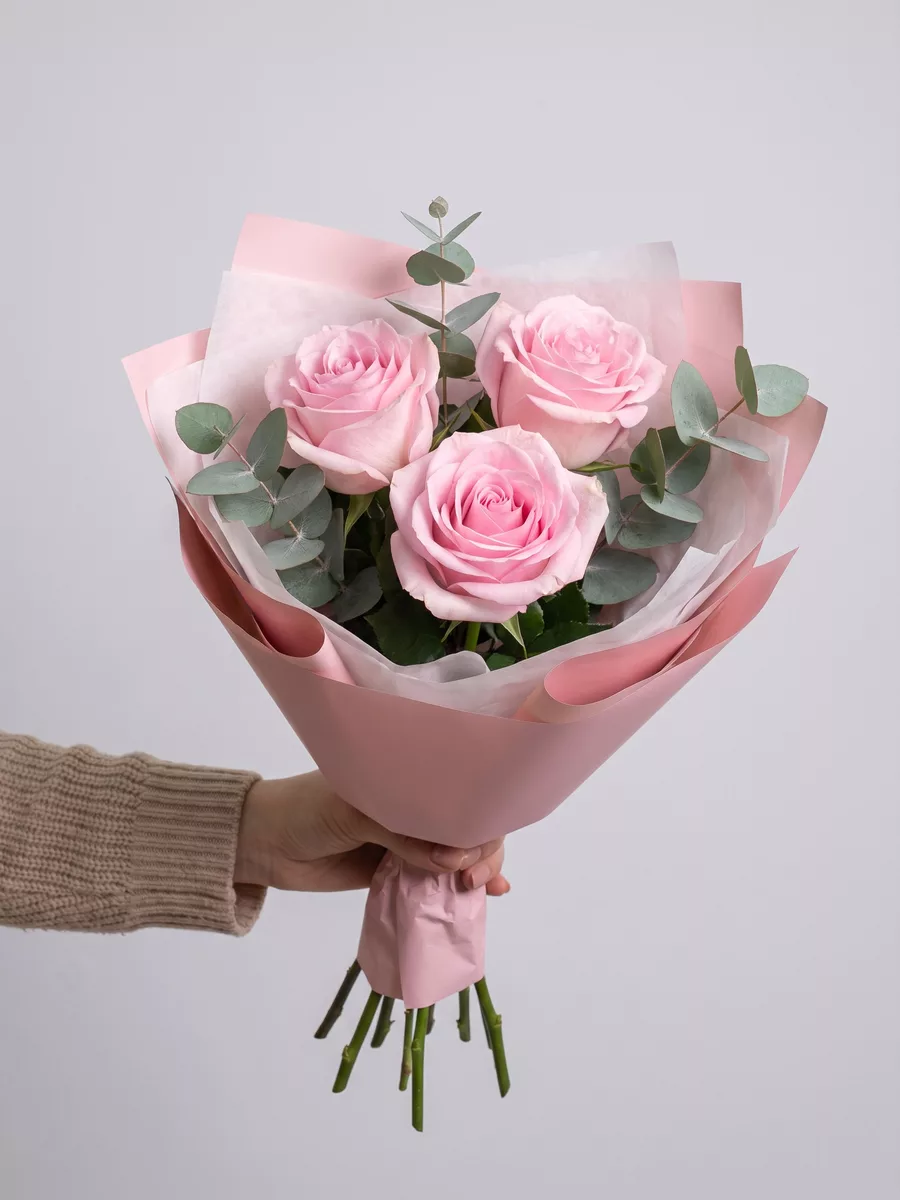
Bouquets we can deliver

Realistic Timing: What One to Two Hours Means Here
Turboflora delivers fresh flowers across Russia within one to two hours. In a dense city, that window is straightforward. In Muravlenko, the same commitment applies, but it helps to understand what goes into it so your expectations are well-placed and your recipient is not left waiting by the door at the wrong time.
The one-to-two-hour window begins from the moment your order is confirmed and assembled. In practice, the assembly itself — selecting stems, trimming, conditioning, arranging and wrapping — takes roughly twenty to thirty minutes for a standard bouquet. Transit time within the city is typically short because Muravlenko is geographically compact. The city covers a manageable area, and most residential addresses are within a few minutes of the main roads.
What can extend the window is weather. At minus 30, a courier cannot simply carry an unwrapped bouquet from a vehicle to a building entrance. Extra insulation, careful handling between car and door, and brief warming periods all add minutes. We factor this into our estimates rather than ignoring it and delivering frozen stems. If you are ordering for a specific moment — a surprise at a certain hour, flowers waiting when someone returns home from a shift — build in a small buffer. Ordering thirty minutes earlier than you think you need to is always a better choice than cutting it close.
For same-day delivery, placing your order before midday gives the most flexibility. Evening deliveries are possible, but confirm availability when you place the order.
Choosing the Right Flowers for a Cold Climate
Not every flower handles sub-zero transit equally well. This is one of the most practical things to understand before you order, and it changes which bouquet is actually the best gift rather than just the prettiest picture on a website.
Roses are the most popular flower in Russia by a significant margin, and they do travel well in cold conditions when properly wrapped and not left exposed. Spray roses, which have multiple smaller blooms on each stem, are especially resilient because individual petals are smaller and less prone to bruising or freezing damage. Standard large-headed roses like Red Naomi or Avalanche are also reliable choices. Chrysanthemums are extremely cold-tolerant and hold their shape well after transit — they are an excellent option when you want volume and longevity. Alstroemeria, often called Peruvian lily, is another strong performer: the buds travel closed and open gradually over several days, which actually works in your favour in a cold-transit situation.
Flowers that struggle more in the cold include tropical varieties like anthuriums and birds of paradise — they are sensitive to temperatures below ten degrees and can show damage even with good wrapping. Delicate open garden roses with very full heads can bruise more easily when cold makes petals stiff. Hydrangeas are beautiful but need careful handling; they can wilt dramatically if they experience temperature shock.
For winter orders to Muravlenko, leaning toward roses, chrysanthemums and alstroemeria gives your recipient the best chance of a bouquet that looks as good on day three as it did on arrival.
Combinations and Presentation That Work for the Occasion
A single variety in one colour can be striking, but most of the bouquets that genuinely move people are built from a combination of textures and shapes. The good news is that combinations also tend to be more forgiving in transit — different stem types support each other and reduce movement inside the wrapping.
For a birthday, a classic approach that works beautifully in any season is a base of spray roses in cream or soft pink, accented with alstroemeria in a contrasting shade — coral against white, or lilac against blush — and finished with eucalyptus or ruscus for greenery. The green elements do two things: they add visual depth, and they cushion the blooms during the journey. This kind of bouquet reads as thoughtful rather than assembled.
For a romantic occasion, a monochrome bouquet of red or deep burgundy roses in varying stem lengths creates drama without needing additional varieties. If you want to soften the formality slightly, adding a few stems of white waxflower around the edges gives texture and fragrance without competing with the roses.
For a colleague or a gesture of appreciation, chrysanthemums in white or yellow combined with solidago — the small yellow filler flower often called goldenrod — make a warm, cheerful arrangement that feels generous without being overly intimate. This combination also has excellent vase life, which matters when the recipient is at a workplace and may not be able to tend to flowers immediately.
Presentation matters too. In Russian custom, odd numbers of flowers are given to the living — three, five, seven, nine stems. Even numbers are reserved for mourning occasions. If you are not Russian and did not know this, now you do: it is a detail that locals will notice and appreciate.
What Happens to Flowers in Extreme Cold: Honest Answers
It is worth being direct about what cold does to cut flowers, because understanding this helps you make better decisions and set the right expectations for your recipient.
When flower tissue freezes, the water inside the cells expands and breaks the cell walls. When the flower thaws, those broken cells collapse, which is why a frozen petal turns translucent and then mushy. This is irreversible. The goal of cold-weather packaging is to keep the flowers above zero throughout the entire journey — not warm, just above freezing. Insulating wrapping, thermal sleeves and minimal exposure time between the vehicle and the building entrance all serve this goal.
In practice, a well-packaged bouquet in a heated vehicle that is carried quickly from car to door will arrive in excellent condition even at minus 30. The risk moment is not the journey itself but the transition points: the seconds the courier stands at a building entrance waiting for a door to open, or the minutes a bouquet sits in an unheated hallway. We instruct our couriers to minimise these exposures.
For the recipient, the most important thing to know is not to unwrap the bouquet immediately in a very cold room. If the apartment is warm, unwrapping is fine. But if the flowers have come in from extreme cold, giving them five minutes in a cool interior space before full unwrapping allows them to adjust without thermal shock. Placing them directly into warm water after a cold journey can cause stems to draw water too quickly, which sometimes leads to bent necks in roses. Room-temperature water is better for the first hour.
Vase Life and Care After Delivery in Muravlenko
Getting the flowers there is only half the story. How long they last in the home depends on a few simple habits that make a real difference, and florists notice that most people who are disappointed by short vase life are making one or two easily avoidable mistakes.
The first is the cut. Stems should be trimmed at a diagonal, about two centimetres from the bottom, using a sharp knife rather than scissors. Scissors compress the stem tissue and reduce water uptake. The diagonal cut increases the surface area through which the stem drinks. This should be done under or just after running water so no air bubble enters the stem immediately.
The second is the water itself. Change it every two days, rinsing the vase each time. Bacteria build up in vase water and block the stem ends, which is the most common reason flowers wilt early. If you received a packet of flower food with your bouquet, dissolve it in the first fill of water — it contains a mild acidifier that slows bacterial growth and a small amount of sugar to feed the blooms.
The third is placement. In Muravlenko homes in winter, the heating is often running at full strength, which creates very dry indoor air. Keep flowers away from radiators and from cold windowsills where night temperatures near the glass can drop significantly. A central table away from heat sources and drafts is ideal.
Roses and alstroemeria kept this way typically last seven to ten days. Chrysanthemums can last two weeks or more. Spray roses, with their smaller blooms, often outlast standard roses by several days.
Ordering Tips That Make the Experience Smoother
A few practical details make the difference between a delivery that goes exactly as planned and one that creates unnecessary stress for the sender.
First, provide the full address including the apartment number, floor and any entry code for the building. In Muravlenko, as in most Russian cities, residential buildings often have coded entrance doors. A courier who cannot enter the building cannot deliver the flowers, and the time spent resolving this eats into the freshness window. If you are ordering a surprise and cannot give the recipient advance warning, make sure you have the entry code yourself.
Second, include a note with your order about the recipient's schedule if you know it. If the person works a shift pattern — common in an oil-industry city like Muravlenko — and will not be home until a specific hour, tell us. We would rather time the delivery correctly than arrive to an empty apartment and have to hold flowers.
Third, think about whether you want the flowers to arrive as a complete surprise or whether you want to let the recipient know something is coming so they can be at home. Both approaches work. The surprise is more dramatic; the coordinated delivery is more reliable. In a city where many residents work irregular or long shifts, coordination often produces the better outcome.
Finally, if you are ordering from outside Russia — perhaps you have a family member or friend living and working in Muravlenko — check the time zone. Muravlenko operates on Yekaterinburg Time, which is UTC plus five. A midday order in Moscow is already mid-afternoon in Muravlenko, which affects same-day delivery windows.
Sending flowers to Muravlenko is a genuine act of care, and the distance and climate make it feel that way to the person who receives them. The key is choosing varieties that travel well in the cold, being specific about timing and address details, and giving your recipient a little guidance on how to keep the bouquet looking its best. When all of that comes together, a bouquet arriving at a door in the middle of a Yamal winter carries a warmth that has nothing to do with the temperature outside.
Frequently asked questions
Can you deliver flowers to Muravlenko in winter when it is very cold?
Yes. We use insulated packaging and trained couriers who minimise the time flowers spend exposed to the cold between the vehicle and the building entrance. Roses, chrysanthemums and alstroemeria are our recommended choices for winter orders because they handle low-temperature transit reliably and arrive in good condition even at minus 30.
How far in advance should I order for a specific delivery time in Muravlenko?
For a specific time, order at least two hours ahead to allow for assembly and transit. If you want a morning delivery, placing your order the evening before is even better. For same-day delivery with flexible timing, orders placed before midday Muravlenko time give us the most options. Remember that Muravlenko is on UTC plus five, so account for that if you are ordering from a different time zone.
What should the recipient do when the flowers arrive in very cold weather?
Do not unwrap the bouquet immediately in a cold room. Allow it a few minutes to adjust to indoor temperatures first. Then trim the stems diagonally, place them in room-temperature water rather than warm water, and keep them away from radiators. This prevents thermal shock and helps the stems draw water properly from the start, which extends vase life significantly.
Is it true that even numbers of flowers mean something different in Russia?
Yes. In Russian tradition, even numbers of flowers are associated with mourning and are brought to funerals. For any celebratory or affectionate occasion, bouquets should contain an odd number of stems — three, five, seven, nine and so on. This is a widely observed custom, and most Russian recipients will notice it. We follow this convention in all our arrangements.
What information do I need to provide to ensure smooth delivery to a Muravlenko address?
Provide the full street address, apartment number, floor and the building entry code if there is one. Many residential buildings in Russian cities have coded entrance doors, and without the code a courier cannot reach the apartment. If you know the recipient's schedule, share it too — especially if they work shifts, which is common in Muravlenko's oil-industry community.
Ready to send flowers?
Pick the city, choose the bouquet, and a local florist takes it from there.
Choose a city →