Sending Flowers to Nelidovo? Here Is Everything You Need to Know
Nelidovo sits in the western part of Tver Oblast, a quiet industrial city where a well-chosen bouquet can feel like a genuinely rare and personal gesture. Whether you are marking a birthday from a distance, surprising someone on a work anniversary, or simply saying you were thinking of them, getting flowers delivered here takes a little planning — and the right florist. This guide walks you through timing, seasonal choices, presentation ideas and what to tell the recipient so the bouquet arrives in perfect condition.
Where in Nelidovo We Deliver and Why Coverage Matters
Nelidovo is a compact city, but its residential districts, industrial zones and the areas closer to the railway station each have their own character. Deliveries reach apartment blocks in the central part of the city, private homes in the quieter outer streets, and workplaces including offices near the city administration. If the recipient lives on a street that is not immediately obvious on a map, a phone number helps enormously — our courier will call ahead rather than guess.
The city does not have the density of Saint Petersburg, which means a single courier covers a wider area per run. That is worth knowing when you place an order: we route deliveries thoughtfully so the flowers spend as little time in transit as possible. A bouquet sitting in a warm car for forty minutes loses more than one sitting in a cool bag for the same time.
If the address includes a specific entrance code or a gate that requires buzzing, include that in the order notes. In Russian apartment buildings, the entrance number — called a podezd — matters as much as the flat number itself. Recipients are often surprised that a delivery can reach them at a specific floor with no confusion, and that small detail is what makes the experience feel considered rather than chaotic. Coverage across Nelidovo's main districts is consistent, and we aim to reach every order within the confirmed window regardless of which part of the city it falls in.
Bouquets we can deliver

Timing Your Order: What the Delivery Window Actually Means
When Turboflora confirms a one-to-two-hour delivery window, that window begins from the moment the order is assembled and dispatched, not from the moment you click confirm. Assembly itself takes time — stems are cut at an angle, conditioning water is added, wrapping is chosen to match the season. In warmer months, a kraft paper wrap with a moisture-retaining base keeps roses and tulips fresh through transit. In winter, an insulating sleeve goes around the outer layer to protect against frost.
For same-day delivery to Nelidovo, placing your order before early afternoon gives the most reliable outcome. Orders placed later in the day are still possible, but the honest answer is that the later you order, the narrower your choice of varieties becomes as stock is allocated through the day. If the occasion is fixed — a birthday at seven in the evening, say — ordering the morning of gives you full selection and a calm lead time.
Scheduled delivery is also available. If you know the recipient finishes work at six and you want the flowers waiting when they arrive home, you can set that window in advance. This is actually the most popular option for long-distance senders, because it removes the anxiety of wondering whether the delivery landed at an inconvenient moment. A bouquet that arrives while someone is in a meeting or on a call starts on the back foot before it is even unwrapped. Timing, in other words, is part of the gift itself.
Choosing Flowers for the Occasion, Not Just the Season
The first question to ask is not what is beautiful — almost everything in a well-stocked arrangement is beautiful — but what the person receiving it will feel when they open the door. For a close friend, something informal and garden-like works better than a stiff formal bouquet: ranunculus, anemones, sweet peas in season, or a loose combination of spray roses with eucalyptus. For a colleague or a professional context, cleaner lines matter more: a single-variety bouquet of garden roses or a structured arrangement of lisianthus reads as respectful without being cold.
In Russia, flower gifting has a few customs worth knowing if you are unfamiliar. Bouquets are traditionally given in odd numbers — three, five, seven stems and so on — because even numbers are associated with grief. Turboflora compositions already follow this convention, so you do not need to count manually, but if you are adding loose stems to a custom order, keep it in mind. Yellow flowers carry no negative meaning in Russian culture despite what you may have heard; yellow roses and yellow tulips are genuinely popular for celebrations.
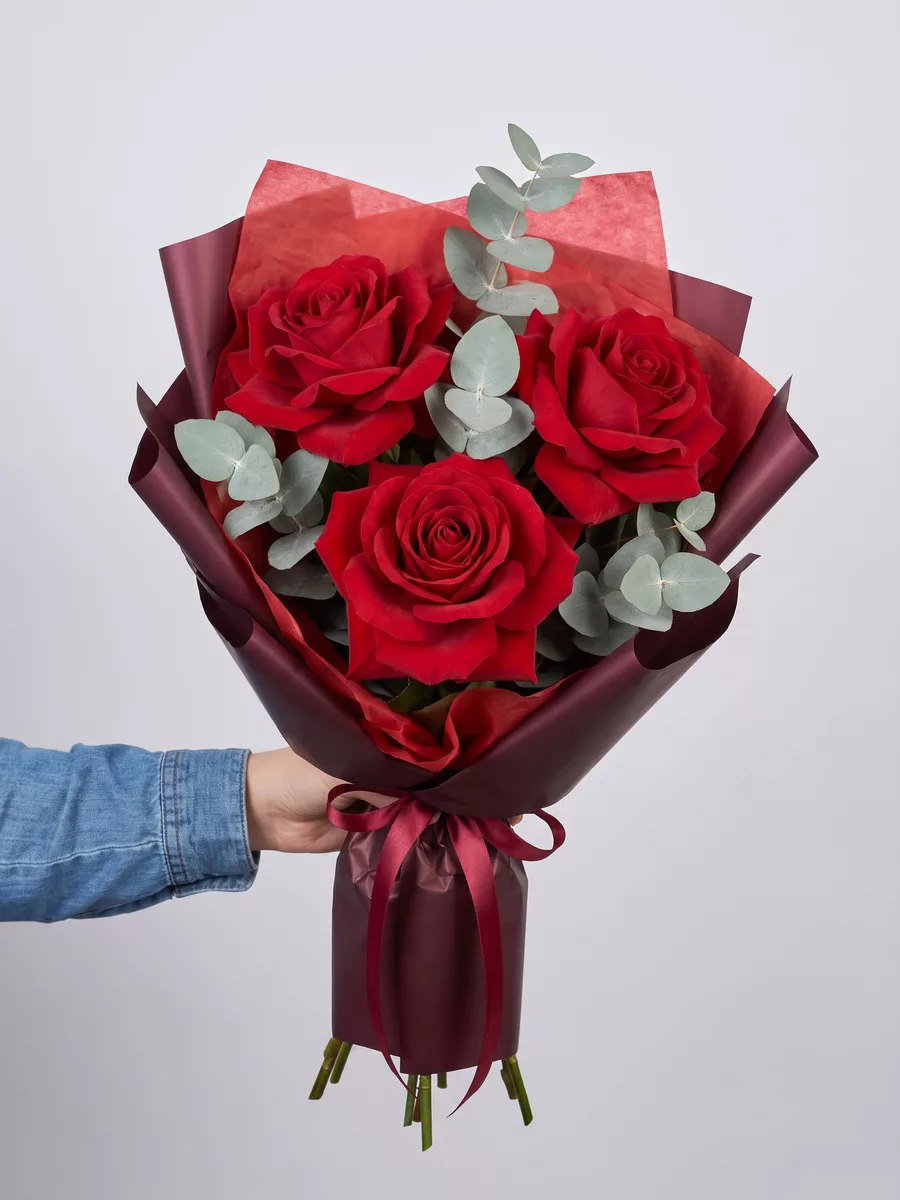
For romantic occasions, red roses remain the clearest signal, but a mix of blush and deep burgundy roses with some textural greenery reads as more considered and personal than a uniform red dozen. For a mother or grandmother, peonies when in season, or a soft arrangement of chrysanthemums and alstroemeria, feels warm and appropriate without being generic. Think about the recipient's home, their style, and whether they tend toward bold colour or soft tones.
Bouquets by Budget: Getting the Most From Every Price Point
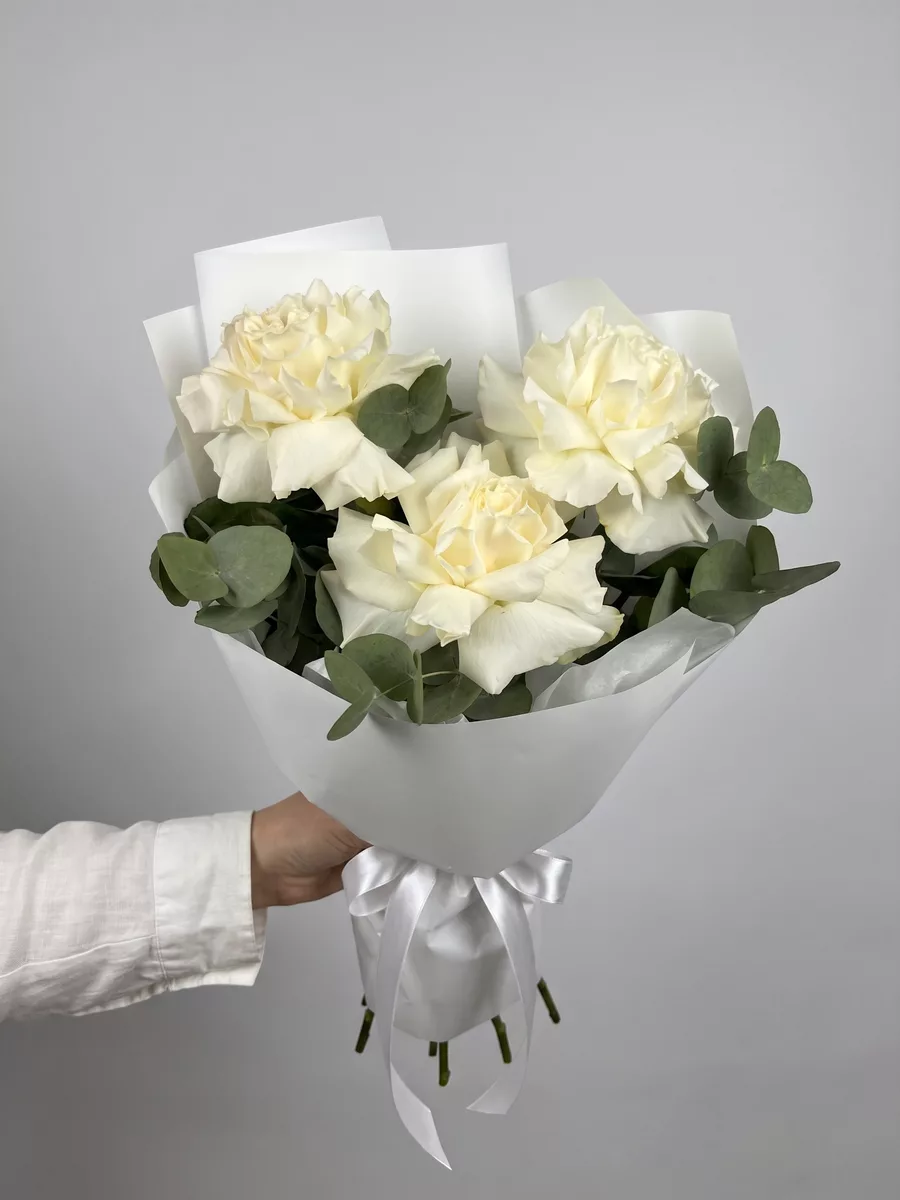
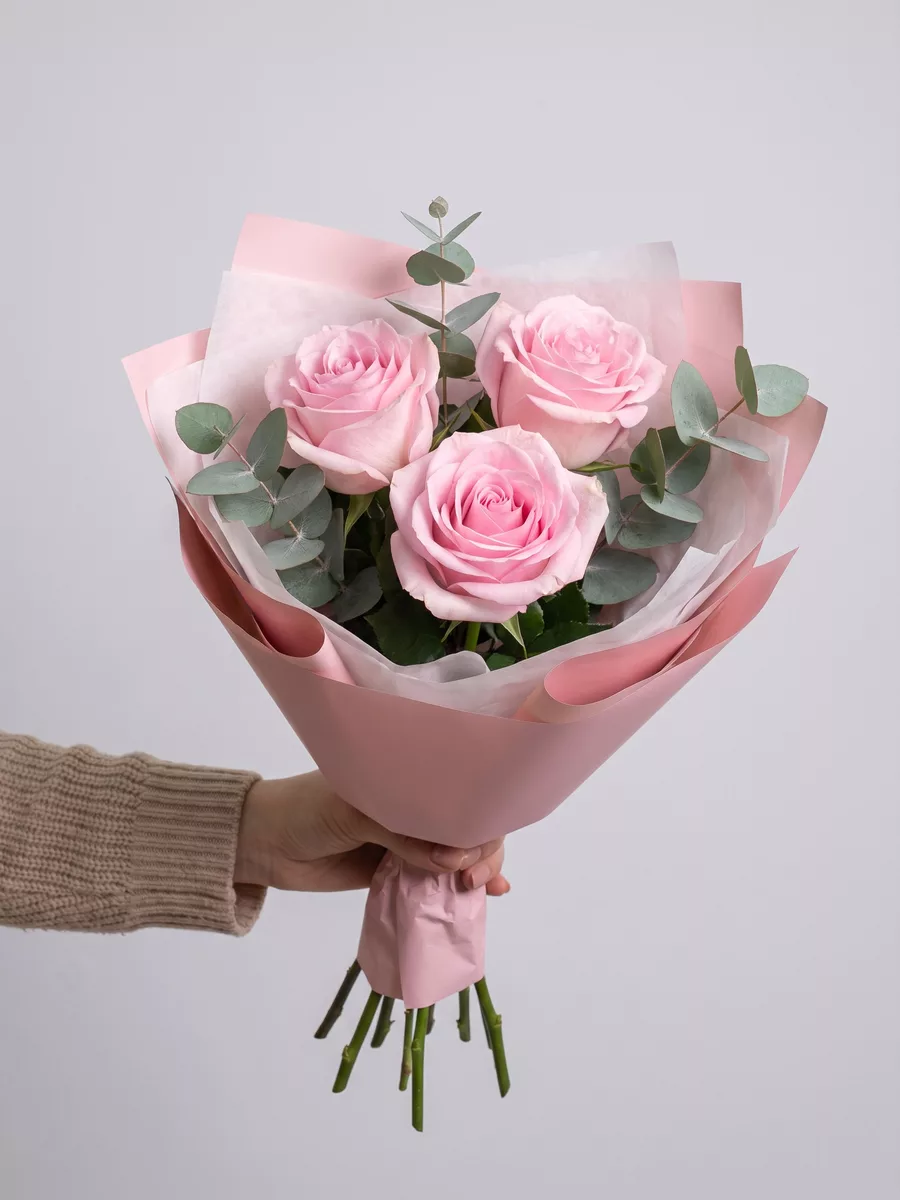
A smaller budget does not mean a lesser gift — it means a more focused one. Three stems of a premium garden rose, properly conditioned and wrapped in textured paper with a ribbon, can outperform a crowded bouquet of mixed filler flowers at twice the price. The key is choosing one or two varieties that carry themselves rather than relying on volume to create an impression.
At a mid-range budget, combinations open up. This is where a florist's eye matters most: pairing spray roses with matthiola creates scent as well as colour; adding a few stems of veronica or statice gives structure without bulk. Lisianthus is particularly good at this price point because it has multiple blooms per stem and lasts well in a vase, which means the recipient enjoys it for longer.
At a more generous budget, mono-bouquets of premium varieties make a strong statement. A large arrangement of David Austin-style garden roses, or a generous bunch of peonies at peak season in late spring, needs nothing else. Alternatively, a mixed arrangement with a clear focal flower — a large-headed rose or a bold protea — surrounded by complementary textures feels designed rather than assembled.
One common mistake is adding too many varieties in an attempt to look generous. Five varieties fighting for attention read as busy. Two or three varieties with intention read as elegant. When in doubt, edit down rather than add more. The wrapping and presentation — the weight of the paper, the colour of the ribbon, a handwritten card — contribute as much to the first impression as the flowers themselves.
How Temperature and Transit Affect What You Receive
Nelidovo experiences genuine continental winters, with temperatures regularly dropping well below zero between November and March. This matters for flower delivery in a practical and immediate way. Roses and tulips are the most vulnerable: their petals bruise at temperatures below minus five Celsius, and a bouquet left on a doorstep for even ten minutes in hard frost will show damage by the time it reaches a vase.
Turboflora handles this with insulated packaging for cold-weather deliveries, but the recipient also plays a role. If someone is not home to receive the flowers, a sheltered entrance or a neighbour who can take the delivery in is far better than leaving a bouquet outside. When placing an order for winter delivery, it is worth sending the recipient a brief message so they know to expect a knock — not what is coming, if you want the surprise, but simply that they should be around.
In summer, the challenge reverses. Nelidovo can see warm, humid days in July and August that stress cut flowers in a different way. Hydration becomes critical. Flowers that have been properly conditioned before dispatch — stems recut, placed in clean water with a preservative sachet — will survive a warm transit far better than flowers that went straight from cold storage into a bag. When you receive a bouquet in warm weather, unwrap it within minutes, recut the stems under running water, and place it in a cool room away from direct sunlight. A north-facing windowsill in summer is genuinely the best spot in most Russian apartments.
Vase Life and Care: Making the Bouquet Last
The first twenty-four hours after a bouquet arrives are the most important for vase life. The stems have been cut and conditioned before delivery, but they need fresh water immediately on arrival. Fill the vase with cool, clean water — not cold from the tap, which can shock the stems, but around room temperature. Add the sachet of flower food that comes with the bouquet; it contains a mild acidifier and a sugar source that genuinely extend vase life by two to four days compared with plain water.
Change the water every two days. Each time you do, recut the stems by about a centimetre at a diagonal angle. This prevents the base of the stem from sealing over and blocking water uptake. Remove any leaves that fall below the waterline immediately, as they rot quickly and cloud the water with bacteria that shorten the life of every stem in the vase.
Different varieties have different natural lifespans. Chrysanthemums and alstroemeria are among the longest-lasting cut flowers, often going ten to fourteen days in good conditions. Lisianthus is similarly durable. Tulips have a shorter window — around five to seven days — but they continue to open and change shape in the vase in a way that feels alive and evolving. Roses sit in the middle: seven to ten days with good care, fewer if the room is warm or sunny.
Keep the vase away from radiators, which are a particular hazard in Russian apartments during the heating season running from October through April. A radiator two metres away dries the air around the flowers and shortens their life noticeably. A cool hallway or kitchen counter, away from fruit bowls — ethylene from ripening fruit accelerates petal drop — is the ideal spot.
What to Write on the Card and How to Make the Moment Land
A card is not an afterthought. In many cases, the recipient reads it before they even look closely at the flowers, and what it says sets the emotional tone for the entire gift. A few honest, specific sentences outperform a generic printed message every time. Instead of 'Happy Birthday, with love,' try something that references a shared memory, an inside reference, or something you genuinely admire about them. Specificity is what makes a card feel written rather than typed.
If you are sending to someone who is Russian-speaking and you want to write in Russian but are not confident in the language, keep it simple. A short phrase in Russian, even imperfectly written, is received warmly because the effort itself communicates care. Alternatively, a card in English is perfectly understood and often feels charmingly personal from someone abroad or from a different background.
For occasions like a work anniversary or a professional congratulation, keep the card warm but measured — something that acknowledges the achievement without becoming overly personal. For a romantic occasion, do not be afraid to be direct; Russian culture appreciates sincerity and does not find a straightforward expression of feeling awkward or excessive.
If the delivery is a surprise, consider letting the recipient know only that something is coming — not what or from whom. This means they will be home to receive it, and the moment of opening becomes the reveal. A bouquet delivered to an empty apartment and discovered hours later loses much of its impact. The flowers are the same, but the experience of receiving them in the moment is what makes the memory.
Sending flowers to Nelidovo from anywhere in Russia is straightforward when you know what to expect: honest timing, seasonal variety choices that suit the weather, packaging that protects against cold or heat, and a card that says something real. The distance between you and the recipient does not diminish the gesture — in many ways, a well-chosen bouquet arriving across hundreds of kilometres says more than one bought at a corner shop. Turboflora handles the logistics so that what lands at the door is fresh, considered and genuinely worth opening.
Frequently asked questions
How far in advance should I order flowers for delivery to Nelidovo?
For same-day delivery, placing your order before midday gives the most reliable outcome and the widest choice of varieties. For a specific evening time slot, ordering in the morning is ideal. You can also schedule delivery days in advance, which is the calmest option for fixed occasions like birthdays or anniversaries where you know the recipient's schedule.
Will the flowers survive delivery in winter temperatures in Nelidovo?
Yes, with proper packaging. Cold-weather orders are wrapped in insulating sleeves that protect petals from frost during transit. The most important step on the recipient's side is being available to receive the bouquet promptly rather than leaving it outside. If the recipient cannot be home, a neighbour or a sheltered entrance point helps significantly in temperatures below minus five.
Is it true that flowers in Russia should always come in odd numbers?
This is a genuine and widely observed custom in Russia. Even numbers of flowers are traditionally associated with mourning, so bouquets for celebrations are given in odd quantities — three, five, seven and so on. All Turboflora arrangements already follow this convention, so if you are ordering a composed bouquet you do not need to adjust anything yourself.
Which flowers last longest in a vase after delivery?
Chrysanthemums and alstroemeria typically last ten to fourteen days with good care. Lisianthus and carnations are similarly durable. Roses average seven to ten days. Tulips are shorter at five to seven days but continue opening beautifully through their lifespan. Keeping flowers away from radiators, direct sunlight and fruit bowls, and changing the water every two days, makes a significant difference to any variety.
Can I include a message in English on the card for a Russian recipient?
Absolutely. A card in English is often received as something personal and distinctive, especially from someone living outside Russia or from a different background. If you prefer to write in Russian but are not confident, a short sincere phrase is always better than a long uncertain one. Our order form lets you write your message in whichever language feels most natural to you.
Ready to send flowers?
Pick the city, choose the bouquet, and a local florist takes it from there.
Choose a city →