Flower Delivery in Nerekhta: Timing, Freshness and What to Expect
Nerekhta is a quiet, unhurried town in the Kostroma region, and sending flowers there feels personal in a way that a big-city delivery sometimes does not. When a bouquet arrives on a street where everyone knows everyone, it means something. This article walks you through exactly what to expect when you order from Turboflora — from the moment you choose a composition to the moment your recipient opens the door.
Where in Nerekhta We Deliver and Why Coverage Matters
Nerekhta is compact, which is one of the reasons delivery works well there. The town sits along the Nerekhta River and most residential addresses — from the central streets near the trading rows to the quieter neighbourhoods closer to the monastery — fall within our standard delivery zone. We cover the town proper and can reach addresses on its immediate outskirts, though we always ask for a precise street name and building number rather than a landmark, because Russian postal addresses in smaller towns can be ambiguous.
If you are sending to a workplace, a school, or a cultural institution, those addresses work just as well. Many of our Nerekhta orders go to local administrative buildings or community centres, especially around public holidays. One practical note: some older residential blocks share courtyard entrances that are not obvious from the street. Adding a brief comment in your order — the entrance number, the floor, whether there is an intercom — saves time and means the bouquet does not sit in the cold while the courier works out the building.
We do not rely on third parties to reach your recipient. Our courier carries the order directly, which means the condition of the flowers when they arrive reflects the condition they were in when they left us. That chain of custody matters more than people realise, especially in winter when a bouquet left at a relay point even for twenty minutes can suffer visibly from the cold.
Bouquets we can deliver

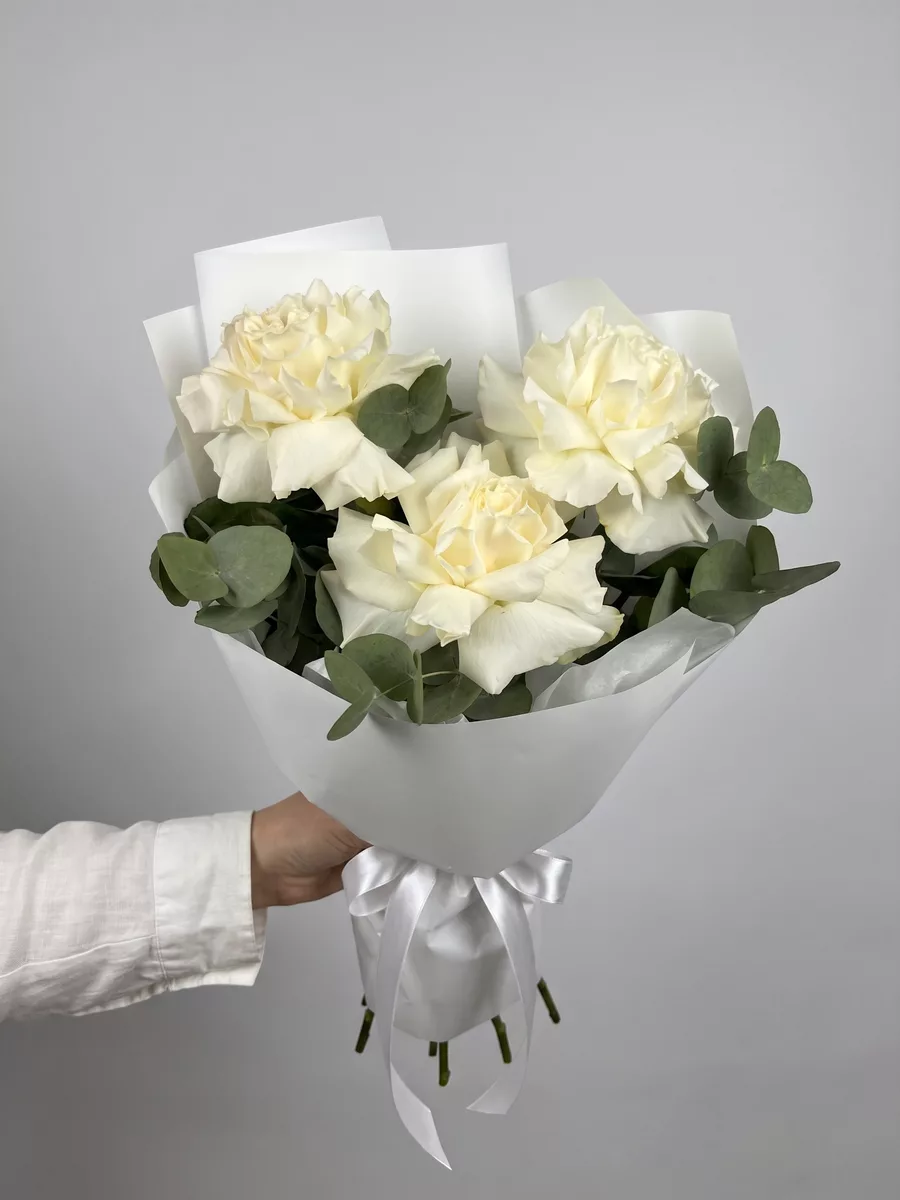
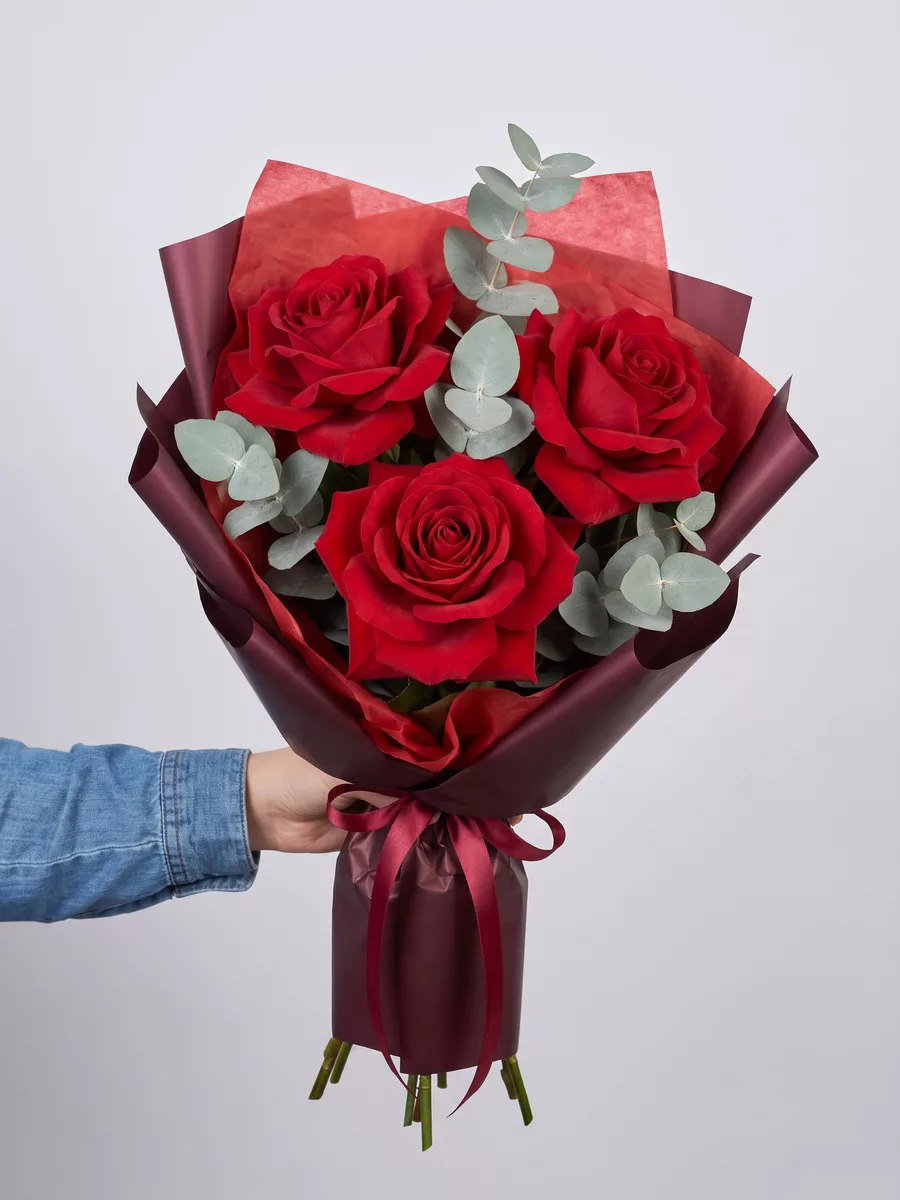
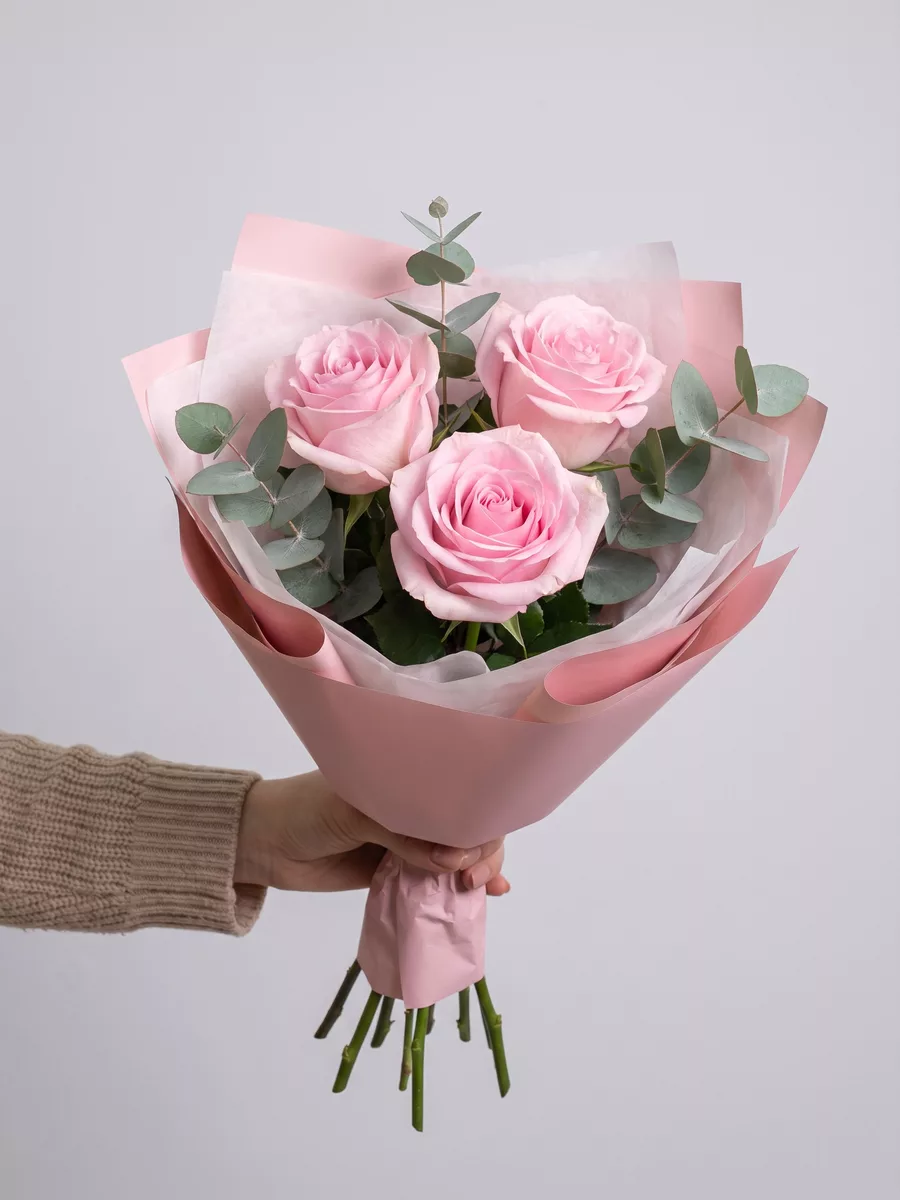
Timing Your Order: What Same-Day Delivery Actually Means Here
Turboflora works on a one-to-two-hour delivery window from the moment your order is confirmed. For Nerekhta, the realistic picture is that orders placed in the morning are typically with your recipient by midday, and orders placed in the afternoon arrive in the early evening. The town's size works in your favour — there is no urban traffic to add unpredictable delays.
The most important timing consideration is not the delivery window but the cut-off for same-day orders. If you are ordering for a birthday that starts at seven in the evening, placing the order by mid-afternoon gives us comfortable room. Cutting it very close — ordering at five for a six o'clock surprise — introduces unnecessary risk. We would rather you build in a small buffer and have the flowers arrive fresh and calm than rush and have the courier and your recipient both flustered.
For significant dates like the eighth of March or Valentine's Day, Nerekhta follows the same pattern as the rest of Russia: demand spikes sharply and some compositions sell out by mid-morning. Ordering the evening before is genuinely the better choice on those dates, not just a cautious suggestion. We hold the order, prepare the bouquet fresh on the day, and dispatch it at your chosen time. Pre-ordering is available and we recommend it for any date you know is coming — anniversaries, name days, graduation days — rather than treating it as a last resort.
Choosing Flowers for the Person, Not Just the Occasion
The most useful question to ask before choosing a bouquet is not what flowers are popular but who is receiving them and what you want them to feel when they unwrap the paper. A woman who tends a garden will notice and appreciate the texture of ranunculus or the way lisianthus holds its petals differently from someone who simply loves bright colour. A man receiving flowers — still less common in Russia but growing in acceptance — often responds better to architectural compositions with anthuriums, tropical foliage or bold single-variety bunches than to a classic romantic mix.
For Nerekhta, where the pace of life is slower and gestures carry weight, a well-made mono-bouquet of garden roses or a lush arrangement of peonies in season tends to land better than an overly complex design. Simplicity reads as confidence here. That said, if the recipient is younger or the occasion is celebratory and energetic, a mixed composition with spray roses, eucalyptus and a few statement stems — a protea, a bird of paradise — gives the bouquet a liveliness that suits a party mood.
Think also about the home. A small apartment in an older building may not have a large vase, so a compact hand-tied bouquet is more practical than a wide arrangement. If you know the recipient has a spacious table or windowsill, a fuller design will show beautifully. We can advise on size and shape when you order — just tell us what you know about the person and the space.
Seasonal Flowers and What Grows Well in a Russian Winter
Nerekhta winters are genuine: temperatures regularly drop well below minus ten Celsius from December through February, and even October and March can bring hard frosts. This affects not only delivery logistics but also which flowers hold up well once they are inside a warm home after a cold journey.
In winter, roses, chrysanthemums and carnations are the most reliable travellers. They tolerate brief cold exposure better than tulips or anemones, which can bruise and wilt if they spend even a few minutes in freezing air without proper wrapping. We wrap cold-weather bouquets in insulating kraft and a protective sleeve, but the flower's own structure matters too. A garden rose with tightly packed petals will survive a winter doorstep moment; a fully open gerbera is more vulnerable.
Spring brings tulips, ranunculus and hyacinths — all of which are enormously popular in Russia from late February onward, peaking around the eighth of March. These are short-lived but intensely fragrant and visually striking. Summer in the Kostroma region is warm enough that locally sourced additions like chamomile or field flowers occasionally appear in seasonal compositions, giving a bouquet a distinctly Russian character that imported flowers cannot replicate. Autumn is the season for dahlias, solidago and rich burgundy tones that suit the falling light. Matching the flowers to the season is not just aesthetic — it means you are choosing varieties at their peak freshness and availability.
Combinations and Presentation: What Makes a Bouquet Feel Considered
A bouquet is a composition, and the difference between one that feels thoughtful and one that feels generic usually comes down to three things: colour relationship, texture contrast and the greenery or filler used to hold it together. Roses alone can be beautiful, but roses with brunia berries and a collar of ruscus have depth. Tulips in a single colour are clean and modern; tulips in two tones with a few stems of muscari feel like a garden gathered by hand.
For recipients in Nerekhta who may not have seen a wide range of florist compositions, the element of surprise matters. An unusual variety — lisianthus, which resembles a ruffled rose but is entirely different in structure; or ornamental kale in an autumn arrangement — gives the recipient something to talk about. It makes the bouquet memorable rather than expected.
Presentation affects the first impression as much as the flowers themselves. We wrap in unbleached kraft with a ribbon or twine rather than cellophane, which photographs poorly and crinkles unattractively. The wrapping protects the stems and gives the recipient something pleasant to unwrap slowly. If you are adding a card — and for a small town where a handwritten note carries real warmth — keep the message specific. Not just happy birthday but something that names a shared memory or a specific wish. The flowers carry the emotion; the card gives it a voice.
For corporate or group gifts, a boxed arrangement works better than a hand-tied bouquet because it arrives standing and requires no immediate vase.
Caring for Flowers After Delivery: Practical Advice for Recipients
A fresh bouquet arriving in Nerekhta in winter needs a few minutes to adjust to room temperature before the wrapping comes off. Bringing cold flowers directly into a very warm room and immediately unwrapping them can cause condensation on the petals, which shortens vase life. Let the bouquet rest in a cool hallway for ten minutes first — this is a small habit that makes a real difference.
Once unwrapped, trim the stems at an angle with a sharp knife rather than scissors. Scissors compress the stem tissue and reduce water uptake. Cut about two centimetres off each stem and place immediately in clean, cool water. Remove any leaves that would sit below the waterline, as they rot quickly and cloud the water, which in turn breeds bacteria that block the stems.
Change the water every two days and re-trim the stems each time. Keep the bouquet away from direct sunlight, radiators and fruit bowls — ripening fruit releases ethylene gas, which accelerates petal drop. In a cool room, roses and chrysanthemums can last ten days to two weeks. Tulips and ranunculus are shorter-lived but can reach five to seven days with good care. Lisianthus is surprisingly long-lasting — up to two weeks — and tends to outlast the other flowers in a mixed bouquet, which means it can be repurposed into a smaller vase arrangement once the rest have faded.
If the recipient has never kept cut flowers before, a short care note included with the delivery removes any uncertainty and shows that the gift was thought through completely.
Russian Flower Customs Worth Knowing Before You Order
If you are sending flowers to someone in Nerekhta and you are not familiar with Russian customs, a few conventions are worth understanding so your gift lands exactly as intended. The most widely observed rule is that bouquets given as gifts should contain an odd number of stems. Even numbers are traditionally associated with mourning and are brought to cemeteries, not celebrations. This is taken seriously across generations and regions, so a bouquet of twelve roses, however beautiful, will register as wrong to many Russian recipients. We always compose gift bouquets with an odd count.
Colour associations are less rigid than the stem-count rule but still present. Red roses carry a strong romantic meaning and are rarely given to colleagues, teachers or distant acquaintances without that reading being inferred. White flowers are considered appropriate for weddings and for young recipients. Yellow flowers have a complicated reputation in popular belief — some associate them with separation or bad luck — though this is softening among younger generations in cities. If you are uncertain, mixed compositions with pinks, corals and warm whites are universally safe and widely loved.
Name days, called imeniny in Russian, are celebrated alongside birthdays and are often treated with equal importance in smaller towns like Nerekhta, where traditions hold longer. If you know the recipient's name day is coming, sending flowers for it rather than waiting for the birthday can feel unexpectedly personal and warm. We can help you time the delivery to the right date if you tell us what you are planning.
Sending flowers to Nerekhta is simpler than it might seem from a distance, and the effect of a well-made bouquet arriving in a small town is often greater than in a large city precisely because it stands out. Choose for the person rather than the occasion, match the flowers to the season, and give your recipient the small care instructions that will keep the bouquet alive for as long as possible. When the details are right, a delivery across any distance feels close.
Frequently asked questions
Does Turboflora deliver to addresses near the Nerekhta monastery district or only to the central streets?
We cover the full town, including the quieter neighbourhoods closer to the monastery. The central streets near the trading rows and the residential blocks further out both fall within our standard zone. If the address has a shared courtyard entrance or an unmarked gate, add a short note at checkout and the courier will use it.
How does cold weather on the road between Kostroma and Nerekhta affect the flowers I am sending?
Because our couriers carry orders directly rather than passing them through relay points, the bouquet is in a temperature-controlled environment for the journey. The risk is not the road itself but any pause in an unheated space. We time dispatch so there is no waiting at either end, which is what actually protects the stems in a Kostroma-region winter.
If I want the bouquet to arrive at a specific hour for a celebration, how precisely can I set the delivery time?
We work to a one-to-two-hour window from order confirmation. You can indicate a preferred arrival time at checkout and we will schedule dispatch accordingly. Morning orders for Nerekhta typically reach recipients by midday. For an evening event, placing the order before early afternoon gives us comfortable room to meet your timing.
What compositions work well when sending to a workplace or community centre in Nerekhta rather than a private home?
Structured arrangements in a box or a low compact bouquet travel more practically to a shared space and do not require the recipient to find a vase immediately. Seasonally available stems like spray chrysanthemums or alstroemeria hold their shape well and look considered without being fragile. Avoid very tall or loosely tied arrangements that are difficult to carry through an office.
Can I send flowers to a Nerekhta address if I am not certain whether the recipient will be home during the day?
It helps to choose a delivery window when your recipient is most likely to be present, or to send to their workplace if that is more predictable. If you have any doubt, add a contact number for the recipient in your order. Our courier will call ahead, and if contact cannot be made we will agree the next step with you directly rather than leaving the bouquet unattended.
Ready to send flowers?
Pick the city, choose the bouquet, and a local florist takes it from there.
Choose a city →