Sending Flowers to Nevyansk: Timing, Choices and What Arrives at the Door
Nevyansk sits in the Sverdlovsk region, a city with its own quiet pride and people who appreciate a gesture done properly. When you are ordering flowers from a distance — perhaps for a birthday, an anniversary, or simply because someone there deserves something beautiful — the questions that matter most are practical ones: will the bouquet arrive fresh, will it look the way it did on the screen, and will the whole thing feel personal rather than like a logistics transaction. This article answers all of that honestly.
What Delivery to Nevyansk Actually Looks Like
Nevyansk is not a small village, but it is also not a city with a flower shop on every corner. That distance from a major supply hub is exactly why the sourcing and transport chain matters so much. When you place an order through Turboflora, the bouquet is assembled in Saint Petersburg using flowers that arrived that morning from the wholesale market, then dispatched by courier to the recipient's address in Nevyansk.
The courier brings the arrangement directly to the door, which matters more than it sounds. In Russian tradition, handing flowers personally — even through a doorway — carries warmth. A package left at a mailbox does not carry the same feeling. Our couriers are briefed to greet recipients properly and hand over the bouquet as a gift, not a parcel.
Delivery windows to Nevyansk are scheduled, so you can choose a time slot that works for the recipient's day. If the person works until six in the evening, there is no reason to send flowers at noon when nobody is home. Selecting the right window is one of the simplest ways to make the whole experience feel considered rather than accidental. The recipient notices. A bouquet that arrives at the right moment, when someone is actually there to receive it, lands completely differently than one that waits outside a locked door.
Bouquets we can deliver

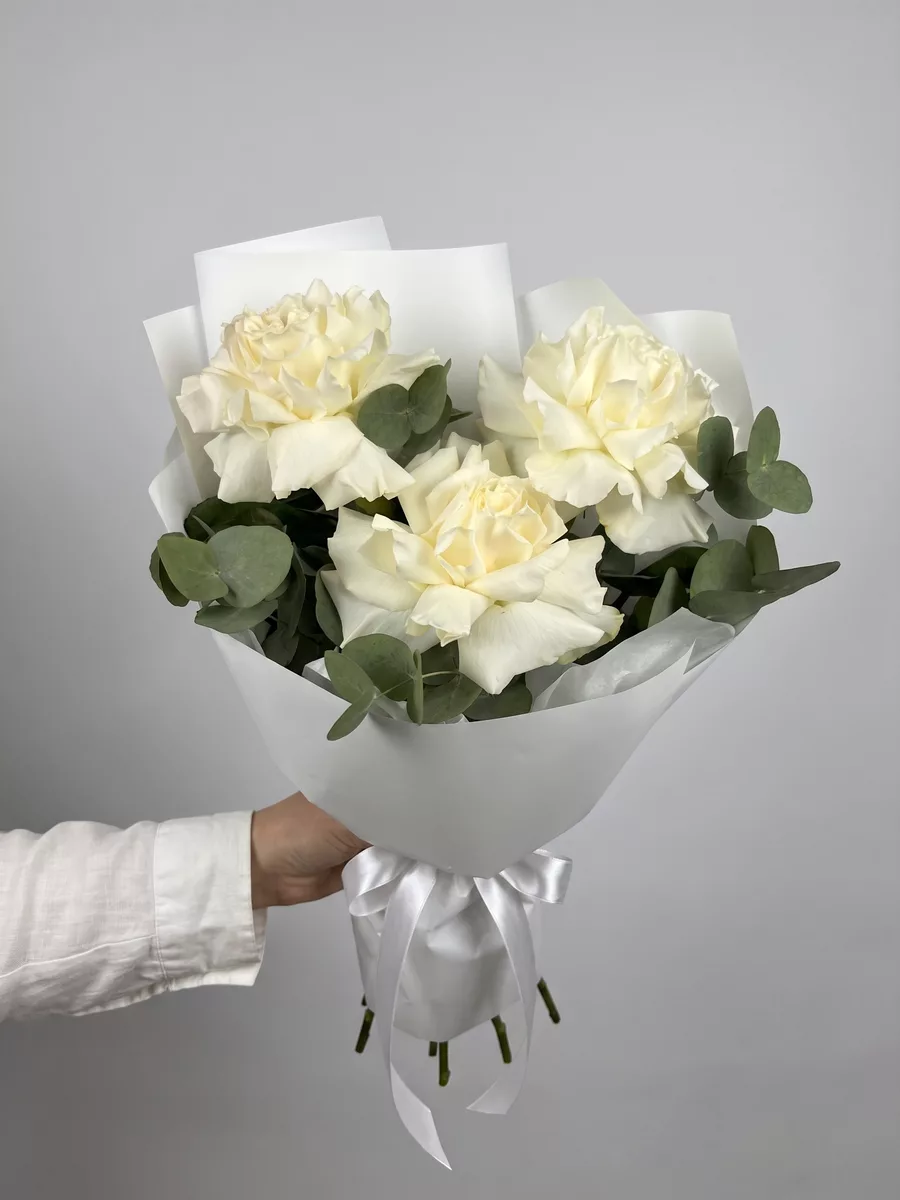
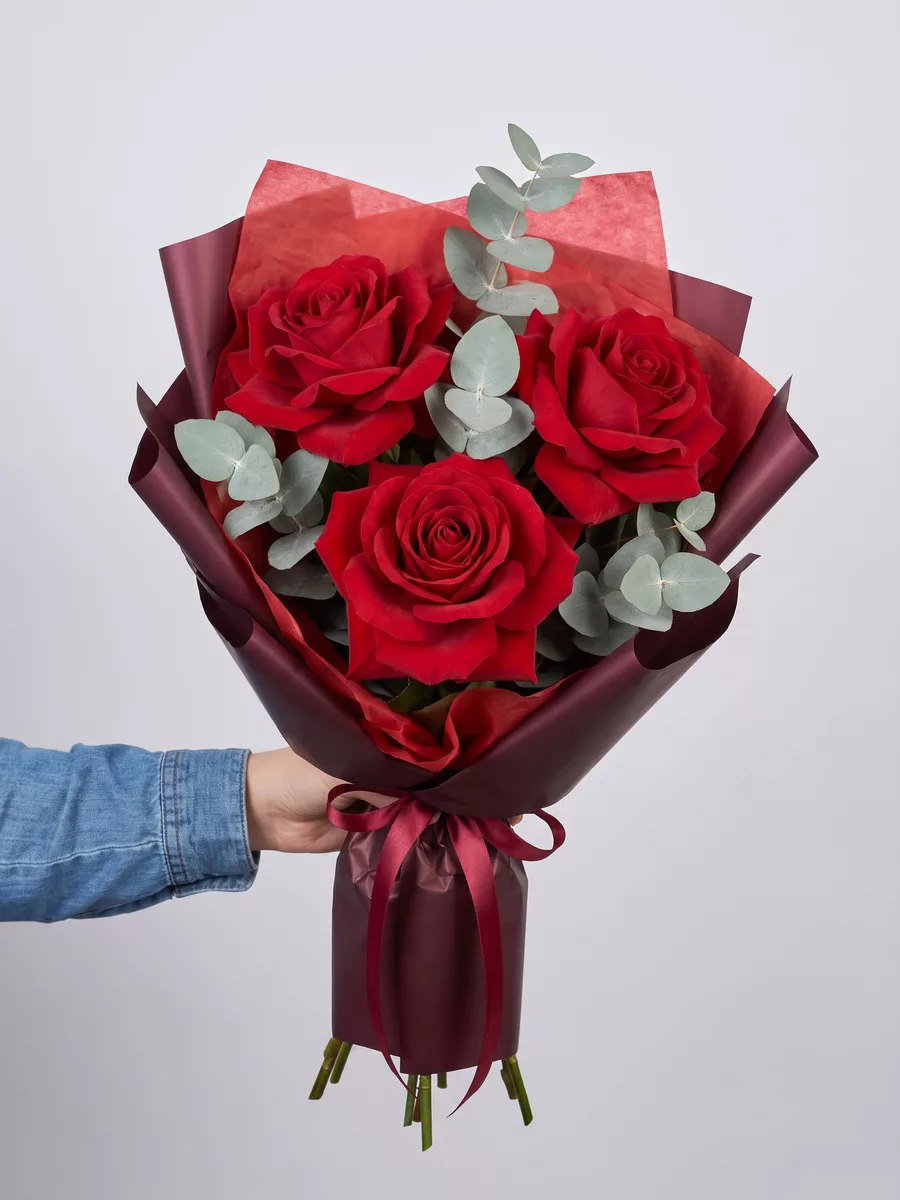
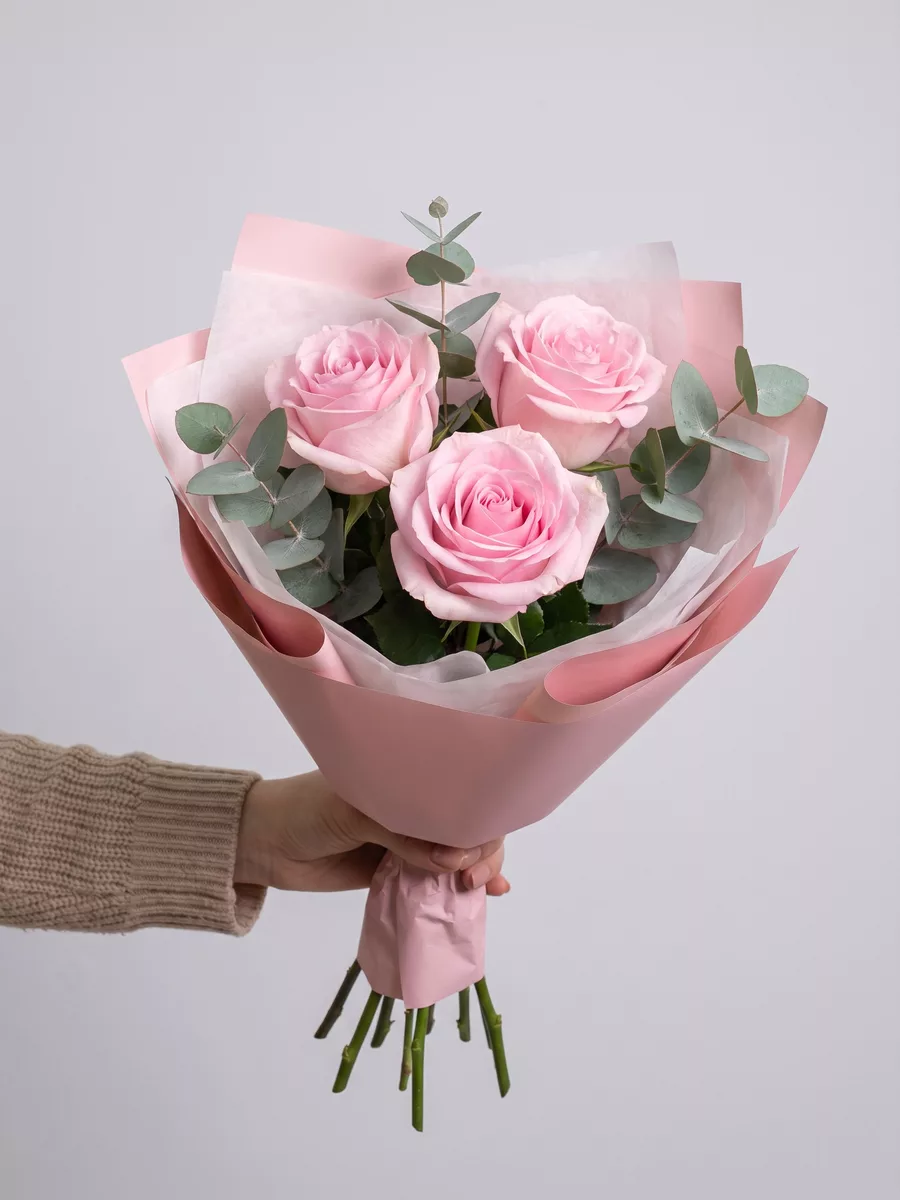
Timing Your Order for a City This Size
The honest answer about timing in Nevyansk is this: plan ahead by at least one day when you can, and by two days when the occasion is fixed and non-negotiable. Same-day delivery is available for many destinations, but Nevyansk requires a realistic look at logistics. The distance from Saint Petersburg is substantial, and the route through the Sverdlovsk region means that early morning orders have a better chance of arriving within the same calendar day than orders placed in the afternoon.
For birthdays, the safest approach is to schedule delivery for the morning of the day itself, or the evening before if the birthday person will be out all day. Russians often celebrate birthdays with guests in the evening, so flowers that arrive by midday give the recipient time to arrange them properly and let them open up before the gathering begins. Roses in particular need a few hours in water before they reach their full shape.
Weather is a real factor in the Sverdlovsk region. Winters here are cold — temperatures regularly drop below minus fifteen Celsius — and that affects how flowers are packed and transported. In cold months, bouquets are wrapped in insulating kraft paper and placed in thermal packaging for the final stretch of the journey. This is not optional: an unwrapped bouquet in a vehicle at those temperatures will show frost damage on petals within minutes, and that damage does not reverse once the flower warms up. Summer heat creates the opposite problem, which is why refrigerated transport is used throughout the warmer months.
Choosing Flowers That Travel Well to the Urals
Not every flower is a good traveller. Delicate varieties like sweet peas, anemones and open garden roses with very thin petals can bruise during a long journey, even with careful packing. When you are sending to a destination like Nevyansk, it makes sense to lean toward varieties that are known for their structural strength and their ability to hold up across distance.
Roses are the obvious choice, and for good reason. A properly hydrated rose bud, cut at the right stage, will travel beautifully and then open gradually over five to seven days in a vase. Spray roses — smaller blooms on branching stems — add texture and volume without adding fragility. Chrysanthemums are exceptional travellers; their stems are robust and the blooms last well beyond ten days with basic care. Alstroemeria is another reliable choice: the clusters of small flowers open progressively, so the arrangement keeps changing and looking fresh for up to two weeks.
For a more romantic or celebratory feel, consider combining a focal flower like a garden-style rose or a peony-shaped ranunculus with supportive greenery such as eucalyptus or ruscus. These greens are not just filler — they add scent, texture and a sense of abundance that makes a modest bouquet feel generous. Dried elements like cotton stems or pampas grass can also be woven in for recipients who prefer something that lasts longer than fresh flowers. This kind of mixed approach is increasingly popular in Russia and works particularly well when you are not certain of the recipient's taste in flowers.
Reading the Occasion Before You Choose the Bouquet
In Russia, the occasion shapes the bouquet more than personal preference does — at least in the eyes of the giver. A birthday calls for abundance and colour. An anniversary between partners calls for something more intimate: fewer stems, more considered combinations, perhaps a single variety done very well. A congratulations bouquet for a new job or graduation should feel energetic and optimistic, which usually means warm yellows, oranges and whites rather than deep reds, which read as romantic.
If you are sending to someone you do not know extremely well — a colleague's wife, a friend's mother — white and cream tones are universally safe. They read as elegant and respectful without making assumptions about the recipient's taste. Avoid yellow flowers as a standalone bouquet if you are unsure of Russian customs: in some older traditions, yellow flowers carried associations with separation or bad luck, though younger recipients in cities rarely hold this view. When in doubt, mix yellow with white or orange so the palette reads as cheerful rather than ambiguous.
The number of flowers matters in Russian custom. Even numbers of blooms are traditionally associated with mourning, so bouquets are almost always composed in odd numbers — five, seven, eleven, fifteen, twenty-five. This is not a superstition you need to enforce personally; our florists follow this principle automatically when assembling every bouquet. But it is worth knowing so that if someone mentions it, you understand the logic behind it. It is simply a way of saying: this arrangement was made for a living person, for a joyful reason.
Presentation and Wrapping That Fits the Moment
The wrapping is the first thing the recipient sees, before the flowers themselves. In Russia, a beautifully wrapped bouquet signals that the sender cared about the whole experience, not just the flowers inside. Kraft paper in natural tones is the current preference for most occasions — it reads as considered and contemporary without being fussy. For more formal or romantic occasions, a matte fabric wrap in deep green, burgundy or ivory adds a layer of texture that photographs well and feels luxurious in the hand.
Ribbons and bow details matter more than people outside Russia might expect. A simple satin ribbon in a complementary colour, tied at the stem, is the standard finish. For a birthday or anniversary, a wider ribbon with a loose bow adds a celebratory quality. The stem end of the bouquet should always be wrapped and sealed — this keeps the stems hydrated during transit and prevents dripping when the recipient carries it inside.
A handwritten card is worth adding even if you feel uncertain about what to write. In Russian culture, the written word carries weight. A few sincere sentences mean more than a generic printed message. If you are writing in Russian and are not a native speaker, keep it simple: a direct sentence about why you are thinking of this person on this day is far better than a complicated phrase that might not land as intended. Our team can advise on phrasing if you need it. The card travels with the bouquet and is handed over at the same time, which is how it should feel — part of a single gesture, not an afterthought.
Keeping the Flowers Fresh After Arrival
A bouquet that arrives in Nevyansk after a long journey needs a little attention to perform at its best. The first step is always a fresh cut: trim about two centimetres from the bottom of each stem at a diagonal angle, using a sharp knife rather than scissors. Scissors can crush the stem tissue, which reduces water uptake. This single step makes a measurable difference to vase life.
The water in the vase should be cool and clean. Change it every two days, and re-trim the stems each time you do. Keep the bouquet away from direct sunlight, radiators and fruit bowls — ethylene gas released by ripening fruit accelerates petal drop in roses and tulips noticeably. In winter, when Russian apartments are heated to around twenty-two or twenty-three degrees Celsius, flowers dry out faster than they would in a cooler room. Moving the vase to a cooler spot at night — a hallway or a room with the heating turned down — can extend vase life by two or three days.
Roses that arrive as tight buds will open over forty-eight to seventy-two hours. Do not try to force them open by placing them in warm water; let them open at their own pace. Chrysanthemums and alstroemeria need very little intervention — they are forgiving flowers that tolerate ordinary tap water and room temperature without complaint. If any single stem shows signs of wilting before the others, remove it immediately so it does not affect the water quality for the rest of the arrangement. A bouquet managed this way in a Nevyansk apartment in winter can look beautiful for ten days or more.
Making the Order Feel Personal Across the Distance
Ordering flowers for someone in a city you may never have visited requires a certain act of imagination. You are choosing something that will appear in that person's home, sit on their table, and be the first thing they see when they walk into the room. The distance between the sender and the recipient is exactly what makes the gesture meaningful — it says that you thought of this person specifically, from wherever you are, and made something happen.
The most personal orders include a note that references something real: a shared memory, a specific reason for the occasion, or even just an honest admission that you wish you could be there in person. Recipients in Russia respond warmly to sincerity. A bouquet with a card that says something true will be remembered long after the flowers have faded.
If you are ordering for someone whose tastes you know well, use that knowledge. A person who keeps a herb garden will love eucalyptus and lavender in the arrangement. Someone who decorates their home in cool, minimal tones will appreciate white tulips or white spray roses over a mixed colourful bouquet. Someone who grew up with a grandmother who kept peonies will feel something particular when peonies arrive in season. These details are not small. They are the difference between a bouquet that was sent and a bouquet that was chosen. When you place the order, leave a note in the comments with anything you know about the recipient — our florists will use it to make the arrangement feel less like a product and more like a message.
Sending flowers to Nevyansk from Saint Petersburg is a real and entirely manageable thing to do, and when it is done well, the recipient feels it completely. The distance is handled by the logistics; your job is simply to think clearly about the person, the occasion and what you want them to feel when they open the door. A well-chosen bouquet, packed for the Ural climate, delivered at the right time of day with a card that says something true — that is not a complicated thing. It is just a kind one.
Frequently asked questions
Can I order flowers for same-day delivery to Nevyansk?
Same-day delivery to Nevyansk is possible when orders are placed early in the morning, but we recommend ordering at least one day in advance to guarantee your preferred time slot and allow the florists to source the best available stems for that day. For fixed occasions like birthdays, two days ahead is the safest approach.
How are flowers protected from the cold during winter delivery in the Sverdlovsk region?
In cold weather, bouquets are wrapped in insulating kraft layers and placed in thermal packaging before the final delivery leg. Temperatures in the Sverdlovsk region regularly fall below minus fifteen Celsius in winter, and unprotected flowers can show frost damage within minutes. Our couriers are trained to minimise time between the vehicle and the recipient's door.
Why do Russian bouquets always have an odd number of flowers?
Even numbers of blooms are traditionally associated with mourning occasions in Russian custom, so flowers given as gifts are almost always arranged in odd numbers — five, seven, eleven and so on. This is a long-standing cultural convention. Every bouquet we assemble follows this principle automatically, so you do not need to specify it when ordering.
What flowers last the longest after delivery to Nevyansk?
Chrysanthemums and alstroemeria are the strongest performers for vase life, often lasting twelve to fourteen days with basic care. Roses last seven to ten days when stems are re-cut and water is changed regularly. Avoid placing any bouquet near a radiator or fruit bowl, as both significantly shorten how long the flowers stay fresh.
Can I include a personalised message card with the bouquet?
Yes, and we strongly encourage it. A handwritten-style card is included with every order when you add a message at checkout. The card is handed to the recipient by the courier at the same moment as the bouquet. If you are unsure what to write or need help with phrasing in Russian, our team can suggest simple, sincere wording that fits the occasion.
Ready to send flowers?
Pick the city, choose the bouquet, and a local florist takes it from there.
Choose a city →