Sending Flowers to Nikolaevsk-Na-Amure? Here Is What to Expect
Nikolaevsk-na-Amure sits at the very edge of Russia's Far East, where the Amur River meets the sea and winters arrive early and stay long. Sending flowers here is not complicated, but it does reward a little planning — the right variety, the right packaging, and an honest understanding of timing will make the difference between a bouquet that wows and one that wilts before it is even unwrapped. This guide walks you through everything, from choosing what to send to keeping it beautiful once it arrives.
Understanding the Geography Before You Order
Nikolaevsk-na-Amure is a small city in Khabarovsk Krai, roughly 970 kilometres north of Khabarovsk itself. That distance matters when you are sending something as perishable as a fresh bouquet. The city is accessible by river in summer and by air year-round, though flight connections are limited and weather can introduce delays that no florist anywhere in Russia can fully control.
When you place an order with Turboflora, the bouquet travels from our preparation point toward the recipient's address. For a city this far into the Far East, delivery windows are longer than in a major metropolitan area, and we are transparent about that from the moment you check out. Expecting a one-hour window as you might in central Saint Petersburg is not realistic here — and any service that promises it without caveats is not being honest with you.
What you can expect is a clear estimated arrival time communicated at the point of order, careful cold-chain packaging suited to the season, and a bouquet assembled closer to dispatch rather than hours in advance. The flowers your recipient receives are meant to look as though they were just cut, not as though they survived a long journey. That takes deliberate preparation on our end, and it is exactly the kind of detail we build into every Far East order.
Bouquets we can deliver

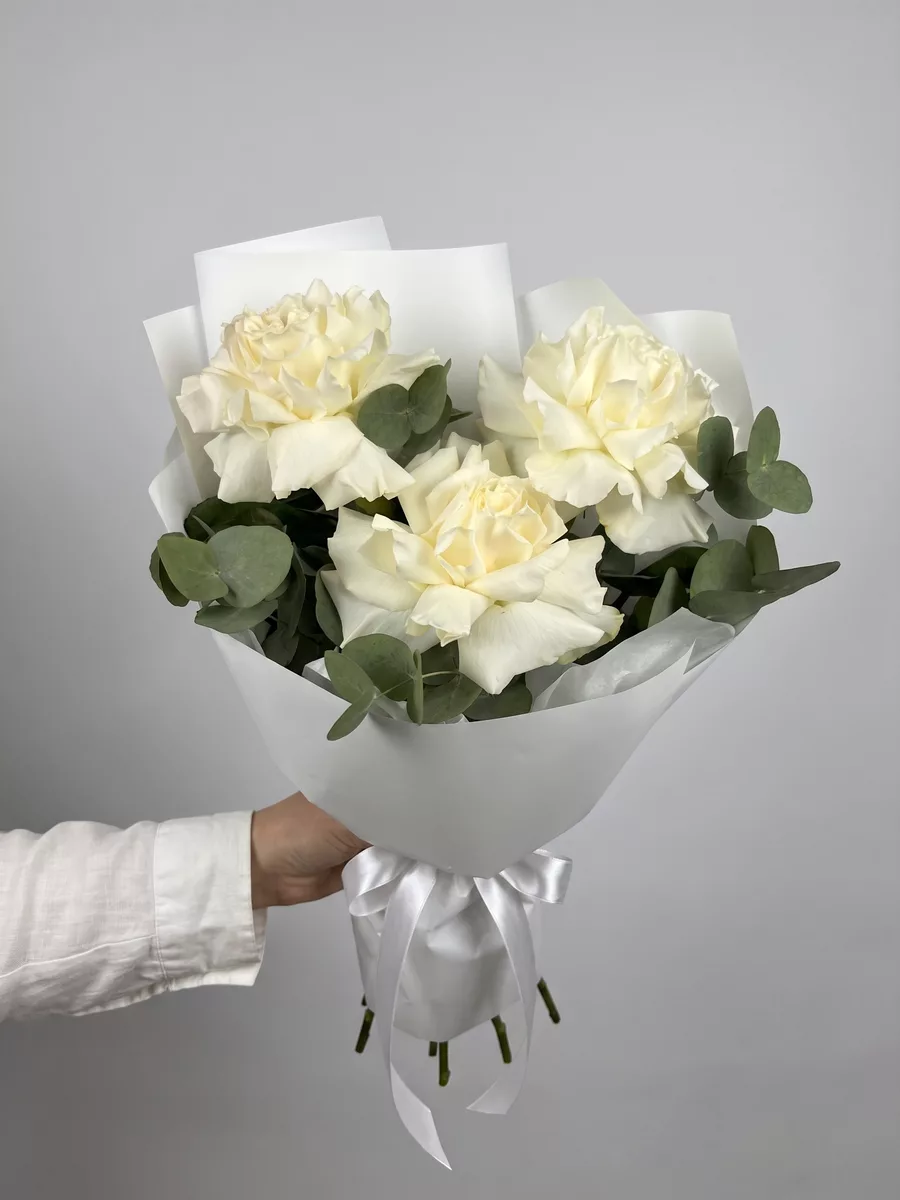
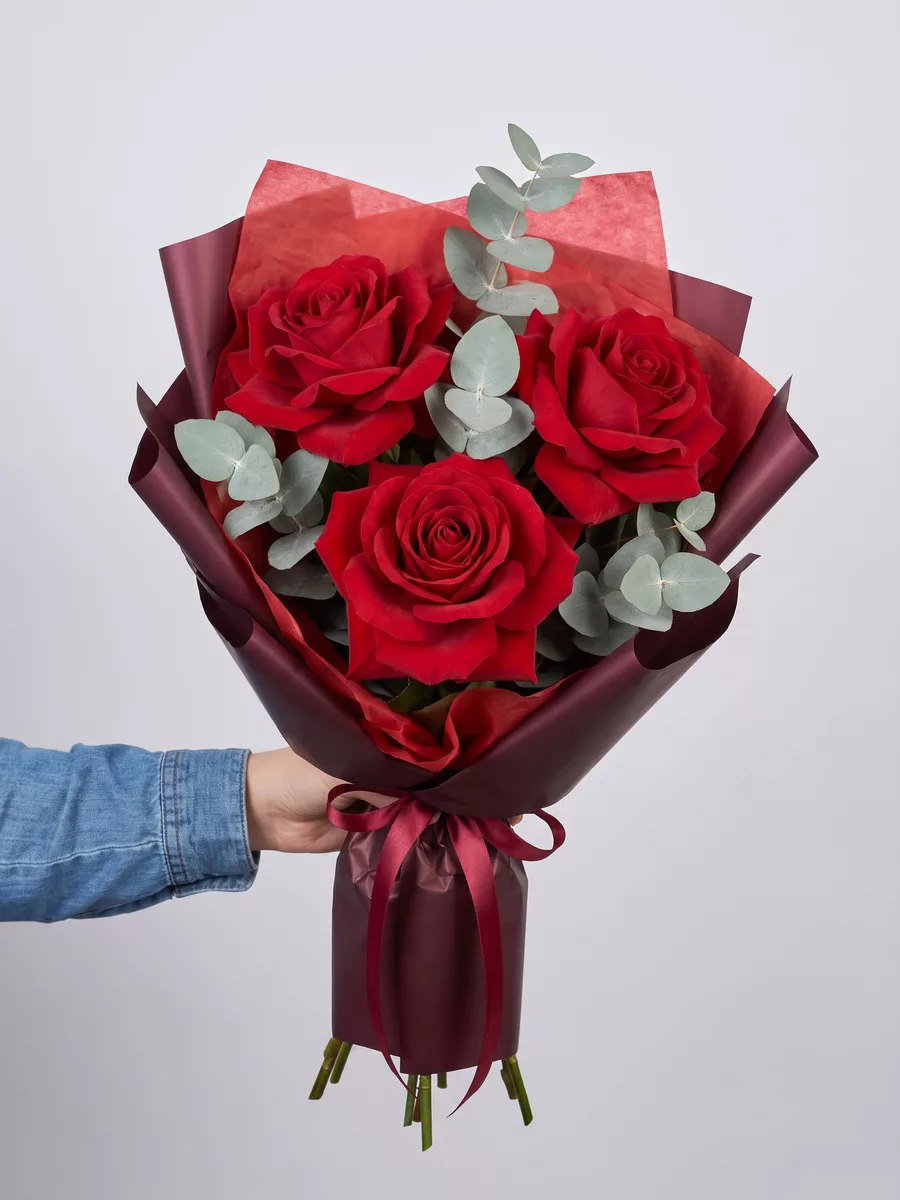
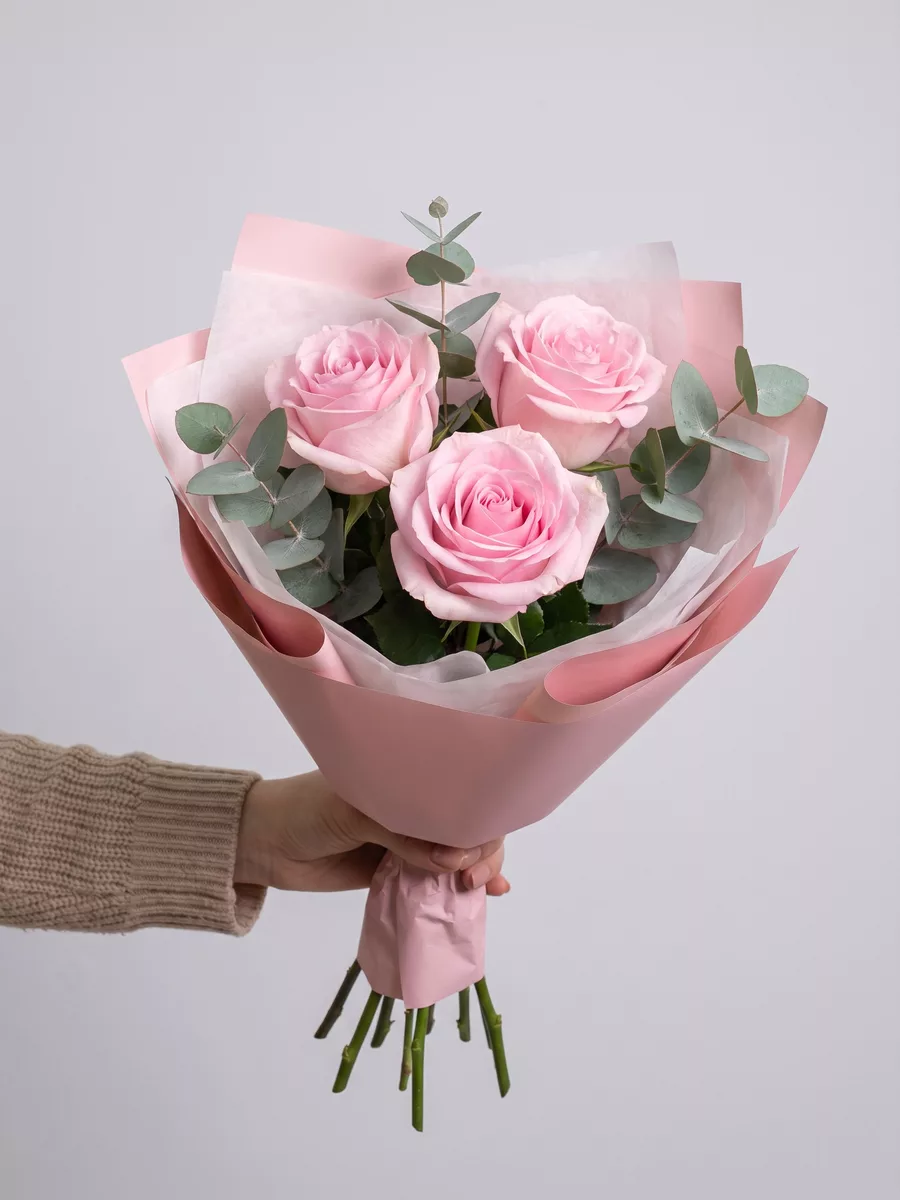
Delivery Timing: What the Schedule Actually Looks Like
Turboflora's headline promise of delivery within one to two hours applies to its core Saint Petersburg service zone. For Nikolaevsk-na-Amure, the honest answer is that timing depends on flight schedules, connection availability, and the season. Summer, when the Amur is navigable and air links are more frequent, generally allows for faster fulfilment than the deep winter months of January and February.
When you place an order for Nikolaevsk-na-Amure, you will receive a realistic delivery estimate rather than a blanket guarantee. We build in time for proper packaging, transit, and the final-mile delivery to your recipient's door or workplace. Ordering at least a day in advance for important occasions — birthdays, anniversaries, the first day of school on September 1st — gives us the scheduling flexibility to get everything right.
Same-day delivery may be available depending on the time of your order and current logistics, but it is worth confirming this when you place the order rather than assuming. The good news is that pre-ordering is easy and you can choose a specific date and a preferred time window. Recipients in Nikolaevsk-na-Amure are often pleasantly surprised that fresh flowers reach them at all — arriving with a beautiful, well-packaged bouquet that is clearly fresh makes an impression that a last-minute, rushed delivery simply cannot match. Plan ahead and the experience for your recipient will be genuinely special.
Choosing Flowers That Travel Well to the Far East
Not every flower is a good traveller. Delicate open blooms like garden roses with fully unfurled petals, or sweet peas at peak bloom, are lovely in a local shop but fragile over long distances. For Nikolaevsk-na-Amure, the smartest choices are varieties with sturdy petals and strong stems that hold their structure through transit.
Spray chrysanthemums are exceptional in this regard — they are resilient, long-lasting in the vase, and available in warm whites, yellows, and bronzes that suit almost any occasion. Alstroemeria is another strong choice: its individual florets open gradually, meaning your recipient gets a bouquet that evolves over seven to ten days rather than one that peaks immediately. Carnations, often underestimated, are genuinely tough and can last two weeks with simple care. Lisianthus, with its ruffled petals that resemble peonies, travels far better than actual peonies and gives a bouquet real elegance.
For romantic occasions, hybrid tea roses in bud form rather than fully open are a reliable pick. Choose a bud that is just beginning to show colour — it will open beautifully in the warmth of the recipient's home over the following two days. Pairing roses with eucalyptus or ruscus adds texture, fragrance, and structural support to the arrangement. Avoid flowers like hydrangeas for long-distance delivery in warm months; they are thirsty and wilt quickly without water. Thinking about the journey as part of the design, rather than an afterthought, is the florist's mindset.
Seasonal Considerations in a Far Eastern Climate
Nikolaevsk-na-Amure experiences a harsh continental climate with significant temperature swings across the year. Winters are long and severe, with temperatures regularly dropping below minus twenty degrees Celsius. Summers are short but genuinely warm, sometimes humid. Each season creates different challenges for flower delivery, and understanding them helps you order with confidence.
In winter, the primary risk is cold damage during the final-mile delivery — the moment the flowers move from a warm vehicle to the frozen outdoor air and then into the recipient's hands. Turboflora packages cold-weather orders in insulated wrapping that slows temperature transfer, giving the bouquet a protective buffer during those critical minutes. Flowers like roses and tulips can suffer petal blackening if exposed to freezing air even briefly, so this packaging step is not optional.
In summer, the challenge shifts to heat. Flowers can wilt rapidly if left in a warm vehicle or on a doorstep in direct sunlight. We time summer deliveries to avoid the hottest part of the day where possible and use moisture-retaining packaging to keep stems hydrated. Spring and early autumn are arguably the most forgiving seasons for delivery — temperatures are moderate, and flowers like tulips in April or chrysanthemums in September are naturally at their seasonal best. If you are planning a delivery around a specific date, knowing the season helps you pick varieties that will look their absolute finest on arrival rather than varieties fighting against the weather.
Bouquet Ideas by Occasion for Nikolaevsk-Na-Amure Recipients
Thinking about who is receiving the flowers — and what you want them to feel when they open the door — is the most useful starting point for choosing what to send. A bouquet for a colleague's work anniversary reads differently from one for a grandmother's birthday, even if both involve roses.
For a birthday, colour and abundance make the statement. A mixed bouquet combining spray roses, alstroemeria, and waxflower in warm pinks and corals feels generous and celebratory without being overly formal. If the recipient is someone you know loves bold colour, add a few stems of bright gerbera daisies — they are cheerful, sturdy, and immediately recognisable as festive.
For a romantic gesture, simplicity often wins over volume. A hand-tied arrangement of long-stemmed red or blush roses, wrapped in kraft paper and tied with ribbon, carries a clear emotional message without needing explanation. In Russian culture, odd numbers of flowers are given to the living — so three, five, seven, or eleven stems rather than an even number. This is worth knowing if you are not familiar with the custom; an even number is associated with mourning, and an odd count is always the right choice for a celebration or expression of affection.
For a new baby or a housewarming, soft whites and greens feel fresh and calm — think white lisianthus, green button chrysanthemums, and eucalyptus. It is a combination that suits almost any interior and carries a sense of new beginnings without being gender-specific.
Packaging and Presentation: What Arrives at the Door
The packaging is not just protective — it is the first thing your recipient sees, and it sets the emotional tone before a single petal is visible. A bouquet that arrives wrapped carelessly, with stems exposed and water-soaked paper, signals that the sender did not think it through. A beautifully packaged arrangement, by contrast, makes the recipient feel considered before they have even read the card.
Turboflora wraps bouquets in layered packaging: an inner moisture-retaining layer around the stems to keep them hydrated in transit, a middle structural layer to protect the shape of the arrangement, and an outer decorative wrap that presents well at the door. For Far East deliveries, the insulation layer is added or adjusted based on the forecast temperature on the day of delivery.
For Nikolaevsk-na-Amure specifically, we also recommend including a personalised card with your order. In a smaller city where a flower delivery is a genuine event — not the everyday occurrence it might be in Moscow — a handwritten-style message adds real warmth. Recipients often keep the card long after the flowers have faded. You can write your message in Russian or English when ordering; we will ensure it is presented clearly alongside the bouquet.
If you are sending to a workplace rather than a home address, let us know — we can adjust the presentation so it is appropriate for a professional setting, where a more structured, upright arrangement tends to work better than a loose, romantic hand-tied bouquet spread across a reception desk.
Keeping Flowers Fresh Once They Arrive
A well-chosen, well-packaged bouquet can still underperform if the recipient does not know the basics of flower care. Sharing a few simple tips — either in your card message or just by knowing them yourself — extends the life of the arrangement significantly and makes your gift feel generous for longer.
The first step is always a fresh cut. Ask the recipient to trim about two centimetres from the bottom of each stem at a diagonal angle, ideally under running water or submerged in a basin. This reopens the stem's water channels, which can seal during transit. Diagonal cuts maximise the surface area drawing up water.
Vase water should be cool and clean, changed every two days. Removing any leaves that fall below the waterline is important — submerged foliage rots quickly and introduces bacteria that shorten the life of every stem in the vase. Keep the bouquet away from direct sunlight, radiators, and fruit bowls — ripening fruit releases ethylene gas, which accelerates petal drop in roses and carnations particularly.
Spray chrysanthemums and alstroemeria are among the longest-lasting cut flowers, often holding well for ten to fourteen days with this basic care. Roses, in bud form when they arrive, will open over two to three days and typically last seven to ten days. Tulips continue to grow in the vase — they are phototropic, meaning they lean toward light, so rotating the vase occasionally keeps the arrangement balanced. Knowing these details makes you a more confident sender, because you know the gift will keep giving well past the day of delivery.
Sending flowers to Nikolaevsk-na-Amure is a meaningful gesture precisely because it is not the easiest thing to do. The distance, the climate, and the logistics all require thought — and when you get it right, the recipient knows it. Choose varieties that travel with resilience, plan ahead to give yourself scheduling flexibility, and trust that the packaging and preparation on our end are built around making the bouquet arrive as beautifully as it left. The florist's job is to close the distance between you and someone who matters to you. That is what we are here for, wherever in Russia they happen to be.
Frequently asked questions
Can I send flowers to Nikolaevsk-na-Amure on the same day I order?
Same-day delivery to Nikolaevsk-na-Amure may be possible depending on the time of your order and current flight or logistics availability. It is always worth checking when you place your order. For important occasions, ordering at least one day in advance gives us the scheduling flexibility to ensure the bouquet arrives fresh and on time.
Why do Russian bouquets always have an odd number of flowers?
In Russian tradition, even numbers of flowers are associated with mourning and are placed at graves. Odd numbers — three, five, seven, eleven — are given for celebrations, birthdays, and romantic gestures. If you are ordering for any happy occasion, an odd stem count is always the correct and respectful choice, and Turboflora arranges bouquets accordingly.
Which flowers hold up best during delivery in cold Far Eastern winters?
Spray chrysanthemums, carnations, and alstroemeria are the most cold-resilient cut flowers for long-distance winter delivery. Roses in tight bud form also travel well when properly insulated. We adjust packaging for temperature on the day of delivery, but choosing naturally sturdy varieties adds an extra layer of assurance that the bouquet arrives in excellent condition.
What should the recipient do with the bouquet as soon as it arrives?
The single most important step is a fresh diagonal cut of two centimetres from each stem, ideally under water. Then place the bouquet in a clean vase with cool water, remove any leaves below the waterline, and keep it away from direct sun, heat sources, and fruit. Changing the water every two days extends the life of almost any arrangement noticeably.
Can I include a personalised message with my flower delivery to Nikolaevsk-na-Amure?
Yes, and we strongly recommend it. You can write your message in Russian or English when placing your order. In a smaller city like Nikolaevsk-na-Amure, a flower delivery is a memorable event, and a personal card adds warmth that the recipient will appreciate long after the blooms have faded. The card is presented alongside the bouquet as part of the delivery.
Ready to send flowers?
Pick the city, choose the bouquet, and a local florist takes it from there.
Choose a city →