Flower Delivery in Nizhny Lomov: Timing, Choices and What Arrives at the Door
Nizhny Lomov is a quiet city in Penza Oblast, and sending flowers there from anywhere in Russia still feels like a gesture that matters — perhaps more so because it is not the obvious thing to do. Whether you are surprising a parent, celebrating a colleague's birthday remotely, or marking an anniversary across the distance, the bouquet you choose and the moment it arrives will do most of the talking. This article walks you through everything worth knowing before you place an order.
What Nizhny Lomov Is Like as a Delivery Destination
Nizhny Lomov sits in the Penza region, roughly 100 kilometres from Penza city itself. It is a smaller city with a population of around 20,000, which means the pace of daily life there is unhurried and personal. When a bouquet arrives at someone's door in a city this size, neighbours notice, family members hear about it, and the gesture carries a social warmth that is harder to achieve in a large metropolis.
The city has a mix of residential apartment blocks and private houses, so delivery addresses can range from a flat on a high floor to a freestanding home with a garden gate. It is worth being precise when you fill in the address — include the apartment number, entrance code if there is one, and a mobile number where the recipient can be reached. A quick call ahead of delivery is standard practice and helps avoid missed handovers.
The road infrastructure connecting Nizhny Lomov to larger logistics hubs is reliable but not instant. This is not a city where a bouquet ordered at noon will arrive by two o'clock the same day. Planning ahead by at least a day, ideally two, gives the flowers the best chance of arriving in peak condition and at the exact time you have in mind. Thinking of it as a considered gift rather than a last-minute fix is the right mindset here.
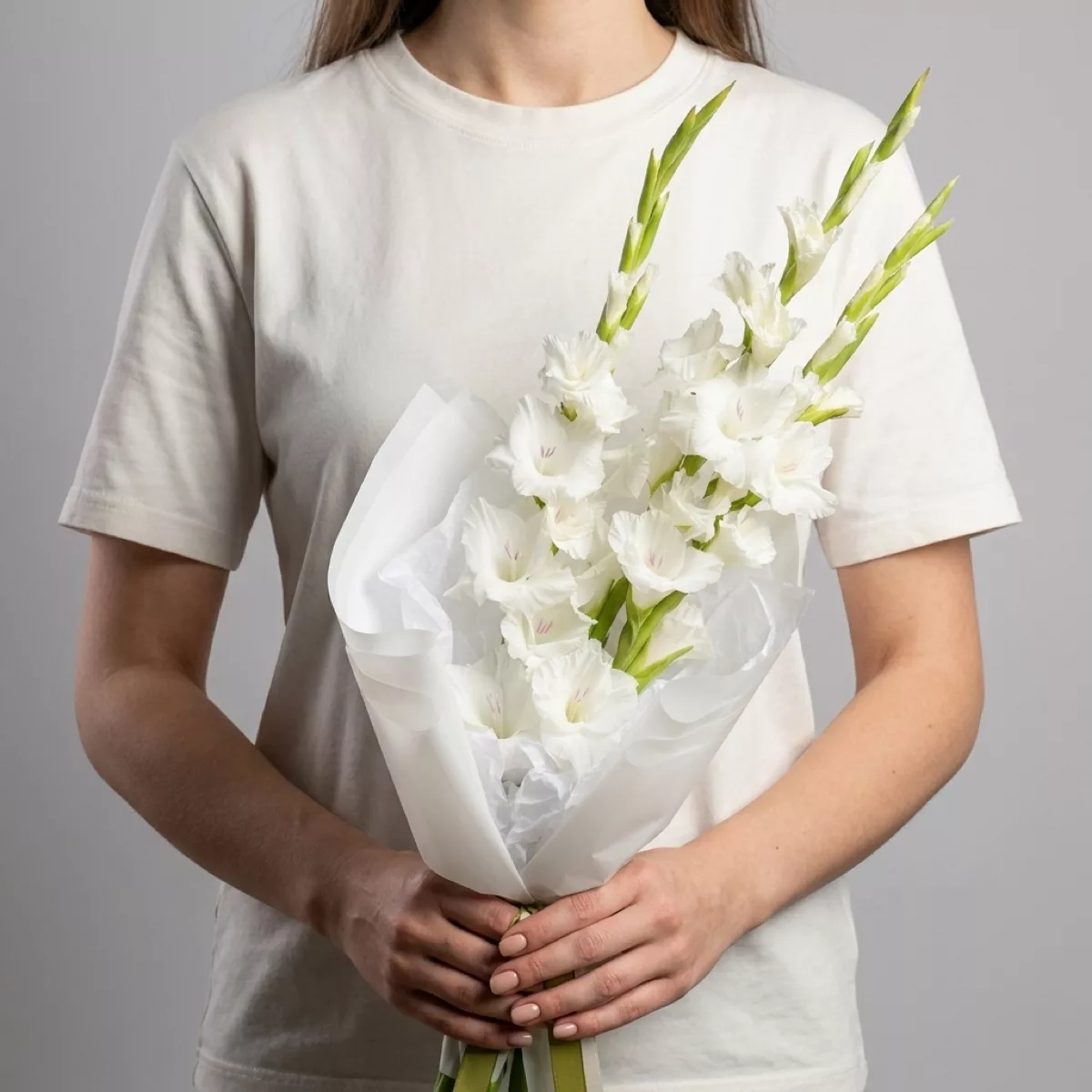
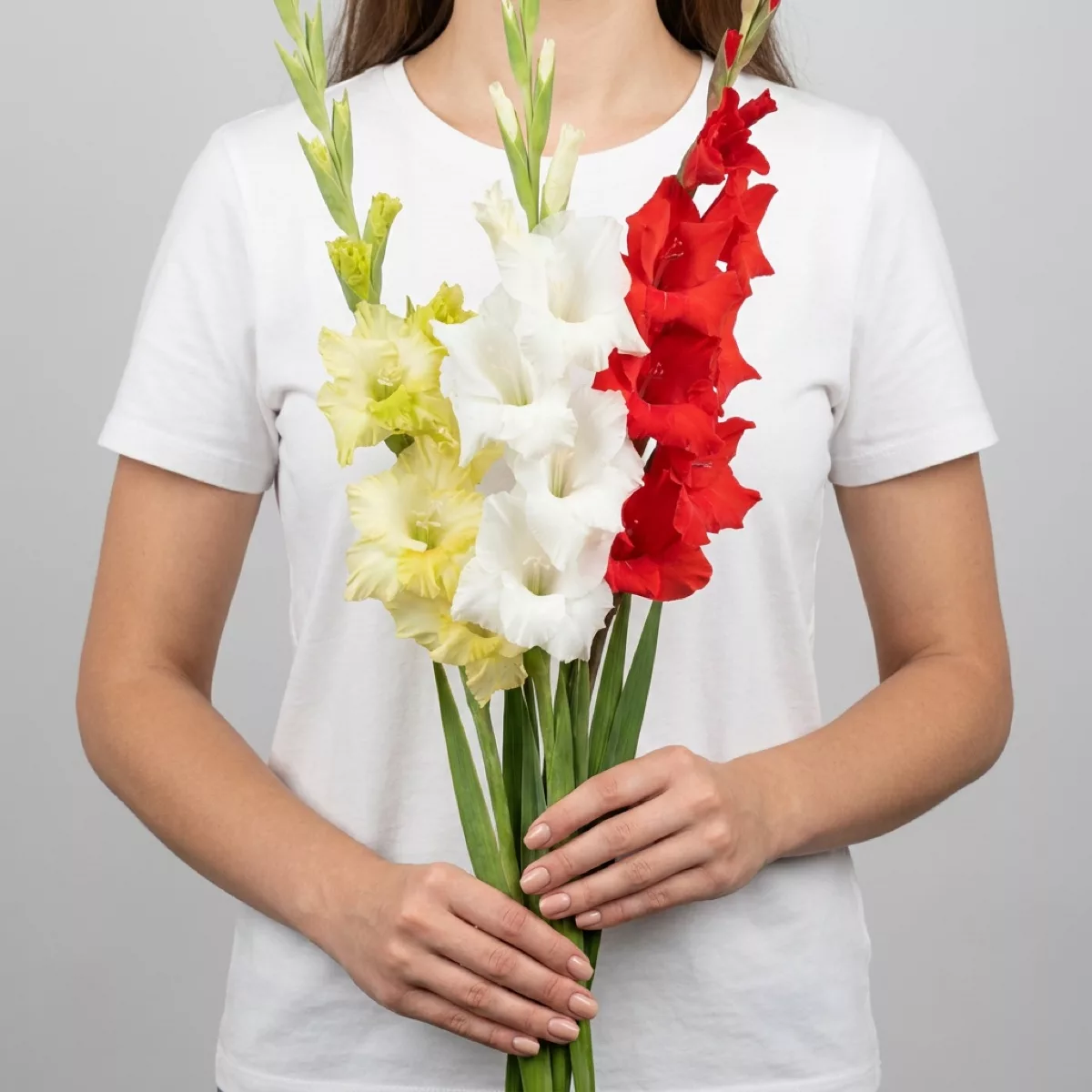
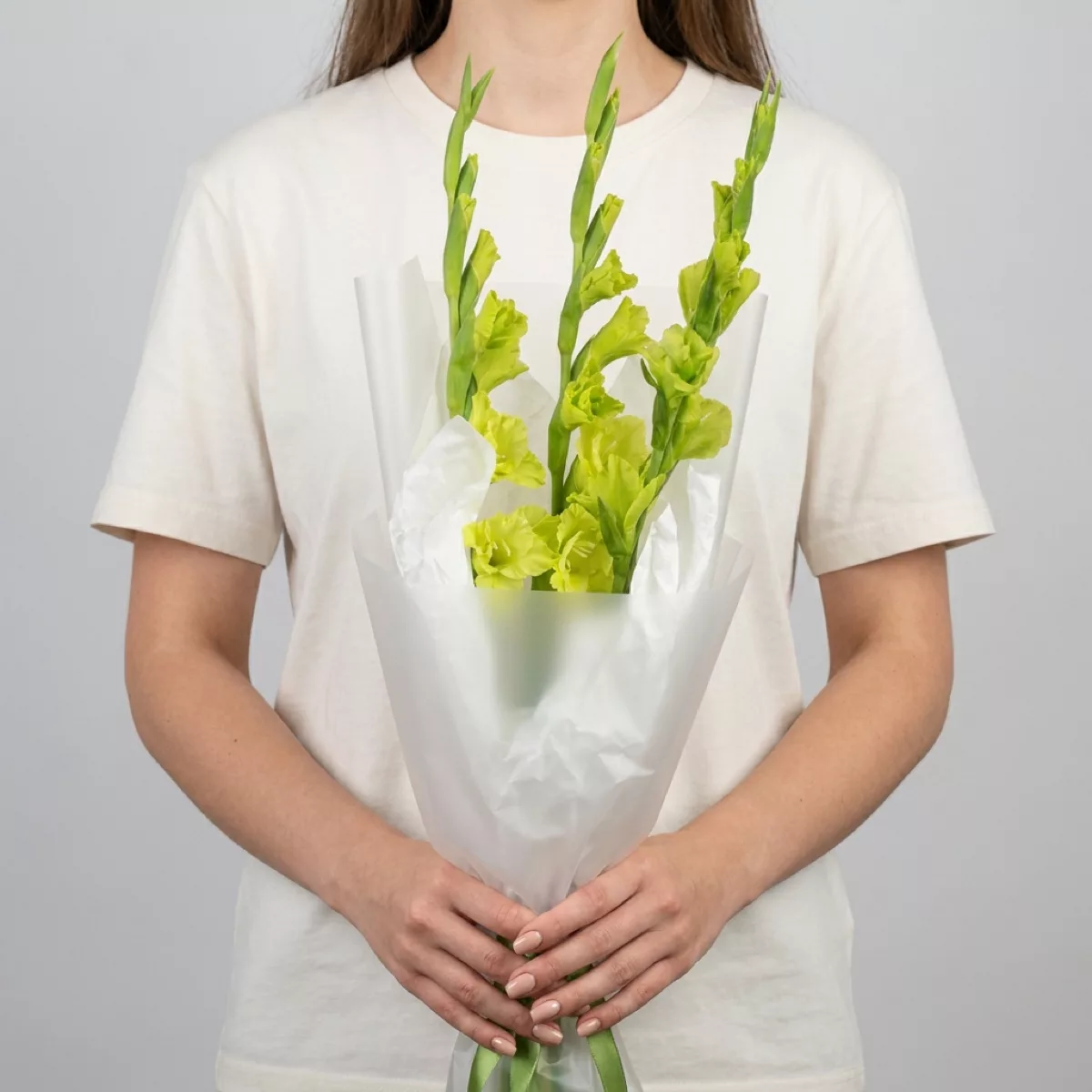
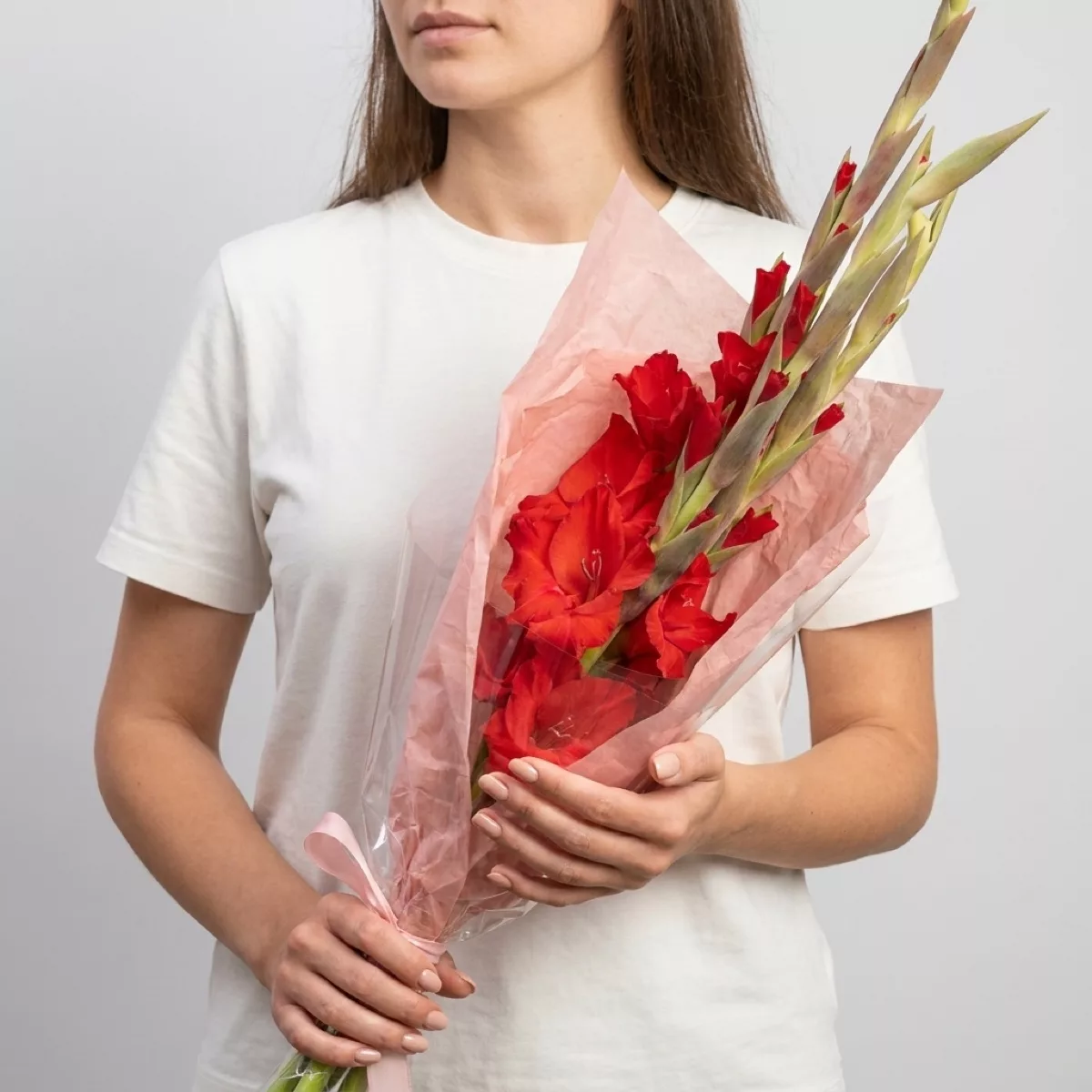
Bouquets we can deliver
Timing Your Order: What the Delivery Window Actually Means
Turboflora's name promises speed, and within Saint Petersburg that promise means one to two hours from order to door. For Nizhny Lomov, the model is different in a practical sense: flowers are prepared fresh, packed carefully for transit, and dispatched so that they reach the recipient in the condition a florist would be proud of rather than in the condition that happens when speed overrides care.
The most reliable delivery slots for Nizhny Lomov are morning and midday windows. Ordering the evening before for a next-day morning arrival is the approach that works best. If the occasion is a birthday and you want the bouquet to be the first thing the person sees when they wake up, place the order by early evening the day before and specify a morning window. That instruction will be followed.
Afternoon and evening deliveries are also possible, but they require the same lead time — same-day orders for late-afternoon arrival in Nizhny Lomov are not something to rely on. Russian florists generally advise against cutting timing too close, not because of laziness but because flowers that travel under stress — rushed packing, temperature swings, delayed transit — show it. Petals bruise, stems weaken, and the bouquet that arrives tells its own story. Giving the process a proper runway means the story it tells is the one you intended.
Choosing Flowers for the Person, Not Just the Occasion
In Russia, flowers carry meaning that goes beyond decoration. Red roses to a woman you admire, white chrysanthemums to a teacher on Knowledge Day, yellow mimosa on the eighth of March — these are not arbitrary choices. If you are sending from outside Russia and unfamiliar with these conventions, a few pointers help.
For a woman of any age, a mixed bouquet built around garden roses, alstroemeria, and eucalyptus reads as warm and thoughtful without being overly formal. Peonies are beloved across all generations and carry an association with generosity and abundance — when they are in season between late May and early July, they are an excellent choice for birthdays and celebrations. Tulips in spring, ranunculus in winter, and lisianthus almost year-round are the varieties that travel well and arrive looking intentional rather than accidental.
For a man, which is less common but increasingly appreciated in Russia, succulents in a ceramic pot, a compact arrangement of anthuriums, or a structured bouquet of tropical leaves with a single bold flower like a protea make a confident statement. Avoid odd numbers for sympathy and even numbers for celebration — Russian tradition holds that even numbers of flowers are for somber occasions. An odd number, typically five, seven, nine or eleven stems, signals joy. If you are unsure, ask the florist to decide the count and focus your energy on the colour palette instead.
Budget Ranges and What Each Level Gets You
Flowers exist across a wide range of investment, and in Nizhny Lomov as anywhere, the budget shapes not just the size but the character of the arrangement. A modest bouquet — five to seven stems of seasonal flowers like spray roses or alstroemeria with simple greenery — is a sincere gesture. It does not try to impress; it simply says the person was thought of. This level suits a thank-you, a small congratulation, or a midweek surprise with no particular occasion attached.
A mid-range bouquet allows for more variety and a stronger visual story. This is where you can mix textures — soft ranunculus alongside waxy tulips, or fluffy pampas grass stems beside tight garden roses. The presentation gains dimension, and the recipient has something to arrange and rearrange in a vase, which extends the pleasure of receiving it.
At the higher end, the arrangement becomes an event in itself. Large-headed peonies, garden roses in two complementary tones, branches of eucalyptus or ruscus for structure, and perhaps a few stems of lisianthus for delicacy — this is a bouquet that fills a room. For milestone birthdays, anniversaries, or the kind of apology that needs to speak for itself, this level is appropriate. Whatever your budget, the most important instruction you can give is the colour preference of the recipient. A florist who knows whether someone loves dusty pinks or prefers bold reds can do far more with that information than with a vague request for something beautiful.
Seasonal Considerations and Temperature During Transit
Nizhny Lomov experiences genuine continental seasons. Winters are cold, with temperatures regularly dropping below minus fifteen degrees Celsius, and summers are warm and sometimes dry. Both extremes affect how flowers travel and what you should choose.
In winter, cold is the enemy of tropical flowers and anything with large, water-heavy petals. Orchids, anthuriums, and birds of paradise can blacken at the tips when exposed to freezing temperatures even briefly. The safer winter choices are roses, which tolerate cold transit well when properly wrapped, chrysanthemums, alstroemeria, and carnations. A good florist will wrap the bouquet in insulating paper and seal it against wind chill, but the variety selection matters too.
In summer, heat is the challenge. Flowers that sit in a warm vehicle for more than thirty minutes begin to wilt. Peonies, which are gorgeous in June, are also among the most heat-sensitive. If you are ordering summer delivery in Nizhny Lomov, ask for the earliest possible window in the day and choose varieties with tougher stems — alstroemeria, gerbera, and solidago hold up better than soft-petalled garden roses in warm conditions.
Spring and autumn are the easiest seasons for flower transit. Temperatures are moderate, and a wide range of varieties is available. Tulips arrive in force from February through April. Dahlias appear in late summer and carry through October. Matching your flower choice to what the season actually offers, rather than insisting on an out-of-season variety, almost always produces a better result.
What to Tell the Recipient So the Flowers Last
A bouquet that arrives in good condition can still fade quickly if it is not cared for in the first few hours. Sharing a few simple instructions with the recipient — or including a note in the order — makes a real difference to how long the flowers stay beautiful.
The first step is cutting the stems. At least two centimetres should be removed at a diagonal angle, ideally under running water or while the stems are submerged. This prevents an air bubble from forming at the cut end, which blocks water uptake. A sharp knife is better than scissors, which can crush the stem tissue. This one step alone can add two or three days to vase life.
The vase should be clean and filled with cool, not cold, water. Room temperature water is absorbed more easily than ice-cold water by most cut flowers. Remove any leaves that would sit below the waterline — they rot quickly and cloud the water, which shortens the life of the whole bouquet. Change the water every two days and re-cut the stems each time.
Keep the bouquet away from direct sunlight, radiators, and fruit bowls. Ripening fruit releases ethylene gas, which accelerates petal drop in roses and tulips especially. A cool corner of a room, away from draughts, is ideal. Roses typically last seven to ten days with this care. Alstroemeria can go two weeks. Tulips are shorter-lived at five to seven days but are so striking in their prime that the brevity feels worth it.
Making the Moment Land: Notes, Presentation and Small Details
The flowers themselves are only part of what the recipient receives. The wrapping, the note, and the way the delivery is handled all contribute to the experience of being on the receiving end of a thoughtful gesture.
In Russia, flowers are typically presented in kraft paper or fabric wrapping rather than cellophane, which is considered slightly dated. A simple ribbon or twine tie at the stems, a few sheets of tissue paper inside, and a clean outer wrap in a neutral or complementary colour — this is the presentation that feels current and considered. If you have a colour preference for the wrapping, it is worth mentioning it.
A handwritten note still carries more weight than a printed card in Russian culture. If you are ordering remotely, you can dictate the message and it will be written by hand and included with the bouquet. Keep the message short and specific — a private joke, a reference to a shared memory, or a direct statement of what the person means to you. Generic messages like happy birthday or congratulations exist on every printed card; a personal sentence or two is what makes a note worth keeping.
Finally, consider the timing relative to the recipient's day. A bouquet arriving at eight in the morning when someone is rushing to work is less welcome than one arriving at eleven when they have settled in. A delivery timed to coincide with a lunch break, an afternoon at home, or an evening arrival after work is more likely to be received the way you imagined it when you placed the order.
Sending flowers to Nizhny Lomov is a gesture that travels well when it is planned with a little thought. The city is small enough that a bouquet arriving at the door is genuinely noticed, and the person receiving it will remember not just the flowers but the fact that someone took the time to arrange it. Order a day ahead, choose varieties suited to the season, give the florist a colour direction and a personal note, and the rest takes care of itself. Distance is no reason for a gift to feel distant.
Frequently asked questions
Can I order flowers for same-day delivery in Nizhny Lomov?
Same-day delivery to Nizhny Lomov is possible if the order is placed early in the morning, but it depends on the specific time window you need. For reliable results — especially for milestone occasions — ordering the evening before and specifying a morning or midday window the following day gives the flowers the best chance of arriving in perfect condition.
What flowers travel best to Nizhny Lomov in winter?
Roses, alstroemeria, chrysanthemums, and carnations are the most reliable choices for cold-weather transit. They tolerate low temperatures better than tropical varieties like orchids or anthuriums, which can suffer petal damage when briefly exposed to freezing air. The bouquet will be wrapped in insulating paper, but choosing cold-hardy varieties adds an extra layer of protection.
How many flowers should a bouquet have — does the number matter in Russia?
Yes, it does. Russian tradition associates even numbers of flowers with somber occasions, so celebratory bouquets should have an odd number of stems — five, seven, nine, or eleven are all common. If you are unsure, leave the count to the florist and focus on specifying the colour palette and the occasion instead.
Can I include a personal note with the delivery?
Absolutely, and it is strongly encouraged. You can write your message when placing the order and it will be included with the bouquet. A short, specific, personal message — something only the recipient would fully understand — makes a far stronger impression than a standard printed greeting and is often the detail people remember longest.
What should the recipient do with the bouquet as soon as it arrives?
The most important first step is re-cutting the stems diagonally by about two centimetres, ideally under water, then placing them in a clean vase with cool water. Remove any leaves below the waterline, keep the bouquet away from direct sun, radiators, and fruit bowls, and change the water every two days. This routine can easily double the vase life of most cut flowers.
Ready to send flowers?
Pick the city, choose the bouquet, and a local florist takes it from there.
Choose a city →