Sending Flowers to Noginsk? Here Is What to Expect
Noginsk sits about 50 kilometres east of Moscow, close enough to feel connected to the capital, distinct enough to have its own pace. Whether you are sending a birthday bouquet to a relative, congratulating a colleague on a new job, or surprising someone you love, the distance should never make the flowers feel like an afterthought. Here is everything you need to know to get fresh, beautiful flowers to someone in Noginsk — and to make sure they arrive looking exactly the way you imagined.
Which Parts of Noginsk We Reach and Why It Matters
Noginsk is a compact city, but it has distinct neighbourhoods that feel quite different from one another. The central streets around the main square and the areas along Rogozhskaya and Bugorskaya are easy to reach quickly. Residential districts further from the centre — including parts near the industrial zones to the north and the quieter streets bordering Elektrostal — are all within our delivery zone, but it helps to include a precise address with an apartment number and any entry code for the building.
Noginsk has many older Soviet-era apartment buildings where intercoms can be unreliable. A working phone number for the recipient is genuinely important here — not just a formality. If the courier cannot reach the door, they will call, and most deliveries sort themselves out within minutes when there is a good number on file.
Private houses in the surrounding villages and settlements close to Noginsk — places like Electrougli or Fryazevo — may have slightly different timing than central addresses. When you place an order, mention the locality clearly. This lets us plan the route properly and give you an honest estimate rather than a hopeful one. Knowing the exact geography means your flowers spend as little time in transit as possible, which directly affects how fresh they look when the door opens.
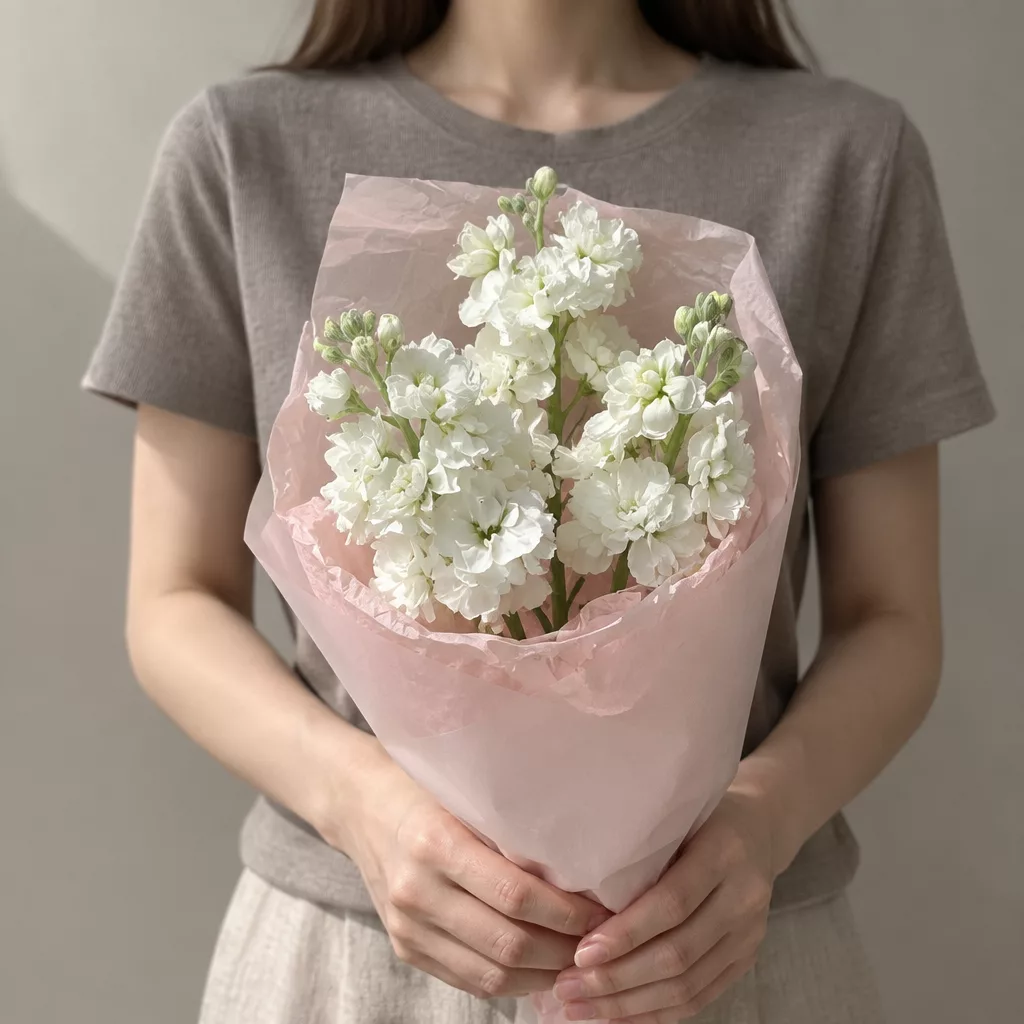
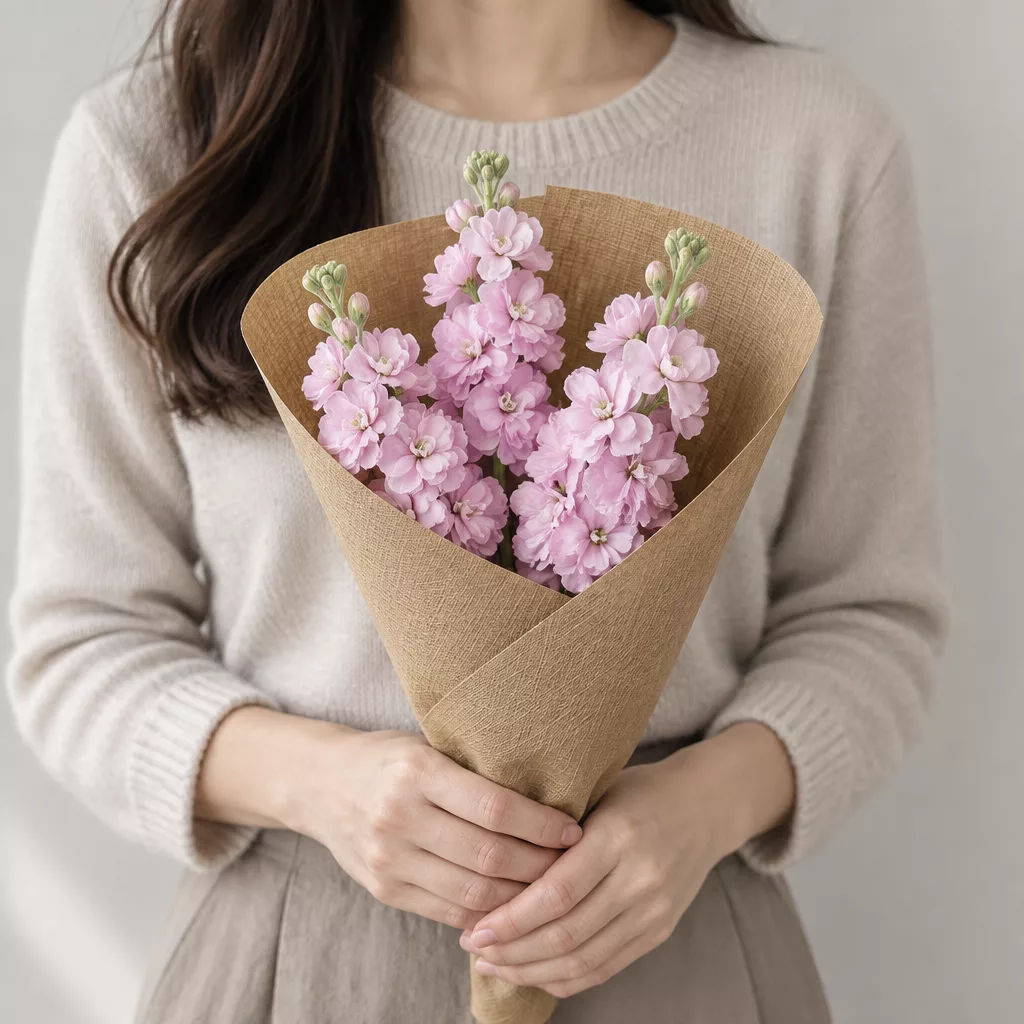
Bouquets we can deliver


Timing Your Delivery: Morning, Afternoon or Evening
The standard delivery window to Noginsk is one to two hours from the moment you confirm your order. That window holds for most of the day. Orders placed before noon typically arrive well before lunch or early afternoon. Orders placed in the afternoon can reach Noginsk by early evening. If you are aiming for a specific moment — the end of a birthday dinner, the moment someone walks through their front door after work — it is worth placing the order at least two to three hours before that target time, not one.
Evening deliveries are possible and popular for celebrations that happen after working hours. Russian birthdays and anniversaries are often marked at home with family in the evening, so flowers arriving at seven or eight in the evening land at exactly the right moment. Just confirm availability for late slots when you order, as these fill up on weekends and public holidays.
Season affects timing in ways that are easy to overlook. In winter, when temperatures around Noginsk regularly drop to minus fifteen or lower, the flowers travel in insulated packaging and the courier moves quickly between stops. In summer heat above twenty-five degrees, delicate blooms like garden roses and sweet peas are more vulnerable during transit. Ordering earlier in the day in hot weather — before noon if possible — means the flowers travel in the cooler part of the day and arrive in better condition. This is not a rule you will find on most flower websites, but working florists know it makes a real difference.
Choosing the Right Bouquet for the Person, Not Just the Occasion
The occasion tells you the mood, but the person tells you the flower. A woman in her sixties who keeps a tidy home with lace curtains probably loves classic arrangements — cream and blush spray roses, alstroemeria, perhaps some waxflower for texture. A younger recipient who follows design trends might appreciate something more architectural: protea, anthuriums, or a tight bundle of ranunculus in a single deep colour.
For birthdays, volume and warmth tend to work well. A generous bunch of sunflowers mixed with orange gerberas and solidago reads as joyful and celebratory without needing much explanation. For a romantic occasion, garden roses — especially David Austin varieties with their layered, cupped heads — say something that a standard long-stemmed rose does not quite manage. They look abundant and intentional rather than obligatory.
If you are sending to someone you do not know well — a colleague's wife, a business partner's mother — white and cream combinations are universally safe. White chrysanthemums, white alstroemeria, and eucalyptus make a bouquet that reads as elegant and considered. Avoid red roses for professional relationships; in Russian culture, red roses carry a strong romantic meaning that can feel out of place in a formal context.
For children's occasions, bright colours and simple shapes work best. Gerberas in yellow, pink, and orange are cheerful without being overwhelming. Add a few stems of statice for texture and the bouquet holds together even in small hands. Think about how the recipient will actually hold and display the flowers — that shapes the choice as much as any symbolic meaning.
Budget Ranges and What They Actually Get You
Flowers exist at every budget, and the goal at any level is a bouquet that looks intentional and generous rather than thin. At the lower end of the range, the key is restraint and focus: one or two flower types done well, with a good green filler and clean wrapping, always outperforms a large number of wilting stems crammed together. Three or five sunflowers wrapped simply in kraft paper with some greenery is a confident, beautiful choice that costs very little.
In the mid range, you gain the ability to mix. This is where combinations become interesting — spray roses paired with lisianthus, or tulips layered with muscari in spring. Lisianthus is particularly good value because it has a long vase life and looks far more expensive than it is. Its ruffled petals are often mistaken for garden roses at a glance.
At the higher end, you are paying for volume, premium varieties, and presentation. A large arrangement of David Austin roses in blush and apricot tones, wrapped in silk paper and tied with a wide satin ribbon, makes an immediate impression when someone opens the door. Peonies, when in season from May through June, are the most requested luxury bloom in Russia and justify every rouble of their cost — their fragrance alone fills a room.
Whatever the budget, ask yourself whether the bouquet suits the space the recipient lives in. A dramatic tall arrangement of gladioli is stunning in a large hallway but overwhelming in a studio apartment. Scale matters as much as variety, and a good florist will always ask about the setting before building something that cannot find a home.
Seasonal Flowers That Make Sense in Noginsk
Noginsk follows the same continental climate as the rest of the Moscow region — cold winters, warm summers, and two distinct shoulder seasons that each bring their own palette. Understanding the season before you order means you get flowers at their peak rather than blooms that have been forced and shipped from far away at the wrong time of year.
Winter, from November through February, is the season of preserved warmth. Roses are available year-round but benefit from careful sourcing in cold months. Chrysanthemums are excellent in winter — they are hardy, long-lasting, and available in a wide range of colours from white to deep burgundy. Amaryllis and hyacinths appear around the New Year period and carry a festive richness that feels right for the season.
Spring arrives dramatically in central Russia. March 8th — International Women's Day — is the single busiest flower day of the year in Russia, far outpacing Valentine's Day. Tulips are the flower of that moment: millions of stems move across the country in the first week of March. Mimosa, with its tiny yellow clusters and soft grey-green leaves, is another March 8th classic that many Western customers discover for the first time when they send flowers to Russia.
Summer brings peonies, cornflowers, and garden roses. Autumn is the season of dahlias, which grow in extraordinary variety across Russia and are underused in gift bouquets despite their beauty. Choosing a flower that is genuinely in season means the recipient gets something at its natural best — fuller, more fragrant, and longer-lasting than an out-of-season alternative.
Keeping Flowers Fresh After Delivery: Simple Advice That Works
A bouquet that arrives beautifully can fade quickly if it lands in the wrong conditions. The most common mistake is placing flowers directly on a sunny windowsill. Bright light feels natural but heat and direct sun dehydrate cut stems fast, especially roses and tulips. A spot with good indirect light and away from radiators — which are a real factor in Russian apartments during the heating season — is far better.
Cut the stems at an angle under running water before placing them in a vase. This sounds like advice everyone has heard, but most people skip it. The angled cut increases the surface area absorbing water and removes any air pockets that formed during transit. Use a clean vase and change the water every two days. Bacteria in stagnant water are the main reason flowers die early, not the flowers themselves.
Keep flowers away from fruit bowls. Ripening fruit releases ethylene gas, which accelerates aging in cut flowers. This is a genuine chemical reaction, not a myth, and it is particularly hard on carnations, roses, and sweet peas. A kitchen counter next to a bowl of apples is one of the worst places for a bouquet.
Different flowers have different vase lives, and it helps to know what to expect. Chrysanthemums and alstroemeria regularly last ten to fourteen days with proper care. Roses typically give seven to ten days. Tulips are shorter — around five to seven days — but they continue to grow and open in the vase, which many people find charming. Peonies last five to seven days but the fragrance is at its peak in the first three, so display them where people will actually walk past and notice.
Small Details That Make a Delivery Feel Thoughtful
The physical moment of receiving flowers matters as much as the flowers themselves. A handwritten card — even a short one — changes the experience entirely. In Russian culture, the message inside a card is taken seriously; it is read carefully and often kept. If you are writing in English to a Russian speaker, a simple sincere sentence means more than a long formal message translated awkwardly. Keep it personal: reference something specific about the person or the occasion rather than a generic congratulation.
Packaging tells a story before the bouquet is even unwrapped. Kraft paper with twine reads as natural and artisan. Coloured tissue paper with a ribbon reads as celebratory. Matte black paper reads as modern and design-forward. If you have a sense of the recipient's aesthetic, mentioning it when you order gives the florist something to work with.
If you are sending flowers as a surprise — meaning the recipient does not know they are coming — make sure someone will be home or nearby. A bouquet left in a cold entrance hall in January, or in summer heat on a doorstep, will not look its best by the time it is found. Coordinating with a family member or neighbour to receive the delivery, or choosing a time when you know the person will be home, makes the surprise land properly.
Finally, think about the vessel. Not everyone has a tall vase at home. A wide, low arrangement suits a wide-mouthed jar or a bowl. A tall, structured bouquet needs a proper vase with some weight to it. If you know the recipient does not have many vases, choosing a compact, self-supporting arrangement means it can sit in almost any container and still look intentional.
Sending flowers to Noginsk is straightforward when you know the details that actually matter: a precise address, a working phone number, the right flower for the season, and a little thought about who is on the other side of the door. The distance from Saint Petersburg does not change what a well-chosen bouquet does — it still lands as something personal and generous, something that says the occasion mattered enough to do properly. Turboflora handles the logistics and the freshness; your job is simply to think about the person you are sending them to.
Frequently asked questions
Can you deliver flowers to a specific address in Noginsk on the same day?
Yes. Same-day delivery to Noginsk is available for orders placed with enough lead time. The delivery window is one to two hours from confirmation. For evening deliveries or weekend orders, placing your order at least two to three hours before your target time gives the best result and avoids any last-minute pressure on the route.
What happens to the flowers in very cold or very hot weather during transit?
In winter, bouquets travel in insulated packaging that protects stems down to around minus fifteen degrees Celsius. In summer heat above twenty-five degrees, we recommend ordering earlier in the day so flowers travel during cooler hours. Delicate varieties like garden roses and sweet peas are most sensitive to temperature swings, so timing the delivery thoughtfully makes a genuine difference to how they arrive.
Is it possible to send flowers to Noginsk as a surprise without telling the recipient?
Absolutely, and it is one of the most common requests we receive. The key is making sure someone will be home to receive the bouquet. Provide a working mobile number for the recipient so the courier can call if there is any difficulty at the door. If the person lives alone and their schedule is unpredictable, coordinating with a family member to be present is a reliable backup.
Which flowers are most popular for sending to Noginsk around March 8th?
Tulips are by far the most requested flower for International Women's Day in Russia — it is the country's biggest floral occasion of the year. Mimosa, with its small yellow clusters and soft foliage, is a close second and a distinctly Russian March 8th tradition. Roses remain popular year-round but tulips and mimosa feel most connected to the spirit of that particular day.
How long will the flowers last after delivery, and what is the single most important care step?
Most bouquets last seven to fourteen days depending on the variety. Chrysanthemums and alstroemeria are the longest-lasting, often reaching twelve to fourteen days. The single most important step is cutting the stems at an angle under running water before placing them in a clean vase, then changing the water every two days. Keeping flowers away from direct sun, radiators, and fruit bowls extends their life significantly.
Ready to send flowers?
Pick the city, choose the bouquet, and a local florist takes it from there.
Choose a city →