Flower Delivery in Novopavlovsk: Timing, Choices and What Arrives at the Door
You want someone in Novopavlovsk to open their door and feel genuinely surprised — not just to receive flowers, but to feel that you thought carefully about them. That gap between clicking a button in another city and a bouquet actually landing fresh and beautiful on a doorstep is where most of the real questions live. This article walks you through how delivery works in Novopavlovsk, what to order by season and budget, and how to make sure the flowers stay gorgeous long after the courier leaves.
Ordering from Another City for Someone in Novopavlovsk
Most people ordering to Novopavlovsk are doing it remotely — from Moscow, Saint Petersburg, or another Russian city entirely. That distance creates a specific kind of anxiety: you cannot see what is being assembled, you cannot check on the recipient in real time, and you are trusting the florist completely. Understanding how that process actually runs makes it much easier to order with confidence.
When you place an order through Turboflora, the bouquet is assembled fresh on the day of delivery. Nothing sits in a back room waiting. The composition is built to the specifications you choose — specific flowers, colour palette, size — and then dispatched directly to the address you provide. There is no relay through third parties.
Novopavlovsk is a town in the Stavropol Krai region of southern Russia. It has a compact urban layout, which means addresses are generally straightforward to locate. Street names and building numbers follow a standard Russian format: street name first, then building number, then apartment number if relevant. When you fill in the delivery address, include all three elements and add a phone number for the recipient — the courier will call ahead to confirm arrival time, which avoids missed deliveries and keeps the flowers from sitting in a warm hallway.
If the recipient does not know a bouquet is coming, that is completely fine and actually quite common. The courier is experienced in these situations and will simply say fresh flowers have arrived for them without revealing the sender unless your message card says otherwise.
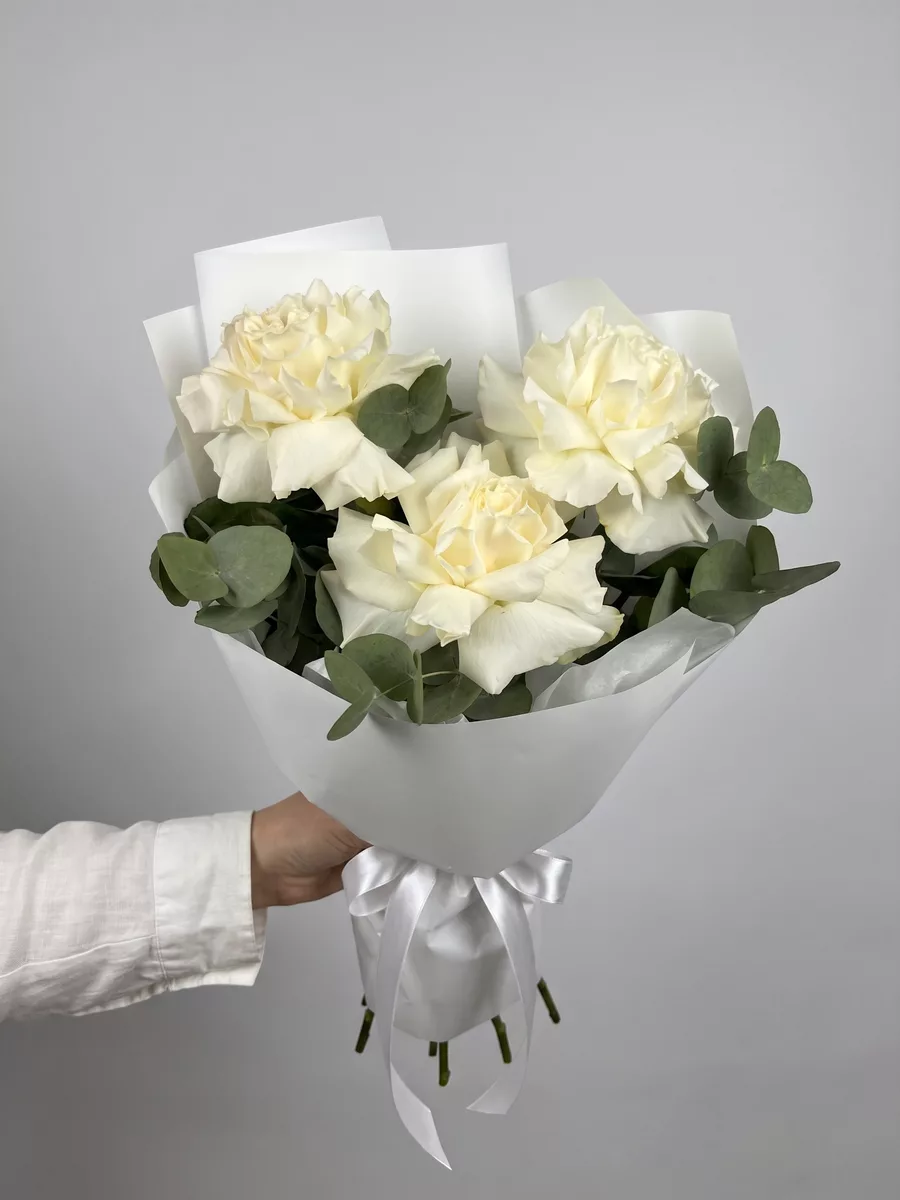
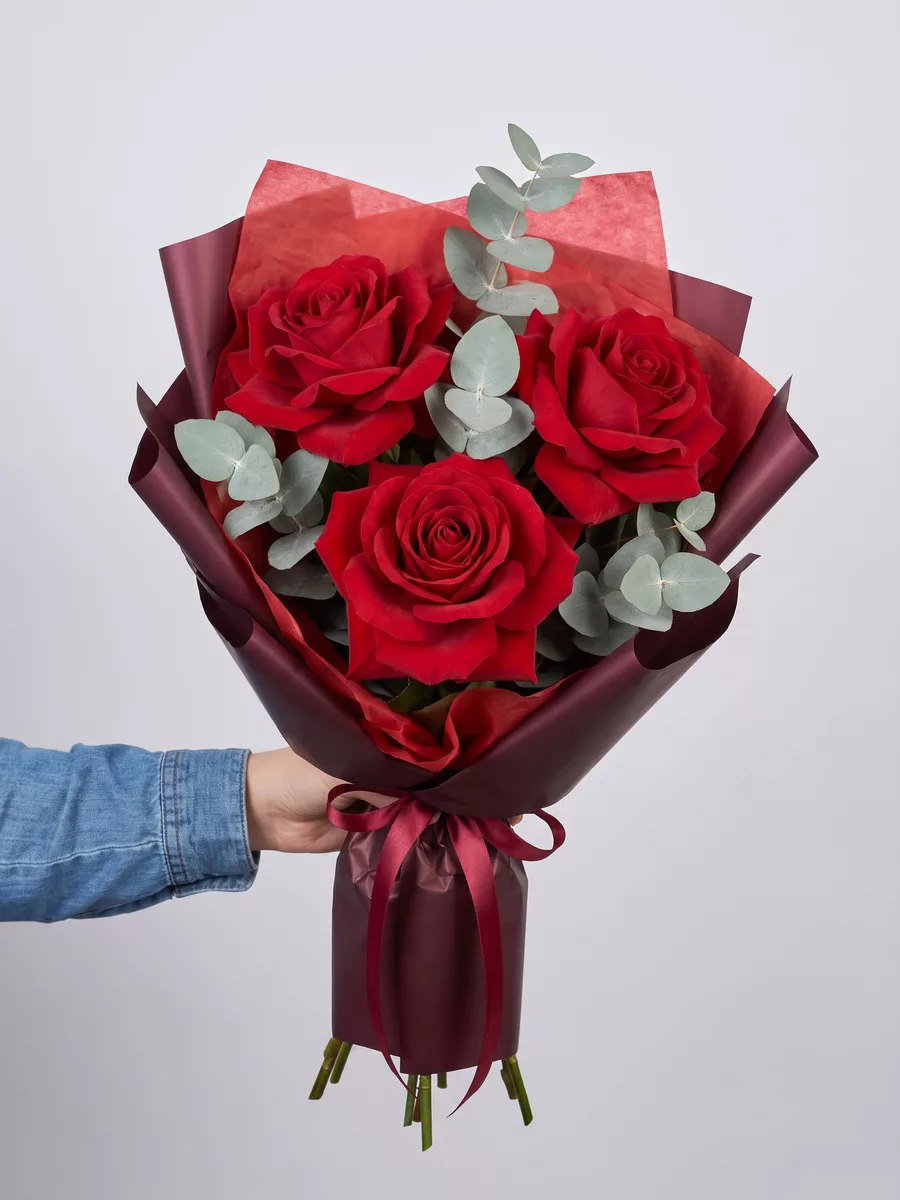
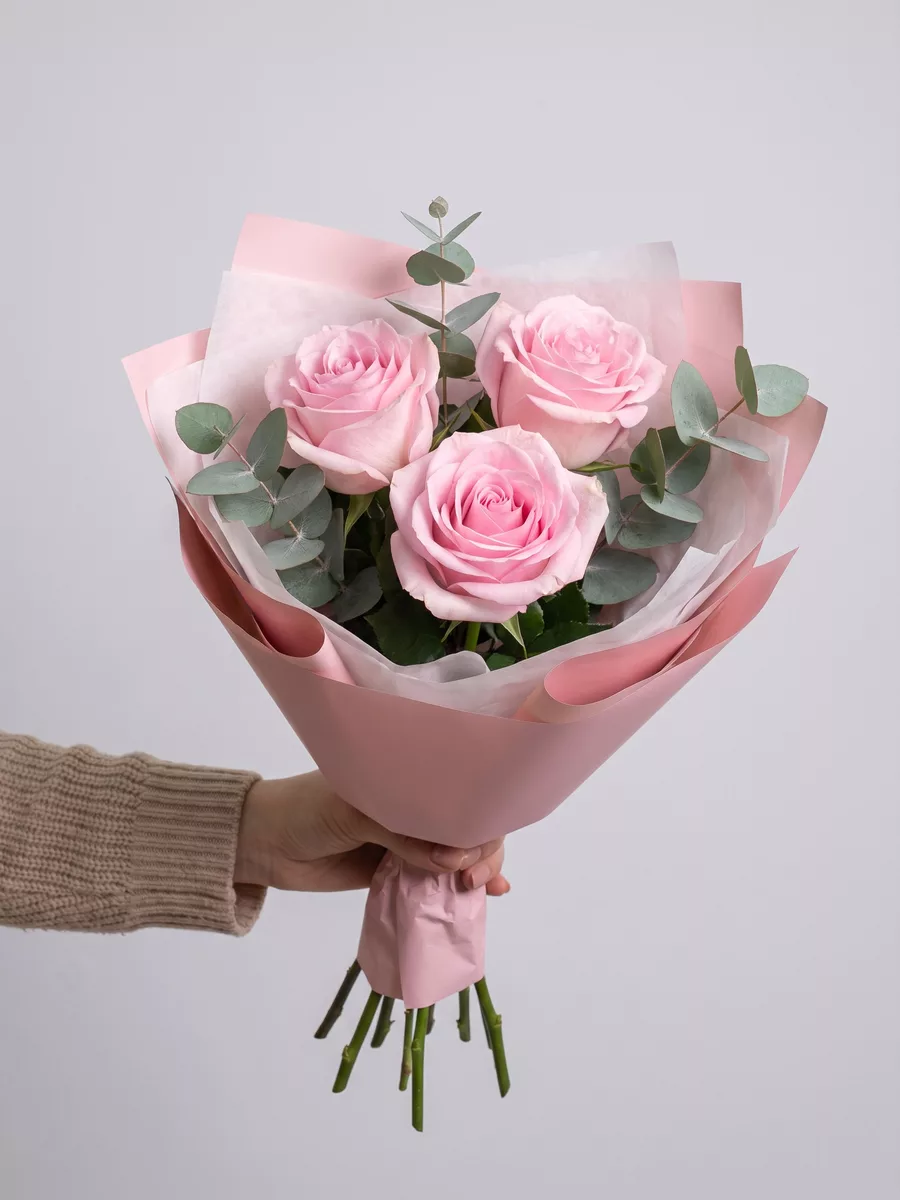
Bouquets we can deliver

Delivery Windows and How to Choose the Right One
Turboflora offers delivery windows across the day, and choosing the right one matters more than people usually expect. A bouquet delivered at nine in the morning lands differently than one that arrives at seven in the evening — and not just emotionally. Temperature, travel time, and the recipient's schedule all factor into which window actually works best.
Morning deliveries, roughly between nine and noon, suit workplaces well if the recipient is office-based. They also work beautifully for birthdays when you want the day to start with a pleasant surprise. Afternoon windows are popular for home deliveries when someone is likely to be in. Evening deliveries, up until around nine or ten at night, suit romantic occasions and situations where the recipient has a full working day.
In Novopavlovsk, summer temperatures can climb significantly — the Stavropol Krai region experiences genuinely hot summers with daytime highs regularly above 30 degrees Celsius. During July and August especially, morning delivery is strongly preferable for delicate flowers like garden roses, ranunculus, or sweet peas. These varieties stress in heat and can arrive wilted if they spend midday hours in a warm vehicle. Hardier options like chrysanthemums, alstroemerias, and spray carnations tolerate heat better and are good choices when only an afternoon window is available.
Winter in Novopavlovsk is mild compared to central Russia, with temperatures rarely dropping below minus five Celsius. Frost damage to flowers is less of a risk here than in Siberian cities, but the courier still wraps bouquets in insulating kraft paper for any delivery below five degrees. You do not need to request this — it is standard practice.
Choosing Flowers for the Person, Not Just the Occasion
The occasion tells you the context. The person tells you the bouquet. A birthday is a birthday, but a bouquet for a woman who grows her own garden at home is a completely different thing from one for a colleague who works in a glass office tower. Starting from who will receive the flowers — their age, their taste, their relationship to you — produces a much more resonant result than starting from a category on a website.
For a mother or grandmother in Novopavlovsk, classic combinations tend to land well: full-headed garden roses in cream or blush paired with eucalyptus or ruscus, assembled in a rounded shape with visible greenery. This style feels generous and considered. Peonies are enormously popular across Russia for this kind of recipient, though they are seasonal — available roughly from May through July — so plan around that if a peony bouquet is important to you.
For a younger recipient, looser, more textural arrangements work better. A mix of lisianthus, scabiosa, and white or lilac matthiola reads as contemporary and thoughtful rather than traditional. Sunflowers remain consistently popular in the Stavropol region — they feel local and warm rather than generic, and a large sunflower bouquet with complementary greens like pittosporum or salal makes a strong visual impression at the door.
For a male recipient — and men in Russia do receive flowers, particularly for professional milestones or significant birthdays — compositions built around structural flowers like protea, anthurium, or large tropical leaves feel appropriate. These are not soft or sentimental in presentation, which matters to many people.
Budget Ranges and What Each One Gets You
Flower budgets work differently than most people expect because the price of a bouquet reflects not just the number of stems but the variety, the seasonality, and the assembly time. A modest budget can produce something genuinely beautiful if the flowers are chosen well. A high budget spent on the wrong combination can produce something that looks expensive but feels impersonal.
At the entry level, a single-variety bouquet does the job elegantly. Fifteen stems of alstroemeria, for example, in a single colour with clean paper wrapping, looks intentional and cheerful. Alstroemeria is long-lasting, travels well, and opens over several days — so the recipient gets a week or more of enjoyment rather than a brief display. Chrysanthemums at this budget level offer similar longevity and come in a wide range of colours.
In the mid range, you can introduce a focal flower — a garden rose, a peony in season, or a large-headed lisianthus — surrounded by complementary secondary flowers and foliage. This is where most gifting bouquets sit, and it is the range where the florist's skill in combining textures and heights makes the biggest visible difference. A well-built mid-range bouquet looks more expensive than it is.
At the upper range, the bouquet can carry rare or imported varieties: garden roses from Ecuador, Dutch tulips in specialty colours, or seasonal flowers like fritillaria or hellebore that have a short window of availability. Presentation at this level typically includes premium wrapping, a ribbon, and sometimes a small accompanying element like a candle or a box of chocolates. If the occasion is significant, this is the range that communicates it clearly.
Russian Flower Customs Worth Knowing Before You Order
If you are ordering from outside Russia or are simply unfamiliar with Russian gifting customs, a few conventions are worth knowing. They are not complicated, but ignoring them can create an awkward moment for the recipient.
The most well-known convention is the odd-number rule. In Russia, even numbers of flowers are traditionally associated with mourning and are given at funerals. For any celebratory or affectionate occasion, the bouquet should contain an odd number of stems — one, three, five, seven, eleven, fifteen, and so on. Turboflora follows this convention automatically, so you do not need to count or specify it, but it is useful to understand why a bouquet of twelve roses is not standard practice in a Russian context.
Colour carries meaning here as it does in many cultures, though the associations are not rigid. Red roses read as romantic. White flowers are associated with purity and are often used for weddings or for young recipients. Yellow flowers have a complicated reputation in Russian popular culture — some older generations associate them with separation or bad luck — though this belief is fading among younger people. If you are unsure, a mixed palette of pinks, creams, and soft purples is universally safe and reads as warm and thoughtful.
Wrapping style matters too. A bouquet handed over with no wrapping at all is unusual and can feel unfinished. Kraft paper, fabric wrapping, or a hat-box presentation all signal care. When you order, the default presentation is already appropriate — but if you want to specify a colour of paper or a particular wrapping style, the order notes field is the place to do it.
Keeping the Flowers Fresh After Delivery
The bouquet arrives looking its best at the moment of delivery. What happens in the next hour determines whether it stays that way for three days or ten. Most people know the basics — water, cut the stems — but the details make a significant difference, and a florist's version of the instructions is more specific than the generic advice you find online.
First, the stems. Cut them at an angle, roughly two centimetres from the base, using a sharp knife rather than scissors. Scissors compress the stem tissue and reduce water uptake. Do this while the stems are submerged in water if possible, or immediately before placing them in the vase — exposure to air for even a few minutes starts to block the cut end. Remove any foliage that would sit below the waterline, because submerged leaves rot quickly and contaminate the water.
Vase water should be clean, cool, and changed every two days. Tap water is fine. Flower food sachets, if included with the bouquet, genuinely help — they contain a mild acidifier that keeps bacteria down and a small amount of sugar that feeds the flowers. Dissolve the sachet in the full volume of water rather than adding it to a half-filled vase.
In Novopavlovsk summers, keep the vase away from direct sunlight and away from any source of heat, including air-conditioning vents blowing warm air. A shaded spot at room temperature is ideal. At night, some flowers — particularly roses and peonies — benefit from being moved somewhere cooler, even a tiled bathroom or a hallway, which extends their life noticeably. Ethylene gas from ripening fruit accelerates flower ageing, so keep the vase away from fruit bowls.
Writing the Card and Making the Moment Land
The flowers do most of the work, but the card completes it. A bouquet without a message can feel anonymous, even if the recipient knows who sent it. A card with even two or three specific sentences — something that only you could have written — transforms the experience from receiving flowers to feeling genuinely seen by someone who knows you.
The most effective cards are specific rather than general. Not just happy birthday, but a reference to something shared — a place you visited together, a joke between you, a quality you admire in the person. In Russian culture, directness about affection is more common and more appreciated than it might be in some other cultures. Saying clearly that you are proud of someone, or that you miss them, or that you think about them often, is not considered excessive — it is considered honest and warm.
If you are writing in Russian but are not a native speaker, keep the message short and simple. A short, correct sentence is far better than a long, complicated one with errors. Turboflora's order form allows you to write the card message in your own language if you prefer, and the team can assist with translation into Russian on request.
Timing the card to the occasion also matters. For a birthday, reference the day itself. For a work achievement, name the achievement specifically. For no occasion at all — which is actually one of the most memorable reasons to send flowers — say that directly. Something like: there is no occasion, I simply wanted you to have flowers today. In a culture where flowers are taken seriously as a gesture, an unprompted bouquet on an ordinary Tuesday is often remembered longer than one sent on a predictable date.
Sending flowers to Novopavlovsk from anywhere in Russia is straightforward when you understand what the process actually involves. The address format, the delivery window, the choice of varieties for the season and the person, the card message — each of these small decisions adds up to whether the recipient opens the door and feels an ordinary transaction happened, or feels that someone who knows them well took genuine care. Turboflora handles the logistics and the assembly; your job is to think about the person on the other side of that door and let that thinking show in the choices you make.
Frequently asked questions
Can I order flowers to Novopavlovsk from another city the same day?
Yes. Same-day delivery is available when the order is placed before the daily cutoff time. The bouquet is assembled fresh that day and delivered within the window you select. It is worth ordering in the morning if you want a morning or early afternoon delivery slot, as these fill quickly on weekends and public holidays.
What happens if the recipient is not home when the courier arrives?
The courier calls ahead before arriving, so the recipient has time to be ready. If there is no answer, the courier will attempt contact again and wait briefly. You can also leave instructions in the order notes — for example, to leave the bouquet with a neighbour or building concierge — and the courier will follow those if direct delivery is not possible.
Are there flowers that hold up better in Novopavlovsk's summer heat?
Yes. Alstroemeria, spray chrysanthemums, and tropical varieties like anthurium and bird of paradise handle heat significantly better than garden roses, ranunculus, or sweet peas. If you are ordering in July or August and only an afternoon delivery slot is available, choosing heat-tolerant varieties gives the bouquet a much better chance of arriving in excellent condition.
Do I need to specify an odd number of flowers when ordering?
No. Turboflora follows the Russian convention of odd-numbered bouquets automatically for all celebratory and gifting orders. You do not need to count or request this separately. It is simply standard practice, and every bouquet leaving the shop for a non-mourning occasion will already have the correct number of stems.
How long will the flowers last after delivery?
With proper care — clean water changed every two days, stems recut at an angle, kept away from direct sun and heat sources — most mixed bouquets last seven to ten days. Single-variety bouquets of alstroemeria or chrysanthemums often last longer, up to twelve days. Flowers delivered in summer Novopavlovsk heat will last closer to the lower end unless kept in a cool indoor space.
Ready to send flowers?
Pick the city, choose the bouquet, and a local florist takes it from there.
Choose a city →