Sending Flowers to Novoulyanovsk? Here Is What to Expect
Novoulyanovsk sits quietly on the Volga's right bank, close enough to Ulyanovsk to feel connected to the region's rhythm yet distinct enough to have its own pace. When you want to send flowers here — for a birthday, an anniversary, a new job, or simply because someone deserves them — the distance and the logistics should not be your problem. They should be ours. This article walks you through how delivery actually works in Novoulyanovsk, which flowers travel well, what the recipient will experience when the bouquet arrives, and how to make the whole thing feel personal even when you are hundreds of kilometres away.
Where Novoulyanovsk Sits and Why It Matters for Delivery
Novoulyanovsk is a compact industrial city in the Ulyanovsk Oblast, positioned along the Volga roughly fifteen kilometres south of Ulyanovsk itself. That proximity is genuinely useful: the road connection between the two cities is direct, which means a bouquet assembled in the morning can reach a doorstep in Novoulyanovsk within the delivery window without the detours that more remote locations demand.
The city is not large, but its residential districts spread across several distinct neighbourhoods, from the older central streets near the river to the newer housing blocks further inland. When you place an order, specifying the district or a nearby landmark alongside the street address helps the courier navigate efficiently, especially in areas where building numbering can be inconsistent.
Novoulyanovsk also has a pronounced seasonal character. Winters here are proper Volga winters — temperatures regularly drop below minus fifteen Celsius between December and February. Summers are warm and sometimes humid. Both extremes affect how flowers travel and what you should choose for a given month. A florist who understands the local climate will pack and route accordingly, and that attention to temperature is part of what separates a fresh arrival from a wilted disappointment.
Bouquets we can deliver


Timing Your Order: When the Bouquet Will Arrive
Turboflora works on a one-to-two-hour delivery promise, and that window applies to Novoulyanovsk as it does to central Saint Petersburg. The key variable is order time. Place your order in the morning and you have the widest choice of slots and the freshest stock assembled for the day. Leave it until the evening and the bouquet can still arrive the same day, but the selection of certain premium stems — garden roses, peonies in season, large-headed hydrangeas — may be narrower.
For occasions with a fixed time, like a birthday dinner or a work anniversary that a colleague will celebrate at the office, it is worth targeting arrival thirty to forty minutes before the event. That gives the recipient time to find a vase, trim the stems, and actually enjoy the flowers rather than scrambling to deal with them mid-celebration.
Same-day delivery works for most standard orders. If you want something elaborate — a large arrangement with specific varieties, a bouquet combined with an additional gift — booking the evening before gives the team time to source exactly what you have in mind. Rush orders are handled, but the more lead time you give, the more the final result matches your intention rather than a practical compromise.
Choosing Flowers for the Person, Not Just the Occasion
The occasion tells you the context; the person tells you the flower. For someone who keeps a tidy, minimal home, a single-variety bouquet of white spray roses or tulips in one clean colour says more than a mixed arrangement ever could. For someone who fills their windowsill with plants and loves colour, a combination of garden roses, alstroemeria, and eucalyptus gives them something to look at from every angle.
In Novoulyanovsk, as across Russia, certain gestures carry meaning. An odd number of flowers in a bouquet is the standard for a living recipient — even numbers are reserved for mourning, and most Russian recipients will notice the difference immediately. If you are sending from abroad and did not know this, now you do, and it costs nothing to follow the convention.
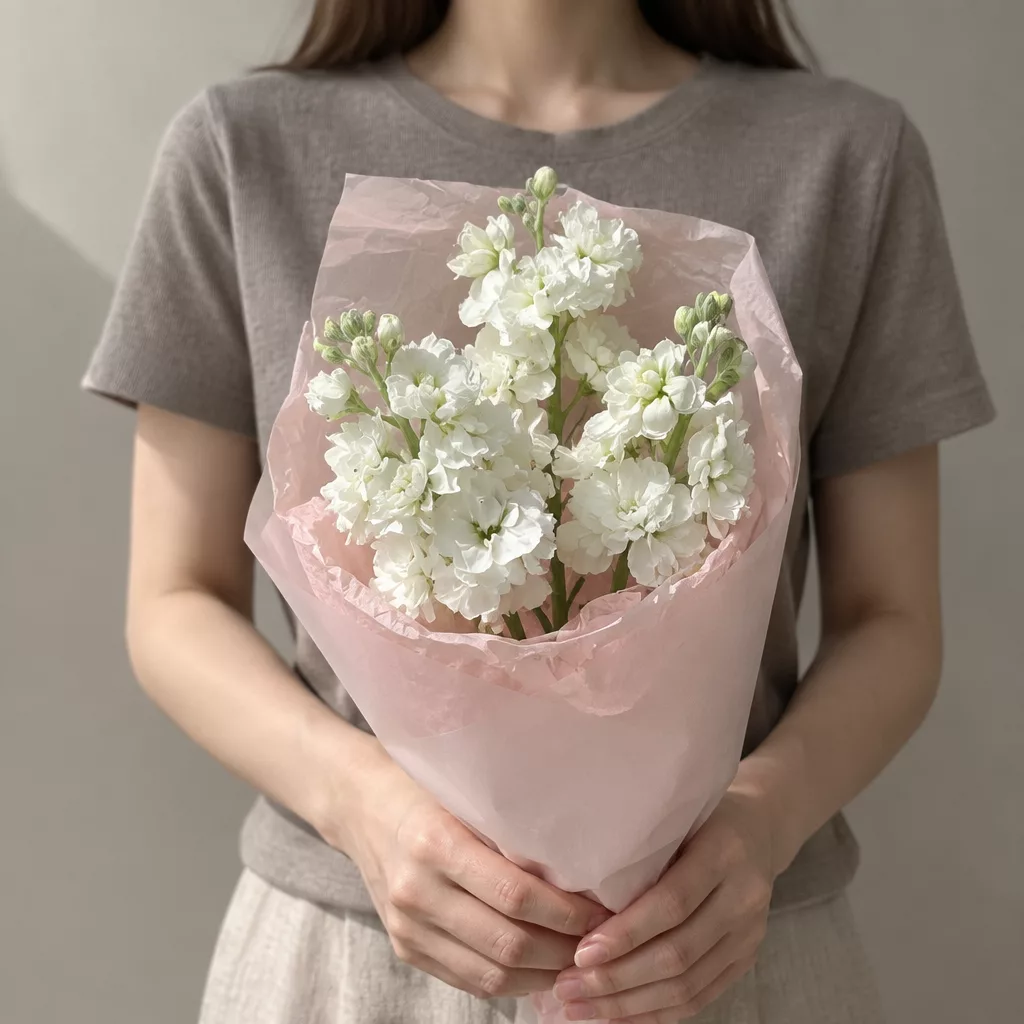
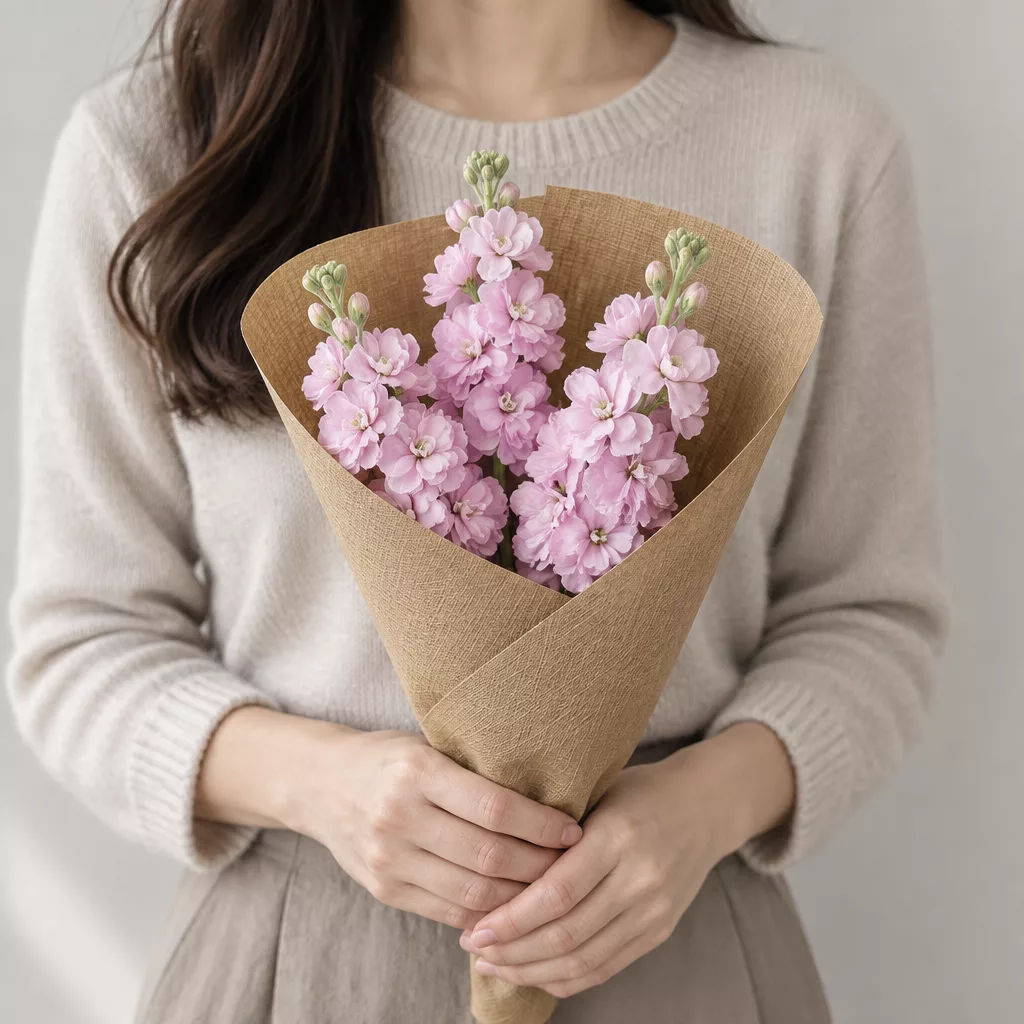
For a romantic occasion, deep red roses remain the clearest signal, but a mix of blush and burgundy roses with a few stems of waxflower gives the same warmth with more texture. For a mother or grandmother, soft pinks and whites — ranunculus, matthiola, or lisianthus — feel generous without being showy. For a friend celebrating something, sunflowers paired with solidago and a few stems of orange gerbera read as genuinely joyful rather than formal.
Bouquets by Budget: What Each Range Actually Gets You
Budget shapes the bouquet, but it does not have to limit it. At the entry level, a focused arrangement of five to seven stems — tulips, spray roses, or chrysanthemums in a complementary colour pairing — can look considered and intentional when the stems are well-chosen and the wrapping is clean. The mistake at this range is trying to include too many varieties, which makes the bouquet look sparse rather than curated.
In the mid range, you gain volume and variety. A combination of large-headed roses as the focal flower, supported by fillers like pittosporum or ruscus and a secondary bloom like alstroemeria or freesia, gives the bouquet a florist-made quality that a single-stem bunch cannot. This is also the range where you can start specifying colour stories — all warm tones, all cool tones, or a specific palette to match a room or a preference.
At the higher end, you are choosing flowers that are either rarer in season, larger in head size, or both. Peonies in late spring, garden roses with a high petal count, or a statement arrangement built around a single dramatic stem like a large anthurium supported by complementary textures — these are bouquets that people photograph and remember. The presentation at this level also shifts: premium wrapping, ribbon, and a handwritten card make the unboxing feel like an event in itself.
How Flowers Travel in Novoulyanovsk's Climate
Temperature management is the practical heart of flower delivery, and Novoulyanovsk's climate makes it a genuine consideration for most of the year. In winter, stems that spend more than a few minutes in minus-fifteen air suffer — petals bruise, buds tighten and sometimes refuse to open properly, and delicate varieties like ranunculus or garden roses can arrive looking tired even if they were perfect at assembly. Good winter delivery means insulated packaging and a courier who moves quickly between vehicle and door.
Summer brings the opposite problem. Heat above twenty-five Celsius accelerates the opening of roses and tulips dramatically — a bud that looks perfect at noon can be fully open and starting to drop petals by evening. For summer deliveries, the solution is to cut stems that are slightly earlier in their opening, knowing they will develop further in the vase. This is a florist's judgment call, and it matters.
The Volga region's spring and autumn are the most forgiving seasons for flower transport. Temperatures are moderate, humidity is manageable, and a wide range of varieties travel without special handling. If you have flexibility on timing, these windows are when the recipient is most likely to receive the bouquet in exactly the condition it left the shop.
What the Recipient Experiences When the Bouquet Arrives
Delivery in a city like Novoulyanovsk often means an apartment building with a code-locked entrance, a lift, and a corridor that looks identical on every floor. The courier will call ahead — that call is not optional formality, it is how the handover actually works smoothly. The recipient should expect a call roughly ten to fifteen minutes before arrival, giving them time to come to the door without the flowers sitting in a cold hallway.
The bouquet arrives wrapped, which matters more than it might seem. Good wrapping is not just aesthetic — it holds the arrangement in shape during transport, protects delicate petals from contact damage, and gives the recipient something to unwrap, which is its own small pleasure. Inside, a care card or a handwritten note from the sender should be the first thing they see after the flowers themselves.
If the recipient is not home at the agreed time, the courier will attempt contact. It is worth confirming the recipient's schedule when you place the order, or choosing a delivery window when you know they will be available. Leaving flowers with a neighbour is possible if the recipient arranges it, but the default is always direct handover — it preserves both the surprise and the condition of the bouquet.
Keeping the Bouquet Fresh After Delivery
The bouquet's life after delivery is mostly in the recipient's hands, and a few straightforward habits make a real difference. The first step is always a fresh diagonal cut on each stem — about two centimetres, with clean scissors or a knife rather than tearing. This reopens the water channels that compress slightly during transport. Do it under running water or immediately before placing stems in the vase, and the flowers will drink properly from the first hour.
Water temperature matters more than most people realise. Lukewarm water encourages most cut flowers to hydrate faster than cold water does, with the exception of bulb flowers like tulips and hyacinths, which prefer cool conditions. Change the water every two days and rinse the vase when you do — bacteria build up quickly and shorten vase life significantly.
Position is the other major factor. Direct sunlight, radiators, and fruit bowls are the three things to keep a bouquet away from. Sunlight and heat accelerate ageing; ethylene gas from ripening fruit causes petals to drop prematurely. A cool spot with indirect light — a side table away from the window, or a kitchen counter away from the hob — gives most bouquets the best chance. Roses, lisianthus, and chrysanthemums managed this way regularly last seven to ten days. Tulips and gerberas are shorter-lived but no less rewarding for it.
Sending flowers to Novoulyanovsk is not complicated when you know what to expect at each stage — from placing the order to the moment the recipient opens the door. The distance, the climate, and the local address details are logistics that a prepared florist handles before you ever think to worry about them. What you are really choosing is how someone will feel when the bouquet arrives: surprised, seen, celebrated. That part is yours to decide, and everything else follows from it.
Frequently asked questions
Can I order flowers for same-day delivery in Novoulyanovsk?
Yes, same-day delivery is available for orders placed within the daily operating window. The earlier you order, the wider your choice of varieties and delivery slots. For large or specific arrangements, placing your order the evening before gives the team more time to prepare exactly what you have in mind rather than working from available stock.
How do I make sure the bouquet survives a cold Volga winter during delivery?
Turboflora uses insulated packaging for winter deliveries and routes couriers to minimise the time flowers spend in freezing air. Choosing sturdier varieties like roses, chrysanthemums, or alstroemeria in winter also helps, as they tolerate brief cold exposure better than delicate blooms like ranunculus or open peonies.
What if the recipient is not home when the courier arrives?
The courier calls ahead roughly ten to fifteen minutes before arrival. If the recipient is unexpectedly unavailable, the courier will attempt contact and arrange a revised handover. It is worth confirming the recipient's schedule when ordering and choosing a delivery slot that matches their day, to avoid any delay to the flowers.
Is there a rule about the number of flowers in a Russian bouquet?
Yes, and it is widely observed. Bouquets for a living recipient should contain an odd number of stems — three, five, seven, and so on. Even numbers are associated with mourning in Russian tradition and will be noticed by most recipients. Turboflora follows this convention automatically when assembling arrangements.
Which flowers last longest in a vase after delivery to Novoulyanovsk?
Chrysanthemums, alstroemeria, and lisianthus are among the longest-lasting cut flowers, often staying fresh for ten days or more with proper care. Roses managed well — fresh cut, clean water changed every two days, kept away from heat — typically last seven to ten days. Tulips and gerberas are shorter-lived but arrive looking vivid and full.
Ready to send flowers?
Pick the city, choose the bouquet, and a local florist takes it from there.
Choose a city →