Sending Flowers to Novouralsk? Here Is What to Expect
Novouralsk sits in the middle Urals, a compact city where most addresses are reachable in minutes once a courier is on the road. If you are ordering from Moscow, Saint Petersburg or anywhere outside the region, the distance can feel like a mystery — will the roses still be open, will the bouquet arrive on time, will the person you love actually be surprised? This article walks you through everything: which areas we cover, how long delivery realistically takes, what happens to flowers in Ural temperatures, and how to choose something that will genuinely move the recipient.
Which Parts of Novouralsk We Deliver To
Novouralsk is a closed administrative city in Sverdlovsk Oblast, which means access has historically been restricted for outsiders. Delivery works differently here than in an open city: couriers must be cleared to enter, and addresses in the residential districts — Avtomobilny, Lesny, the central mikrorayons near Lenin Street — are all reachable, but the process requires your recipient's full name and address to be accurate. A missing apartment number or a misspelled street name can delay a bouquet by an hour or more, so double-check every detail before you place the order.
The city itself is not large. Once a courier clears the checkpoint, most destinations are within a ten-to-fifteen minute drive. That means the bouquet does not spend a long time in transit inside the city, which is good news for delicate flowers like garden roses, sweet peas or ranunculus. The shorter the time between the florist's hands and the vase, the better every stem looks on arrival.
If the recipient lives in one of the newer residential blocks on the outskirts, add a note about the building entrance code or intercom number. Novouralsk apartment buildings often have secured entrances, and a courier waiting outside in January temperatures — which can drop below minus twenty Celsius — is not a situation anyone wants. A simple note in the order comments saves everyone time and keeps the flowers in better condition.
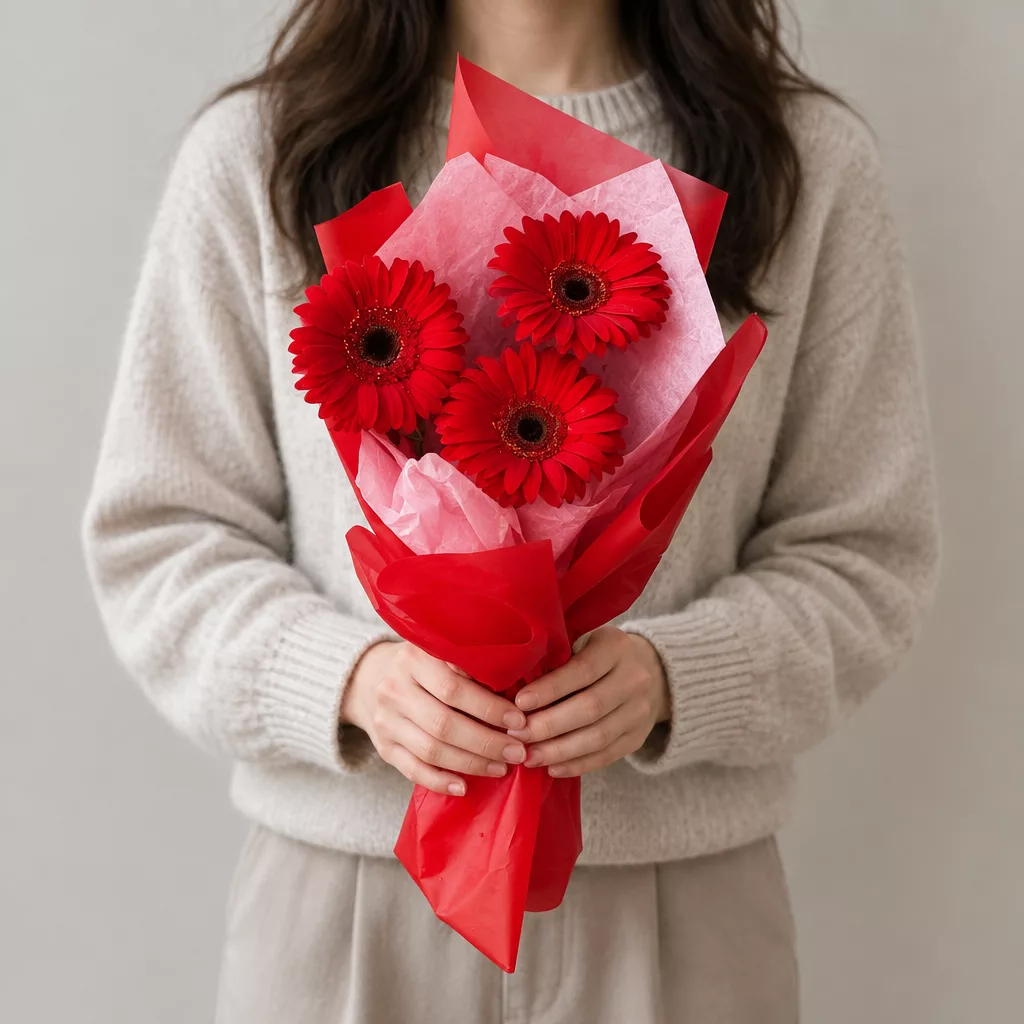
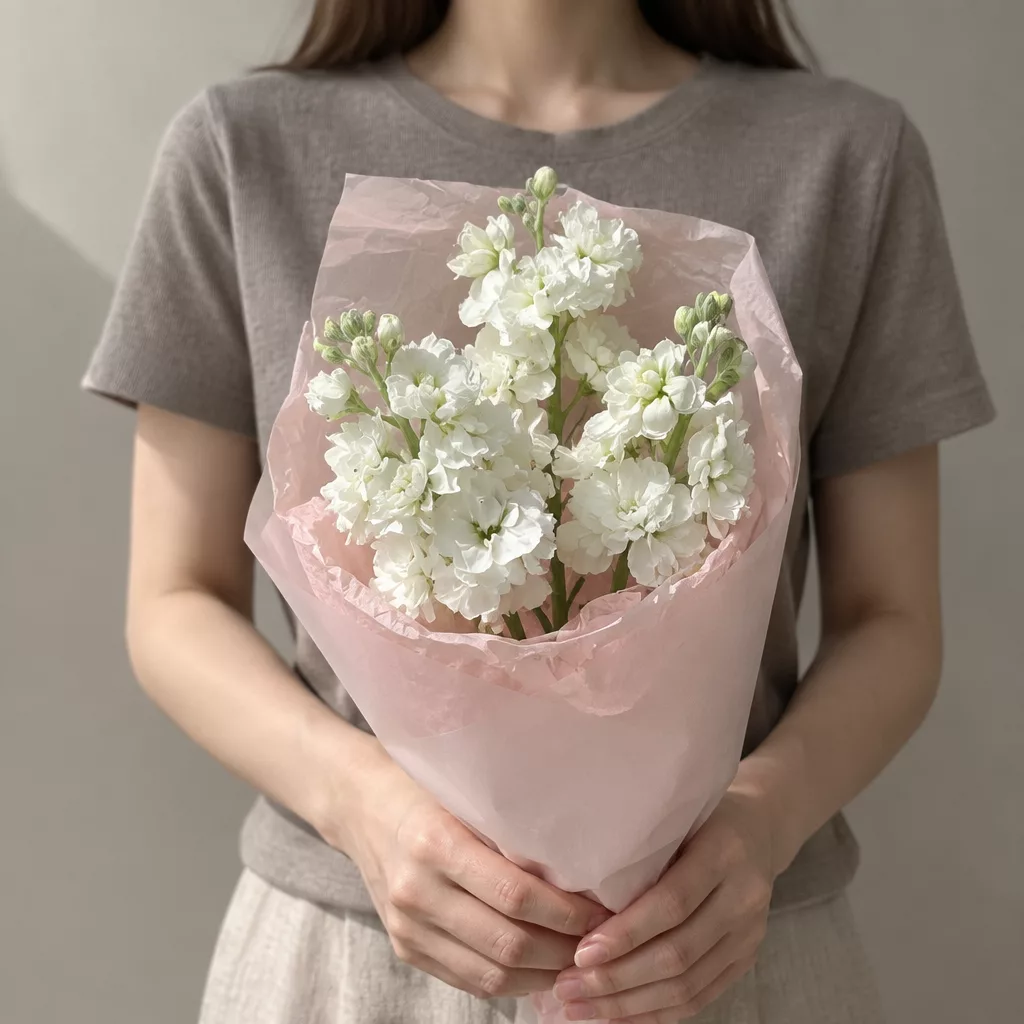
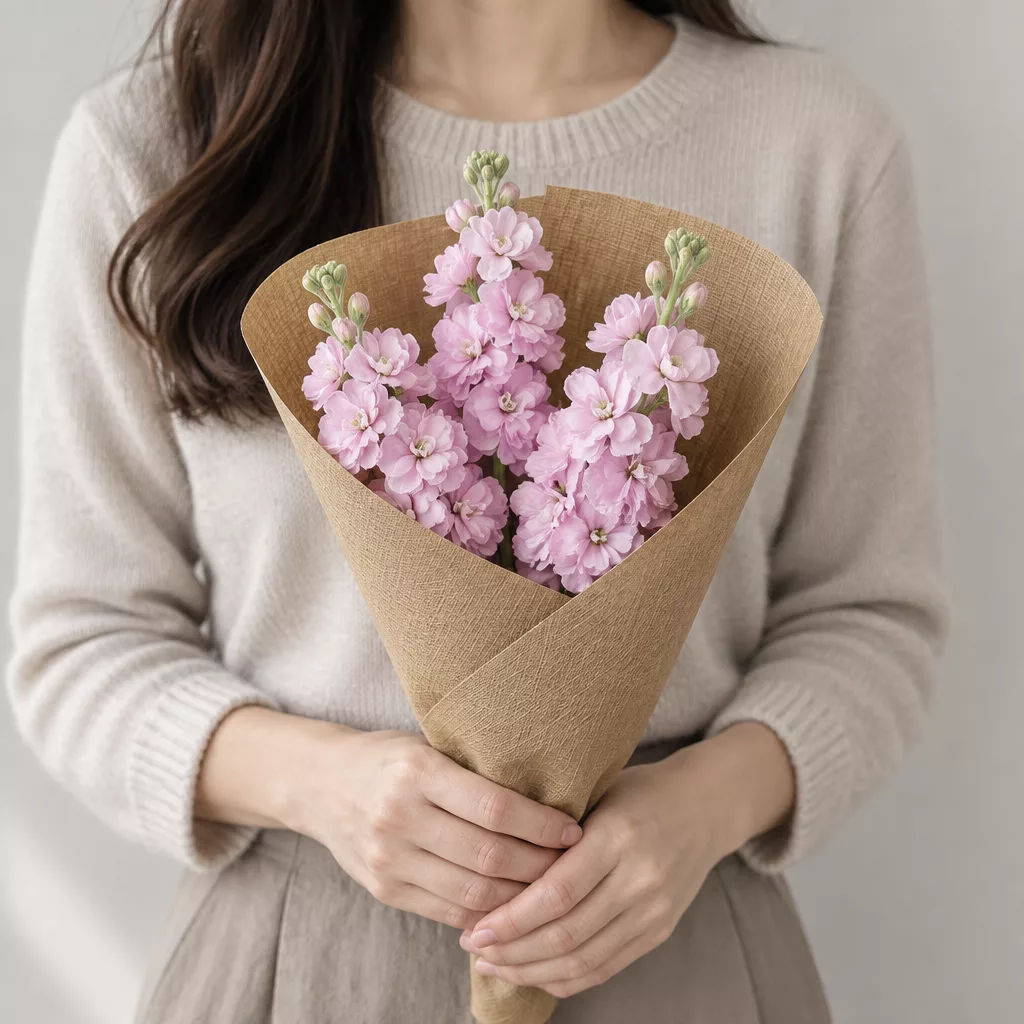
Bouquets we can deliver

Realistic Timing: What One to Two Hours Actually Means
When we say delivery within one to two hours, that window starts from the moment the bouquet is assembled and ready, not from the moment you click the button. Assembly itself takes fifteen to thirty minutes depending on the complexity of the arrangement. A hand-tied bouquet of tulips is faster to prepare than a structured arrangement with peonies, foliage layers and a decorative box. If you are ordering something elaborate, factor that into your timing.
For Novouralsk specifically, the checkpoint process adds a small buffer that does not exist in fully open cities. We account for this in our estimates, but if you are planning a surprise for a specific moment — a birthday dinner at seven in the evening, say — order at least three hours ahead rather than two. That extra hour is not wasted; it is the margin that turns a near-miss into a perfect delivery.
Time of day matters too. Midday orders on weekdays move quickly. Evening orders on Saturdays and the days before public holidays move more slowly everywhere in Russia, because demand peaks and roads get busier. Russian public holidays worth knowing if you are ordering from abroad: International Women's Day on the eighth of March is the single busiest day in the Russian flower calendar, far ahead of Valentine's Day. Order for that date at least two days in advance. The same applies to the twenty-third of February, which is Defender of the Fatherland Day — a popular occasion for sending flowers to men.
Choosing Flowers for the Person, Not Just the Occasion
The most common mistake people make when ordering remotely is choosing a bouquet that suits the occasion rather than the recipient. A formal arrangement of red roses is a safe choice, but safe is not always the most touching. Think about the person first: their age, their home, whether they tend to prefer soft romantic colours or something bold and graphic, whether they have mentioned any flower in conversation.
For a woman in her thirties or forties who keeps a modern apartment, a loose arrangement of white or blush peonies with eucalyptus reads as effortlessly stylish. For a younger recipient, something with bright ranunculus, anemones or garden spray roses in mixed colours feels more personal and less formal. For a man — and men in Russia do receive flowers, particularly on the twenty-third of February — a structured arrangement of protea, anthuriums or tropical foliage makes a strong impression without feeling awkward.
If you genuinely do not know the person's taste, single-variety bouquets are almost always a safe and elegant answer. A generous bunch of white or yellow tulips in spring, a mass of garden roses in summer, or a monochrome arrangement of chrysanthemums in autumn all look intentional rather than uncertain. Avoid mixing too many colours or varieties when ordering blind — a busy bouquet can look like a compromise rather than a choice. Trust one flower, choose a good quantity of it, and let the stem count do the work.
How Ural Temperatures Affect Your Bouquet
Novouralsk winters are serious. From November through March, outdoor temperatures regularly fall between minus fifteen and minus twenty-five Celsius, with occasional colder spells. Flowers do not tolerate freezing, and even a five-minute exposure to those temperatures without proper wrapping can damage petals, blacken the edges of tulips or cause rose petals to bruise and collapse within hours of arriving indoors.
Every bouquet we send in cold weather is wrapped in insulating kraft paper and placed in a thermal sleeve for transit. The wrapping is part of the presentation, not an afterthought, and it is designed to be opened by the recipient as part of the experience — the reveal of unwrapping a properly packaged bouquet is a small but real pleasure. Do not ask the courier to remove the packaging before handing it over; it is protecting the flowers until the last moment.
Summer in the Urals brings its own challenge: heat. July and August temperatures in Novouralsk can reach twenty-five to thirty Celsius, and a bouquet sitting in a warm car loses water quickly. Hydration before dispatch and fast delivery are the answers, and this is another reason why the one-to-two hour window matters in warm months just as much as in winter. If the recipient will not be home, ask a neighbour to take the bouquet in rather than leaving it in a hallway or on a doorstep in the sun.
What Flowers Travel Well to Novouralsk
Not every flower is equally suited to a long journey. When you are ordering from a city far away and the bouquet needs to be assembled locally and then delivered across a checkpoint, you want stems that hold their form and freshness under real conditions rather than ideal ones.
Roses are the classic choice for good reason: a properly conditioned rose bud will travel well, open gradually over several days, and last up to ten days in a vase with fresh water and a clean cut every two days. Chrysanthemums are even more robust and are underrated — modern varieties come in white, yellow, bronze, deep burgundy and pale pink, and a large-headed chrysanthemum arrangement looks genuinely impressive. Alstroemeria is another reliable traveller: the blooms are smaller and delicate-looking, but the stems are tough and the flowers last well.
Flowers that need more care in transit include sweet peas, which wilt quickly in heat; garden roses with very open blooms, which bruise easily; and lilac, which is beautiful but has a short vase life once cut. None of these are impossible to send, but if you are ordering for a special occasion and want the bouquet to look its best on arrival and still look good two days later, lean toward roses, chrysanthemums, alstroemeria, or a combination of carnations and foliage. Carnations in particular have a reputation they do not deserve — modern spray carnations in blush or deep red are elegant and last two weeks with basic care.
Vase Life and Care: What to Tell the Recipient
A beautiful bouquet that dies in three days is a disappointment, and most early deaths are preventable with simple steps. If the person receiving the flowers is not familiar with flower care — and many people are not — a short note tucked into the bouquet can make a real difference. We can add a care card, but you can also just text the recipient after delivery.
The basics: cut one to two centimetres off each stem at a diagonal angle, ideally under running water or in a bowl. This keeps the cut fresh and prevents an air bubble from blocking the stem. Use a clean vase — bacteria from a dirty vase will kill flowers faster than almost anything else. Change the water every two days and re-cut the stems each time. Keep the bouquet away from direct sunlight, radiators and fruit bowls. Ripening fruit releases ethylene gas, which accelerates petal drop, particularly in roses and carnations.
In Novouralsk homes, central heating runs from October through April and keeps interiors warm and dry. Dry air shortens vase life noticeably. If the recipient can place the bouquet in a cooler room at night — a hallway or an unheated bedroom — the flowers will last longer. This is a common practice in Russian households and not considered unusual. Tulips, which are popular in early spring, should be kept in cool water and will naturally turn toward the light, so rotate the vase every day for an even shape. They are not long-lasting flowers — five to seven days is realistic — but in that time they are among the most cheerful things you can put in a room.
Making the Moment Feel Personal from a Distance
Ordering flowers from far away carries a particular kind of care in it. The person you are sending to knows you thought about them from a distance, chose something, arranged delivery to a city you may never have visited. That intention is already meaningful. The bouquet is the physical form of it, and a few small decisions can make it feel much more personal.
A handwritten card matters more than people expect. In Russian culture, written words accompanying a gift carry real weight — a short, specific message is far more touching than a generic greeting. Instead of writing 'Happy Birthday', write something about the person: a shared memory, a quality you admire, a simple sentence about why you are thinking of them today. We can write this on a card and include it with the bouquet; just give us the text in your order notes.
The choice of wrapping and ribbon colour also signals thought. A blush pink bouquet in kraft paper with a dusty rose ribbon reads differently from the same flowers in white tissue with a gold ribbon. Think about what the recipient's home looks like, what colours they wear, what aesthetic they lean toward. These are small details, but a florist who pays attention to them produces something that feels chosen rather than ordered.
Finally, consider the timing of the delivery as part of the gift. A bouquet that arrives in the morning sets the tone for the whole day. An evening delivery can feel more intimate. If you know the recipient's schedule, use it. A surprise at the right moment is worth more than a perfect arrangement at the wrong one.
Novouralsk is a city that rewards careful planning when it comes to flower delivery — the checkpoint process, the Ural climate and the compact geography all shape how a bouquet gets there and what it looks like on arrival. None of these are obstacles; they are simply the conditions to understand and work with. Order with enough lead time, give us accurate address details, choose flowers that suit the person rather than just the occasion, and the distance between you and the recipient becomes invisible. What arrives is simply a thoughtful gift, fresh and well-presented, from someone who cared enough to make it happen.
Frequently asked questions
Does the courier need my recipient's full name to enter Novouralsk?
Yes, and this is the detail most people forget. Because Novouralsk is a closed administrative city, the courier must present identification at the checkpoint and the recipient's full name is required to clear entry. When you place the order, write the name exactly as it appears on official documents. A nickname or partial name can cause delays at the gate.
How long does the bouquet actually spend in transit once the courier is inside the city?
Not long. Once past the checkpoint, most addresses in the central mikrorayons, Avtomobilny district and the residential blocks near Lenin Street are a ten-to-fifteen minute drive apart. That short internal transit time is genuinely good news for delicate stems like ranunculus or garden roses, which show stress quickly when they spend too long in a warm car.
What should I include in the order comments to make sure delivery goes smoothly?
Add the building entrance code or intercom number if your recipient lives in an apartment block. Secured entrances are common in Novouralsk, and a courier standing outside in January temperatures that can fall below minus twenty Celsius loses time fast. A single line in the comments field covering the intercom number and floor removes the most common point of friction.
Which flower combinations hold up best if the bouquet needs to wait at the door for a short time?
Chrysanthemums paired with spray roses or alstroemeria handle a brief wait better than open garden roses or sweet peas. If you want something that still looks considered rather than purely practical, a compact arrangement of seasonal greenery with sturdy blooms like lisianthus keeps its shape and colour even after twenty or thirty minutes outside a secured entrance.
Can I order same-day if I am placing the order in the morning from another city?
Same-day delivery is possible if the order is confirmed early enough for the florist to assemble and dispatch before the afternoon. Keep in mind the one-to-two hour window begins from when the bouquet is ready, not from your click, and assembly takes fifteen to thirty minutes. Orders placed before midday Moscow time give the most reliable same-day result for Novouralsk addresses.
Ready to send flowers?
Pick the city, choose the bouquet, and a local florist takes it from there.
Choose a city →