Sending Flowers to Novozybkov? Here Is What to Expect
Novozybkov sits in the southwest of the Bryansk region, a city with its own pace and its own sense of occasion. When you want flowers to arrive there looking fresh, smelling right, and timed to the moment — whether it is a birthday table being set in the morning or a anniversary dinner that evening — the details matter more than most people expect. This article walks you through everything from how orders reach the city to which varieties survive the journey best and what the person receiving them should do in the first ten minutes.
Getting Flowers to Novozybkov: The Delivery Area Explained
Novozybkov is a compact city, and that works in your favour. The central streets, the residential districts around Prospect Pobedy, and the quieter neighbourhoods closer to the Iput river all fall within the standard delivery zone. You do not need to worry about whether a particular address is reachable — the city is covered as a whole rather than in pockets.
Delivery reaches Novozybkov from Saint Petersburg via a logistics chain that keeps flowers in temperature-controlled conditions for as much of the journey as possible. The goal is simple: the bouquet that leaves the workroom should look the same when it arrives at the door. Roses and spray chrysanthemums handle transit well when packed correctly. Gerberas and open peonies are more sensitive and benefit from being ordered with a same-day or next-morning window rather than a long overnight slot.
If you are ordering for a specific address outside the city centre — a private house on the outskirts, for example — it helps to include a phone number for the recipient so the courier can confirm the approach route. Novozybkov's outer streets are straightforward, but a quick call saves time on both sides. The address field should include the building number and, where relevant, the apartment number and entry code. Precise details mean the flowers arrive at the right door, not left at a neighbour's by mistake.
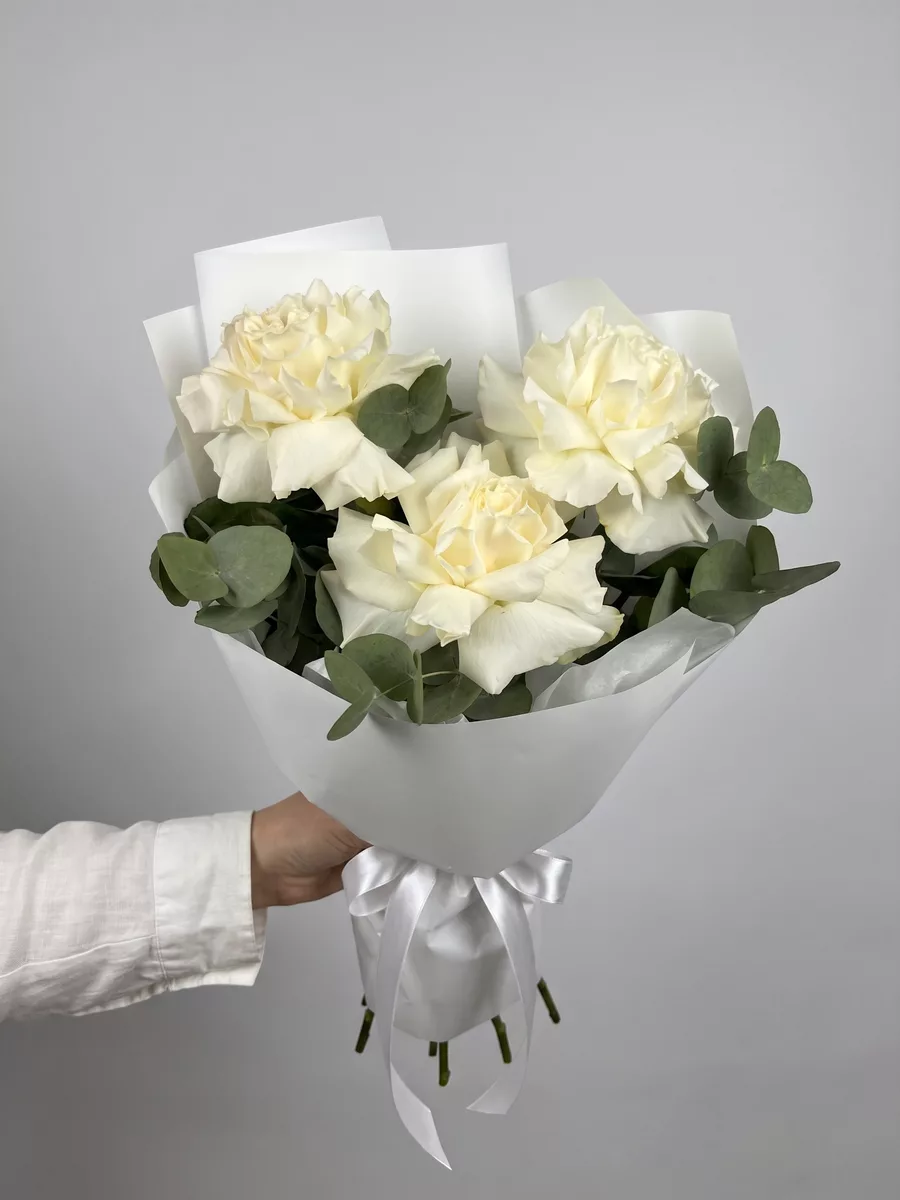
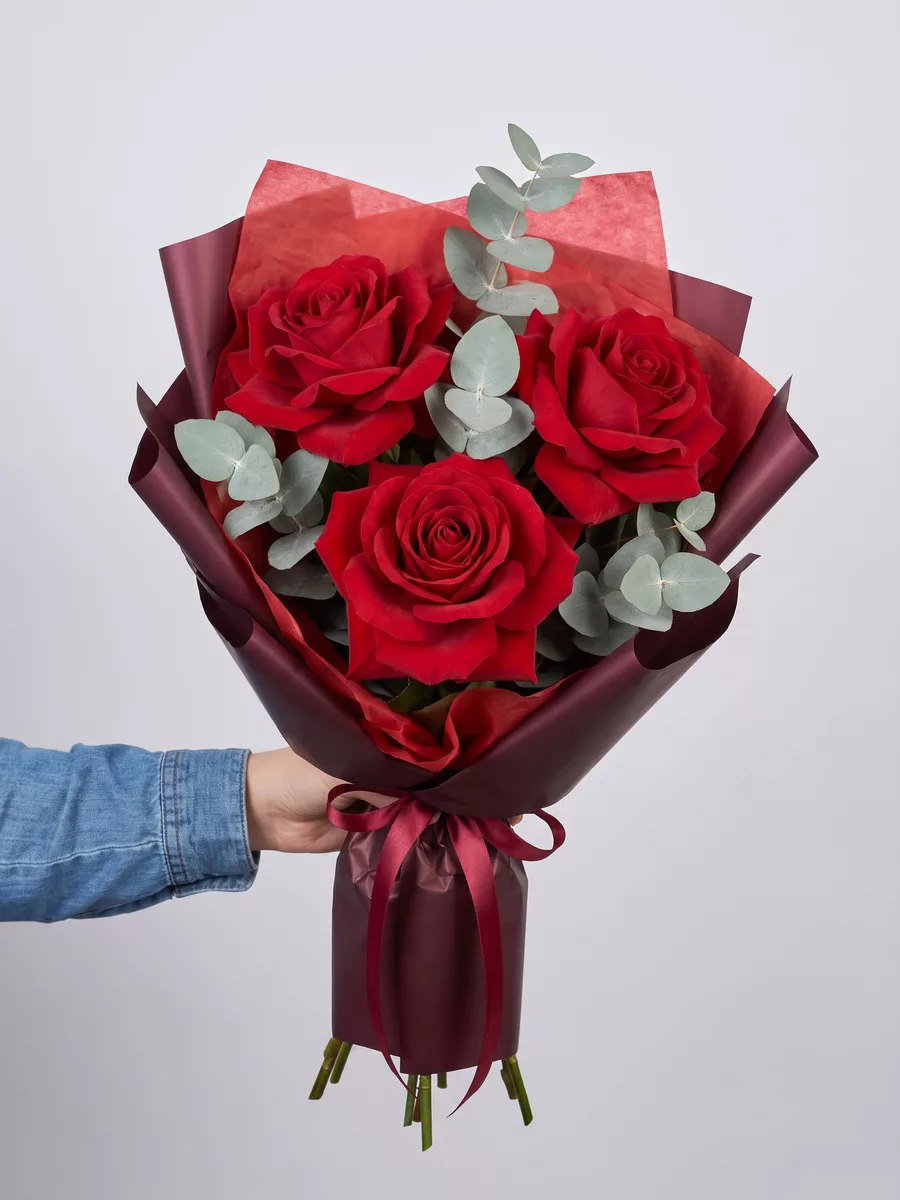
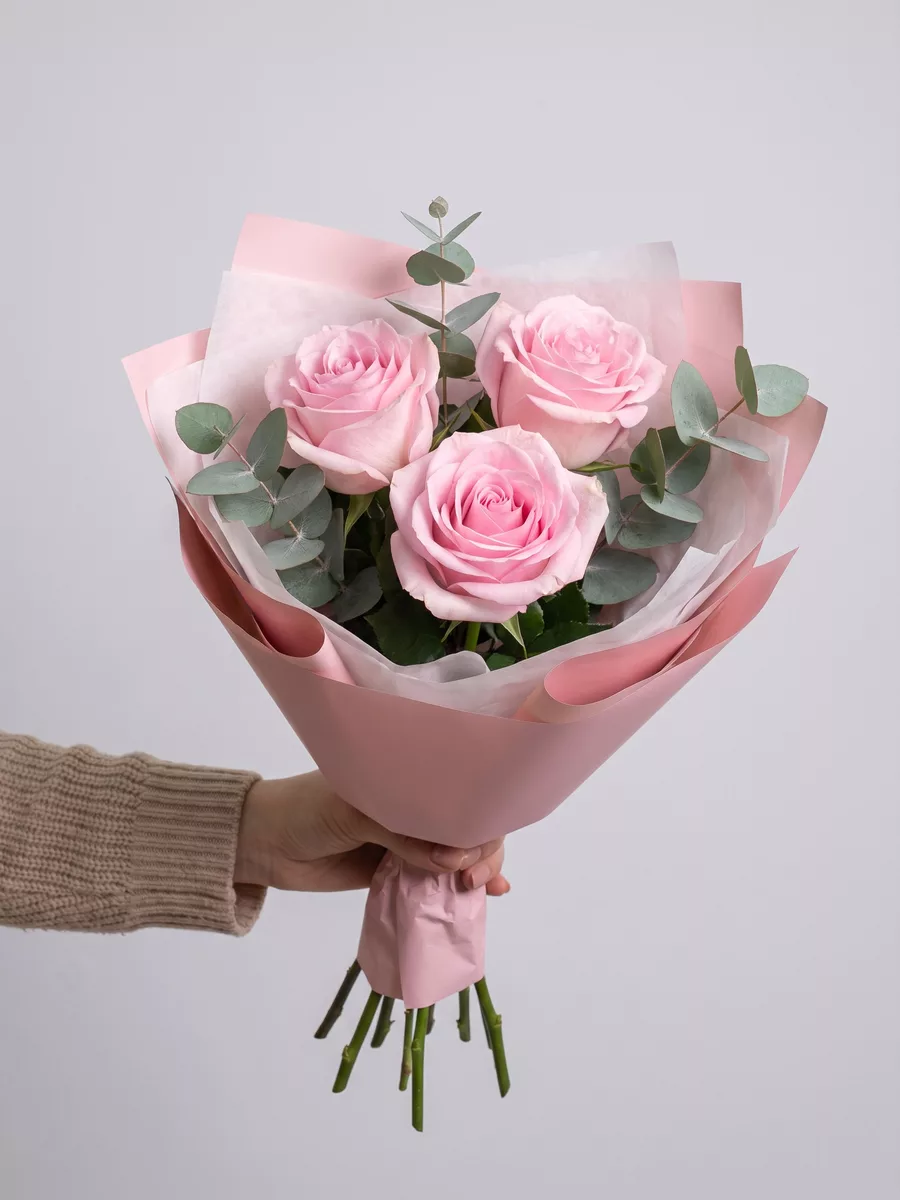
Bouquets we can deliver

Timing Your Order for the Moment That Counts
The timing of a flower delivery is almost as expressive as the flowers themselves. A bouquet that arrives at nine in the morning on a birthday says something completely different from one that appears at six in the evening. Think about what the recipient's day looks like — are they at home, at work, or out until the afternoon? That picture should guide your chosen delivery window more than anything else.
For Novozybkov, standard delivery windows run across the day in several slots. Morning deliveries work well for people who are at home and who you want to surprise before their day begins. Afternoon slots suit working recipients who will return home by mid-day or who have a lunch occasion. Evening windows fit dinner celebrations and the kind of moments that unfold slowly over a shared meal.
One thing experienced senders learn quickly: do not book the latest available slot if the occasion is time-sensitive. If the birthday dinner starts at seven, a six-thirty delivery window is too close. Choose one slot earlier and give yourself a comfortable margin. Flowers should be part of the atmosphere when the occasion begins, not an interruption to it.
Orders placed before noon typically have the widest choice of same-day windows. Orders placed in the afternoon can usually still reach Novozybkov the same day, but the available slots narrow. If you know the date in advance — a wedding anniversary, for instance — placing the order the day before gives you complete flexibility over the timing and the composition of the bouquet.
Choosing Flowers for the Person, Not Just the Occasion
The occasion tells you the register — celebratory, romantic, grateful, warm — but the person tells you the flower. A woman who keeps a tidy home with white walls and minimal furniture will likely feel more seen by a monochromatic bouquet of white ranunculus and eucalyptus than by a dense, colourful arrangement. Someone who loves her garden and talks about it often will appreciate something that looks as though it was gathered from the borders: lisianthus, sweet William, and a few stems of veronica.
For romantic occasions, red and deep-pink roses remain the clearest signal in Russian culture, and that holds in Novozybkov as it does anywhere else in the country. If you want something more personal and less expected, consider a bouquet of garden roses in blush or apricot tones — they carry the same warmth with a softer, more considered feeling. Combine them with white alstroemeria for volume, and the result is generous without being loud.
For birthdays, the number of flowers carries meaning in Russian tradition: always an odd number for a living recipient, and this is taken seriously. Bouquets of eleven, fifteen, or twenty-one stems are common. If you are unsure whether the recipient follows this custom, an odd-numbered arrangement is always the safer and more respectful choice.
For gratitude or friendship — a thank-you to a colleague, a welcome gift for a new neighbour — yellow tulips, orange gerberas, or a mixed seasonal arrangement feel appropriate without the weight of romantic symbolism. Bright, uncomplicated, and genuinely cheerful.
What Seasonal Availability Means for Your Bouquet in Practice
Flowers in Russia follow the calendar more honestly than many buyers expect. In winter and early spring, the range leans on what travels well from greenhouse growers and what holds up in cold transit: roses, carnations, chrysanthemums, and tulips from February onward. These are not second-best choices — a well-grown Dutch rose in January is a beautiful thing, and spray carnations in mixed colours have a cheerful density that works well in cold-weather bouquets.
From April into May, tulips peak and ranunculus become available in good quality. Late spring and early summer bring lisianthus, alstroemeria in fuller colour ranges, and the first peonies — which arrive for a short window and are worth ordering when they are there. Summer opens up the most varied palette: sunflowers, gerberas, statice, and garden-style arrangements that feel genuinely seasonal rather than forced.
Autumn in Novozybkov means chrysanthemums come into their best moment. The large-headed varieties hold for ten days or more in a vase, which makes them a practical as well as beautiful choice for someone who will be at home to enjoy them. Dahlias, where available, add a richness of texture that suits the season.
The practical point for ordering: if you have a specific flower in mind — say, white peonies or yellow tulips — check availability before you build the whole bouquet around them. A florist can almost always suggest a variety that achieves the same feeling with what is genuinely fresh that week. That substitution usually produces a better result than insisting on something that arrived three days ago.
Temperature, Packaging, and the Journey to the Door
Flowers are living things, and temperature is the single biggest factor in how they arrive. In summer, when Novozybkov can reach thirty degrees and above, delicate open blooms — gerberas, open roses, ranunculus — are at genuine risk if they sit in a warm vehicle for more than an hour. The packaging used for transit matters: bouquets should be wrapped in a way that protects the heads from pressure and allows some air circulation rather than trapping heat.
In winter, the risk runs the other way. A bouquet carried from a warm car into minus-fifteen air and then back into a warm hallway goes through a thermal shock that can spot petals and soften stems. The solution is not complicated: the recipient should let the bouquet rest in a cool room for ten to fifteen minutes before unwrapping it, rather than opening it immediately in a heated space. This small pause makes a real difference to how the flowers settle.
Spring and autumn, when temperatures in the Bryansk region swing widely between morning and afternoon, call for the most careful timing. A morning delivery on a cool spring day is ideal. An afternoon delivery in late September, when the sun is still warm, is fine for robust varieties like chrysanthemums and roses but less ideal for open ranunculus.
Packaging for Novozybkov deliveries accounts for the journey. Bouquets are wrapped to protect the stems in water-retaining material for transit and to shield the heads from movement. When the package arrives, the stems should still feel cool and slightly damp — that is the sign that the cold chain held.
First Ten Minutes: What the Recipient Should Do
Most flowers that die early do so because of what happens in the first hour after delivery, not because of anything wrong with the flowers themselves. The single most important step is cutting the stems. A diagonal cut of about two centimetres, made with a sharp knife rather than scissors, opens up the vascular tissue properly and lets the stem drink. Scissors crush the tissue and reduce water uptake significantly — this is a common mistake and an easy one to avoid.
The water in the vase should be cool and clean. Room-temperature water is fine; cold water from the tap is ideal. Warm water accelerates the opening of buds, which sounds appealing but shortens the vase life. If a sachet of flower food came with the bouquet, dissolve it in the water before placing the stems. These sachets contain a mild biocide and a sugar source — they genuinely extend vase life by several days.
Remove any leaves that will sit below the waterline. Leaves submerged in water rot quickly and introduce bacteria that block the stems. Even two or three leaves left underwater can noticeably shorten the life of the whole bouquet.
Place the vase away from direct sunlight, radiators, and fruit bowls. Ripening fruit releases ethylene gas, which accelerates the ageing of flowers — especially roses and carnations. A cool spot with indirect light is the best position. Change the water every two days and re-cut the stems each time. Following these steps, a well-made bouquet of roses or chrysanthemums should last seven to ten days in a Novozybkov home, even in centrally heated winter conditions.
Making the Order Personal: Notes, Timing, and Small Touches
A card message is one of the most underused parts of a flower order. In Russian culture, written words accompanying a gift carry real weight — they are kept, re-read, and remembered long after the flowers have faded. A few honest sentences written specifically for the person land far better than a generic phrase. If you are ordering from abroad or from another city and Russian is not your first language, writing in your own language is perfectly fine — the sincerity comes through regardless.
If the recipient is not expecting a delivery, a surprise arrival works best when someone is home. It is worth thinking about whether to give a small hint — not about the flowers themselves, but about being available at a certain time. This is especially relevant in Novozybkov's residential areas where some buildings require a door code or an intercom answer. A missed delivery is a disappointment for everyone, and a small nudge prevents it.
For significant occasions — a milestone birthday, a long-awaited reunion — consider adding something to accompany the flowers. A box of chocolates, a small plant, or a candle changes the arrival from a bouquet to a moment. These additions are noted in the order and packed together so everything arrives as one.
Finally, if you are ordering regularly for the same person, keep a note of what they responded to most warmly. Someone who lit up at white tulips in March will likely feel the same about white ranunculus in November. Building that knowledge over time turns flower-giving from a transaction into something that genuinely reflects the relationship.
Novozybkov is a city where a well-timed, well-chosen bouquet can do a great deal. The distance from Saint Petersburg is not a barrier when the logistics are handled properly and the flowers are packed for the journey. What matters most is the thought behind the order — the right variety for the season, the right timing for the person, and the small details that make an arrival feel considered rather than routine. Whether you are sending flowers for a birthday, an anniversary, or simply because someone deserves them, the approach is the same: start from the person, choose for the moment, and trust that fresh flowers, properly cared for, will do the rest.
Frequently asked questions
Can flowers really arrive fresh after travelling to Novozybkov from Saint Petersburg?
Yes, when stems are properly hydrated before packing and bouquets are kept in temperature-controlled conditions during transit. Robust varieties like roses, chrysanthemums, and alstroemeria handle the journey particularly well. Delicate open blooms such as peonies or ranunculus are best ordered for morning delivery windows when temperatures are cooler and transit time is shortest.
What is the earliest I can schedule a delivery in Novozybkov?
Morning delivery windows typically begin around nine o'clock. If you want a very early arrival — to catch someone before they leave for work or to have flowers on the table at breakfast — place the order the evening before and select the first available morning slot. Same-day morning delivery is possible when the order is placed before midnight the previous day.
Is it true that flowers in Russia should always come in odd numbers?
This is a genuine and widely observed custom. Even numbers of flowers are associated with mourning occasions, so for any celebratory or affectionate gift, an odd number is strongly preferred. Bouquets of seven, eleven, fifteen, or twenty-one stems are all common choices. If you are unsure, simply request an odd-numbered arrangement and the florist will compose accordingly.
What happens if the recipient is not home when the delivery arrives?
The courier will attempt to contact the recipient by phone. This is why a working mobile number for the recipient is important when placing the order. If nobody can be reached, the courier will follow up to arrange a second attempt or an alternative drop point. Including a building entry code in the address notes helps avoid delays in apartment buildings.
Which flowers last the longest in a vase if the recipient is away for a few days after delivery?
Chrysanthemums, carnations, and alstroemeria are the most resilient choices for vase life, regularly lasting ten days or more with basic care. Spray chrysanthemums in particular are excellent for recipients who travel or who may not change the water daily. Avoid open gerberas or fully open roses if the recipient will not be home to tend the bouquet within the first day.
Ready to send flowers?
Pick the city, choose the bouquet, and a local florist takes it from there.
Choose a city →