Flower Delivery in Nyazepetrovsk: Timing, Options and What Arrives
You have someone in Nyazepetrovsk worth surprising — a birthday, an anniversary, a quiet thank-you that deserves more than a message. The question is not whether flowers can reach them, but what actually shows up at the door, how fresh it is, and whether the timing holds. This article answers all of that plainly, so you can order with confidence and they can open the door to something genuinely beautiful.
Where in Nyazepetrovsk We Deliver and How the Route Works
Nyazepetrovsk sits in the Chelyabinsk Oblast, a compact town where most residential addresses fall within a manageable delivery radius. We cover the central districts, the residential mikrorayons along the main streets, and the private housing areas on the outskirts. If you are unsure whether a specific address qualifies, the checkout process will confirm it before you pay anything.
Because Nyazepetrovsk is not a large city, most deliveries travel a shorter internal distance once the bouquet arrives in the region. That means less time in transit and a better chance the roses or tulips reach your recipient looking the way they looked when they were wrapped. Flowers do not like long car journeys in fluctuating temperatures, and a shorter last mile is always a genuine advantage.
When you enter the address, include the apartment number, entry code if there is one, and a contact phone number for the recipient. Russian apartment buildings often have intercom systems and locked entry doors, so a working number prevents the courier from waiting outside in the cold. If the recipient is at work, a workplace address in the town centre is equally valid and sometimes easier to coordinate. The courier will call ahead when they are close, giving your recipient a few minutes to come to the door rather than being caught off guard.
Bouquets we can deliver
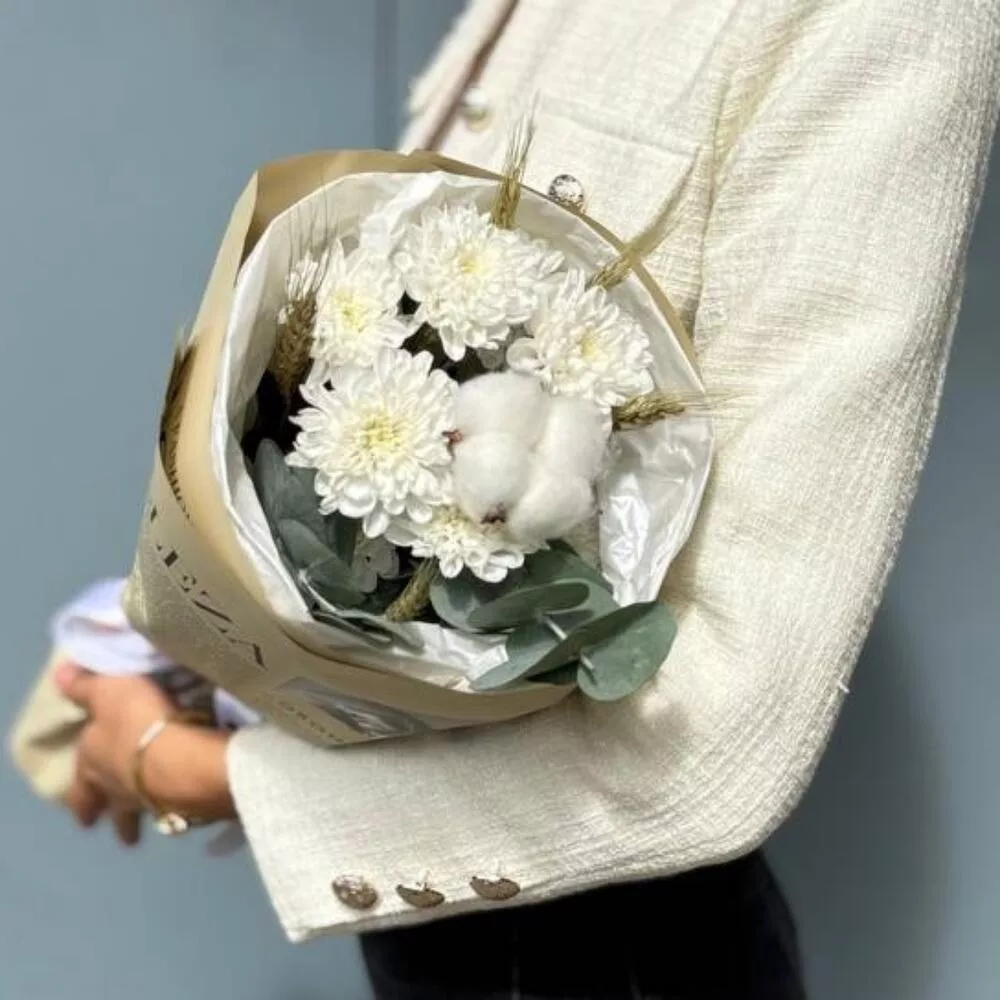
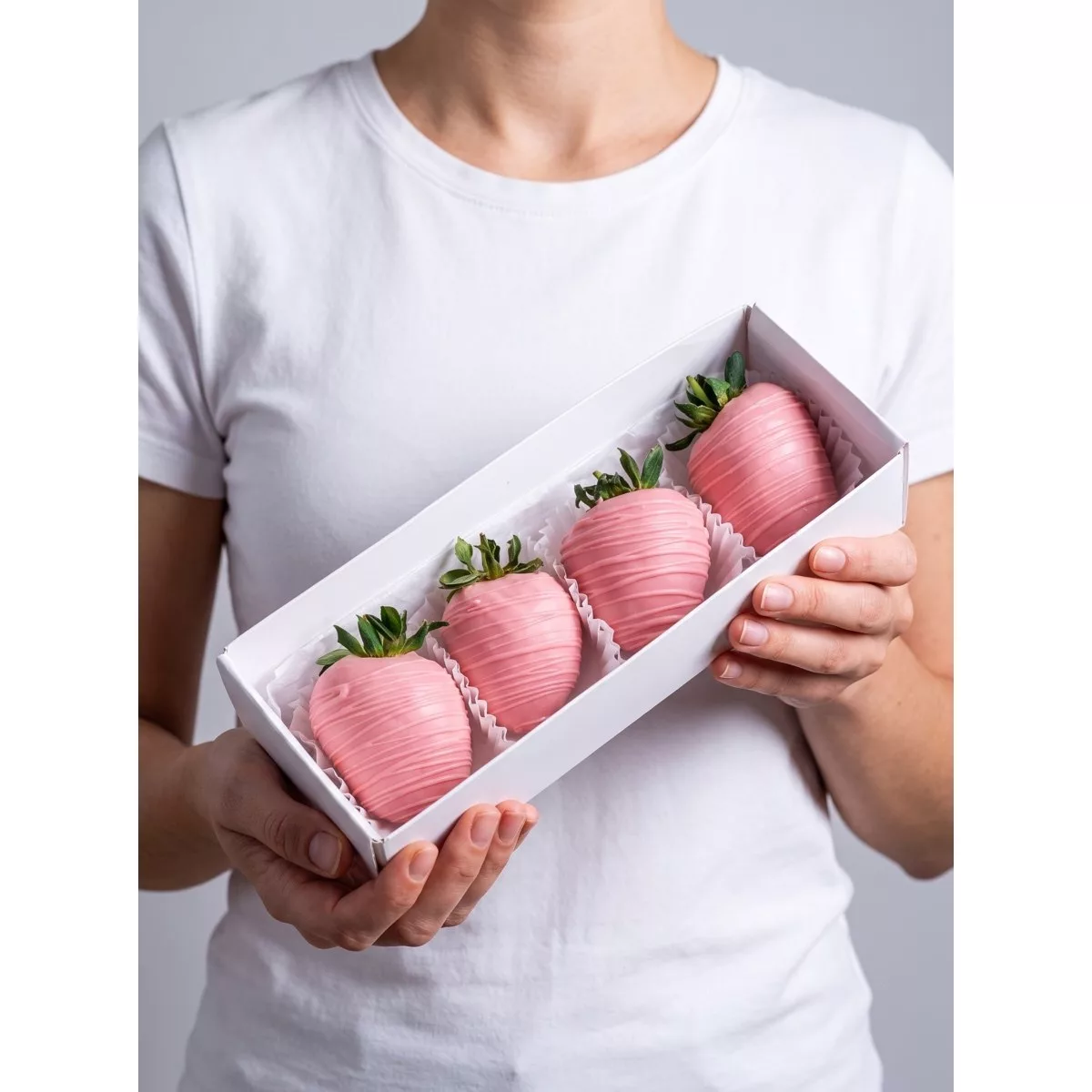

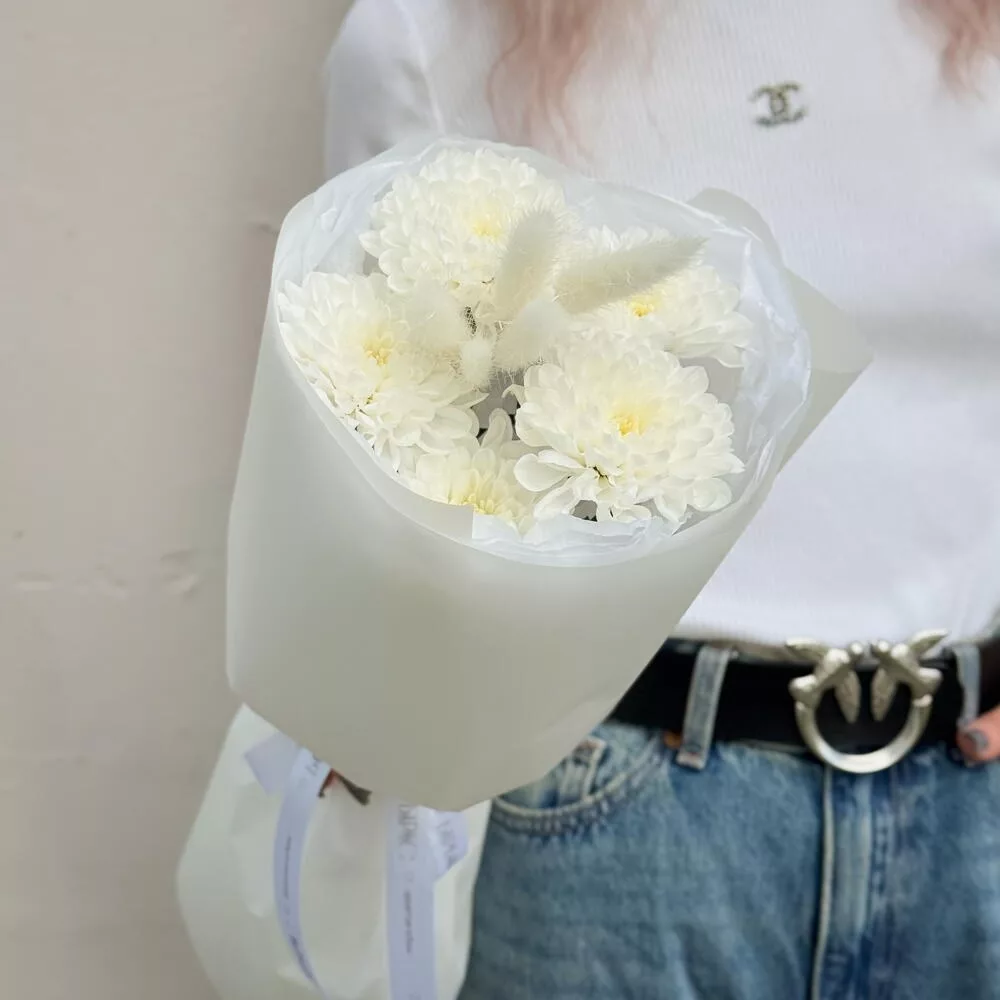
Realistic Timing: What Same-Day Delivery Actually Means Here
Turboflora works on a one-to-two-hour delivery window across Russia, and Nyazepetrovsk follows that same standard. When you place an order before midday, same-day delivery is straightforward for most addresses. Orders placed in the afternoon can still arrive the same day depending on the time slot you select at checkout. Evening deliveries, typically up to around nine or ten in the evening, are available and popular for birthday surprises after work.
What affects timing most is not the distance but the preparation stage. Each bouquet is assembled fresh after your order is confirmed, not pulled from a shelf. Seasonal flowers like spray roses, alstroemeria and chrysanthemums are cut and conditioned before wrapping, which takes time but means the arrangement arrives hydrated rather than already stressed. Rushing that stage is what causes bouquets to droop within a day, and we do not cut corners there.
If you are ordering for a specific moment — the end of a dinner, the start of a celebration — choose a one-hour delivery window and place the order at least ninety minutes before that moment. Build in a small buffer. Traffic, building access and the time it takes someone to actually open the door all add minutes. A bouquet that arrives fifteen minutes early is charming. One that arrives during the toast is awkward. Plan a little ahead and the timing will feel effortless from the recipient's side.
Choosing the Right Flowers for the Occasion and the Person
Start with the recipient, not the flower. A woman who keeps a tidy, minimal home will appreciate a monochrome bouquet of white lisianthus or cream ranunculus more than a large mixed arrangement in five colours. Someone who loves bold gestures responds to deep-red garden roses, burgundy dahlias in season, or a generous armful of sunflowers that fills the room. Think about their personality before you think about the occasion.
For birthdays, volume and warmth work well. Combinations of peony-shaped spray roses with eucalyptus and seasonal greenery feel generous without looking cluttered. For a romantic occasion, single-variety bouquets — all roses, all peonies when in season, or all tulips in spring — carry more emotional weight than mixed arrangements. There is something direct and certain about a bouquet that commits entirely to one flower.
For a thank-you or a congratulation with no romantic dimension, mixed seasonal bouquets are the most versatile. Alstroemeria lasts exceptionally well in a vase, often ten days or more, which means your gesture stays visible in their home long after the day itself. Chrysanthemums are underrated for the same reason — they hold their shape and colour reliably and come in a wide range of tones from pale yellow to deep plum. Avoid choosing purely by what looks impressive in a photo. Choose by what will make sense to the person holding it.
Budget Ranges and What Each One Actually Gets You
Flower budgets fall into three practical bands, and each one produces a genuinely different result. At the lower end, you are working with a single flower type — tulips, standard carnations, or alstroemeria — in a modest quantity. This is not a lesser gift. A tight bundle of twelve white tulips with a sprig of ruscus is clean, elegant and entirely appropriate for a colleague or a casual thank-you. The presentation does the work when the selection is simple.
The middle range opens up combinations. You can pair spray roses with waxflower, or mix seasonal stems in two or three complementary tones. This is where most birthday and anniversary orders land, and rightly so. The bouquet has enough variety to feel considered without becoming visually busy. A good florist uses this budget to add one interesting element — a stem of ornamental cotton, a branch of hypericum berries, a few fronds of soft fern — that lifts the whole arrangement.
At the upper end, you are buying volume and premium varieties. Garden roses with larger heads, peonies when the season allows, or imported varieties like protea or hellebore if available. These bouquets make an impression before they are even unwrapped, because the sheer size and density of the arrangement signals effort. If you are celebrating something significant — a major birthday, a long-awaited achievement — this range matches the scale of the moment. Do not spend at this level for a routine occasion, though. The contrast between gift and occasion matters, and restraint at the right moment is its own kind of elegance.
Packaging for a Siberian-Adjacent Climate: Why It Matters
The Chelyabinsk Oblast experiences serious winters, and Nyazepetrovsk is no exception. Temperatures in January and February regularly drop well below minus fifteen degrees Celsius, and even October and March can surprise with frost. Flowers are living things with a very narrow comfort zone, and cold air damages petals faster than most people realise. A rose exposed to minus ten degrees for even a few minutes will show bruising and translucent patches on the outer petals within hours.
For this reason, cold-season orders are wrapped in thermal packaging — insulating layers that hold a stable temperature around the bouquet during transit. This is not decorative. It is the difference between flowers that open beautifully over the next three days and flowers that collapse by evening. When you receive a bouquet in winter that feels slightly warm inside its wrapping, that is intentional.
In summer, the challenge reverses. Heat above thirty degrees stresses flowers differently — it accelerates dehydration and causes ethylene gas to build up, which ages blooms rapidly. Summer packaging includes moisture retention at the stem ends and, where possible, delivery is timed to avoid the hottest part of the afternoon. If your recipient is not home during the day, a morning delivery slot in summer is a genuinely better choice than an afternoon one. These are not small details. They are what separates a bouquet that lasts from one that disappoints by the next morning.
What to Tell the Recipient So the Flowers Last Longer
Most flowers arrive in good condition and then decline faster than they should because of what happens in the first thirty minutes after unwrapping. The single most important step is getting the stems into water quickly. Cut about two centimetres off each stem at an angle with a sharp knife — not scissors, which crush the vascular tissue — and place them immediately in a clean vase with cool, fresh water. Do not let them sit on a table while someone finds a vase and searches for scissors.
Tulips and roses benefit from a vase that is not too deep. About ten to twelve centimetres of water is enough. Filling the vase to the brim encourages stem rot and actually shortens vase life. Change the water every two days, recut the stems each time, and keep the bouquet away from direct sunlight, radiators and fruit bowls. Ripening fruit releases ethylene gas, which accelerates petal drop — this is a common reason bouquets fade faster than expected.
Alstroemeria and chrysanthemums are the most forgiving. They tolerate a little neglect and still last well over a week. Roses and ranunculus need more attention but reward it. Tulips are brief — five to seven days is realistic — but they move and grow in the vase in a way that other flowers do not, turning toward light and opening slowly, which makes them feel alive in a room. Tell your recipient these things in the card message or a voice note, and the gift keeps giving for days rather than hours.
Russian Flower Customs Worth Knowing Before You Order
If you are sending flowers to Russia for the first time, a few customs are worth understanding so nothing feels confusing. The most important one is the odd-number rule. In Russia, even numbers of flowers are traditionally associated with mourning and are brought to cemeteries. When you order a bouquet, it will automatically be composed with an odd number of stems — three, five, seven, eleven, fifteen and so on. This is not superstition for its own sake; it is a deeply embedded social norm, and receiving an even-numbered bouquet would feel uncomfortable to most Russian recipients even if they could not immediately explain why.
Birthday flowers in Russia are typically given on the day itself, not before. Giving flowers early is considered bad luck by many people, so if you are ordering for a birthday, match the delivery date to the actual birthday rather than the day before. This matters more to some people than others, but when in doubt, match the date.
White flowers carry no negative meaning in Russia — they are used freely for celebrations and are not associated with mourning the way they sometimes are in other cultures. Yellow flowers have a mixed reputation in older generations, sometimes linked to separation or bad luck, though younger recipients generally do not hold this view. If you are unsure of the recipient's age or sensibility, a mixed bouquet with only a small proportion of yellow is a safe middle ground. These customs are easy to navigate once you know them, and knowing them means your gift lands exactly as intended.
Sending flowers to Nyazepetrovsk is straightforward when you know what to expect at each stage — the timing, the packaging for the climate, the right variety for the person, and the small customs that make a Russian recipient feel genuinely seen. A bouquet is not just the flowers inside the wrapping. It is the moment of opening the door, the smell that fills the hallway, and the vase that sits on the table for the next week reminding someone that they were thought of. Get the details right and that feeling lasts far longer than the flowers themselves.
Frequently asked questions
Can I order flowers for delivery in Nyazepetrovsk the same day?
Yes, same-day delivery is available for orders placed before midday with confidence, and often works for afternoon orders depending on the time slot you choose. Evening deliveries up to around nine or ten in the evening are also possible. Select your preferred window at checkout and the system will confirm availability for your address before you complete the order.
Why do Russian bouquets always have an odd number of flowers?
In Russia, even numbers of flowers are traditionally associated with mourning and are placed at graves. An odd number is the standard for any celebratory or affectionate occasion. Every bouquet from Turboflora is composed with an odd stem count automatically, so you do not need to think about this — it is handled as a matter of course.
How are flowers protected from the cold during winter delivery in Nyazepetrovsk?
Bouquets are wrapped in thermal insulating packaging during cold months to maintain a stable temperature around the stems and petals during transit. Even brief exposure to severe frost can cause petal bruising, so this packaging is a practical necessity rather than a decorative choice. Orders placed in winter automatically receive appropriate cold-weather wrapping.
Which flowers last the longest in a vase after delivery?
Alstroemeria and chrysanthemums consistently offer the longest vase life, often lasting ten days or more with basic care. Spray roses and lisianthus are also reliable at seven to ten days. Tulips are shorter at five to seven days but behave beautifully in a vase, opening gradually and moving toward light. Recutting stems and changing water every two days extends any variety significantly.
Is it acceptable to send yellow flowers to someone in Russia?
Younger recipients generally have no issue with yellow flowers, and mixed bouquets including yellow tones are common and well received. Some older generations associate yellow flowers with parting or bad luck, so if you are unsure of the recipient's sensibility, a bouquet where yellow is one accent among other colours rather than the dominant tone is a comfortable middle ground.
Ready to send flowers?
Pick the city, choose the bouquet, and a local florist takes it from there.
Choose a city →