Sending Flowers to Ob: Timing, Coverage and What to Expect
Ob is a compact city sitting just west of Tolmachevo Airport, and it has the kind of close-knit feel where a bouquet arriving at someone's door genuinely turns a day around. Whether you are in Saint Petersburg sending congratulations to a colleague who just moved there, or you are local and want flowers delivered across town within the hour, the practical details matter as much as the flowers themselves. This guide walks you through coverage, timing, what happens to roses and tulips in Ob's climate, and how to choose an arrangement that actually suits the person receiving it.
Which Parts of Ob We Reach and How Quickly
Ob is administratively part of Novosibirsk Oblast, and its street grid is relatively straightforward — the central residential blocks around Tsentralnaya and Molodezhnaya streets, the districts closer to the airport perimeter, and the newer housing developments along the eastern edge of the city. We deliver across all of these zones, and in most cases the courier is at the door within one to two hours of the order being confirmed.
The airport proximity does create one practical consideration. Some addresses near the airfield buffer zone require the courier to navigate access roads that add a few minutes to the route. If you are sending to one of those addresses, adding a fifteen-minute buffer to your chosen delivery window is a sensible habit.
For same-day delivery, orders placed before early afternoon are the most comfortable to fulfill. Evening deliveries are possible and popular for birthday surprises, but the later the order, the narrower the window for the florist to select the freshest stems from that day's stock. Ordering by midday means the arrangement is made at peak freshness rather than from whatever remains at the end of a busy day. That difference shows in how the bouquet looks when it arrives and how many days it lasts afterward.
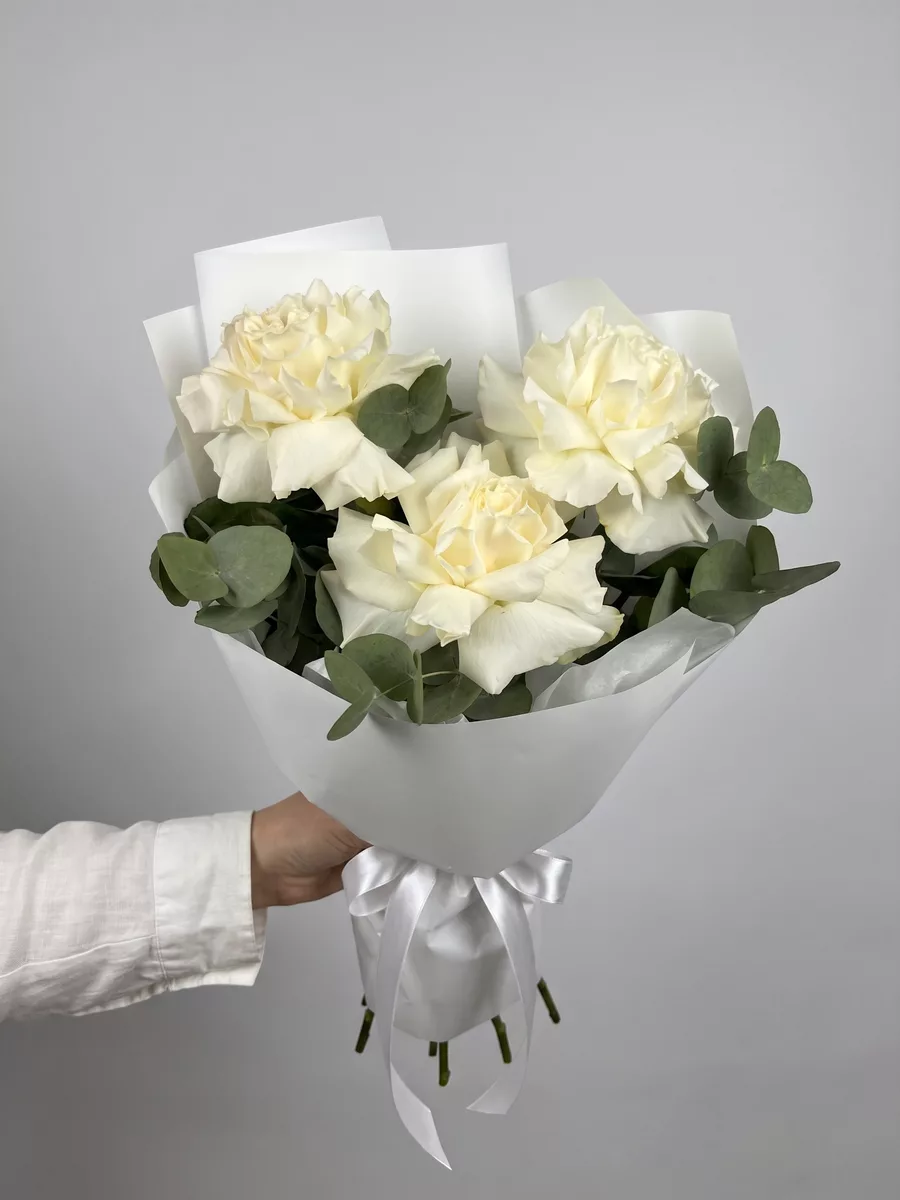
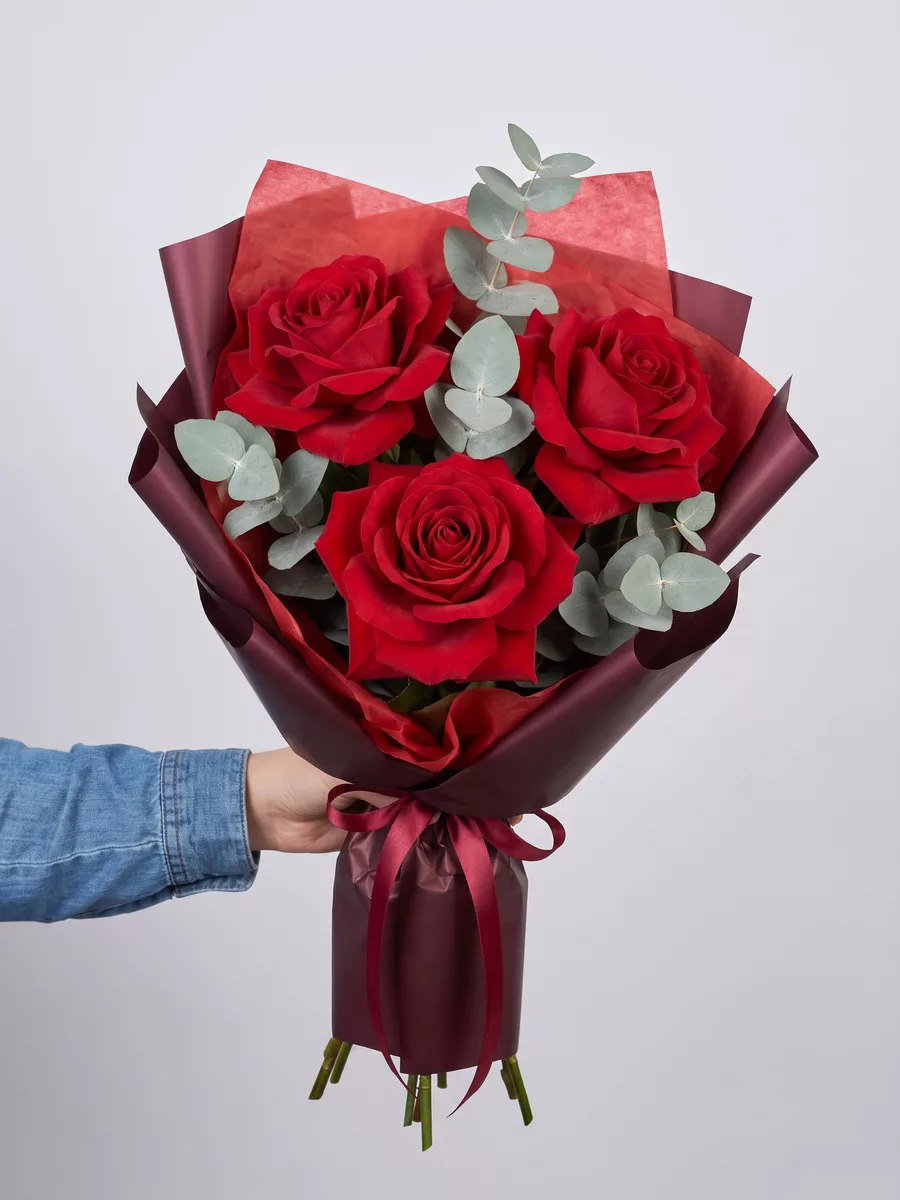
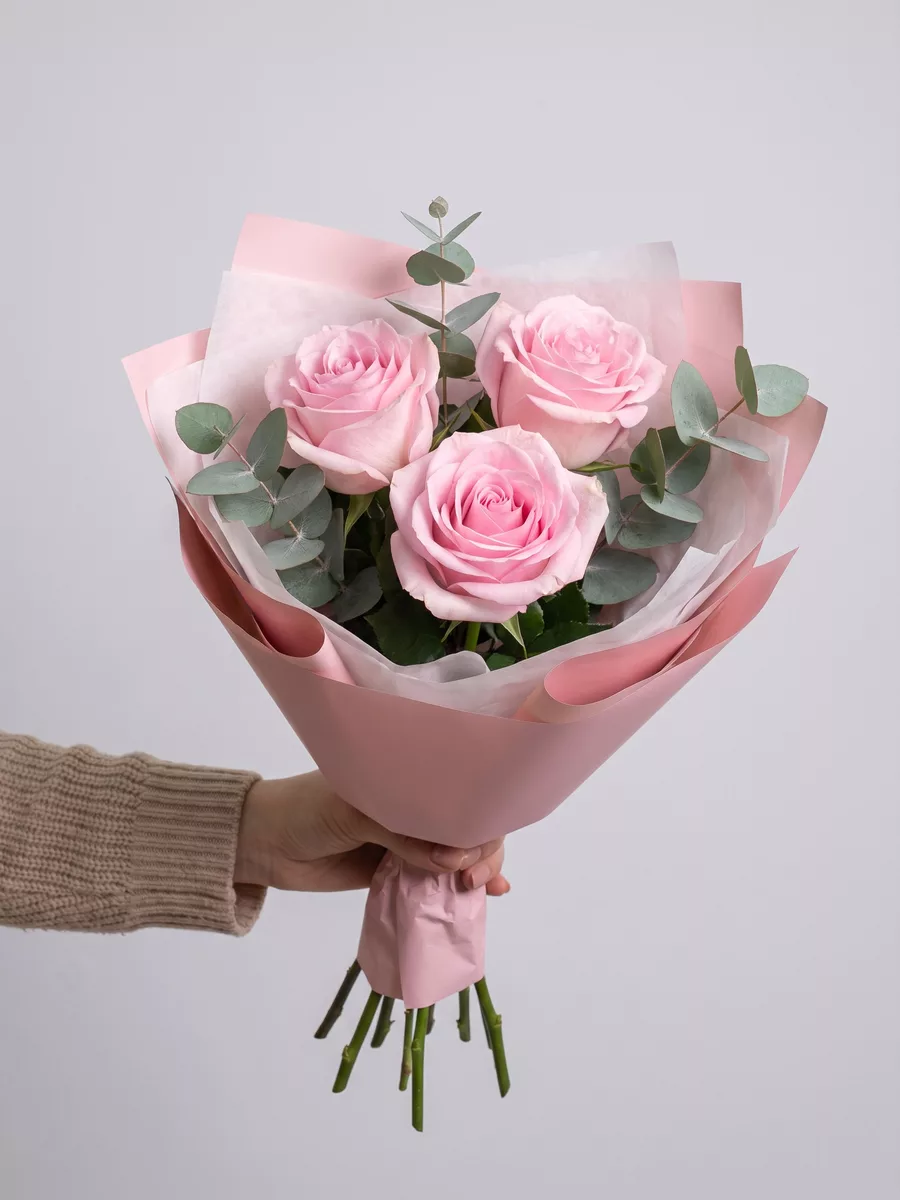
Bouquets we can deliver

What the Ob Climate Does to Fresh Flowers — and How We Handle It
Ob sits in the West Siberian Plain, which means temperature swings that would alarm a florist used to milder European conditions. Winters regularly drop below minus twenty Celsius, and even a five-minute walk from a warm car to a front door can stress flowers that were cut in a heated greenhouse that morning.
Delicate varieties feel this most acutely. Hydrangeas and open garden roses lose turgor quickly when exposed to sharp cold, and the petals of double-flowered tulips can bruise if they freeze even briefly. For winter deliveries we wrap arrangements in several layers of kraft and insulating sleeve, and the courier keeps the vehicle heated throughout the route. The flowers travel in a protected environment, not in an open boot.
Summer in Ob brings the opposite challenge. July and August afternoons can reach thirty degrees, and direct sun through a car window will wilt spray roses and freesias within twenty minutes. Deliveries during hot afternoons are timed to avoid the peak heat of the day when possible, and hydration packs are used in the base of arrangements to keep stems drinking during transit.
Spring and autumn are the most comfortable seasons for flower transport here — temperatures between five and fifteen degrees are close to ideal for most cut flowers, and you can expect bouquets to arrive looking exactly as they did when they left the studio. If you are planning a delivery for an outdoor event or a balcony celebration, spring in Ob is the easiest season to work with.
Choosing Flowers for the Person, Not Just the Occasion
Russian gifting culture places a lot of emphasis on the visual weight of a bouquet — a generous, full arrangement reads as a sincere gesture, while a sparse one can feel like an afterthought, even if the individual stems are beautiful. This is worth knowing if you are ordering from outside Russia and are used to a more minimalist aesthetic.
For a woman receiving flowers at home, a mixed bouquet built around a focal flower — a large-headed peony, a garden rose, or a sunflower — surrounded by complementary textures like waxflower, eucalyptus or veronica creates the kind of fullness that photographs well and feels celebratory. Monobouquets of a single variety, such as forty white tulips or twenty-five spray roses in blush, are equally popular and have a clean, considered look that many younger recipients prefer.
For a man, which is less common but increasingly normal in Russian cities, succulents in a ceramic pot, a small arrangement of tropical foliage with anthuriums, or a structured bouquet of dark calla lilies all work without feeling out of place. The key is avoiding anything that looks purely decorative in a fussy way — clean lines and deep colours land better.
For a child's celebration — a school graduation, a first recital — bright ranunculus, gerberas and small sunflowers in warm yellows and oranges are reliable choices. They are cheerful without being overwhelming, and they last well in a warm apartment.
Arrangements by Budget: What You Actually Get at Each Level
Budget shapes a bouquet in two ways: the number of stems and the variety of those stems. A modest arrangement in the lower range typically features five to seven focal flowers — spray roses, alstroemeria or standard carnations — with a small amount of greenery. It is a genuine, presentable gift, and for a quick thank-you or a casual birthday it does the job well.
A mid-range bouquet opens up the options considerably. At this level you can combine a premium focal flower like a David Austin-style garden rose or a large peony with supporting varieties — lisianthus, waxflower, pittosporum — and the arrangement gains depth and fragrance. This is the level most people choose for significant birthdays, anniversaries and professional milestones.
At the upper end of the range, the composition becomes genuinely sculptural. Orchid stems, imported peonies out of season, large-headed French hydrangeas, or a mix of calla lilies with tropical leaves — these arrangements are designed to make an impression the moment the door opens. They also tend to have the longest vase life because premium stems are selected for both appearance and durability.
One common mistake is spending more on the number of stems rather than the quality of those stems. Twenty medium-quality roses will look impressive on the day but may start to drop petals by day three. Twelve well-conditioned garden roses with strong necks and tight buds will still be beautiful on day seven. When in doubt, ask the florist to prioritise stem quality over sheer quantity.
Timed Deliveries: Surprises, Work Schedules and the Airport Factor
A timed delivery — where you specify a one-hour window rather than just a date — is one of the most useful options for a city like Ob. Many residents commute to Novosibirsk or work shifts connected to airport operations, which means an unscheduled delivery attempt can easily miss the recipient entirely.
For a birthday surprise, the most effective approach is to coordinate with someone at the address — a family member, a flatmate — who can ensure the recipient is home. Alternatively, specifying a delivery window that falls just after a known return time, such as between six and seven in the evening for someone who finishes work at five-thirty, gives the courier a realistic target.
For workplace deliveries to offices or facilities near the airport district, it helps to include the building name, floor and a contact number for reception. Security at some of these sites requires the courier to be met at the entrance, and having a direct number for the recipient speeds that process considerably.
Anonymous deliveries — where the sender's name is kept off the card — are a popular tradition in Russia, particularly for romantic occasions. The card message is included, but the name is omitted, leaving the recipient to guess. If you want this, simply note it when placing the order. The courier will not reveal the sender's details, and the card will be worded exactly as you write it.
Keeping the Bouquet Beautiful After It Arrives
The care the recipient gives the flowers in the first two hours after delivery determines more than half of the bouquet's total lifespan. This is not an exaggeration — flowers that sit in a dry room without water for two hours after arrival will age noticeably faster than those placed immediately in a clean vase.
The first step is a diagonal cut of about two centimetres from the base of each stem, ideally under running water or while the stem is submerged. This removes the air bubble that forms when the stem is exposed to air and allows the flower to drink immediately. A sharp knife works better than scissors, which can crush the stem tissue and restrict water uptake.
Vase water should be cool and clean. Tap water in most Siberian cities is fine, but if the apartment has a water softener, plain filtered water is preferable — very soft water can actually shorten vase life for some varieties. Change the water every two days and re-cut the stems each time.
Keep the arrangement away from radiators, which are running at full capacity in Ob apartments from October through April. A warm, dry heat source directly above or beside a vase will cause even robust flowers like chrysanthemums and alstroemeria to dehydrate quickly. A cool windowsill — not a freezing one — is ideal. Tulips and ranunculus are particularly sensitive to heat and will last noticeably longer in a cooler room.
Russian Flower Customs Worth Knowing Before You Order
If you are new to Russian gifting traditions, a few conventions are worth knowing so that your bouquet lands exactly as intended. The most widely observed is the odd-number rule: bouquets of an odd number of stems — five, seven, eleven, twenty-five — are given for celebrations, while even numbers are associated with mourning. This is taken seriously across generations, and most florists in Russia count stems automatically. It is worth confirming when you order, particularly for round numbers like ten or twenty.
Wrapping and presentation are treated as part of the gift rather than an afterthought. A bouquet that arrives in craft paper with a ribbon, or in a hatbox, or in a branded sleeve, signals care and intention. If you are sending to someone you want to impress, asking for premium packaging is a detail that will be noticed.
Card messages in Russia tend to be warmer and more expressive than in some Western traditions. A simple "Happy Birthday" feels minimal; something that names a specific quality of the person — their warmth, their dedication, a shared memory — is much better received. If you are writing in Russian and are not a native speaker, keeping the message short and sincere is safer than attempting elaborate phrasing.
Finally, it is perfectly normal and appreciated to send flowers to a man in Russia for professional achievements, major birthdays or significant life events. The tradition of flowers being exclusively for women is fading quickly in cities like Ob and Novosibirsk, and a well-chosen arrangement for a male recipient is a confident, modern gesture.
Ob is a city where a well-timed bouquet can travel from our studio to someone's front door in under two hours, arriving fresh and properly wrapped regardless of the season. The details that make the difference — stem quality, correct water temperature during transit, honest timing and a card message that actually says something — are the things we pay attention to on every order. Whether you are sending from across Russia or ordering from a few streets away, the flowers should feel like they were chosen for that specific person on that specific day, because they were.
Frequently asked questions
Can I order flower delivery to Ob on the same day?
Yes. Same-day delivery to Ob is available for orders placed before early afternoon, and in most cases the bouquet arrives within one to two hours of confirmation. Evening same-day deliveries are also possible, though ordering earlier in the day gives the florist more flexibility to select the freshest available stems for your arrangement.
How do you protect flowers during delivery in Ob's cold winters?
Every winter arrangement is wrapped in insulating kraft and a protective sleeve before it leaves the studio. The courier's vehicle is kept heated throughout the route, and flowers are never left in an unheated boot. Delicate varieties like open roses and hydrangeas receive extra wrapping to prevent petal bruising from brief exposure to cold air at the point of handover.
Why do Russian bouquets always have an odd number of flowers?
Odd numbers are a long-standing tradition in Russian culture for celebratory occasions, while even numbers are associated with mourning. Most recipients notice and appreciate this detail. Our florists count stems automatically, but if you are ordering a specific quantity, it is worth confirming the count when you place the order to make sure the convention is followed.
Can the delivery be anonymous — without my name on the card?
Absolutely. Anonymous delivery is a popular and completely normal request in Russia, especially for romantic occasions. Simply indicate when ordering that you want the sender's name omitted from the card. The courier will not share your details, and the card message will be written exactly as you provide it, leaving the recipient to enjoy the mystery.
What should the recipient do with the bouquet as soon as it arrives?
The single most important step is to cut two centimetres from the base of each stem at a diagonal angle and place the flowers in cool, clean water immediately. Avoid leaving them dry on a table, even briefly. Keep the vase away from radiators and direct sunlight, change the water every two days, and re-cut the stems each time for the longest possible vase life.
Ready to send flowers?
Pick the city, choose the bouquet, and a local florist takes it from there.
Choose a city →