Flower Delivery in Oktyabrsk: Timing, Bouquets and What to Expect
Ordering flowers for someone in Oktyabrsk feels simple until you start wondering whether they will arrive fresh, whether the bouquet will look the way you imagined, and whether the person on the other end will actually be surprised. These are fair questions, and answering them honestly is the best place to start.
Who Are You Sending To, and What Should They Feel?
Before you think about roses versus tulips, think about the person receiving them. A colleague celebrating a promotion needs something confident and structured — think deep red spray roses arranged tightly with eucalyptus, or a compact bunch of white lisianthus that reads as polished without being showy. A friend who just moved into a new flat wants something that will brighten a half-unpacked room for a full week, which points toward sunflowers, alstroemeria, or a loose mix of seasonal blooms in warm tones.
For a mother or grandmother in Oktyabrsk, the local preference often leans toward classic combinations: a generous peony bouquet in spring, chrysanthemums in autumn, or a mixed arrangement with dahlias when they are in season. These are not outdated choices — they carry genuine warmth and are widely understood as a sign of real care rather than a quick afterthought.
If you are sending flowers to mark a birthday and you do not know the recipient's taste well, a mixed bouquet with a clear focal flower — one type of bloom that dominates the arrangement — is safer than an eclectic mix of many varieties. It looks intentional rather than assembled from whatever was available. The occasion shapes the palette, the size, and ultimately how the flowers will be received, so spending a moment on this question saves you from a bouquet that lands flat.
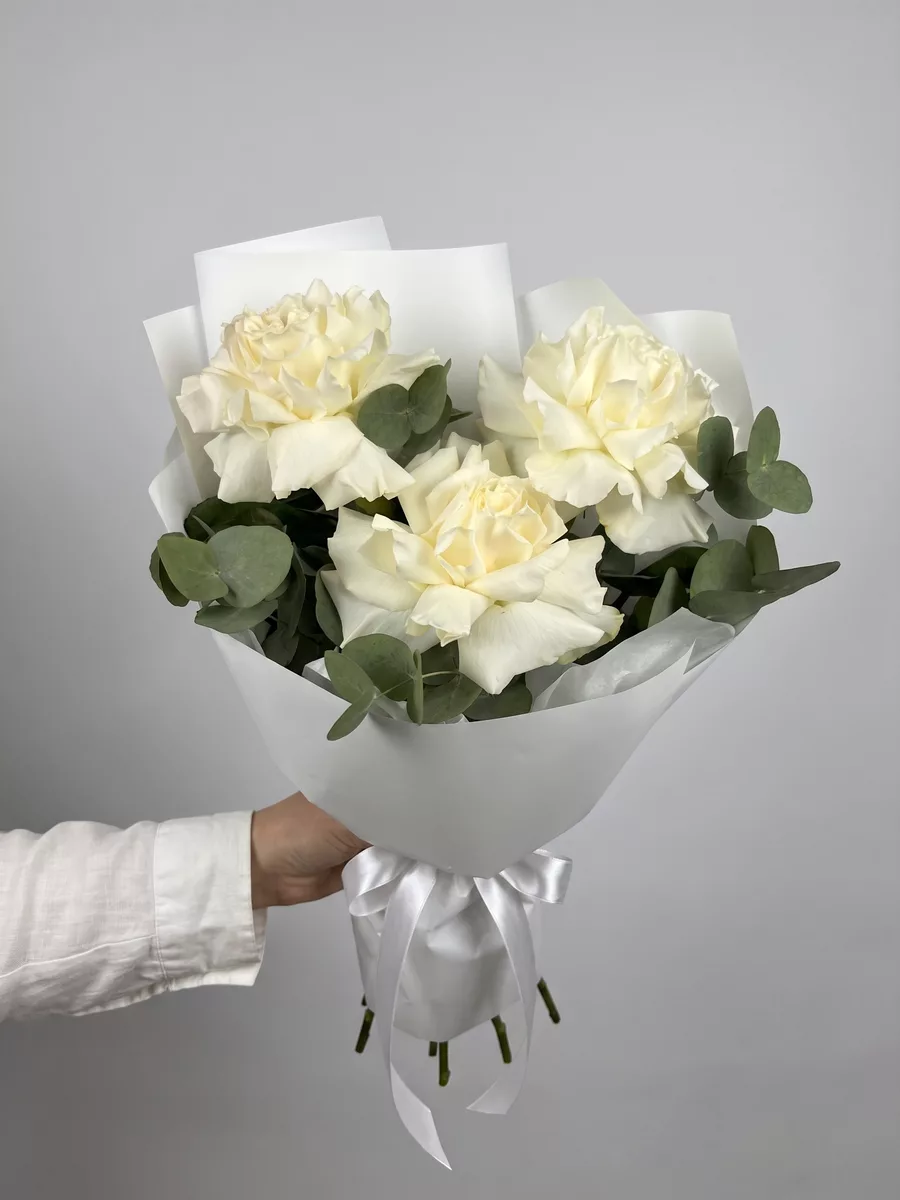
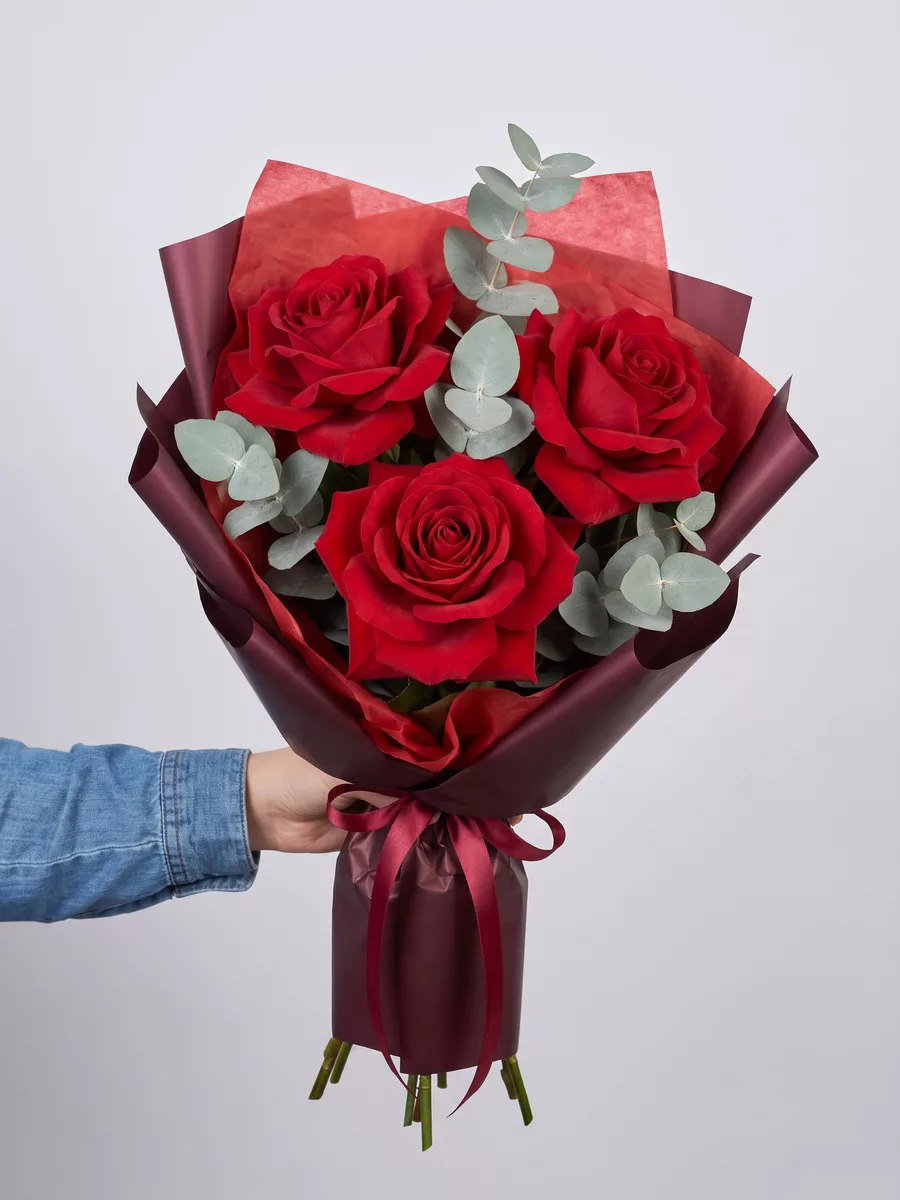
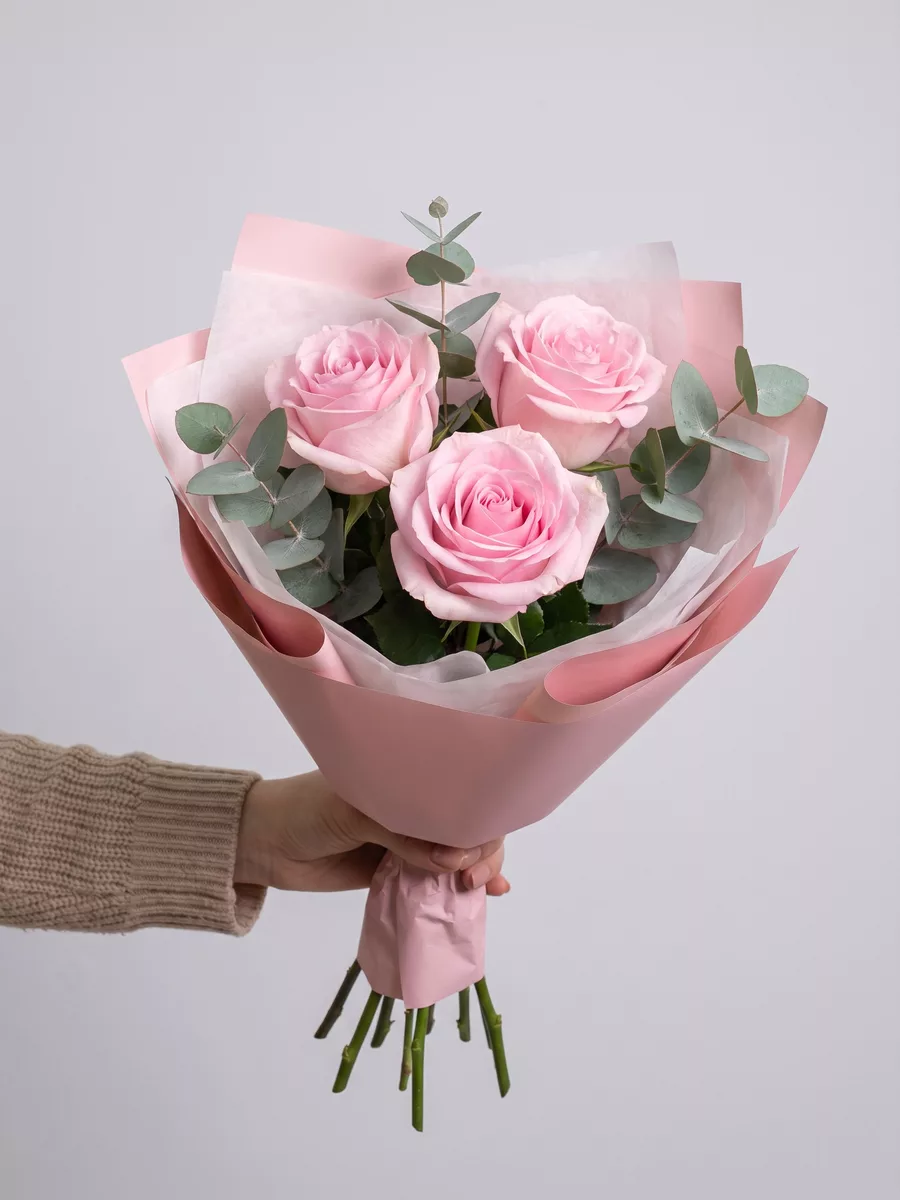
Bouquets we can deliver

Delivery Timing in Oktyabrsk: What the Hours Actually Mean
Turboflora delivers across Russia within one to two hours of order confirmation, and Oktyabrsk is included in that commitment. What this means in practice is that if you place an order at noon, the bouquet should be at the door before two in the afternoon on a standard working day. Delivery windows can shift slightly during peak periods — the days around March 8th, Valentine's Day, and major public holidays see a significant increase in volume, so ordering a day ahead during those periods is genuinely worthwhile.
Temperature matters more than most people realize when it comes to flower delivery. In Oktyabrsk, winters are cold enough that an unprotected bouquet carried from a warm vehicle into freezing air can suffer petal damage within minutes. Flowers like gerbera daisies and open roses are especially sensitive to sudden cold. Properly packaged orders travel in insulated wrapping that buffers the transition, but it is still worth bringing the bouquet indoors immediately rather than leaving it in a hallway or on a step.
In summer, the opposite risk applies. Bouquets left in direct sunlight or a warm car — even briefly — can wilt before they are unwrapped. If the recipient is not home at the expected time, the courier will attempt contact before leaving the arrangement. Communicating an accurate delivery address and confirming the recipient will be available removes most of the uncertainty. Clear building and apartment details are especially important in residential areas where entrances are not always obvious to someone arriving for the first time.
Choosing a Bouquet for the Situation, Not Just the Season
Seasons do shape what is available and what looks best, but the situation matters more than the calendar. A birthday in January can absolutely feature bright gerberas or cheerful ranunculus — flowers that feel summery but are available year-round and hold up well in heated interiors. A romantic gesture in July does not have to mean roses, though a garden-style arrangement with David Austin-type roses, sweet peas, and soft greenery is genuinely beautiful when those varieties are in peak supply.
For celebrations — a new baby, an anniversary, a graduation — volume and presentation count. A full, rounded bouquet that takes up both arms to carry makes an impression that a small, neat bunch simply cannot. Peonies, hydrangeas, and large-headed roses all contribute to that generous feeling. If peonies are out of season, garden roses in cream or blush tones create a similar effect without the compromise of using flowers past their best.
For everyday appreciation — thanking someone, cheering up a friend, marking a small milestone — a well-chosen single-variety bunch is often more effective than a complex arrangement. Ten stems of white freesia, for example, have a scent that fills a room and a clean, elegant look that suits almost any interior. Fifteen stems of bright yellow tulips in spring signal warmth and energy without requiring any explanation. Simplicity, when it is deliberate, reads as thoughtful rather than minimal. The key is choosing something that fits the person, not just the occasion.
Bouquet Options Across Different Budgets
Flowers at every price point can be genuinely beautiful — the difference lies in scale, variety, and the complexity of the arrangement rather than in quality. At a modest budget, a single-variety bouquet of seasonal stems is the right approach. Alstroemeria, carnations in modern tones like dusty rose or burgundy, and spray chrysanthemums all last well and look generous even in smaller quantities. These are not compromise choices — they are what experienced florists reach for when they want reliable, lasting color.
A mid-range budget opens the door to mixed arrangements with a premium focal flower. A bouquet built around garden roses, with supporting stems of waxflower, eucalyptus, and small filler blooms, has the layered, textured look that photographs well and feels considered. This is also where you can start thinking about presentation — kraft paper wrapping with a wide ribbon, or a box arrangement that sits flat and travels without shifting.
At a higher budget, the options expand into statement pieces: a large arrangement of peonies or hydrangeas, a mono-bouquet of long-stemmed roses in a specific color, or a mixed composition that combines three or four premium varieties with intentional structure. These arrangements work especially well for significant occasions — a major anniversary, a milestone birthday, a professional achievement — where the size of the gesture needs to be visible from across the room. The wrapping and presentation at this level should match the flowers: clean, considered, and nothing that distracts from the bouquet itself.
What Happens Between the Florist and the Front Door
Every bouquet assembled for delivery in Oktyabrsk starts with stem preparation. Stems are cut at an angle — this increases the surface area that draws water and keeps flowers hydrated during transit. Conditioning time before packaging matters: flowers that have had a few hours to drink after cutting travel significantly better than those packed immediately after assembly. This is one of the less visible parts of the process, but it has a direct effect on how long the bouquet will last once it arrives.
Packaging for delivery is not the same as display packaging. The wrapping needs to hold the arrangement in shape, protect delicate petals from contact damage, and insulate against temperature changes — all while looking attractive when opened. A well-packaged bouquet should arrive looking as though it was just arranged, not as though it survived a journey. Stems should be wrapped in damp paper or a water source for longer distances to prevent dehydration in transit.
Once the bouquet is at the door, the recipient's first few actions make a significant difference to how long the flowers will last. Unwrapping promptly, re-cutting stems by about two centimeters before placing them in clean water, and keeping the arrangement away from direct heat sources — radiators, sunny windowsills, the top of a television — all extend vase life noticeably. In Oktyabrsk's centrally heated interiors during winter, this last point is especially relevant: dry, warm air accelerates wilting faster than most people expect.
Care and Vase Life: Making the Flowers Last
Different varieties have very different vase lives, and knowing this helps set expectations. Chrysanthemums and alstroemeria are among the longest-lasting cut flowers — they routinely hold for ten to fourteen days with basic care. Roses, depending on the variety and how open they are when they arrive, typically last seven to ten days. Tulips are shorter at five to seven days but move and open beautifully as they age, which is part of their appeal. Gerbera daisies last well but are sensitive to bacteria in the water, so changing the water every two days is particularly important for them.
The water itself matters more than most people think. Tap water in many Russian cities is treated with chlorine, which is not harmful to flowers but does not help them either. Letting tap water sit for a few hours before using it, or adding a small sachet of flower food if one is included with the bouquet, makes a measurable difference. The vase should be clean — residue from previous arrangements introduces bacteria that shortens stem life quickly.
Removing leaves that sit below the waterline is a simple step that is frequently skipped. Submerged leaves decompose quickly and cloud the water, which stresses the stems. Checking the water level daily and topping it up, rather than waiting until it is nearly empty, keeps the stems consistently hydrated. Re-cutting the stems every two or three days — just a centimeter is enough — reopens the uptake channels and can add two or three extra days to the arrangement's life. These are small habits that compound into noticeably longer-lasting flowers.
Russian Flower Customs Worth Knowing Before You Order
If you are not familiar with Russian gifting traditions around flowers, a few customs are worth knowing so that your order lands exactly as intended. The most widely observed one is the odd-number rule: bouquets given as gifts should contain an odd number of stems. Even numbers of flowers are traditionally associated with mourning, so a bunch of ten roses would feel out of place at a birthday or celebration. Most florists follow this automatically, but if you are specifying a quantity, keep it odd — nine, eleven, fifteen, twenty-one.
Color carries meaning too, though younger recipients in cities tend to be less strict about this than older generations. White flowers are sometimes associated with formal or solemn occasions, so a purely white arrangement for a casual birthday might feel slightly cold to someone from a traditional background. Adding a warm accent — cream roses with peach ranunculus, or white lisianthus with soft pink spray roses — shifts the mood without changing the overall palette significantly.
Yellow flowers have a complicated reputation in some parts of Russia, where they are associated with separation or bad luck in relationships. This is a generational and regional thing — younger people in cities often find it outdated — but if you are sending to someone older or more traditional, a warm mixed bouquet that avoids a purely yellow composition is a safe choice. None of these customs are rigid rules, but being aware of them means you can make an informed decision rather than an accidental one. When in doubt, a florist can always advise on what reads as celebratory and warm.
Sending flowers to Oktyabrsk is straightforward when you know what to focus on: the person receiving them, the occasion, and the small details that make the difference between a bouquet that lasts four days and one that looks beautiful for two weeks. Turboflora handles the timing and the transit — your job is simply to choose something that fits the moment, and we can help with that too if you are not sure where to start.
Frequently asked questions
Can I order flowers for same-day delivery in Oktyabrsk?
Yes. Turboflora delivers within one to two hours of order confirmation, including to Oktyabrsk. Place your order as early in the day as possible to give the most flexibility, especially if you have a specific delivery window in mind. During major holidays like March 8th, ordering the day before is strongly recommended to guarantee timing.
What bouquet size is appropriate for a birthday gift?
For a birthday, a bouquet that feels generous in the hand — typically fifteen stems or more — makes a stronger impression than a small bunch. A clear focal flower surrounded by complementary greenery and filler blooms looks intentional and celebratory. If you are close to the recipient, a larger arrangement with premium blooms like peonies or garden roses marks the occasion well.
How should the recipient care for the flowers once they arrive?
Unwrap the bouquet promptly, re-cut the stems at an angle, and place them in a clean vase with fresh water. Keep the arrangement away from radiators, direct sunlight, and drafts. Change the water every two days and remove any leaves below the waterline. Re-cutting stems every few days extends vase life noticeably, especially for roses and gerberas.
Are there any flower colors I should avoid for a gift in Russia?
Purely yellow bouquets are sometimes considered unlucky in romantic contexts by older or more traditional recipients, and all-white arrangements can feel formal rather than celebratory to some. Adding warm accent tones resolves both concerns. For most recipients under fifty in urban areas, these associations are less strict, but a mixed palette is always a safe and attractive choice.
Why does the number of stems in a bouquet matter?
In Russian tradition, even numbers of flowers are associated with mourning and are not given as celebratory gifts. Bouquets for birthdays, anniversaries, and other happy occasions should contain an odd number of stems — nine, eleven, fifteen, and so on. Turboflora follows this convention automatically, but it is useful to know if you are specifying a custom quantity.
Ready to send flowers?
Pick the city, choose the bouquet, and a local florist takes it from there.
Choose a city →