Sending Flowers to Osa: Timing, Varieties and What to Expect
Osa is a quiet town on the Kama River in the Perm region, and when you want to send flowers there — for a birthday, an anniversary, a new baby, or simply to say you are thinking of someone — the question is not whether it can be done but how to do it well. Fresh flowers travel better than most people expect, provided the order is handled by people who understand timing, temperature and the difference between a bloom that will last five days and one that will wilt by morning. This article walks you through everything: the delivery area, what to order by season, how to match flowers to the moment, and how the recipient should care for the arrangement once it arrives.
The Delivery Area Around Osa and How Timing Works
Osa sits on the western bank of the Kama River, roughly 130 kilometres south of Perm. Turboflora delivers to addresses across the town itself, including the central streets near the main square, residential districts on the outskirts, and private houses along the river embankment. If you are sending to a village just outside the town boundary, it is always worth specifying the full address including the street name and building number, because GPS coverage in smaller settlements can be inconsistent.
Delivery in Osa typically takes one to two hours from the moment your order is confirmed. That window accounts for arrangement preparation, packaging and transit. Morning orders placed before noon tend to arrive with the most flexibility in timing, because the roads into the Kama region are calmer before the midday freight traffic builds up. Evening deliveries are fully possible, but ordering by 18:00 local time gives the best result.
If the occasion is time-sensitive — a birthday dinner, a surprise before a work event, a graduation ceremony — mention the desired arrival window in the order comments. Florists read those notes and adjust dispatch accordingly. A two-hour buffer between your preferred arrival time and the actual event is a sensible habit. It accounts for the small variables that no one can fully control: a brief road delay, a building entrance that requires a call ahead, or a recipient who stepped out briefly and needs a few minutes to return.
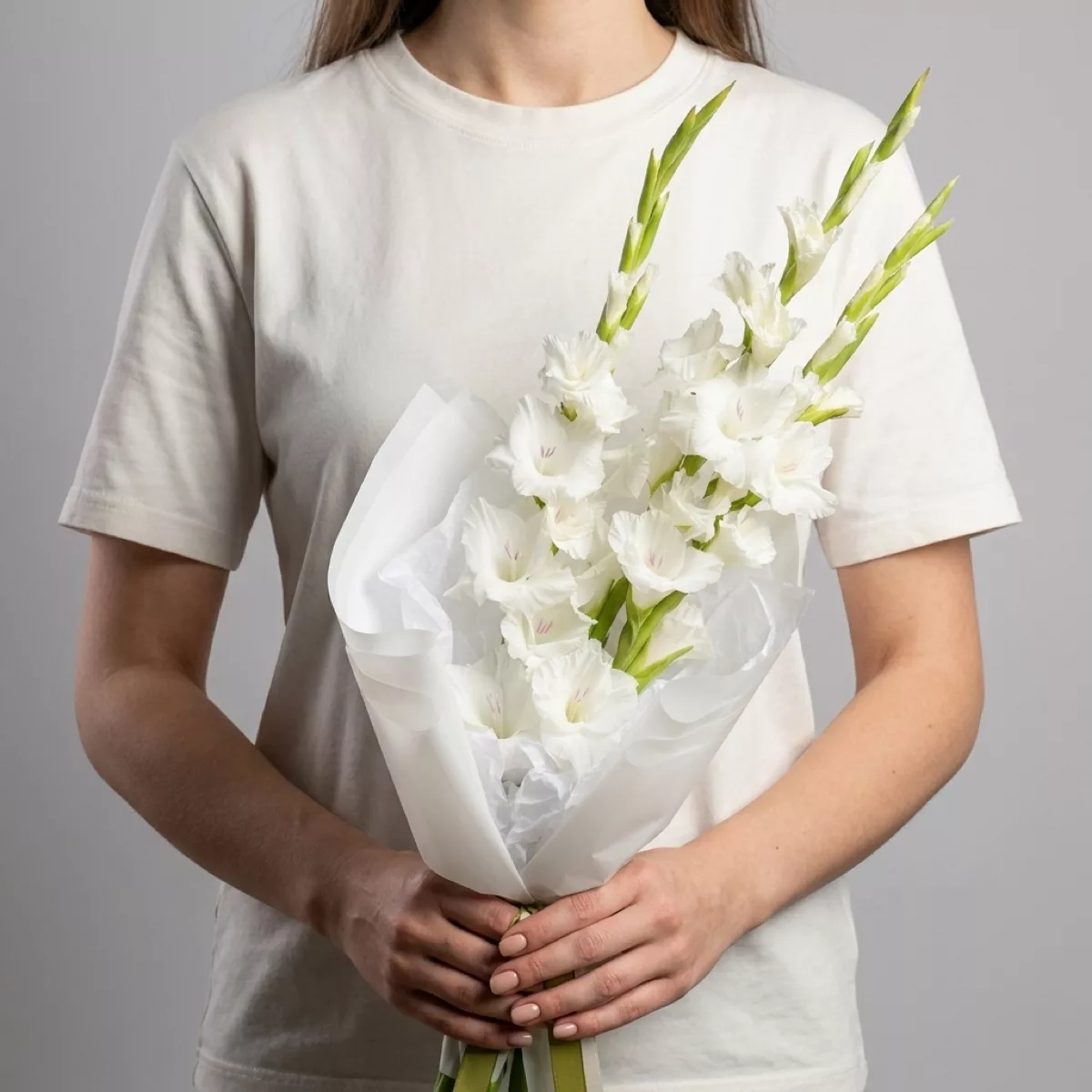
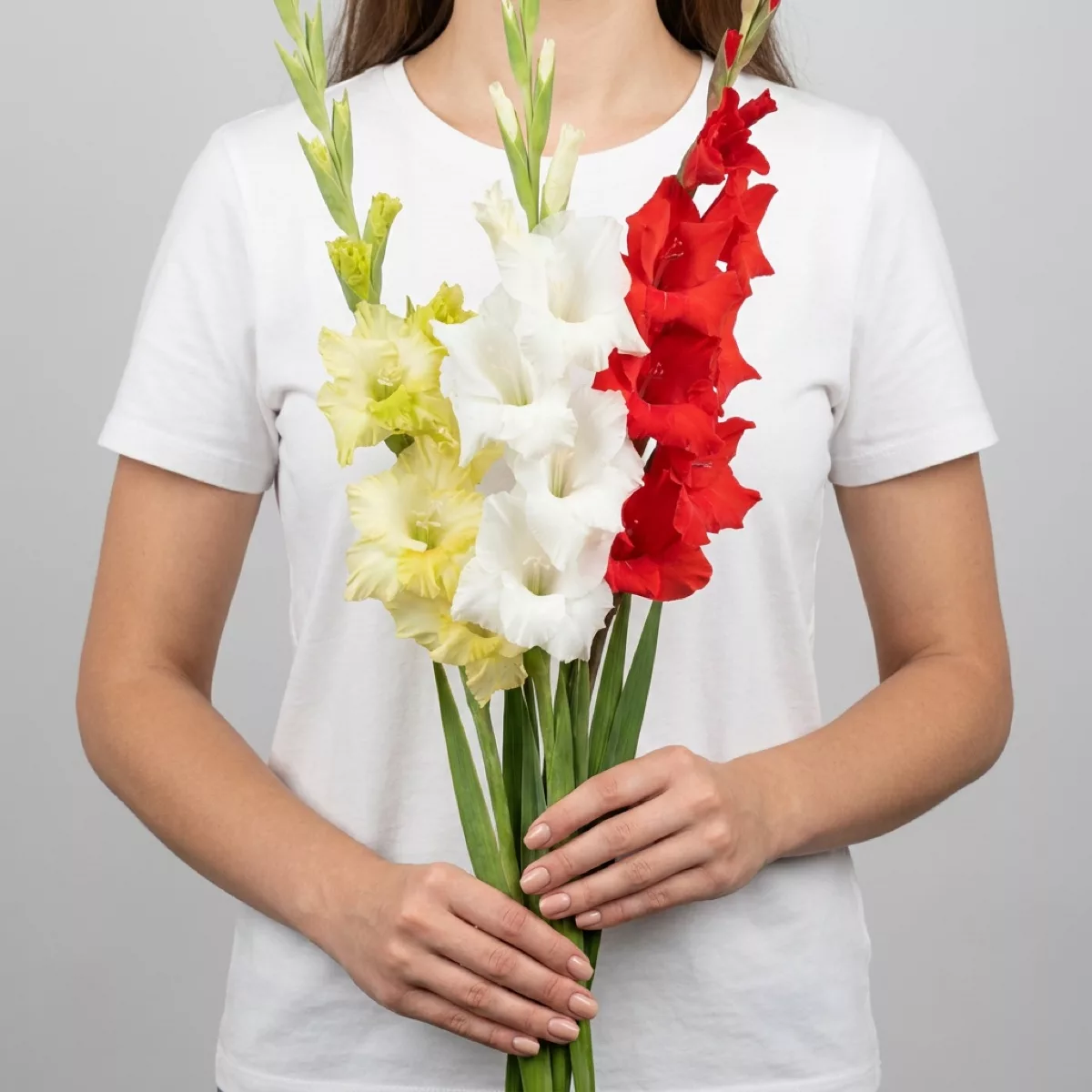
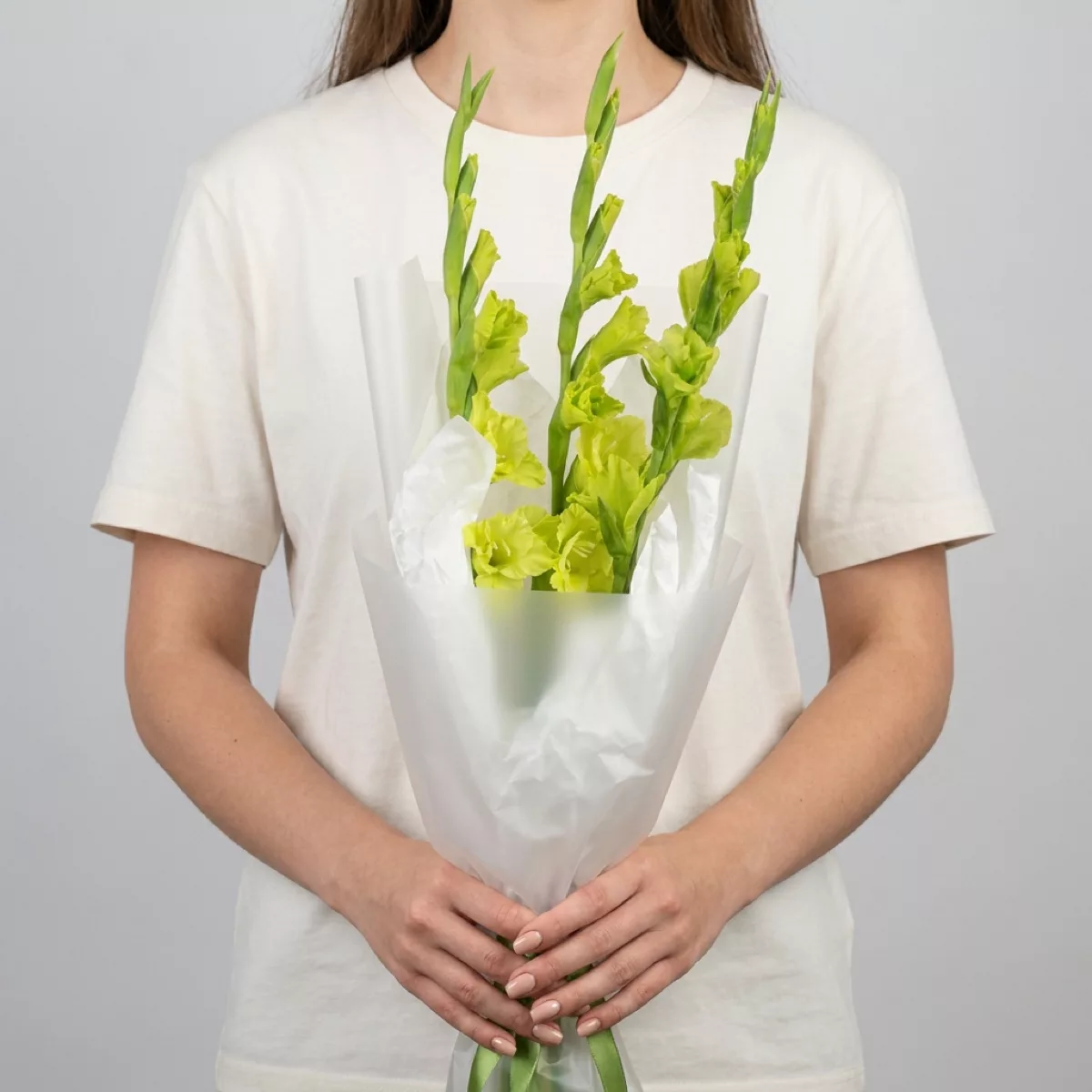
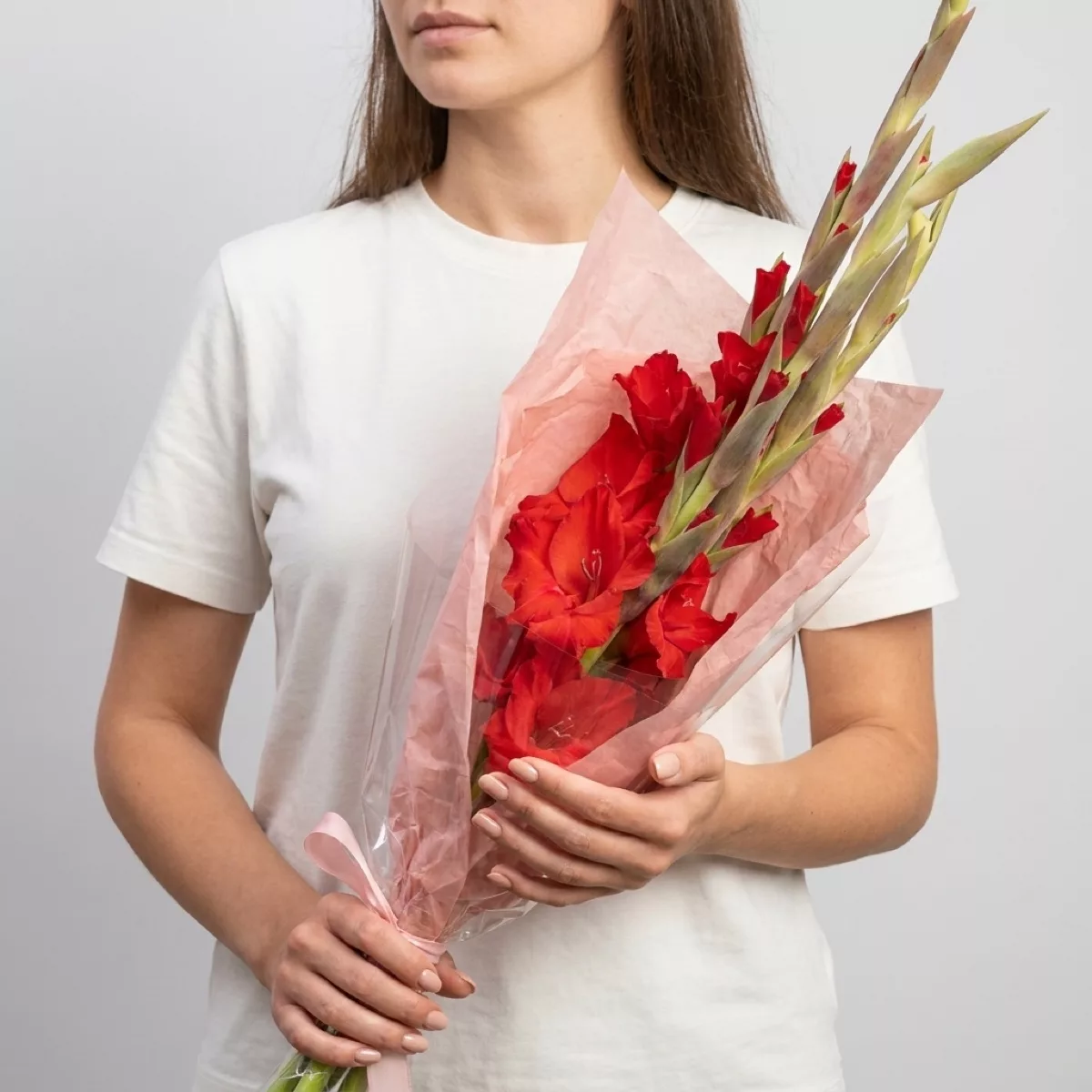
Bouquets we can deliver
Reading the Occasion Before You Choose the Flowers
The most useful thing you can do before picking a bouquet is to think about the recipient rather than the flowers. Ask yourself two questions: what is this person's daily environment, and what do you want them to feel when the door opens? Someone who lives alone in a small flat will appreciate a compact, long-lasting arrangement — a hand-tied bouquet of alstroemeria and spray roses fits neatly on a kitchen table and stays fresh for up to ten days. Someone who entertains often and has a large hallway will enjoy a generous statement piece with tall stems.
In Russian culture, flower-giving carries a few conventions that are worth knowing if you are sending from abroad or are unfamiliar with local customs. Bouquets are almost always given in odd numbers — three, five, seven stems or more — because even numbers are traditionally associated with mourning. This is not a rigid rule that causes offence if broken, but it is a warm gesture to follow it. Turboflora arrangements are composed with this in mind by default.
Colour matters too. Bright, saturated tones — deep red, vivid orange, electric violet — read as celebratory and passionate. Soft pastels — blush pink, cream, pale lavender — feel tender and intimate. White flowers are beautiful and widely given in Russia for birthdays and romantic occasions, unlike in some Western European traditions where white can feel formal or cold. If you are unsure, a mixed palette of warm whites and soft pinks is almost universally well received and photographs beautifully, which matters when the recipient shares the moment online.
Seasonal Flowers That Arrive in the Best Condition
The Perm region has a continental climate with cold winters and warm summers. That seasonality affects which flowers travel best to Osa at different times of year. In spring, from late March through May, tulips and ranunculus are at their peak. Tulips from Dutch and domestic growers are cut at the tight bud stage and continue opening after delivery, which means the recipient gets to watch the bouquet bloom across two to three days. Ranunculus, with their layered petals, last well in cool interiors and add a romantic, garden-style texture.
Summer brings sunflowers, lisianthus and peonies. Peonies are only reliably available from late May to early July, so if you want them, order with that window in mind. They are generous, fragrant and deeply associated with warmth and celebration in Russian flower culture. Lisianthus — sometimes called eustoma — is an excellent summer choice because it has a long vase life of up to two weeks and comes in white, purple, pink and bicolour varieties.
In autumn and winter, roses and chrysanthemums carry most of the work. Garden roses with high petal counts, such as David Austin-style varieties, look luxurious and hold well in heated interiors. Chrysanthemums are perhaps the most underestimated flower in the Russian market: a large spray chrysanthemum in deep burgundy or bright white is genuinely striking and lasts longer than almost anything else in the shop. For winter orders specifically, avoid delicate tropical flowers like anthuriums unless the delivery route is short, because they are sensitive to temperatures below ten degrees Celsius.
Choosing by Budget Without Compromising the Feeling
The emotional impact of a bouquet is not a direct function of its price. A well-composed arrangement of five stems can feel more considered and personal than a large, loosely assembled bundle. The key is proportion, colour harmony and foliage. When budget is modest, the right approach is to choose one hero flower — a rose, a peony, a large-headed chrysanthemum — and build around it with textural greens like eucalyptus, ruscus or pittosporum. These leaves are inexpensive, travel extremely well, and make even a small bouquet look intentional and full.
At a mid-range budget, combinations open up. Three stems of a garden rose alongside white lisianthus and a few sprigs of waxflower create a bouquet that looks like it came from a specialist florist and will last ten days with basic care. This is the range where adding a complementary accent colour — a touch of dusty purple statice, a single deep-toned dahlia in season — makes the arrangement feel curated rather than assembled.
For larger occasions — a significant anniversary, a promotion, a milestone birthday — a mixed arrangement with multiple flower types and a structured shape makes a stronger impression than simply adding more of the same stem. Think of it as the difference between a chord and a single note played loudly. Height variation matters too: tall stems at the back, medium blooms in the middle, low-growing filler at the front creates depth that a flat, uniform bouquet cannot achieve. If you are ordering for a formal setting like an office or a restaurant table, ask for a design that works in a vase without rearranging, because not everyone has the confidence to recut and restyle stems on arrival.
What Happens Between Your Order and the Recipient's Door
Once your order is placed and confirmed, the arrangement is prepared fresh. Stems are cut at an angle — a clean diagonal cut increases the surface area drawing water and extends vase life by one to two days compared with a straight cut. Foliage below the waterline is removed to prevent bacterial growth, which is the single most common reason bouquets deteriorate faster than they should. The flowers are then conditioned in water for a short period before packaging.
Packaging for delivery in the Kama region is designed for the conditions. In warm months, bouquets travel in water-soaked floral foam or with wet cotton wrapped around the stems, sealed inside kraft paper and a protective sleeve. In winter, an insulating wrap is added to protect against cold air during the transition from vehicle to doorstep. Even a few minutes of exposure to minus fifteen degrees can damage open blooms, so this step is not optional — it is built into the standard process.
When the courier arrives, they will call the recipient ahead if no one answers the door. If the recipient is temporarily unavailable, the courier will wait briefly and attempt contact. If you are sending a surprise and want the recipient's schedule considered, note a preferred delivery window and any access instructions in the order comments. Buildings in Osa, like much of provincial Russia, often have intercom systems or gated courtyards, so a flat number and intercom code are genuinely useful details to include. The more specific your delivery instructions, the smoother the handover.
Care Instructions to Pass On to the Recipient
A bouquet that is cared for well from the first hour will outlast one that is placed straight into a vase without preparation. The single most important step is recutting the stems. When flowers are out of water during transit, the cut end begins to seal over with a thin layer of sap. A fresh diagonal cut, removing one to two centimetres, immediately restores the flower's ability to draw water. This takes thirty seconds and adds days to the arrangement.
The vase water should be clean and cool, not warm. Warm water accelerates bacterial growth and causes stems to break down faster. A small sachet of flower food, which is included with most Turboflora orders, contains a mild bactericide, a sugar source for the blooms, and a pH adjuster — all three of which meaningfully extend vase life. If the sachet is not available, a tiny pinch of sugar and a drop of bleach in the water achieves a similar effect.
Placement in the room matters more than most people realise. Keep the vase away from direct sunlight, radiators and fruit bowls. Fruit, especially apples and bananas, releases ethylene gas as it ripens, and ethylene accelerates petal drop in roses, carnations and lisianthus. A cool spot — a hallway table, a shaded windowsill — is ideal. Change the water every two days and recut the stems each time. With this routine, roses will last seven to ten days, alstroemeria up to twelve, and chrysanthemums up to two weeks. These are not optimistic estimates — they are what the flowers reliably achieve with basic attention.
Making the Delivery Feel Personal From a Distance
One of the most overlooked parts of sending flowers remotely is the message card. In Russia, handwritten notes with deliveries carry genuine weight — they are kept, photographed and sometimes saved for years. A card that says something specific to the occasion and the person feels entirely different from a generic greeting. If you are sending from abroad and writing in English, that is completely fine; many recipients find a message in another language charming and personal. Turboflora adds the message exactly as you write it.
Timing a delivery to coincide with a specific moment also amplifies the impact. A bouquet arriving at 9:00 on a birthday morning, before the working day begins, sets the tone for the entire day. A delivery timed for the evening, when someone returns home after a long shift, feels like a warm welcome. Neither is better — they create different emotional moments, and choosing between them is a small act of consideration that the recipient will notice.
If you are sending flowers to Osa for someone who is new to the city or recently moved there, a familiar flower from their home region can feel especially meaningful. Someone from the south of Russia might associate sunflowers with home; someone from a northern city might love the deep, rich tones of autumn dahlias. These are the kinds of details that transform a flower order from a transaction into a memory. You do not need to know every variety name — describing the feeling you want to create is enough for a florist to translate it into the right arrangement.
Sending flowers to Osa is straightforward when you know what to expect from the process. The town is well within the delivery range, the journey from order to doorstep takes one to two hours, and the flowers that arrive will be fresh, properly packaged and ready to last. The work on your side is small: choose the occasion, think about the person, pick a combination that fits the season, and write a message that means something. Everything else is handled. A bouquet sent with that kind of thought behind it does not just mark an occasion — it becomes part of how the recipient remembers it.
Frequently asked questions
Can I order flower delivery to a specific address in Osa, including residential outskirts?
Yes. Turboflora delivers to all addresses within Osa, including residential areas away from the centre and private houses near the Kama embankment. For locations on the outskirts, providing a full street address and any gate or intercom codes in the order comments helps the courier reach you without delays.
What is the latest time I can order flowers for same-day delivery in Osa?
Placing your order by 18:00 local Perm time gives the best chance of same-day delivery. Orders placed later in the evening may still be fulfilled depending on availability, but confirming the timing in the order comments is advisable. Morning orders before noon offer the most flexibility for choosing a specific arrival window.
Why do Russian bouquets traditionally have an odd number of flowers?
In Russian tradition, even numbers of flowers are associated with mourning, so gifts for celebrations are given in odd numbers — three, five, seven or more stems. This is a widely observed custom rather than a strict rule, but following it is a warm, respectful gesture. Turboflora composes arrangements with this convention in mind by default.
How should the recipient care for the bouquet once it arrives in winter?
After a winter delivery, bring the bouquet indoors and let it rest at room temperature for fifteen minutes before unwrapping. Then recut the stems diagonally, place them in clean cool water with the included flower food, and keep the vase away from radiators. Avoid placing flowers near fruit, which releases ethylene gas and shortens bloom life significantly.
Which flowers last longest in a vase and are good choices for someone who travels frequently?
Chrysanthemums and alstroemeria are the strongest performers, lasting ten to fourteen days with basic care. Lisianthus and carnations are also excellent for longevity. If the recipient is away for a few days after delivery, these varieties will still look fresh on their return, making them a practical and thoughtful choice for busy people.
Ready to send flowers?
Pick the city, choose the bouquet, and a local florist takes it from there.
Choose a city →