Sending Flowers to Osinniki? Here Is What to Expect
Osinniki sits in the Kemerovo region of Western Siberia, a compact industrial city where a well-timed bouquet carries real weight. Whether you are sending roses to a mother across the country or surprising a colleague on a work anniversary, getting flowers there in good condition — and on the right day — takes a little planning. This guide walks you through everything from timing and temperature to which flowers travel best and how to make the arrangement last once it arrives.
Where in Osinniki Turboflora Delivers and How Far That Reaches
Osinniki is a relatively compact city, which works in your favour when it comes to delivery logistics. The central districts, including residential blocks near Lenin Street and the areas around the city administration, are all reachable within the standard delivery window. Outlying neighbourhoods and addresses closer to the industrial edges of the city are also covered, though it helps to include a full address with an apartment number or building entrance code when you place your order.
Because Osinniki is located in the Kemerovo region, it sits within a delivery zone that Turboflora serves directly. You do not need to worry about the bouquet passing through an intermediary — it leaves our preparation space and goes straight to your recipient. This matters more than it might seem, because every extra stop in transit adds time and temperature stress to the flowers.
If the recipient lives in a newer residential development on the outskirts, mention any landmarks or access instructions in the order notes. Delivery drivers in Siberian cities often navigate by landmarks as much as by street names, and a clear note — such as 'entrance from the courtyard side' or 'intercom code is 47' — saves time and keeps the flowers from sitting in a cold hallway while someone figures out access. A smooth handover is part of the gift.
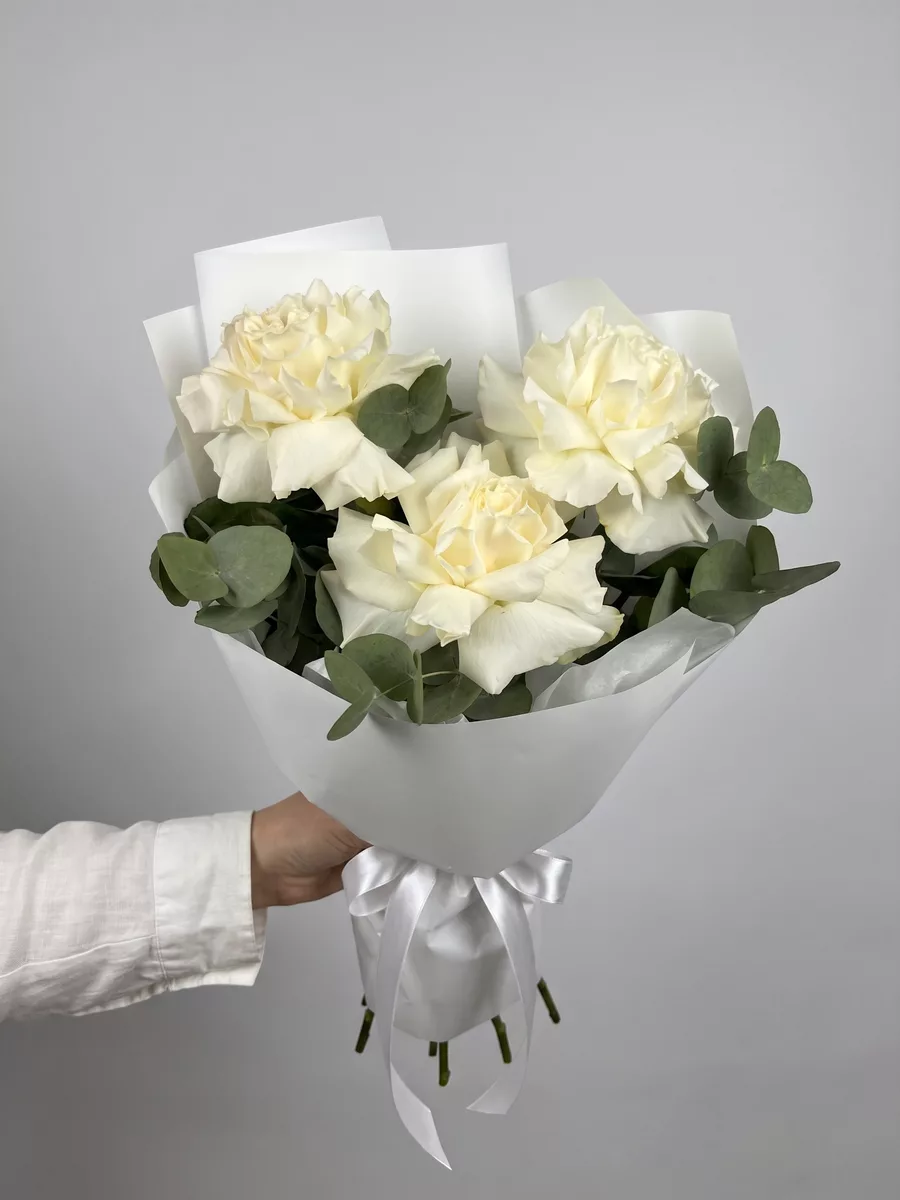
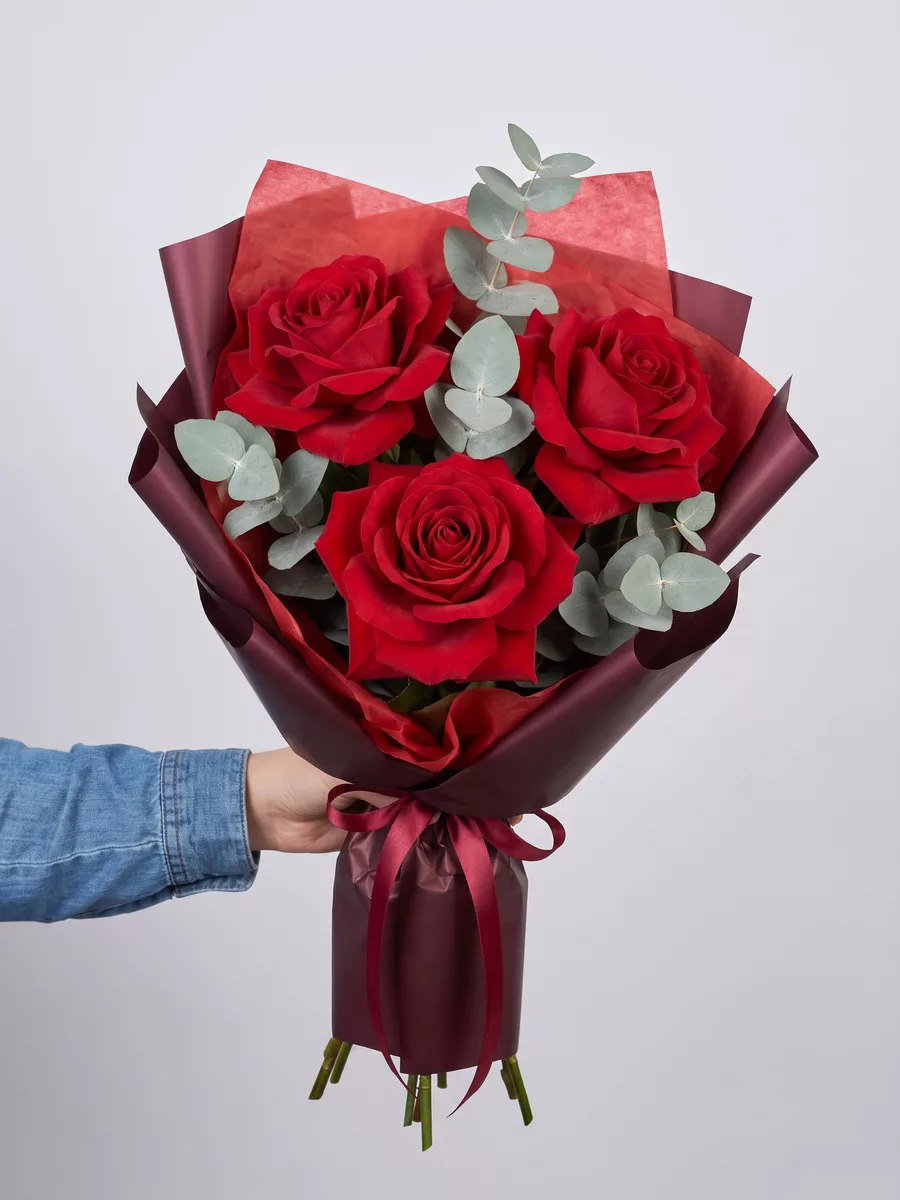
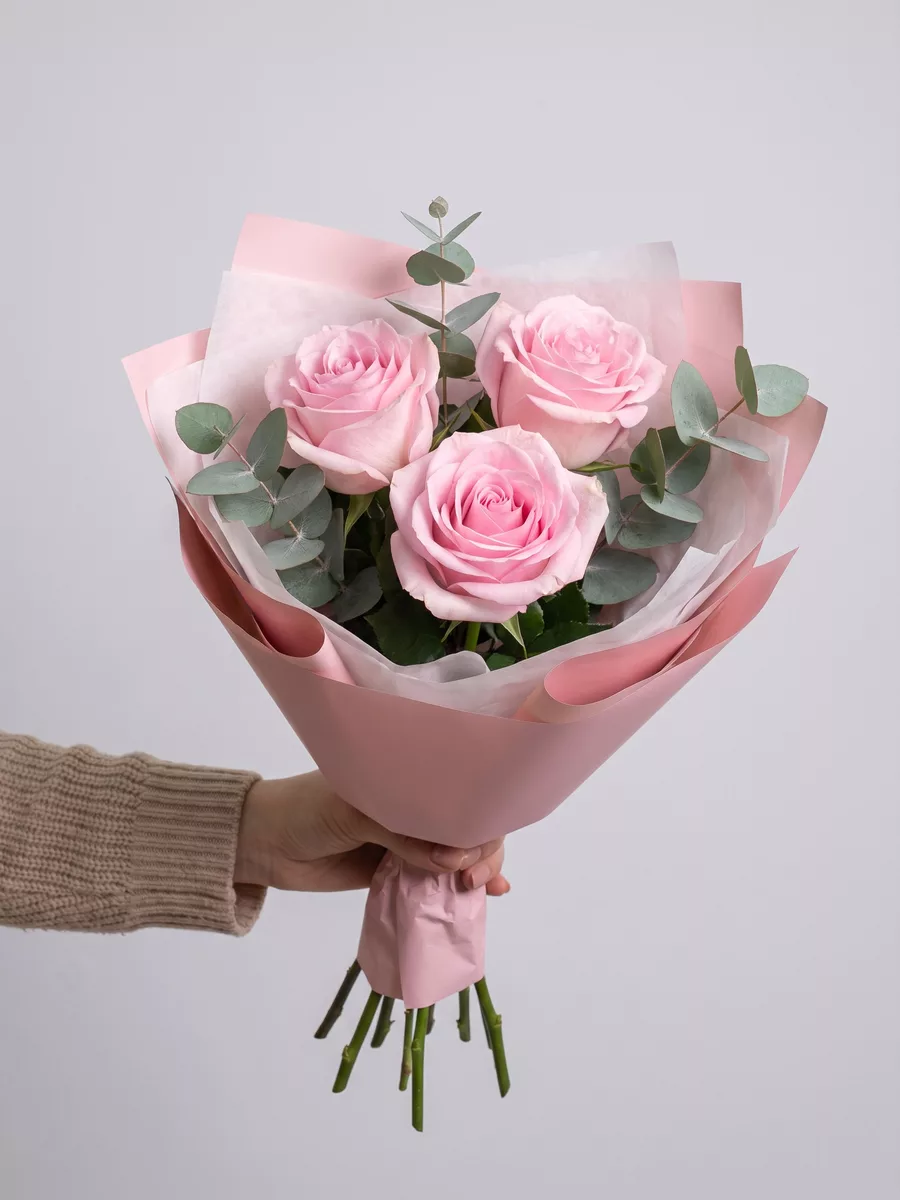
Bouquets we can deliver

Timing Your Order: Same-Day and Scheduled Delivery in Osinniki
Turboflora operates on a one-to-two-hour delivery window, which means that if you order in the morning, the bouquet can arrive before lunch. This is genuinely useful for occasions like birthdays, where the surprise lands better at the start of the day rather than in the evening. For same-day delivery, placing your order at least two hours before the intended arrival time gives the team enough room to prepare the arrangement properly rather than rushing the wrapping.
Scheduled delivery is the smarter choice when you know the date in advance. If you are sending flowers for a March 8th celebration — International Women's Day, which is the biggest flower-giving occasion in Russia and taken very seriously — booking two or three days ahead is not just recommended, it is essential. Demand on that date is extraordinary, and same-day slots fill quickly.
Osinniki follows Moscow time plus four hours, so keep time zones in mind if you are ordering from another city or from abroad. A 10 a.m. order placed in Moscow corresponds to 2 p.m. local time in Osinniki. The delivery window you select in the order form reflects local Osinniki time, so double-check before confirming. Getting the timing right is the single thing most likely to make the recipient feel genuinely thought of, rather than just receiving flowers whenever they happened to arrive.
Siberian Weather and What It Does to Flowers in Transit
Osinniki winters are serious. Temperatures regularly drop to minus twenty Celsius or colder between November and March, and even October and April can bring sharp frosts. This is not a minor detail — it is the most important factor in choosing what to send during the cold months. Flowers are living tissue, and a few minutes of exposure to freezing air can cause petal edges to blacken and stems to go limp in a way that cannot be reversed.
For winter orders, Turboflora wraps bouquets in insulated packaging designed to hold warmth during the journey from vehicle to door. Still, your choice of flowers matters. Roses, particularly varieties with dense petal structure like garden-style roses or spray roses, handle cold transitions better than open, single-layer blooms. Chrysanthemums are also robust. Gerbera daisies and tropical varieties like strelitzia are far more vulnerable and are better reserved for spring and summer orders.
In summer, the concern flips. Osinniki can be warm and humid in July and August, and flowers left in a hot entrance hall or a sunny windowsill will deteriorate within hours. If you are sending a bouquet for a summer birthday, include a note asking the recipient to move the flowers into water immediately and keep them away from direct sunlight. A little practical advice alongside the gift shows you thought about the whole experience, not just the purchase.
Choosing the Right Flowers for the Person and the Moment
Start with the recipient, not the flower. A colleague receiving a bouquet on a professional milestone will feel differently about a tight, formal arrangement of white and cream roses than they would about a loose, garden-style mix of ranunculus, lisianthus and eucalyptus. The first says respect and occasion; the second says warmth and personality. Both are right in different contexts.
For a mother or grandmother — a common recipient in Russian flower culture — peonies are deeply loved when they are in season from May through June. Outside of peony season, soft pink roses combined with alstroemeria and a few stems of waxflower give a similarly generous, layered impression. Alstroemeria is worth knowing about because it lasts exceptionally well, often ten to fourteen days in a vase, which means the gift keeps giving long after the day itself.
For romantic occasions, red roses remain the classic choice and they read clearly across all generations and backgrounds. If you want something more distinctive, consider deep burgundy roses paired with dusty miller foliage, which gives a velvety, jewel-toned look that photographs beautifully and feels current without being difficult to understand. When in doubt about the recipient's taste, a single-variety bouquet in a generous quantity — say, twenty-five or thirty-one stems, since odd numbers are traditional in Russia for living recipients — is always more elegant than a complicated mix that tries too hard.
Budget and Presentation: Getting the Most From Your Order
The size of a bouquet communicates something in Russian culture, perhaps more directly than in other countries. A small arrangement of five or seven stems is a light, casual gesture — appropriate for a thank-you or a small congratulation. A bouquet of fifteen to twenty-five stems reads as a meaningful gift. Anything above thirty-one stems signals a significant occasion or deep affection. Knowing this helps you calibrate without overspending or undershooting.
Presentation adds perceived value without necessarily adding cost. Ask about kraft paper wrapping with twine for a natural, artisan look, or a structured box arrangement if the recipient has limited vase space — box flowers sit in a foam base and do not require a vase at all, which is practical for office deliveries or small apartments. A ribbon colour that complements the flowers rather than contrasting sharply with them is a small detail that florists notice and recipients feel, even if they cannot name why the bouquet looks so considered.
If you are working within a tighter budget, lean into single-variety bouquets of flowers that are in season. Seasonal flowers are fresher, more affordable and have a longer vase life because they have not travelled as far to reach the preparation space. A generous bunch of seasonal tulips in February, for example, will outperform a small mixed arrangement at twice the price. Seasonal awareness is one of the clearest signs of a florist who genuinely cares about the outcome.
Vase Life and Care: What to Tell Your Recipient
A bouquet that arrives in perfect condition and then wilts in two days is a missed opportunity. Sharing a few care tips with your recipient — either in the card message or in a follow-up message — extends the life of the gift significantly. The most important step is cutting the stems at a forty-five-degree angle under running water before placing them in a clean vase. This opens the stem's water-uptake channel and makes an immediate difference.
Water temperature matters more than most people realise. Lukewarm water encourages most cut flowers to open and hydrate quickly. Cold water slows the process and is only appropriate for tulips, which actually prefer cooler water to stay upright longer. Change the vase water every two days and re-cut the stems each time. This sounds like effort, but it adds three to five days of vase life to most arrangements.
Keep the bouquet away from fruit bowls. Ripening fruit releases ethylene gas, which accelerates flower ageing and causes petals to drop faster. A cool room away from direct sunlight and heating vents is ideal. In a Siberian winter, the area near a window can be very cold at night — move the vase to a central spot in the room after dark. Roses and lisianthus will typically last seven to ten days with good care. Alstroemeria and chrysanthemums can stretch to two weeks, making them excellent value choices when longevity matters.
Russian Flower Customs Worth Knowing Before You Order
If you are not familiar with Russian traditions around flowers, a few customs are worth understanding so your gift lands exactly as intended. The most widely known is the odd-number rule: bouquets for living recipients should contain an odd number of stems — seven, nine, fifteen, twenty-five. Even numbers are associated with mourning and are used at memorial occasions. Most florists follow this automatically, but if you are specifying an exact stem count, keep this in mind.
Colour carries meaning too, though less rigidly than the stem-count rule. Yellow flowers were historically associated with separation and bad luck in Soviet-era culture, and some older recipients still hold this association. Younger people in cities like Osinniki are generally less concerned about this, but if you are sending to someone over sixty or are unsure of their views, a safe choice is to mix yellow flowers with other colours rather than sending a purely yellow arrangement. White flowers are considered elegant and celebratory, not mournful, so do not avoid them.
March 8th, International Women's Day, is the occasion where flowers matter most in Russia. It is not a quiet observance — schools, offices and families all participate, and most women expect to receive flowers from the men in their lives. Mimosa, with its tiny yellow puffball clusters and fresh green scent, is the traditional flower of this holiday and is adored across generations. Ordering early for March 8th is not just practical advice; it is the difference between arriving with the perfect gift and arriving empty-handed.
Osinniki may not be the first city that comes to mind when you think of flower delivery, but getting a beautiful, fresh bouquet there is entirely straightforward when you understand the timing, the weather and the person you are sending to. Choose flowers suited to the season and the recipient, get the stem count right, share a few care tips, and the gift will do exactly what you hoped — make someone feel genuinely seen on a day that matters to them.
Frequently asked questions
Can I order flowers for same-day delivery to Osinniki?
Yes, same-day delivery is available in Osinniki. Place your order at least two hours before the time slot you want. For high-demand dates like March 8th or Valentine's Day, booking two to three days in advance is strongly recommended, as same-day slots fill quickly and the preparation quality is better when the team is not working under last-minute pressure.
Which flowers hold up best during Osinniki's cold winters?
Roses with dense petal structures, chrysanthemums and alstroemeria all handle cold transit well. Avoid tropical or thin-petalled varieties like gerbera or strelitzia in winter months. Turboflora uses insulated packaging for cold-weather deliveries, but choosing cold-tolerant varieties adds an extra layer of assurance that the bouquet arrives in full condition.
Why do Russian bouquets always seem to have an odd number of stems?
In Russian tradition, odd numbers of flowers are given to living recipients as a celebration, while even numbers are associated with memorial occasions. It is a deeply ingrained custom across generations. Most florists follow this automatically, but if you are requesting a specific quantity, always choose an odd number — seven, fifteen, twenty-five — to ensure the gift reads as celebratory.
How long will the flowers last once they are delivered?
With proper care, roses and lisianthus typically last seven to ten days. Alstroemeria and chrysanthemums can reach two weeks. The key steps are cutting stems at an angle before placing them in lukewarm water, changing the water every two days, and keeping the bouquet away from fruit, direct sunlight and heating vents. Sharing these tips with your recipient extends the life of your gift significantly.
Is there a time zone difference I should account for when ordering to Osinniki?
Yes. Osinniki follows Kemerovo Time, which is Moscow Time plus four hours. If you are ordering from Moscow or another western Russian city, a 10 a.m. order corresponds to 2 p.m. local time in Osinniki. The delivery window in the order form reflects local Osinniki time, so double-check the slot you select to make sure it matches when your recipient will actually be home.
Ready to send flowers?
Pick the city, choose the bouquet, and a local florist takes it from there.
Choose a city →